
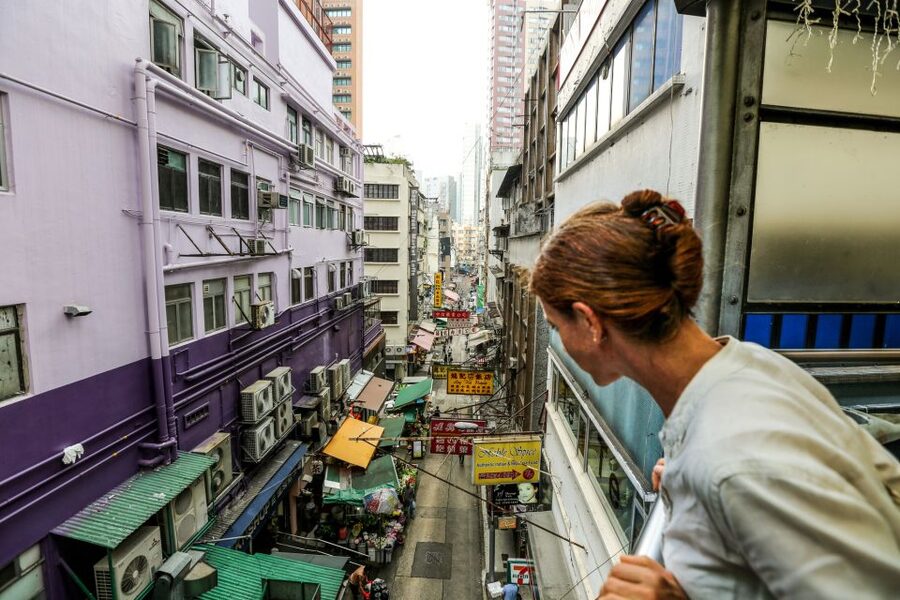
Review · CHINA HISTORY TOURS
Hong Kong Heritage – Past to Present
Hong Kong’s Central district is a city history lesson written in steel, stone, glass, and concrete. This three-hour walk links Statue Square, the former Supreme Court, and St John’s Cathedral with the footbridges and towers of the modern business center, showing you how Hong Kong changed from a colonial port into a global city.
I like the small group of two to eight, since it gives you room to ask questions. I also like the focus on architecture and city planning, especially the explanation of why Central’s main square is so small and how land reclamation pushed the waterfront farther out. The main drawback is simple: this is a walking tour through a dense urban area, so it is not a good fit if stairs, long walks, or uneven city routes are difficult for you.
Key points at a glance
- Statue Square tells a surprisingly large story in a small space, from colonial rule to the changing shape of Central.
- The former Supreme Court and St John’s Anglican Cathedral offer some of the clearest surviving examples of Hong Kong’s colonial architecture.
- Elevated footbridges reveal how modern Central works, separating pedestrians from much of the traffic below.
- A short transfer connects Central with the Central and Western District, giving the tour a wider historical range.
- Old town and Soho show later layers of Hong Kong, where older streets meet newer restaurants, businesses, and urban life.
- The two to eight person group size makes it easier to ask about history, culture, architecture, and the city’s different periods of rule.
Why Central is the right place to study Hong Kong
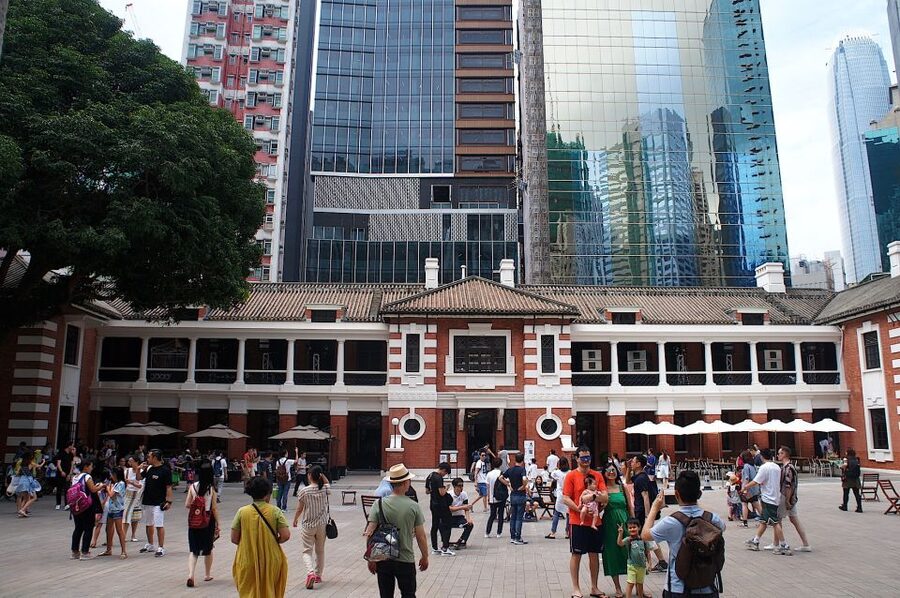
If you want to understand Hong Kong quickly, start in Central. This is where British rule began in 1841, where western-style buildings first took root, and where successive building projects changed the shoreline and the city’s scale.
The appeal of this walk is that you are not looking at isolated monuments. You are learning how old buildings survive among towers, roadways, raised walkways, and commercial buildings. The guide’s job is to connect those pieces so the city feels less like a wall of glass and more like a sequence of decisions made over time.
That context matters. A building may look small beside a skyscraper, but its position can explain how the waterfront once sat closer to the business center. A square may seem oddly compact until you understand the pressures of land, government space, transport, and commercial growth.
The walk also helps you notice details you could easily pass without a guide. People often hurry through Central on the way to an office, a shop, or a transport connection. You get more from it when someone slows the pace and points out the older structure hidden in plain sight.
More History Tours in China:
- Beijing: Badaling Ancient Great Wall of China Day Trips
★ 4.8 · 208 reviews - Beijing Historical Tour II including Summer Palace, Lama Temple & Panda Garden
★ 4.0 · 187 reviews - Beijing Historical Tour I – Forbidden City, Tiananmen Square & Temple of Heaven
★ 4.0 · 120 reviews
Starting beside the General Post Office
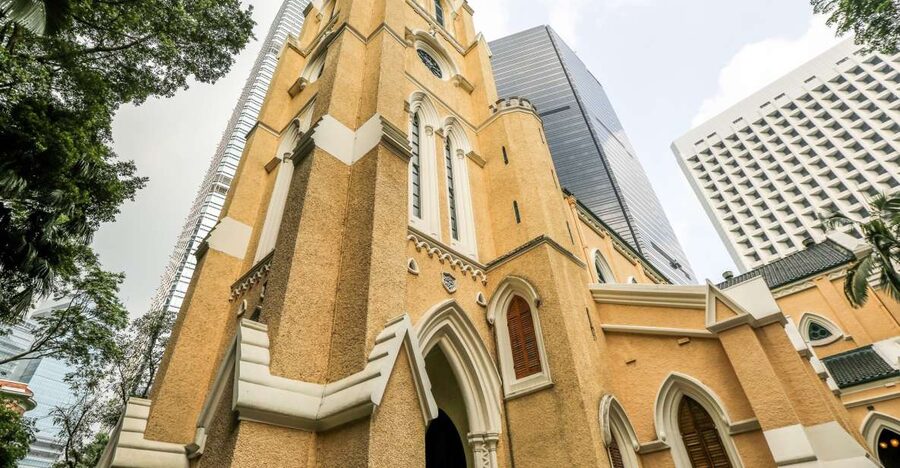
The meeting point is at street level outside the General Post Office at 2 Connaught Place, next to the bus station. This is a practical location in the heart of Central, but give yourself enough time to find the correct side of the building and arrive ready to walk.
There is no hotel pickup or drop-off, so you need to make your own way to the starting point. Food and drinks are also not included, though you can buy them during the day. For a three-hour city walk, that is not a major problem, but it is worth handling breakfast, water, or coffee before you arrive.
The group is limited to eight people. That small size is one of the strongest features of the experience. You can hear the guide more easily than in a large walking group, and you have a better chance to ask about the details that interest you most.
Recent guides have included Mel, Martin, Gabi, and Alexandra. Mel has been praised for adjusting the pace to suit the group and for explaining both Hong Kong’s past and its place as a one-world city today. Martin has led a tour that focused on how the city changed under different ruling parties. German-language walks have included Gabi and Alexandra, with Alexandra using photographs and maps to support the story.
Statue Square and the mystery of limited public space
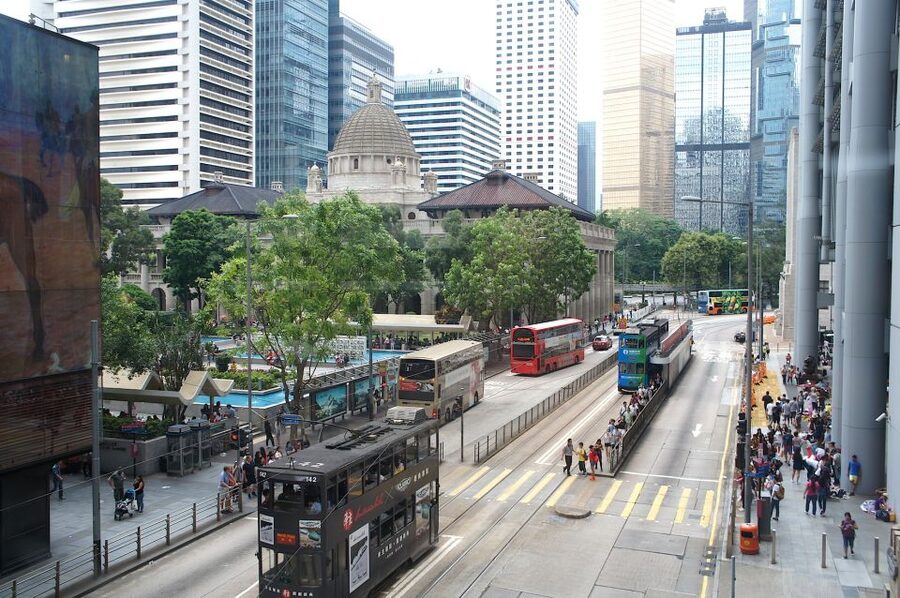
Statue Square is an excellent first stop because it gives the guide a compact place to explain Hong Kong’s development. The square is the main public square in Central, yet it is not especially large. That contrast is part of the lesson.
You will hear why the space is so limited and how the city’s growth affected its public areas. The waterfront was extended through major reclamation projects, while commercial and government buildings continued to press into the center. Hong Kong’s limited land has always shaped its architecture and public spaces.
Look around here with the city’s past in mind. The square is surrounded by major buildings and busy streets, so it can feel more like a working civic zone than a relaxed park. That is precisely why it works as a starting point. The guide can show you how government, finance, transport, and public life were packed together in a tight area.
I like this part of the tour because it teaches you how to read the city. Instead of simply hearing dates and names, you begin to ask why a building is located there, why a road curves the way it does, and why open space is scarce.
The former Supreme Court and colonial architecture
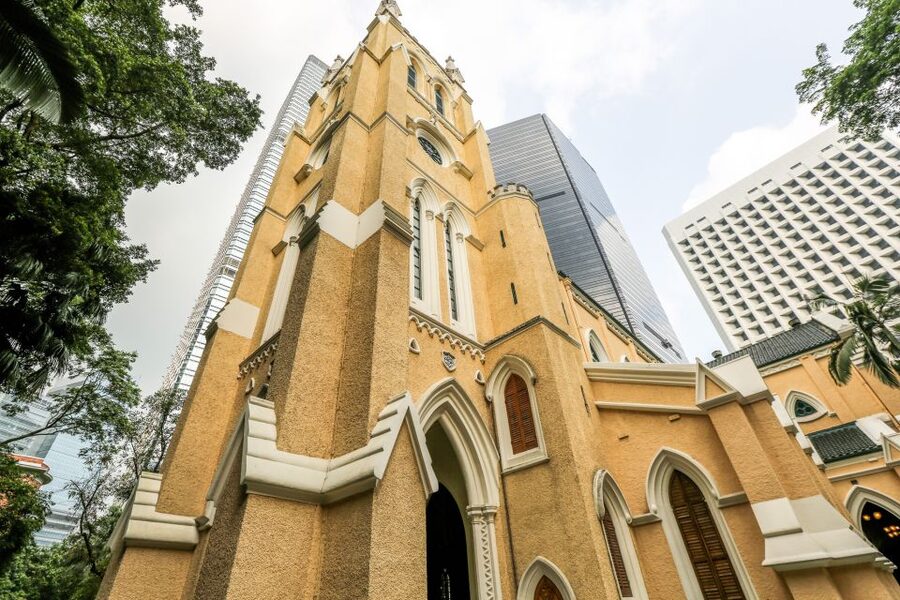
The former Supreme Court is one of Hong Kong’s last remaining colonial buildings. Its importance is not only architectural. It helps explain the institutions that shaped the city during British rule and gives you a physical link to an earlier period of government.
The tour places this older building beside the modern towers, making the contrast hard to miss. You see the scale, materials, and formal design of an earlier era set against the efficiency and height of present-day Central.
Your guide will provide the historical setting rather than asking you to admire the facade on its own. That is useful because colonial buildings can become empty symbols if their role is not explained. Here, the building becomes part of a larger story about law, administration, power, and the growth of the city.
This stop also suits anyone interested in architecture. The experience does not treat buildings as background decoration. It looks at how Hong Kong’s past influenced later construction, including the way new projects had to fit into an already crowded center.
Same streets, a different century:
- Beijing Culture: Tea Ceremony, Heritage Instrument & Calligraphy
★ 5.0 · 57 reviews - BusDa-Ancient Great Wall &Badaling Great Wall Full-day Bus Tour
★ 5.0 · 56 reviews - Leshan Giant Buddha and Huanglongxi Ancient Town Day Trip
★ 4.5 · 45 reviews - 2-Day Beijing Highlights Tour with Peking Duck
★ 4.9 · 41 reviews
St John’s Cathedral and a vanished harbour view
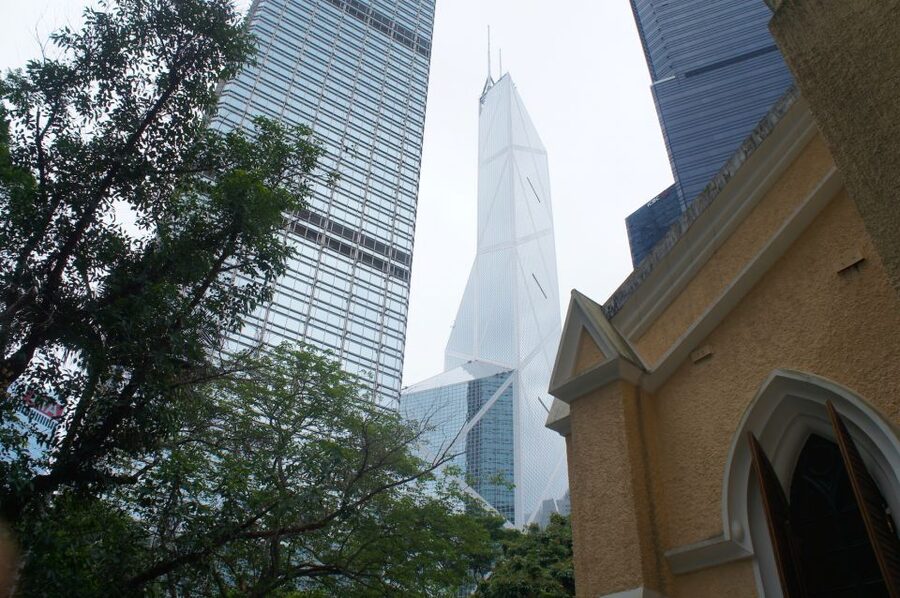
St John’s Anglican Cathedral is another important surviving colonial building. It once could be seen from the harbour, before the city expanded and the waterfront moved farther away through reclamation and development.
That detail gives the cathedral special value on this walk. You are not only seeing a religious building. You are learning how dramatically Central’s setting changed. The cathedral’s relationship with the harbour has been altered by the city around it, which makes it a useful marker of Hong Kong’s physical growth.
The stop should appeal to you if you enjoy places where architecture and geography meet. The building helps you imagine an earlier shoreline, then compare it with the dense city around you today.
Do not expect a quiet churchyard experience in the style of a rural European cathedral. This is central Hong Kong, and the urban setting remains part of the view. Traffic, offices, and pedestrians are close by. The reward is the contrast itself: an older place of worship continuing to exist in one of Asia’s most intensely developed business districts.
Footbridges and the practical machinery of Central
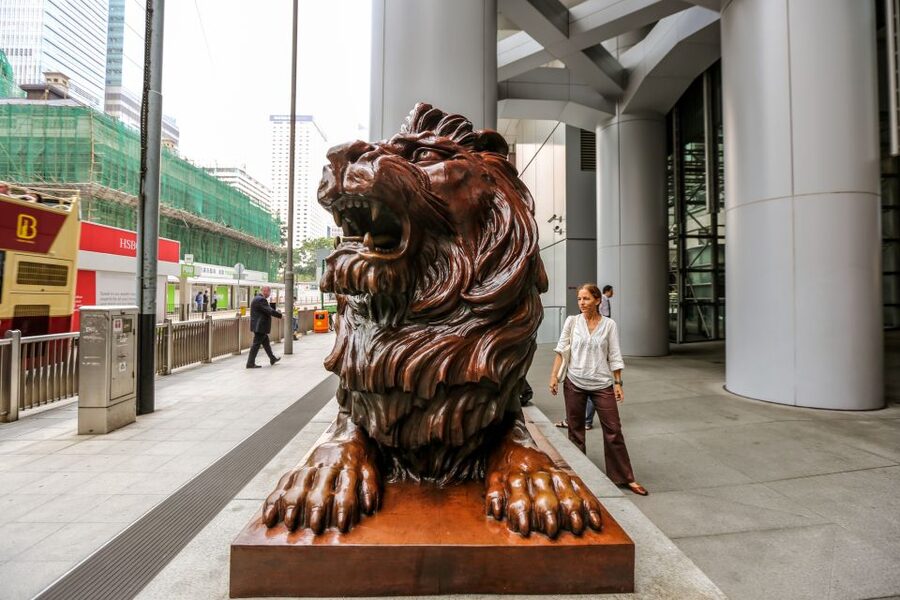
One of the tour’s most useful features is its attention to Central’s network of footbridges. These elevated routes are more than a way to get from one building to another. They show how Hong Kong adapted pedestrian movement to a dense business center.
From the raised walkways, you can understand the city at a different level. Streets, office towers, shopping areas, entrances, and public routes connect in layers. The guide explains how these systems help people move through the district while keeping much of the traffic below.
This part of the walk may surprise you because it is less obviously historic than a cathedral or court building. Yet it says a great deal about modern Hong Kong. The city has not replaced its past with one clean new plan. It has added new routes, towers, and connections around what was already there.
You may also find this section physically demanding if you are not comfortable with stairs or extended walking. The activity is not recommended for people with limited mobility, and large bags or luggage are not allowed. Wear comfortable shoes, as the tour covers several parts of the city on foot.
A short transfer to the Central and Western District
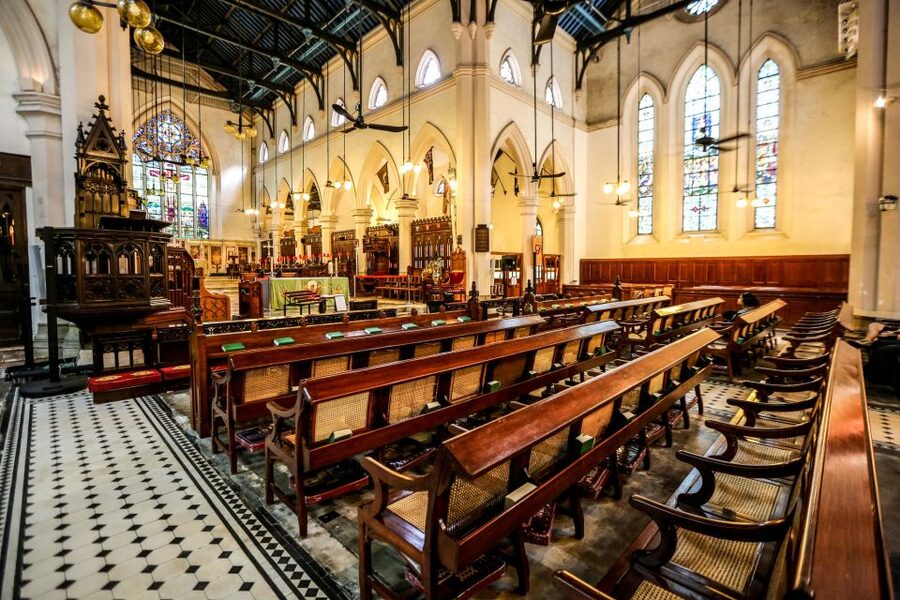
The experience includes a transfer of about ten minutes before continuing in the Central and Western District. The exact starting option can vary, so check your booking details carefully and listen for the guide’s instructions on the day.
This short change of area keeps the tour from becoming too narrow. Instead of staying only among the best-known Central buildings, you get a wider view of how older parts of Hong Kong relate to the business core.
The value here is range. In three hours, you can move from government buildings and financial towers toward older streets and districts that developed in different ways. The tour does not try to cover every part of Hong Kong, but it gives you a useful framework for seeing how several eras sit close together.
Old town and the making of Soho
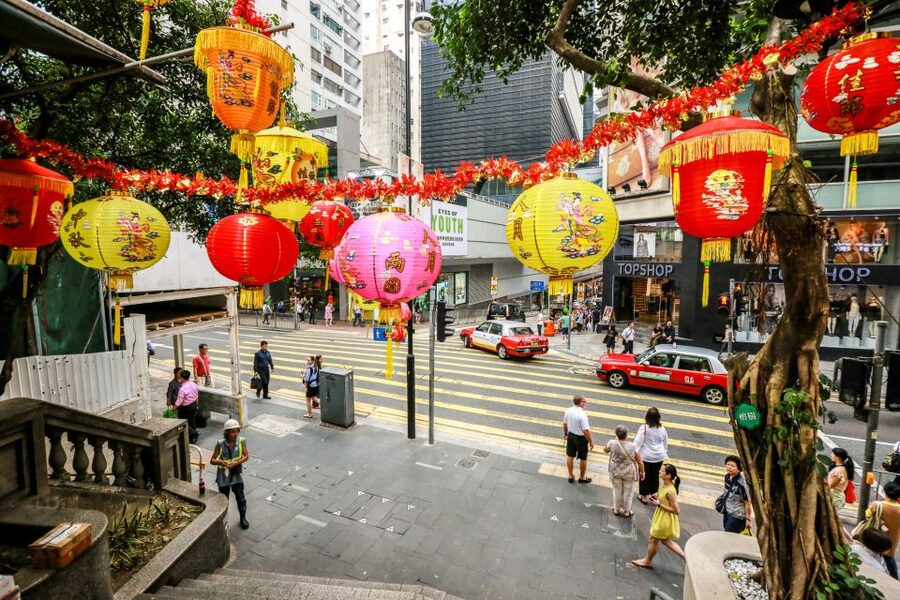
The old town section adds a more lived-in side to the tour. The emphasis shifts from government and finance to the streets, buildings, and urban changes that helped shape modern Hong Kong.
The guide also explains the making of Hong Kong’s Soho. That is useful because Soho is often treated simply as a dining and nightlife area. Here, you look at how the district fits into the city’s wider development and how newer uses can grow around older streets.
This is where the tour’s past-to-present theme becomes clearest. Hong Kong’s older districts were not sealed off as museum pieces. They continued to change, attract new businesses, and take on fresh identities.
The old town portion may be especially useful if you are staying in Hong Kong for several days and want more than a list of famous sights. It gives you a way to connect the areas you may visit later on your own. After the tour, you are better prepared to notice differences between Central’s office district, the older western streets, and Soho’s newer character.
What the guide adds to the experience
A good guide is essential here because the tour’s value comes from explanation. The buildings are visible without a guide, but their relationships are not always obvious.
Mel has been noted for setting a comfortable pace and tying history and culture to Hong Kong’s present-day role. Martin has handled questions about the city’s changes under different ruling parties. German-language departures with Gabi and Alexandra have offered another way to access the same material, with maps and photographs used to make the story clearer.
The group size helps. With two to eight people, you can ask why a building survived, how the shoreline changed, or what a district looked like in an earlier period. You are not simply following a flag through the streets.
The guides also appear to adapt the walk to personal interests. That does not mean every departure will follow the same rhythm, but it does mean you should ask questions when something catches your attention. This is the sort of tour that improves when you participate.
Is $65 a fair price for three hours?
At $65 per person, this is not the cheapest way to walk through Central. You are paying for a small group, a live English or German guide, and a carefully connected explanation of the district rather than simple access to public streets.
The value is strongest if you care about architecture, history, and city planning. You can visit Statue Square, the former Supreme Court, St John’s Cathedral, old town, and Soho without paying admission to a series of attractions. The paid element is the guide’s interpretation and the structure of the route.
The price may feel less worthwhile if you prefer to wander alone, take photos at your own pace, or stop often for food and shopping. You also need to buy your own refreshments and arrange your own transport to and from the meeting point.
For a first visit, I think the cost makes sense if you want a clear introduction to Central. For repeat visits, it can still pay off, especially if you have seen the famous buildings but never understood how the city’s shoreline, government, and modern transport systems fit together.
Who should book this Central walking tour?
I would choose this tour if you enjoy learning how a city was built. It suits first-time visitors who want a strong orientation, repeat visitors who have mostly explored Hong Kong independently, and anyone drawn to architecture and political history.
It is also a good pick if you prefer a small group rather than a large scheduled walk. The two to eight person limit creates a more personal setting, and the guide can respond to questions instead of delivering a fixed speech to a crowd.
I would hesitate if you have limited mobility, dislike city walking, or want a food-focused experience. This is not a tasting tour, a shopping tour, or a scenic viewpoint excursion. Its strength is the story of Central told through buildings, public spaces, footbridges, and changing districts.
You can cancel up to 24 hours in advance for a full refund, and the reserve-now-pay-later option gives you some planning flexibility. Starting times vary, so check availability before you commit.
Should you book Hong Kong Heritage, Past to Present?
Book it if you want Hong Kong to make more sense after you leave Central. The tour gives you a useful explanation of why the main square is small, why colonial buildings still matter, how the harbour moved away from older landmarks, and why elevated walkways are part of daily city life.
The best reason to go is the combination of old and new. You see government buildings, a cathedral, old town, Soho, and modern transport links in one compact outing. With a small group and guides such as Mel, Martin, Gabi, or Alexandra, you get the chance to ask the questions that turn a walk into real understanding.
Skip it if you need a relaxed, low-walking activity or want a tour built around food and shopping. Otherwise, $65 is a reasonable price for three hours of thoughtful orientation in the heart of Hong Kong.
FAQ
How long does Hong Kong Heritage, Past to Present last?
The tour lasts three hours. Starting times vary, so check availability when choosing your date.
Where does the tour meet?
The meeting point is at street level outside the General Post Office at 2 Connaught Place in Central, Hong Kong, next to the bus station.
Is hotel pickup included?
No. Hotel pickup and drop-off are not included, so you need to reach the meeting point yourself.
What languages are available?
The tour is available with a live English-speaking guide. German is available, and a German guide can be requested.
How many people are in the group?
The group is limited to two to eight participants.
What should I bring?
Wear comfortable shoes. Luggage and large bags are not allowed.
Is the tour suitable for people with limited mobility?
No. The tour is not recommended for people with mobility impairments because it involves walking through Central and the Central and Western District.
Newest history tours we have reviewed in China
- 9 days Ancient Town Tour★ 5.0 · 21 reviews
- Dazu Ancient Rock Carvings Private Tour Extension★ 5.0 · 24 reviews
- Leshan Giant Buddha and Huanglongxi Ancient Town Day Trip★ 4.5 · 45 reviews
- 3-Day All-Inclusive Beijing Private Tour: Top Sights+Peking Duck★ 5.0 · 28 reviews
- BusDa-Ancient Great Wall &Badaling Great Wall Full-day Bus Tour★ 5.0 · 56 reviews
- 2-Hour “Ancient & Modern” Beijing Sidecar Tour (Day /Night)★ 5.0 · 36 reviews
- 2-Hour Beijing Private Forbidden City Tour: History & Highlights★ 5.0 · 28 reviews
- Shenzhen History , Culture & Scenic + (Drone Delivery) tour★ 5.0 · 26 reviews
China History Tours, compared.


Beijing Historical Tour II including Summer Palace, Lama Temple & Panda Garden
Read our review →
Beijing Historical Tour I – Forbidden City, Tiananmen Square & Temple of Heaven
Read our review →
Beijing Culture: Tea Ceremony, Heritage Instrument & Calligraphy
Read our review →
BusDa-Ancient Great Wall &Badaling Great Wall Full-day Bus Tour
Read our review →
Leshan Giant Buddha and Huanglongxi Ancient Town Day Trip
Read our review →

2-Hour “Ancient & Modern” Beijing Sidecar Tour (Day /Night)
Read our review →Browse the lists this tour appears in