
Review · USA HISTORY TOURS
Austin: Downtown History Walking Tour
Austin’s past comes alive through its buildings, streets, nightclubs, and colorful local characters on this two-hour downtown walk. You begin in the old vice district, visit Antone’s, enter the Driskill Hotel, and finish near Congress Avenue with a better sense of how Austin became Austin.
I like the story-first approach and the chance to see places you could easily pass without noticing. I also like the guides’ personal touch. Emily, Caroline, Kim, and Emmily are praised for clear storytelling, local tips, and a pace that gives you time to ask questions. The main drawback is simple: you cover 1.1 miles with few places to sit, and Austin’s sun can make the walk feel warmer than the distance suggests.
Key points to know before you book
- The Driskill is the star stop: Go inside Austin’s oldest operating hotel for stories tied to its grand Romanesque-style interior and unusual characters.
- You get Austin beyond the postcard: The route connects vice districts, music venues, historic streets, statues, and older commercial buildings.
- Expect plenty of talking: The walk covers a manageable distance, but the experience is built around storytelling rather than nonstop sightseeing.
- The guides make the difference: Emily, Caroline, Kim, and Emmily are known for enthusiasm, clear explanations, and useful suggestions for food and other places to visit.
- Book early in your stay if possible: The local tips and city background can help you make better choices during the rest of your Austin visit.
- Prepare for the weather: Wear comfortable shoes, carry water, and dress for the forecast. The tour runs rain or shine.
Why this Austin walk is worth your time
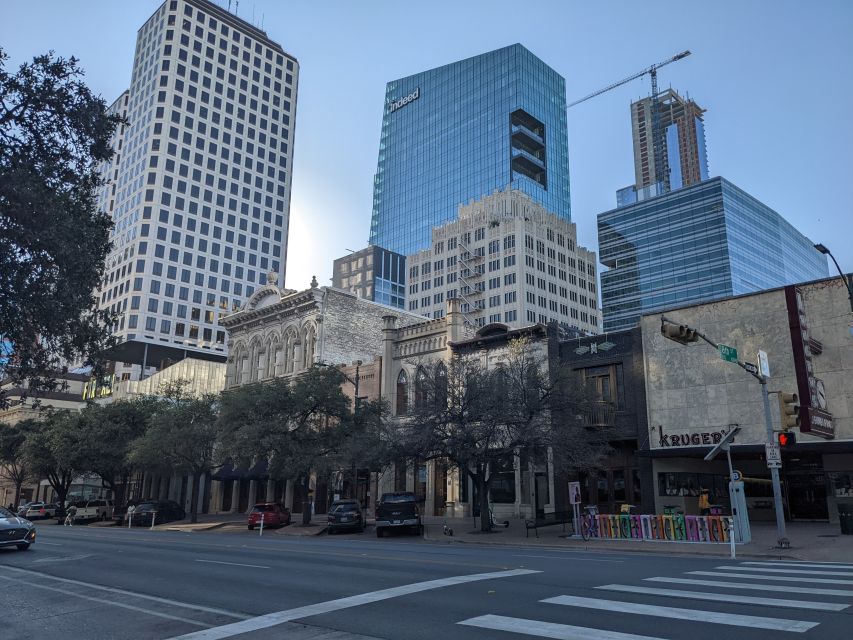
Austin is easy to approach as a city of music, barbecue, murals, and eccentric slogans. That first impression is fun, but it can leave out the people and conflicts that shaped downtown. This tour gives you a useful framework for understanding the city, moving from cowboys and vice districts to nightclubs, condos, and the phrase Keep Austin Weird.
I especially like that the route does not depend on one famous landmark. The guide uses small details in the streets and buildings to explain how Austin changed. You hear about local artists, free spirits, musicians, business owners, and other figures who helped give the city its character.
The format is also practical. Two hours is long enough to cover the main story without taking over your day. At $29 per person, the price is fair if you want context rather than a simple stroll. You are paying for a live guide who can connect separate locations and answer questions, not just point at buildings.
The value is strongest for a first visit. If you arrive in Austin with little sense of its past, the tour can make the downtown core easier to read. You may also pick up ideas for food, music, and other activities. Several guides have offered personal recommendations during the walk, which adds useful value beyond the formal route.
More History Walking Tours in the USA
- History and Hauntings of Salem Guided Walking Tour
★ 5.0 · 14,564 reviews - Boston: Freedom Trail History Small Group Walking Tour
★ 5.0 · 6,450 reviews - Historic Charleston Guided Sightseeing Walking Tour
★ 5.0 · 6,216 reviews
Starting at Halcyon and entering the old vice district
Meet your guide outside Halcyon Coffee on 4th Street, at the corner of Lavaca Street. This is a sensible starting point because it puts you in the Warehouse District, an area that helps explain Austin’s shift from a rougher commercial center to a modern downtown full of restaurants, offices, apartments, and condos.
The opening section covers what was once a rowdy vice district before its transformation in 1913. That change gives the tour an early theme: Austin has repeatedly reinvented itself. The city you see today is not a clean break from the past. It grew over older streets and former trouble spots.
Allow time to get your bearings before the tour begins. Halcyon gives you a clear meeting point, and restrooms are available at the start. Comfortable clothes and shoes matter more than dressing up. You will not be racing from site to site, but you will be on your feet for most of the two hours.
The Warehouse District and Antone’s music story
The Warehouse District section lasts about 20 minutes and combines walking with guided stops. Here, the guide sets up the relationship between downtown buildings, changing businesses, and Austin’s modern identity.
Antone’s Nightclub receives its own visit of about 20 minutes. This is one of the most useful stops for understanding how Austin earned its reputation as the Live Music Capital. The point is not simply that Austin has clubs. You learn how venues, performers, and local culture helped turn music into a defining part of the city.
The exact experience inside a nightclub can depend on what is open and available at the time, but the route includes a visit to Antone’s rather than only passing its exterior. That makes the stop feel more connected to Austin’s music story.
If music is a major reason you are visiting, pay close attention here and ask questions. The guide can place the venue within the larger story of Austin’s artists and nightlife. This is also a good moment to ask for current suggestions about music or food, since several guides have offered helpful local advice.
Downtown streets, local characters, and the meaning of Keep Austin Weird
The main downtown section lasts about 30 minutes. This is where the walk shifts between architecture, people, and city identity. You hear how Austin developed, how neighborhoods changed, and why the city still embraces unusual ideas and unconventional personalities.
The phrase Keep Austin Weird can sound like a marketing line if you only see it on a T-shirt. The tour gives it more substance by connecting the phrase to local artists, independent spirits, musicians, and characters who resisted a more ordinary version of urban growth.
I like this part because it avoids treating Austin as a polished theme park. The stories include serious subjects and odd details, which is why the activity is suggested for ages 13 and older. The age guidance is not strictly enforced, but parents should know that some historical themes are mature.
The guides also make the history feel less like a lecture. Emily is repeatedly praised for enthusiasm, humor, and a clear voice. Caroline is described as engaging and full of energy. Kim has been praised for making each place feel personal, while Emmily is known for catching stories about streets and buildings. Your guide may vary, but the format encourages questions and conversation.
Same streets, a different century:
- New York City: American Museum of Natural History Ticket
★ 4.5 · 15,447 reviews - Charleston’s Old South Carriage Historic Horse & Carriage Tour
★ 5.0 · 10,023 reviews - Beneath The Streets Underground History Tour
★ 4.5 · 8,006 reviews - Big Island in a Day: Volcanoes Waterfalls Sightseeing and History
★ 5.0 · 6,569 reviews
Sixth Street and the city after dark
The Sixth Street Historic District receives about 10 minutes of guided walking. This is a short stop, but its location matters. Sixth Street is closely tied to nightlife and music, so it helps connect the city’s older entertainment culture with the venues and creative scene discussed earlier.
Do not expect a long evening outing or a bar crawl. This is a history walk, not a nightlife tour. You see the district in context and hear why it matters. That distinction is useful: you get the background without giving up an entire night.
The short stop also keeps the tour moving toward the Driskill. If you want extended time on Sixth Street after the tour, the route gives you a convenient introduction and you can return on your own.
Inside the Driskill Hotel
The Driskill is the most distinctive indoor stop. It is the oldest operating hotel in Austin, and the tour spends about 20 minutes inside its grand Romanesque-style halls.
This visit gives the experience a welcome change of pace. Much of the tour takes place on downtown sidewalks, while the Driskill offers a chance to look closely at an important historic interior. The building also provides a setting for stories about eccentric and visionary people connected to Austin.
I would not treat this as a full hotel tour with access to every area. It is a guided visit inside the public parts of the building, paired with stories about the people and city around it. That is enough to make the stop worthwhile, especially if you appreciate architecture and old hotels.
The Driskill also helps tie the tour together. The earlier stops show Austin’s rougher and more musical sides. The hotel adds status, ambition, and a sense of the city’s changing fortunes. You see how one downtown building can carry several chapters of local history.
Angelina Eberly and the Koppel Building
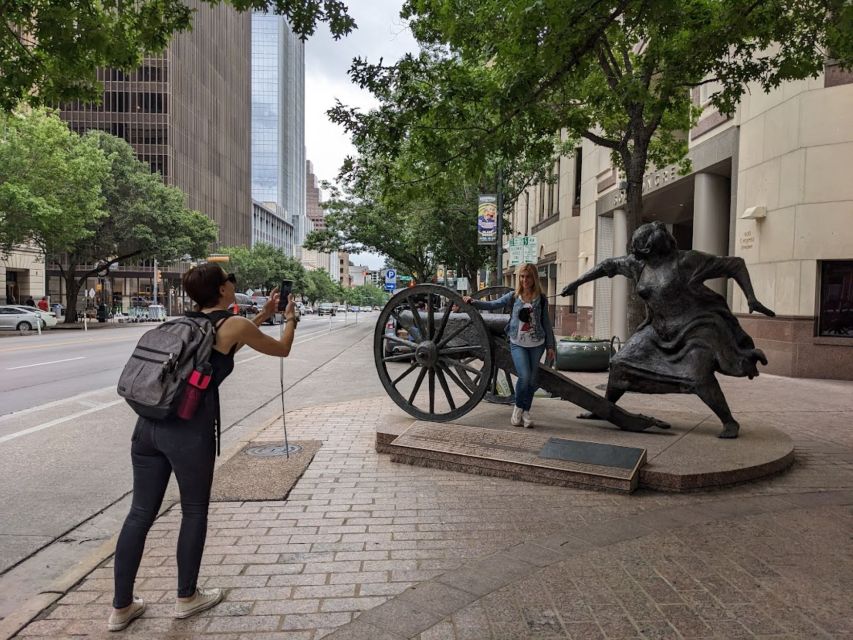
After the Driskill, the tour continues to the Angelina Eberly Statue for about 10 minutes. The statue is a useful reminder that Austin’s story is shaped by individuals, not just politicians and developers. The guide explains the local significance of Eberly and places her within the wider story of the city.
This is the kind of stop you might overlook if you were exploring downtown alone. You can walk past a statue in seconds, but a good explanation changes what you notice. It also gives the tour a stronger focus on people who left a mark on Austin.
The Koppel Building receives another 10 minutes. Here, the building itself becomes a prompt for discussing Austin’s commercial and architectural past. The tour does not simply collect famous landmarks. It uses less obvious sites to explain how the downtown core grew and changed.
The final section ends at 320 Congress Avenue. Since the tour finishes in the center of downtown, you are well placed to continue exploring, find a meal, or return to a nearby hotel. Restrooms are available near the end of the route, which is useful after two hours on foot.
Pace, comfort, and accessibility
The walk covers 1.1 miles, which is not a long distance for most people. The bigger issue is the amount of standing. There are limited opportunities to sit, and the tour includes several stops where you listen before moving on.
One participant described the experience as more talking than walking, and that is a helpful way to picture it. If you want a fast-paced sightseeing workout, this may feel slow. If you want stories, explanations, and time for questions, the pace works well.
Austin weather deserves serious attention. One morning start was appreciated because the heat was easier to manage, and another visitor specifically advised bringing a hat and water. The tour runs rain or shine, so wear weather-appropriate clothing and check the forecast before leaving.
The activity is listed as wheelchair accessible, but it is also marked as not suitable for people with mobility impairments. Those details suggest you should contact the provider before booking if you need particular support. The route includes 1.1 miles of city walking, limited seating, and several standing stops.
If you need the guide to use a voice amplifier at every stop, mention it when you arrive. One guide has been praised for having a clear voice and a good amplification system, but it is best to make your need known at the start.
The guide’s role in the experience
The guide is the main reason to choose this tour instead of walking downtown with a map. The strongest pattern in the feedback is not one single fact or building. It is the guides’ ability to keep the material lively, answer questions, and adjust the pace to the group.
Emily appears often and is praised for her enthusiasm, humor, clear speaking voice, and strong command of Austin’s past. Caroline receives similar praise for her energy and friendly style. Kim is noted for her historical depth and warm hosting, while Emmily has been praised for telling engaging stories about Austin’s buildings and streets.
That does not mean every guide will deliver the same performance. It does mean the operator has several guides who understand that a walking tour should feel like a conversation, not a memorized script. In some cases, a very small group has continued even when only one person booked, creating a more personal experience.
You should also use the guide for practical help. Ask about food, music, and places to visit after the tour. Local suggestions came up often, and booking early in your stay lets you act on them instead of hearing them after your schedule is already full.
Who should book this downtown tour?
I would choose this experience if you are visiting Austin for the first time, enjoy city history, or want to understand the local culture beyond music venues and food. It also suits people who like architecture, unusual stories, and tours that connect ordinary streets to larger events.
It works well for a short Austin visit. If you only have one day, two hours gives you a focused introduction without taking up the whole afternoon. It can also be a smart first-day activity because you receive practical suggestions for the rest of your stay.
The tour is less suitable if you dislike standing, struggle with heat, or want a purely visual sightseeing experience. It is also not designed for children under 13, though that age suggestion is not strictly enforced. Mature historical subjects may not suit younger children.
You should also know that video recording is not allowed. Bring water rather than a camera setup, and plan to listen closely at each stop.
Booking details and overall value
The price is $29 per person, with a two-hour duration and an English-speaking live guide. Free cancellation is available up to 24 hours before the tour for a full refund, and you can reserve now and pay later.
At that price, I see good value for visitors who want interpretation. You could walk the same streets for free, but you would miss the links between the old vice district, Antone’s, Sixth Street, the Driskill, Angelina Eberly, and the Koppel Building. The guide turns separate sights into one story.
The value is lower if you already know Austin well or prefer to explore without a set route. Even then, the Driskill visit and local anecdotes may add something new. The high overall rating and repeated praise for the guides’ storytelling support the idea that this is a dependable introduction, though no walking tour can guarantee the same guide or group size every day.
Should you book the Austin Downtown History Walking Tour?
Book it if you want Austin explained by a lively local guide rather than reduced to a list of landmarks. The best reasons are the Driskill interior, the music history at Antone’s, the unusual local characters, and the chance to learn why Keep Austin Weird means more than a slogan.
Book it early in your visit, bring water and a hat, and expect more listening than walking. Skip it if you need frequent seating, cannot manage a rain-or-shine outdoor activity, or want a tour focused only on music or food. For most first-time visitors who enjoy stories and city details, $29 is a sensible way to get oriented.
FAQ
How long is the Austin Downtown History Walking Tour?
The tour lasts two hours and covers about 1.1 miles.
Where does the tour begin?
Meet your guide outside Halcyon Coffee on 4th Street at the corner of Lavaca Street.
Where does the tour finish?
The tour ends at 320 Congress Avenue, Austin, Texas 78701.
Is the Driskill Hotel included?
Yes. The route includes a guided visit inside the Driskill Hotel, Austin’s oldest operating hotel.
What places are included on the route?
Stops include the Warehouse District, Antone’s Nightclub, downtown Austin, the Sixth Street Historic District, the Driskill Hotel, the Angelina Eberly Statue, and the Koppel Building.
Is the tour suitable for children?
The activity is recommended for ages 13 and older because of some mature historical themes. The age suggestion is not strictly enforced, and unaccompanied minors are not allowed.
What should I bring?
Wear comfortable shoes and clothes, bring water, and dress for the weather. A hat may be useful in strong sun.
Can I cancel or pay later?
You can cancel up to 24 hours in advance for a full refund. Reserve now and pay later is also available.
Newest history tours we have reviewed in the USA
- Self Guided Detroit’s Spirit and History Solo Walking Tour★ 4.5 · 41 reviews
- Best Downtown Detroit Historical Walking Tour★ 5.0 · 56 reviews
- Detroit’s Hidden History Guided Walking Tour★ 5.0 · 48 reviews
- Private Nightlife Tour in Denver: Culture, History, and Cocktails★ 5.0 · 48 reviews
- Historical Walking Tour Of Denver With A Haunting Twist★ 5.0 · 19 reviews
- Tip Based: Capitol Hill History & Ghost Tour★ 5.0 · 34 reviews
- Denver – Capitol Hill Guided Walking Ghost / History Tour★ 4.5 · 75 reviews
- JFK Historical Tour★ 5.0 · 22 reviews
History Walking Tours, compared.

History and Hauntings of Salem Guided Walking Tour
Read our review →

Freedom Trail History Small Group Walking Tour
Read our review →
Historic Charleston Guided Sightseeing Walking Tour
Read our review →
Tapas Walking Tour with Food, Wine, and History
Read our review →
Savannah History and Haunts Candlelit Ghost Walking Tour
Read our review →
A History of Terror – Belfast City Centre Walking Tour
Read our review →Browse the lists this tour appears in