Review · ROME HISTORY TOURS
Secrets of Rome: Historical True Crime Small Group Tour
Rome’s dark side is not locked in a museum. It is written across Campo de’ Fiori, Via Giulia, and the lanes near the Tiber, where political plots, poisonings, executions, and family scandals once played out. This two-hour walk turns familiar central Rome into a stage for its less polished stories.
I like the small group limit of 15, which gives a storyteller room to hold your attention and answer questions. I also like the short drink and restroom break at a local bar, a useful pause during an all-outdoor walk. The main consideration is that this is historical true crime, not a modern crime investigation or a full ghost tour. One visitor specifically hoped for more recent crimes and supernatural tales.
Key points to know before you book
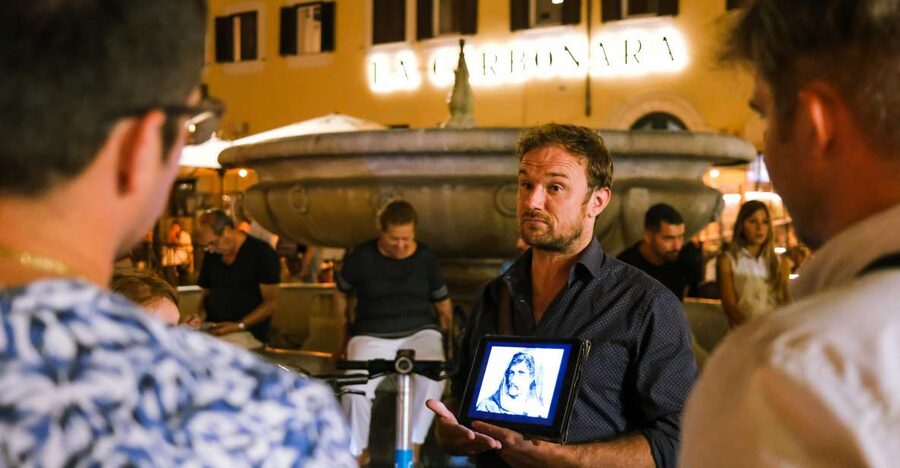
- Giordano Bruno begins the story at Campo de’ Fiori, where his execution gives the tour an immediate, grim sense of place.
- The route crosses several atmospheric central-Rome areas, including Piazza Farnese, Ponte Sisto, Via Giulia, and Castel Sant’Angelo.
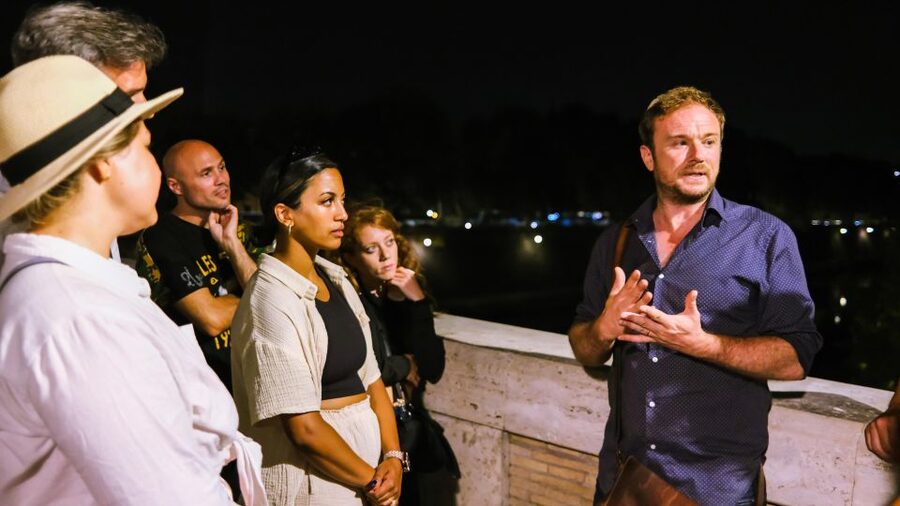
- Storytelling is the main attraction, with guides such as Ben, Ivana, Ivanka, and Ariel bringing humor and drama to old scandals.
- The group is capped at 15 people, a useful size for hearing a live guide in narrow streets.
- A 10-minute stop breaks up the walk, with time for toilets or a drink, though food and beverages are not included.
- The tour runs in rain or shine, so carry an umbrella or raincoat and wear shoes suited to cobblestones.
Rome’s crimes are tied to real places
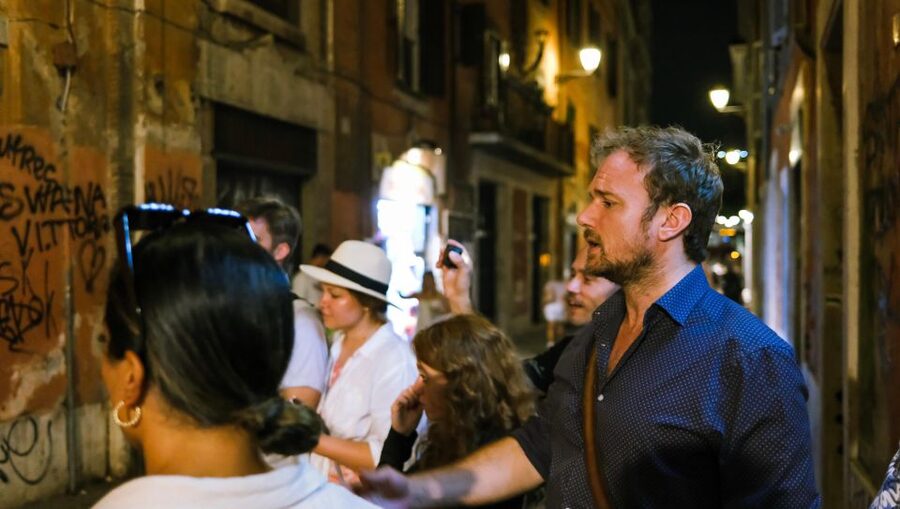
Many Rome walks give you emperors, popes, and grand monuments. This one asks a different question: what happened behind the palace walls, in the church courts, and along the backstreets?
The answer comes through stories of betrayal, political ambition, forbidden romance, poisoning, execution, and family power. The tone is meant to entertain, but the material is rooted in historical figures and events. You are not simply hearing a list of dates. You are walking through the places where these people lived, schemed, suffered, or met their fate.
That setting matters. A story about Giordano Bruno lands differently when you hear it in Campo de’ Fiori, rather than in a classroom. The tour also gives you a fresh way to read central Rome. A handsome piazza may have a brutal past. A quiet lane may have once been linked to a scandal that shook the city.
The guides make or break this type of experience. Ben is praised for a relaxed, funny delivery and for answering questions about Rome beyond the tour theme. Ivana is known for warmth, humor, and strong command of the material. Ariel has led the walk with an engaging and friendly style. The best fit here is a guide who can tell a dramatic story without treating every gruesome detail as a cheap shock.
More Small-Group History Tours in Italy
- VIP Colosseum Underground and Ancient Rome Small Group Tour
★ 4.5 · 332 reviews - Small-Group Rome to Pompeii & Amalfi: Day of History & Sea
★ 5.0 · 239 reviews - Colosseum Forum Ancient Rome Small Group Tour for Kids Families
★ 5.0 · 198 reviews
Starting under Giordano Bruno’s statue
Meet your guide in front of the statue at the center of Campo de’ Fiori. Look for the sign marked Rome’s Dark Side. This is a busy square, so arriving a few minutes early will make the meeting easier.
Campo de’ Fiori sets the mood at once. The statue of Giordano Bruno recalls the philosopher and heretic who was executed here in 1600. His death is one of the tour’s opening subjects, and it introduces a recurring theme: Rome’s history is not only about artistic triumphs and papal grandeur. It also includes censorship, religious conflict, public punishment, and people who challenged those in power.
I like this opening because the story is anchored to the pavement beneath you. You get a piece of history, a location, and a reason to look at the square with new eyes. The drawback is that Campo de’ Fiori can be noisy and crowded, especially at busy times, so you need to stay close to the guide and listen carefully.
Piazza Farnese and the city of powerful families
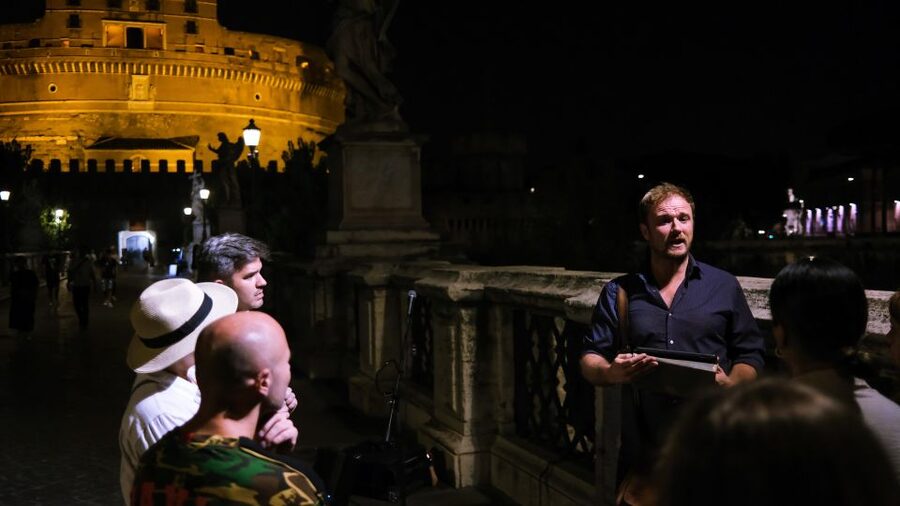
From Campo de’ Fiori, the walk continues to Piazza Farnese. The square is known for its grand setting, but the tour uses it as a doorway into the world of elite Roman families, influence, and political maneuvering.
This is where stories about Donna Olimpia Maidalchini add a sharp edge to the usual picture of 17th-century Rome. She was a powerful figure who operated close to the papal court, and her story shows how much influence could be exercised through family ties, access, and personal alliances.
The tour also brings in the Borgias, a name closely linked with treachery, ambition, scandal, and alleged wrongdoing. These tales have often been repeated and dramatized over the centuries, so a good guide needs to separate established history from legend and later gossip. The strength of this stop is not just the scandal. It is the look at how power worked in Rome, and how public reputation could be shaped by rumor.
You will spend much of the tour standing outdoors while the guide speaks. Piazza Farnese is visually rewarding, but there are no indoor seats built into the experience. Comfortable shoes and a willingness to listen while standing are useful.
Across Ponte Sisto toward Via Giulia
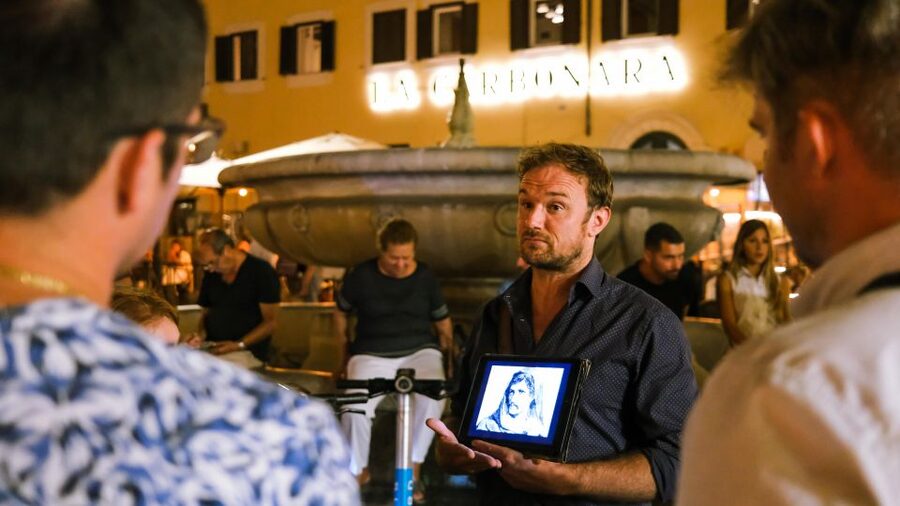
The route then reaches Ponte Sisto and Via Giulia, two places that help connect the stories to the physical shape of the old city.
Crossing Ponte Sisto gives the walk a change of pace. The bridge links the historic center with the Trastevere side of the river, and the movement from one neighborhood to another helps the tour feel like a journey rather than a series of unrelated talks.
Via Giulia adds another layer. Its long, handsome stretch makes a good contrast with the darker stories being told. Here, the guide can place Rome’s scandals within the world of old residences, religious institutions, and streets used by people moving between power centers.
This section is valuable for anyone who has already seen Rome’s major sights but wants to understand how the city feels at street level. You are not entering a monument or viewing an archaeological site. Instead, the guide helps you notice the lanes, corners, and buildings you might otherwise pass without thought.
More Small-Group History Tours in Rome
- Rome: Colosseum and Ancient Rome Small Group Guided Tour
★ 4.5 · 70 reviews - Rome: Trastevere street food and history tour – small group
★ 5.0 · 58 reviews
A short stop for a drink and restroom break
The walk includes a break of about 10 minutes at a local bar. You can use it for the restroom or buy a drink. Food and drinks are not included, so bring money if you want something.
This pause is a small but practical feature. Two hours of walking and standing can feel longer in warm weather, and the stop keeps the pace comfortable. It also gives you a chance to ask the guide a question in a less formal moment.
Do not expect a sit-down meal or a long bar session. The stop is simply a useful break before the final part of the route.
Giulia Tofana, Beatrice Cenci, and Rome’s darker legends
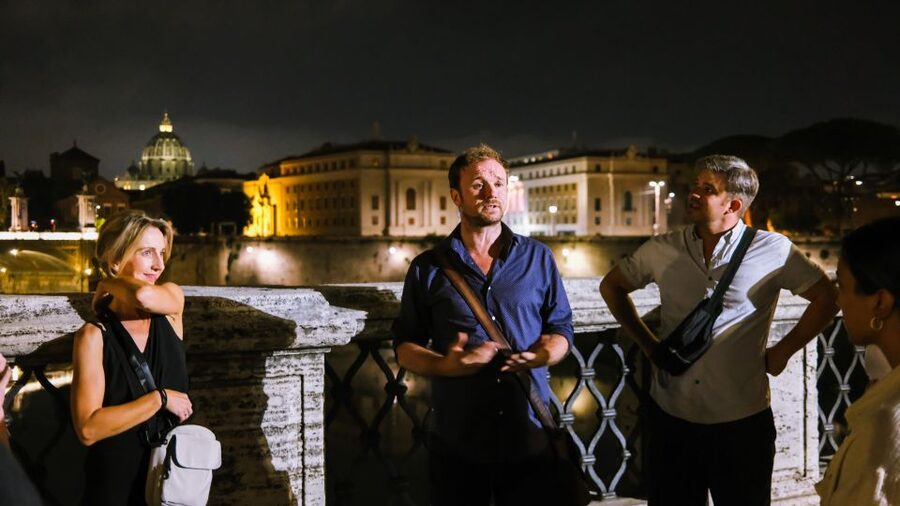
After the break, the storytelling moves toward figures such as Giulia Tofana and Beatrice Cenci.
Giulia Tofana is associated with poison and with one of the most notorious criminal stories connected to early modern Rome. Her tale is the kind of account that draws true-crime fans, but it also raises questions about marriage, domestic violence, gender, and the limited choices available to women in that period.
Beatrice Cenci brings a different mood. Her story is tragic, involving family abuse, betrayal, and punishment. It is less a tale of a criminal mastermind than a story about a young woman caught in a brutal system. The guide’s handling of this material matters. It should make you think about the people involved, not just count the grisly details.
The tour also touches on clandestine activity connected with Cagliostro, an enigmatic figure surrounded by mystery and intrigue. This broadens the subject beyond murder. You get fraud, secrecy, forbidden practices, and the hazy line between historical record and legend.
Some stories may be disturbing. The material includes executions, poisonings, and heinous crimes, though the guides also use humor to keep the atmosphere from becoming relentlessly grim. That mix works well for many people, but if you want a solemn academic lecture or a strictly factual crime walk, this may feel too theatrical.
Finishing at Castel Sant’Angelo
The walk ends at Castel Sant’Angelo, one of Rome’s most striking landmarks. The tour does not include entry to the castle, so the focus remains on the outside setting and the stories connected with the area.
Ending here gives the route a strong final image. The fortress-like building has long been associated with power, imprisonment, religion, and political danger. It is also a practical location for continuing your evening, since you can stop for a drink, walk along the river, or make your own way to another part of central Rome afterward.
The final stop is especially useful if this is your first evening in Rome. The walk begins in Campo de’ Fiori and finishes near a major landmark, so you see several central neighborhoods without spending the whole night on a formal sightseeing circuit.
Keep in mind that the route is a walking tour, not an attraction-entry tour. If you want to go inside Castel Sant’Angelo, you will need a separate ticket and more time.
How the $29 price holds up
At $29 per person, this is a modestly priced way to spend two hours in central Rome. You are paying for a live English-speaking guide and a focused story rather than entry to a monument, a meal, or transport.
I think the price works best if you value interpretation. Rome is easy to walk through on your own, but a guide gives meaning to places that may otherwise look like ordinary streets. The group limit also matters. A maximum of 15 is not private-tour intimacy, but it is much easier to hear a single storyteller than in a large crowd.
The value is less clear if you are seeking a long list of modern crimes, forensic detail, or paranormal investigation. This experience focuses mainly on historical figures and older scandals, with some general information about Rome along the way. One useful strength is that guides often answer questions outside the central theme and offer suggestions for other things to see and do.
The reservation terms are flexible: you can cancel up to 24 hours before the start for a full refund, and you can reserve without paying immediately. Check the available start times when booking, since the exact schedule is not fixed in the information provided.
Who will enjoy this walk most
I would choose this tour for true-crime fans, history lovers, first-time Rome visitors, and repeat visitors who want a different angle on the city. It also suits couples or friends looking for an evening activity that is more engaging than simply wandering between bars.
You do not need to be an expert on Roman history. The stories are designed for a general audience, and the guides use humor and plain explanations. The experience can work even if you are not deeply interested in crime, since the route also reveals backstreets and lesser-known stories about the city.
I would think twice if you dislike gruesome subjects, standing outdoors, or stories that sometimes blend documented events with long-running legends. The tour takes place rain or shine and is entirely outdoors. A raincoat or umbrella is sensible, even if the forecast looks uncertain.
The experience is listed as wheelchair accessible, but the route includes streets and historic areas with cobblestones. If you have particular mobility needs, it is wise to confirm the route details before booking.
Practical ways to enjoy the experience
- Arrive at the statue in Campo de’ Fiori early. The square can be busy, and the guide will be holding the Rome’s Dark Side sign.
- Wear shoes with a firm sole. You will walk through old streets and spend time standing.
- Bring weather protection. The tour runs in all conditions and has no indoor shelter as its main format.
- Keep the group together. Narrow streets and public squares can make it easy to lose sight of the guide.
- Save questions for the break. The 10-minute bar stop is a good chance to ask about Rome beyond the planned stories.
- Plan your next stop near Castel Sant’Angelo. The tour ends there, not back at Campo de’ Fiori.
Should you book Rome’s dark side?
Book it if you want Rome presented through scandal, crime, power, and human weakness, rather than only through emperors and masterpieces. The strongest reason to go is the storytelling. Ben, Ivana, Ivanka, Ariel, and other guides associated with the experience bring energy, humor, and personal interest to material that could otherwise feel like a dry history lesson.
The $29 cost is fair for a two-hour small-group walk, especially if you are free in the evening and want to see central Rome from a new angle. Just set your expectations correctly. This is historical true crime with some eerie flavor, not a modern police case tour or a dedicated ghost hunt.
If that distinction suits you, this is an easy and inexpensive addition to a Rome itinerary. You will leave Castel Sant’Angelo with a few gruesome stories in your head, but also with a better sense of how much drama lies behind the city’s beautiful façades.
FAQ
Where does the Secrets of Rome tour begin?
It begins in Campo de’ Fiori, in front of the statue in the middle of the square. Your guide will hold a sign saying Rome’s Dark Side.
Where does the tour finish?
The tour finishes at Castel Sant’Angelo. Entry to the castle is not included.
How long does the tour last?
The walking tour lasts two hours and includes a short break of about 10 minutes.
What language is the tour offered in?
The live tour guide speaks English.
Is the tour available in bad weather?
Yes. The tour takes place rain or shine and is entirely outdoors, so bring an umbrella or raincoat if needed.
Is food or a drink included?
No. There is a stop at a local bar for toilets and drinks, but food and drinks are not included in the tour price.
How large is the group?
The group is limited to a maximum of 15 people.
More Dark History and Haunted Tours in Rome
- Rome: Guided Bar Crawl with Drinks & Dark History
★ 4.9 · 444 reviews - Rome Secrets: Dark History & Tasty Bites Tour
★ 5.0 · 37 reviews - Savannah History and Haunts Candlelit Ghost Walking Tour
★ 5.0 · 3,235 reviews - Stockholm: Ghost Walk and Historical Tour
★ 4.7 · 2,685 reviews
Newest history tours we have reviewed in Rome
- Rome: Colosseum and Ancient Rome Guided Walking Tour★ 4.5 · 95 reviews
- Rome Secrets: Dark History & Tasty Bites Tour★ 5.0 · 37 reviews
- Rome: Private Colosseum Experience and Ancient Ruins Tour★ 4.6 · 25 reviews
- Rome: Guided Tour of Colosseum and Ancient Rome★ 4.9 · 74 reviews
- Rome: Rome at Night Evening Historical Walking Tour★ 4.9 · 24 reviews
- Rome: Introduction to the Colosseum and Ancient City Tour★ 4.8 · 75 reviews
- Rome: Guided Group Colosseum & Ancient City Tour★ 4.8 · 62 reviews
- Rome: Food Tour of the Historic Center with Rooftop Spritz★ 4.7 · 43 reviews
Dark History & Haunted Tours, compared.

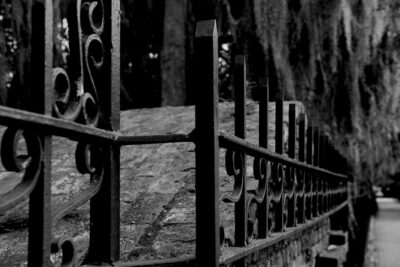
Savannah History and Haunts Candlelit Ghost Walking Tour
Read our review →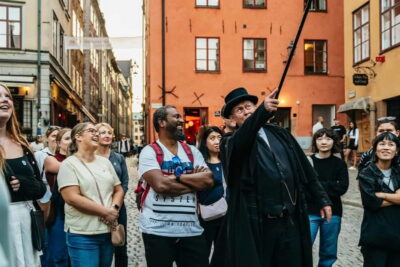
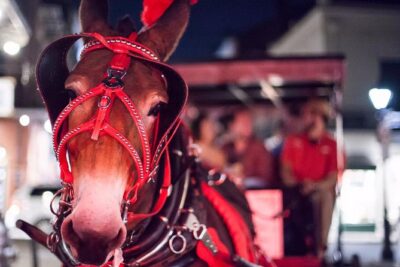
New Orleans Small-Group Haunted History Carriage Tour
Read our review →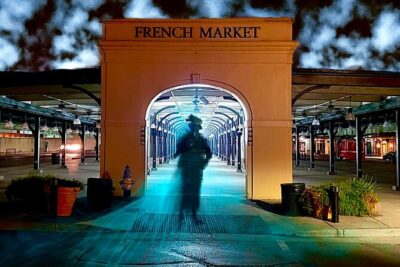

Genteel and Bard’s Savannah Dark History and Ghost Encounter Walking Tour
Read our review →