
Review · QUEBEC CITY HISTORY TOURS
Quebec City: Old Quebec Historical Walking Tour
Old Quebec is easiest to understand when someone connects its grand buildings, steep streets, and monuments into one story. This two-hour walking tour does exactly that, using a costumed cicerone who may appear as Louis Hébert, Champlain, Charles Hubert, or another figure from the city’s past.
I like the blend of major sights and lesser-known corners, and I like that the guides adjust their pace and route for the group. The main caution is physical: Old Quebec has hills, stairs, and uneven streets, and the tour is not suitable for wheelchair users.
Key points to know before you book
- A costumed guide turns the past into a story: Guides such as Pierre, Bernard, Gary, and Marie-Anne Barbel use character, humor, and anecdotes rather than giving a dry lecture.
- The route covers Old Quebec’s essential sights: Expect Place Royale, Château Frontenac, Dufferin Terrace, Notre-Dame de Québec Basilica, and other historic streets.
- You get a useful first look at the city: The tour links French settlement, religious life, political change, Indigenous perspectives, and modern Quebec.
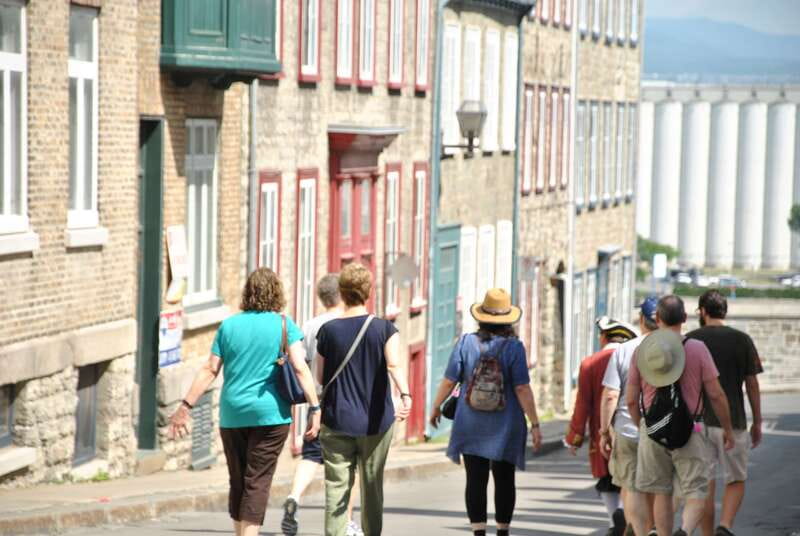
- The walk goes beyond the postcard views: Guides sometimes lead groups along quieter streets and less familiar spots that are easy to miss on your own.
- Plan for hills and some stairs: Comfortable shoes and clothing matter, and some sections may feel tiring near the end.
- The $24 price is fair for an introduction: At two hours, this is a reasonably priced way to get your bearings before exploring on your own.
Why a costumed guide works well in Old Quebec
Old Quebec can look almost too polished at first glance. Stone buildings, fortified walls, church towers, and the Château Frontenac create a handsome picture, but the city makes more sense once you know what happened on these streets.
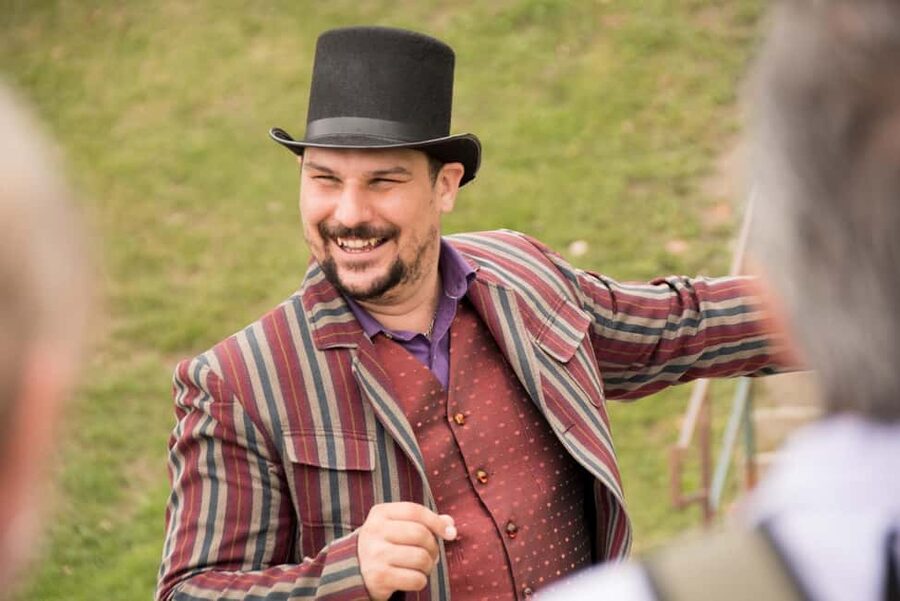
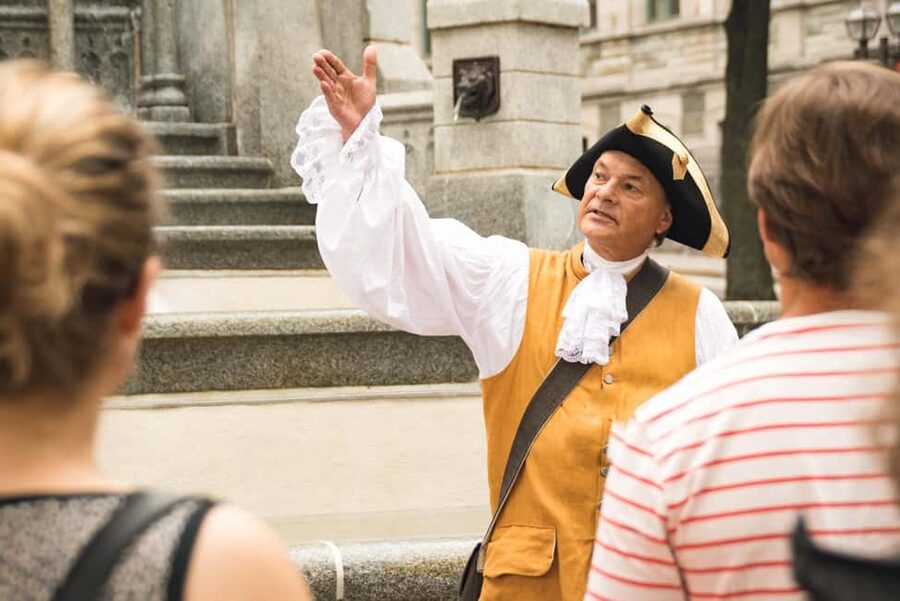
The costume gives the tour a clear point of view. Instead of hearing dates one after another, you follow a character from the colonial period and hear the city’s story as a lived experience. Pierre, Alex, Sylvain, Bernard, and Marie-Anne Barbel are among the guides who have led this experience, and each appears to bring a slightly different personality to the role.
That variety is part of the appeal. One guide may tell the story with broad humor, while another may focus more on settlement, religion, or political change. You are not getting a recorded script delivered in the same tone every time. The strongest guides answer questions, connect old events to modern Quebec, and adjust their presentation to the people in front of them.
I especially like this format for first-time visitors. You do not need a detailed grasp of Canadian or French colonial history before arriving. The guide supplies the framework, then fills it with small stories and practical context.
More History Walking Tours in Canada
- Gastown Historic Walking Food Tour
★ 5.0 · 1,863 reviews - Vancouver: Gastown Historical Walking Food Tour
★ 4.8 · 539 reviews - Pete’s Historic Walking Tour
★ 5.0 · 321 reviews
Beginning at the Cicerone information centre
The meeting point is the Cicerone information centre at 12 Sainte-Anne Street, postal code G1R 3X2. Check your booking carefully, since the meeting point can vary by option, and incorrect directions would be especially frustrating in an unfamiliar city.
Sainte-Anne Street is a useful starting area because it places you in the middle of Old Quebec, close to several major sights. Arrive ready to walk rather than expecting a bus or a seated presentation. The tour lasts two hours, and the time is spent moving through the historic district.
Groups may be small, which helps. A smaller group makes it easier to hear a costumed guide on a busy street and easier to ask questions. Group size can still depend on the departure you choose, so check the available option before booking.
The tour is offered in English or French. If you have a strong preference, confirm the language when selecting your time.
Place Royale and the beginnings of French Quebec
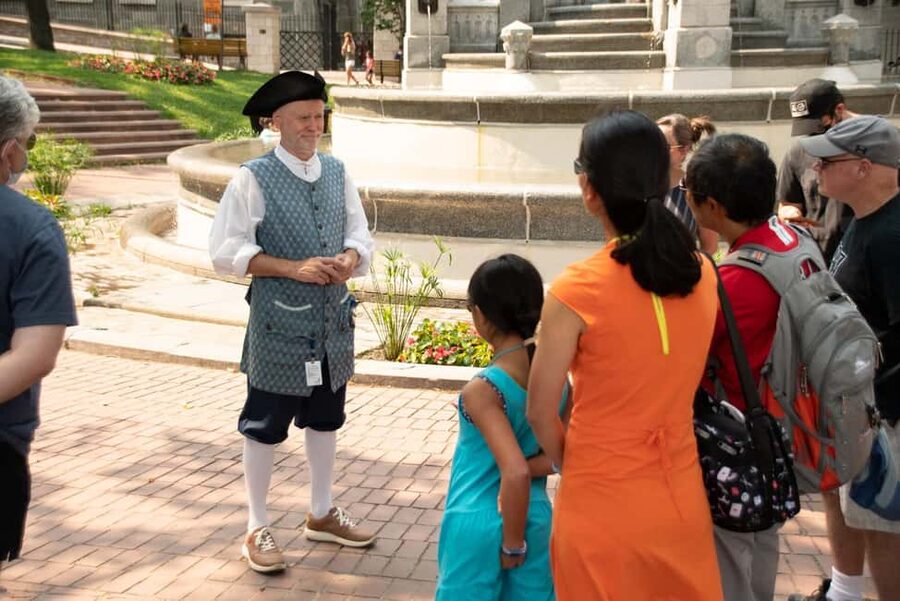
Place Royale is one of the most important stops because it is described as the cradle of French civilization in North America. That phrase can sound grand, but the square gives the history a physical setting.
Here, your guide can explain how French settlement took root and how commerce, religion, and daily work shaped the early town. Rather than treating Quebec City as a collection of pretty facades, the tour presents it as a working settlement with farmers, merchants, soldiers, and religious communities.
One especially useful detail from the tour is the attention given to farmers and the colony’s early development. Alex, appearing as Louis Hébert, has used the story of farming to explain how the settlement grew beyond its first foothold. That is a welcome reminder that colonies were not built only by famous explorers and military leaders. Food, land, labor, and families mattered just as much.
Place Royale also helps you see the difference between a formal monument and a lived-in neighborhood. You can admire the architecture, but the guide gives you a reason to look at the shape of the square, the age of the buildings, and the way the streets connect.
Notre-Dame de Québec Basilica and the religious story
The Basilica of Notre-Dame de Québec brings another side of the city into view. Its presence points to the strong role of religion in Quebec’s development, and guides often place religious history beside political and Indigenous perspectives.
That broader approach is one of the tour’s strengths. You are not given only a French-settler version of the city. The presentation can include the religious foundations of the colony, the people who lived here before and alongside European settlement, and the way Quebec functions today.
The exact amount of time spent at the basilica can vary with the guide and the pace of the group. The tour information highlights the building as a picturesque place to visit, but this is primarily an outdoor walking experience. Do not assume that the two hours includes a long interior visit.
If architecture interests you, this stop gives the guide a chance to explain why the church matters instead of leaving you to admire the facade without context. If you prefer social history, listen for how the guide connects the basilica to institutions and everyday life.
More History Walking Tours in the world:
- History and Hauntings of Salem Guided Walking Tour
★ 5.0 · 14,564 reviews - Lisbon: History, Stories and Lifestyle Walking Tour
★ 4.8 · 10,902 reviews - Boston: Freedom Trail History Small Group Walking Tour
★ 5.0 · 6,450 reviews - Historic Charleston Guided Sightseeing Walking Tour
★ 5.0 · 6,216 reviews
Château Frontenac and Dufferin Terrace
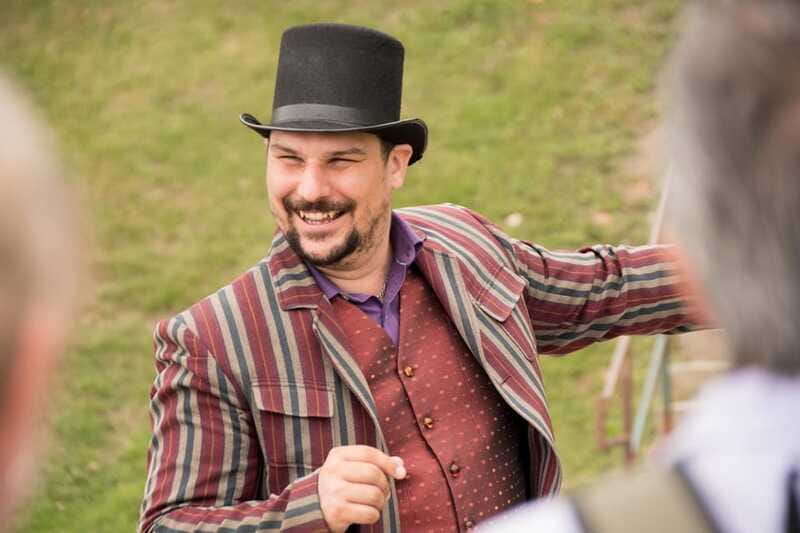
The Château Frontenac is Old Quebec’s most famous building, and it is an obvious highlight of the route. The tour gives you a chance to admire its exterior architecture and hear why it became such a powerful symbol of the city.
Dufferin Terrace adds the city’s grand public viewpoint. It is one of those places that looks good in photographs but benefits from a guide who can tell you what you are seeing and why the site matters.
The tour description refers to access to exclusive areas of the Château Frontenac, but the practical details do not promise a full hotel tour or broad access to private interiors. I would treat this as a chance to see and discuss the building, with any special access depending on the option booked and the arrangements that day.
That distinction matters because some people book expecting an extensive interior visit. The experience is fundamentally a walking tour of Old Quebec, not a dedicated Château Frontenac architecture tour. If the hotel is your main reason for booking, check the exact option carefully.
One past participant wanted more time at the Château Frontenac and on the boardwalk. That is a fair limitation to keep in mind. Two hours is enough for an overview, but not enough for long stops at every major site.
The quieter streets and off-route details
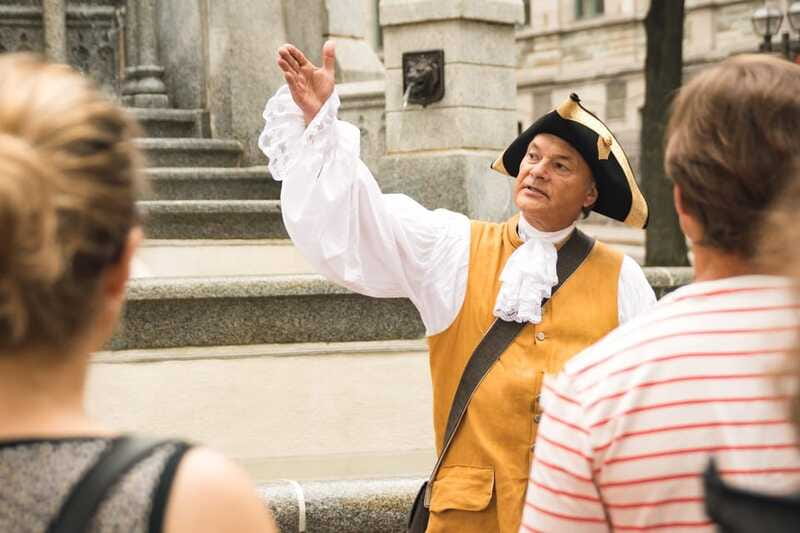
The most useful part of the tour may be the places that are not on your printed sightseeing list. Guides sometimes take the group along less familiar streets and point out details you might otherwise pass without noticing.
This is where a local guide earns the $24 fee. You can walk through Old Quebec for free, but you may not understand why a narrow lane matters, how the upper and lower town relate to each other, or how a monument fits into the larger story.
The route also appears to be adaptable. One guide avoided many flights of stairs for a group and used sloping roads to reach the lower part of town. That does not make the tour step-free, but it suggests that guides may make sensible adjustments when the group needs them.
Do not read this as a promise of an easy walk. Another participant found the final part difficult, and an older walker wished for more rest stops. The tour is not described as strenuous, but hills and stairs are part of Old Quebec. If you are nearing 80, have limited stamina, or simply dislike uphill walking, ask about the route before committing.
The guides make or break the experience
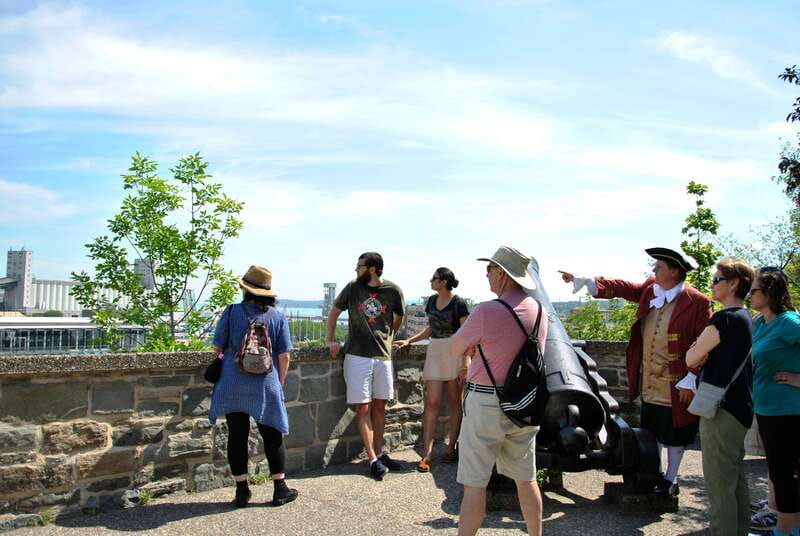
The most praised feature is the guide’s delivery. Again and again, the tour works because the person leading it is informed, funny, clear, and engaged with the group.
Pierre has been described as both entertaining and responsive, tying historical facts to the people on the tour. Bernard is praised for covering a great deal without making the walk feel too taxing. Gary has presented the material as a story that is easy to follow. Marie-Anne Barbel has been singled out for her energy, anecdotes, and ability to answer questions across several subjects.
Other guides have included Jean-Claude, Charles, Chantel, Guillemette, Sylvain, and Alex as Louis Hébert. You cannot choose a particular guide from the information provided, so book this for the format and route rather than for one named performer.
The best guides avoid overacting. One was described as animated and amusing without becoming too theatrical. That balance matters. A period costume should add color, not turn the entire walk into a forced performance.
The guides also seem comfortable with questions. You can ask about the main subject, or about a side issue that catches your attention. That makes the tour feel more like a conversation than a speech.
Pace, comfort, and the practical walking details
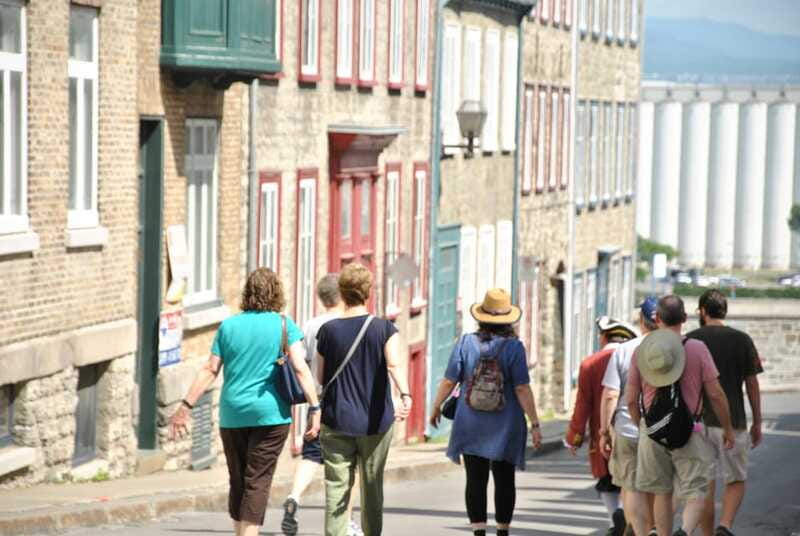
Wear comfortable shoes. This is not optional advice in Old Quebec, where the route can include hills, steps, and uneven surfaces. Comfortable clothing also helps, particularly if the weather changes during your visit.
The pace is generally described as manageable, and guides may adapt it to the group. Still, you should expect to remain on your feet for most of the two hours. The tour includes one sitting break in at least some versions, but you should not count on frequent stops for tea, shopping, or souvenirs.
The experience is not suitable for wheelchair users. That is an important booking restriction, not a small footnote, because the historic district’s slopes and stairs shape the route.
Families, couples, solo visitors, and history-minded groups can all fit this tour well. It is especially useful early in a Quebec City stay, when you want an overview before returning to the places that interest you most.
If you have already spent several days studying Old Quebec, the basic route may feel familiar. Even then, the costumed storytelling and side streets can add details you missed on your own.
Is $24 a good value for two hours?
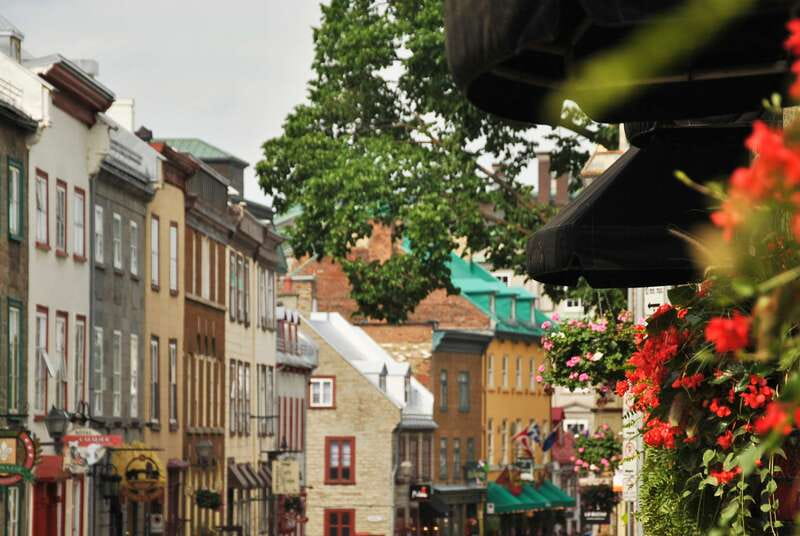
At $24 per person, the tour is priced as an affordable introduction rather than a premium private experience. You are paying for a licensed guide, a structured route, and two hours of interpretation in a district where context greatly improves the visit.
The value is strongest if you are a first-time visitor. You will see several major landmarks, learn how the parts of Old Quebec connect, and leave with a clearer sense of where to spend your free time.
The value is lower if you want long interior visits or a slow architectural study. The route covers a lot of ground, so stops are necessarily limited. You may also want to return later to the Château Frontenac, the basilica, or Dufferin Terrace for a closer look.
Gratuity is not included. Set aside a tip if your guide gives you a lively, useful tour and handles questions well.
Free cancellation up to 24 hours before the tour and the option to reserve now and pay later add flexibility. Those policies are helpful when your Quebec City schedule depends on weather, cruise timing, or changing plans.
Who should book this Old Quebec walk?
Book it if you want a clear introduction to the city, enjoy stories more than audio guides, and can manage two hours of walking. It is also a good choice if you want to see the headline sights while learning about the less obvious forces that shaped Quebec.
You will likely enjoy it most if you appreciate humor, character, and questions. The guide’s style matters here, and the experience works best when you take part rather than simply trailing behind the group.
Think twice if you need regular seating, step-free access, or a slow route with plenty of breaks. The tour can be adapted in some ways, but it cannot remove the basic physical character of Old Quebec.
Should you book it?
For $24, I would book this as an early activity in a Quebec City visit. The cost is modest, the route covers the essential historic center, and the costumed format gives the city a human voice.
Book it for the history and storytelling, not for an extended Château Frontenac interior visit. Wear good shoes, confirm the meeting point at 12 Sainte-Anne Street or the location attached to your option, and leave room in your schedule to revisit the places that catch your eye.
FAQ
How long is the Old Quebec Historical Walking Tour?
The tour lasts two hours.
How much does the tour cost?
The listed price is $24 per person.
Which sights are included?
The tour visits or discusses places including Château Frontenac, Dufferin Terrace, the Basilica of Notre-Dame de Québec, and Place Royale.
Is the guide in costume?
Yes. The tour is led by a licensed guide wearing full colonial or period costume.
Which languages are available?
The tour is offered in English and French.
Where does the tour meet?
The stated check-in point is the Cicerone information centre at 12 Sainte-Anne Street, G1R 3X2. The meeting point may vary depending on the option booked.
Is the tour suitable for wheelchair users?
No. The experience is not suitable for wheelchair users.
Should I wear special clothing?
Wear comfortable clothing and comfortable shoes. The route includes walking through Old Quebec, where hills and stairs may occur.
Is gratuity included?
No. Gratuity for the guide is not included.
Can I cancel the tour?
You can cancel up to 24 hours in advance for a full refund. Reserve now and pay later is also available.
Newest history tours we have reviewed in the world
- Bilbao Historical Tour in small group★ 4.7 · 52 reviews
- Bologna: Street Food Tour in the Historic Center★ 4.8 · 125 reviews
- CEBU: Cebu City Heritage and Uphill Guided Tour★ 4.2 · 31 reviews
- Bishkek : City Tour (History, Architects, Statues & Culture)★ 4.9 · 54 reviews
- Blenheim: Omaka Aviation Heritage Centre Admission Ticket★ 4.9 · 31 reviews
- Berlin: Nazi History Walking Tour★ 4.8 · 33 reviews
- Best of Baku: 4-Hour City Tour Historic and Modern Landmarks★ 4.7 · 63 reviews
- Belfast: Best of Belfast History, Culture & Art Walking Tour★ 4.9 · 158 reviews
History Walking Tours, compared.
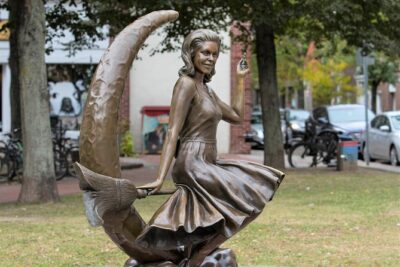
History and Hauntings of Salem Guided Walking Tour
Read our review →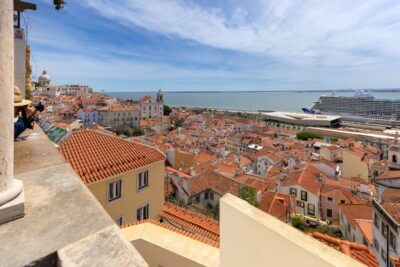
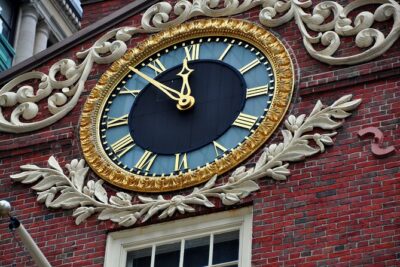
Freedom Trail History Small Group Walking Tour
Read our review →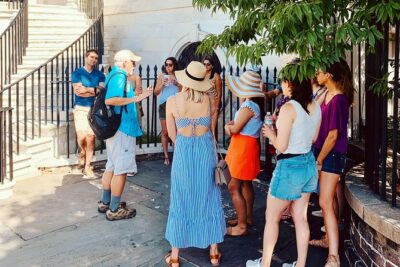
Historic Charleston Guided Sightseeing Walking Tour
Read our review →
Tapas Walking Tour with Food, Wine, and History
Read our review →
Savannah History and Haunts Candlelit Ghost Walking Tour
Read our review →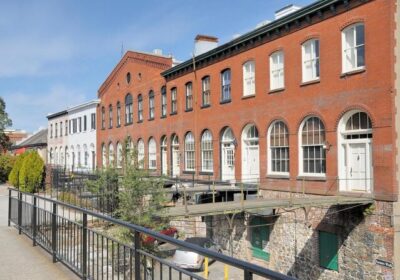
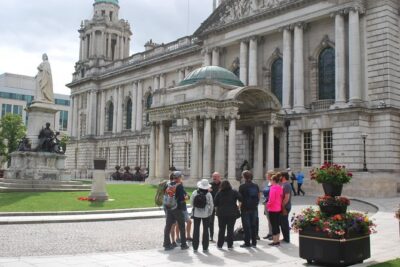
A History of Terror – Belfast City Centre Walking Tour
Read our review →Browse the lists this tour appears in