
Review · GOA HISTORY TOURS
Panaji: Heritage Walk through Goa’s Latin Quarter
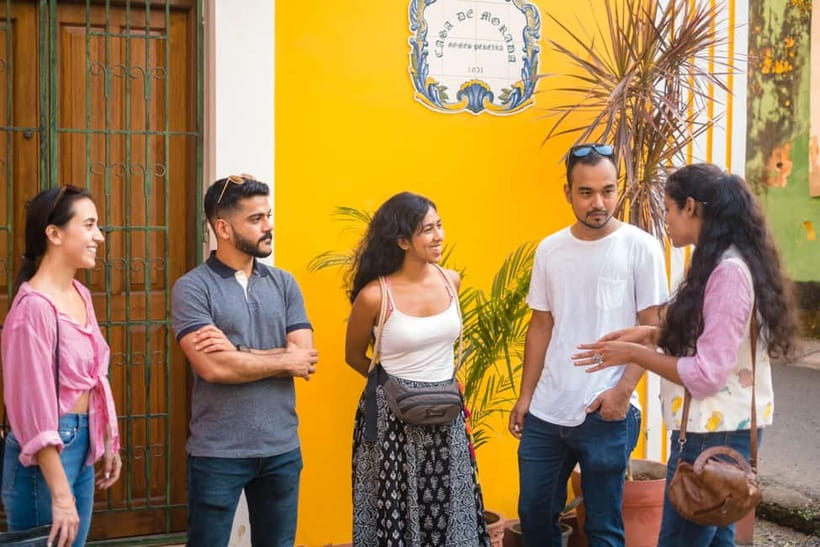
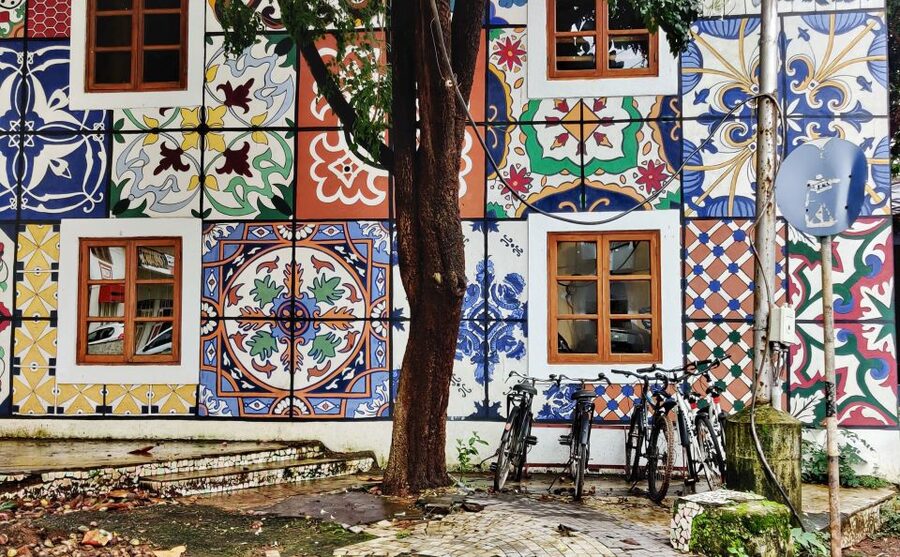
Fontainhas is the part of Panaji where Goa’s Portuguese past feels close enough to touch. Its narrow lanes, bright houses, old chapels, bakeries, and street names reveal a side of Goa that beaches cannot show. I like that this walk goes beyond taking colorful photos: it explains how Portuguese influence shaped Goan homes, music, food, and art.
I also like the human touches, especially the bakery stop and meeting with a local musician. Guides such as Yashasvi, Divya, Calvin, and Trancy are praised for turning dates and buildings into stories. The main consideration is the heat and uneven walking, and people with mobility impairments may find the route difficult.
Key points to know before you book
- Fontainhas is Asia’s oldest and largest Latin quarter: Explore the compact neighborhood that grew around springs below the Altinho hills.
- The route includes real cultural encounters: Meet a Goan musician and hear a live performance rather than simply looking at old buildings.
- Expect more than architecture: The walk brings in Portuguese food, local art, music, folklore, and daily life.
- A bakery stop adds flavor: 31st January Bakery is a useful pause for Goan and Portuguese-style treats.
- Small-group walking works best here: Groups can reach up to 20 people, though many departures are smaller.
- Choose your timing with care: Morning walks can be cooler and quieter, while the 4:30 p.m. departure can suit a late-day stroll before dinner.
Why Fontainhas is worth your time in Panaji
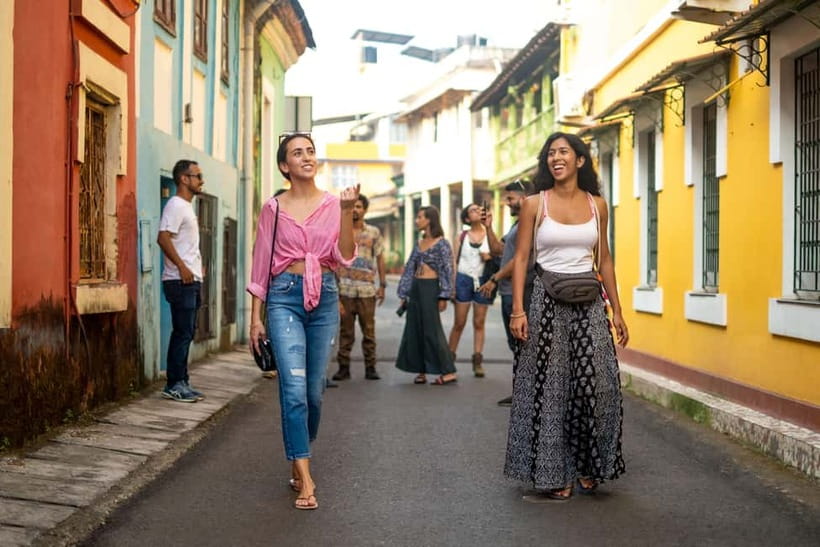
Many people come to Goa for the coast and give Panaji only a quick look. That is a mistake if you care about architecture or local culture. Fontainhas offers a compact introduction to Goa’s Portuguese period, but the neighborhood is not presented as a museum. People still live in its homes, use its lanes, and maintain its chapels and small businesses.
The district developed in the late eighteenth century and takes its name from the Portuguese word for little fountain. Springs once flowed at the base of the Altinho hills, helping give the area its identity. The old road names and house styles still point to the neighborhood’s Portuguese past.
I find the walk most useful for visitors who want context. You will see painted facades, balconies, tiled roofs, and narrow streets on your own, but a guide can explain why those details matter. The best guides also connect architecture to food, music, religion, and family life, which makes the walk feel less like a photo stop and more like an introduction to Panaji.
More History Walking Tours in India
- Fontainhas Heritage Walk by Make It Happen
★ 5.0 · 2,834 reviews - The Great Indian Food Tour: Old Delhi Food and Heritage Walk
★ 5.0 · 1,698 reviews - Old Goa Heritage Walk by Make It Happen
★ 5.0 · 797 reviews
Starting at the Panjim Head Post Office
The meeting point is the entrance to the Panjim Head Post Office, with the Sao Tome Chapel as a nearby landmark. Take a moment to identify the exact entrance before the start, since the post office is the practical meeting point and the surrounding lanes can be confusing at first.
The opening section introduces Panaji and the arrival of the Portuguese in Goa. The route begins around Tobacco Square, where the guide sets up the larger story before leading you into Fontainhas. This is a useful choice. Rather than dropping you into a maze of colorful houses without context, the guide gives you a basic map of how the city and its colonial connections developed.
The walking pace is broken into short guided sections and longer stretches through Fontainhas. You are not expected to march continuously for two and a half hours. There are pauses for stories, photographs, buildings, food, art, and music.
Tobacco Square and the first historical clues
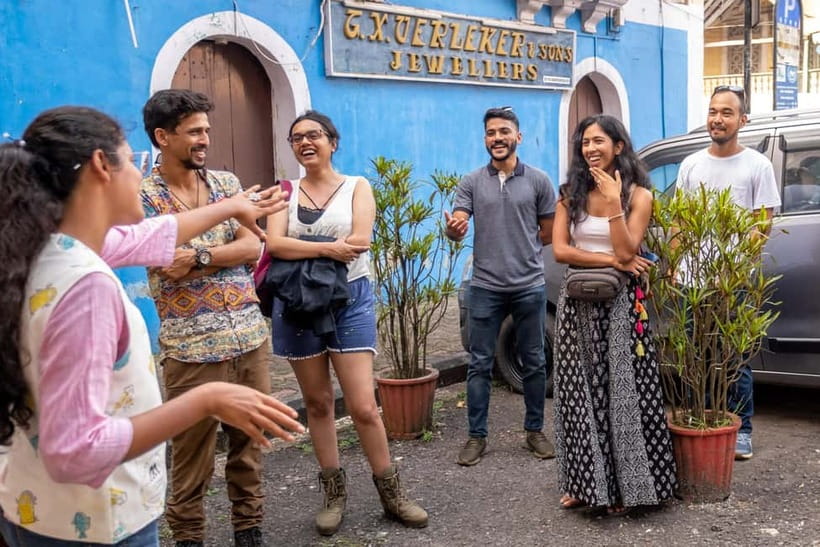
Tobacco Square helps frame the history of Portuguese Goa. The guide discusses the arrival of the Portuguese and how their presence influenced the city. The value here depends partly on the guide’s style, but the different guides assigned to this experience are repeatedly praised for clear English, humor, patience, and strong storytelling.
You can ask for more detail about architecture, local customs, music, or daily life. That flexibility matters because a first-time visitor may want a broad introduction, while someone with an interest in colonial buildings may prefer to focus on facades, chapels, and urban design.
The early part of the walk is also a good time to ask practical questions about Panaji. Guides including Divya, Yashasvi, Rachana, Alita, and Calvin have been singled out for making the tour interactive and for helping participants understand the city beyond the standard sightseeing route.
San Thome Church and Fontainhas lanes
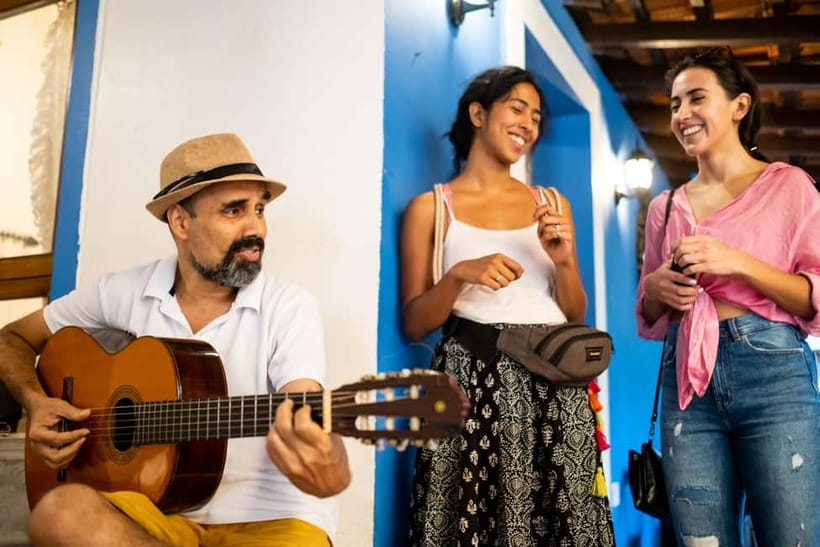
The small Church of San Thome is one of the early stops. Its scale fits the neighborhood. You are not visiting a huge monument with a long queue. Instead, the church helps show how religious buildings fit into the residential fabric of old Panaji.
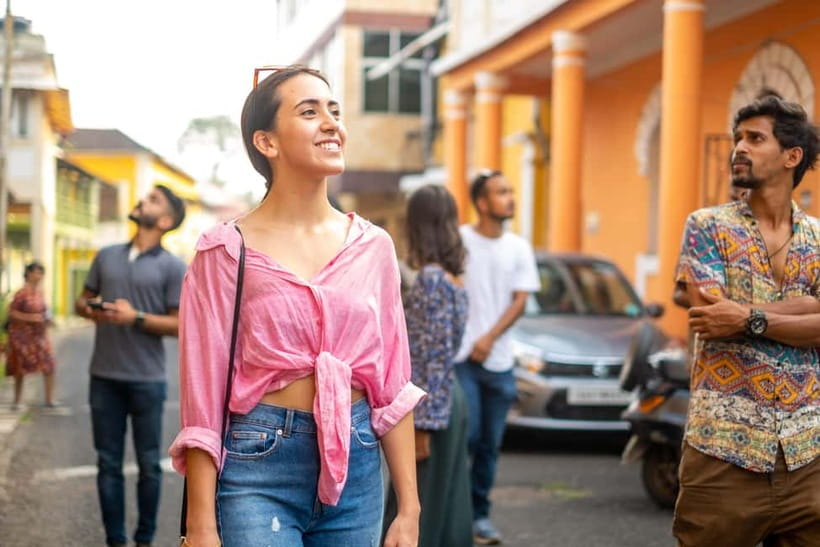
From there, the route turns toward Fontainhas itself. This is where the walk becomes most photographic. Expect colorful homes, tight lanes, old balconies, decorative details, and streets where the architecture changes from one building to the next.
The color is not the whole story. Your guide points out the Portuguese influence in the design and explains how the neighborhood grew. The walk also gives you a chance to see how a historic quarter functions as a living part of the city rather than as a preserved set.
You will want photographs, but do not spend the entire time looking through your phone. The useful details are often small: a name on a building, a painted border, a chapel tucked into a lane, or a local story connected to a house.
Same streets, a different century:
- Old Delhi Food, Heritage&Cultural Walk with Rickshaw ride to Masterji Kee Haveli
★ 5.0 · 742 reviews - Blue City Heritage Private Walking Tour With Pickup and Drop-Off
★ 5.0 · 441 reviews - Kolkata Heritage Tram Tour
★ 4.0 · 395 reviews - Private Heritage Walking Tour in Jaisalmer Fort and Old Bazaar
★ 5.0 · 306 reviews
31st January Bakery and the taste of Goa
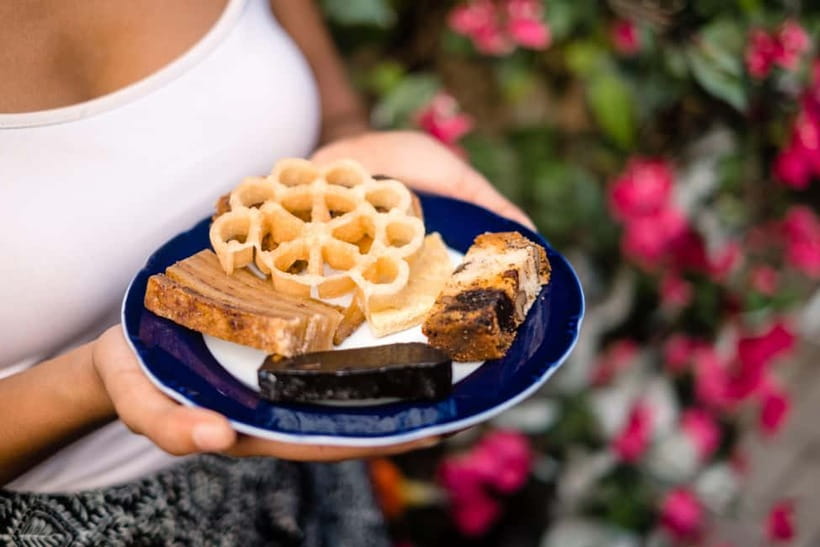
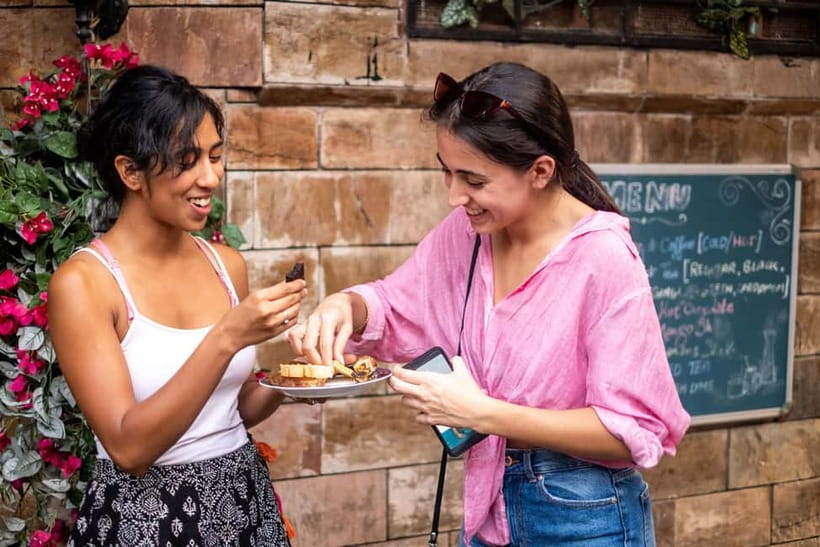
A stop at the quaint 31st January Bakery breaks up the walking and adds an important food link. The bakery is associated with Goan-Portuguese treats, and the experience may include sweet or savory items. Pastel de nata and other local baked goods have been part of the tasting moments described by participants.
Food is one of the clearest ways to understand cultural exchange. Portuguese influence in Goa is not limited to building styles. It also appears in baking, drinks, home cooking, and the way certain dishes are remembered and shared.
The included experience can vary, so do not treat this as a full meal. Additional food and drinks are not included in the price. Bring cash if you want to buy something extra, and carry a reusable water bottle, especially during the warmer part of the day.
Panjim Inn, Fundacao Orient, and Galerie Gitanjali
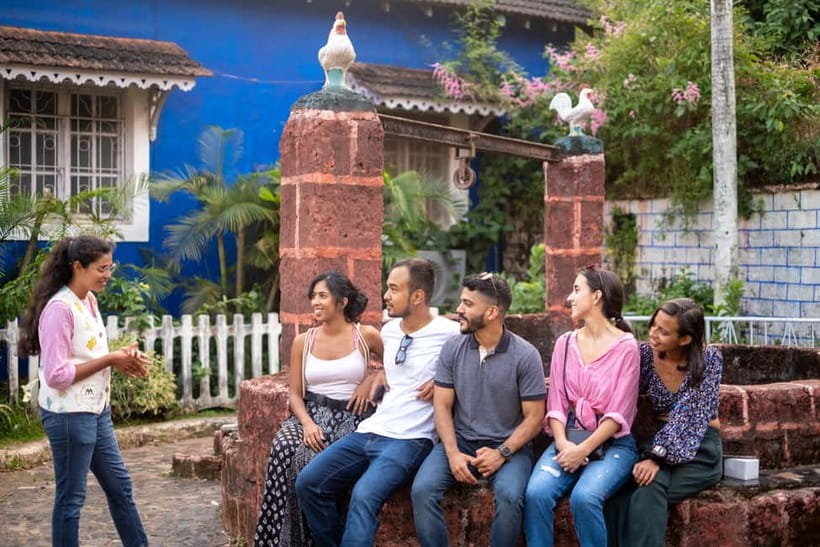
The route continues past notable buildings and cultural spaces around Panjim Inn, Fundacao Orient, and Galerie Gitanjali. These stops add variety to the walk. You are not simply moving from one church to another, and you get to see how hospitality, research, and art fit into Panaji’s heritage scene.
Galerie Gitanjali brings an art angle to the experience, with works by local and international artists. That is useful for anyone who wants to connect Goa’s past with its present creative life. The gallery stop also gives the group a change of pace after the architectural explanations.
Fundacao Orient and Panjim Inn help broaden the picture of the neighborhood. The guide may discuss the buildings themselves, the people connected with them, or the way older structures have been used and maintained. If you enjoy architecture, ask questions here. The walk is designed to respond to personal interests rather than follow a rigid script at every turn.
The Chapel of San Sebastian and the best photo stops
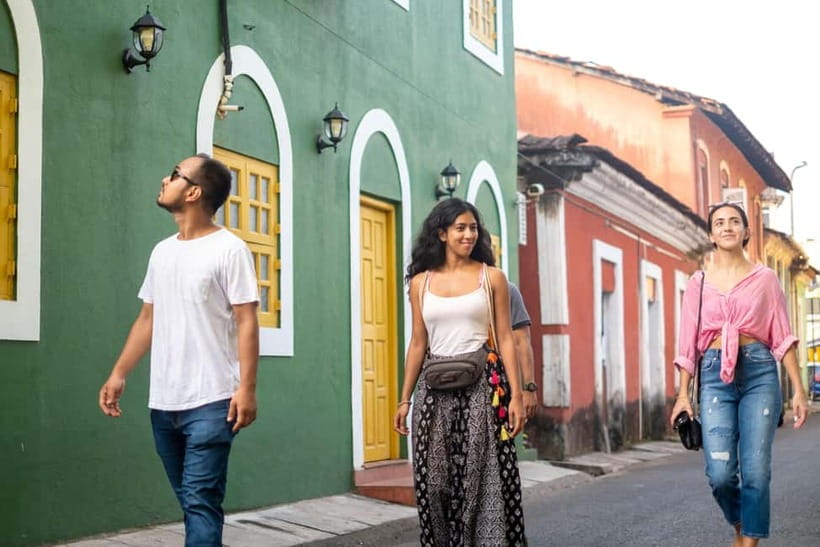
The Chapel of San Sebastian is another major landmark on the route. Its setting within Fontainhas makes it a memorable stop, especially when paired with the surrounding painted homes and winding lanes.
This is one of the places where the tour’s guided format earns its small price. You can find the chapel on a map and photograph it without help, but the guide supplies the connection between the building, the quarter, and Goa’s Portuguese-era identity.
The walk is not a strenuous hike in the usual sense, but it does involve standing and moving through old streets for about two and a half hours. Comfortable shoes and loose clothing are sensible. The route is not suitable for people with mobility impairments, so check your own comfort with uneven urban walking before booking.
Meeting a Goan musician
The musical portion is one of the experience’s strongest features. Near the end, you meet a well-known Goan musician and learn how Portuguese influence shaped Goan music. The live performance gives you something a standard architecture walk cannot provide.
Music turns history into something immediate. You hear how a cultural influence can survive in sound, not just in facades or food. The meeting has also been described as a memorable part of the experience, with musicians such as Francis and Glossy mentioned in connection with the cultural performance.
Do not expect a long concert. Think of it as a personal meeting and a focused performance within a walking tour. That format works well because the music arrives after you have already heard about the neighborhood’s background.
The ceramic studio and the final return
Before heading back to the post office, the route may stop at a studio producing handcrafted ceramic souvenirs. This is a pleasant final look at local creativity and gives you a chance to see how cultural objects are made and sold.
Souvenirs are not included, so any purchase is your own expense. The stop is optional in the practical sense that you do not need to buy anything. It is still useful for people who want a small, locally made reminder of the walk rather than a mass-produced item.
The group then returns to the Panjim Head Post Office. Since the route is compact, you finish in central Panaji rather than at a distant attraction. That makes it easy to continue sightseeing or find a meal afterward.
How the timing and group size affect the experience
The walk lasts about 2.5 hours, with the route divided into guided explanations and walking sections. The stated maximum group size is 20 people. A smaller group will make it easier to hear stories in the narrow lanes and ask questions, while a full group may feel less personal.
The morning departure can be a smart choice if you want cooler temperatures and quieter streets. One 10:30 a.m. walk was especially comfortable because there were few people in the lanes. The 4:30 p.m. option may suit you if you prefer to avoid the strongest heat and finish near dinner time.
Goa can be hot, and one participant found the walk enjoyable even in the heat but still pointed out the weather as a factor. Carry water, wear comfortable shoes, and use sun protection. Some businesses may be closed on Sundays, so check the operating details before selecting that day.
Is $12 good value?
At $12 per person, this is strong value if you want more than a self-guided photo walk. The price includes an English-speaking local guide, entry into heritage homes, and the meeting with a Goan musician. You are paying for interpretation and access, not transport or a large meal.
Hotel pickup and drop-off are not included, so you need to reach the Panjim Head Post Office yourself. Food, drinks, souvenirs, insurance, and personal purchases are also extra. Those limits are easy to understand, but they matter if you are comparing this with a private tour that includes transportation.
The value improves if you take advantage of the guide’s local knowledge. Ask about the architecture, the history of Panaji, the Portuguese influence on food, and the differences between Goan and Portuguese traditions. Several guides, including Yashasvi, Divya, Calvin, Trancy, Rachana, Alita, and Shreeya, have been praised for making the experience engaging rather than formal.
Who should book this Fontainhas walk?
I would choose this tour for first-time visitors to Panaji, architecture fans, people interested in Portuguese connections, and anyone who wants a cultural activity away from Goa’s beach resorts. It also suits photographers, provided you are willing to pause and listen instead of rushing from one photo spot to the next.
Families with older children may enjoy the bakery, music, and short storytelling sections. Food lovers get a small taste of local baking, while art lovers have the chance to see gallery spaces and handcrafted ceramics.
I would be more cautious if you dislike group activities or need a fully accessible route. The maximum group size is 20, and the experience depends on walking through old lanes. It is also not the right choice if you want a full meal, private transportation, or a long concert.
Should you book it?
Book it if you want Panaji to make sense rather than simply look pretty. The colorful streets are the hook, but the real value comes from the links between architecture, religion, baking, art, and music.
Choose a morning departure for cooler, quieter streets, or the 4:30 p.m. slot for a more comfortable end to the day. At $12, the walk offers a lot for the cost, provided you arrive ready to walk, carry water, and remain open to the guide’s stories and the musical finish.
FAQ
Where does the Fontainhas heritage walk begin?
It begins at the entrance of the Panjim Head Post Office in Panaji. The Sao Tome Chapel is a nearby landmark that can help you identify the area.
How long does the tour last?
The walk lasts approximately 2.5 hours.
What language is the tour conducted in?
The live tour is conducted in English by a local English-speaking guide.
What is included in the price?
The price includes the local guide, entry into heritage homes, and a meeting with a well-known Goan musician.
Are food and drinks included?
Additional food and drinks are not included. The walk may include a stop at 31st January Bakery, but you should bring cash for anything extra you wish to purchase.
Is hotel pickup available?
No. Hotel pickup and drop-off are not included, so you must make your own way to the Panjim Head Post Office.
How large can the group be?
This is a group walking tour with a maximum group size of 20 people.
What should I bring?
Wear comfortable shoes and clothes, and bring cash and a reusable water bottle.
Is the tour suitable for people with mobility impairments?
No. The experience is listed as unsuitable for people with mobility impairments because it involves walking through Fontainhas and its old lanes.
Newest history tours we have reviewed in India
- Agra Fort: Guided UNESCO Heritage Walking Tour★ 4.9 · 21 reviews
- World heritage Ahmedabad city tour in private car with guide and lunch★ 5.0 · 44 reviews
- Private Elephanta Caves UNESCO World Heritage Site Tour★ 5.0 · 34 reviews
- Mumbai: South Mumbai Heritage Walking Guided Tour★ 4.5 · 69 reviews
- Hill-station & Heritage: Lonavala & Karla Caves Tour from Mumbai★ 5.0 · 60 reviews
- Best South Mumbai Heritage Walk★ 5.0 · 122 reviews
- Heritage Walk: Recommended by Gigi Hadid as a must-do in Mumbai★ 5.0 · 122 reviews
- The Cultural And Historical Walking Tour in Margao★ 5.0 · 280 reviews
History Walking Tours, compared.
History and Hauntings of Salem Guided Walking Tour
Read our review →
Freedom Trail History Small Group Walking Tour
Read our review →
Historic Charleston Guided Sightseeing Walking Tour
Read our review →
Tapas Walking Tour with Food, Wine, and History
Read our review →
Savannah History and Haunts Candlelit Ghost Walking Tour
Read our review →
A History of Terror – Belfast City Centre Walking Tour
Read our review →Browse the lists this tour appears in