
Review · ITALY HISTORY TOURS
Padua: Jewish Heritage Museum and Synagogue Tour
Padua’s Jewish story comes alive in two very different places: a museum inside a restored former Ashkenazi synagogue, and the Italian Synagogue, which still serves the local community. The tour also takes you through the old ghetto, where narrow streets hint at the commercial and social life once centered here.
I like the way the visit joins architecture with people and ideas. You hear about figures such as Rabbi Judah Minz, Maharam Padua, and Moshe Chaim Luzzatto, while short films introduce ten important characters from Padua’s Jewish past. I also like that guides such as Antonella and Simonetta are praised for clear, personal storytelling.
The main consideration is timing. The tour lasts only 1 to 1.5 hours, so it gives you a focused introduction rather than a full study of Padua’s Jewish sites. On weekdays, a €60 ticket request may apply unless you join a time slot with other bookings.
Key points to know before booking
- Two synagogues, two roles: See a former Ashkenazi synagogue used as a museum, then visit the Italian Synagogue, still used for prayer.
- The ghetto is part of the tour: Walk through narrow streets while learning how Jewish residents worked, worshipped, studied, and traded.
- Strong multimedia element: Short films bring ten figures from Padua’s Jewish community to life through the places linked to them.
- A guide makes the difference: Guides named in visitor feedback include Antonella, Simonetta, Isaiah, and others praised for clear explanations.
- Dress modestly: Shorts and sleeveless shirts are not allowed.
- Good value at the standard price: At $17 per person, admission, a guide, and the multimedia program make this a useful short cultural stop.
Why Padua’s Jewish story belongs on your itinerary
Padua is often visited for its university, frescoes, churches, and elegant squares. Yet the city also has a long Jewish story tied closely to learning, trade, medicine, and university life.
This tour gives that story a clear setting. You do not simply look at synagogue furnishings behind glass. You move through the former ghetto, enter a museum in a former place of worship, and finish in a functioning synagogue. That sequence helps you see Jewish life as part of the city itself, not as an isolated subject.
I especially like the connection with the University of Padua. The university was among the early European institutions open to Jewish students, and its academic life helped make Padua an important center for Jewish scholarship. The tour places that connection alongside the daily realities of community life.
You should not expect a large museum or a long walking tour. This is a compact visit with a strong historical focus. Its value comes from the guide’s explanation and from seeing spaces that are not part of the standard Padua sightseeing circuit.
More Jewish Heritage Tours in Italy:
- Lecce: Jewish History Walking Tour
★ 4.7 · 67 reviews - Budapest Jewish Heritage Memorial Walking Tour & Synagogue Entry
★ 5.0 · 568 reviews - Budapest: Jewish Heritage Guided Tour with Synagogue Ticket
★ 4.8 · 533 reviews
Starting in the former Ashkenazi synagogue
The tour begins at the Padua Jewish Museum in the old ghetto area. Look for the magenta-colored building and show your voucher at the ticket counter before the visit starts.
The museum occupies a restored 16th-century Ashkenazi synagogue. The building was damaged by a fire set by fascists in 1943 and rebuilt in the 1990s. That fact alone gives the visit added weight. You are looking at a place of worship that suffered deliberate destruction, then returned as a center for preserving memory and teaching.
The setting also helps explain how Jewish buildings can change function over time. Here, the former synagogue now presents the story of the Padua Jewish community, while the tour later takes you to the synagogue still used for prayer.
Inside, the displays cover Jewish life from its origins in Padua to the present day. The subject is not limited to religious ritual. You hear about community structures, commerce, education, cultural life, and the relationship between Jewish residents and the wider city.
The guide is important here. The material can span centuries, and a good explanation keeps it from becoming a list of names and dates. Guides including Antonella, Simonetta, and Isaiah have been singled out for making the subject understandable and for handling detailed questions well.
Meeting ten important people through film
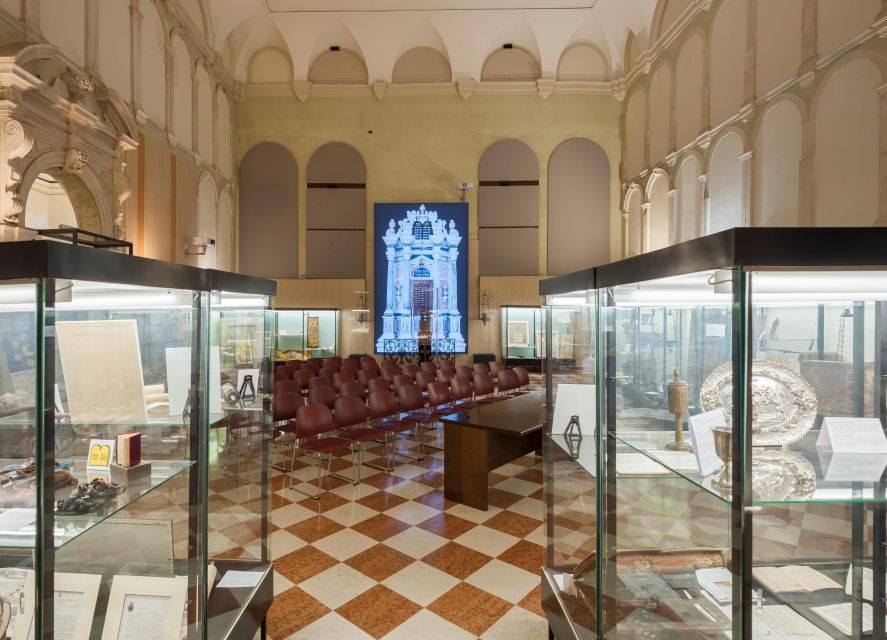
One of the most useful parts of the museum is the multimedia installation directed by Denis Brotto. Short films introduce ten significant figures from Padua’s Jewish life. Rather than presenting them only as portraits or labels, the installation lets their stories connect to the locations associated with them.
This approach gives the museum a human scale. You learn about scholars and community figures through their work and surroundings, not just through a timeline. Among the names connected with the tour are Rabbi Judah Minz, Maharam Padua, and Rabbi Moshe Chaim Luzzatto, also known as the Ramchal.
The films are especially helpful if you do not already know the history of Italian Judaism. A guide can explain the wider setting, while the video segments give you a more direct sense of individual lives and ideas.
The multimedia portion also breaks up the tour nicely. A history-heavy visit can become tiring when every stop relies on spoken explanation. Here, the video installation adds another voice and gives you something concrete to watch.
I would give the films your full attention, even if you are mainly visiting for the synagogue architecture. They explain why Padua mattered beyond its walls and show how Jewish intellectual life was connected to the city’s institutions.
Walking the old ghetto streets
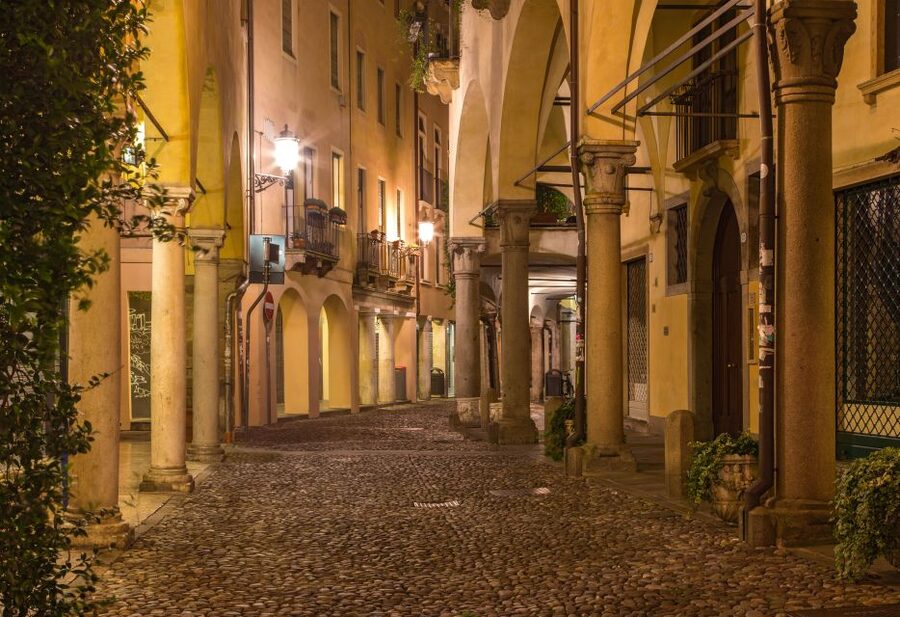
After the museum, the tour continues through the narrow streets of the ancient Jewish ghetto. This is not a long city walk, but it gives the indoor displays a physical setting.
Your guide explains how the Jewish settlement developed and how the ghetto functioned in commercial, social, cultural, and religious terms. You hear about the ways residents worked and interacted with the rest of Padua, along with the restrictions and boundaries that shaped daily life.
The streets are valuable because they make the story less abstract. A museum can show you documents and objects, but the ghetto lets you consider how homes, shops, meeting places, and religious buildings related to one another.
Do not expect every street corner to have a surviving sign or monument. The interest comes from the guide’s reading of the area and from the contrast between today’s city and the historic Jewish quarter. If you like urban history, this may be the part that stays with you longest.
The route also makes the tour easy to fit into a day of sightseeing. The ghetto is in Padua’s historic center, near Piazza delle Erbe, so you can combine the visit with other central sights. The supplied information does not give a precise walking distance or group size, so check the selected departure time when booking.
More Museum and Gallery History Tours in Italy:
- Venice’s Best: Basilica, Doge’s Palace, Gondola & History Gallery
★ 4.5 · 2,478 reviews - Venice: Bell Tower & St Mark’s Square History Gallery Ticket
★ 4.3 · 910 reviews - Basilica, Doge’s Palace, History Gallery & Bell Tower Option
★ 5.0 · 586 reviews - Rome: Colosseum, Vatican Museums & Historic Center in a Day
★ 4.7 · 228 reviews
Entering the Italian Synagogue
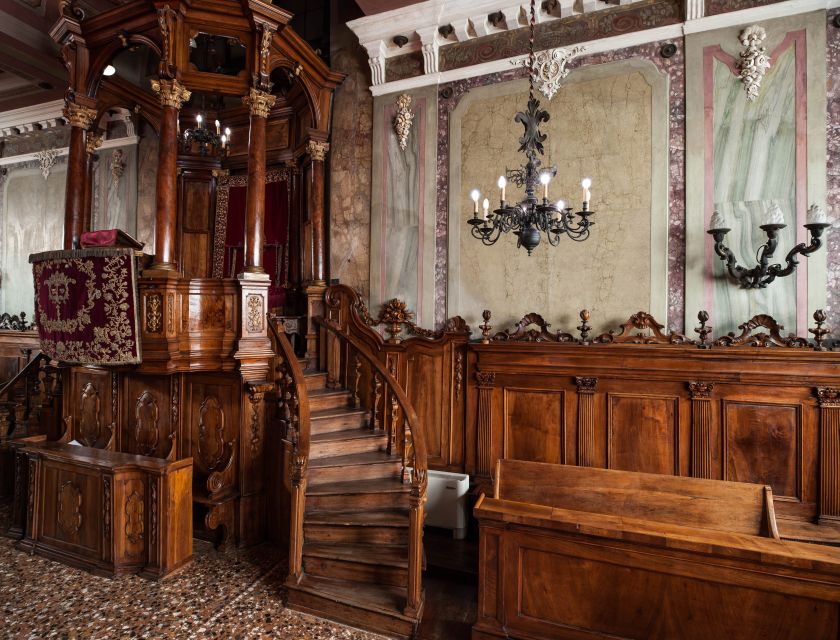
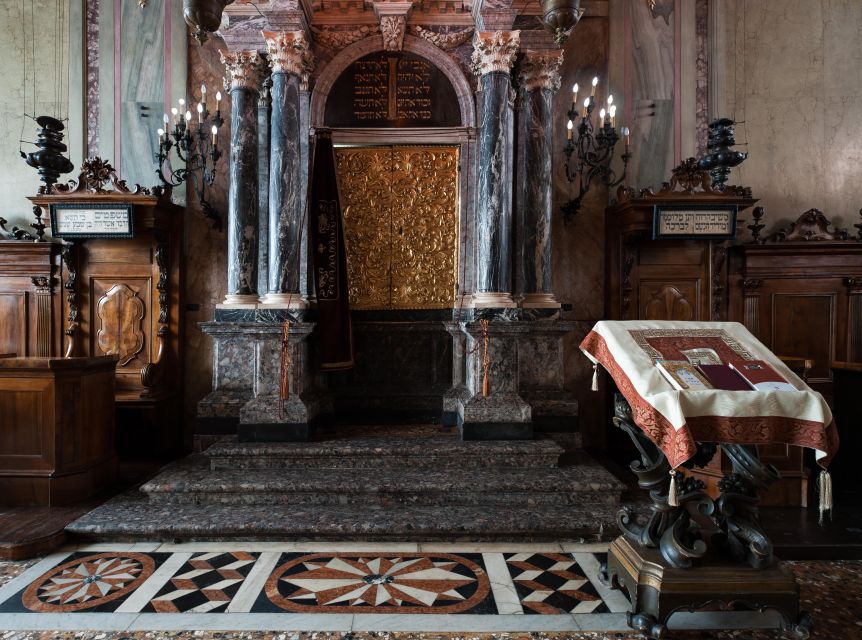
The final stop is the Italian Synagogue, still used as the prayer site for Padua’s Jewish community. This gives the tour a strong ending because you move from a former synagogue devoted to museum work into a living religious space.
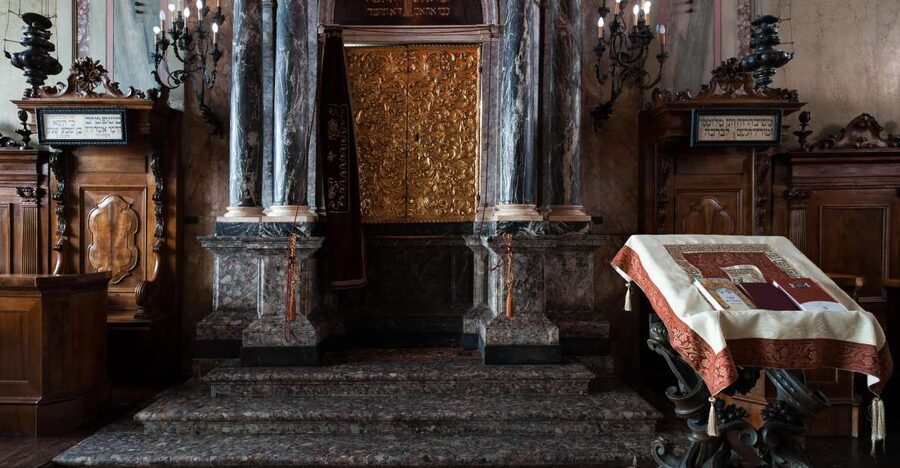
The main architectural focus is the Aron-ha-Kodesh, the sacred cabinet set into the eastern wall. Its polychrome marble makes it an important visual feature, but the guide also explains its religious role. It is not simply an old decorative object. It remains connected to prayer today.
That distinction matters. You are not viewing Jewish worship as a vanished custom. You are seeing a place that continues to serve the community, and you should treat it accordingly. Modest clothing is required: shorts and sleeveless shirts are not allowed.
The synagogue is described as stately and beautiful, but the visit is not only about appearance. The guide explains the building’s style and the meaning of its key features. For many people, this is the most moving part of the tour because the setting combines art, memory, and present-day religious life.
The synagogue may be especially meaningful if you have a personal connection to Jewish history or worship. It also works for anyone interested in the religious architecture of Italy and in seeing something beyond the country’s better-known Catholic buildings.
What the guide adds to the experience
This tour depends heavily on the live guide. The museum and synagogue provide the setting, but the guide links the details into a story.
The English and Italian guides are described as professional and able to answer specific questions. Antonella is noted for her storytelling and careful attention to synagogue architecture. Simonetta is praised for making the material interesting and clear. Isaiah is described as especially engaging when discussing Jewish sites, scholars, and the University of Padua.
Guide quality can vary from one departure to another, and the information does not promise a particular guide. Still, the repeated praise for explanation and personal attention suggests that the guided format is a major part of the value.
I would choose this tour instead of visiting the museum alone if you want context. The history covers a long period, and the names, institutions, and buildings make more sense when someone explains how they connect.
The tour is also suitable for families, provided children can manage a history-focused visit and respect the synagogue setting. The multimedia presentations may help younger visitors stay engaged, though no specific age recommendation is provided.
Price, timing, and practical value
The listed price is $17 per person. For a 1 to 1.5-hour visit that includes entry to both the Padua Jewish Museum and the synagogue, a live guide, and the multimedia program, that is a fair price.
The value is strongest if you are already interested in Jewish history, religious architecture, or Padua’s university culture. You receive more than admission to a small museum. You also get access to a functioning synagogue and a guided walk through the former ghetto.
There is one unusual booking point to watch. On weekdays, a €60 ticket is requested for reservations. If you want to share that amount, book a slot where other people have already reserved. This wording means you should check availability carefully before choosing a weekday time, especially if you are booking for a small party.
The tour offers free cancellation up to 24 hours before the start time, and reserve-now, pay-later booking is available. It is also wheelchair accessible. These details make it easier to fit into a changing Padua schedule, although the information does not explain the exact street conditions or interior layout.
Starting times vary, so check the schedule rather than assuming a fixed departure. The meeting point is in the historic center, and you should arrive with your voucher ready for the ticket counter.
Who will appreciate this visit most
I would put this tour high on the list for anyone interested in Judaica, Jewish scholarship, synagogue design, or the history of minority communities in Italy.
It is also a strong choice if you are making a day trip from Venice. One visitor came from Venice specifically to see the synagogue, and the central location makes the visit practical as part of a Padua day. The compact length leaves time for the university, markets, churches, and other sights.
History-minded families can benefit from the combination of streets, objects, architecture, and short films. The tour is not designed as a hands-on activity, however, so very young children may find the explanations long.
You will get the most from it if you enjoy listening. The displays matter, but the guide supplies much of the context. If you prefer to move quickly through rooms and take photographs, this may feel slower than a self-guided museum visit.
The visit is also a good counterpoint to Padua’s many Christian religious monuments. It broadens your view of the city and shows how several faith communities shaped its intellectual and social life.
Who might want a different experience
You may want more time if your main goal is to study every object, read extensive documentation, or visit several Jewish cemeteries. The tour focuses on the museum, the ghetto streets, and the two synagogues. Jewish cemeteries are mentioned as places that can be visited on certain days and at certain times, but they are not part of this experience.
You may also find the tour too brief if you want a full survey of modern Italian Jewish history. The guide covers the community from its origins to today, but the total visit remains under 90 minutes in most cases.
Dress rules are another practical point. Shorts and sleeveless shirts are not permitted, so plan your clothing before arriving. The restriction is easy to manage, but it matters more here than at many general museums because you enter an active place of worship.
Finally, the weekday €60 request can change the value calculation. The standard $17 price is attractive, but you should confirm the booking conditions for your chosen slot before paying or committing to a time.
Should you book the Padua Jewish Museum and Synagogue Tour?
I would book it if you want a focused, well-explained look at a side of Padua that many visitors miss. The former Ashkenazi synagogue, the films about ten Jewish figures, the old ghetto streets, and the working Italian Synagogue create a thoughtful 1 to 1.5-hour route.
The tour is particularly worthwhile for Jewish heritage, university history, and architecture. Guides such as Antonella, Simonetta, and Isaiah are praised for making complex material accessible, and the repeated emphasis on clear explanations is important because the experience relies on interpretation.
Book with care on weekdays, check the €60 ticket requirement, and dress modestly. If those conditions suit your plans, the $17 standard price offers a strong cultural experience in the center of Padua.
FAQ
How long does the Padua Jewish Museum and Synagogue Tour last?
The tour lasts approximately 1 to 1.5 hours.
What does the tour include?
It includes entry to the Padua Jewish Museum and Padua Synagogue, a guided tour, and the multimedia experience.
Which languages are available?
Live tours are available in English and Italian.
Where does the tour take place?
The tour takes place in Padua’s historic center, in and around the ancient Jewish ghetto area.
What will I see at the museum?
You will see displays about the Jewish community of Padua from its origins to the present, along with a multimedia installation featuring ten important figures from Padua’s Jewish life.
Is the synagogue still used for prayer?
Yes. The Italian Synagogue remains the prayer site for members of the Padua Jewish Community.
What is the Aron-ha-Kodesh?
The Aron-ha-Kodesh is the sacred chamber positioned on the synagogue’s eastern wall. The Italian Synagogue has a polychrome marble Aron-ha-Kodesh that is still used for prayer.
What should I wear?
Shorts and sleeveless shirts are not allowed. Modest clothing is required for the synagogue visit.
Newest history tours we have reviewed in Italy
- Guided Cultural Tour of the Godfather Film in Messina★ 5.0 · 31 reviews
- SU NURAXI BARUMINI Unesco World Heritage Site★ 5.0 · 129 reviews
- Picnic aperitif in the vineyard of an ancient trullo in Martina Franca★ 5.0 · 21 reviews
- Brescia the Unexpected: History, Local Stories & a drink★ 5.0 · 31 reviews
- Bologna historical art walking tour with hidden gems and tastings★ 5.0 · 108 reviews
- Bolognese Cooking Class with Margherita in the Historic Center★ 5.0 · 26 reviews
- Best of Bologna in one day : Food, architecture, art and history★ 5.0 · 27 reviews
- Private or semi-private tour of the historic center of Bologna★ 5.0 · 34 reviews
Jewish Heritage Tours, compared.
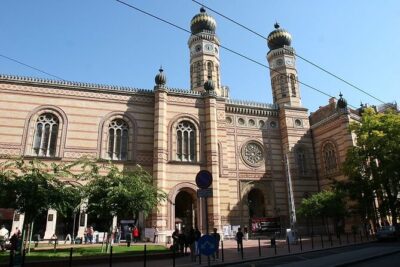
Budapest Jewish Heritage Memorial Walking Tour & Synagogue Entry
Read our review →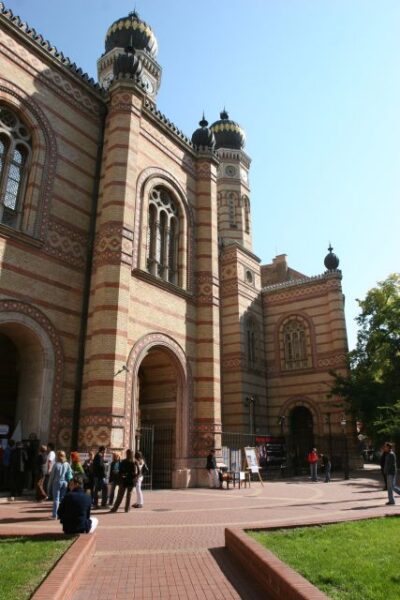
Jewish Heritage Guided Tour with Synagogue Ticket
Read our review →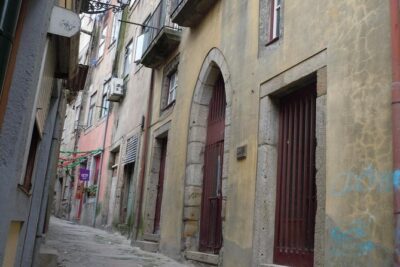
3-Hour Porto Jewish Heritage Walking Tour with Local Guide
Read our review →
Private Jewish Heritage Journey by Barcelona Dreaming
Read our review →

Anne Frank and the Jewish History of Amsterdam Private Tour
Read our review →
Lisbon Jewish Heritage and History – Private Tour Van
Read our review →
Browse the lists this tour appears in