Review · ROME HISTORY TOURS
Rome: Colosseum, Vatican Museums & Historic Center in a Day
Rome in one day is a bold promise, but this tour gets surprisingly close. You begin among the fountains and churches of the historic center, then move to the Colosseum and finish among the art of the Vatican Museums and Sistine Chapel. Guides such as Marco, Valeria, Hilaria, and Jaber have earned praise for mixing facts with humor and keeping groups moving.
I like the smart routing and the private transfer to the Vatican. That short ride saves your legs and removes one awkward cross-town connection. I also like the mix of outdoor Rome and major indoor sights: you get streets, piazzas, ancient ruins, sculpture, Renaissance painting, and Michelangelo in one day.
The catch is simple: this is a long, fast walking day. Several past participants covered close to nine miles, and the Vatican can feel crowded and rushed near the end. If you want slow museum time, this is not your tour.
Key details before you book
- One packed day: Allow 7.5 hours, plus the chance that the day runs slightly over.
- Three different Rome experiences: Walk the historic center, tour the Colosseum, then explore the Vatican Museums and Sistine Chapel.
- A useful private transfer: Travel by private vehicle from central Rome to the Vatican after the Colosseum.
- A guide makes the difference: English-speaking guides include archaeologists and specialists such as Marco, Ambra, and Valentina.
- Lunch is your responsibility: You get a one-hour break, with restaurant suggestions from the guide, but food is not included.
- Dress and stamina matter: Wear good shoes, bring identification, and avoid shorts, sleeveless shirts, short skirts, strollers, and large bags.
Is Rome in a Day realistic?
Yes, if you treat this as a grand introduction rather than a series of leisurely visits. The day gives you the main sights most first-time visitors put at the top of their list, but it does not give you unlimited time at any one place.
The route begins at Piazza Navona and moves through central Rome before reaching the Colosseum. After lunch, you tour the ancient amphitheater, ride to the Vatican, and spend the final stretch inside the museums and Sistine Chapel. That order helps you cover a lot without asking you to arrange several separate tickets and transfers.
I see the value in that structure for a short visit. If you have only one or two days in Rome, the tour can serve as your first look at the city. You will leave with a clear sense of where the major monuments are and which places deserve a return visit.
The tradeoff is time. The tour gives you a taste of many places, not an unhurried study of each one. The Roman Forum is viewed from an overlook rather than visited inside, and St. Peter’s Basilica is not included as a guided stop.
More Old Town and Historic Centre Walks in Italy
- Rome in a Day Tour with Vatican, Colosseum and Historic Center
★ 4.5 · 1,042 reviews - Rome Food Tour in the Historic Centre with 8+ Food Tastings
★ 5.0 · 1,000 reviews - Private Rome Food Tour in the Historic Centre with 8+Tastings
★ 5.0 · 135 reviews
Piazza Navona, Trevi Fountain, and central Rome
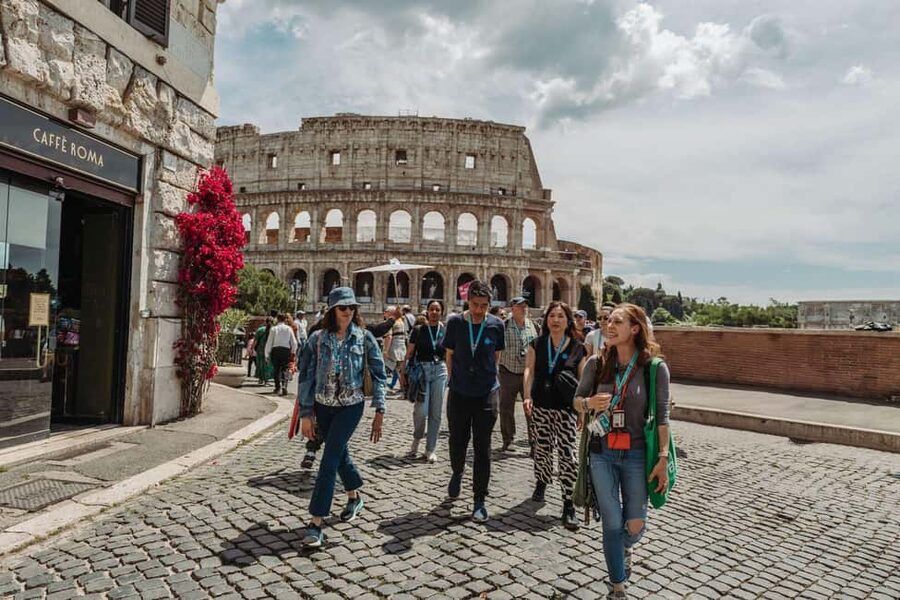
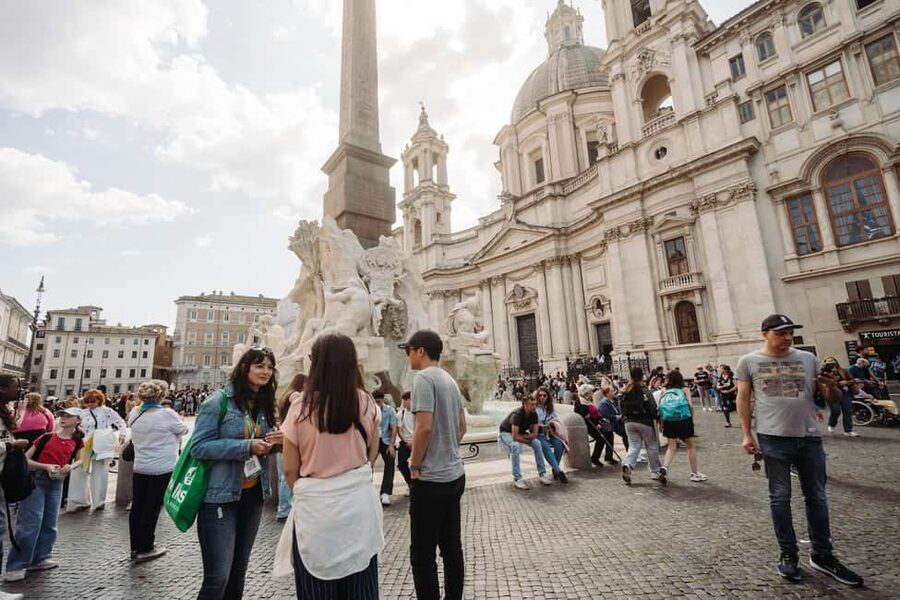
Meet your guide at Piazza Navona 2, in front of the Museo di Roma, 15 minutes before departure. Look for the green Walks sign. This is a sensible starting point because Piazza Navona puts you right in the middle of Rome’s historic center.
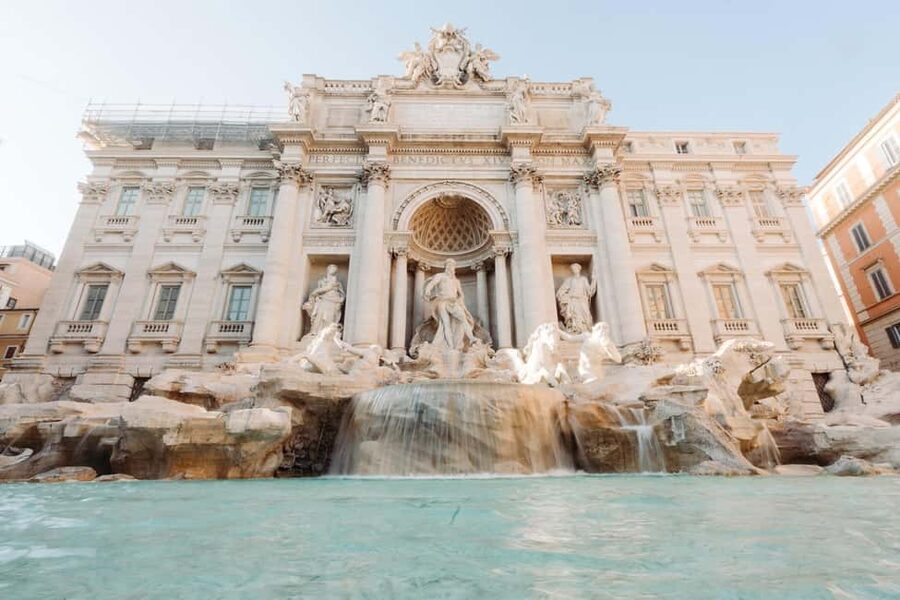
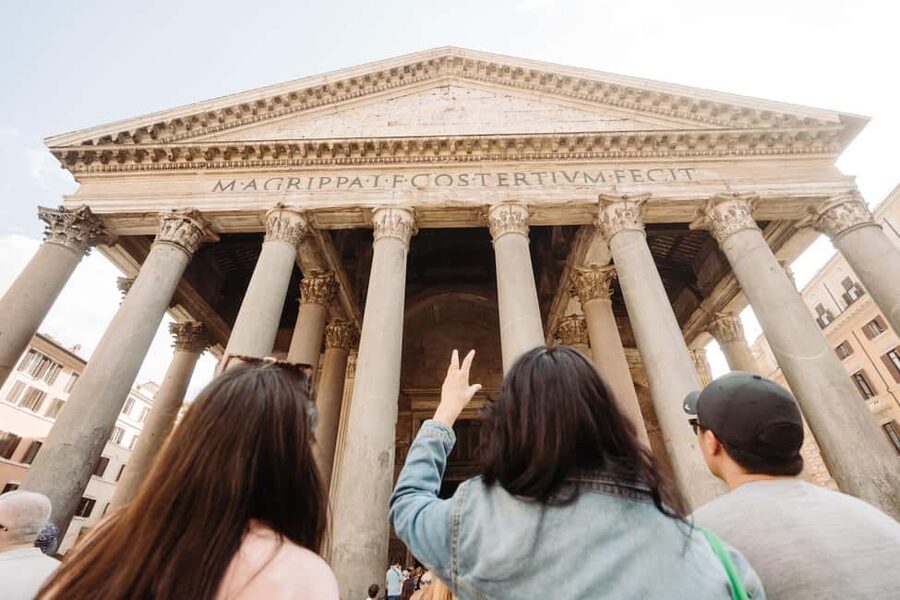
From there, the walking route includes the Trevi Fountain, Piazza Venezia, the Pantheon area, and other central sights. The supplied schedule gives the Trevi Fountain and Piazza Venezia about 30 minutes each, enough for an explanation, photographs, and a look at the surrounding streets.
The Trevi stop is more than a quick photo halt when a good guide is leading. You can hear how the fountain fits into Rome’s grand public spaces, then move on before the crowds consume too much of the day. Piazza Venezia gives you another useful view of Rome’s monumental side, with broad streets and major civic buildings.
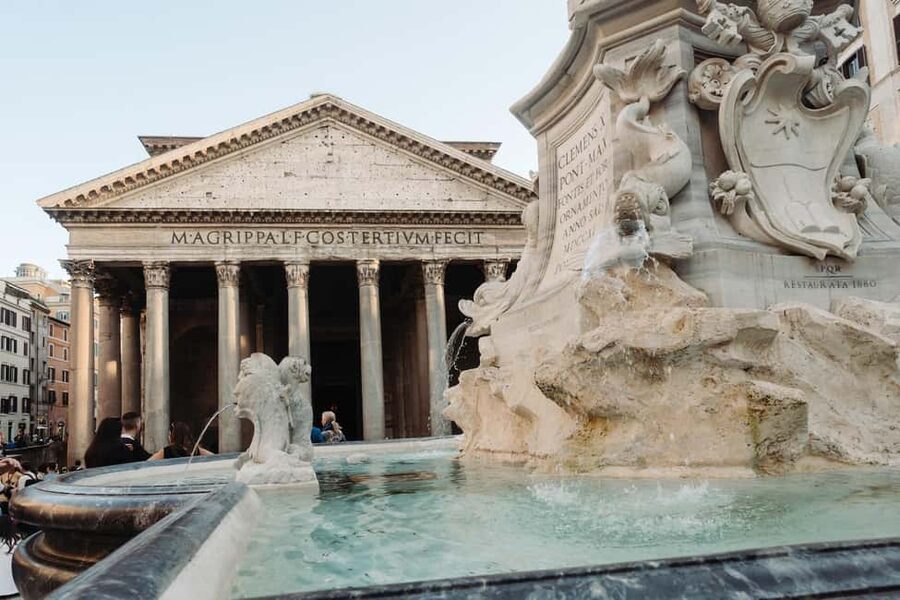
The Pantheon is mentioned among the historic-center sights, but the tour does not include a dedicated interior visit. That distinction matters. The shorter Best of Rome option enters the Pantheon instead of visiting the Vatican, while this full-day option focuses on the Colosseum and Vatican Museums.
The city-center section is also where you begin to understand the physical nature of the tour. Rome is best read on foot, but its old streets are uneven, crowded, and not designed for a slow, perfectly straight route. Stay close to the guide, especially when crossing busy streets or moving through packed squares.
Lunch is a real break, but not a meal package
You get about one hour for lunch. It is not included, and the guide offers suggestions for where to eat.
That arrangement is useful because you can choose how much time and money to spend, but you should not treat lunch as a long restaurant experience. The rest of the day still has major timed visits ahead. A quick meal is the safer choice if you want to start the Colosseum portion without feeling pressed.
Use this pause to refill your water, sit down, and reset your feet. Summer heat can be serious, and several participants specifically praised guides who found shade, helped the group stay hydrated, and adjusted the pace when possible. Rome is far easier when you make the most of this break rather than rushing through it.
Entering the Colosseum with a specialist guide
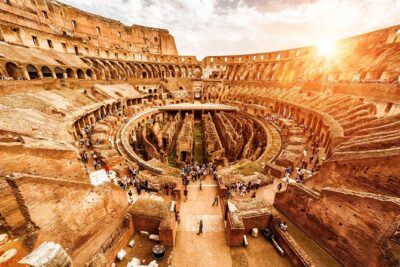
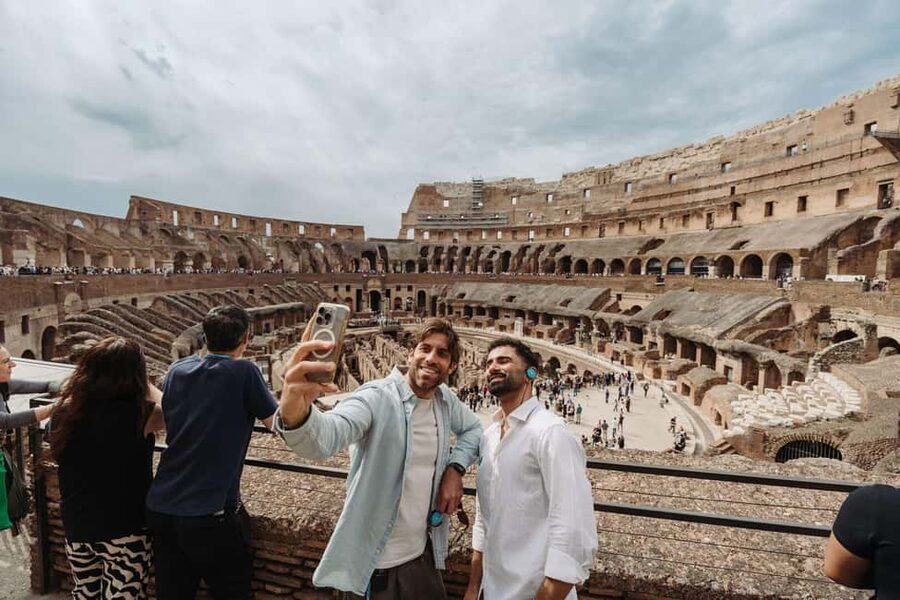
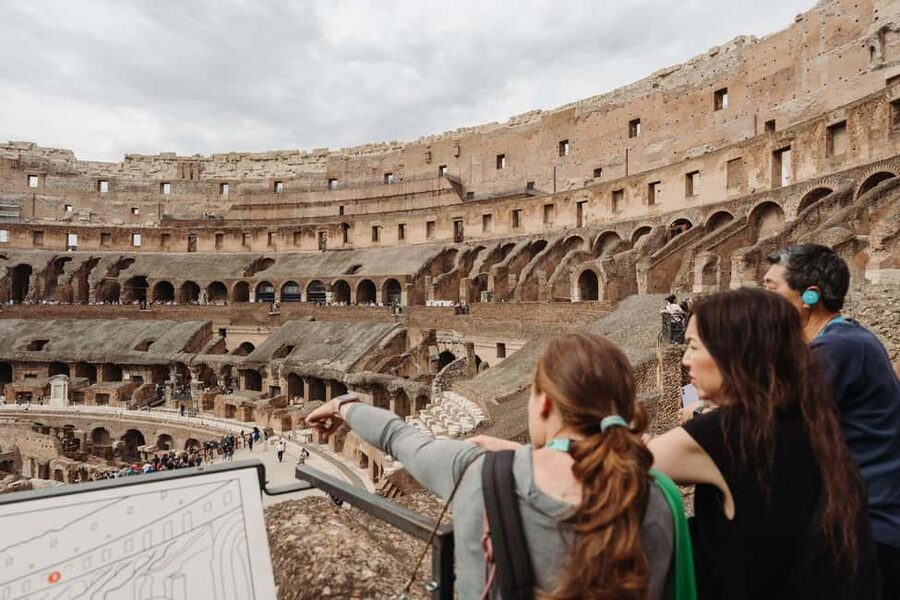
The Colosseum portion lasts about 105 minutes, including the guided visit and the surrounding ancient area. Walks of Italy is an Official Parco Archeologico del Colosseo Operator approved to lead guided tours of the Colosseum, Roman Forum, and Palatine Hill.
That official status matters because the Colosseum is not a place where a casual explanation does the site justice. The building is huge, the entry process can be confusing, and the story involves architecture, politics, entertainment, engineering, and daily life.
Expect stories about gladiators and emperors, along with an explanation of how the arena worked. Guides with archaeology backgrounds have been a particular strength here. Ambra, Marco, and other guides have been praised for using stories instead of simply listing dates, which helps younger visitors stay interested too.
You will pass by the Roman Forum rather than enter it. Instead, the tour uses a special overlook where you can see much of the archaeological area without adding another full site visit. I think that is a fair compromise for this itinerary, but it is still a compromise. If the Forum and Palatine Hill are your top priorities, book a dedicated ancient Rome tour instead.
The Colosseum has limited shade, especially on hot days. Bring water and a hat, and expect hard surfaces underfoot. Even fit walkers may feel the effect by this point, since the day began with a city walk rather than a short transfer straight to the arena.
More Ancient Rome and Colosseum Tours in Rome:
- Colosseum: Underground and Ancient Rome Tour
★ 4.7 · 12,691 reviews - Rome: Colosseum with Arena, Roman Forum and Palatine Guided Tour
★ 4.0 · 5,598 reviews - Colosseum with Arena, Roman Forum and Palatine Hill Guided Tour
★ 4.5 · 3,526 reviews - Colosseum & Ancient Rome with Arena Floor Option I Max 6 People
★ 5.0 · 3,306 reviews
The private transfer to the Vatican
After the Colosseum, you travel by private transport from central Rome to the Vatican. This is one of the best practical features of the day.
Rome’s major sights do not sit in one compact cluster. Moving between the ancient center and the Vatican can cost time, energy, and patience, especially when you are already several hours into a walking tour. The private transfer gives your feet a brief rest and keeps the group on schedule.
One past participant specifically praised the comfortable air-conditioned vehicle during a hot summer day. That matters in July and August, when a cross-town journey on foot or in a crowded public vehicle could make the final museum visit feel much harder.
The transfer is not a sightseeing ride. Think of it as useful logistics, not another attraction. The benefit is that you arrive at the Vatican ready for the next guided section.
Vatican Museums, Raphael Rooms, and the Gallery of Maps
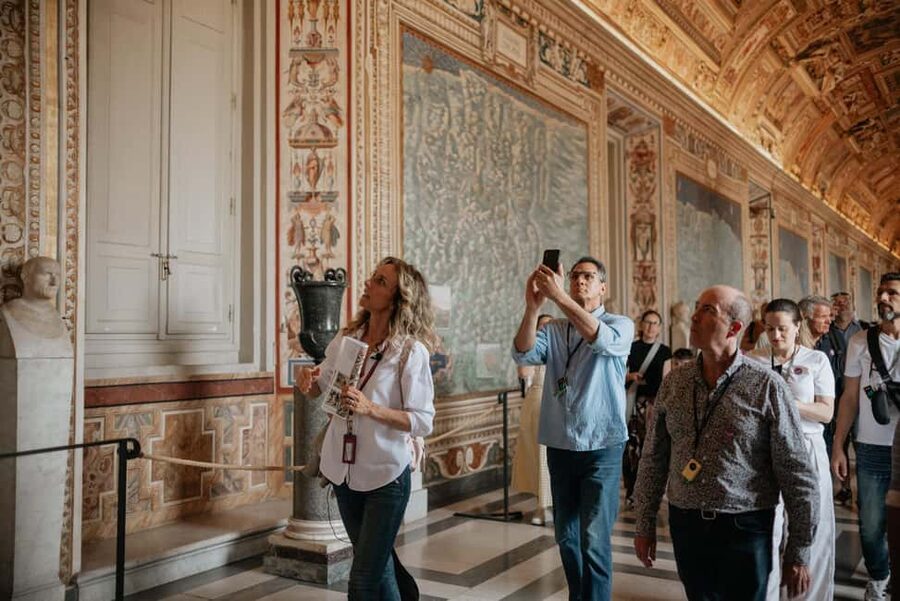
The Vatican Museums portion lasts about two hours. Your guide leads you through selected highlights rather than attempting every room in the vast complex.
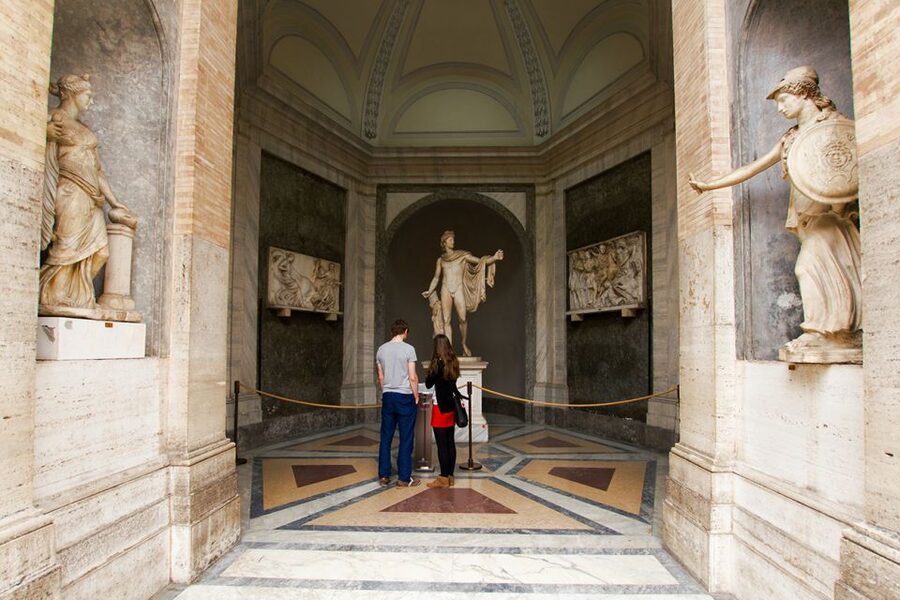
You can expect ancient Greek and Roman sculpture, the Raphael Rooms, and the Gallery of Maps. These galleries can overwhelm you if you enter without a plan. A guide gives you a path through the collection and explains why particular works matter, instead of leaving you to wander through room after room with no sense of priority.
The Raphael Rooms are especially useful for visitors who want Renaissance art but do not have time for every Vatican gallery. The Gallery of Maps is memorable for its long decorated walls and geographic imagery. Ancient sculpture adds a different layer, linking the museum to the Roman world you saw earlier at the Colosseum.
The main drawback is crowding. The Vatican Museums can be warm and tightly packed, and you may need to keep moving with the group. This is not the setting for standing alone before one painting for 20 minutes. If you want that kind of pace, return another day with a smaller plan.
Good guides help here. Jaber, Alessia, Valentina, and others have been praised for holding attention through a crowded route. Clear English, a steady pace, and a visible meeting sign or guide marker become important when many groups are moving through the same corridors.
Sistine Chapel and the end of the route
The Sistine Chapel receives about 45 minutes of guided attention within the Vatican visit. This is the emotional high point for many people, and the room deserves a pause even on a fast schedule.
Michelangelo’s ceiling is the obvious focus, but the chapel is also a working religious space with strict behavior rules. Follow the instructions given by your guide and Vatican staff. Keep your expectations realistic: the room may be crowded, and quiet observation can be difficult when large groups are passing through.
The tour finishes inside the Vatican Museums. St. Peter’s Basilica is not part of the guided program, but the exit leaves you near St. Peter’s Square, and you may continue independently if access and opening conditions allow. This is a useful chance to extend the day, but do not assume the tour includes a Basilica visit.
There is also an important temporary change to note. From January 12 through March 31, 2026, the Last Judgment fresco will be covered by scaffolding during a preservation project. The Sistine Chapel remains open, but Michelangelo’s famous altar wall will not be fully visible during that period.
Group size, guides, and the pace
Private and small-group options are available. The smaller format is worth considering because this day involves frequent stops, street crossings, and indoor crowd movement. A guide can answer more questions and keep better track of your group when the numbers are modest.
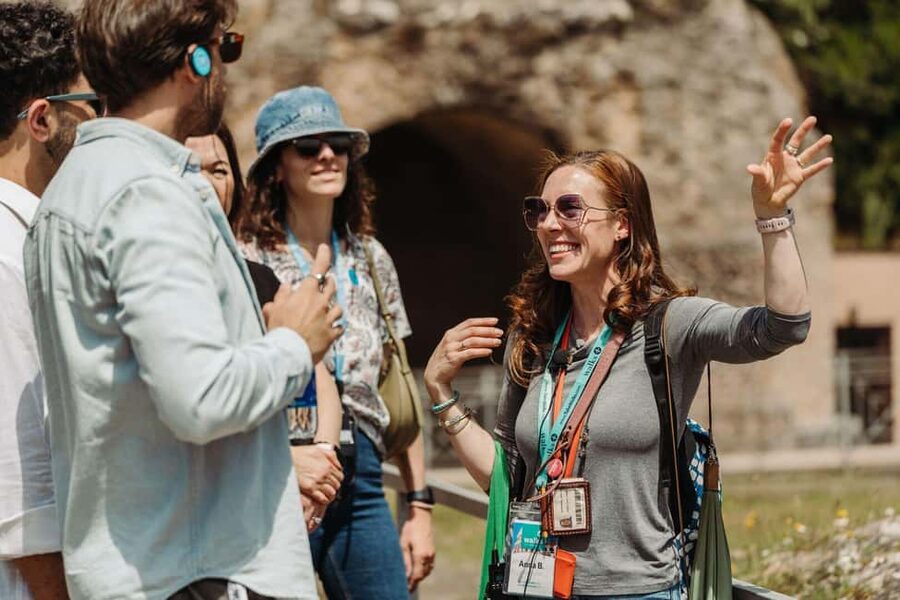
The strongest praise has gone to guides who combine subject knowledge with a human touch. Marco has been described as an archaeology specialist who brought Roman history to life. Hilaria was praised for keeping two children engaged. Nick was noted for taking care of the group in heat and humidity, while several guides were appreciated for humor and clear English.
Your guide will shape the day. The subject matter is excellent, but an overly fast or quiet presentation would be difficult to follow in a crowded city. One participant found it hard to hear the guide clearly, so stay near the front when possible and speak up if you are losing the explanation.
The pace is not designed for people who need frequent long rests. Several participants estimated walking nearly nine miles. That number can vary by route and group, but it gives you the right idea: wear serious walking shoes, not fashionable shoes that only look comfortable.
What to bring and what not to wear
Bring a government-issued passport or ID card. The full names entered at booking must match the identification documents, and you need identification for the tour.
Wear comfortable shoes, long pants, and a long-sleeved shirt. Shorts, short skirts, sleeveless shirts, large bags, luggage, baby strollers, and other restricted items are not allowed. These rules are especially important for the Vatican portion, where clothing and security requirements are enforced.
A refillable water bottle, hat, and light layer are practical additions, although the supplied instructions specifically require the identification and clothing listed above. In summer, shade is limited around the Colosseum, so sun protection is sensible.
The route is not suitable for wheelchair users, strollers, or people with mobility impairments. Even someone who can walk with a cane may find uneven surfaces and the distance difficult. This is not a minor warning. The combination of ancient ground, crowds, stairs, and a full day on foot makes mobility a central booking decision.
Is the tour good value?
No price is provided here, so I cannot judge it against a specific ticket total. I can judge what you are paying for: timed access, an English-speaking guide, a planned route, a private transfer, and a full day that joins two major paid attractions with the historic center.
For a short stay, that can be good value. Buying separate tickets and arranging transport would take planning, and you would likely lose time finding entrances and deciding what to skip. The tour also gives you context, which is hard to price when you are looking at places as dense with meaning as the Colosseum and Vatican Museums.
It is less good value if you have plenty of time in Rome and prefer slow visits. You may pay for access to more sights than you can properly absorb in one day. The tour is best understood as an efficient first pass, not the final word on Rome.
Cancellation terms deserve a close look before booking. The supplied information gives conflicting advance windows, listing full refunds up to seven days in one place and five days in another. Check the current terms at booking, and note that within the stated non-refundable period, the booking cannot be refunded.
Who should book this Rome tour?
Book it if you have one full day, want the major sights handled in one plan, and enjoy learning from a guide while walking. It suits first-time visitors, families with active teenagers, and anyone who would rather spend a premium for organization than lose time managing tickets and transport.
Think twice if the Roman Forum is a must-see interior stop, if you want St. Peter’s Basilica included, or if you prefer several hours in one museum. You should also choose another format if heat, crowds, or long distances are a concern.
For most short visits, I would book it with two conditions: arrive rested and accept that you are sampling Rome at speed. Plan a quiet dinner afterward. Your feet will have earned it.
FAQ
How long does the Rome in a Day tour last?
The tour lasts about 7.5 hours. It may run slightly longer depending on the group and conditions.
Where does the tour begin?
It begins at Piazza Navona 2, in front of the Museo di Roma. Arrive 15 minutes early and look for the green Walks sign.
Where does the tour finish?
The tour finishes at the Vatican Museums.
Is lunch included?
No. You receive a one-hour lunch break, and the guide can recommend places to eat, but the meal is not included.
Is transportation included between the Colosseum and Vatican?
Yes. The tour includes a quick private transfer from central Rome to the Vatican.
Does the tour enter the Roman Forum?
No. You pass by the Roman Forum and view it from a special overlook rather than entering the site.
Is St. Peter’s Basilica included?
No. The guided tour ends at the Vatican Museums. You may continue independently toward St. Peter’s Square and the Basilica after the tour.
What language is the tour offered in?
The live guided tour is offered in English.
Can wheelchair users or guests with strollers join?
No. The tour is not suitable for wheelchair users, people with mobility impairments, or strollers because of the long walking route and site conditions.
More Museum and Gallery History Tours in Rome
- New York City: American Museum of Natural History Ticket
★ 4.5 · 15,447 reviews - Paris: Louvre Museum Entry with History of Mona Lisa
★ 3.9 · 2,823 reviews - Venice’s Best: Basilica, Doge’s Palace, Gondola & History Gallery
★ 4.5 · 2,478 reviews - American Museum of Natural History Admission Ticket
★ 4.0 · 1,931 reviews
More Old Town and Historic Centre Walks in Rome
- Rome: Ultimate Street Food Tour in the Old Town by Do Eat Better
★ 5.0 · 73 reviews - Rome: Food Tour of the Historic Center with Rooftop Spritz
★ 4.7 · 43 reviews - Madrid Essential: Historic Center, Plaza Mayor & Royal Palace
★ 5.0 · 6,416 reviews - Lisbon: Live Fado Show with Port Wine in Historic Center
★ 4.7 · 4,166 reviews
Newest history tours we have reviewed in Rome
- Rome: Colosseum and Ancient Rome Guided Walking Tour★ 4.5 · 95 reviews
- Secrets of Rome: Historical True Crime Small Group Tour★ 4.9 · 85 reviews
- Rome: Private Colosseum Experience and Ancient Ruins Tour★ 4.6 · 25 reviews
- Rome Secrets: Dark History & Tasty Bites Tour★ 5.0 · 37 reviews
- Rome: Guided Tour of Colosseum and Ancient Rome★ 4.9 · 74 reviews
- Rome: Rome at Night Evening Historical Walking Tour★ 4.9 · 24 reviews
- Rome: Introduction to the Colosseum and Ancient City Tour★ 4.8 · 75 reviews
- Rome: Guided Group Colosseum & Ancient City Tour★ 4.8 · 62 reviews
Ancient Rome & Colosseum Tours, compared.
Colosseum: Underground and Ancient Rome Tour
Read our review →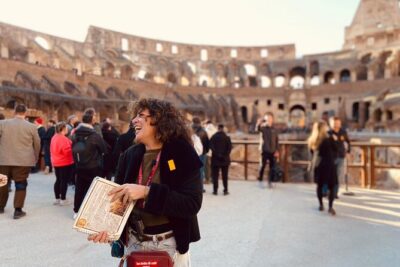
Colosseum with Arena, Roman Forum and Palatine Guided Tour
Read our review →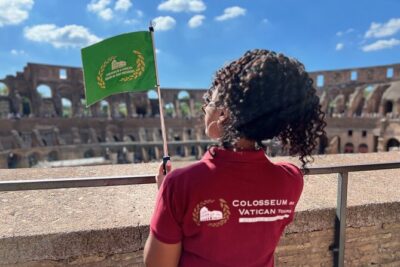
Colosseum with Arena, Roman Forum and Palatine Hill Guided Tour
Read our review →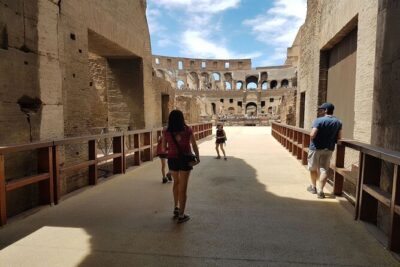
Colosseum & Ancient Rome with Arena Floor Option I Max 6 People
Read our review →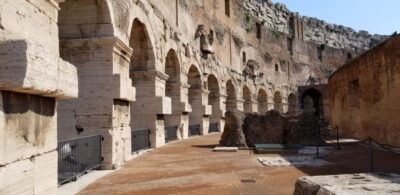
Colosseum, Ancient Rome Tour or AudioGuided Tour
Read our review →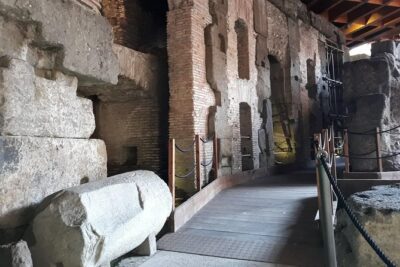
Colosseum Underground & Ancient Rome Guided Tour
Read our review →
Colosseum Arena, Roman Forum & Palatine Hill Tour
Read our review →