
Review · KYOTO HISTORY TOURS
Kyoto: Private 2.5 Hour Historical Walking Tour
Kyoto’s most useful lesson is often the one that explains what you are looking at. This private walking tour connects Yasaka Shrine, a Zen temple, a pagoda, and Kiyomizu-dera while giving you the religious and political background that makes each stop easier to understand. Guides such as Hisako, Hiroko, and Takayuki Ishii have been praised for clear explanations, patient answers, and hand-drawn maps and pictures.
I like two things especially: the route includes the calm rooms and dry gardens of Entoku-in, not just Kyoto’s headline sights, and the guide can shape the pace around your questions and photo stops. The main consideration is cost at $80 per group of up to five, plus temple admissions, and the advertised timing needs checking because the title says 2.5 hours while the activity details also state 2 hours.
Key points to know before booking
- Hand-drawn teaching materials: Guides such as Hisako and Hiroko use maps, sketches, and prepared notes to explain Kyoto’s shrines, temples, rulers, and customs.
- A useful Shinto and Buddhist introduction: You learn how to worship at Yasaka Shrine and how to tell a shrine from a temple.
- Entoku-in is the quiet pause: Its dry gardens, sliding-door paintings, and traditional rooms offer a slower experience than the crowded streets nearby.
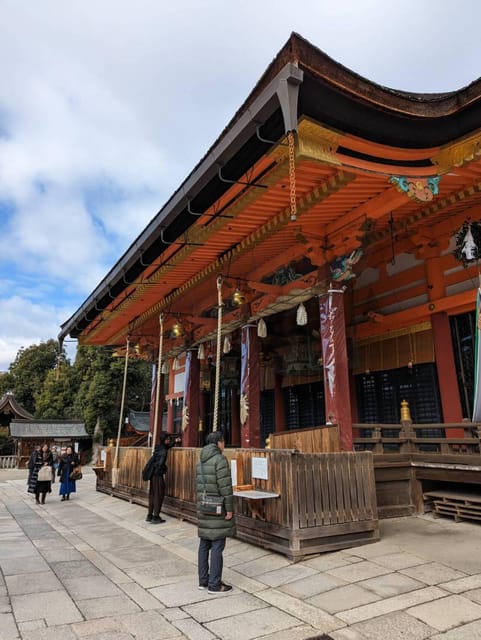
- The route ends at Kiyomizu-dera: You see the wooden stage, Koyasu Pagoda, Buddhist images, Jishu Shrine, and the famous pure-water stream.
- Private means personal: A group of up to five can ask questions about religion, history, language, philosophy, or modern Japan.
- Bring good walking shoes: The route uses streets, stone steps, and temple grounds, with no transport included.
Why this short walk makes Kyoto easier to read
Kyoto can feel like a parade of attractive gates, roofs, statues, and gardens. Without context, it is easy to take photographs and move on without knowing why a place matters.
This tour gives you a framework. At Yasaka Shrine, you learn the basic steps for worship. At Entoku-in, you see how Zen ideas appear in a dry garden and a simple room. At Kiyomizu-dera, the guide links Buddhist worship, old building methods, childbirth prayers, sacred water, and matchmaking customs.
That makes this more than a checklist of famous sights. You are still seeing major Kyoto landmarks, but the guide explains the customs you will encounter again elsewhere in Japan. Several guides have used their own illustrations to show historical figures, buildings, maps, and religious ideas. That is useful when a spoken explanation becomes hard to follow, especially for children or first-time visitors to Japan.
The private format also matters. You do not need to wait for a large group before asking why Shinto shrines use certain gates, how Buddhism arrived in Japan, or what role samurai and shoguns played in Kyoto. Past participants have described long conversations about imperial families, nobility, gender, philosophy, aesthetics, and modern Japanese life. The tour can remain a basic introduction, or it can become a serious history lesson if you keep asking questions.
More History Walking Tours in Japan
- Tokyo: Imperial Palace and Shogun Historical Walking Tour
★ 5.0 · 2,251 reviews - Kyoto Gion: 2-Hour Geisha Culture & History Walking Tour
★ 5.0 · 1,186 reviews - Tokyo Castle & Imperial PalaceーShogun Walking Tour
★ 4.7 · 1,068 reviews
Meeting at Yasaka Shrine’s red west gate
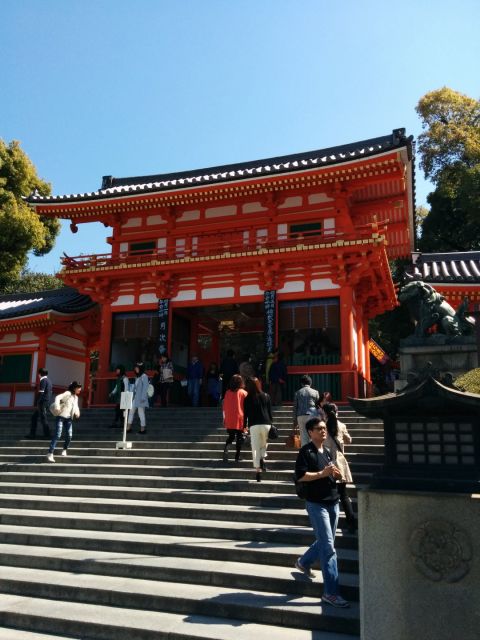
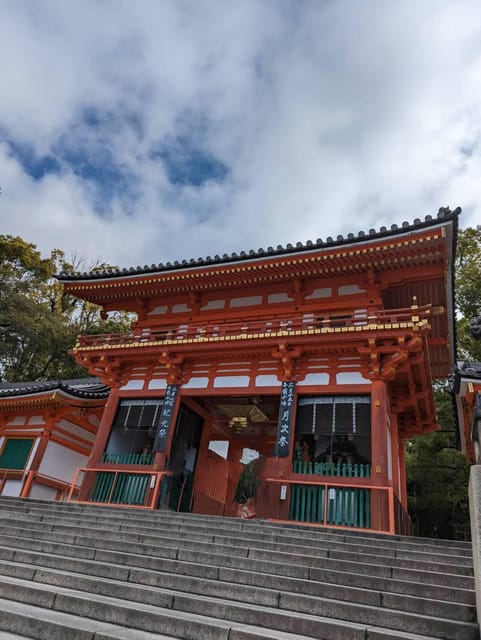
The walk begins at the west gate, also called the red gate, of Yasaka Shrine. The easiest train access is from Gion-Shijo Station on the Keihan Line or Kyoto-Kawaramachi Station on the Hankyu Line. From either station, walk east along Shijo Street, then go up the stone steps toward the gate.
By bus, get off at Gion. The stone steps are before the red gate. The meeting point is central, but Kyoto’s streets can be confusing, so allow enough time to find the steps without rushing.
Your guide starts with a map of Kyoto and a broad explanation of the city’s past. This opening is valuable because Kyoto’s religious buildings and old neighborhoods make more sense once you know where the imperial court, major temples, shrines, and historic districts fit together.
At Yasaka Shrine, you learn how to worship at a Shinto shrine. This is practical information, not just background. You will see the same basic pattern at other shrines during your stay, so the lesson continues to help after the tour ends.
The guide also explains Yasaka Shrine itself before leading you through the neighboring park. This is a good start for visitors who want cultural guidance without committing to an entire day of formal sightseeing.
Maruyama Park and Nene-no-michi
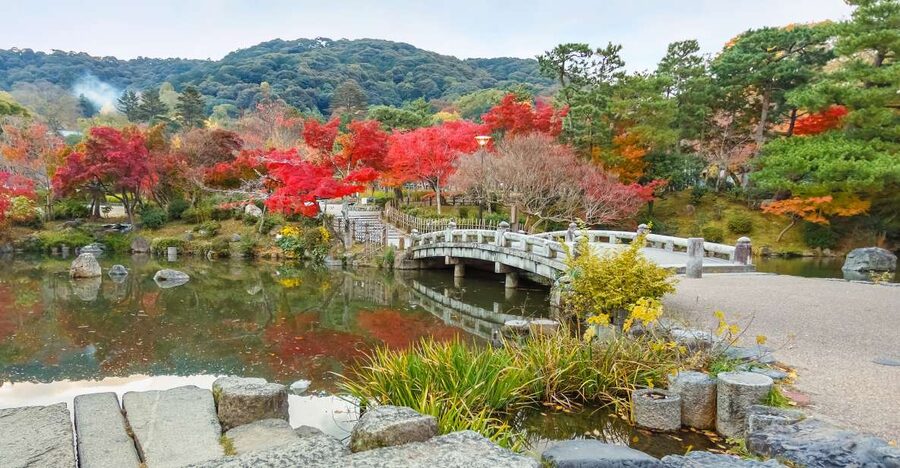
From Yasaka Shrine, the route passes through Maruyama Park toward Nene-no-michi. The walk takes about ten minutes, though the pace can vary with photos and questions.
Nene-no-michi is linked to Nene, the wife of Toyotomi Hideyoshi, a major political figure in late 16th-century Japan. The street gives the tour a useful shift from religious practice to political and personal history. Your guide can connect the area to the people who shaped Kyoto during the age of samurai rule.
This is also where the tour begins to feel less like a standard city walk. You are moving through old lanes and temple precincts rather than simply following a main road between famous attractions. The route is short, but it gives you a sense of how shrines, parks, residences, and temples sit close together in eastern Kyoto.
Entoku-in, traditional rooms, and Zen gardens
Entoku-in is scheduled for about 40 minutes, making it the longest stop before Kiyomizu-dera. That extra time is well spent.
This Zen temple is associated with Nene and is known for its dry gardens, sliding-door paintings, and traditional Japanese rooms. The gardens use rocks, gravel, and carefully arranged planting rather than ponds or running water to create a calm scene. The guide explains what you are seeing instead of leaving you to guess at the meaning of every arrangement.
I like this stop because it slows the tour down. Kyoto’s famous eastern sights can become tiring, especially when streets are busy. Sitting or standing quietly in a temple room, looking at a garden, gives you a needed pause.
Several guide experiences have included calligraphy or illustrated teaching materials, though you should not assume that every departure includes a hands-on activity. The consistent feature is explanation. Guides have used folders, drawings, and notes to clarify Japanese history, architecture, religion, and customs.
Entoku-in is also a good place for families and curious first-time visitors. A child may not remember every date or political name, but a simple drawing of a temple, a garden, or a historical figure can make the story easier to grasp. One earlier family experience even shifted between Japanese and English so children could follow more easily, though language arrangements should be confirmed when booking.
More Private History Tours in Japan
- From Tokyo: Nikko World Heritage Site Private Full-Day Trip
★ 4.9 · 243 reviews - 2.5 Hour Private History and Culture Tour in Himeji Castle
★ 5.0 · 185 reviews - Tokyo: Nikko World Heritage Private Day Trip Hotel Pick-up
★ 4.8 · 145 reviews - From Tokyo: Nikko World Heritage Sight Full Day Private Tour
★ 4.9 · 127 reviews
Yasaka Koshin-do and the five-storied pagoda
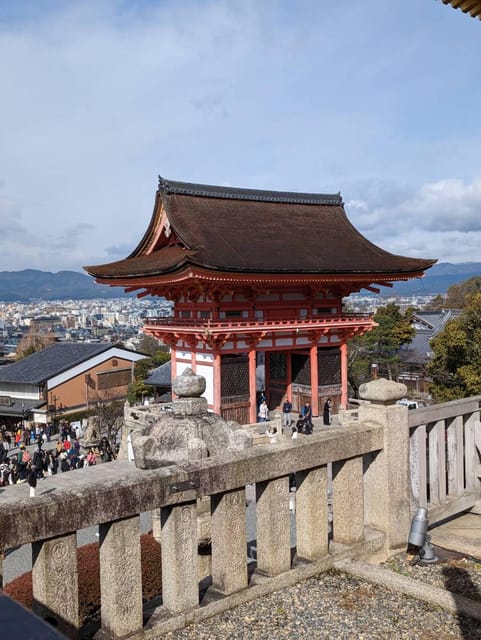
After Entoku-in, you walk for about ten minutes to Yasaka Koshin-do. The scheduled visit lasts around 15 minutes.
Koshin-do is a smaller and more distinctive stop than the major temples. It is associated with Koshin faith and is known for colorful hanging figures. The supplied details focus on the temple visit rather than promising a specific ritual, so the main value here is the guide’s explanation of what you are seeing and how it fits into Japanese religious practice.
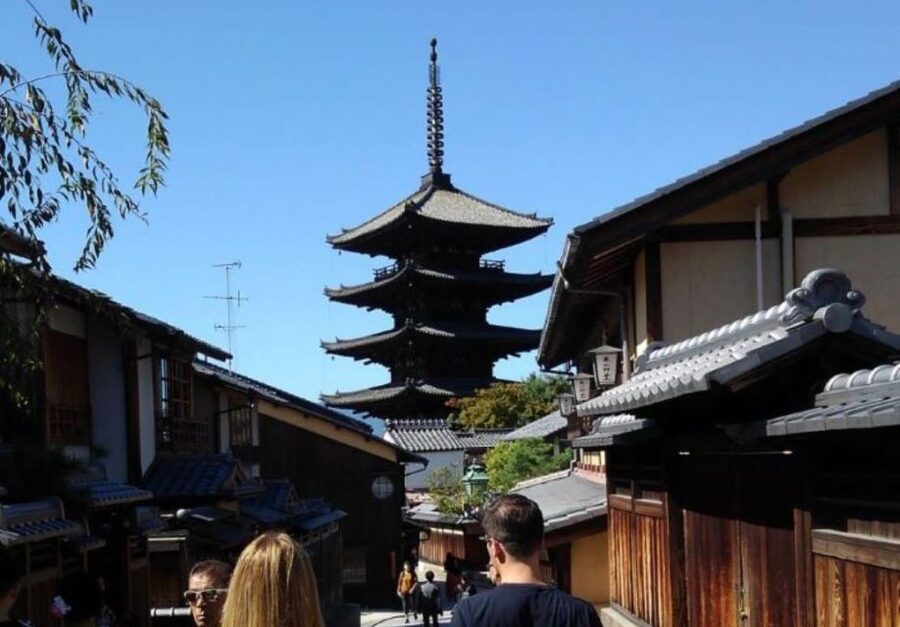
Near Koshin-do, you see Yasaka-no-to, the five-storied pagoda, from outside. The pagoda is commonly called Yasaka-no-to, and the nearby street is a popular place for photographs. The tour does not include an interior visit, so set your expectations accordingly.
This is a good example of the tour’s balance. You get a memorable architectural view without spending too long at every stop. If photography matters to you, the guide can help you pause at the street viewpoint, but the exact crowd level and photo conditions will vary.
The approach to Kiyomizu-dera
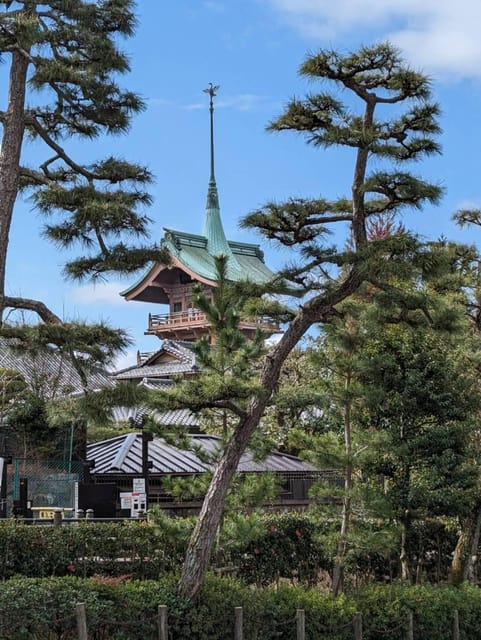
The walk from the pagoda area to Kiyomizu-dera takes about 15 minutes. The route ends at one of Kyoto’s best-known temples, so the streets near the entrance can feel much busier than the quieter temple grounds at Entoku-in.
The difference between these stops is part of the experience. Entoku-in offers quiet rooms and gardens. Kiyomizu-dera gives you scale, famous views, major Buddhist images, and a strong sense of Kyoto’s popularity. You get both sides of eastern Kyoto in one walk.
Kiyomizu-dera was originally built in the eighth century and receives about five million visitors a year. Its main object of worship is Kannon Bodhisattva, a figure associated with compassion. Your guide explains the Buddhist side of the temple and points out Buddhist statues, including Kannon.
Kiyomizu-dera’s wooden stage and mountain view
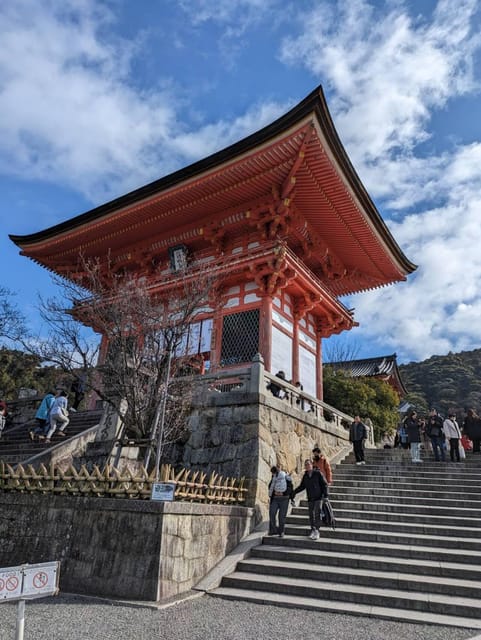
The final temple visit is scheduled for about 35 minutes. The main hall has a large wooden stage attached to it. The structure was built without using nails, an architectural detail that gives the viewing platform extra interest.
From the stage, you can see the surrounding hills and the three-storied Koyasu Pagoda. The pagoda’s name means a pagoda for easy birth, and women visit it to pray for a safe delivery. This is one of the tour’s most useful moments because the guide connects a beautiful view with a living religious purpose.
Kiyomizu means pure water. A stream runs down from the mountain behind the temple and has not dried up. People line up to drink from it, and the guide explains the custom and the meaning attached to the water.
The temple grounds also contain an iron stick and iron clogs donated to the temple. The iron stick is very heavy, and you can try to lift it. It is a small, playful detail in an otherwise serious historical visit, and it gives you something physical to remember.
The tour finishes after leaving the main hall. Before saying goodbye, the guide explains Jishu Shrine, a shrine connected with matchmaking. This final detail rounds out the visit by showing how large Buddhist temples can contain smaller shrines and different forms of prayer within the same precinct.
How the guides teach
The strongest feature of this experience is the guide’s teaching style. Hisako has been repeatedly noted for clear English, patient answers, and hand-drawn illustrations. Hiroko and Hiroshita have also been associated with folders, notes, and drawings that help explain the places along the route. Takayuki Ishii has been described as easy to find, well paced, and careful to leave time for photos.
Guide assignment can vary, so you should not book on the assumption that one specific person is guaranteed unless the operator confirms it. The useful pattern is consistent: English-language guidance, local knowledge, and a willingness to answer questions.
This tour suits you if you want to understand the difference between Shinto and Buddhism, learn how Japanese history connects emperors, shoguns, samurai, and religion, or ask questions that a large group tour rarely has time for.
It may be less suitable if you want only quick photo stops. One guide can spend much longer than scheduled when the conversation becomes detailed, and the experience works best when you are interested in explanation rather than simply collecting temple names.
Price, timing, and what you actually pay for
The price is $80 per private group of up to five people. For one person, that is not a cheap two-hour walk. For a family or small group, the cost becomes more reasonable because it is divided among everyone.
Temple admission is extra, and transportation to the meeting point is not included. Meals, drinks, and insurance are also outside the price. The route itself is on foot, so you will not pay for a vehicle during the walk, though one past experience required a taxi to get around before or after the tour.
There is a timing detail worth checking before you reserve. The experience title describes a 2.5-hour tour, while the activity information lists a two-hour duration. The scheduled stops and walking times add up to roughly 135 minutes, so ask for the expected end time if you have a train, meal reservation, or another timed activity afterward.
Cancellation is free up to 24 hours before the start, and you can reserve without paying immediately. Those policies help if your Kyoto plans are still shifting, but the main value question remains simple: do you want a private explanation of the sights, or are you comfortable reading about them yourself?
Who should book this Kyoto walk?
I would recommend it most strongly for first-time Kyoto visitors, families, couples, and small groups who want a clear introduction early in their stay. The route gives you practical shrine etiquette and religious context that you can use at later stops around Japan.
It is also a good fit for anyone who enjoys history but does not want a lecture detached from real places. You hear about political leaders while walking Nene-no-michi, learn Zen ideas inside a temple, and discuss Buddhist worship while looking from Kiyomizu-dera’s wooden stage.
People with limited walking stamina should note the stone steps, uneven streets, and temple grounds. Comfortable shoes are essential. The tour does not list transport or accessibility services, so ask the provider about your specific needs before booking.
Should you book the Historical Walking Tour?
Book it if you want personal explanation, not just a route through famous sights. The private group size, patient English-speaking guides, illustrations, and mix of major and quieter places make this a strong introduction to Kyoto’s religious and political story.
Skip it if you prefer to move quickly, avoid admission fees, or spend your time independently with little historical discussion. Also confirm the exact duration and guide availability before paying.
For a group of two to five, $80 is fair value for a focused private walk ending at Kiyomizu-dera. I would schedule it near the beginning of your Kyoto stay, wear comfortable shoes, and keep the rest of the day flexible enough to continue exploring the area on your own.
FAQ
Where does the tour begin?
It begins at the west gate, also called the red gate, of Yasaka Shrine.
Where does the tour finish?
The tour finishes at Kiyomizu-dera, after the guide’s explanation of Jishu Shrine.
How long does the tour last?
The activity information lists two hours, while the title describes 2.5 hours and the scheduled route takes about 135 minutes. Confirm the exact timing before booking.
What language is the tour conducted in?
The listed tour language is English.
Is this a private tour?
Yes. The private group price covers up to five people.
What places are included?
The route includes Yasaka Shrine, Maruyama Park, Nene-no-michi, Entoku-in, Yasaka Koshin-do, an outside view of Yasaka-no-to pagoda, and Kiyomizu-dera.
Are temple admission fees included?
No. Admission fees to the temples are not included in the tour price.
Is transportation included?
No. Transportation to and from the meeting point is not included. The walking route itself is on foot.
What should I bring?
Bring comfortable shoes for walking on streets, stone steps, and temple grounds.
Can I cancel for a full refund?
Yes. You can cancel up to 24 hours in advance for a full refund. The activity also allows you to reserve and pay later.
Newest history tours we have reviewed in Japan
- [30 minutes] Rickshaw tour around Asakusa [History, sightseeing, Tokyo Skytree]★ 5.0 · 38 reviews
- Tokyo: Asakusa & Sensoji ー Oldest Temple Walking Tour (2hrs)★ 5.0 · 213 reviews
- Private sake pairing@ancient underground★ 5.0 · 27 reviews
- Private Tour Through the Tokyo National Museum & Ukiyo-e★ 4.7 · 17 reviews
- Tokyo: Customized Private Historical Guided Photoshoot Tour★ 5.0 · 25 reviews
- Tokyo: Imperial Palace, the history of Japan (ENGLISH GUIDE)★ 5.0 · 77 reviews
- Tokyo: Edo Castle & East Garden of the Imperial Palace Tour★ 4.7 · 112 reviews
- (Ticket Included) Explore Osaka Castle & Museum of History★ 4.8 · 21 reviews
Private History Tours, compared.
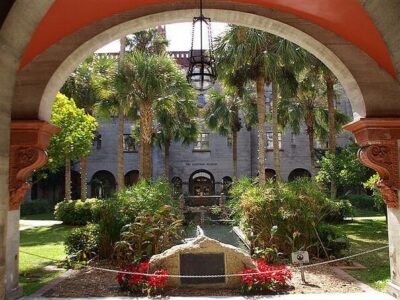
Private Guided Historic Electric Cart Tour of St. Augustine
Read our review →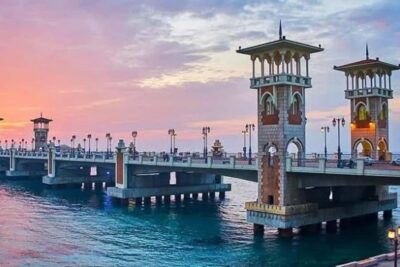
Private Full-Day Tour of Historical Alexandria
Read our review →
Private Tour of the Historic City in a Ford T Car
Read our review →
Madrid Historical Tour with Local Guide in Eco Tuk Tuk Private
Read our review →
Private Biblical Tour Ancient Corinth & Isthmus Canal from Athens
Read our review →
Private Kathmandu Sightseeing Tour | UNESCO World Heritage sites
Read our review →
Historic Porto by Private Electric Tuk Tuk to Top Landmarks
Read our review →Browse the lists this tour appears in