
Review · KYOTO HISTORY TOURS
Kyoto: Gion Hidden Gems & Geisha Culture Tour
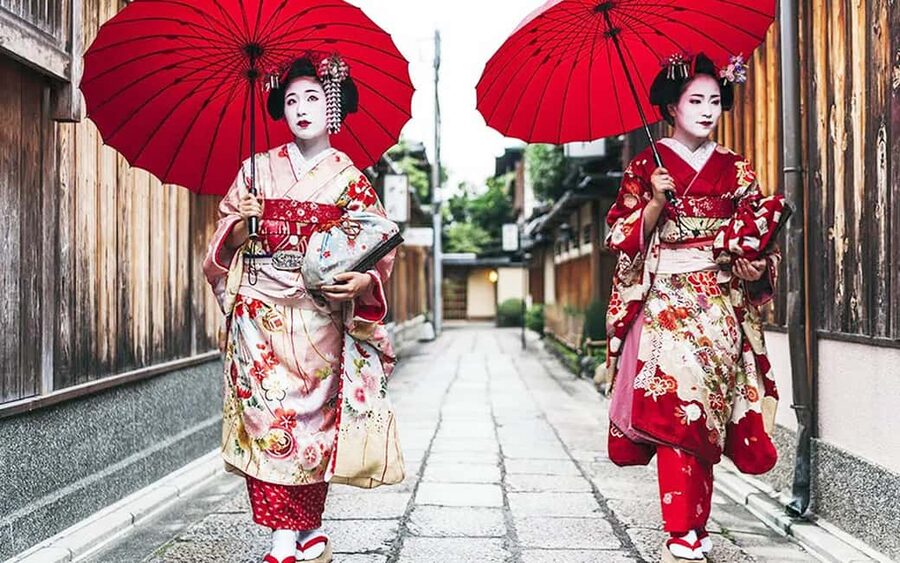
Gion is most rewarding when you get off its main street. This two-hour walk takes you from the Shirakawa Canal and its willow trees to quiet lanes, old wooden townhouses, shrines, and Hanamikoji, where geisha culture still shapes the neighborhood. You may spot a geiko or maiko heading to an engagement, but that is a bonus, not a promise.
I like the way the tour combines small historical sites with Kyoto’s famous streets, and I like the practical help from guides such as Uta, Mai, Dan, Wajid, and Takumi, who explain Japanese terms and suggest restaurants for later. The drawback is pace: fitting this much into two hours means steady walking, and the route is not suitable for wheelchair users or people with mobility limits.
Key points to know before you book
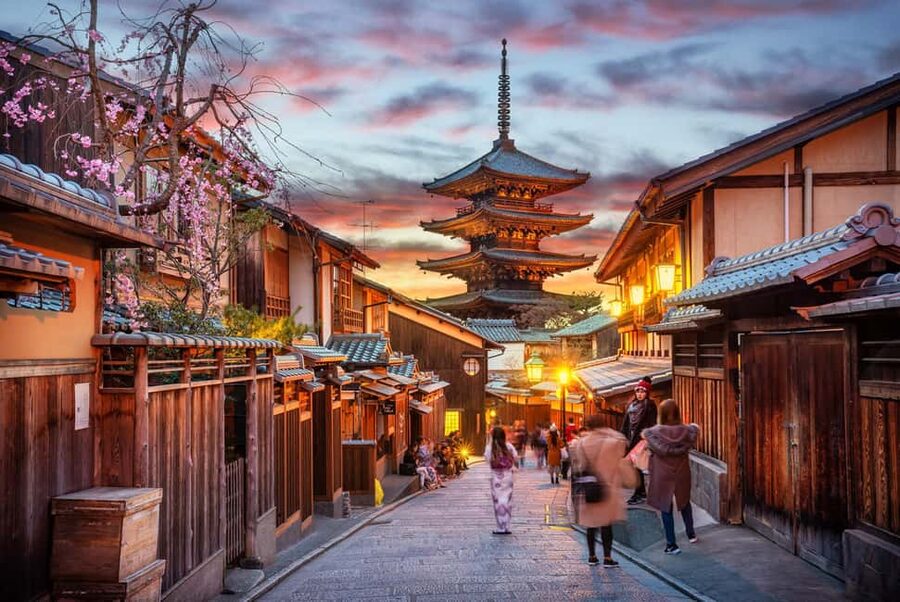
- A broad Gion route in two hours: You visit Shirakawa, Tatsumi-jinja, Yasaka Shrine, Ninenzaka, Hōkan-ji, Yasui Kompira-gu, and Hanamikoji Street.
- Evening light and quieter lanes: Late departures can make Gion feel calmer, with a better chance of seeing geiko or maiko on their way to work.
- Useful cultural explanation: Guides cover geisha training, dances, kimono craft, hairstyles, shrine customs, and Japanese words.
- Good value at $23: The price is modest for a live English-speaking guide and a focused introduction to several parts of eastern Kyoto.
- Expect a brisk walk: Comfortable shoes, water, and sunscreen matter. Rain does not cancel the tour.
- Meeting point matters: Meet beside the McDonald’s at Shijo Ohashi, where the guide holds a Local Guide Stars sign.
Starting beside Shijo Bridge
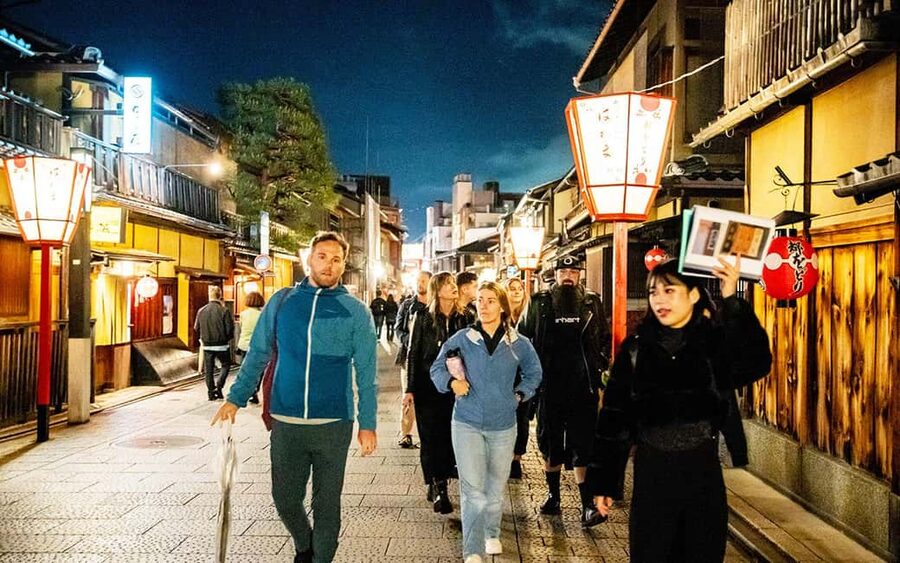
The walk begins at the McDonald’s Shijo Ohashi store, at 105-1 Hashimoto-cho in Shimogyo-ku. The front of the restaurant can be crowded, so look to the side for a guide holding a Local Guide Stars sign. This small detail is worth noting because a busy Kyoto intersection is not the place to wander around looking for a meeting point.
From there, the route heads toward Gion and the Shirakawa Canal. This is a useful starting point because it quickly shifts you from modern traffic and shop signs into Kyoto’s older streets. You get your bearings before the guide starts explaining why Gion developed around tea houses, entertainment, shrines, and evening appointments.
The walk lasts two hours, with frequent photo stops and short explanations. You are not sitting through a long lecture at one temple. Instead, you move from place to place, stopping for context. That format suits you if you want an overview early in your Kyoto visit, especially before returning to the area on your own.
More Local Culture and Traditions Tours in Japan
- Kyoto Gion: 2-Hour Geisha Culture & History Walking Tour
★ 5.0 · 1,186 reviews - Nara: Half-Day UNESCO Heritage & Local Culture Walking Tour
★ 4.8 · 250 reviews - Tokyo: The Best of Izakaya in Shinjuku Food & Cultural Tour
★ 4.9 · 221 reviews
Shirakawa Canal and Gion’s quiet side
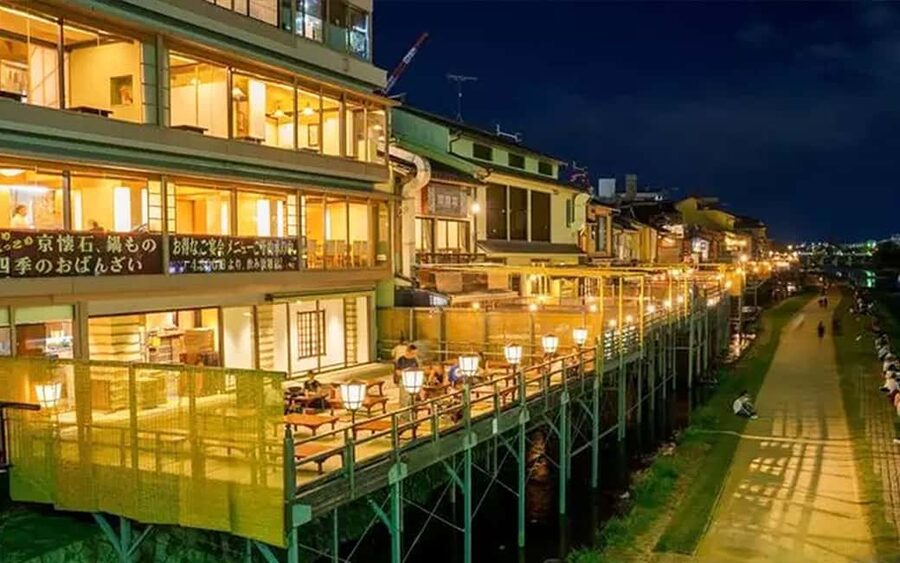
The Shirakawa Canal is one of the prettiest parts of Gion. Willow trees lean over the water, stone paths run beside it, and traditional tea houses line the route. The setting is calm and photogenic, though popular sections can still draw plenty of people during the day.
I find this part valuable because it shows why Gion is more than a district of restaurants and souvenir shops. The narrow waterway, wooden facades, and carefully maintained paths give you a sense of the neighborhood’s older design. Your guide can also explain the difference between the public image of geisha culture and the daily discipline behind it.
If you choose a late afternoon or evening departure, the canal can feel more atmospheric. The light is softer, and some of the daytime crowds have gone. Rain is possible, and the tour runs in wet weather, so bring an umbrella or raincoat rather than hoping the forecast improves.
Tatsumi-jinja and the meaning behind small shrines
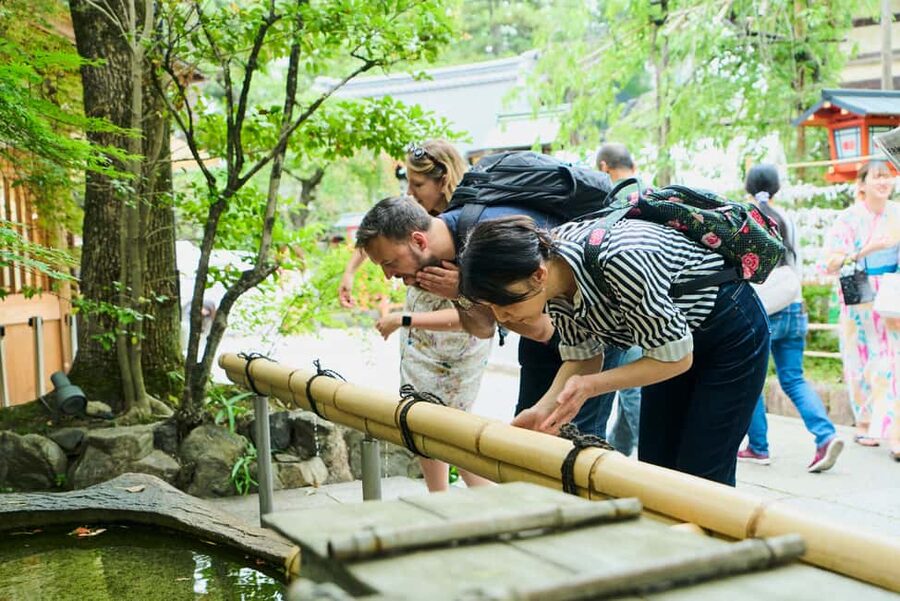
Tatsumi-jinja is a compact shrine that rewards a short stop. It does not require a long visit to appreciate, but a guide gives the site more meaning than a quick photograph would. You can ask questions about shrine customs, local traditions, and the role of small religious sites within an old neighborhood.
The tour also includes a shrine described as 1,000 years old, giving you a chance to connect present-day Kyoto with a much earlier period. The value here is not only the age of the buildings. It is the chance to see how religious places remain part of ordinary city life, tucked among lanes and businesses rather than isolated in a remote setting.
Photography is allowed, but flash photography is not permitted inside temples. Keep your camera ready outside, then put it away when the guide explains the proper conduct indoors.
Yasaka Shrine and the scale of eastern Kyoto
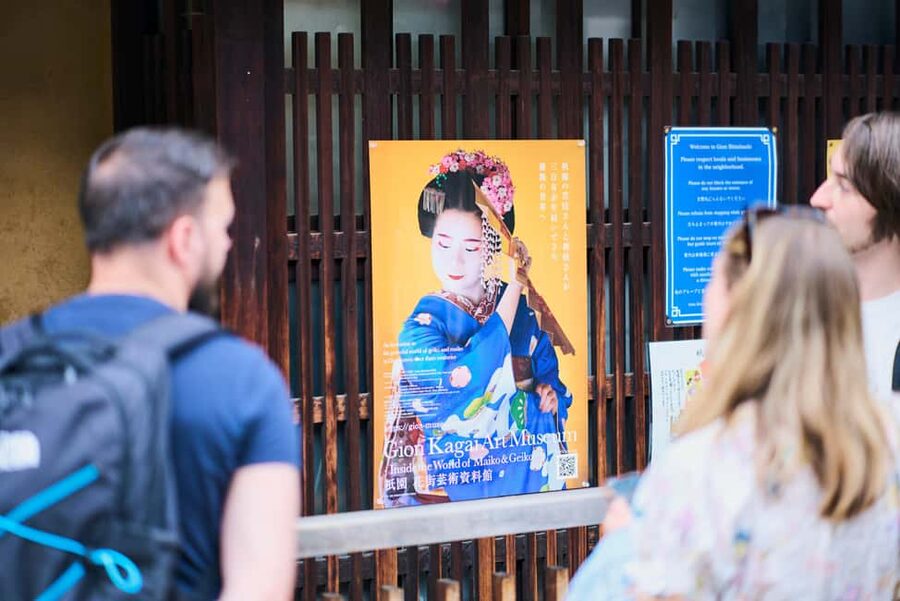
Yasaka Shrine provides a larger, more open counterpoint to Tatsumi-jinja. It is an important stop on the route and helps connect Gion with the wider religious and cultural life of Kyoto. Your guide can add the names and meanings behind the Japanese terms that appear at the shrine, a detail that several guides, including Wajid and Kenta, are especially good at explaining.
You will not have time to inspect every corner of a large shrine complex during this walk. Think of the stop as an introduction rather than a full visit. If Yasaka Shrine interests you, you can return later with more time and explore at a slower pace.
This is one reason I suggest taking the tour near the beginning of your Kyoto stay. You get a useful map of the area, then you can revisit the places that caught your attention. A short guided visit can save you from walking past an important site without understanding what you are seeing.
Same streets, a different century:
- Kyoto: Fushimi Inari, Kinkakuji, Bamboo Grove 1 Day Bus Tour
★ 4.8 · 4,316 reviews - World Heritage Shirakawa-go and Experience Tours from Kanazawa
★ 5.0 · 4,049 reviews - Tokyo: Imperial Palace and Shogun Historical Walking Tour
★ 5.0 · 2,251 reviews - World Heritage Kyoto & Nara Uji Authentic Matcha Experience
★ 5.0 · 1,573 reviews
Ninenzaka, Hōkan-ji, and the old wooden streets
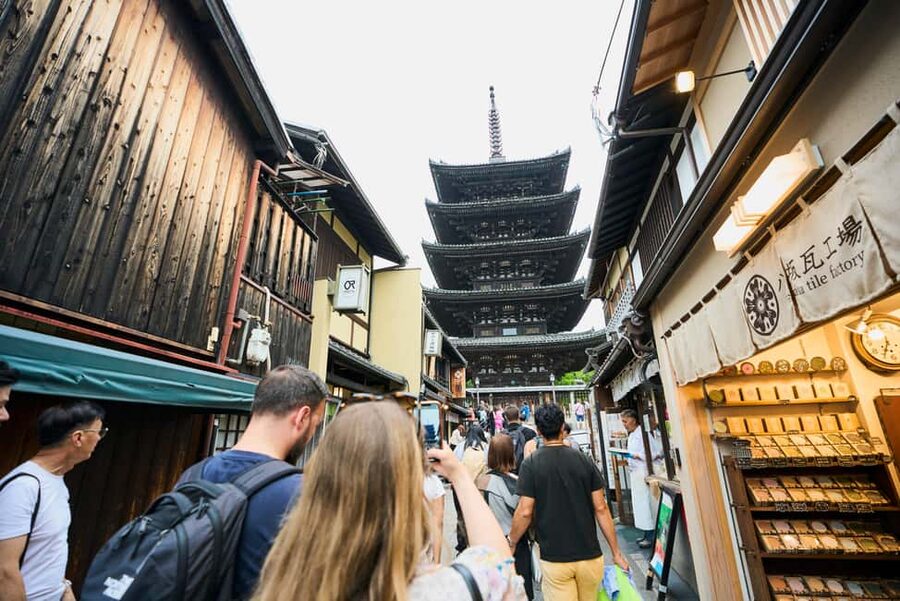
The route continues toward Ninenzaka and Hōkan-ji Temple. Ninenzaka is known for its sloping, stone-paved streets and traditional-looking buildings. It is also one of Kyoto’s busier sightseeing areas, especially during the day. The contrast with the quieter lanes earlier in the tour is part of the lesson: Gion and nearby Higashiyama contain both crowded postcard streets and tucked-away corners.
Hōkan-ji is often recognized by its pagoda, which gives this part of the walk a strong visual marker. Your guide points out the temple and surrounding streets, helping you understand how the buildings fit together rather than treating the pagoda as an isolated photo stop.
There is a practical limitation here. Ninenzaka includes slopes and uneven paving, and the overall walk includes several old streets. Wear shoes with firm soles. This is not the right outing for anyone who needs a flat, step-free route.
The guide’s job is especially useful in this section because it is easy to focus only on photographs. You can stop to look at the woodwork, rooflines, shop fronts, and narrow lanes while learning how Edo-period townhouses shaped the character of old Kyoto.
Yasui Kompira-gu and a different local tradition
Yasui Kompira-gu Shrine adds another kind of cultural stop. The shrine is visited during the walking route, with time for photographs and an explanation from the guide. It gives you another example of how small religious sites can hold strong local meaning even when they sit close to famous tourist streets.
This stop also helps break up the architectural sightseeing. You are not simply counting temples and shrines. You are hearing about customs, beliefs, and the way people use these places. Ask questions here if you want more detail, since the guides are expected to explain and respond rather than rush the group silently from one stop to the next.
The tour’s strongest guides keep the pace under control. Sarah, Jayne, and Sam particularly valued a guide who waited for everyone to catch up before speaking. That is an important point on a walking tour: if you are behind the group, you should still be able to hear the explanation.
Hanamikoji Street and the world of geiko and maiko
The walk finishes on Hanamikoji-dori, the heart of Gion’s geisha district. This is where the tour turns most directly to geiko and maiko culture. You learn about strict training, graceful dances, formal clothing, elaborate hairstyles, and the skilled craftspeople behind the finished appearance.
The words matter. Geisha are also called geiko in Kyoto, while maiko are apprentices. A good guide can help you understand that these are working professionals following a demanding artistic tradition, not performers placed on display for casual photographs.
You may see a geiko or maiko heading to an evening engagement, especially on a later tour. Some people on this experience saw one or even both, while others simply enjoyed learning about the district. I would book the tour for the cultural explanation and treat a sighting as luck. Chasing people with cameras is disrespectful and can spoil the very atmosphere you came to see.
Hanamikoji can be busy, and the streets are narrow. Follow the guide’s instructions, avoid flash photography, and keep clear of entrances. The goal is to observe a working neighborhood with care, not turn it into a stage set.
What the guides add to the walk
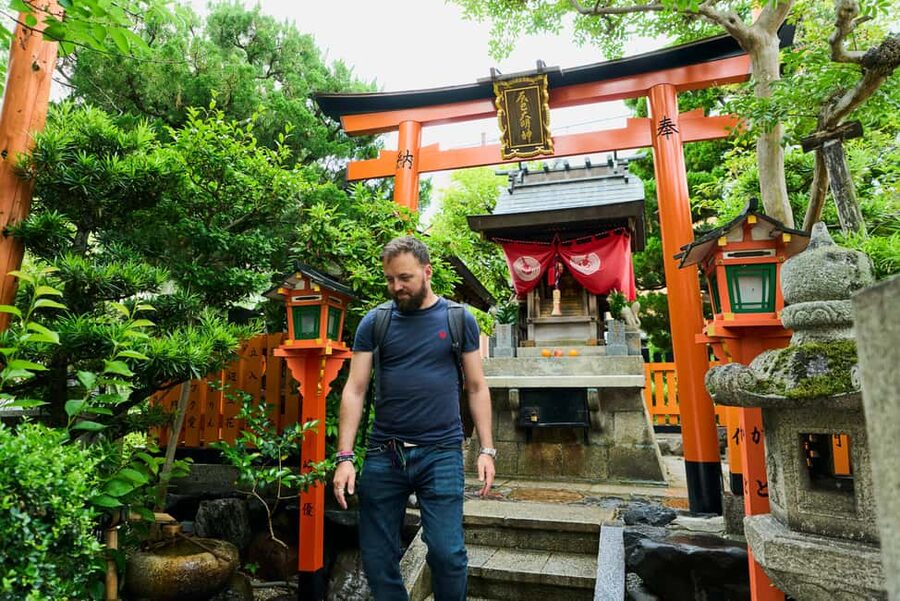
The experience depends heavily on the individual guide, and the feedback points to a strong group of English-speaking guides. Uta is praised for warmth, clear explanations, and working well with children. Mai is described as kind and engaging, while Dan is noted for historical detail and restaurant suggestions.
Wajid is especially useful if you want Japanese words explained in plain English. Takumi is a good fit for people who enjoy cultural context and questions about geiko and maiko traditions. Other named guides include Isako, Amane, Oliver, Noa, Ukyo, Kenta, Alex, Nicolas, Vera, and Alexander.
You should not expect every guide to deliver the same talk word for word. That is normal for a local walking tour. The common thread is an effort to answer questions, keep the group moving, and explain details you would likely miss on your own. Some guides also offer restaurant recommendations, which can be handy at the end of an evening walk.
Is $23 good value for two hours?

At $23 per person, this is an inexpensive way to get an introduction to Gion. You are paying for a live English-speaking guide, not admission to a special performance or a guaranteed geisha encounter. The value comes from combining several districts, religious sites, scenic lanes, and cultural explanations in a short period.
I consider the price fair if you are visiting Kyoto for the first time or want help getting oriented. You cover enough ground to see where you might return, and the guide can answer questions that a map or audio guide cannot.
The value is less clear if you already know Gion well and prefer to set your own pace. Two hours is efficient, but it can feel quick when you want to linger at a shrine, take photographs, or browse a street. You are buying structure and local explanation, not unlimited free time.
You can reserve now and pay later, and cancellation is free up to 24 hours before the tour for a full refund. Starting times vary, so check availability when booking.
Who should take this Gion walk?
I recommend it most strongly to first-time Kyoto visitors, couples, families with older children, and anyone who wants cultural context without committing to a full-day tour. It is also a good choice for an arrival day because the route gives you a working sense of Gion and eastern Kyoto.
Families can do well with the tour, especially with a guide such as Uta, who has been praised for engaging children. Still, the walk is not a playground outing. Keep younger children close on narrow streets and expect regular walking.
You should choose something else if you have mobility limits, use a wheelchair, or dislike uneven streets and a brisk pace. The route includes slopes, old paving, and several stops across a wide area. Bring water and sunscreen in warm weather, and wear comfortable shoes in every season.
Should you book the Gion Hidden Gems and Geisha Culture Tour?
Book it if you want a low-cost, well-organized introduction to Gion, with more substance than a photo walk. The best reason to go is not the promise of seeing a geisha. It is the combination of Shirakawa’s scenery, old wooden streets, shrines, Hanamikoji, and a guide who can explain what you are looking at.
Choose a later departure if you want quieter streets and a better chance of seeing geiko or maiko heading to work. Choose an earlier time if you prefer clearer daylight for photographs and a little more visibility on the route.
For $23, the tour offers solid value, provided you are comfortable walking steadily for two hours. Go with respectful expectations, listen carefully, and save the restaurant suggestions for after the tour.
FAQ
Where does the tour meet?
Meet beside the McDonald’s Shijo Ohashi store at 105-1 Hashimoto-cho, Shimogyo-ku, Kyoto-shi. The guide holds a sign marked Local Guide Stars because the front of the restaurant can be crowded.
How long does the tour last?
The walking tour lasts two hours. It includes guided visits, photo stops, and walks through several parts of Gion and eastern Kyoto.
Is the tour conducted in English?
Yes. The experience includes a live English-speaking local guide.
Can I see a geisha during the tour?
You may see a geiko or maiko, especially during an evening departure, but a sighting is not guaranteed. The tour explains geisha training, dances, kimono, hairstyles, and the culture of Hanamikoji.
What should I bring?
Wear comfortable walking shoes and bring water and sunscreen. If rain is expected, bring an umbrella or raincoat because the tour runs in wet weather.
Is the route suitable for wheelchair users?
No. The tour is not suitable for wheelchair users or people with mobility impairments. The route includes walking through old streets, slopes, and uneven paving.
Newest history tours we have reviewed in Japan
- [30 minutes] Rickshaw tour around Asakusa [History, sightseeing, Tokyo Skytree]★ 5.0 · 38 reviews
- Tokyo: Asakusa & Sensoji ー Oldest Temple Walking Tour (2hrs)★ 5.0 · 213 reviews
- Private sake pairing@ancient underground★ 5.0 · 27 reviews
- Private Tour Through the Tokyo National Museum & Ukiyo-e★ 4.7 · 17 reviews
- Tokyo: Customized Private Historical Guided Photoshoot Tour★ 5.0 · 25 reviews
- Tokyo: Imperial Palace, the history of Japan (ENGLISH GUIDE)★ 5.0 · 77 reviews
- (Ticket Included) Explore Osaka Castle & Museum of History★ 4.8 · 21 reviews
- Tokyo: Edo Castle & East Garden of the Imperial Palace Tour★ 4.7 · 112 reviews
Local Culture & Traditions Tours, compared.

Amsterdam Food and Cultural Tour with Tastings
Read our review →
Sevilla Food Tour: Tapas, Wine, History & Traditions
Read our review →
Tromsø: Reindeer Camp and Sami Cultural Tour with Lunch
Read our review →
Half Day Dominican Republic Cultural Tour : Small Group
Read our review →
Ultimate Melbourne Walking Tour: History, Laneways & Culture
Read our review →
Tromsø: Sámi Reindeer Sledding and Sami Cultural Tour
Read our review →
Kyoto Gion: 2-Hour Geisha Culture & History Walking Tour
Read our review →
Marrakech Historical and Cultural Tour – Half Day City Tour
Read our review →Browse the lists this tour appears in