
Review · INDIA HISTORY TOURS
Kolkata: Guided Heritage Walking Tour
Kolkata’s colonial story is best read on foot, and this tour follows it from the old East India Company offices to the marble Victoria Memorial. The most intriguing stop is Job Charnock’s mausoleum, where you learn why the man once credited as Kolkata’s founder is no longer accepted in that role by a recent High Court ruling.
I like the clear route and the mix of grand buildings with less obvious history. St John’s Church offers a quiet pause and a chance to see its unusual Last Supper painting, while guides such as Anirban bring strong knowledge and personal enthusiasm to the walk. The main drawback is that several major sites, including Writers’ Building and Governor’s House, are viewed only from outside.
Key points to know before booking
- The route links five major colonial sites: Writers’ Building, Job Charnock’s mausoleum, St John’s Church, Governor’s House, and Victoria Memorial.
- St John’s Church closes on Sundays: The route uses St Paul’s Cathedral instead on that day.
- Victoria Memorial’s museum closes on Fridays: You can still experience the memorial grounds and exterior, but museum access will not be available.
- Anirban has earned especially warm feedback: His explanations of the British Raj and Kolkata’s changing identity are a major strength when he leads the tour.
- The walk takes 2.5 to 3 hours: Expect heat, city traffic, and limited indoor access at working government buildings.
- Private and small-group choices add flexibility: Hotel pickup and return are available only if you select that option.
Kolkata’s colonial story, told one street at a time
This is a focused introduction to central Kolkata during British rule. Rather than sending you across the city, the walk connects several important sites in a compact route, showing how the East India Company’s trading base developed into the capital of British India and later became the administrative center of West Bengal.
The experience lasts about 2.5 to 3 hours and is conducted in English. You can choose a private outing or a small shared group. That choice matters here. A private or very small group gives you more room to ask about confusing parts of Kolkata’s past, especially the complicated story of Job Charnock and the shift from Company control to Crown rule.
The meeting point is outside Writers’ Building. It is easy to reach by Uber or local taxi, but take the location seriously. One January booking began late after a last-minute request to change the meeting place, leaving the participant to walk past some of the sights without realizing it. I would confirm the meeting point shortly before setting out and arrive early.
More History Walking Tours in India
- Fontainhas Heritage Walk by Make It Happen
★ 5.0 · 2,834 reviews - The Great Indian Food Tour: Old Delhi Food and Heritage Walk
★ 5.0 · 1,698 reviews - Old Goa Heritage Walk by Make It Happen
★ 5.0 · 797 reviews
Writers’ Building and the machinery of Company rule
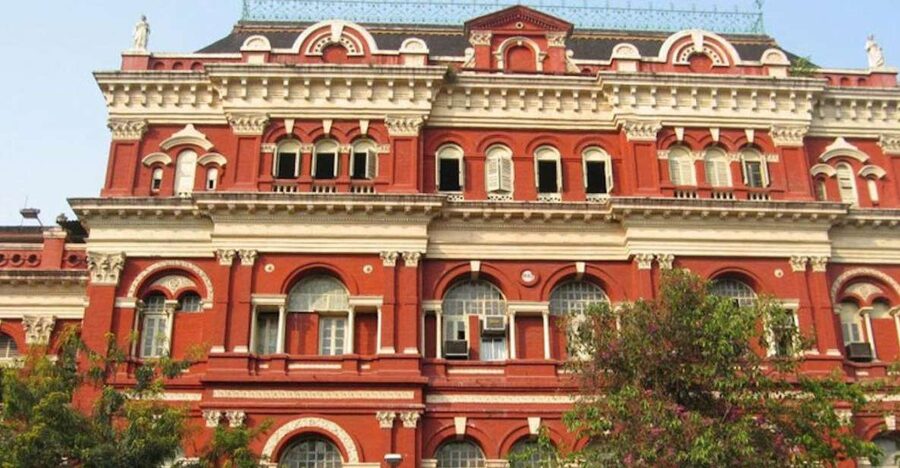
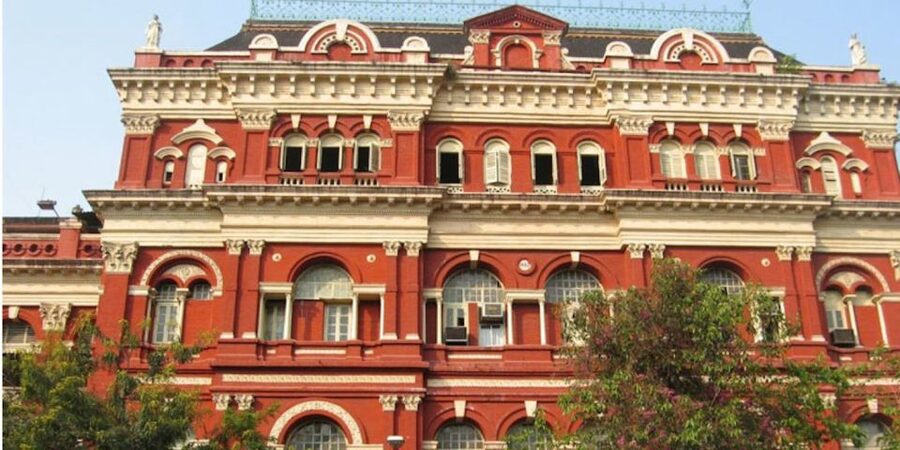
The tour begins at Writers’ Building, built in 1777. Its name comes from the writers, or junior clerks, of the East India Company, who handled the paperwork of trade and administration. In time, the building became part of the machinery that governed Bengal.
Architecturally, it is a striking Greco-Roman building. Its long frontage and formal design make it easy to read as a symbol of government power, even from the street. Today it houses the West Bengal state government and remains a working office.
That last point shapes your visit. You see Writers’ Building from outside rather than entering. This is not a guided interior tour, so the value comes from the guide’s explanation, the exterior details, and the setting around it.
I like this opening because it gives the rest of the walk a useful frame. You are not simply looking at old facades. You are seeing where a commercial company built the administrative structure that later controlled a vast part of India.
Job Charnock’s mausoleum and a disputed founding story
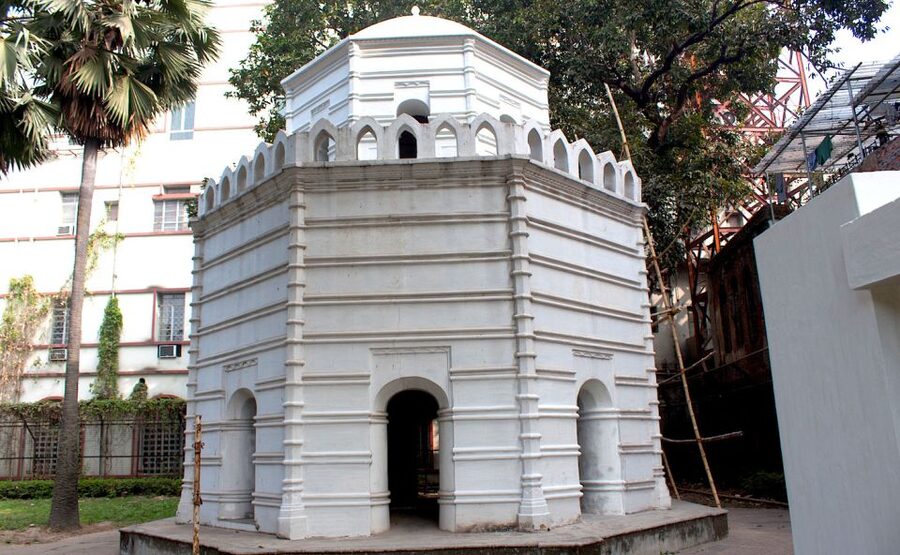
From Writers’ Building, the route continues to the mausoleum of Job Charnock. In 1690, Charnock bought the villages of Sutanuti, Gobindapur, and Kalikata. For many years, that act helped create the popular story that he founded Kolkata.
The modern view is more complicated. A High Court ruling in recent times discredited Charnock as the city’s founder, making this quiet burial site an unusually good place to discuss how cities create their own origin stories.
The mausoleum itself offers a change of pace from the government buildings. It is described as clean, well maintained, quiet, and surrounded by flowers. That makes it one of the more pleasant pauses on a route that otherwise passes through central city streets.
I would pay close attention here, because this is where the tour moves beyond dates and architecture. Kolkata was not created by one man on one day. The story involves existing villages, trade, political power, and later British expansion. The guide can help you understand how a simplified public story changes as historians and courts examine it more closely.
St John’s Church and the Last Supper painting
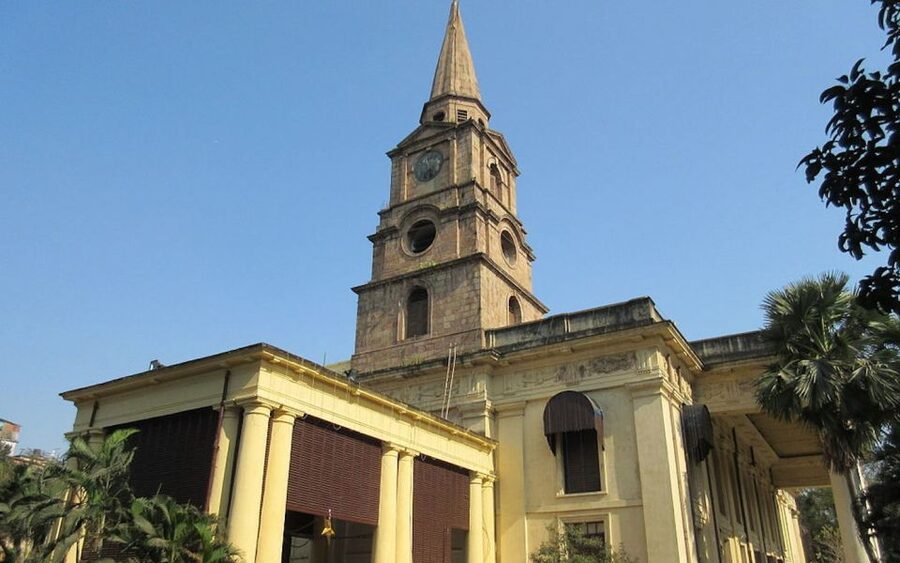
St John’s Church dates from 1787 and became the principal cathedral of the region in 1815. Its stone construction and formal interior reflect the growing confidence of British institutions in Kolkata during the late eighteenth and early nineteenth centuries.
The church’s most unusual feature is a painting of the Last Supper on its walls. This is not the image most people expect to encounter in a Kolkata church, and it gives the stop a memorable visual focus. The building also provides a reasonably quiet setting after the noise and movement of the central streets.
St John’s is closed on Sundays. On that day, the route substitutes St Paul’s Cathedral. The information provided for this experience does not promise the same interior details at St Paul’s, so if the Last Supper painting is high on your list, avoid a Sunday booking.
This stop is often the most rewarding part for visitors who want more than exterior architecture. You get inside a historic religious building, see a specific work of art, and hear how the church fitted into the colonial city.
Same streets, a different century:
- Old Delhi Food, Heritage&Cultural Walk with Rickshaw ride to Masterji Kee Haveli
★ 5.0 · 742 reviews - Blue City Heritage Private Walking Tour With Pickup and Drop-Off
★ 5.0 · 441 reviews - Kolkata Heritage Tram Tour
★ 4.0 · 395 reviews - Private Heritage Walking Tour in Jaisalmer Fort and Old Bazaar
★ 5.0 · 306 reviews
Governor’s House and the shift from Company to Crown
The next major stop is Governor’s House, built for the Marquess of Wellesley after he arrived in Kolkata as Governor General of the East India Company in 1798. The building was completed in 1815 and uses a Neoclassical design with clear Baroque touches.
Its importance is political as much as architectural. The guide explains how control of India moved from the East India Company toward the British Crown during the colonial period. The building helps put that change into physical form: this was not merely a residence, but a center of power.
Again, you see it from outside because it is still a working office. That limitation is worth understanding before you book. If you expect grand interiors, ceremonial rooms, or a palace visit, this is not that kind of tour. If you enjoy reading a building’s purpose from its scale, style, and place in the city, the exterior visit works well.
The guide’s role becomes especially important here. A facade alone cannot explain how administrative power changed hands. A good explanation turns the building into a chapter in Kolkata’s political story.
Victoria Memorial, the grand final stop
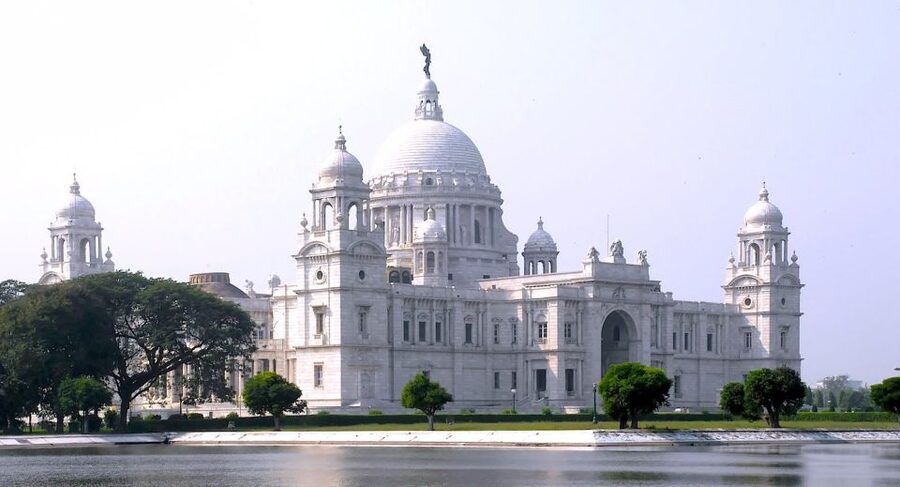
The walk ends at Victoria Memorial, Kolkata’s most famous colonial monument. Built from marble, it was designed to express the authority and confidence of the Victorian era. Its scale and formal setting create a sharp contrast with the surrounding modern city.
This is the tour’s strongest visual finish. After seeing the buildings where clerks, governors, and religious officials worked, you arrive at a monument created on a much larger symbolic scale. It was meant to represent imperial rule, but today it is also part of Kolkata’s public identity and cultural life.
The museum inside Victoria Memorial is closed on Fridays. The supplied information specifically notes the Friday closure, so check the day before booking if indoor museum access matters to you. The tour does not promise a full museum-focused visit, but the memorial itself remains the endpoint and central image of the experience.
The walking tour ends here. If you choose hotel pickup and drop-off, transport back to your hotel is included. If you choose the meeting-point option, the guide can help you find local transport or book a taxi. That makes the finish manageable, but it is still wise to know in advance how you plan to continue your day.
What the guide adds to the buildings
The strongest feedback centers on guide Anirban. He is described as friendly, deeply informed about the British Raj, and especially good at explaining Kolkata’s colonial period and its effect on the city today.
That distinction matters. The route itself is made up of well-known sites, and several are exterior-only. The tour’s real value comes from connecting them. Anirban’s explanations have been singled out for turning a standard historical walk into a thoughtful introduction to Kolkata.
Your guide may vary, so I would not assume Anirban will lead every departure. Still, the experience is designed around a professional English-speaking guide, and the private or small-group format gives you a better chance to ask questions than a large coach tour.
A smaller group can also make street crossings, photo stops, and short pauses easier. One person who happened to have a solo departure found the extra time for questions especially worthwhile. The private option costs more, but it may make sense if you want to explore specific subjects such as architecture, British administration, religion, or the city’s disputed founding story.
Heat, walking, and the limits of the route
The tour involves several hours on foot in central Kolkata. One participant found the walk hot and uncomfortable, which is a fair warning. The city’s climate, traffic, and hard surfaces can make a short distance feel longer, especially outside the cooler part of the day.
Wear comfortable walking shoes, carry water, and use sun protection. Light refreshments are included, but they should not replace your own water supply. The tour is not suitable for people with mobility impairments, and the description does not mention special assistance for reduced mobility.
The route also includes working government offices. Writers’ Building and Governor’s House are not interior attractions on this experience. You should book it for context, architecture, and storytelling, not for access behind official doors.
The rating of 4.6 from 23 ratings suggests a strong overall experience, but the details matter more than the number. The highest marks center on the guide’s historical explanations, the compact route, and the value of a small group. The weaker points are the heat, a late start in one case, and the fact that some stops are only viewed from the street.
Is $63 a fair price?
At $63 per person, this is not Kolkata’s cheapest way to see old buildings. You can view several exteriors independently and use local taxis between them for less money. The fee makes more sense if you want the historical connections explained as you walk.
The price includes a professional guide, entrance fees, and light refreshments. Hotel pickup and drop-off are included only when you select that option, so check the exact choice before booking. Private and small-group formats also help explain the cost.
I see the best value for a first visit to Kolkata, especially if you have limited time or are unsure how the colonial center fits together. The walk gives you a clear starting point for later independent exploring. It is less compelling for someone who has already studied Kolkata’s British-era buildings or prefers to enter every site rather than view some from outside.
Free cancellation up to 24 hours before the start and a reserve-now, pay-later option add useful flexibility. They do not change the character of the tour, but they make it easier to fit into a changing India itinerary.
Who should book this Kolkata walk?
I would choose this tour if you want a concise historical introduction with a real guide rather than a list of dates. It suits first-time visitors, architecture fans, and anyone curious about how Company rule developed into British imperial administration.
It also works well for visitors who appreciate small details: the disputed claim about Charnock, the Last Supper painting at St John’s, the political meaning of Governor’s House, and the contrast between Victoria Memorial and modern Kolkata.
I would hesitate if you dislike walking in heat, need step-free access, or expect interior entry at every stop. Sunday and Friday bookings require special care because St John’s Church and the Victoria Memorial museum have different closure days.
For the best experience, book a cooler departure time if available, confirm the meeting point, and choose a private or small-group option if you want time for questions. If Anirban is available, his reported strength in explaining the British Raj makes him a particularly good match for this route.
Should you book it?
Book this tour if you want Kolkata’s colonial center explained in a compact three-hour walk. The route is strong, the guide can add real depth, and St John’s Church and Job Charnock’s mausoleum give the experience more character than a simple facade tour.
Skip it if you want extensive interior access, dislike walking in warm weather, or already know the city’s colonial story well. For most first-time visitors with a half day to spare, $63 is a reasonable price for an organized introduction, especially in a small group and with hotel transport included.
FAQ
How long does the Kolkata heritage walking tour last?
The tour lasts approximately 2.5 to 3 hours.
What language is the tour conducted in?
The live tour guide speaks English.
Where does the walking tour begin?
Meet your guide outside the entrance of Writers’ Building, which is accessible by Uber or local taxi.
Where does the tour end?
The walking tour ends at Victoria Memorial. If you select hotel transfers, transportation back to your hotel is included. If you select the meeting-point option, the guide can help you find local transport or book a taxi.
Is St John’s Church open every day?
No. St John’s Church is closed on Sundays. The itinerary uses St Paul’s Cathedral instead on that day.
Is the Victoria Memorial museum open every day?
No. The museum at Victoria Memorial is closed on Fridays.
Is the tour suitable for people with mobility impairments?
No. The activity is not suitable for people with mobility impairments.
Newest history tours we have reviewed in India
- Historical Tour including Unesco Kangra fort & Rock cut temple from Dharamshala★ 5.0 · 27 reviews
- Colonial Heritage Walking Tour in Darjeeling★ 5.0 · 55 reviews
- Georgetown heritage walking tour in Chennai about the founding of Chennai★ 5.0 · 144 reviews
- Private Chennai Day Tour – Art History and Contemporary Chennai★ 5.0 · 21 reviews
- Chennai Heritage & Cultural Walk (2 Hours Guided Walking Tour)★ 3.5 · 32 reviews
- Exploring Mylapore: A Cultural & Historical Walking Tour★ 5.0 · 42 reviews
- See Bangalore through my eyes (Cultural / Historical / Walking Tour)★ 5.0 · 60 reviews
- Treasures of Mysuru – day tour★ 5.0 · 27 reviews
History Walking Tours, compared.
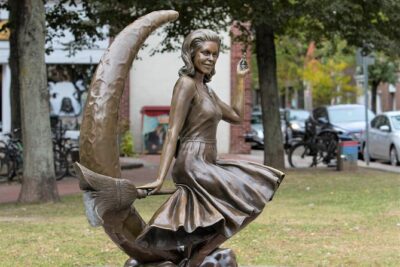
History and Hauntings of Salem Guided Walking Tour
Read our review →
Freedom Trail History Small Group Walking Tour
Read our review →
Historic Charleston Guided Sightseeing Walking Tour
Read our review →
Tapas Walking Tour with Food, Wine, and History
Read our review →
Savannah History and Haunts Candlelit Ghost Walking Tour
Read our review →
A History of Terror – Belfast City Centre Walking Tour
Read our review →Browse the lists this tour appears in