
Review · KATHMANDU HISTORY TOURS
Private Kathmandu UNESCO World Heritage Sites Tour
Kathmandu’s great strength is the way daily life and sacred places share the same streets. At Pashupatinath, you may see Hindu rituals along the Bagmati River, while nearby Boudhanath turns the mood toward Tibetan Buddhism. This is a useful introduction to Nepal’s religious life, not just a parade of old buildings.
I especially like the choice of two, four, or seven UNESCO sites, since you can match the day to your time and energy. I also like having a private vehicle and guide, which makes a big difference in Kathmandu’s traffic and lets you pause, take a break, or adjust the pace. The main drawback is that entrance fees are extra, and the seven-site option can make for a very long day.
Key points
- Two clear starting options: Pair Pashupatinath with Boudhanath for a focused religious tour in about three hours.
- Four sites add Kathmandu’s core sights: See the two major spiritual centers plus Kathmandu Durbar Square and Swayambhunath.
- Seven sites cover the valley’s major monuments: Add Patan, Bhaktapur, and Changu Narayan for the fullest program.
- Private transport keeps the day practical: Hotel pickup, air conditioning, and drop-off are included inside Kathmandu’s ring road.
- Guides bring the sites to life: Dipesh, Subash, Roshan, Shankar Bhattarai, and Madan are among the guides praised for clear explanations and friendly help.
- Budget for admission: Monument fees are NPR 1,400 for two sites, NPR 2,600 for four, and NPR 6,000 for seven.
Why this private Kathmandu tour works
Kathmandu Valley packs an extraordinary number of major monuments into a small area, but they are not arranged in a simple sightseeing loop. Traffic can be slow, streets can be confusing, and the meaning of a shrine is not always obvious when you first see it.
A private guide helps you connect the pieces. You are not simply looking at carved windows, gilded roofs, and huge stupas. You can ask why a ceremony is taking place, learn the difference between Hindu and Buddhist traditions, and hear the legends linked to each site.
The private format is also helpful if you have only one free day in Kathmandu. You can choose the four-site plan for a solid introduction, or use the seven-site option to cover the valley’s main historic centers. If you prefer a slower pace, the two-site version gives you more room to look carefully and take breaks.
The tour includes hotel pickup and drop-off, private air-conditioned transportation, an English-speaking guide, and taxes. Pickup is available inside Kathmandu’s ring road. A passport or ID card is required, and the monument admission charges are paid separately.
More UNESCO World Heritage Tours in the world:
- World Heritage Shirakawa-go and Experience Tours from Kanazawa
★ 5.0 · 4,049 reviews - From Tirana: Berat UNESCO Heritage & Belshi Lake Tour
★ 4.9 · 3,863 reviews - Bali: Tanah Lot UNESCO World Heritage Sites Full-Day Tour
★ 4.7 · 1,947 reviews
Pashupatinath, where faith and ceremony meet
Pashupatinath Temple is Nepal’s best-known Hindu pilgrimage site and the spiritual heart of the tour. The temple complex centers on the Bagmati River, with shrines, courtyards, holy men, and places connected to Hindu worship.
The most striking part for many people is the presence of cremation ceremonies along the river. This is not a staged performance or a museum display. It is an active religious place, so you should approach quietly and respectfully. Your guide can explain what you are seeing and help you understand the customs without turning a solemn moment into a photo opportunity.
Some areas of the main temple are restricted to Hindu worshippers. You can still see much of the complex and learn about its role in Nepalese religious life, but do not expect unrestricted entry everywhere.
Pashupatinath can feel intense, especially if this is your first close look at Hindu death rituals. I consider that a reason to visit, not a flaw, but you should know what kind of experience it is. Wear practical shoes, follow your guide’s advice, and ask before taking photographs.
Boudhanath, the great white stupa
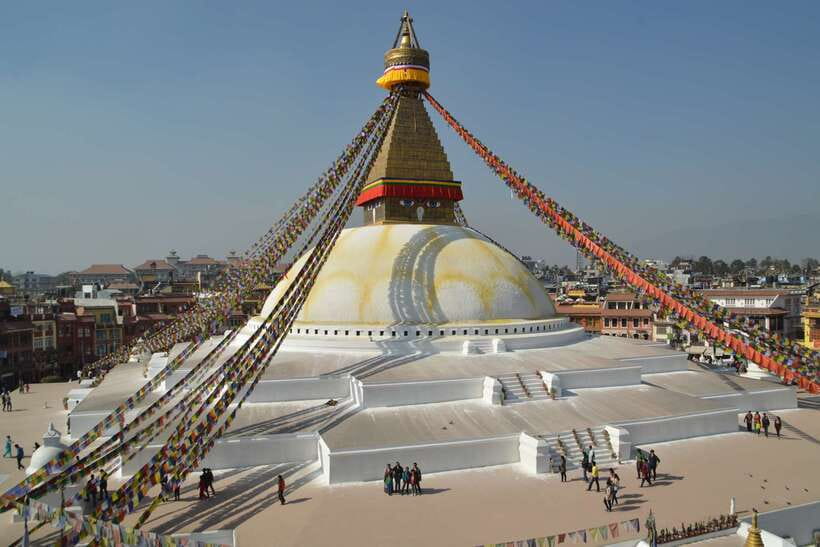
Boudhanath offers a very different mood. Its enormous white dome and watchful Buddha eyes form the center of a Tibetan Buddhist community, with prayer wheels, monasteries, shops, and places to sit around the circular plaza.
The basic custom is simple: walk around the stupa in a clockwise direction. Your guide can point out the symbols, explain the role of prayer wheels, and describe the traditions connected with the site. Even if you have seen photographs of Boudhanath, the scale becomes clearer when you are standing at its base.
This is one of the strongest stops for visitors who want a little breathing room during a busy day. You can walk the circuit, observe worshippers, and pause at a café or restaurant overlooking the stupa. One visitor specifically enjoyed lunch with a view of the Tibetan stupa, so you can ask your guide about taking a meal break here if the schedule allows.
Boudhanath is included in both the two-site and four-site options. For a short visit, the pairing with Pashupatinath makes sense: one site introduces you to Hindu practice, the other to Tibetan Buddhism.
Kathmandu Durbar Square and the old royal center
Kathmandu Durbar Square brings you into the former royal center of the city. The square is filled with palaces, temples, courtyards, and carved architectural details. It is less about one single building than about seeing how the old city was organized around royal power and religious life.
A guide is especially useful here because the square can feel like a collection of structures without context. Ask about the temples, the palace complex, and the traditions tied to the courtyards. The carved woodwork and layered roofs reward close attention, but you may miss the point if you simply walk through taking wide-angle photographs.
Kathmandu Durbar Square has also been affected by earthquake damage and restoration. That gives the visit an honest edge. You are seeing a historic center that has suffered, been repaired, and continues to function as part of the city rather than sitting apart from modern life.
This stop is included in the four-site and seven-site programs. It makes the four-site itinerary feel much more complete than the two-site option, since you add a royal and architectural center to the two major religious sites.
More Private History Tours in the world:
- Private Historical Walking Tour of York
★ 5.0 · 1,324 reviews - Private Guided Historic Electric Cart Tour of St. Augustine
★ 5.0 · 1,194 reviews - Istanbul: Acemoglu Historical Turkish Bath w/Private Options
★ 4.6 · 1,190 reviews - From Cairo: Private Full-Day Tour of Historical Alexandria
★ 4.1 · 1,155 reviews
Swayambhunath and the hilltop view
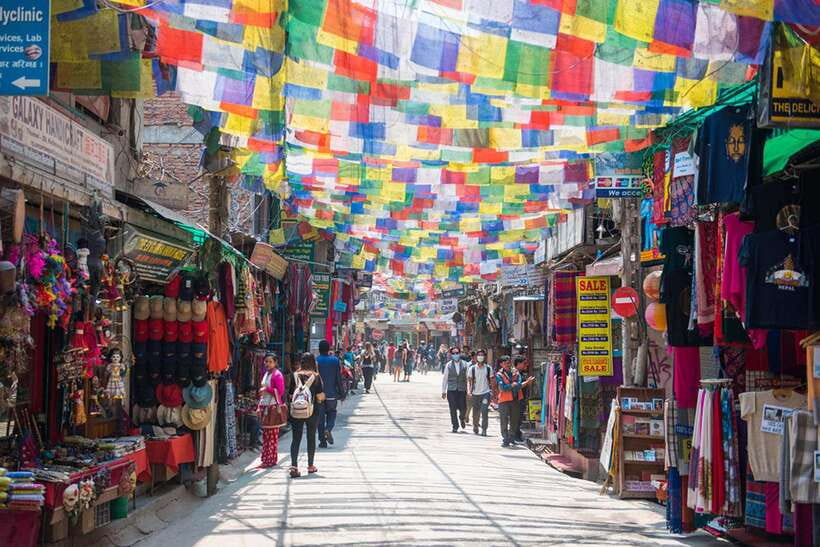
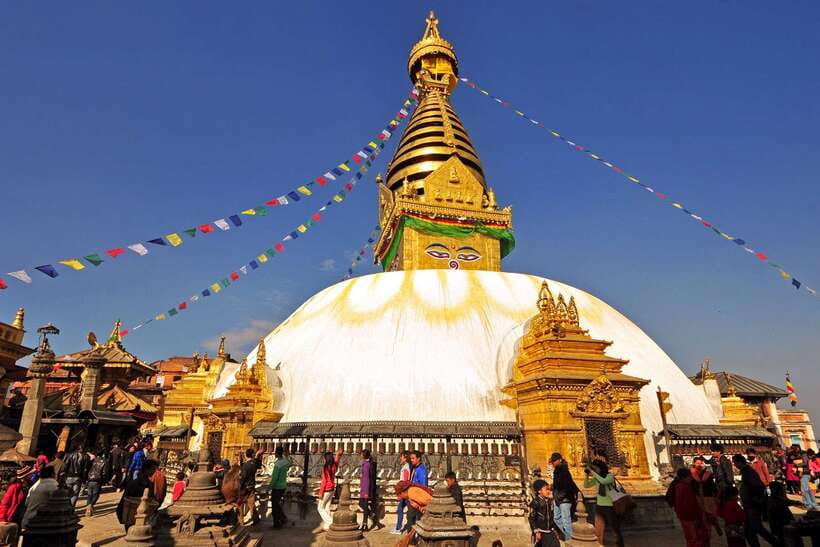
Swayambhunath, often called the Monkey Temple, sits on a hill above Kathmandu. Its location gives you broad views across the city, while the stupa and surrounding shrines provide another important Buddhist setting.
The hilltop position is part of the appeal, but it also means some steps and uphill walking. If you want to take your time, tell your guide. This is one place where rushing defeats the purpose, since the views and details are best enjoyed in pauses.
The nickname comes from the monkeys that live around the site. Keep your belongings secure and follow local guidance. The main reason to visit, though, is the mix of hilltop setting, religious symbols, and city views.
Swayambhunath completes the four-site plan nicely. In one day, you see Hindu worship at Pashupatinath, Tibetan Buddhism at Boudhanath, royal Kathmandu at Durbar Square, and a hilltop Buddhist complex at Swayambhunath.
Patan Durbar Square, a second royal city
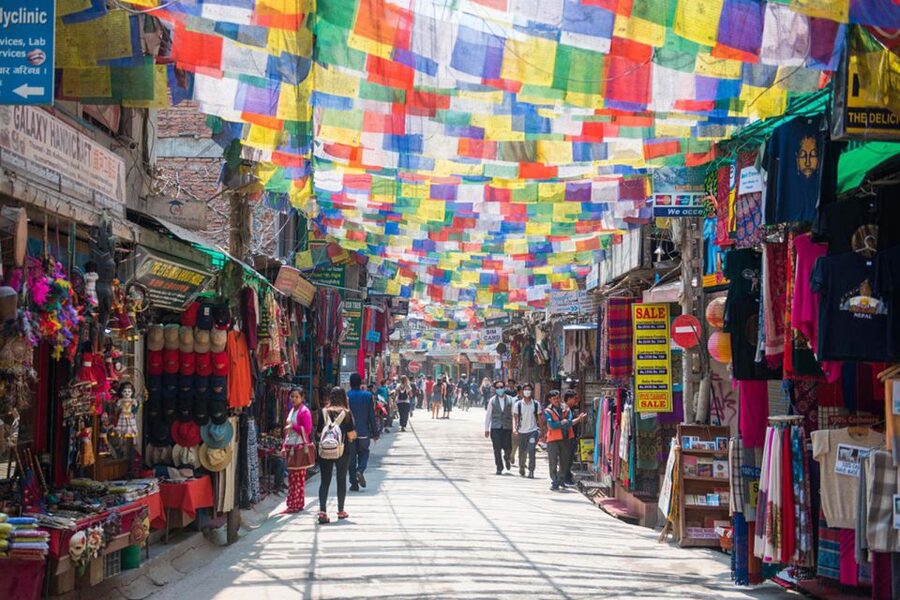
The seven-site itinerary continues to Patan Durbar Square, in the city of Lalitpur. Like Kathmandu Durbar Square, Patan combines palaces, temples, courtyards, and traditional architecture. Seeing both helps you understand that the Kathmandu Valley was not centered on one royal city alone.
Patan is valuable for comparison. Your guide can help you notice how the squares relate to one another and explain the traditions that shaped their buildings and public spaces. If you are interested in architecture, carved details, temple forms, and the old Newar cities, this addition is worth the longer day.
The seven-site plan is not simply four sites repeated at greater speed. Patan adds another historic center and gives you a wider view of the valley’s political and cultural past. The tradeoff is time. You will have less flexibility at each place than you would on a short two-site tour.
Bhaktapur Durbar Square, the most extended historic stop
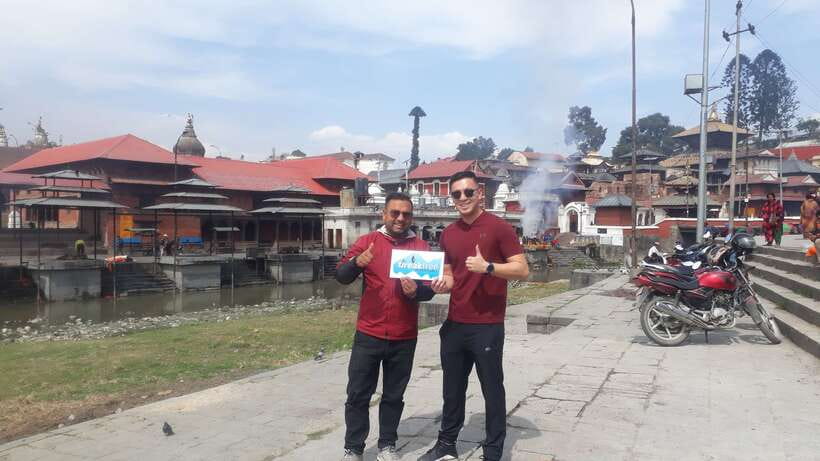
Bhaktapur Durbar Square is another major royal and architectural center in the valley. It is included only in the seven-site plan, so you need to choose the full program if it is high on your list.
Bhaktapur helps show the scale of the valley’s old urban culture. Temples, palace spaces, and courtyards are spread across a larger historic setting, and the visit can feel more like walking through an old city than checking off one monument.
The guide’s role matters here. Ask for the stories behind the buildings and how the square fits into the wider history of the valley. Without that explanation, the number of temples can blur together. With it, the stop becomes a useful counterpoint to Kathmandu and Patan.
Plan for a full day if you choose all seven sites. The advertised duration ranges from three to nine hours, and the longer end is more relevant to the full program. Traffic and the distance between sites can also affect the pace.
Changu Narayan, the final piece of the seven-site route
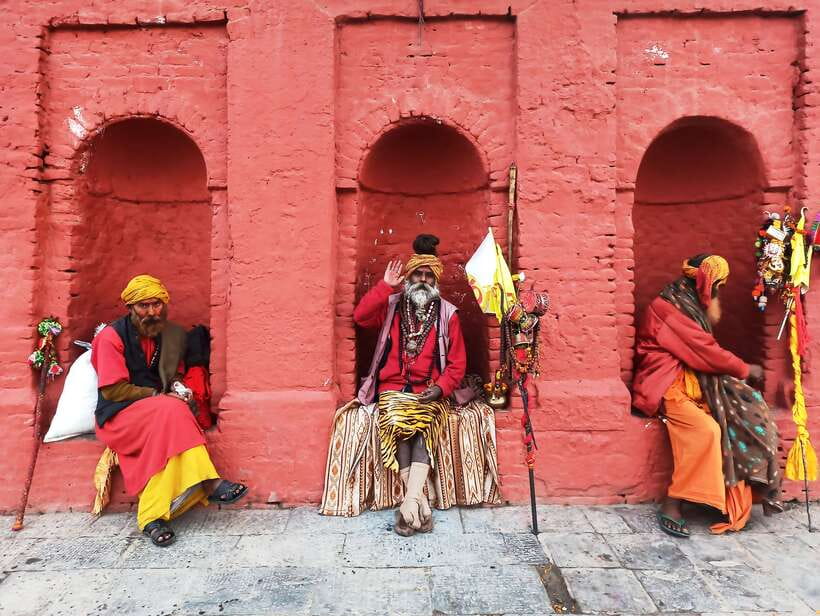
Changu Narayan Temple completes the seven-site program. It is one of the valley’s key historic and architectural treasures, and its inclusion gives the itinerary a broader reach beyond the central city sights.
This stop is best for people who want the widest possible view of Kathmandu Valley’s heritage in one organized day. It may feel less convenient than staying near the central squares, but that is precisely why private transportation helps. You can travel between sites without arranging separate taxis or trying to work out the route yourself.
The full route asks a lot of you. Seven sites mean more time in the vehicle, repeated temple and courtyard visits, and fewer long pauses. I would choose it if your priority is coverage. If your priority is quiet observation, choose two or four sites instead.
Choosing two, four, or seven sites
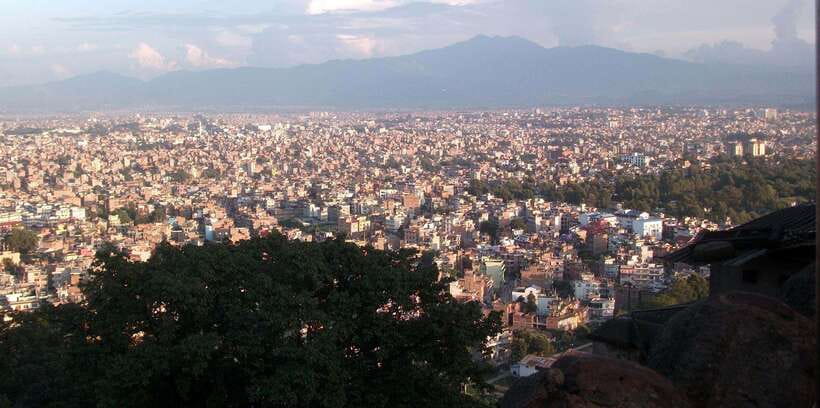
The three options suit different kinds of days:
- Two sites, about three hours: Choose Pashupatinath and Boudhanath for the clearest religious focus. This suits a short stop in Kathmandu or anyone who prefers a lighter schedule.
- Four sites, likely a half-day or longer: Add Kathmandu Durbar Square and Swayambhunath. I see this as the best balance for many first visits because it covers religion, royal history, architecture, and city views.
- Seven sites, up to nine hours: Add Patan Durbar Square, Bhaktapur Durbar Square, and Changu Narayan. Choose this if you want the broadest survey of the valley and do not mind a packed day.
The advertised duration is three to nine hours, depending on the option and starting time. Availability determines the exact departure time, so check that before booking.
What the price really covers
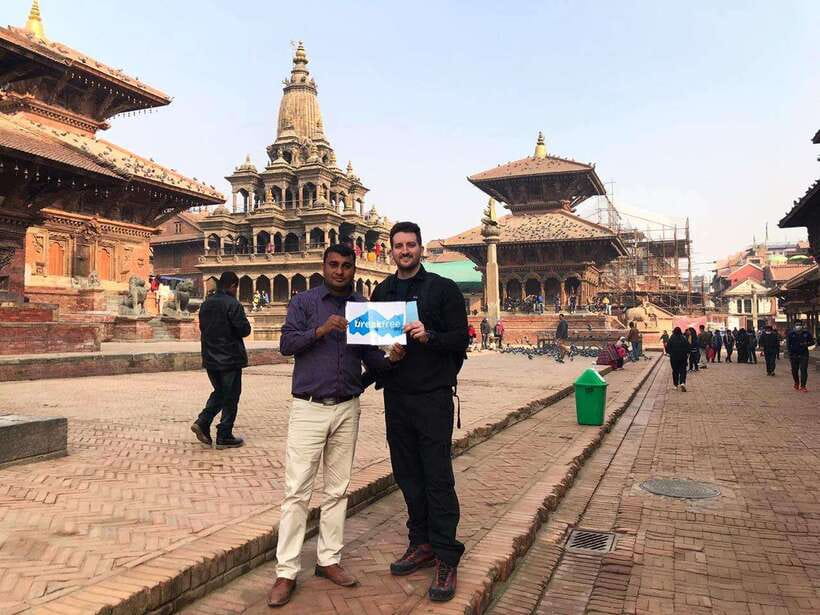
The listed price is $28 per person, which is a strong starting price for a private tour with transport and a guide. The value depends on the size of your party, since the price is stated per person rather than as one fixed vehicle charge.
You must add monument fees to your budget:
- Two UNESCO sites: NPR 1,400
- Four UNESCO sites: NPR 2,600
- Seven UNESCO sites: NPR 6,000
Meals, drinks, and personal expenses are also separate. This matters most on the seven-site route, where you may want a proper lunch and perhaps a drink break. The option to stop near Boudhanath can make that pause especially pleasant, but confirm the timing with your guide.
The price makes the most sense if you value door-to-door transport and explanation. You are paying not only to reach the monuments, but also to avoid piecing together several rides and to have one person explain the religious and historic setting.
Guides, pacing, and the private format
The strongest praise goes to the guides and drivers. Dipesh was described as friendly, informative, and flexible, including adjusting the schedule when a break was needed. Subash explained history and traditions clearly, while Shankar Bhattarai provided useful insight for someone with limited time.
Roshan and Madan were also praised for clear explanations and help throughout the day. Those names do not guarantee who will lead your tour, but they show the kind of guide you should expect: an English-speaking local professional who explains stories, customs, and site history rather than simply pointing out buildings.
The private format lets you ask for a slower look, a meal break, or an adjustment when possible. It does not remove Kathmandu’s traffic or make seven sites feel short. It does give you more control than a large group tour.
The vehicle is private and air-conditioned. That is useful in Kathmandu, where moving between sites can take patience. Pickup and drop-off are included inside the ring road, but you should confirm your exact location if you are staying outside that area.
Practical advice before you go
Bring your passport or another ID card. Wear comfortable footwear, since the tour includes temple compounds, courtyards, and the hilltop approach at Swayambhunath.
Keep some local currency available for entrance fees and personal spending. Since admission is not included, knowing the correct fee for your chosen option prevents surprises on the day.
Respect active religious places. Ask before photographing ceremonies, worshippers, or cremation areas, and follow your guide’s instructions about where you may enter. A little restraint will make the experience more meaningful and help you avoid turning sacred places into a photo checklist.
The tour offers free cancellation up to 24 hours before departure and allows you to reserve now and pay later. Those terms are useful if your Kathmandu schedule is still shifting.
Should you book this tour?
Book it if you want a private, guided introduction to Kathmandu and prefer having transport arranged. The four-site option is the best all-around choice for most first-time visitors, giving you religious sites, a royal square, and a hilltop viewpoint without the full pressure of seven stops.
Choose two sites if you have limited time or want to linger at Pashupatinath and Boudhanath. Choose seven only if covering the valley’s major UNESCO places matters more to you than a relaxed pace.
At $28 per person before entrance fees, the tour offers good practical value, especially for a small private group. Just budget for the separate monument charges and understand that the full route can be a long day. If you want context, flexibility, and a friendly guide more than independent wandering, this is a sensible way to begin exploring Kathmandu.
FAQ
How many UNESCO sites can I visit?
You can choose a tour covering two, four, or seven UNESCO sites. The two-site option includes Pashupatinath Temple and Boudhanath Stupa. The four-site option adds Kathmandu Durbar Square and Swayambhunath, while the seven-site option also includes Patan Durbar Square, Bhaktapur Durbar Square, and Changu Narayan Temple.
How long does the tour last?
The tour lasts between three and nine hours, depending on the number of sites selected. Check availability for the exact starting times.
Are entrance fees included?
No. Monument admission fees are paid separately on the day. The stated charges are NPR 1,400 for two sites, NPR 2,600 for four sites, and NPR 6,000 for seven sites.
Is hotel pickup included?
Yes. Pickup and drop-off are included by private vehicle for locations inside Kathmandu’s ring road.
What language does the guide speak?
The live guide speaks English. The tour is operated as a private group experience.
Can I cancel the booking?
Yes. You can cancel up to 24 hours in advance for a full refund. You can also reserve now and pay later.
Newest history tours we have reviewed in the world
- Enjoy Ancient Mostar★ 4.0 · 45 reviews
- Private Dublin Historical and Heritage Tour by Bike★ 5.0 · 30 reviews
- Dubrovnik by Night, History, Wine & Bites★ 5.0 · 41 reviews
- Historical Walking Tour of Dublin★ 5.0 · 50 reviews
- DayTripper Dublin: A Guided City Walking Tour★ 5.0 · 90 reviews
- Ancient Old City– Finest tour of Dubrovnik★ 5.0 · 64 reviews
- Dublin LGBTQ Pride Historical and Cultural Walking Tour★ 5.0 · 91 reviews
- Interactive Living History in Dalkey Castle near Dublin City★ 5.0 · 133 reviews
UNESCO World Heritage Tours, compared.
World Heritage Shirakawa-go and Experience Tours from Kanazawa
Read our review →
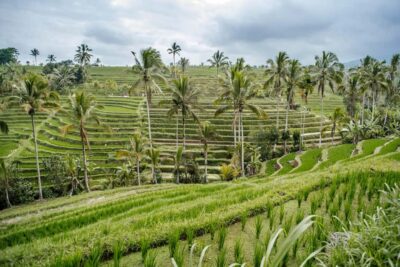
Bali: Tanah Lot UNESCO World Heritage Sites Full-Day Tour
Read our review →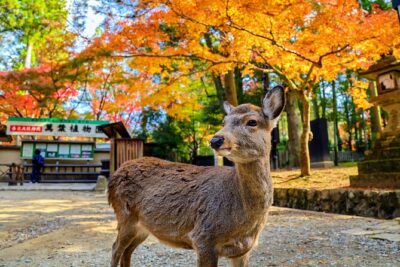
World Heritage Kyoto & Nara Uji Authentic Matcha Experience
Read our review →
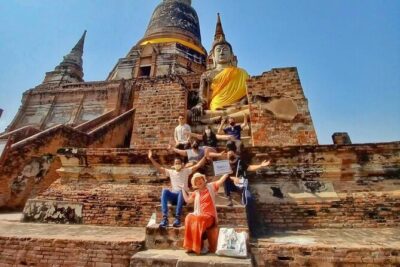
UNESCO’s Ayutthaya Historical Park: Full-Day Tour from Bangkok
Read our review →
Rotterdam: Kinderdijk UNESCO World Heritage Entry Ticket
Read our review →
From Busan: Gyeongju UNESCO World Heritage Guided Day Tour
Read our review →Browse the lists this tour appears in