
Review · PORTO HISTORY TOURS
Porto: Jewish Heritage Walking Tour
Porto’s Jewish past is easy to miss. Much of the physical community has disappeared, but small inscriptions, old street patterns, and overlooked corners still point to the city’s Jewish quarters. This walking tour helps you read those clues while tracing Jewish life in Porto from the 12th century through the Inquisition and into the modern era.
I like two things here: the route takes you beyond the usual postcard stops, and the guides bring serious research to the walk. Ricardo, Pedro, Vanessa, Maria, and others are praised for explaining difficult history clearly and answering questions patiently. The main drawback is simple: you do not enter Porto’s synagogue or Jewish Heritage Museum, and Porto’s steep streets can make three hours tiring.
Key points to know before you book
- The route follows vanished Jewish quarters: You see the places where Jewish communities lived and worked, even when little remains above ground.
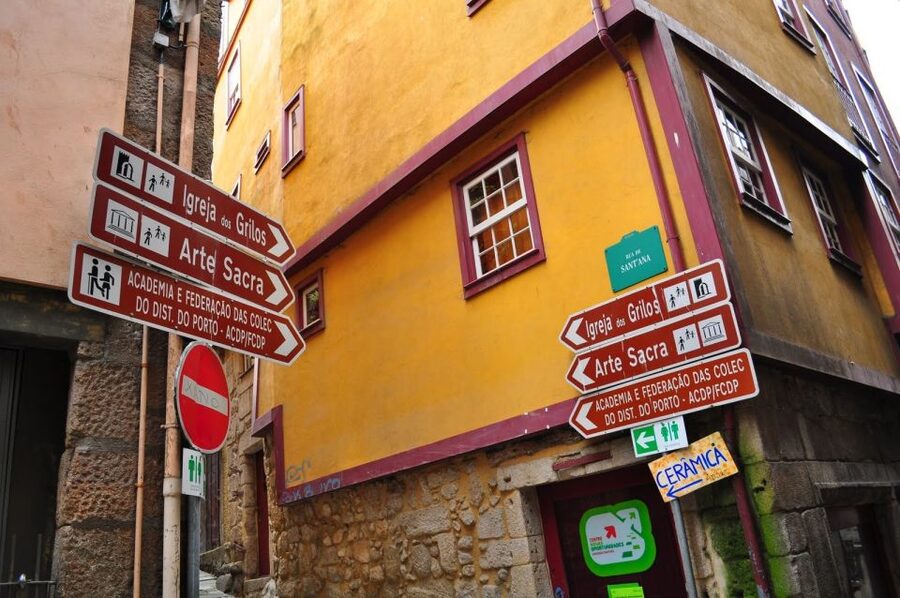
- The walk includes Porto’s steepest moments: Sant’Ana Street, the Esnoga stairs, and other hills require comfortable shoes and a fair level of fitness.
- Guides add archival detail: Ricardo is noted for showing inscriptions, historic images, and material drawn from archive research.
- The views are part of the reward: Vitória viewpoint and Virtudes Garden add broad city views to a serious history lesson.
- This is not a synagogue tour: Entry to Porto’s synagogue and the Jewish Heritage Museum is not included.
- The price is reasonable for a private or small-group history walk: At $35 per person, you are paying mainly for the guide’s research and interpretation rather than admissions.
Porto’s Jewish story begins in the old streets
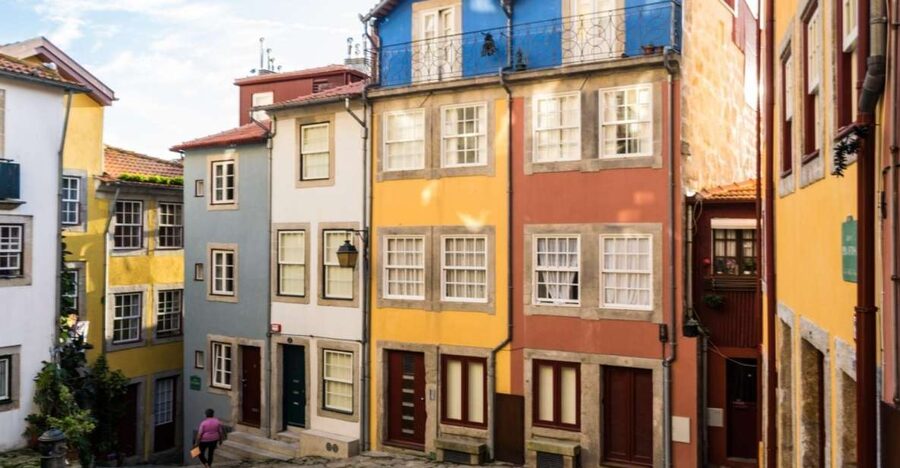
The tour starts at a central meeting point, with the exact location depending on the option you book. From there, your guide leads you into the older parts of Porto, where the Jewish presence dates back to the 12th century.
The story is not presented as a simple tale of harmony or persecution. You learn how Jewish residents and local Christians lived alongside one another and maintained useful trade connections. Your guide also explains where wealthier Jewish families settled and how Jewish life fitted into Porto’s wider commercial and religious world.
That setting matters. You are not walking through a preserved Jewish quarter with a row of clearly labeled buildings. Instead, the experience asks you to connect scattered clues. A lane, a building detail, a street name, or a small mark may carry more meaning once you know what to look for.
This makes the tour especially useful if you have already spent time in Porto’s center but feel you have only seen the city’s churches and grand viewpoints. The Jewish story is woven into the same streets, though it is rarely obvious at first glance.
More History Walking Tours in Portugal
- Lisbon: History, Stories and Lifestyle Walking Tour
★ 4.8 · 10,902 reviews - Porto: Historic City Center Walking Tour
★ 4.7 · 1,172 reviews - Porto: Historical Center Walking Tour
★ 4.8 · 898 reviews
Rua de Sant’Ana and the first Jewish neighborhoods
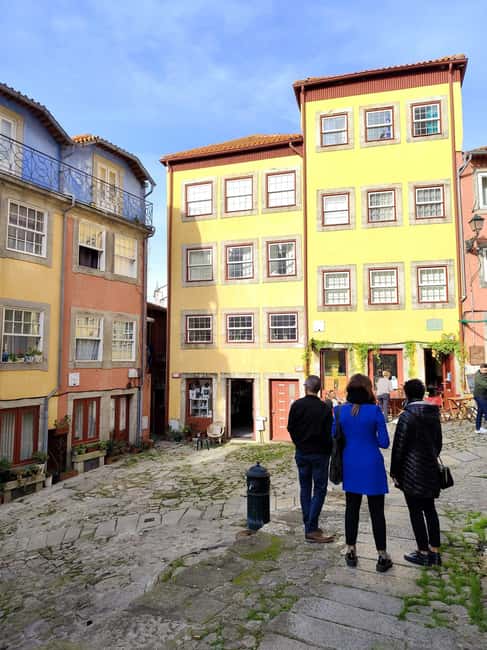
Rua de Sant’Ana is one of the first important sections of the walk. The guide uses the street and nearby lanes to explain the location of Porto’s earlier Jewish neighborhoods and how the community changed over time.
Expect a guided walk of roughly 30 minutes through narrow streets and stairs. The route is atmospheric, but it is not easy pavement all the way. Porto’s old center is famously hilly, and this part of the walk sets the tone for the physical effort ahead.
I find this section valuable because it gives the history a clear address. Rather than hearing only dates and names, you begin to understand how a community occupied real streets, traded with its neighbors, and moved through a city that was changing around it.
Your guide may also point out signs that most people would walk past. Ricardo, one of the guides associated with this experience, is praised for archive work and for showing small inscriptions that require careful reading and background research. Other guides, including Pedro, Vanessa, Maria, and Jorge, are described as engaging and patient when explaining the material.
The exact quality of a walking tour naturally depends on the guide leading your group. The experience does, however, place unusual weight on storytelling and interpretation rather than simply checking off famous buildings.
Commerce do Porto Street and the city’s trading life
The route continues along Comércio do Porto Street, connecting Jewish history with Porto’s wider commercial development. Here, the focus is not only on religious identity. You also hear about business relationships, trade, and the places where prosperous Jewish residents lived.
That broader frame is important. Jewish heritage tours can sometimes become detached from the rest of a city’s story. This one keeps returning to Porto itself, including its churches, old streets, and changing population.
You also learn about the pressure placed on Jewish residents during the late 15th century, including forced conversion and the consequences of the Inquisition. The guides use the visible city to explain what is no longer visible. In some places, Jewish symbols were left behind after conversion, and a careful guide can show you how to notice them.
The subject is difficult, and the tour does not treat it as light sightseeing. Still, the guides are often praised for using humor at suitable moments and for making room for questions. That balance helps during a long walk filled with persecution, exclusion, and loss.
S. Bento da Vitória Church and the changing city
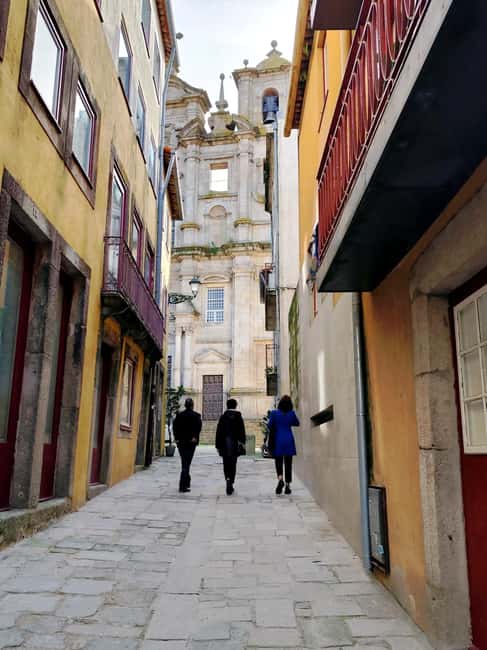
The route includes S. Bento da Vitória Church, another reminder that Porto’s Jewish story cannot be separated from the city’s Christian institutions.
Your guide explains the relationship between Jewish residents and the surrounding Christian community, then sets that earlier coexistence against the later campaign to remove Jewish life from the city. The church is not simply a photo stop. It helps show how religious buildings, neighborhoods, and political decisions shaped one another.
This is one of the tour’s strengths. You are not shown a series of isolated Jewish markers. You are shown how Jewish history sits beside the religious and civic history that most visitors already notice in Porto.
At the same time, you should keep your expectations realistic. The Jewish community left relatively few obvious remains in the streets. If you want restored buildings, room interiors, or a large collection of objects, this walk may feel thin on physical evidence. Its value comes from the guide’s explanation of places that no longer look as they once did.
More Jewish Heritage Tours in Portugal
- 3-Hour Porto Jewish Heritage Walking Tour with Local Guide
★ 4.5 · 396 reviews - Lisbon Jewish Heritage and History – Private Tour Van
★ 5.0 · 294 reviews - Lisbon: Jewish History Tour of Lisbon
★ 4.8 · 84 reviews
Vitória viewpoint adds Porto’s wider picture
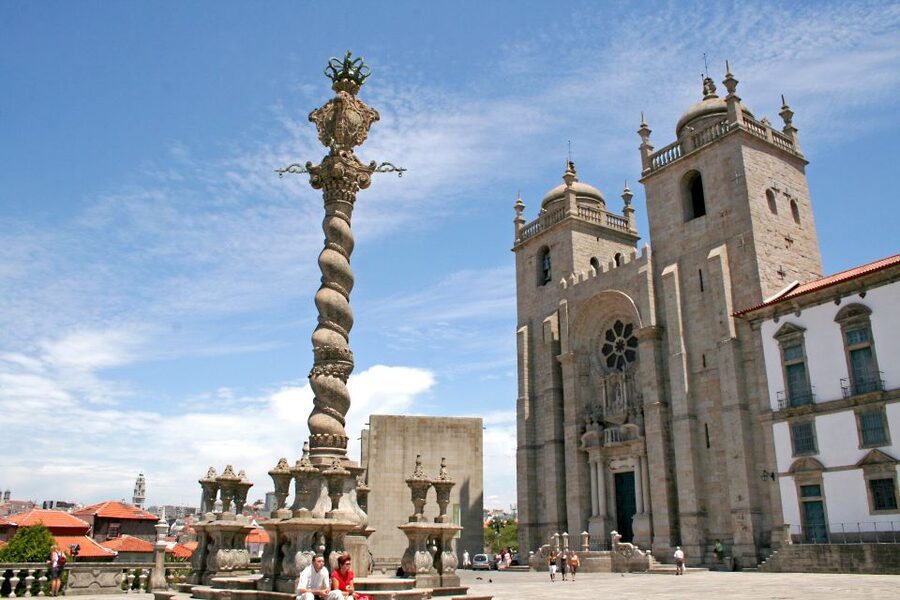
At Miradouro da Vitória, the tour pauses for about 30 minutes and gives you time to take in the view. This is a welcome change after the enclosed lanes and stairs.
The viewpoint also works as more than a scenic break. From higher ground, you can better understand Porto’s layout and the distance between its old neighborhoods, commercial areas, churches, and riverfront. The guide can connect the city’s geography with the movement of people and the development of different Jewish quarters.
Bring a phone or camera if you like taking photographs, but do not treat this as a sightseeing tour with a history talk added on. The view is one part of a route built around interpretation.
The stop may also help you pace yourself. Several people have found the full three hours physically demanding, while others thought two hours would have been enough. If your legs tire quickly, tell the guide early. One participant left after about two hours because of fatigue, and another found Porto’s hills more difficult than expected.
The Esnoga stairs and Jewish Mountain
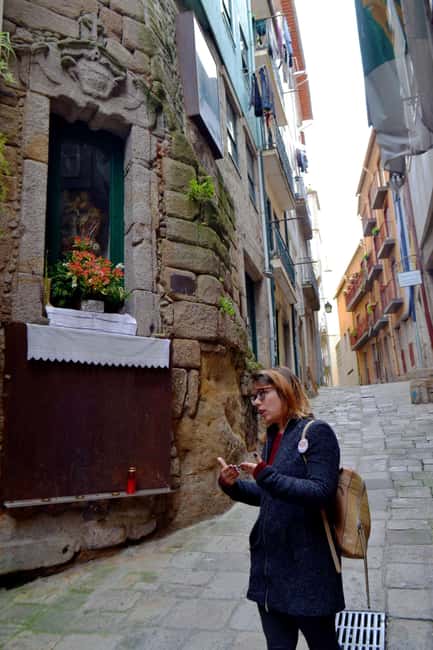
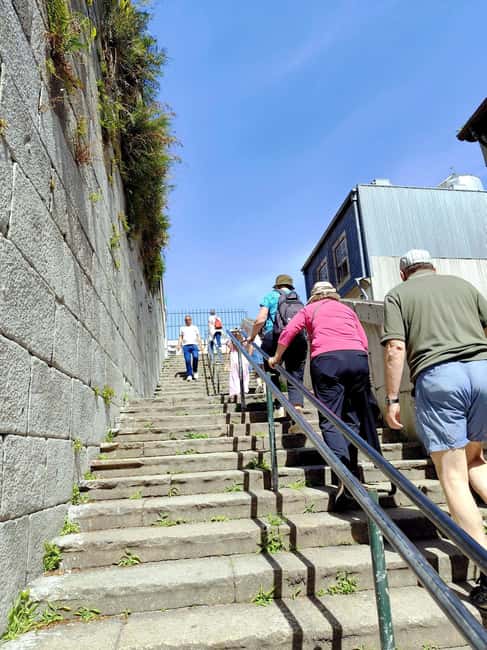
The Esnoga stairs are among the more distinctive parts of the route. The name itself points toward the Jewish presence once associated with this part of Porto, and the guide uses the stairs to discuss the location of former Jewish spaces and places of worship.
You should not confuse this stop with a visit inside a surviving synagogue. The tour may show you locations connected with former synagogues or explain where they stood, but synagogue entry is not included.
The climb can be steep and uneven. Comfortable walking shoes are not a minor suggestion here. The tour is not suitable for wheelchair users or people with mobility impairments, and it is a poor choice if you are looking for a flat stroll.
Jewish Mountain follows as another historic point on the route. The name gives the stop a strong sense of place, but the experience remains interpretive. The guide helps you imagine the former community through street layout, old references, symbols, and historical accounts rather than through a preserved complex.
That may sound like a limitation, but it is also what makes the walk different from a standard museum visit. You learn how to find traces in an ordinary city, where the past has been covered, altered, or folded into later buildings.
Virtudes Garden closes the walk with space and views
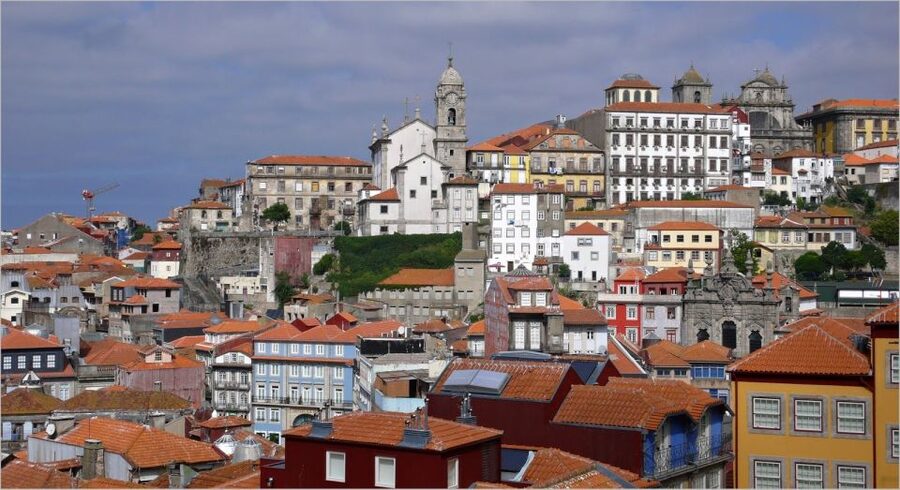
The tour ends at Parque das Virtudes, after a final scenic section and photo stop. The garden offers open space after the tighter lanes and gives the group a calmer place to discuss the final part of the story.
The ending is practical too. You are not returned to the starting point, so plan your next stop from the park rather than assuming you will finish at Pelourinho do Porto. The walk’s final location works well if you want to continue exploring Porto’s central hills, but it may require extra planning if you have an appointment near the starting point.
The garden is a pleasant finish because it lets the history settle. You have moved through former neighborhoods, religious landmarks, steep stairs, and viewpoints. The final stop gives the city room to open up again.
The guides make or break the experience
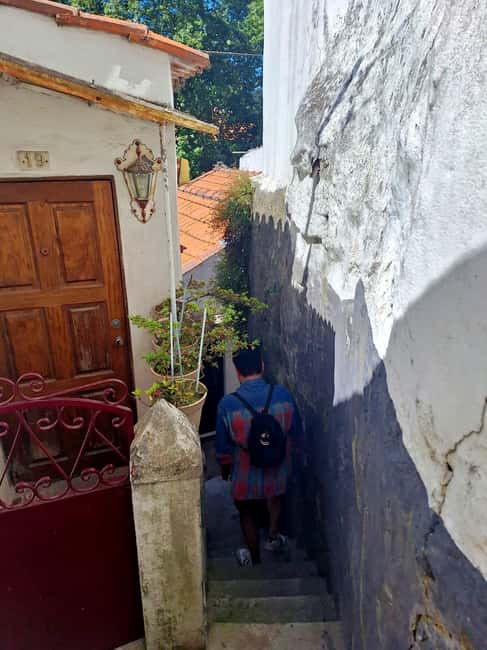
The strongest part of this tour is the guide’s command of the subject. Ricardo receives particular praise for archive research, small inscriptions, historic photographs, and material relating to places that are not open to the public. Pedro is described as funny and well informed, while Vanessa and Maria are praised for patience, clear explanations, and willingness to invite questions.
Names can vary by date and availability, so you should not book on the assumption that one specific guide will lead your group. Still, the experience has a clear pattern: it works best when the guide treats the walk as a conversation rather than a speech.
You will get more from it if you ask questions. The subject covers several centuries, including the 12th-century community, forced conversion, the Inquisition, the Jewish experience during the Second World War, and modern Jewish life in Porto. A curious group can turn the walk into a detailed discussion.
One isolated experience was less engaging because the guide’s delivery felt flat. That is a useful reminder that historical expertise and presentation style are not exactly the same thing. Most of the available feedback points to warm, articulate guides, but no walking tour is entirely independent of the person holding the map and leading the conversation.
Arthur Carlos de Barros Basto and modern Jewish Porto
A key modern figure is Captain Arthur Carlos de Barros Basto, also known by his Hebrew name, Abraham Israel Ben-Rosh. Your guide explains his role in rebuilding Porto’s Jewish community and his major contribution to the construction of the Kadoorie Mekor Haim synagogue.
His story gives the tour a modern anchor. Without it, the walk could feel like a long account of a vanished medieval community. Instead, you see that Jewish life in Porto did not simply end after the Inquisition. The city’s Jewish story continued, changed, and found new forms.
Do not expect this walking experience to replace a visit to the synagogue or Jewish Heritage Museum. Those are separate possibilities, and neither admission is included. If your main goal is to see the interior of Kadoorie Mekor Haim, check separately for access rather than assuming this tour provides it.
The walk is better understood as a city history tour with a Jewish focus. It explains where the community lived, how its relationships developed, what forced its decline, and how later figures worked to restore Jewish life.
Is $35 a fair price?
At $35 per person, the tour is reasonably priced for three hours with a local guide, especially if you value historical explanation more than admission tickets. There is no transportation or museum entry included, so the price pays for the walking route and the guide’s research.
That distinction helps you decide. If you mainly want a low-cost way to see Porto’s main viewpoints, you can find those on your own. If you want someone to identify Jewish symbols, explain former neighborhoods, connect church sites to Jewish history, and answer questions as you walk, the price makes better sense.
Private groups are available, which can improve the experience for families or small parties who want to set the pace. A small group also makes it easier to ask about family history, religious customs, or specific periods such as the Inquisition and the Second World War.
The tour may last close to three hours, though some groups finish in about two hours or leave early because of the hills. Treat the advertised duration as a full walking block in your day, but allow some flexibility.
Who should book this Porto walking tour?
I would choose this experience if you have a serious interest in Jewish history, religious coexistence, forced conversion, or the way communities leave traces in a city after their buildings are gone.
It also suits you if you have already seen Porto’s major churches and want a less familiar route through the center. The viewpoints and gardens add visual variety, while the guide’s stories give familiar streets a new meaning.
You should think twice if you have low fitness, difficulty with stairs, or a mobility impairment. Porto’s hills are not a small detail on this route. Comfortable shoes, water, and a willingness to walk uphill will make a real difference.
Book it if you want context and careful storytelling. Skip it if your priority is entering a synagogue, visiting a museum, or seeing a large number of preserved Jewish buildings. For the right audience, the tour’s greatest reward is learning how much history can survive in a place even after the physical community has largely disappeared.
FAQ
How long does the Porto Jewish Heritage Walking Tour last?
The tour is scheduled for three hours, though the exact experience can vary with group pace, questions, and energy levels.
Where does the tour start?
There are two listed starting options at Pelourinho do Porto. The exact meeting point may vary according to the option you book.
Where does the tour finish?
The walk finishes at Parque das Virtudes.
Is a visit to Porto’s synagogue included?
No. Entry to Porto’s synagogue is not included.
Can I visit the Jewish Heritage Museum during the tour?
No. The Jewish Heritage Museum is not included in this activity.
What languages are available?
The tour is offered in English and Portuguese.
Is the walk suitable for wheelchair users?
No. The route includes steep streets and stairs, and it is not suitable for wheelchair users, people with mobility impairments, or people with a low level of fitness.
Newest history tours we have reviewed in Portugal
- Albufeira: Old Town History Walking Tour with Tapas & Wine★ 4.7 · 96 reviews
- “Porto: Fado Show with Guided Tour in a Historic Monastery”★ 4.9 · 164 reviews
- Lisbon Fado History Cultural Walking Tour★ 5.0 · 118 reviews
- Lisbon city tour on history, culture and current topics★ 5.0 · 41 reviews
- Lisbon: Jewish History Tour of Lisbon★ 4.8 · 84 reviews
- Lisbon Jewish Heritage and History – Private Tour Van★ 5.0 · 294 reviews
- Lisbon Essential Walking Tour: History, Stories and Lifestyle★ 5.0 · 316 reviews
- Historic Walking Tour Through Lisbon’s Oldest Neighborhood★ 5.0 · 233 reviews
Jewish Heritage Tours, compared.
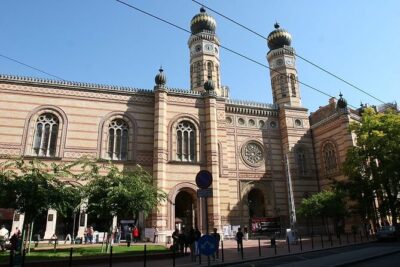
Budapest Jewish Heritage Memorial Walking Tour & Synagogue Entry
Read our review →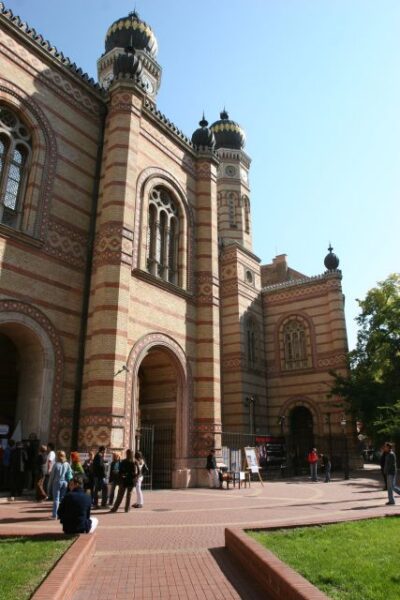
Jewish Heritage Guided Tour with Synagogue Ticket
Read our review →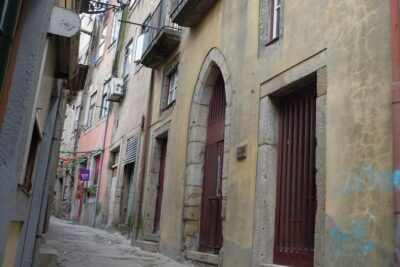
3-Hour Porto Jewish Heritage Walking Tour with Local Guide
Read our review →

Anne Frank and the Jewish History of Amsterdam Private Tour
Read our review →
Lisbon Jewish Heritage and History – Private Tour Van
Read our review →
Anne Frank and Amsterdam Jewish History Walking Tour
Read our review →
Browse the lists this tour appears in