
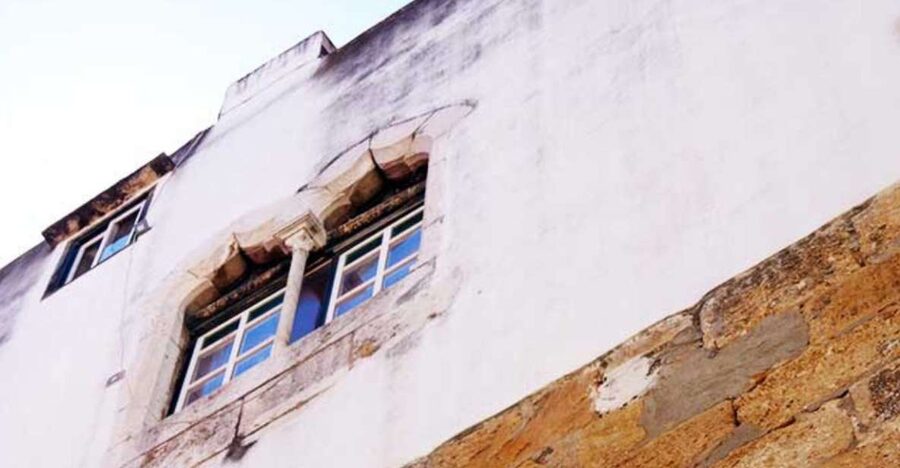
Review · LISBON HISTORY TOURS
Lisbon: Jewish History Tour of Lisbon
Lisbon’s Jewish story is powerful partly because so little of the old community remains above ground. This three-hour walk follows the places where Jewish life once shaped the city, from the grand riverfront at Praça do Comércio to the lanes of Alfama and the streets around Rossio. Along the way, the guide connects medieval segregation, forced conversions, the 1506 Pessah massacre, and the passage of WWII refugees through Lisbon.
I like the way the route places Jewish history inside the wider story of Portugal. You learn about the community’s role in culture, science, food, and overseas trade, then see how its members and descendants helped carry Portuguese Jewish life across the Atlantic, the Mediterranean, Asia, and northern Europe. I also like the private format, which gives you room to ask questions and adjust the pace.
The main limitation is clear: few physical remains survive from Lisbon’s medieval Jewish community. This is an oral and historical walking tour rather than a visit to a preserved synagogue or a museum filled with Jewish artifacts. If you need visible ruins at every stop, you may find the experience frustrating. If you enjoy reconstructing a vanished world through streets, clues, and careful storytelling, it offers much more.
Key points to know before you book
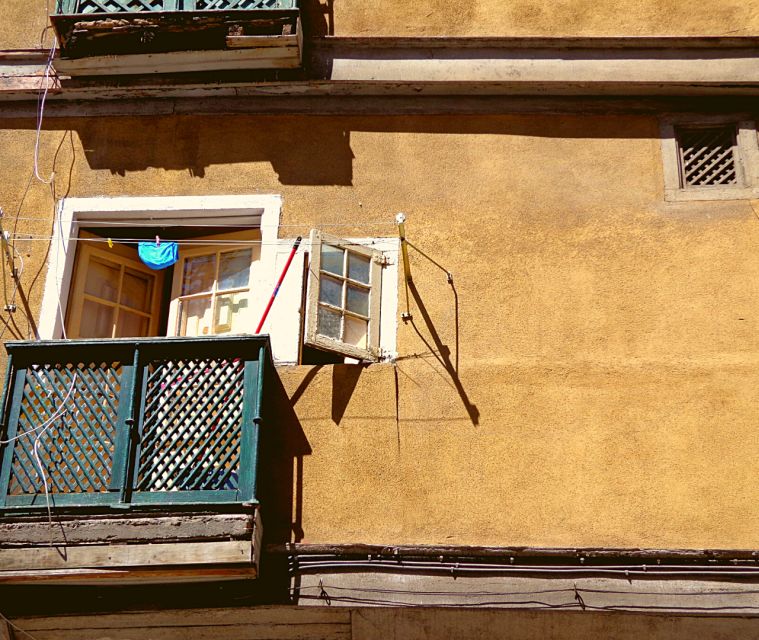
- The three-hour route begins under the triumph arch at Praça do Comércio, then crosses the Baixa, Mouraria, Alfama, and Rossio areas.
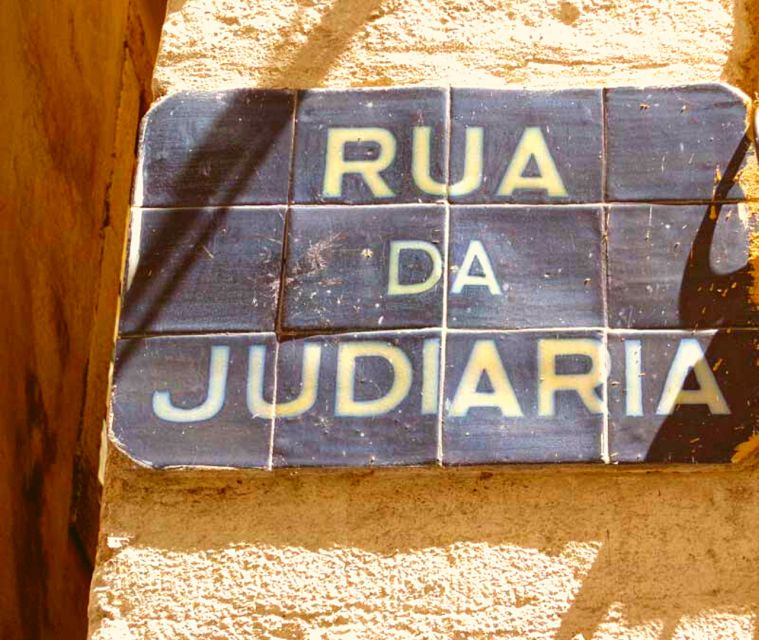
- The tour explains medieval Jewish segregation, including the former Judiarias and the way Jewish communities were organized within Lisbon.
- The 1506 Pessah massacre and forced conversions are central parts of the story, not passing references.
- You will hear about WWII refugees in 1940s Lisbon, adding a modern chapter to the medieval and early modern history.
- The guides are praised for clear storytelling and strong subject knowledge, with José, Filipa, Rita, Sofia, Jorge, and others leading different tours.
- Comfortable shoes matter, since the route covers a fair distance through historic streets and includes some hill walking.
Starting at Praça do Comércio and the river
Meet your guide beneath the large triumph arch at Praça do Comércio. Look for an orange backpack or tote bag marked with the Lisbon Walker logo. This is a practical meeting point, easy to identify in one of Lisbon’s most open and recognizable squares.
The tour begins with the origin story of the square and its connection to the Exodus. From here, the Jewish past is not treated as a separate footnote. Instead, your guide uses the city’s central spaces to show how Lisbon’s history, religion, trade, and political power affected one another.
You then pass toward Praça do Município, Rua do Comércio, Casa dos Bicos, and the Ribeira area. These early stops help set the scene before the walk turns toward the former Jewish quarters. The value is not in expecting a dramatic surviving structure. It is in learning to read the modern city as a place built over older communities and older divisions.
Casa dos Bicos and the Ribeira area also help connect the tour with Lisbon’s wider maritime role. The Jewish diaspora that spread from Portugal reached far beyond the city, and the guide explains how that movement touched the Atlantic, Mediterranean, Asian, and northern European worlds.
More Jewish Heritage Tours in Portugal
- Lisbon Jewish Heritage and History – Private Tour Van
★ 5.0 · 294 reviews - 3-Hour Porto Jewish Heritage Walking Tour with Local Guide
★ 4.5 · 396 reviews - Porto: Jewish Heritage Walking Tour
★ 4.7 · 266 reviews
Alfama and the medieval Judiarias
Alfama is one of the most important parts of the route. Its narrow streets and steep setting make it easier to imagine how medieval neighborhoods worked, even though the Jewish buildings themselves are largely gone.
Here, the tour focuses on the Judiarias, the areas where Jewish residents were segregated during the medieval period. Your guide explains how Jewish life operated within Lisbon and how the community’s place in Portuguese society changed over time.
This is where the walking format earns its keep. A classroom explanation of medieval segregation can feel abstract. On foot, you move through the streets and see how closely packed the old districts were. The physical setting gives shape to the story, even when no clear Jewish marker remains.
The route does involve walking on uneven historic streets and some hills around the castle area and Alfama. Several guides have adjusted the pace for older participants and allowed rest stops during hot weather. Still, I would wear supportive shoes and avoid treating this as a gentle, flat stroll.
Do not expect a preserved medieval synagogue on the route. The absence of visible remains is part of the lesson, but it should be explained clearly before you book. The guide’s voice and ability to place each street in context matter more here than the number of monuments you can photograph.
Baixa, forced conversions, and a fractured community
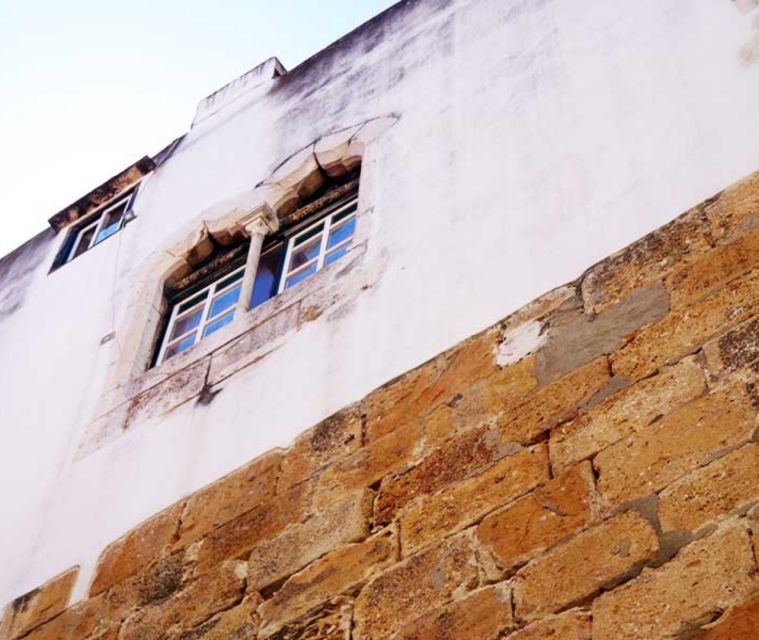
The walk continues through Baixa, where the story turns toward forced conversions and the pressure placed on Portuguese Jews. This section helps explain why the Jewish community’s public presence became harder to see, even though Jewish identity and family memory did not simply vanish.
Your guide also explores the idea of New Christians, the term used for people who converted under pressure and their descendants. The subject is not presented as a simple change from one faith to another. It is a story of survival, public conformity, private belief, suspicion, and lasting effects on Portuguese society.
Baixa makes a useful setting for this part of the tour because it is one of the city’s most visible and heavily visited areas. You are walking through streets that many people see only as shopping and sightseeing corridors. The guide adds a second layer, showing how political and religious decisions reshaped the people who lived and worked there.
This is also where the tour moves beyond a narrow list of Jewish sites. You learn how Jewish and New Christian communities influenced Portugal’s culture, science, and gastronomy. The experience works best when you are interested in connections rather than only monuments.
Rossio and the 1506 Pessah massacre
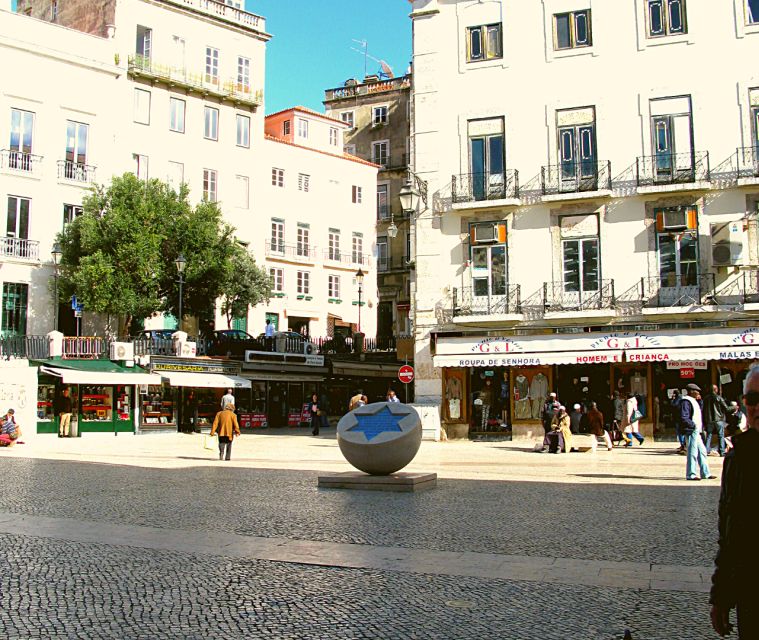
At Rossio, the guide discusses the 1506 Pessah massacre, one of the darkest episodes in Lisbon’s Jewish history. This is an emotionally difficult part of the walk, and the tour places it within the broader story of anti-Jewish violence, forced conversion, and the decline of open Jewish life in Portugal.
Rossio is a busy public square today, which makes the history especially stark. You may find it difficult to connect the present-day setting with the events described. That contrast is useful, though. It shows how completely a city can absorb, erase, or rebuild over painful episodes.
The guide’s storytelling style matters greatly here. José is repeatedly praised for bringing historical events to life, while Filipa and other guides are noted for explaining the material clearly and responding to questions. The private group format gives you a better chance to pause when the subject calls for it, rather than being hurried along with a large crowd.
The tour does not turn the massacre into spectacle. Instead, it uses the event to explain what happened to Lisbon’s Jewish community and why physical evidence became so limited. If you approach the subject with patience, this can be one of the most meaningful sections of the day.
More Jewish Heritage Tours in Lisbon:
- Budapest Jewish Heritage Memorial Walking Tour & Synagogue Entry
★ 5.0 · 568 reviews - Budapest: Jewish Heritage Guided Tour with Synagogue Ticket
★ 4.8 · 533 reviews - Warsaw: Jewish History Guided Walking Tour in English
★ 4.7 · 324 reviews - Anne Frank and the Jewish History of Amsterdam Private Tour
★ 5.0 · 307 reviews
Mouraria, the castle hill, and the city’s changing identity
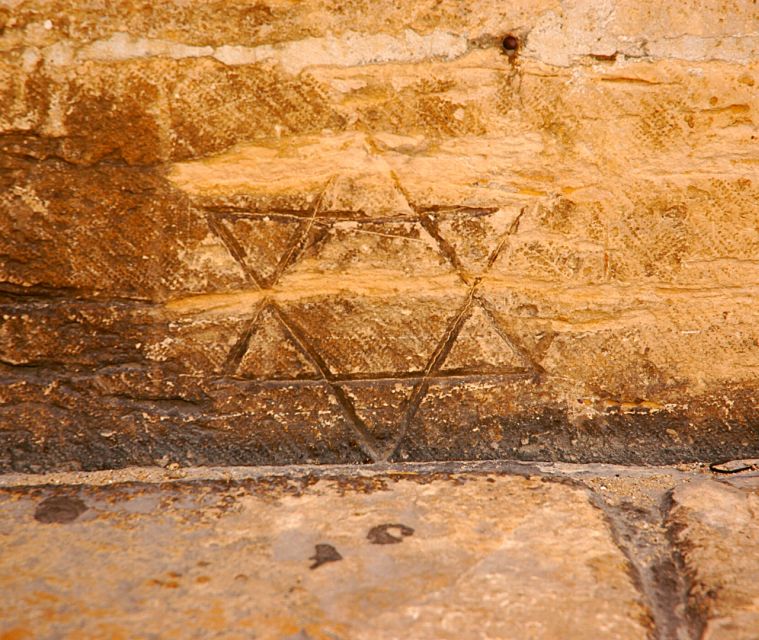
Mouraria and the castle hill add another layer to the walk. The route passes through areas tied to Lisbon’s older neighborhoods and uses them to discuss the changing identity of the city.
The tour description includes other historical places along the way, including churches and even hidden Roman remains mentioned by one guide. These additions are useful because they place Jewish history next to the other communities and institutions that shaped Lisbon.
That broader approach is one of the experience’s strengths. You are not simply taken from one Jewish label to another. You are shown how the Jewish community existed within a city of different faiths, languages, occupations, and political forces.
The route can be adapted to different starting points and time frames. That flexibility may help if you have limited time or want to avoid repeating areas covered on another Lisbon walk. Ask about the route when booking if you need a shorter version or a different meeting point.
From medieval Lisbon to WWII refugees
The tour does not stop with the Inquisition or the end of medieval Jewish life. It also covers Lisbon’s contemporary Jewish presence and the passage of WWII refugees through Portugal in the 1940s.
This modern section is important because it prevents the story from ending with disappearance. Lisbon was also a place through which people passed during one of Europe’s darkest periods. Connecting those refugees with the city’s earlier Jewish history gives you a longer view of continuity, disruption, and movement.
The tour also follows the wider Portuguese Jewish diaspora. Your guide explains how people connected with Lisbon carried traditions, names, knowledge, and commercial links to communities across the Atlantic, the Mediterranean, Asia, and northern Europe.
That international frame adds real value to the $106 price, especially if you are interested in Sephardic ancestry or the movement of Jewish communities after persecution and expulsion. You are not getting a museum admission or a collection of artifacts. You are paying for a guide who can connect local streets with a much larger story.
What the guides add to the experience
The strongest part of this tour is the guide. The guides named in the supplied information include José, José Antunes, Filipa, Fellipe, Rita, Sofia, Jorge, and Mr. Placa. Different departures may have different guides, but the repeated praise centers on clear explanations, engaging storytelling, and the ability to answer questions.
José is especially noted for his detailed understanding of Portuguese history and Jewish and New Christian communities. Filipa is described as accommodating in hot weather and attentive to the pace of older participants. Jorge is praised for using his wide grasp of history to make the walk educational and enjoyable.
You do not need a Jewish background to follow the tour. The guides explain the setting and terms as they go. At the same time, the tour should appeal to people with a particular interest in Jewish history, Sephardic family roots, religious minorities, migration, or Portugal’s colonial and maritime connections.
Because this is a private group, you can ask about subjects that matter to you. You might focus on family names, conversion, diaspora routes, WWII refugees, food traditions, or the treatment of minorities in Portugal. The private format also makes it easier to request a slower pace.
Walking conditions and practical planning
The guided portion lasts three hours, though the activity is listed as valid for one day because starting times depend on availability. The price is $106 per person. Hotel pickup, drop-off, food, and drinks are not included.
At that price, the value depends on your expectations. For a private three-hour walk with a guide who can answer questions and shape the discussion, it is a fair choice for a focused history experience. It is less appealing if you want a low-cost orientation walk or a collection of preserved buildings to enter.
Wear comfortable shoes. The route covers Praça do Comércio, Praça do Município, Rua do Comércio, Casa dos Bicos, Ribeira, Mouraria, Praça da Figueira, Rossio, Alfama, and the castle hill area. That is a substantial amount of city walking, even if the route is adjusted.
Several accounts describe minimal hill climbing, while others note a fair distance and the need for comfortable shoes. The safest expectation is moderate walking with some slopes, uneven paving, and pauses as needed. Bring water, especially in warm weather, since food and drinks are not part of the tour.
English and Portuguese are available. You meet the guide under the triumph arch at Praça do Comércio, and the orange Lisbon Walker bag makes the group easier to find.
Free cancellation is available up to 24 hours before the tour, and you can reserve now and pay later. These policies are useful if your Lisbon schedule is still shifting.
Who should book this Lisbon walk?
I would choose this tour if you want history explained on location rather than a quick list of attractions. It suits you especially well if you are interested in Jewish heritage, Sephardic history, family research, Portugal’s forced conversions, or the movement of refugees and diaspora communities.
It is also a good choice early in your Lisbon visit. The route covers central districts and gives you a stronger sense of how Baixa, Rossio, Alfama, Mouraria, and the riverfront fit together. You will likely recognize these areas later and notice details you might otherwise pass without thought.
I would hesitate if your priority is visible architecture. Lisbon has few surviving physical markers from its medieval Jewish community, and several parts of the tour depend on spoken explanation. That is not a flaw in the subject itself, but it is an important booking decision.
Should you book the Jewish History Tour of Lisbon?
Book it if you value a thoughtful guide, a private setting, and the chance to understand Lisbon through the experience of its Jewish and New Christian communities. The 4.8 rating from 84 reviews matches the consistent praise for the guides’ preparation, warmth, and storytelling.
Go in expecting a historical walk, not a preserved Jewish quarter. The most rewarding moments come from connecting ordinary streets with medieval segregation, the 1506 massacre, forced conversions, WWII refugees, and the Portuguese diaspora.
For $106 per person, I think it is a worthwhile choice for history-minded visitors, especially those who want to ask questions or tailor the route. Wear good shoes, allow three hours, and be ready to use your imagination where the stones no longer tell the full story.
FAQ
How long does the Jewish History Tour of Lisbon last?
The guided tour lasts three hours. The activity is valid for one day, with starting times available according to the booking schedule.
Where does the tour meet?
Meet the guide under the large triumph arch at Praça do Comércio. The guide will carry an orange backpack or tote bag with the Lisbon Walker logo.
What languages are offered?
The tour is available in English and Portuguese.
Is this a private tour?
Yes. The group type is private, which allows the tour to be adapted to different time frames and starting points.
What areas of Lisbon does the tour cover?
The route includes Praça do Comércio, Praça do Município, Rua do Comércio, Casa dos Bicos, Ribeira, Mouraria, Praça da Figueira, Rossio, Alfama, and the castle hill area.
Does the tour include hotel pickup?
No. Hotel pickup and drop-off are not included.
Are food and drinks included?
No. Food and drinks are not included in the price.
What should I bring?
Bring comfortable shoes. The tour involves walking through several historic districts and covers a fair distance.
Newest history tours we have reviewed in Lisbon
- Lisbon Fado History Cultural Walking Tour★ 5.0 · 118 reviews
- Lisbon city tour on history, culture and current topics★ 5.0 · 41 reviews
- Lisbon Jewish Heritage and History – Private Tour Van★ 5.0 · 294 reviews
- Lisbon Essential Walking Tour: History, Stories and Lifestyle★ 5.0 · 316 reviews
- Historic Walking Tour Through Lisbon’s Oldest Neighborhood★ 5.0 · 233 reviews
- Lisbon: Private Dark History Walking Tour with Drinks★ 4.8 · 387 reviews
- Lisbon’s historic old town in a tuk-tuk in German★ 4.9 · 319 reviews
- Private Lisbon-Arrábida Wine Tour: 3 Wineries, Coast & Heritage★ 5.0 · 450 reviews
Jewish Heritage Tours, compared.
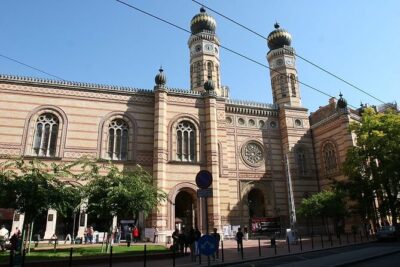
Budapest Jewish Heritage Memorial Walking Tour & Synagogue Entry
Read our review →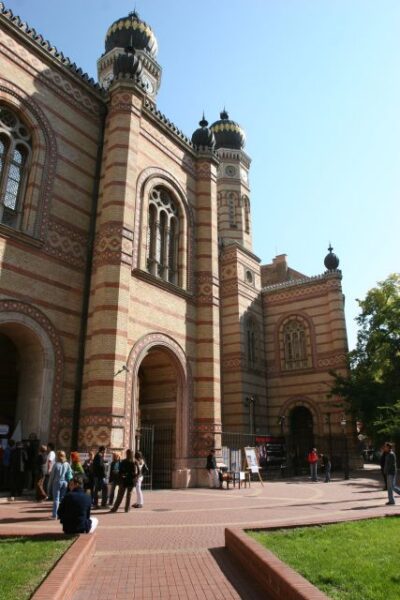
Jewish Heritage Guided Tour with Synagogue Ticket
Read our review →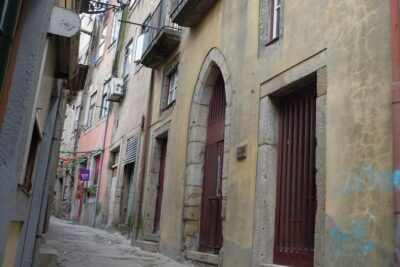
3-Hour Porto Jewish Heritage Walking Tour with Local Guide
Read our review →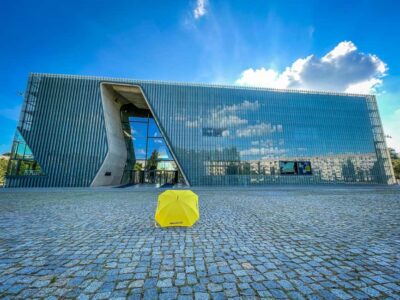

Anne Frank and the Jewish History of Amsterdam Private Tour
Read our review →
Lisbon Jewish Heritage and History – Private Tour Van
Read our review →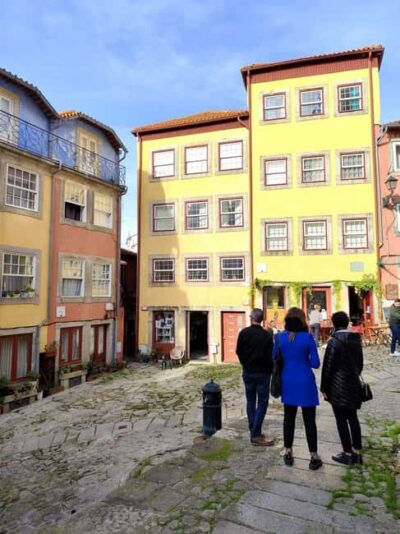
Anne Frank and Amsterdam Jewish History Walking Tour
Read our review →Browse the lists this tour appears in