Review · HIROSHIMA HISTORY TOURS
Hiroshima & Miyajima Island Private Tour: History & Culture
Hiroshima’s story is best understood in two parts: the quiet, solemn ground of Peace Memorial Park, followed by the island beauty of Miyajima. This six-hour private tour makes that contrast its central idea, taking you from the A-Bomb Dome and museum to a ferry, a sacred shrine, friendly deer, and local food.
I like the personal guiding and the useful flexibility. Guides such as Nabeel, Yasmin, Malek, Abdeel, and Samy have been praised for clear English, patience, and thoughtful explanations. I also like the chance to stop for oysters, okonomiyaki, or momiji manju instead of treating lunch as an afterthought.
The main consideration is transport. This is not a private-car tour. You’ll use a train, ferry, and your own feet, and food is extra. Six hours is enough for the major sights, but the schedule is fairly full, especially if you want time to browse Miyajima’s shops.
Key points at a glance
- Peace Park with human context: Spend about 40 minutes in the museum, then 50 minutes around the park and 10 minutes at the A-Bomb Dome.
- Train and ferry travel included in the plan: The route uses public transport rather than a private vehicle, giving you a practical feel for moving around Hiroshima.
- Miyajima’s major sights: See the floating torii gate, visit Itsukushima Shrine, and spend about 40 minutes at Daisho-in.
- Local food stops: Ask your guide about fresh oysters, Hiroshima-style okonomiyaki, and momiji manju, with food costs paid separately.
- Private pacing: The guide can adjust the day for families, teenagers, solo visitors, and groups with different interests.
- A useful price point: At $69 per person, the tour offers a guide and Peace Memorial Museum admission, but you should confirm public transport arrangements and budget for food.
Starting with Hiroshima’s hardest story
The day begins at a chosen meeting point or, if arranged, at accommodation within reasonable walking distance. There is no car pickup. If you meet at Hiroshima Station, the stated meeting place is the Shinkansen Exit on the second floor, in front of Starbucks.
That detail matters. Hiroshima Station is large, and a clear meeting point saves time. The guide contacts you the day before to confirm the exact spot. If you are arriving from a cruise, allow extra time for immigration and the journey to the meeting point. Abdeel has been praised for staying in touch with a late-arriving group, but you should still build in a safety margin.
The first major stop is the Hiroshima Peace Memorial Museum, with about 40 minutes for a guided visit. The museum is not an easy stop, and it should not be treated like a quick box to tick. Exhibits focus on the atomic bombing and its effects on the people of Hiroshima. The material can be upsetting, especially for children, so parents may want to prepare teenagers in advance.
The museum admission is included, and the tour provides skip-the-ticket-line access. The available information does not promise a long museum session, so the 40-minute visit is useful but limited. If the museum is your main reason for coming to Hiroshima, a separate visit may be worthwhile. On this tour, though, the guide helps frame what you see before you continue outside.
One practical warning: the museum can occasionally be closed. When that happened for one group, Nabeel filled the gap with historical explanation and stories. That can keep the morning worthwhile, but no guide can fully replace the museum itself. Check opening arrangements if the museum is essential to your plans.
More Local Culture and Traditions Tours in Japan
- Kyoto Gion: 2-Hour Geisha Culture & History Walking Tour
★ 5.0 · 1,186 reviews - Nara: Half-Day UNESCO Heritage & Local Culture Walking Tour
★ 4.8 · 250 reviews - Tokyo: The Best of Izakaya in Shinjuku Food & Cultural Tour
★ 4.9 · 221 reviews
Peace Memorial Park and the A-Bomb Dome
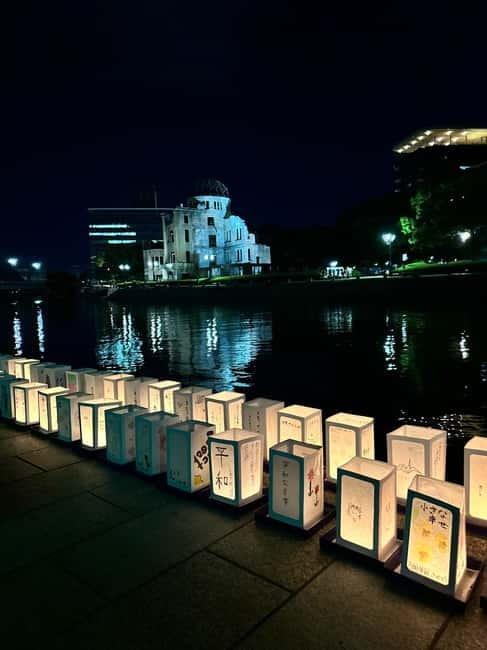
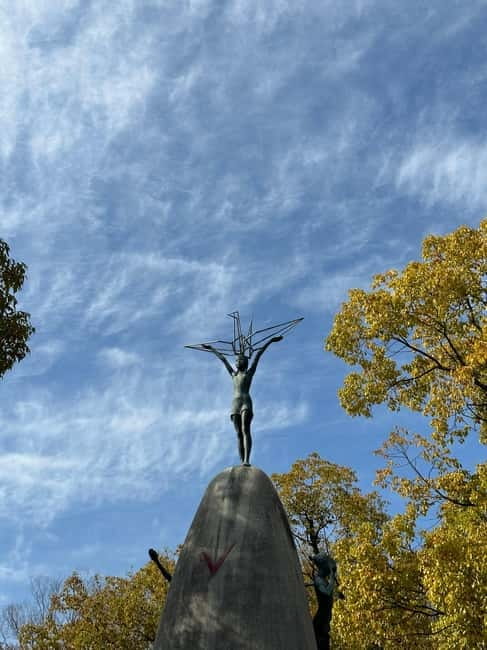
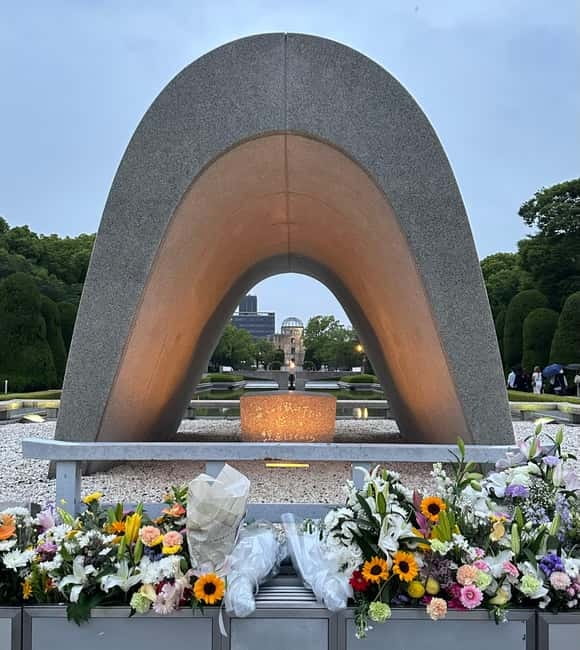
After the museum, you spend about 50 minutes walking through Peace Memorial Park. This is where the day’s history moves from display cases to the actual city.
Your guide can explain the memorials and connect them with personal accounts. The best part of a private tour here is the ability to pause when you need to, ask direct questions, or move more quickly through material that feels too heavy. Guides Nabeel and Yasmin, in particular, have been praised for handling the subject with care and respect.
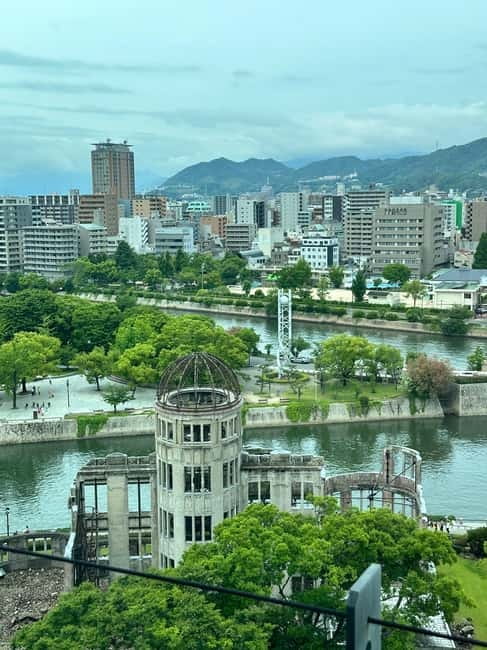
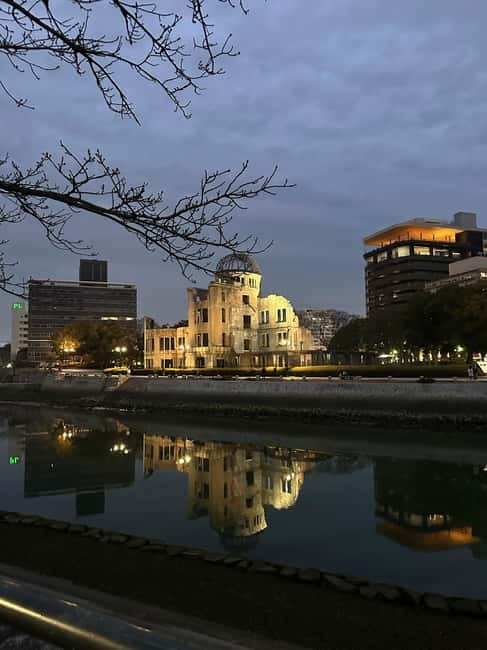
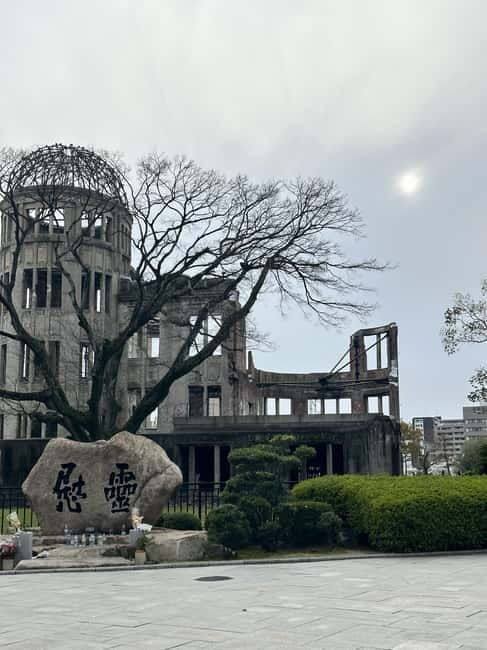
The A-Bomb Dome follows, with about 10 minutes of guided explanation. Its damaged structure is a powerful physical reminder of the bombing. You do not need a long stop to understand why it matters, but the guide’s context gives the building more meaning than a photograph alone.
This section is emotionally serious. It is also the reason a guide adds real value. A self-guided visit lets you see the memorials, but a good guide helps you understand the sequence of events and the human cost without turning the subject into a dry lecture.
The walking is not extreme in duration, but you should wear comfortable shoes. The full day includes park paths, station transfers, a ferry, island roads, and time on foot in Miyajima.
The train and ferry shift the mood
The planned train ride takes about 35 minutes. It is ordinary public transport, not a scenic private transfer, and that is part of the point. You are moving through the same system residents use rather than being sealed inside a tour vehicle.
The ferry crossing takes about 10 minutes. It changes the rhythm of the day quickly. Hiroshima’s urban memorial district gives way to open water and Miyajima’s island setting. You may want a camera ready, but the crossing is short, so do not expect a long cruise.
Because private transportation is not included, this tour suits you if you are comfortable with public transport. It is less suitable if you want a car waiting at every stop or if your group has difficulty with station and ferry transfers.
The tour is marked wheelchair accessible, but accessibility needs can vary across trains, ferry boarding areas, and island paths. If someone in your group uses a wheelchair, discuss the exact route and meeting point before booking. The guide can tailor the pace, but the tour still involves several changes of transport.
Miyajima’s floating torii gate

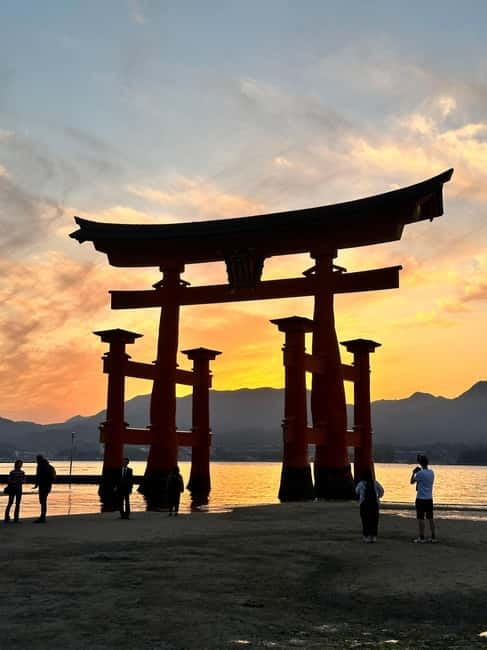
Miyajima is famous for Itsukushima Shrine and its torii gate, which appears to float in the water under the right conditions. The tour allows about 20 minutes for the gate and another 20 minutes for the shrine.
The view changes with tide and weather, so the gate may look quite different from one visit to the next. The tour information does not guarantee a particular water level, and you should keep expectations flexible. Even so, the combination of sea, shrine buildings, and island setting gives this part of Hiroshima a very different character from Peace Park.
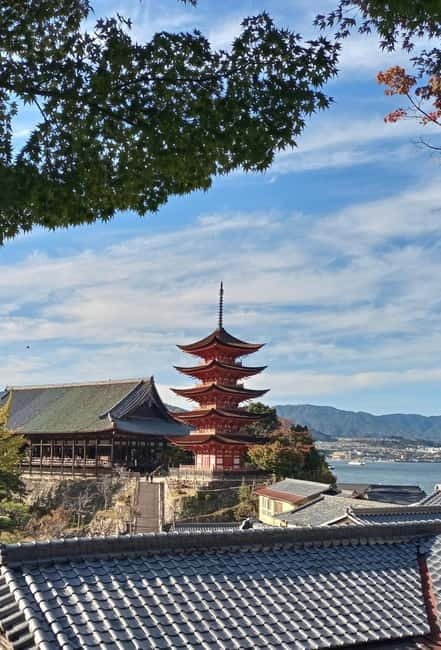
Itsukushima Shrine is the cultural heart of the island. Your guide can explain its importance and point out details that are easy to miss when you are focused only on the famous gate. The 20-minute visit is enough for an introduction, but it is not a leisurely architectural study.
This is one place where the private format helps. If your group is especially interested in religious sites, photography, or Japanese culture, tell the guide early. If children are losing steam after the serious museum visit, the guide can keep the explanation shorter and make room for the island’s more relaxed attractions.
More Private History Tours in Japan
- From Tokyo: Nikko World Heritage Site Private Full-Day Trip
★ 4.9 · 243 reviews - 2.5 Hour Private History and Culture Tour in Himeji Castle
★ 5.0 · 185 reviews - Tokyo: Nikko World Heritage Private Day Trip Hotel Pick-up
★ 4.8 · 145 reviews - From Tokyo: Nikko World Heritage Sight Full Day Private Tour
★ 4.9 · 127 reviews
Daisho-in adds depth beyond the famous shrine
The itinerary gives Daisho-in about 40 minutes, making it one of the longer stops on Miyajima. That is a smart choice. Many quick visits focus only on the torii gate and Itsukushima Shrine, then leave without seeing another side of the island’s religious life.
Your guide leads you through the temple area and explains what you are seeing. The supplied details do not specify every feature covered, so expect a guided introduction rather than a fixed lecture with guaranteed stops.
Daisho-in also gives the day a change of pace. After the emotional intensity of the museum and the crowds around the shrine, a temple visit can feel quieter and more reflective. It is worth asking the guide to slow down here if you enjoy cultural details more than shopping.
Deer, food, and a little free time
Miyajima’s deer roam freely, and meeting them is a lighthearted part of the island visit. They are accustomed to people, but you should follow local guidance and avoid feeding them unless your guide says it is allowed. The deer are charming, but they should not distract from the island’s cultural sites.
The tour also makes room for local food. Depending on the guide’s suggestions and the day’s timing, you might try fresh oysters, Hiroshima-style okonomiyaki, or momiji manju. These foods give the day a stronger local character than a standard stop at a generic cafe.
Food and drinks are not included, so budget separately. Ask your guide about portions and timing if you are traveling with children or have a late meal planned. One guide, Nabeel, was specifically praised for suggesting good places to eat and waiting patiently while the group enjoyed them.
Miyajima Omotesando Shopping Street receives about 30 minutes for a break, shopping, and walking. This is enough for a taste of the busy commercial strip, not enough for a long, relaxed shopping session. You might find sweets, souvenirs, and local snacks, but the tour’s main value is the combination of history, culture, and food rather than an extended retail visit.
Momiji manju, a maple-leaf-shaped cake associated with Miyajima, is an easy snack to try here. Fresh oysters are another local specialty, while okonomiyaki offers a filling meal. Since the schedule continues after this stop, do not let lunch become so long that the final transport connections feel rushed.
How the six-hour schedule works
The stated timing adds up to a full half-day:
- Peace Memorial Museum: about 40 minutes
- Peace Memorial Park: about 50 minutes
- A-Bomb Dome: about 10 minutes
- Train: about 35 minutes
- Ferry: about 10 minutes
- Torii gate: about 20 minutes
- Itsukushima Shrine: about 20 minutes
- Daisho-in: about 40 minutes
- Omotesando Street: about 30 minutes
- Walking: about 15 minutes
- Return ferry: about 10 minutes
- Return train: about 25 minutes
That leaves little room for long meals, unplanned shopping, or a slow museum visit. The advantage is that you cover both Hiroshima and Miyajima in one day. The tradeoff is that neither destination receives the leisurely treatment it would get over two separate days.
The return can end at Hiroshima Station’s Shinkansen Exit, Itsukaichi Station’s south entrance, the Peace Memorial Park taxi stand, or the Hiroshima Port Cruise Terminal. These options are useful if you are continuing by train, returning to a cruise, or heading elsewhere in the city. Confirm the best drop-off when booking, especially if you have luggage.
The guide makes the difference
A private history tour depends heavily on the person leading it. The guides named in the feedback include Nabeel, Yasmin, Malek, Abdeel, and Samy. They have been praised for strong English, clear explanations, patience, kindness, and the ability to adjust the day.
That flexibility is especially useful for mixed-age groups. Teenagers may want more direct historical context, younger children may need shorter explanations and food breaks, and adults may want more time at the memorials. The private format gives you a better chance of getting that balance than a large fixed group.
You should tell the guide what matters to you at the start. Ask for more time at the museum if possible, request food recommendations, or say if Daisho-in interests you more than shopping. The tour is designed around personal pace, but six hours still places limits on what can fit.
The subject also calls for a guide who can speak with care. Nabeel and Yasmin were praised for making the Peace Park visit respectful and meaningful, while Malek was praised for adapting the tour to a group’s preferences. Those qualities matter more here than a guide who simply recites dates.
Is $69 per person good value?
At $69 per person, the tour is reasonably priced for a private or small-group experience covering two major Hiroshima destinations. You receive a private guide and admission to the Peace Memorial Museum, along with a planned route that connects the city and island without requiring you to organize every train, ferry, and meeting point yourself.
The price does not cover food or drinks. Private transportation is also not included, and the tour does not offer car pickup. Ask specifically how the public train and ferry fares are handled, since the route uses both. One piece of feedback says transport and attraction costs were covered for that group, but the stated inclusions clearly name the museum ticket rather than private transport.
The value is strongest for families, first-time visitors, and anyone who wants historical explanation in English. It is weaker for independent visitors who already know Hiroshima well or want long, unstructured time on Miyajima.
Free cancellation up to 24 hours before the start and reserve-now-pay-later booking make the plan easier to fit into a changing Japan itinerary. Those terms are useful, but the bigger decision is pace: this is a guided overview, not a slow two-day exploration.
Who should book this Hiroshima tour?
I would choose this tour if you have one day for Hiroshima and want the major history and culture in a single, organized outing. It is especially suitable for families, couples, solo visitors who want company, and cruise passengers who need a clear plan.
It also fits you if the Peace Memorial Museum feels daunting. A thoughtful English-speaking guide can explain the setting, answer questions, and help you move through the subject at a comfortable pace.
I would think twice if you dislike public transport, need long breaks, or want to spend half a day shopping and eating on Miyajima. The schedule is active, and the tour cannot guarantee that the museum will be open or that you will have a long visit at every stop.
For most first visits, though, the combination works well: Hiroshima’s difficult past in the morning, then Miyajima’s shrine, temple, deer, and food. That contrast gives you a fuller sense of the place than either destination alone.
FAQ
How long is the Hiroshima and Miyajima tour?
The tour lasts six hours.
What language does the guide speak?
The live tour guide speaks English.
Is the tour private?
Private and small-group options are available.
Is the Peace Memorial Museum entrance included?
Yes, the entrance ticket to the Peace Memorial Museum is included.
Are food and drinks included?
No. Food and drinks are purchased separately.
Does the tour provide car pickup?
No private car pickup is available. Accommodation pickup is offered only when it is within a reasonable walking distance, and you can also meet the guide at a designated meeting point.
Is the tour wheelchair accessible?
Yes, the activity is listed as wheelchair accessible. Because the route uses trains, a ferry, and walking, discuss your specific mobility needs with the provider before booking.
Should you book it?
Book this tour if you want guided historical context, a personal pace, and a practical way to combine Peace Park with Miyajima in six hours. The strongest reasons are the thoughtful English-speaking guides, included museum admission, and local food guidance.
Skip it if you prefer a private car, long museum hours, or a relaxed island day with no fixed timing. For everyone else, $69 per person is a sensible way to see Hiroshima’s most important sights while leaving the hard planning to someone who knows the route.
Newest history tours we have reviewed in Japan
- [30 minutes] Rickshaw tour around Asakusa [History, sightseeing, Tokyo Skytree]★ 5.0 · 38 reviews
- Tokyo: Asakusa & Sensoji ー Oldest Temple Walking Tour (2hrs)★ 5.0 · 213 reviews
- Private sake pairing@ancient underground★ 5.0 · 27 reviews
- Private Tour Through the Tokyo National Museum & Ukiyo-e★ 4.7 · 17 reviews
- Tokyo: Customized Private Historical Guided Photoshoot Tour★ 5.0 · 25 reviews
- Tokyo: Imperial Palace, the history of Japan (ENGLISH GUIDE)★ 5.0 · 77 reviews
- Tokyo: Edo Castle & East Garden of the Imperial Palace Tour★ 4.7 · 112 reviews
- (Ticket Included) Explore Osaka Castle & Museum of History★ 4.8 · 21 reviews
Local Culture & Traditions Tours, compared.

Amsterdam Food and Cultural Tour with Tastings
Read our review →
Sevilla Food Tour: Tapas, Wine, History & Traditions
Read our review →
Tromsø: Reindeer Camp and Sami Cultural Tour with Lunch
Read our review →
Half Day Dominican Republic Cultural Tour : Small Group
Read our review →
Ultimate Melbourne Walking Tour: History, Laneways & Culture
Read our review →
Tromsø: Sámi Reindeer Sledding and Sami Cultural Tour
Read our review →
Kyoto Gion: 2-Hour Geisha Culture & History Walking Tour
Read our review →