
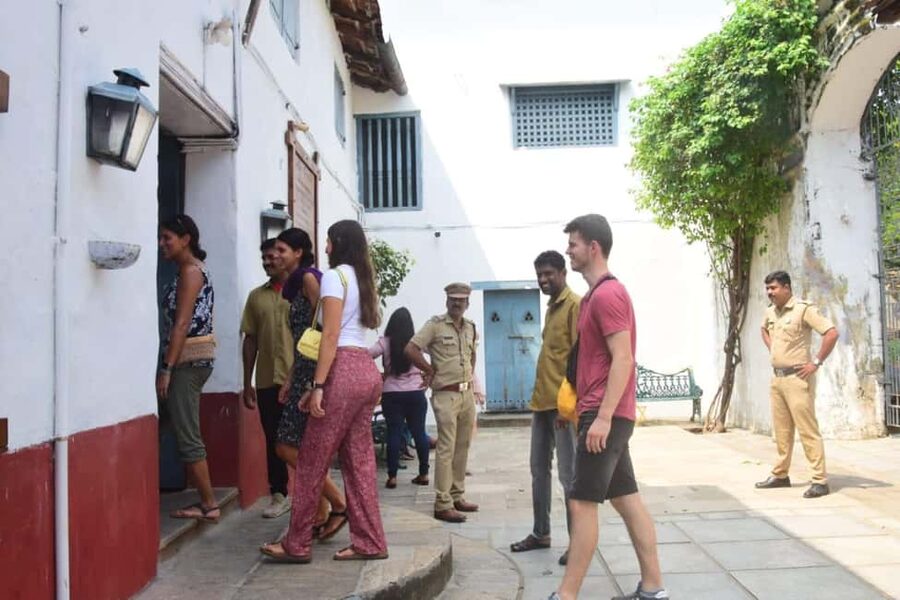
Review · INDIA HISTORY TOURS
Fortkochi Heritage Walking tour with a local guide
Fort Kochi’s best stories are often found away from its grand façades. On this three-hour walk, local guide Biju, born in Old Kochi, connects Portuguese churches, Chinese fishing nets, Jewish heritage, spice warehouses, and working neighborhood businesses into one clear story. You are not just looking at old buildings. You are seeing how several cultures shaped daily life.
I especially like the visits to ginger warehouses and artisan workshops, where the spice trade still feels like a working part of Kochi rather than a museum display. I also like Biju’s local perspective. He can point out quieter corners and explain present-day life alongside the colonial past. The main drawback is the heat, especially on the 2pm to 5pm departure. Even in February, the humidity can make three hours on foot tiring.
Key points at a glance

- Biju’s local storytelling: Your guide was born in Old Kochi and brings personal knowledge of the neighborhood to the walk.
- Three historic districts in one tour: The route links Fort Kochi, Mattancherry, and Jew Town, with short tuk-tuk rides between some areas.
- Working spice and craft traditions: See ginger warehouses, spice processing areas, candle-making, papadam-making, and the Dhobi Khana laundry.
- Five outside influences: Learn how Arab, Chinese, Portuguese, Dutch, and British connections shaped Kochi.
- Major sights with useful context: The tour includes the Dutch Palace and visits the Freedom Fighters’ Jail when open.
- A practical time choice: Morning is the better option if you want cooler walking conditions.
Why this Fort Kochi walk feels different

Many people see Fort Kochi as a pleasant area of old churches, cafés, galleries, and waterfront views. That is only the surface. This tour tries to explain why the district looks and feels the way it does.
Kochi grew through contact with traders, rulers, religious communities, and European powers. Arab merchants helped connect the port to wider trade routes. Chinese visitors left techniques and equipment associated with the famous fishing nets. Portuguese, Dutch, and British rule altered buildings, government, religion, and commerce.
The walk also looks at the people who made Kochi work. The focus is not only on grand colonial structures. It includes laundry workers, papadam makers, candle makers, spice handlers, and families tied to the old trading districts. That balance is one of the tour’s strongest features.
Biju’s role matters here. A guide raised in the area can explain small details that a printed guidebook may miss, such as how a lane connects to a working neighborhood or why a modest building matters to local memory. His style is built around stories, humor, and personal attention rather than a string of dates.
More History Walking Tours in India
- Fontainhas Heritage Walk by Make It Happen
★ 5.0 · 2,834 reviews - The Great Indian Food Tour: Old Delhi Food and Heritage Walk
★ 5.0 · 1,698 reviews - Old Goa Heritage Walk by Make It Happen
★ 5.0 · 797 reviews
Meeting Biju near Kashi Art Café
The meeting point is in front of Kashi Art Café on Burger Street in Fort Nagar, Fort Kochi. Arrive about 10 minutes early. The guide’s details are sent by WhatsApp or email before the walk, and Biju will ask for your name when you arrive.
Kashi Art Café is a practical place to meet because it is in a well-known part of Fort Kochi. Still, do not rely only on a last-minute message. Check your email or WhatsApp before leaving your hotel, particularly if you are arranging the walk on a busy day.
The tour is offered in English and is designed for a small group or private setting. That format gives you room to ask about local customs, buildings, and family life. It also makes the walk feel less like a fixed script.
Fort Kochi, Chinese fishing nets, and the port story
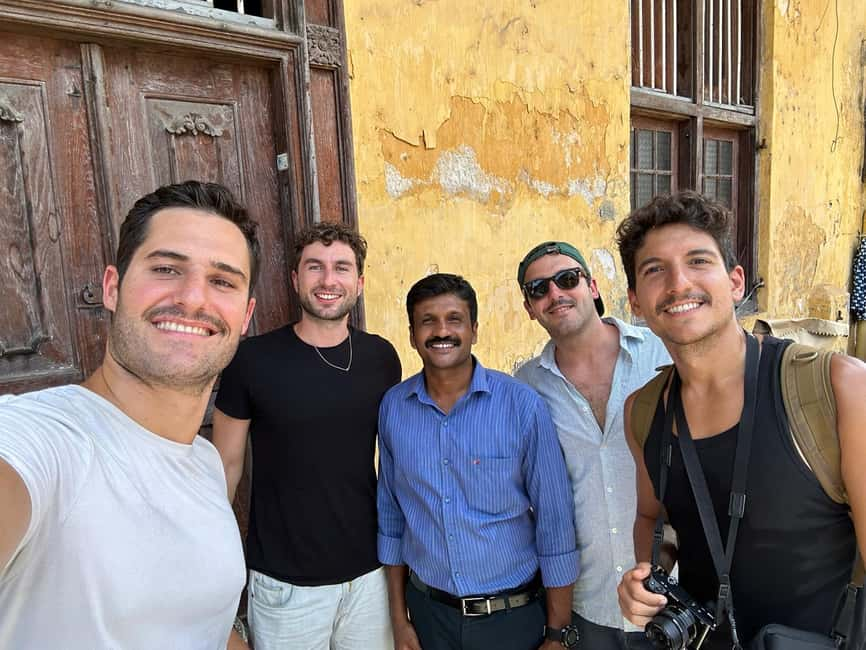
The opening section takes you through Fort Kochi, where the waterfront and old streets introduce the port’s international past. The Chinese fishing nets are one of the most recognizable sights here, but the useful part is seeing them in action and understanding that they are working equipment, not just a photo stop.
The nets operate through a counterweight system and require several people to handle them. Your guide can help explain how this method connects to Kochi’s long contact with Chinese traders and maritime culture. The scale is easy to miss if you only stop for a quick photograph.
The Fort Kochi section also brings in the Portuguese and European periods. Portuguese-style churches and colonial-era buildings show how a trading port became a European stronghold. Dutch and British control followed, leaving further changes in architecture and administration.
I like this part because it puts the buildings into a wider story. You are not simply told that a church is old. You learn how religious and political power moved through the port, and how those changes affected local communities.
The waterfront can be sunny and exposed. Bring a hat, sunglasses, sunscreen, and water. An umbrella can help with both sun and sudden rain. Comfortable shoes are essential because the tour continues on foot for up to three to three and a half hours.
Short tuk-tuk rides to Mattancherry
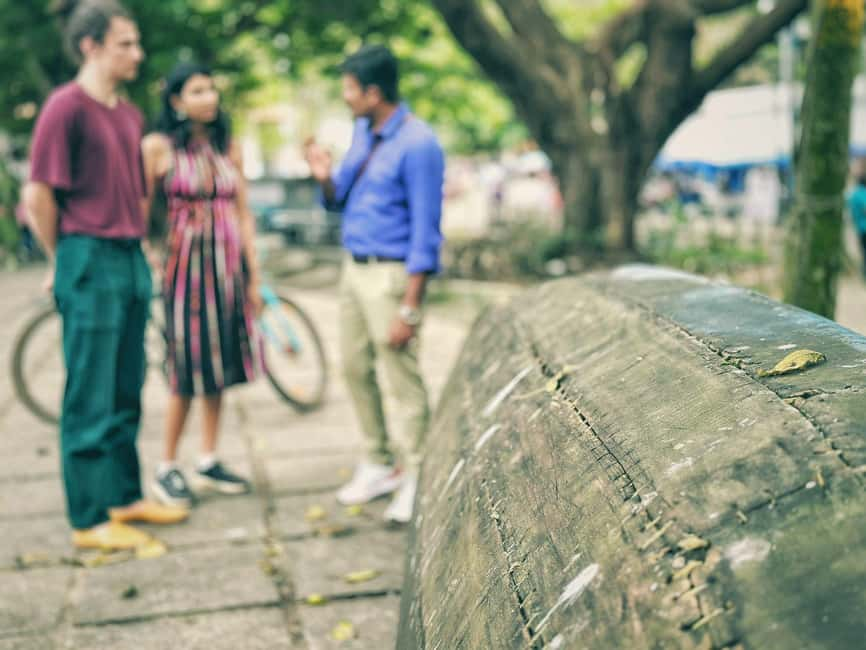
Fort Kochi and Mattancherry are close, but the route includes short tuk-tuk rides between sections. These rides break up the walking and give you a quick look at the streets between the main districts.
Tuk-tuk transfers from Fort Kochi to Mattancherry are not included in the $25 price, so plan to pay those costs separately. The ride is useful, but it is important to understand that the advertised price covers the guided walk and included sights, not every movement during the tour.
Mattancherry adds a different feel. Fort Kochi presents the waterfront and European-era buildings. Mattancherry brings the spice trade, royal connections, markets, and older commercial streets closer to the center of the experience.
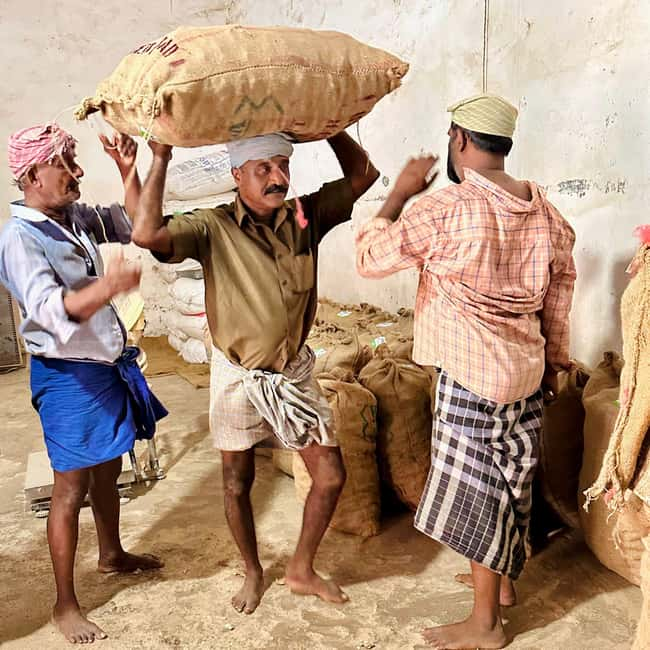
This is also where the tour’s attention to daily work becomes more noticeable. You may pass businesses that still handle traditional products and processes. Activity can be limited on Sundays and public holidays, so the working side of the district is best seen on a regular weekday.
Same streets, a different century:
- Old Delhi Food, Heritage&Cultural Walk with Rickshaw ride to Masterji Kee Haveli
★ 5.0 · 742 reviews - Blue City Heritage Private Walking Tour With Pickup and Drop-Off
★ 5.0 · 441 reviews - Kolkata Heritage Tram Tour
★ 4.0 · 395 reviews - Private Heritage Walking Tour in Jaisalmer Fort and Old Bazaar
★ 5.0 · 306 reviews
Ginger warehouses and Kochi’s spice trade
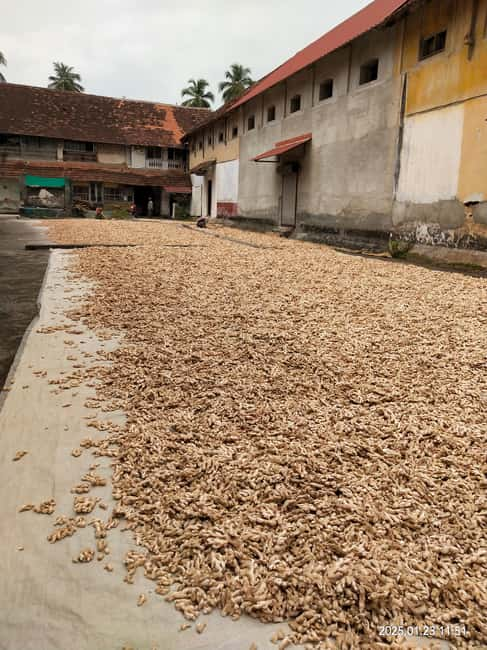
Kochi’s place in world trade was built on spices. Pepper is often the first product people associate with Kerala, but this walk also highlights ginger warehouses and spice processing areas.
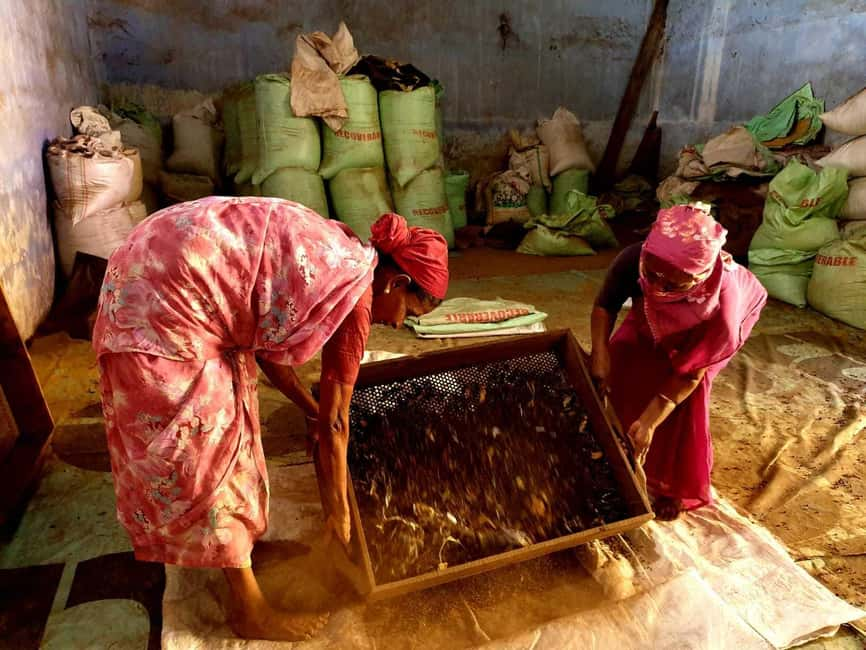
A warehouse visit gives you a better sense of what the spice trade involved. The story is not only about ships and foreign merchants. It is also about storage, sorting, processing, labor, and the movement of products through local streets.
I find this one of the most valuable parts of the walk because it links famous historical trade routes to places that still serve a practical purpose. A museum can explain that Kochi traded spices. A working warehouse can show you how commerce shaped the neighborhood.
Shopping may be part of the stop, but purchases are not included. You can buy spices, handicrafts, or souvenirs if something appeals to you, though you should not feel pressured to purchase. The main value is the explanation of how these products fit into Kochi’s history and present economy.
Candle-making, papadam, and the Dhobi Khana
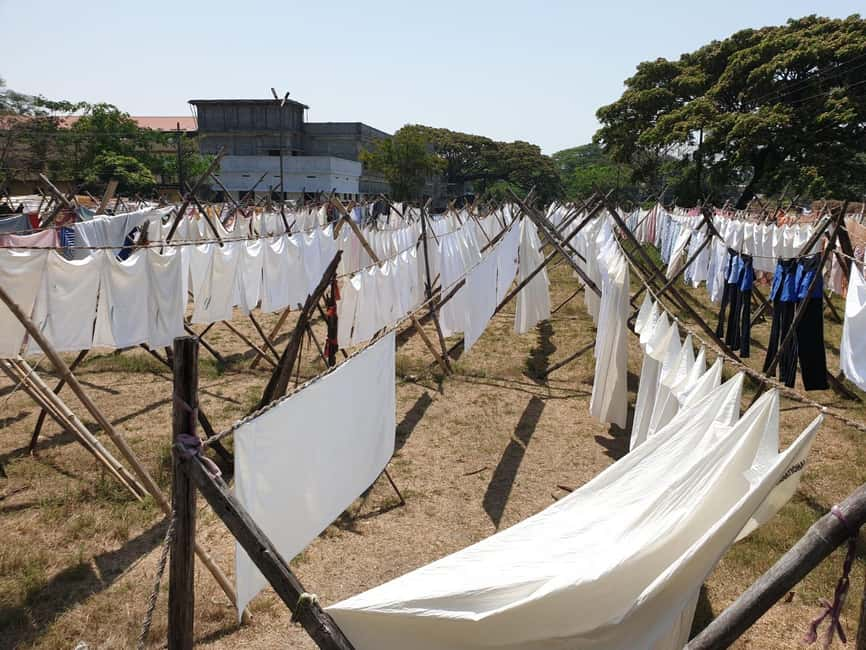
The artisan stops give the tour a welcome change of pace. You may see traditional candle-making and papadam-making units, along with the open-air Dhobi Khana laundry.
These are modest places, but they help explain how neighborhood skills survive. Papadam production connects food traditions to local commerce. Candle-making shows another small-scale craft. The Dhobi Khana offers a look at communal laundry work, a practical service that is easy to overlook when sightseeing.
This section is especially good for you if you prefer ordinary life to a long list of monuments. The businesses may be small and activity can vary, but that is part of the point. You are seeing working places rather than a staged cultural show.
The exact level of activity is not guaranteed. Sundays and public holidays can be quieter, and some artisan units may have limited operations. If these stops are important to you, choose a weekday morning when possible.
The Dutch Palace and the Freedom Fighters’ Jail
The Dutch Palace, also called Mattancherry Palace, is included in the tour. The building helps explain the relationship between European powers and the royal family of Kochi. Despite its common name, the palace has a more complicated history than the label suggests, and your guide provides the context as you visit.
Entry to the Dutch Palace is included in the tour price. The palace is closed on Fridays, so an alternate sight is arranged on that day.
The Freedom Fighters’ Jail adds a different chapter. This lesser-known site recalls India’s independence struggle and the people imprisoned for resisting colonial rule. It is a useful counterpoint to the grander European buildings because it shifts attention from rulers and traders to political resistance.
The jail is included when it is open. Since access can vary, treat it as an important possibility rather than the one stop on which to base your booking decision.
Jew Town and the Paradesi Synagogue
Jew Town is one of the most memorable sections of the walk. The area reflects the long presence of one of India’s oldest Jewish communities and its links with the royal family of Kochi.
The Paradesi Synagogue is the key sight. Inside, you can learn about the community’s religious life and its place in Kochi’s trading society. The surrounding streets add context because the synagogue is not an isolated monument. It sits within an old commercial quarter shaped by coexistence and exchange.
The synagogue entrance fee is not included. The building is closed on Friday afternoon, Saturdays, and Jewish holidays. On those days, the tour uses alternate sights, so check the calendar if seeing the synagogue is a priority.
The Jew Town section can be particularly rewarding if you have already seen Fort Kochi’s churches and colonial buildings. It shows another part of the city’s past, one based on community, trade, and long-term relationships with local rulers.
What Biju adds to the experience
Biju receives the strongest praise for his local knowledge and storytelling. He is described as friendly, professional, passionate about the area, and able to explain both past events and the lives of local people today.
That matters because Kochi’s history can become confusing. Several powers arrived at different times, and buildings often carry more than one cultural influence. Biju’s job is to make those connections understandable while keeping the pace moving.
You can also expect some flexibility. When closures or unusual local conditions affect a stop, Biju can still explain the area and adjust the route. His access to less familiar corners is another benefit, though the exact places can vary with local circumstances.
A short drink stop may be included along the way. Previous departures have included a refreshing local lassi, and there is time for shopping. Food and drinks are not included, so carry some cash if you want to stop or buy something.
Is $25 good value?
At $25 per person, the tour offers solid value if you want more than a quick walk past the main sights. The price includes a local English-speaking guide, the three-hour route, entry to the Dutch Palace, and visits to spice and artisan locations. It also gives you the convenience of connecting three districts in one outing.
The price does not include tuk-tuk fares, the synagogue entrance fee, food, drinks, or personal purchases. Those extra costs should not come as a surprise, but they do mean the final spend will be higher than $25 if you use the transport, enter the synagogue, and stop for refreshments.
I would compare this tour with the cost of hiring a private guide for the same area. The small-group or private format and Biju’s local background make the price reasonable, especially if you want interpretation rather than just directions.
Choosing the best time and preparing well
The morning departure is the better choice for most people. One afternoon departure in February was described as very hot and humid, and Fort Kochi’s streets can feel demanding when the sun is strong.
Wear comfortable walking shoes and light clothing that meets local expectations. Short skirts and sleeveless shirts are not allowed, so bring a scarf or wear clothing that covers your shoulders and knees. Sunscreen, insect repellent, sunglasses, a hat, and an umbrella are useful additions.
This is not a suitable outing for wheelchair users, people with mobility impairments, pregnant women, or anyone with severe back problems or heart conditions. Children aged six and older can join, but an adult must accompany them.
The tour is family-friendly, though younger children need to be comfortable walking for several hours and making short tuk-tuk rides. If you want a relaxed pace with frequent sitting, this is not the right format.
Who should book this Fort Kochi heritage walk?
I would choose this tour if you want to understand how Kochi’s communities, trade, and colonial powers fit together. It is especially useful early in your stay because it gives you a map of the city and context for later visits.
Book it if you enjoy:
- Local stories more than a formal lecture
- Working markets and small businesses
- Food and spice traditions
- Religious and cultural history
- Short rides mixed with walking
- A guide who can adjust explanations to your interests
You may want a different option if your priority is a slow café morning, a short sightseeing loop, or a fully air-conditioned experience. The walk covers a lot of ground, and the heat can be a real factor.
Should you book it?
Yes, if you want Fort Kochi explained by someone who grew up there. The best reasons to book are Biju’s local storytelling, the visits to working spice and craft sites, and the chance to connect Fort Kochi, Mattancherry, and Jew Town in one outing.
Choose a morning time, confirm the synagogue’s opening day, and budget separately for tuk-tuk rides and the synagogue fee. With those details in mind, this is a strong-value introduction to Old Kochi, especially for anyone who wants the city’s living culture alongside its famous monuments.
FAQ
How long does the Fort Kochi heritage tour last?
The tour lasts three hours. You should be prepared to walk for up to three to three and a half hours, with short tuk-tuk rides between some areas.
Where does the tour meet?
Meet your guide in front of Kashi Art Café on Burger Street, Fort Nagar, Fort Kochi, Kerala 682001. Guide details are sent by WhatsApp or email before the tour.
Who leads the tour?
The tour is led by Biju, a local storyteller born in Old Kochi. The tour is conducted in English.
Which areas does the tour visit?
The route covers Fort Kochi, Mattancherry, and Jew Town. It includes cultural, religious, commercial, and colonial sites across the three districts.
Is the Dutch Palace entrance included?
Yes. Entry to the Dutch Palace, also called Mattancherry Palace, is included in the tour price. The palace is closed on Fridays, when an alternate sight is included.
Is the Paradesi Synagogue entrance fee included?
No. The synagogue entrance fee is paid separately. The synagogue is closed on Friday afternoon, Saturdays, and Jewish holidays, with alternate sights used on those days.
Are tuk-tuk rides included?
No. Tuk-tuk transfer fees from Fort Kochi to Mattancherry are not included. The tour does use short tuk-tuk rides between some parts of the route.
What should I wear and bring?
Wear comfortable shoes and clothing that covers your shoulders and knees. Bring sunglasses, a hat, sunscreen, insect repellent, an umbrella, and a scarf.
Can children or people with limited mobility join?
Children aged six and older can join when accompanied by an adult. The tour is not suitable for pregnant women, wheelchair users, people with mobility impairments, or people with severe back problems or heart conditions.
Newest history tours we have reviewed in India
- Historical Tour including Unesco Kangra fort & Rock cut temple from Dharamshala★ 5.0 · 27 reviews
- Colonial Heritage Walking Tour in Darjeeling★ 5.0 · 55 reviews
- Georgetown heritage walking tour in Chennai about the founding of Chennai★ 5.0 · 144 reviews
- Private Chennai Day Tour – Art History and Contemporary Chennai★ 5.0 · 21 reviews
- Chennai Heritage & Cultural Walk (2 Hours Guided Walking Tour)★ 3.5 · 32 reviews
- Exploring Mylapore: A Cultural & Historical Walking Tour★ 5.0 · 42 reviews
- See Bangalore through my eyes (Cultural / Historical / Walking Tour)★ 5.0 · 60 reviews
- Treasures of Mysuru – day tour★ 5.0 · 27 reviews
History Walking Tours, compared.

History and Hauntings of Salem Guided Walking Tour
Read our review →

Freedom Trail History Small Group Walking Tour
Read our review →
Historic Charleston Guided Sightseeing Walking Tour
Read our review →
Tapas Walking Tour with Food, Wine, and History
Read our review →
Savannah History and Haunts Candlelit Ghost Walking Tour
Read our review →
A History of Terror – Belfast City Centre Walking Tour
Read our review →Browse the lists this tour appears in