
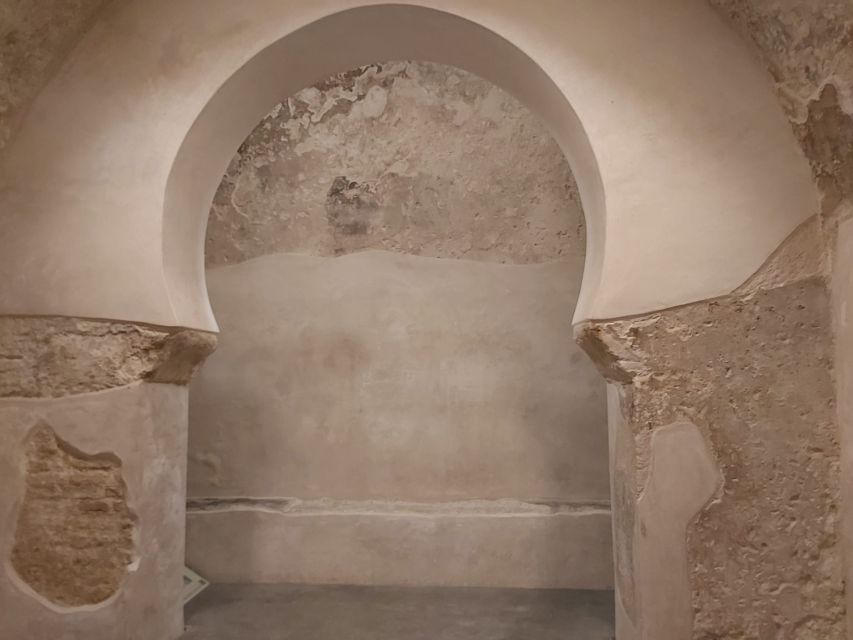
Review · SPAIN HISTORY TOURS
Toledo: Ancient Underground City Tour in Spanish
Toledo’s grand churches and stone lanes get most of the attention, but this tour takes you below street level, into old baths, wells, tunnels, and Roman spaces. You visit five underground locations, including an 11th-century Arab hammam and a former mosque well, while your guide explains how Toledo’s three major cultures shaped the city.
I like the mix of solid history and old legends. I also like the price: at $15, two hours of guided access to several sites is a good deal. The main drawback is simple: the tour is Spanish only, and the underground settings are not suitable for people with mobility impairments.
Key points at a glance
- Five underground stops: See Arab baths, Roman baths, a historic well, the Church of the Savior, and the House of the Jew.
- Three cultural influences: The tour connects Roman, Jewish, and Muslim chapters of Toledo’s past.
- Two hours underground: The pace gives your guide time to explain details rather than rush you from door to door.
- Spanish-language storytelling: Ruth, one of the guides, has been praised for clear explanations and lively anecdotes.
- Good value at $15: Entry to the sites and a specialist guide are included.
- Come prepared: Wear comfortable shoes, and do not plan to record video.
Why Toledo’s underground spaces matter
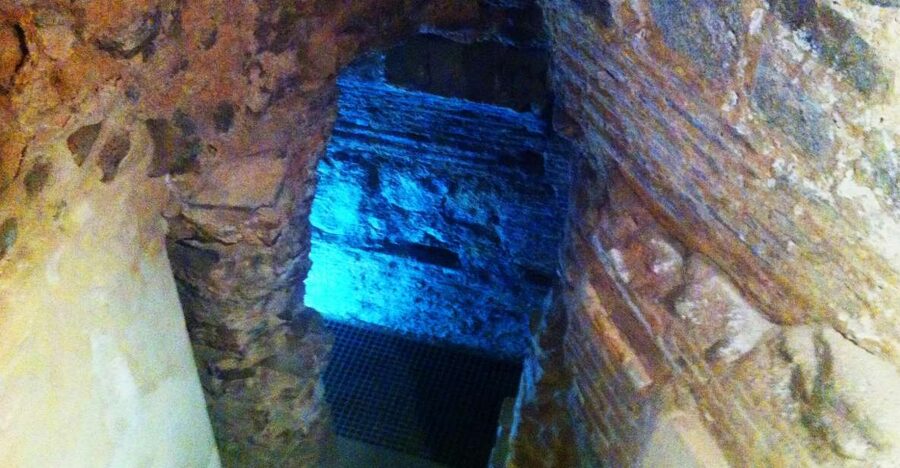
Toledo was built in layers, and those layers continue below its streets. People excavated the local rock to store water, make shelter, build baths, create tunnels, and provide secret routes during periods of conflict. Some spaces had an everyday purpose. Others became wrapped in legends over the centuries.
That mix is what gives this tour its appeal. You are not simply looking at old stone rooms. You are learning why the rooms were made and how later cultures reused them. A water source could become part of a religious building. A Roman structure could remain useful long after Roman rule ended. A bath could serve both practical and social purposes.
I like tours that make you look twice at ordinary parts of a city. In Toledo, a doorway or quiet courtyard may conceal a structure far older than the building above it. The underground setting helps you see the city as a place rebuilt many times, not as a single preserved medieval scene.
The stories also need a little care. Centuries-old legends can blur the line between what is documented and what people later imagined. A good guide helps you enjoy both without treating every tale as proven fact. This tour promises curiosities and legends alongside historical explanation, which should suit anyone who likes a little mystery with the archaeology.
More Ancient History Tours in Spain:
- Mojo Workshop Cooking Class in Ancient Canarian Village
★ 4.9 · 127 reviews - Cartagena: Ancient Roman Walking Tour with Entry Tickets
★ 4.5 · 89 reviews - Colosseum: Underground and Ancient Rome Tour
★ 4.7 · 12,691 reviews
The Bath Cenizal and the 11th-century hammam
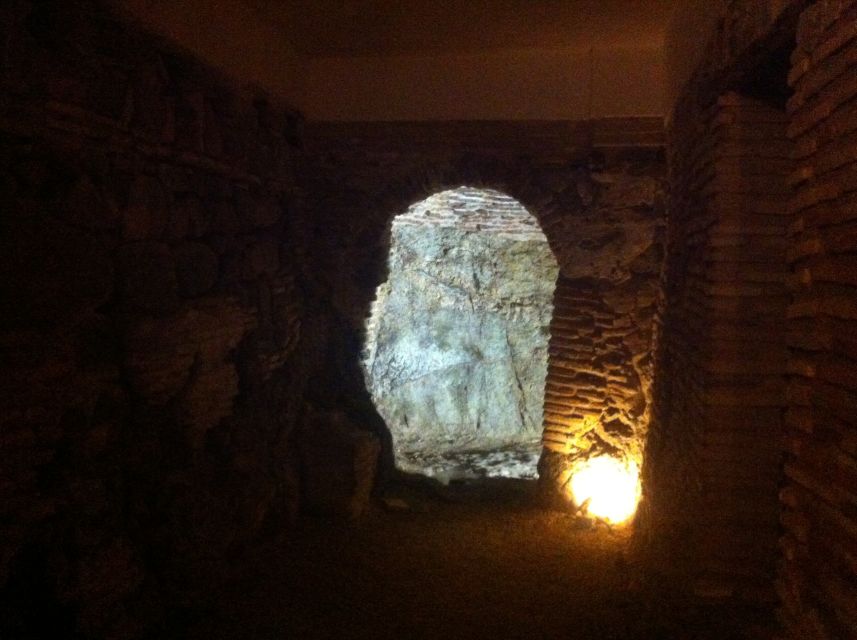
One of the main stops is the Bath Cenizal, an Arab bathhouse dating from the 11th century. It is also described as an old hammam, so this visit gives you a direct look at the role of bathing in Muslim Toledo.
Your guide explains the building’s architectural details and how it was used. That context matters because an old bath is easy to misread. A bare room with arches and stone surfaces may not tell you much on its own. Once you understand how the hammam worked, the design begins to make sense.
The baths were not just about washing. They were connected to daily life, social contact, and the city’s wider customs. The building’s form reflects practical needs, but it also shows how architecture supported a shared public routine.
This is a useful stop for visitors who want more than a quick photograph. The value comes from the explanation of why the space was built in that way and what happened inside it. Expect an enclosed historic site rather than a polished museum display.
The old Nuncio Roman baths
The next major setting is the old Nuncio Roman baths, linked to Roman Toledo. These baths served as a social space, not merely a place for personal cleaning. That distinction gives the stop more weight than its surviving stonework might suggest.
Roman baths often tell you how a city functioned. They point to public life, engineering, and the ways people spent time together. Here, your guide explains how the Romans built the space and how it was reused later.
Reuse is one of the strongest ideas running through the tour. Toledo’s underground structures did not simply vanish when one civilization gave way to another. Later residents adapted what was already there, sometimes changing the purpose while keeping parts of the original structure.
You may find this stop especially interesting if you enjoy seeing how ancient construction survives inside a later city. It also provides a clear comparison with the Arab hammam. The two sites served related purposes, but they belong to different periods and traditions. Seeing both helps you understand Toledo through its built remains, not only through dates and famous names.
Salvador’s Well and the mosque connection
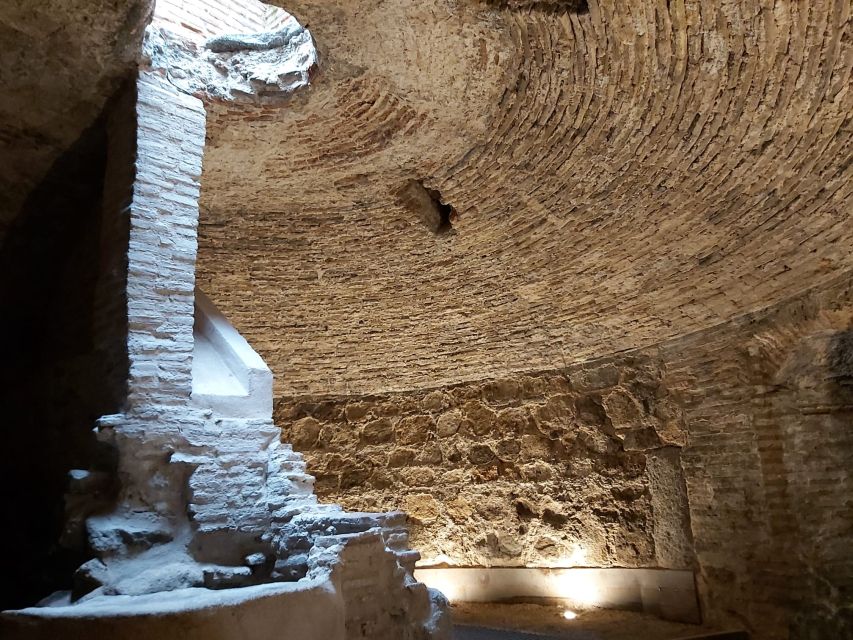
Salvador’s Well dates from the 11th century and once belonged to a mosque. This is a small but important detail because wells were vital in a city where underground water storage shaped daily life.
The well connects practical infrastructure with religious architecture. Water had an obvious everyday role, but its location within a mosque complex also carried cultural and religious meaning. Your guide explains that earlier use before taking you onward to the Church of the Savior.
This stop is a good reminder that Toledo’s story cannot be separated into neat Roman, Muslim, and Christian boxes. Buildings changed hands, names changed, and older foundations remained part of later structures. The well allows you to see that process in one specific place.
I would pay close attention here, since a well can seem less visually dramatic than a bathhouse or church. Its importance lies in the story it carries. If you enjoy the practical side of urban history, this may be one of the most rewarding stops.
More History Tours in Spain:
- Madrid Essential: Historic Center, Plaza Mayor & Royal Palace
★ 5.0 · 6,416 reviews - Barcelona: Tapas Walking Tour with Food, Wine, and History
★ 4.8 · 4,261 reviews - Sevilla Food Tour: Tapas, Wine, History & Traditions
★ 5.0 · 3,468 reviews - Valencia Old Town Tour with Wine & Tapas in 11th Century Historic Monument
★ 5.0 · 3,234 reviews
The Church of the Savior and the House of the Jew
The route continues to the Church of the Savior, followed by the House of the Jew. The supplied details do not describe every room or feature at these locations, so you should expect your guide’s commentary to provide much of the meaning.
The Church of the Savior is particularly useful in the sequence because it follows the visit to the former mosque well. That order helps show how religious sites and urban structures changed over time. The underground remains are not isolated curiosities. They are tied to the buildings and communities above them.
The House of the Jew adds another part of Toledo’s cultural story. Along with the Roman and Muslim elements, it points to the Jewish influence included in the tour’s wider account of the city. Taken together, the five stops present Toledo as a place shaped by three major cultural traditions.
Do not expect five equally large underground complexes. The appeal is the range of spaces and the connections between them. Some stops may be brief but still useful because they complete the larger picture.
What the guide adds in Spanish
This is a live tour with a Spanish-speaking guide who specializes in Toledo’s history. The guide is not there simply to open doors. The main value is the explanation of construction, reuse, local customs, legends, and historical context.
Ruth has received particularly warm praise for staying with the group for more than two hours and expanding the visit with history and anecdotes. If Ruth leads your tour, you can expect a personal, explanatory style rather than a bare list of dates. Her approach is described as clear and focused on making sure people understand.
That said, the tour is conducted in Spanish. You should be comfortable following spoken Spanish for two hours, especially when the guide is explaining architectural features and historical changes. This is not the right choice if you need English commentary or a multilingual format.
A Spanish-speaking visitor who wants local context may get more from this experience than from a self-guided walk. The guide can connect one underground site to the next and explain details that are easy to miss when you are exploring alone.
Is two hours enough?
Two hours is a useful length for this subject. It gives you time to visit five locations without turning the experience into an all-day commitment. You can fit it into a Toledo sightseeing day alongside the city’s major churches, synagogues, museums, and viewpoints.
A tour of this length also needs a steady pace. You will move from site to site, listen to explanations, and spend time in enclosed spaces. Comfortable shoes are important, even though the full route details are not provided. Stone floors and old underground passages are rarely the place for flimsy footwear.
The tour may run slightly over two hours. A recent visit led by Ruth lasted more than two hours, with extra historical detail and anecdotes. That can be a benefit if you enjoy explanation, but leave a little flexibility in your schedule rather than booking something immediately afterward.
The experience is not suitable for people with mobility impairments. The underground locations may involve access conditions that make the route difficult. If mobility is a concern, check with the provider before booking rather than assuming the sites will be accessible.
The value of a $15 Toledo tour
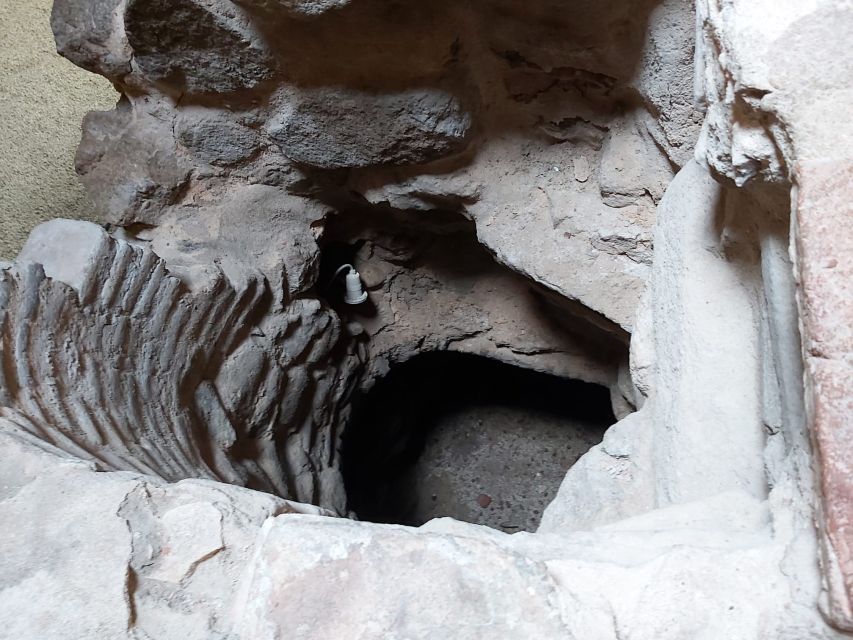
At $15 per person, this is one of the easier Toledo activities to justify. The price includes entry to the sites and a specialist Spanish-speaking guide. You are paying for access to several places that are not part of a normal walk through the city, along with interpretation that helps explain what you see.
The value is strongest if you are interested in the less obvious parts of Toledo. A standard city walk can show you grand façades and famous monuments. This tour gives you a different kind of detail: water systems, baths, underground construction, reused foundations, and the links between religious and civic spaces.
Food and drinks are not included, but that is not much of a concern for a two-hour activity. Plan to eat before or after, depending on your schedule.
Free cancellation is available up to 24 hours before the tour for a full refund, and you can reserve while paying later. Those terms make it easier to fit the tour into a changing Toledo itinerary.
The meeting point is the hall at number 7. At the end of the hall, on the right, you will find the Secretos de Toledo office. Give yourself enough time to locate it, especially if you are arriving from another part of the old city.
Practical tips before you book
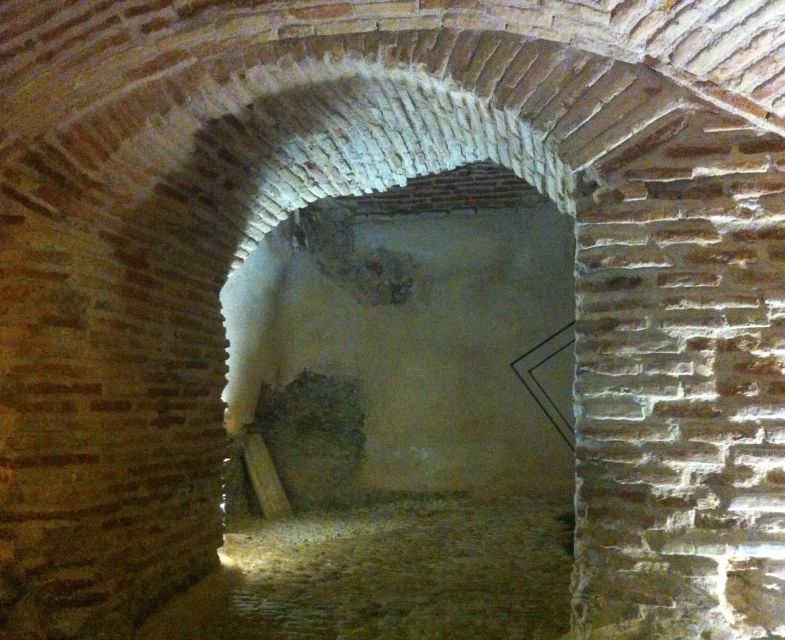
Wear comfortable shoes. The tour involves several historic underground locations, and comfort matters more than style here.
Bring your attention rather than a camera plan. Video recording is not allowed. You can still enjoy the spaces directly, but you should not expect to film the guide’s explanations or record the route.
Think carefully about language. Spanish is the only listed tour language. If you understand Spanish well enough to follow a detailed spoken explanation, the format should work. If not, the price will not compensate for missing the main content.
Keep your schedule flexible after the tour. Two hours is the stated duration, but a detailed guide such as Ruth may continue beyond that time.
This tour suits you best if you enjoy archaeology, old water systems, religious history, architecture, and local legends. It is less suitable if you want a broad introductory walk through Toledo’s main sights or if underground access is uncomfortable for you.
Should you book this underground Toledo tour?
Book it if you want to see a side of Toledo that most surface sightseeing misses, and if you can follow Spanish comfortably. The five-stop route gives you a clear look at Roman, Muslim, Jewish, and Christian layers, while the $15 price keeps the outing easy to add to your day.
The strongest reasons to go are the 11th-century Arab baths, the Roman social baths, and Salvador’s Well, which once belonged to a mosque. The guide’s stories and explanations make the old stone useful rather than merely atmospheric.
Skip it if you need an English-language tour, have mobility limitations, or prefer Toledo’s grand monuments to smaller underground spaces. For Spanish speakers who like history with a few legends mixed in, this is a practical and fairly priced choice.
FAQ
What language is the tour conducted in?
The tour is conducted in Spanish, with a live Spanish-speaking guide who specializes in Toledo’s history.
How long does the underground tour last?
The stated duration is two hours. A tour led by Ruth has lasted more than two hours, so leave some extra time in your schedule.
Which underground sites are included?
The route includes five underground locations: the Bath Cenizal, the old Nuncio Roman baths, Salvador’s Well, the Church of the Savior, and the House of the Jew.
What is included in the $15 price?
Entry to the sites and a Spanish-speaking guide specialized in Toledo’s history are included. Food and drinks are not included.
Where is the meeting point?
Enter the hall at number 7. The Secretos de Toledo office is at the end of the hall on the right.
Can I record video during the tour?
No. Video recording is not allowed.
Newest history tours we have reviewed in Spain
- Visita Guiada Por El Casco Histórico De Cuenca Y Su Catedral★ 5.0 · 45 reviews
- Mosque of Cordoba History Tour in English Tickets included★ 5.0 · 257 reviews
- Jerez de la Frontera History and Art Walking Tour★ 4.5 · 49 reviews
- 2 Hours Tour around Cádiz: History, anecdotes and curiosities★ 5.0 · 89 reviews
- The Authentic Bilbao Pintxos, Food & Wine Tour with a Local★ 5.0 · 360 reviews
- Bilbao Historical Small Group Tour★ 4.5 · 159 reviews
- Barcelona Jewish & Gothic Tour★ 5.0 · 18 reviews
- Andorra Original History and Sightseeing Tour (Private, Pickup)★ 5.0 · 350 reviews
Ancient History Tours, compared.
Colosseum: Underground and Ancient Rome Tour
Read our review →
Colosseum & Ancient Rome with Arena Floor Option I Max 6 People
Read our review →
Colosseum, Ancient Rome Tour or AudioGuided Tour
Read our review →
Colosseum Underground & Ancient Rome Guided Tour
Read our review →
Taormina: Ancient Theater Skip-the-Line Ticket & Audio Guide
Read our review →
Discover the Ancient Ruins of Pompeii: Day Trip from Rome
Read our review →
Discover Matera, the ancient city – English tour
Read our review →Browse the lists this tour appears in