
Review · USA HISTORY TOURS
Old Louisville: History and Architecture Walking Tour
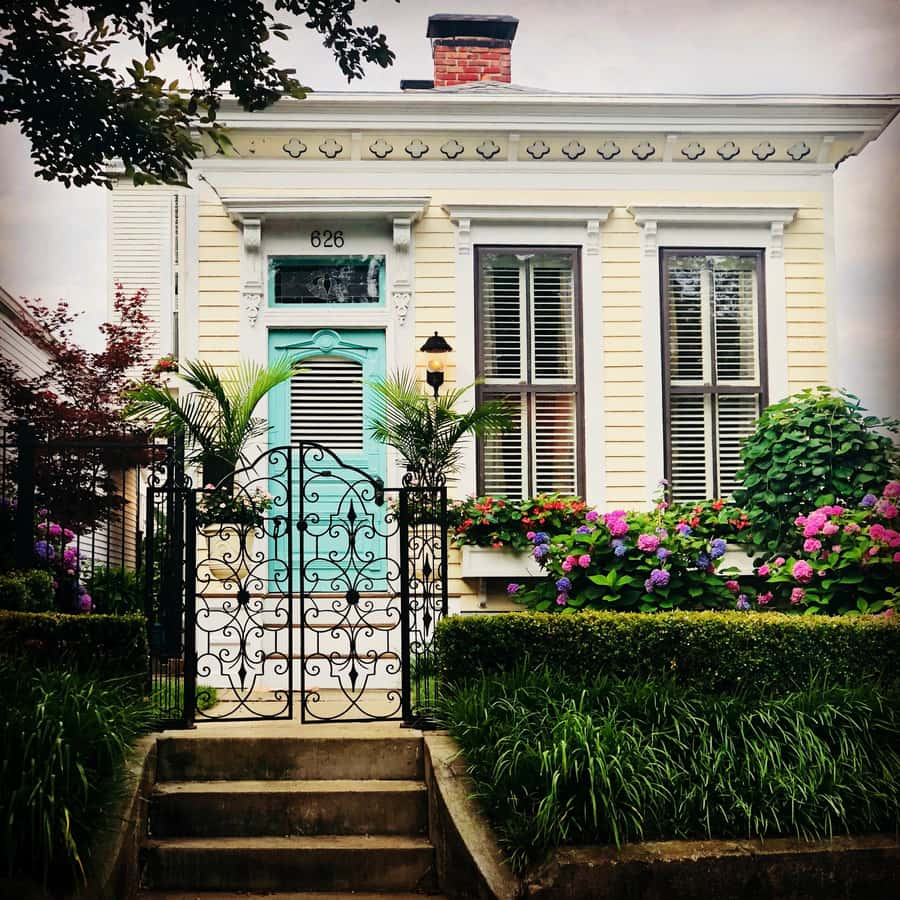
Old Louisville is the kind of neighborhood that makes you slow down. In 90 minutes, you pass grand Victorian mansions, small cottages, churches, alleyways, and gas-lit courts in the 45-square-block district once favored by Louisville’s wealthiest families. The architecture is the main event, but the stories behind the houses give the walk its spark.
I like two things right away. First, the guides explain the mix of Italianate, Queen Anne, Richardsonian Romanesque, Châteauesque, Renaissance Revival, and Georgian design in plain language. Second, the route includes corners you could easily miss alone, including secluded Floral Terrace and leafy Central Park. The main drawback is practical: there is no bathroom stop, and you need to walk for the full 90 minutes.
Key points to know before you book
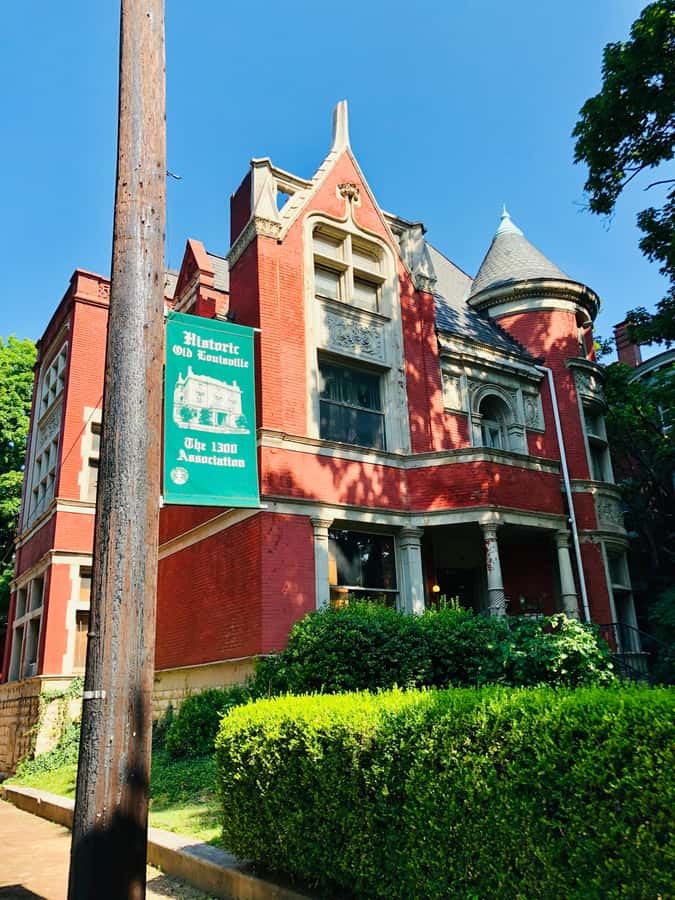
- A close look at Victorian Louisville: See the district where bourbon barons, tobacco leaders, racetrack royalty, and other wealthy residents built fashionable homes in the late 1800s.
- Guides who make the buildings memorable: David, Val, Gabe, Brenda, Liam, and Angelique have led tours marked by local stories, architectural detail, humor, and plenty of time for questions.
- More than mansion spotting: The walk includes cottages, churches, hidden lanes, gas-lit walking courts, Floral Terrace, and Central Park.
- A flat, steady 90-minute route: It is manageable for many walkers, but you must be comfortable going without a bathroom break.
- Good value at $27: You get a live guide and a focused introduction to one of Louisville’s most distinctive areas without paying for museum admission or a long half-day outing.
- Simple meeting point: Find the brown Welcome to Old Louisville sign at South Fourth Street and West Ormsby Avenue, one block north of Central Park.
Why Old Louisville deserves a walking tour
Old Louisville grew during the late 19th century, when the Southern Exposition brought large crowds and fresh attention to the city. Wealthy Louisville families began building south of downtown, creating a new suburb of elaborate residences and formal streets.
That background matters because the district is not simply a collection of old houses. It reflects a particular moment when success was displayed through stone, brick, towers, porches, decorative trim, and unusual combinations of styles. As you walk, you can see how owners used architecture to signal taste, money, ambition, and connection to the wider world.
The area is often called America’s Grandest Victorian Neighborhood, and the nickname makes sense once you see how much survives within a compact 45-square-block area. You do not need to be an architecture specialist to enjoy it. A good guide points out the clues: rounded arches, steep roofs, ornate woodwork, heavy stonework, symmetrical façades, and the different ways each style handles windows and entrances.
I especially like this kind of tour for the first day of a Louisville visit. It gives you a sense of place that a drive through downtown cannot provide. You are close enough to the city center to keep the outing convenient, yet the streets feel separate from the commercial core.
More History Walking Tours in the USA
- History and Hauntings of Salem Guided Walking Tour
★ 5.0 · 14,564 reviews - Boston: Freedom Trail History Small Group Walking Tour
★ 5.0 · 6,450 reviews - Historic Charleston Guided Sightseeing Walking Tour
★ 5.0 · 6,216 reviews
Meeting at South Fourth Street
The address for navigation is 1300 South Fourth Street, but do not look for a tour office or an indoor check-in desk. Meet your guide outside, in front of the brown Welcome to Old Louisville sign at the corner of South Fourth Street and West Ormsby Avenue.
The sign is one block north of Central Park, which gives you a useful landmark. Arrive with enough time to identify the guide and settle in before the walking begins. The tour returns to this same corner at the end, so you do not have to arrange a separate pickup or figure out where the route finishes.
This setup is simple, but it is worth knowing in advance. If you expect to walk into a building and check in at a counter, you could waste time searching. Instead, look for the guide on the corner.
The tour is near public transportation, and hotel pickup and drop-off are not included. You are responsible for reaching the starting point. Since the activity ends where it begins, it can fit neatly into a morning or afternoon plan near downtown.
Grand residences and the people who built them
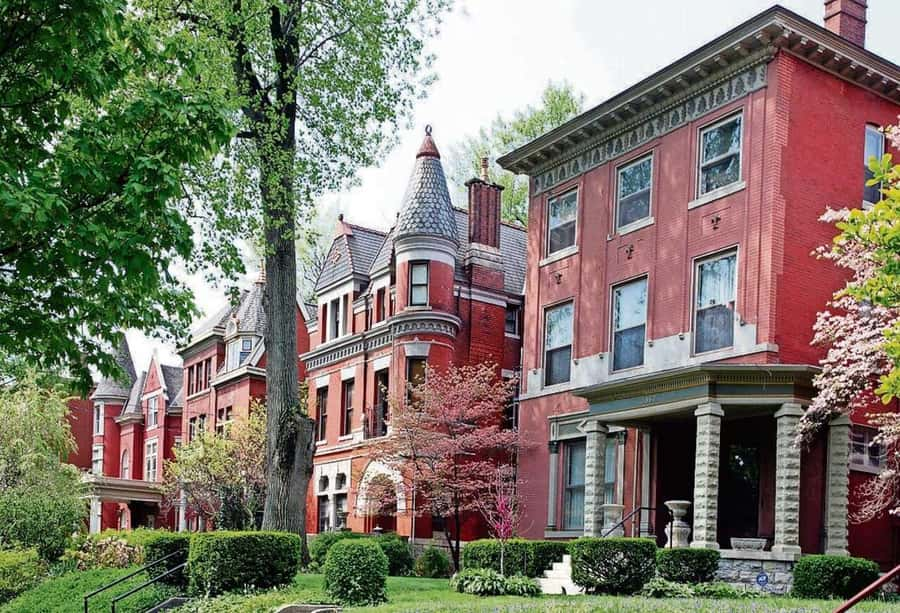
The heart of the walk is the collection of residences. The district includes imposing mansions, smaller cottages, shotgun-style homes, and many designs between those extremes. That variety keeps the outing from becoming a repetitive parade of large houses.
You will see how 19th-century architects borrowed from several traditions. Italianate details may appear beside the dramatic stonework of Richardsonian Romanesque. Queen Anne homes bring a more playful mix of shapes and decoration, while Châteauesque designs can look almost theatrical. Renaissance Revival and Georgian influences add their own sense of order and formality.
The best part is the connection between design and people. Guides such as David, Val, Gabe, and Angelique are praised for explaining not only what a house looks like, but also how the families who lived there shaped the area. Anecdotes about owners, local legends, and changes over time make the façades easier to remember.
This is also where the guide’s speaking style matters. David is described as a strong storyteller who adds trivia and local insight. Angelique is noted for bringing together architectural information and memorable stories. Gabe’s tours are known for an easy pace, questions, and an upbeat approach. Val is praised for clear architectural detail and a calm rhythm.
Guide assignments can change, so you should not book expecting one particular person. Still, the repeated pattern is clear: the tour depends on a live guide, and the guide is central to the experience. You get more than a printed list of architectural terms.
Floral Terrace and the small details
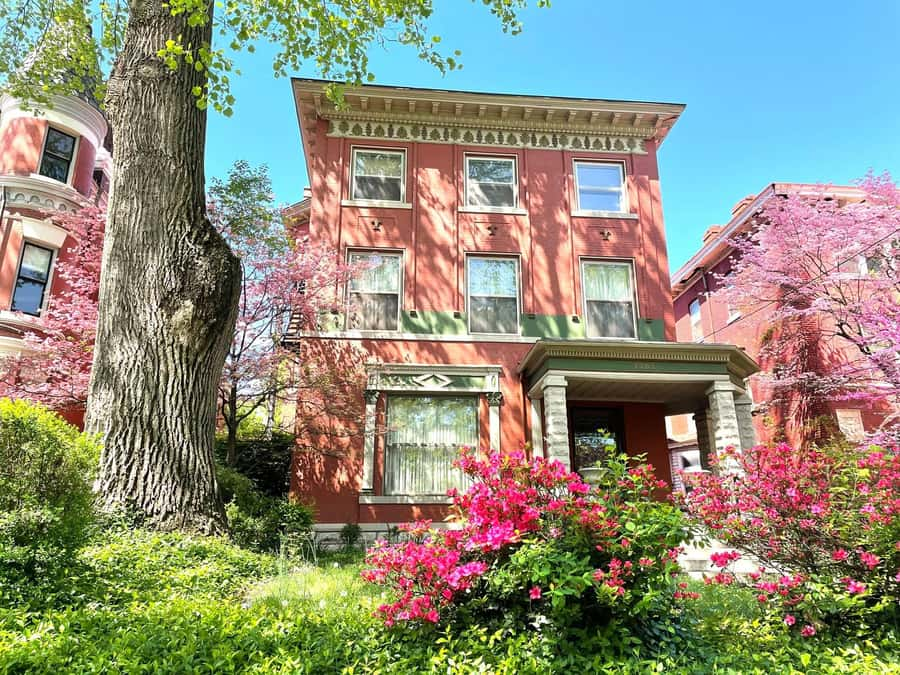
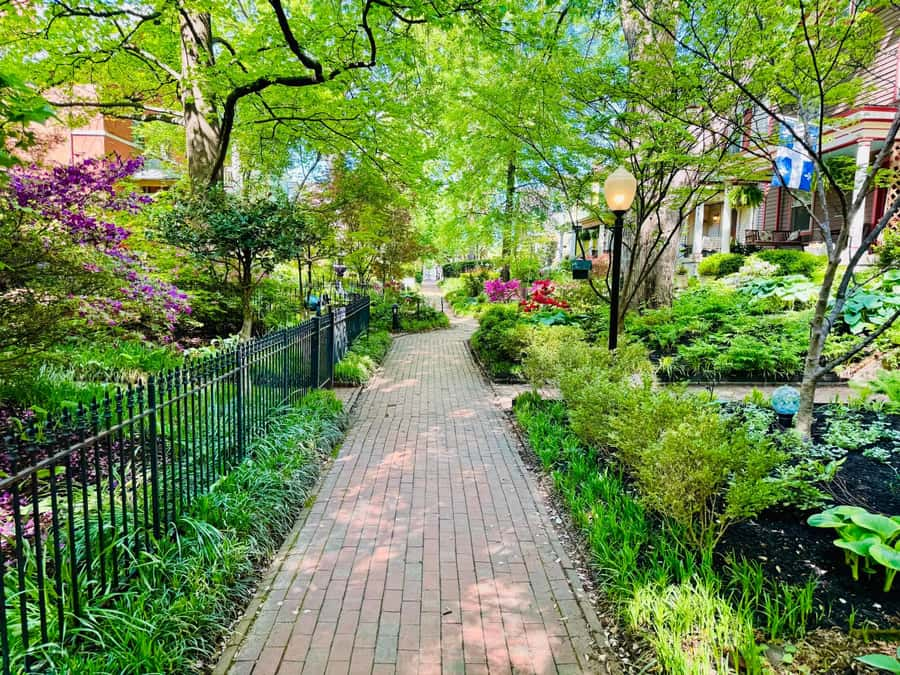
Old Louisville’s grand houses get the attention, but some of the most appealing parts of the route are smaller and quieter. Floral Terrace is one of those places. The secluded setting gives you a break from the broader streets and lets you see how intimate spaces fit into the district’s formal design.
The charming walking courts and gas-lit lanes are another reason to take the guided route. They are the sort of details you might pass without understanding if you were simply following a map. A guide can explain why these spaces were created and how they fit into the neighborhood’s past and present.
Bring a camera, but do not spend the entire walk looking through it. The value of this tour is the combination of visual detail and explanation. You may want photos of the unusual rooflines, brickwork, porches, and narrow lanes, but keep your attention on the guide when the group stops.
The tour also gives you chances to compare houses. One home may feel formal and balanced, while another uses towers, curves, and decorative flourishes more freely. Seeing these differences side by side is more useful than studying architectural styles in isolation.
More Architecture and Landmark Tours in the USA:
- Chicago in a Day: Food, History & Architecture Walking Tour
★ 5.0 · 1,153 reviews - Historic Charleston Walking Tour: Rainbow Row, Churches, and More
★ 5.0 · 691 reviews - Charleston’s Best Highlights: History, Culture & Architecture
★ 5.0 · 422 reviews - Charleston: History and Architecture Guided Walking Tour
★ 4.8 · 349 reviews
Central Park gives the route a graceful finish
The walk includes leafy Central Park after the quieter charms of Floral Terrace. This helps the itinerary feel varied. You are not spending the entire 90 minutes on one type of street or looking at only one kind of building.
Central Park also provides a sense of how Old Louisville connects to public space. The neighborhood’s identity comes from both private residences and shared outdoor areas. The park is close to the meeting point, so it also helps you understand the geography of the district.
Do not expect a long park visit or a separate attraction with an admission fee. The tour uses the park as part of the walking experience. Its value is in the change of scenery and the chance to place the neighborhood’s architecture in a broader setting.
What the 90-minute pace feels like
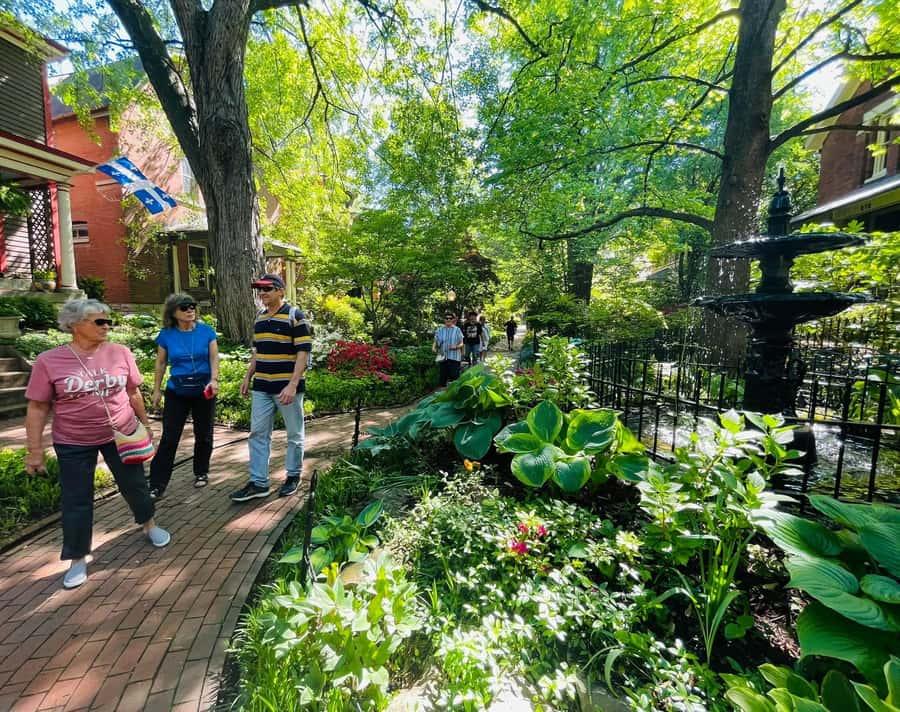
This is a steady walking tour rather than an athletic outing. The route is described as flat and easy to manage, with regular stops to look at houses and hear stories. You should still wear comfortable shoes. Even a level route can become tiring if you are unprepared for continuous walking.
The full 90 minutes pass quickly when the guide keeps the group moving and adds anecdotes. Several guides are praised for making the time feel short, while one participant wished the tour lasted longer. That is a good sign if you want a focused introduction, but it also tells you what this is not: a slow, detailed inspection of every block.
You do not enter homes or churches. The experience is about exteriors, streets, courts, and public areas. If you want to see the inside of historic buildings, you will need a separate activity.
There is also no bathroom stop. The practical rule is clear: attend only if you can walk for 90 minutes without one. Bring water, dress for the weather, and plan around heat, cold, wind, or rain. A guide has continued tours in heavy rain, but that does not mean poor weather will be comfortable for you.
How much value do you get for $27?
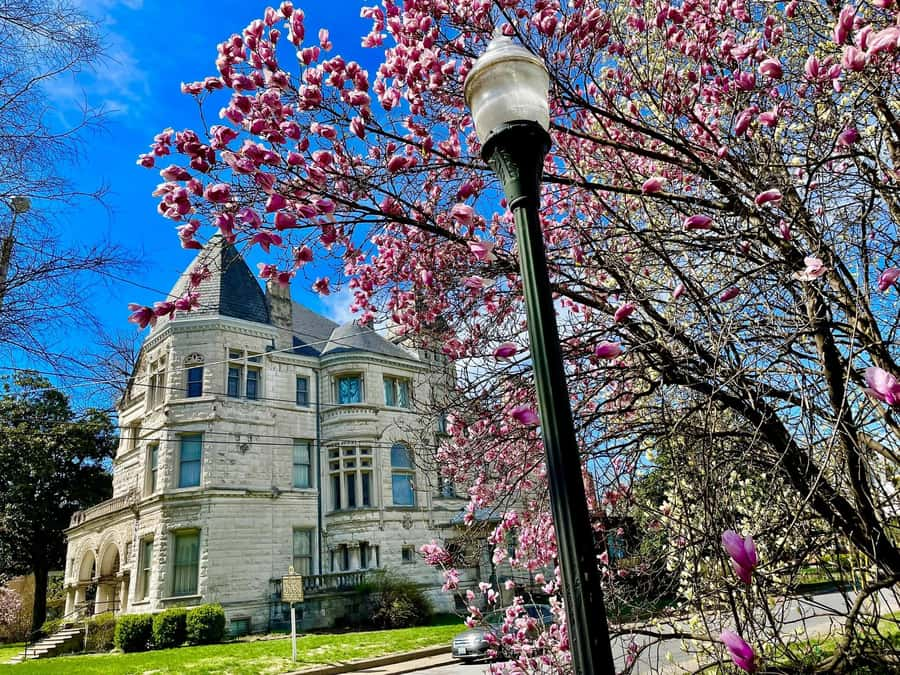
At $27 per person, this is a reasonable price for a live, focused introduction to Old Louisville. You are paying for a guide who can identify architectural styles, explain local history, answer questions, and lead you into places you might skip on your own.
The value is strongest if you are new to Louisville or if you enjoy architecture but do not want a long formal lecture. You cover a lot in 90 minutes without committing a full day. The route also gives you context for later walks, meals, or independent exploring in the district.
The price is less attractive if you prefer to wander silently with a camera or if you already know Old Louisville well. Since there are no interior visits or included refreshments, the experience depends on how much you value interpretation.
For most first-time visitors, the short length helps the math. You can fit it between other Louisville plans, and the tour ends at the same place it starts. Free cancellation up to 24 hours before the activity and the option to reserve now and pay later add useful flexibility.
Who will enjoy this tour most
I would recommend it to first-time Louisville visitors, architecture fans, history-minded walkers, and anyone who wants a local introduction without a full-day commitment. It also works well for a group of friends attending a convention or spending a morning near downtown.
The tour suits you if you like asking questions. Small groups have allowed guides such as David to respond to specific interests, and the format encourages conversation at stops. If you enjoy hearing why a building looks the way it does, you will get more from this than from a self-guided stroll.
It may not suit you if you have a low fitness level, back problems, heart problems, or a pregnancy-related concern. The activity information specifically advises against booking for those conditions. The route is wheelchair accessible, but all participants still need to manage the 90-minute duration and the lack of a bathroom break.
Children are not specifically addressed in the available details, so I would judge that choice by your child’s ability to walk, listen, and stay with the group for the full outing.
Practical tips for a better walk
Wear shoes you can trust on a 90-minute city walk. Bring water, and check the forecast before leaving. Layers are useful because the tour is outdoors from start to finish.
Arrive at the brown sign rather than searching for an office. The guide meets the group directly on the corner. Give yourself time to locate South Fourth Street and West Ormsby Avenue, especially if you are coming by public transportation.
Keep your phone or camera ready for the smaller details. The tour includes secluded lanes and architectural features that are easy to miss. At the same time, pause your photography when the guide is explaining a house, since the stories are what turn a pleasant walk into a useful one.
Plan a bathroom stop before you arrive. The tour does not provide one, and you need to be able to continue without a break.
Should you book the Old Louisville walking tour?
Book it if you want to understand Louisville through its buildings rather than simply photograph them. The strongest part is the guide-led interpretation: architectural styles, family stories, local legends, and the odd detail that makes one house stick in your mind.
At $27, the tour offers a good introduction to a compact, unusual district. It is flat, fairly short, wheelchair accessible, and close to public transportation. The tradeoffs are clear: no interiors, no bathroom stop, no hotel transfer, and full exposure to the weather.
I would choose this early in a Louisville visit, then return to Old Louisville afterward if a particular street or house caught your attention. If you want a relaxed walk with plenty of visual variety and a guide who can connect buildings to the city’s past, this is a smart booking.
FAQ
How long is the Old Louisville walking tour?
The tour lasts 1.5 hours, or 90 minutes.
How much does the tour cost?
The listed price is $27 per person.
Where does the tour meet?
Meet in front of the brown Welcome to Old Louisville sign at the corner of South Fourth Street and West Ormsby Avenue. The location is one block north of Central Park.
Does the tour return to the starting point?
Yes. The activity ends back at the meeting point on South Fourth Street.
Is hotel pickup included?
No. Hotel pickup and drop-off are not included.
Is the tour offered in English?
Yes. The live guide conducts the tour in English.
Is the tour wheelchair accessible?
Yes. The tour is listed as wheelchair accessible.
Do you enter homes or churches?
No. Entrance into homes and churches is not included. The tour focuses on outdoor architecture and public areas.
Is there a bathroom stop?
No. You must be able to walk for 90 minutes without a bathroom break.
What should you bring?
Bring comfortable shoes, water, and clothing suited to the weather.
Newest history tours we have reviewed in the USA
- Self Guided Detroit’s Spirit and History Solo Walking Tour★ 4.5 · 41 reviews
- Best Downtown Detroit Historical Walking Tour★ 5.0 · 56 reviews
- Detroit’s Hidden History Guided Walking Tour★ 5.0 · 48 reviews
- Private Nightlife Tour in Denver: Culture, History, and Cocktails★ 5.0 · 48 reviews
- Historical Walking Tour Of Denver With A Haunting Twist★ 5.0 · 19 reviews
- Tip Based: Capitol Hill History & Ghost Tour★ 5.0 · 34 reviews
- Denver – Capitol Hill Guided Walking Ghost / History Tour★ 4.5 · 75 reviews
- JFK Historical Tour★ 5.0 · 22 reviews
Architecture & Landmark Tours, compared.

St. Mark’s Basilica Guided Tour & VR History Intro
Read our review →
Venice’s Best: Basilica, Doge’s Palace, Gondola & History Gallery
Read our review →
Córdoba: Skip-the-Line Great Mosque-Cathedral History Tour
Read our review →
Pantheon Elite Guided Tour – Rome’s Iconic Ancient Temple
Read our review →
Abu Dhabi Grand Mosque, Palace, and Heritage Village
Read our review →
Chicago in a Day: Food, History & Architecture Walking Tour
Read our review →

Colosseum Special Access Tour, with Ancient Temples & Tombs
Read our review →Browse the lists this tour appears in