
Review · NEW YORK CITY HISTORY TOURS
NYC: Radical and Weird History Bike Tour of Manhattan
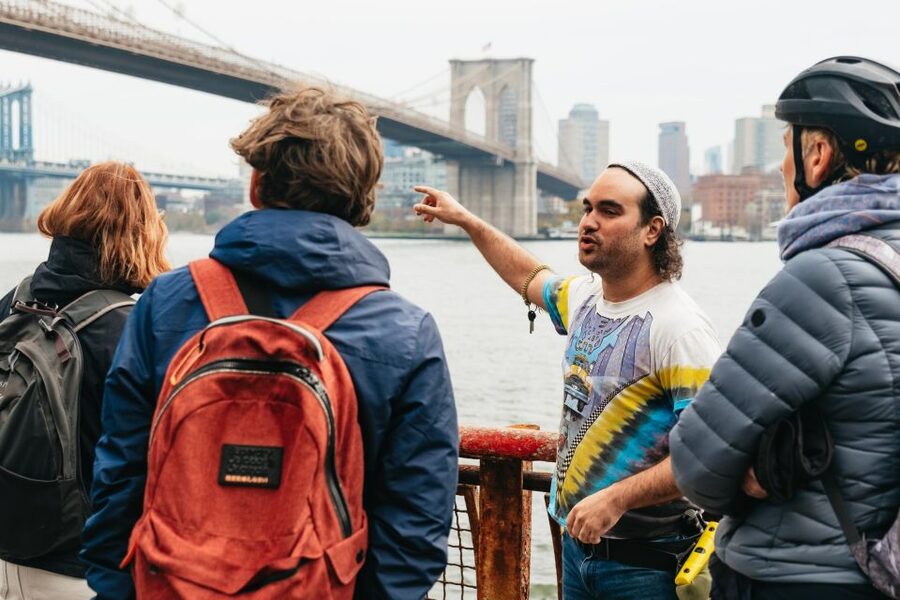
The most interesting part of this Manhattan bike ride is its subject: New York’s oddball, rebellious past. You move through Lower Manhattan while hearing about Yiddish anarchists, Beatniks, unusual landmarks, and local stories that rarely make the standard sightseeing circuit. Robby, Holden, Robert, or another guide may lead the ride, depending on the day.
I like the street-level route planning and the way guides adjust the conversation to your interests. I also like the mix of well-known districts and easy-to-miss places, plus a mid-tour snack break. The main thing to watch is the pricing: the $46 booking fee covers the bike rental, while a $40 payment to the guide is recommended afterward, so the expected total is about $86 per person.
Key things to know before you ride
- The focus is unusual Manhattan history: Expect stories about Greenwich Village’s Beatnik era, Lower East Side anarchism, and curious local landmarks.
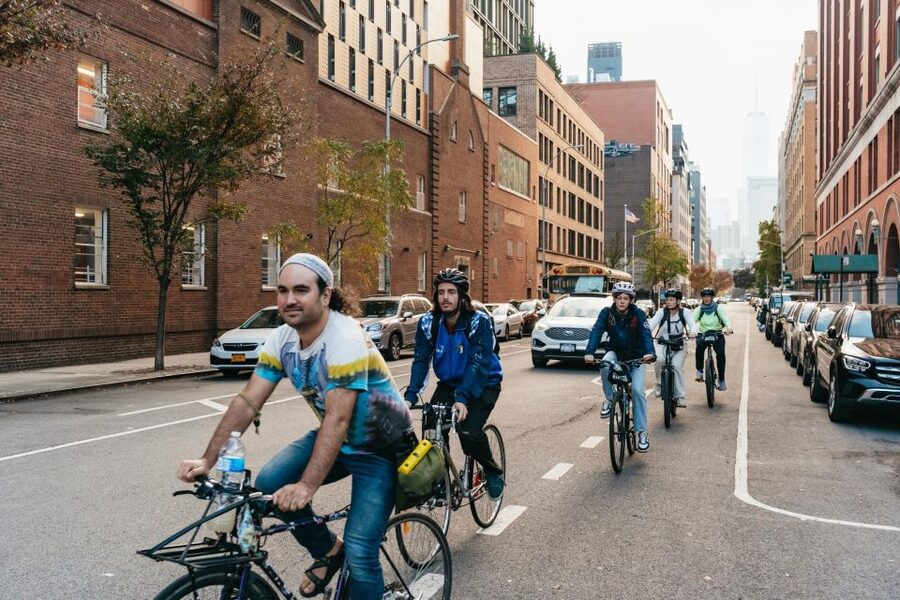
- The route begins and ends at 79 Chambers Street: The four-hour loop covers Tribeca, the Lower East Side, East Village, Greenwich Village, West Village, and the Meatpacking District.
- Bike safety is a major strength: The route was planned by a working bike messenger, and guides know how to move through city traffic.
- The guide may shape the day: Robby, Holden, Robert, and Kevin have all led this experience, and each brings personal local stories and a different personality.
- Budget for the guide payment: The advertised $46 is for bike rental. A guide payment of $40 per person is recommended at the end.
- You get a snack stop: A mid-tour break is included, though the exact food and drink arrangement should be clarified before you set out.
Why this ride takes you beyond standard New York sightseeing
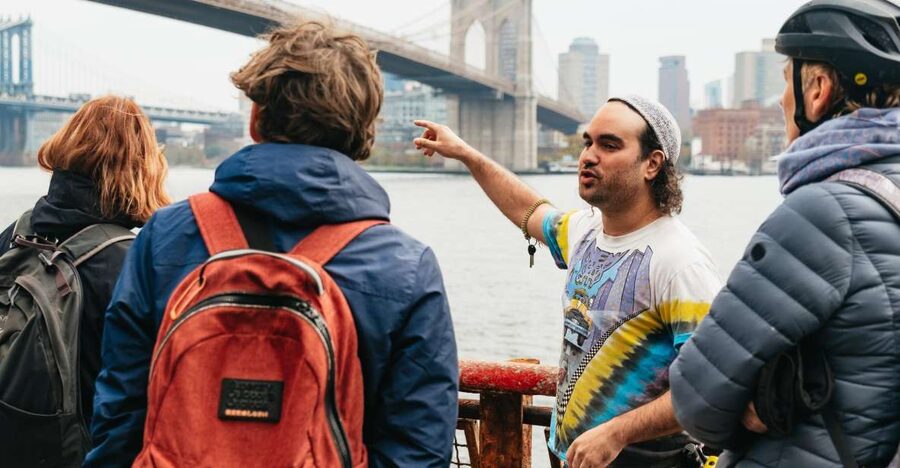
Most first visits to Manhattan focus on grand buildings, famous parks, and museum interiors. This ride takes a different path. It treats the city as a record of people who challenged convention, built alternative communities, or simply left behind a strange story.
That makes the four-hour length useful. You are not rushing from one major sight to the next for a quick photograph. You have time to hear how a neighborhood changed, why a small object or building matters, and how a local movement shaped New York life.
I especially like the mix of ideas. The Lower East Side section looks at the Yiddish anarchist movement, while Greenwich Village brings in the Beatnik era. Those subjects give you a better sense of New York as a place where immigrants, artists, writers, political thinkers, and outsiders have long shared the same tight streets.
This is also a social tour. The guide talks, but the format leaves room for questions and conversation. One especially useful feature is flexibility. Robby has been praised for changing the route or discussion to fit the interests of the group instead of delivering the same fixed speech every time.
More History Bike, Segway and Tuk-Tuk Tours in the USA
- Charlotte’s Ultimate Southern Charm Historical City Cart Tour
★ 5.0 · 1,347 reviews - Asheville Historic Downtown Guided Electric Bike Tour with Scenic Views
★ 5.0 · 1,234 reviews - Private Guided Historic Electric Cart Tour of St. Augustine
★ 5.0 · 1,194 reviews
Starting at 79 Chambers Street in Tribeca
The ride starts at Unlimited Biking Brooklyn Bridge at 79 Chambers Street and returns there after the loop. That central Lower Manhattan location makes sense for a route that reaches several downtown districts without wasting much time getting out of town.
The opening Tribeca section lasts about 20 minutes. You can expect an introduction to the district and its place in the broader story of Lower Manhattan. Tribeca is a good starting point because it feels different from the more crowded tourist corridors nearby, yet it sits close to the route’s main neighborhoods.
A four-hour bike tour needs a clear beginning and end. Returning to the same address is practical, especially if you have other plans later in the day. You do not need to arrange a separate pickup or figure out how to retrieve a bag from another part of Manhattan.
Lower East Side stories, not just Lower East Side streets
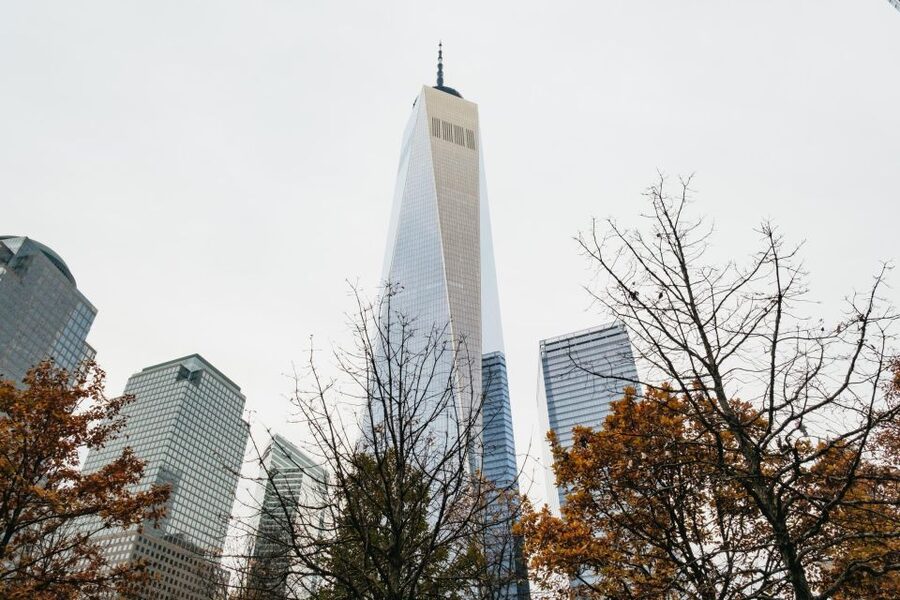
The Lower East Side receives about 45 minutes, making it one of the longer stops. This is where the tour’s political and social focus comes into sharp view.
The guide discusses the Yiddish anarchist movement and the immigrant communities that helped shape the area. That subject gives the neighborhood more depth than a simple look at old tenements or popular food spots. You hear about ideas, working people, and political life, not just architecture.
Two additional stops are described as a lesser-known place and a secret stop, each lasting about 15 minutes. The exact details are not fixed in the information provided, so you should expect the guide to reveal them during the ride rather than receive a full list in advance.
That uncertainty is part of the fun, but it can also matter to a planner. If you prefer a tour with every stop announced ahead of time, this ride may feel loose. If you like surprises and personal storytelling, the format should suit you well.
East Village: an hour of counterculture and local detail
The East Village gets the longest single neighborhood visit, about one hour. That extra time matters because the area carries several layers of New York’s alternative culture.
The tour uses the district to explore counter-cultural movements and the people connected with them. You might hear stories tied to art, politics, music, literature, or neighborhood characters, depending on the guide and the interests of the group. The goal is not to tick off famous addresses. It is to connect overlooked places with the people and ideas that made them matter.
One specific example from the experience is a Lenin statue on a building and the story behind it. That is exactly the type of stop that gives the ride its personality. It is unusual enough to catch your eye, but the story is what makes it worth pausing for.
The East Village section is also where a guide’s personal style can shape the day. Robby has been described as funny, flexible, and very comfortable in city traffic. Holden is also known for local anecdotes and an easy manner. Since the guide can vary, you should expect the subject matter to remain consistent while the delivery changes.
Same streets, a different century:
- New York City: American Museum of Natural History Ticket
★ 4.5 · 15,447 reviews - History and Hauntings of Salem Guided Walking Tour
★ 5.0 · 14,564 reviews - Charleston’s Old South Carriage Historic Horse & Carriage Tour
★ 5.0 · 10,023 reviews - Beneath The Streets Underground History Tour
★ 4.5 · 8,006 reviews
A snack break that needs clear expectations
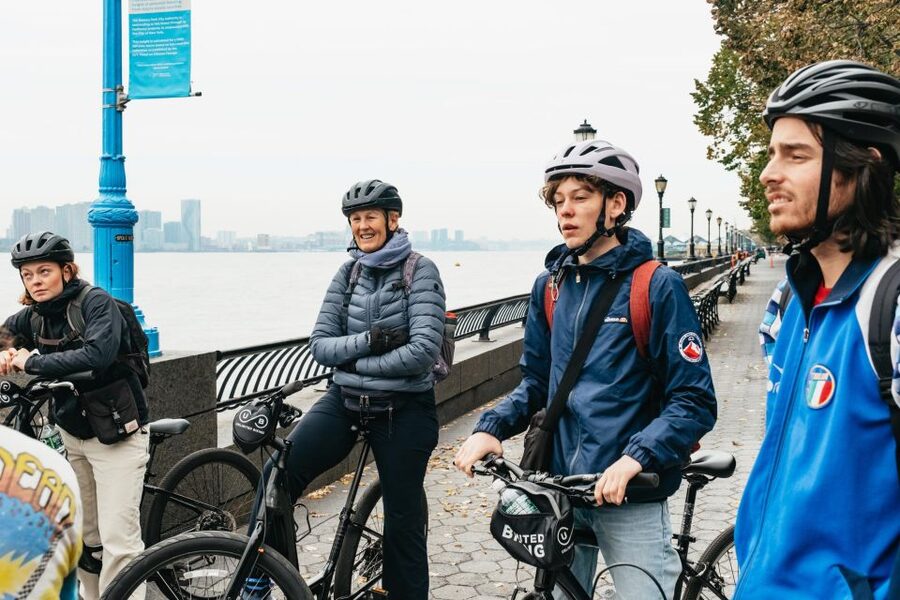
After the East Village, the group takes about 20 minutes for a break and local snacks. This is a welcome pause on a four-hour ride. You get a chance to rest, ask questions, and reset before crossing into the Village districts.
There is one practical wrinkle. The activity information says a mid-tour snack is included, but one booking description created confusion about food and drink charges. You should confirm what is covered before the ride begins. Do not assume every drink or food purchase is part of the base price.
The break still adds value even apart from the food. Four hours on a bicycle can feel long if every minute is spent riding or standing beside a landmark. A planned stop makes the pace more manageable, especially for riders who do not cycle often.
Greenwich Village and the Beatnik past
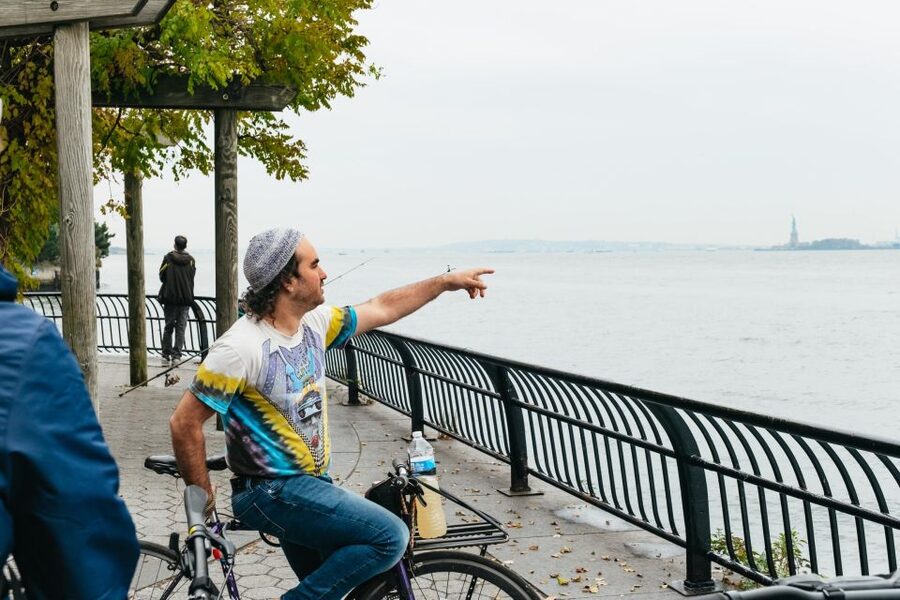
Greenwich Village receives about 20 minutes, with the conversation turning toward its Beatnik era. The Village has plenty of famous associations, but this experience uses them as a doorway into a larger story about artists, writers, and people living outside the usual social rules.
The shorter time here means you should not expect an exhaustive neighborhood tour. Instead, the guide selects a few points that support the main theme. The result is more focused than a broad architectural survey.
This is a good section for anyone who wants context rather than a list of celebrity names. The tour’s interest lies in the way a neighborhood became a home for new ideas and unconventional lives. You may leave with a clearer sense of why Greenwich Village has such a strong place in New York’s cultural memory.
West Village streets and a short Meatpacking finish
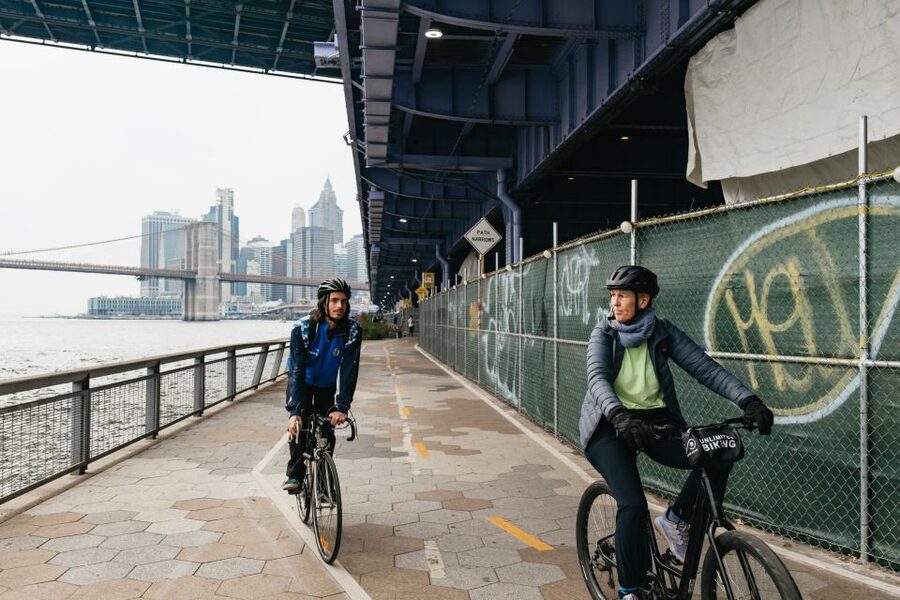
The West Village section lasts about 25 minutes. Like Greenwich Village, it offers a chance to see how a compact street network can carry a strong local identity. The guide continues the tour’s focus on less obvious stories rather than turning the ride into a checklist of postcard views.
The final guided neighborhood is the Meatpacking District, with about 10 minutes of commentary. It is a brief stop, so think of it as a closing chapter rather than a full tour of the district.
The route then returns to 79 Chambers Street. By this point, you will have crossed several downtown areas that feel quite different from one another. That variety is one of the ride’s best features. You see how close neighborhoods can still have distinct histories, moods, and communities.
What the bike route does well

The safety planning is one of the strongest reasons to choose this experience. The route was developed by a real bike messenger, and the guides are described as comfortable navigating Manhattan streets and choosing calmer, safer ways through traffic.
That does not remove the need for common sense. You are still riding in New York City, so you should pay attention, follow the guide, and remain comfortable with urban cycling. The experience is presented as suitable for riders at different skill levels, but the city environment is not the same as a quiet park path.
The personal accounts of the guides also matter. Robby has been praised for moving through traffic with confidence while keeping the ride relaxed. One guide change was handled by Robert arranging for Kevin to lead instead, and Kevin was able to deliver the requested focus on the less familiar side of New York. That suggests some flexibility when a planned guide is unavailable, though you should not assume a particular person will lead your date.
Price, guide payment, and overall value
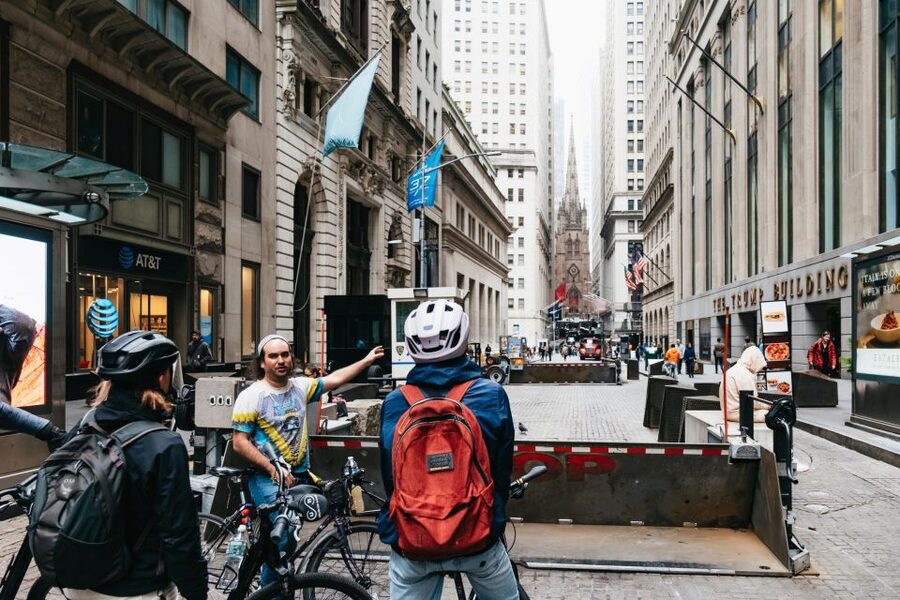
The advertised price is $46 per person, but that figure covers the bike rental only. A guide payment of $40 per person is recommended directly after the tour. In practical terms, you should budget about $86 per person before considering any extra food or drink costs.
That is not a minor detail. Some people prefer an all-in price because it makes comparison easy. Others like paying the guide directly, since more of the money goes to the local expert and avoids extra service fees. Either way, you should understand the arrangement before booking.
At roughly $86, the value depends on what you want from a city tour. If you only want to see the major sights, a basic bike rental or shorter sightseeing ride may cost less. If you want four hours of route guidance, local stories, neighborhood context, and a snack pause, the price can make sense.
I would judge the value mainly by the guide. The best parts of this experience are not expensive attractions. They are the route choices, the stories, and the guide’s ability to connect a small place with a larger idea. That makes the guide payment an important part of the experience, not an incidental extra.
Who should book this Manhattan ride?
I would recommend it to you if you have already seen some of the standard sights or if you want a different introduction to Manhattan. It suits people who enjoy social history, political movements, local characters, and odd details more than grand monuments.
It also works well for riders who want to cover several neighborhoods without spending the day underground on the subway. The bike gives you a direct view of the streets between stops, and the route links Tribeca with the East and West Villages in one continuous outing.
You should think twice if you dislike city cycling, want a tightly scheduled sightseeing checklist, or need a fully itemized food-and-drink price. The route is flexible, the guide may vary, and the payment structure requires attention.
The four-hour duration is best for someone who wants a substantial half-day activity. It is not a quick orientation ride. You will spend real time riding, listening, stopping, and talking.
Booking details worth knowing
The tour is conducted in English with a live guide. It begins and ends at 79 Chambers Street, at Unlimited Biking Brooklyn Bridge, and free cancellation is available up to 24 hours before departure for a full refund.
You can also reserve now and pay later, which helps if your New York schedule is still changing. Starting times vary, so check availability for your date.
The overall rating is 4.6 from 20 ratings, with particularly strong praise for the guides’ humor, route knowledge, safe cycling, unusual stops, and ability to respond to individual interests. Those are the qualities I would value most here.
Should you book it?
Book this ride if you want Manhattan’s stranger and more rebellious stories, not another pass by the usual landmarks. The Lower East Side anarchist history, Beatnik Greenwich Village, Lenin statue, and guide-led detours give the day a clear identity.
I would also book it if safe route choice is important to you but you still want a lively city ride. Just budget for the recommended $40 guide payment, clarify the snack arrangement, and treat the exact stops as part of the surprise. If that sounds appealing, this is a smart way to spend four hours in Lower Manhattan.
FAQ
Where does the bike tour begin and end?
The tour begins and ends at Unlimited Biking Brooklyn Bridge, located at 79 Chambers Street in Manhattan.
How long does the experience last?
The bike tour lasts four hours.
What neighborhoods does the route visit?
The route includes Tribeca, the Lower East Side, the East Village, Greenwich Village, the West Village, and the Meatpacking District.
What subjects does the guide discuss?
The tour covers unusual New York stories, including the Yiddish anarchist movement on the Lower East Side and the Beatnik era in Greenwich Village. It also includes lesser-known landmarks and local anecdotes.
Who might lead the tour?
Guides connected with this experience include Robert, Kevin, Robby, and Holden. The guide can vary by date.
Is a snack included?
A mid-tour snack break is included in the activity details. The exact food and drink arrangement should be confirmed, since additional charges may apply for some purchases.
What does the $46 price cover?
The $46 booking fee covers the bike rental. A guide payment of $40 per person is recommended directly after the tour.
Can I cancel the booking?
Yes. You can cancel up to 24 hours in advance for a full refund. You can also reserve now and pay later.
Newest history tours we have reviewed in the USA
- Nashville: Belle Meade Historic Mansion Tour★ 4.8 · 63 reviews
- Beaufort: Local History and Film Sites Tour by golf cart★ 4.9 · 102 reviews
- Boston: Guided Seafood Tasting and History Tour★ 4.9 · 90 reviews
- Beaufort: Gullah Heritage Tour★ 4.8 · 26 reviews
- Beaufort: Historic City Tour by Bus★ 4.9 · 228 reviews
- Austin: Downtown Austin Haunted History Tour★ 4.4 · 31 reviews
- Austin: Morning History Walking Tour of Downtown Austin★ 4.9 · 71 reviews
- Atlanta: Beltline Food, Street Art, and History Walking Tour★ 5.0 · 47 reviews
History Bike, Segway & Tuk-Tuk Tours, compared.
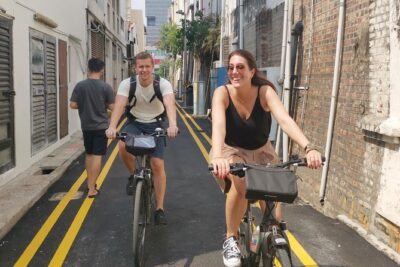
Historical Singapore Bike Tour on Full-Sized Bicycles
Read our review →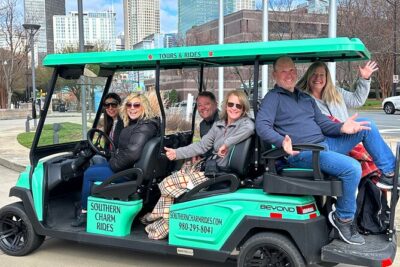
Charlotte’s Ultimate Southern Charm Historical City Cart Tour
Read our review →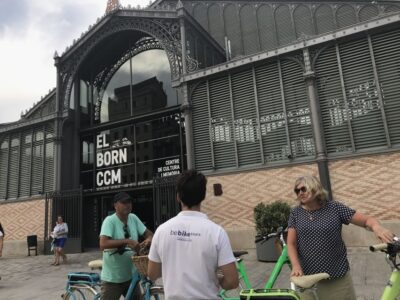

Asheville Historic Downtown Guided Electric Bike Tour with Scenic Views
Read our review →
Private Guided Historic Electric Cart Tour of St. Augustine
Read our review →
60-Minute Guided Segway History Tour of Savannah
Read our review →
Historic Athens: Small Group Electric Bike Tour
Read our review →
90 Minute Historic Uptown Neighborhood Segway Tour of Charlotte
Read our review →Browse the lists this tour appears in