
Review · GERMANY HISTORY TOURS
Munich and Nazi History Combination Day Tour Small Group
Dachau Concentration Camp Memorial Site and Nazi-era Munich make a powerful pairing. At Dachau, you confront the machinery of persecution at the place where Germany’s first concentration camp was established. Back in Munich, you trace how Hitler and the Nazi Party built support in an ordinary city full of churches, beer halls, and grand squares.
I like the small group of no more than 15, which makes it easier to ask questions and stay close while changing trains. I also like the carefully split day: three hours at Dachau, a lunch break in central Munich, then a focused city walk with guide Alun Evans. The main consideration is the length and emotional weight. You will spend about eight hours walking, riding trains, and dealing with difficult subject matter.
Key points to know
- Dachau gets the morning focus: Allow about three hours for the guided memorial visit, plus time for the museum exhibit.
- Alun Evans leads in English: The tour is built around clear explanations, questions, and historical context.
- Public transport is part of the experience: The journey takes about 45 minutes each way, with transport covered during the tour.
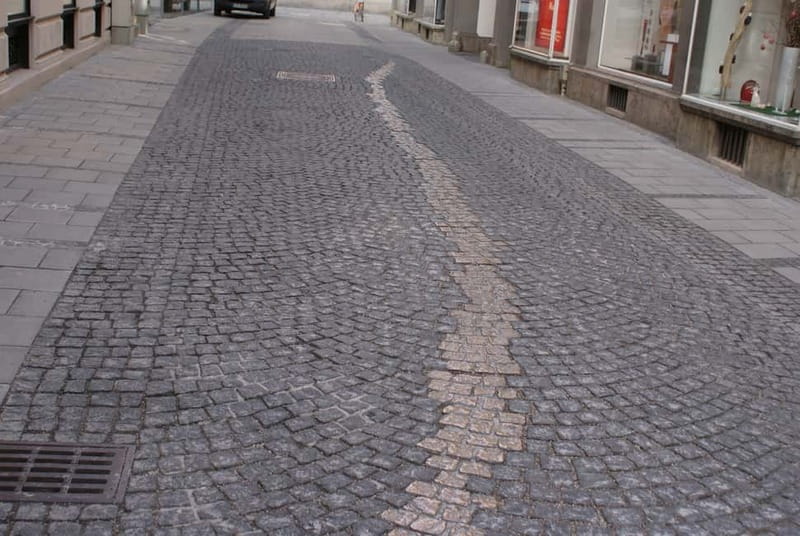
- Munich’s Nazi past is easy to miss: The afternoon points out sites tied to Hitler, the 1938 pogrom, and the Munich Agreement.
- The group stays small: A maximum of 15 people gives the day a more personal feel than a large coach tour.
- Plan for a serious day: Comfortable shoes, weather-ready clothing, and no large bags are essential.
Why this Munich history tour works
Many people see Munich as a city of church towers, beer halls, markets, and handsome old squares. That is real Munich, but it is only part of the story. The Nazi Party grew here, Adolf Hitler built political support here, and important decisions were made in buildings you can still pass on foot.
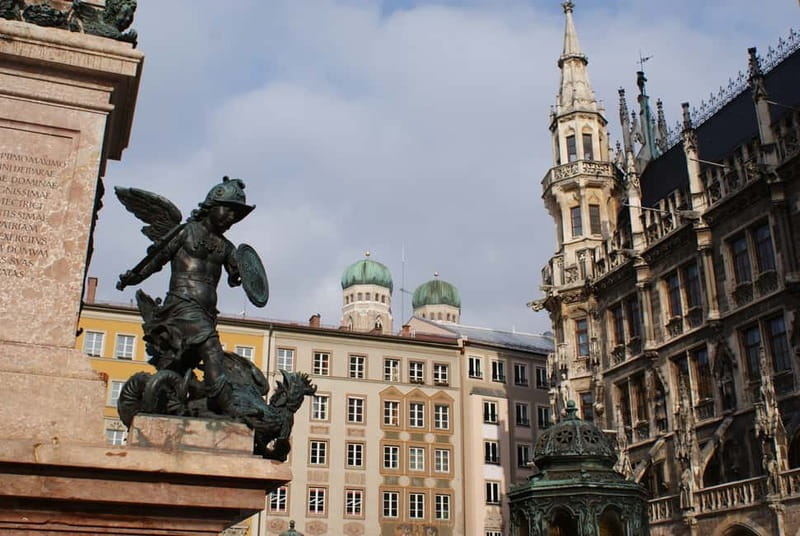
This tour connects those two versions of the city. You begin at Marienplatz, Munich’s best-known central square, and travel to Dachau by public transport. After returning for lunch, you walk through the city with the Nazi period as your guide. That structure is useful because it puts the crimes of the regime beside the places where its ideas were organized and promoted.
I especially like the fact that this is not just a Dachau transfer. A simple trip to the memorial can teach you about the camp itself, but the afternoon adds political context. You see where Hitler joined the German Workers Party, learn where a November 1938 pogrom against German Jews was decided, and visit the site connected with the Munich Agreement.
The tour is led in English and is limited to 15 people. That number is small enough for questions without making the price feel like a private tour. The guide handles the transport during the tour, so you do not have to work out the route to Dachau while also trying to follow the history.
More Small-Group History Tours in Germany
- Small group Potsdam: A Journey Through History and Palaces
★ 4.7 · 317 reviews - Historic Dresden Small-Group Walking Tour in English
★ 5.0 · 160 reviews - Berlin Wall History Small Group Cycling Tour
★ 4.9 · 152 reviews
Meeting Alun Evans at Marienplatz
The meeting point is in front of the Tourist Information Center at Marienplatz. Look for a guide holding a placard marked Dachau Memorial Tour. The tour begins at 9:00 AM, so arrive with enough time to find the meeting point and settle in.
Alun Evans is the named guide for the experience. The strongest praise attached to the tour focuses on his historical detail, calm organization, and ability to answer questions. That matters here. Dachau is not a place where you want a guide rushing through facts or relying on vague generalities.
The public transport element also gives the tour a practical advantage. You spend about 45 minutes traveling each way, and the guide manages the transport costs for the duration of the tour. The ride is not wasted time. It gives Alun room to explain the setting and prepare you for what you will see.
You should wear comfortable walking shoes. Large bags and luggage are not allowed, so leave suitcases at your accommodation. Dress for the weather, since the memorial visit and the city walk include time outdoors.
Dachau Memorial Site: a morning for remembrance
The morning is centered on the Dachau Concentration Camp Memorial Site. You receive a guided tour lasting about three hours, with time also set aside for the museum exhibit. The purpose is education and remembrance, not spectacle.
A licensed memorial guide can help you understand the site in proper order and context. Without that framework, it can be hard to grasp how a place of such scale operated, or how individual buildings and grounds fit into the wider system of Nazi persecution. The guide’s role is to make the facts clear while treating the site with the seriousness it requires.
You are encouraged to ask questions during the visit. That is one reason a small group matters. If a detail about the camp, the Nazi Party, or the historical timeline is unclear, you have a better chance to raise it without losing the guide in a crowd.
The museum is a major part of the morning. You receive independent time to explore its exhibits after the guided portion. One hour has been described as the planned amount of time, though the museum is extensive enough that you may wish you had longer. This is the first practical compromise of the day: the tour gives you a solid introduction, but it cannot cover every display in depth.
Expect the Dachau section to be emotionally demanding. The value lies in facing the evidence and learning how the camp fit into Nazi rule. You should not schedule this immediately before a carefree activity if you know you need time to process what you have seen.
The 45-minute return and lunch in Munich
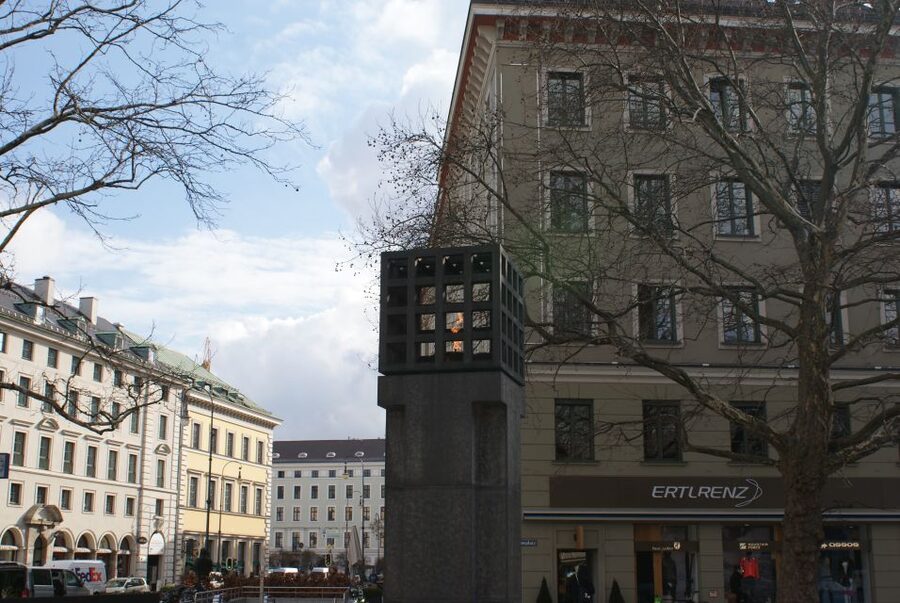
After Dachau, you return to Marienplatz with the guide. The trip takes about 45 minutes, and the schedule includes roughly one hour for lunch and refreshments.
Meals are not included, but the guide can suggest places to eat. This is a sensible arrangement because it lets you choose the speed and price of your meal. You can grab something quick if you want more time in the city, or sit down and take a proper break after the memorial visit.
The lunch hour also gives the day an important pause. Moving straight from Dachau into a second history walk could feel relentless. Returning to the center lets you rest, eat, and reset before the afternoon begins at around 3:00 PM.
Keep an eye on the time. The afternoon walk is part of the main experience, and a long lunch could mean missing the start. If you need a full meal rather than a quick refreshment, plan your order with the next meeting time in mind.
More WWII and D-Day Tours in Germany
- Berlin: History of the Third Reich Guided Walking Tour
★ 4.7 · 791 reviews - The History of Berlin: WWII PRIVATE Walking Tour With Locals
★ 5.0 · 209 reviews - Berlin: Guided Bike tour of the Berlin Wall and Third Reich
★ 5.0 · 160 reviews - Eagle’s Nest-Berchtesgaden-Obersalzberg Private Half Day WWII Historical Tour
★ 5.0 · 64 reviews
Nazi-era Munich on foot
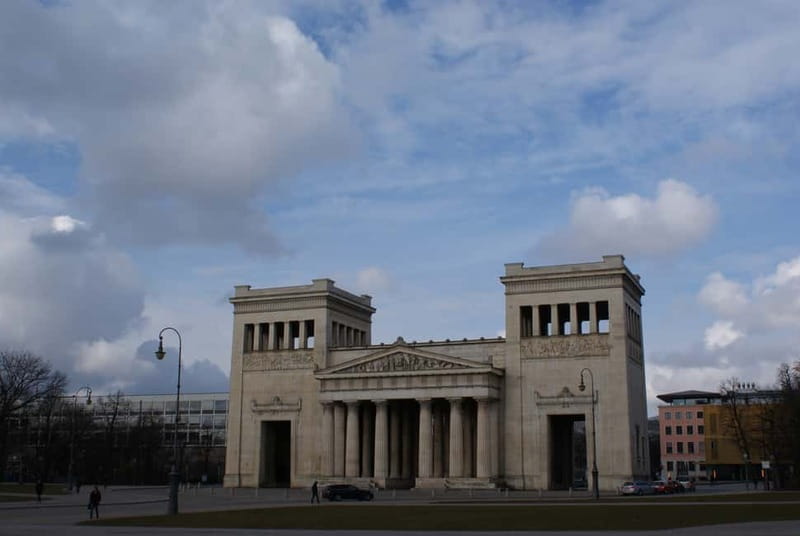
The afternoon begins again at Marienplatz. This is where the tour shifts from the memorial site to the city’s political history.
You visit the location where Hitler joined the German Workers Party. That stop helps explain that the Nazi movement did not appear fully formed. It grew through meetings, political organizing, public speeches, and the exploitation of fear and resentment.
The walk also includes the place where a pogrom against German Jews was decided in November 1938. Seeing this location in modern Munich can be unsettling. The buildings and streets may look ordinary, which is exactly why a guide is useful. The past is not always marked by dramatic ruins or obvious signs.
Another stop is linked to the Munich Agreement, signed in 1938. The tour uses this event to show Munich’s connection to major decisions that shaped Europe before the Second World War. The city portion is not only about Hitler as a person. It also examines the institutions, choices, and public settings around the Nazi movement.
You will see the oldest parish church in Munich and one of the city’s quaint beer gardens along the way. These stops provide a little relief from the heavy subject matter and show the city as a living place, not simply a collection of political sites.
Hofbräuhaus and the ordinary city around it
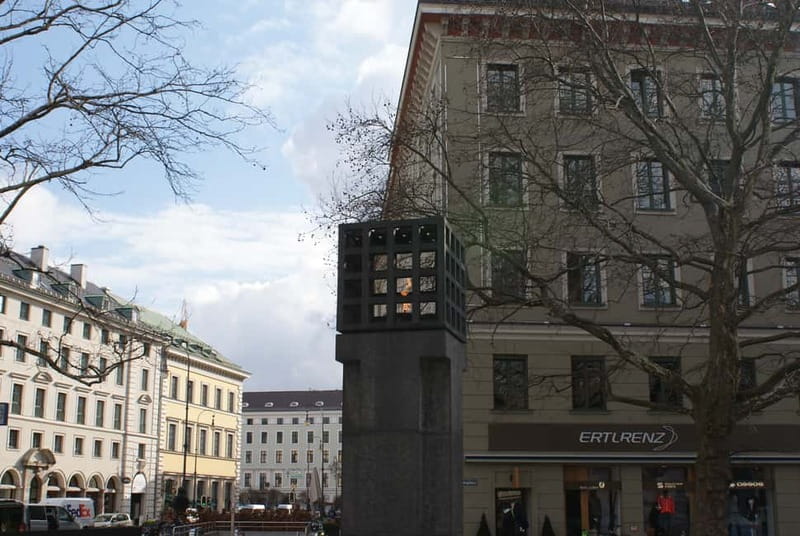
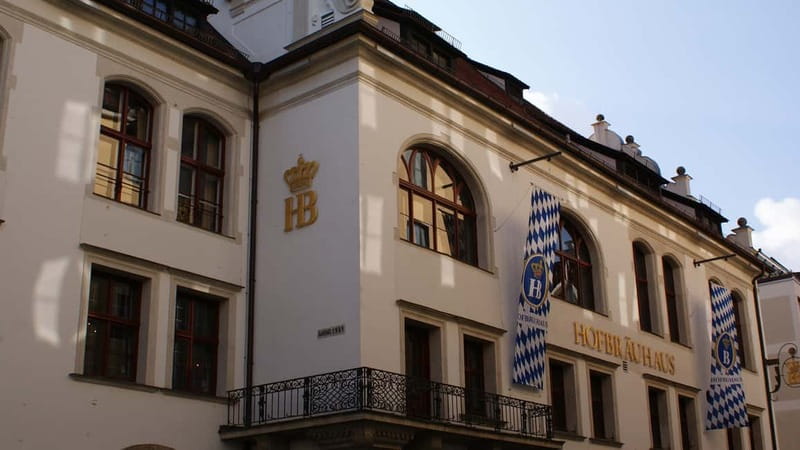
Hofbräuhaus is one of Munich’s most famous beer halls. It is included as a short guided stop, lasting about 10 minutes. The point is not to turn the afternoon into a food or beer tour. Instead, the visit places Nazi-era politics within the everyday public life of Munich.
That contrast is useful. Political movements do not grow only in official government buildings. They also depend on meeting places, public attention, familiar institutions, and crowds. A famous beer hall can be part of a city’s tourist image while also carrying political associations that many casual visitors miss.
You should not expect a long meal or extended time inside Hofbräuhaus as part of the tour. It is a brief stop within a wider walking route. If you want to return later for food or a beer, the guide can offer suggestions for what to do after the tour.
Führerbau and Königsplatz
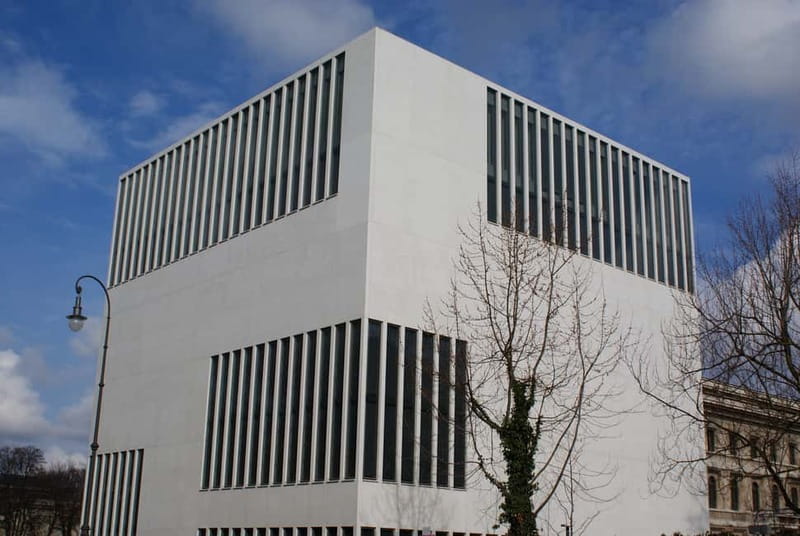
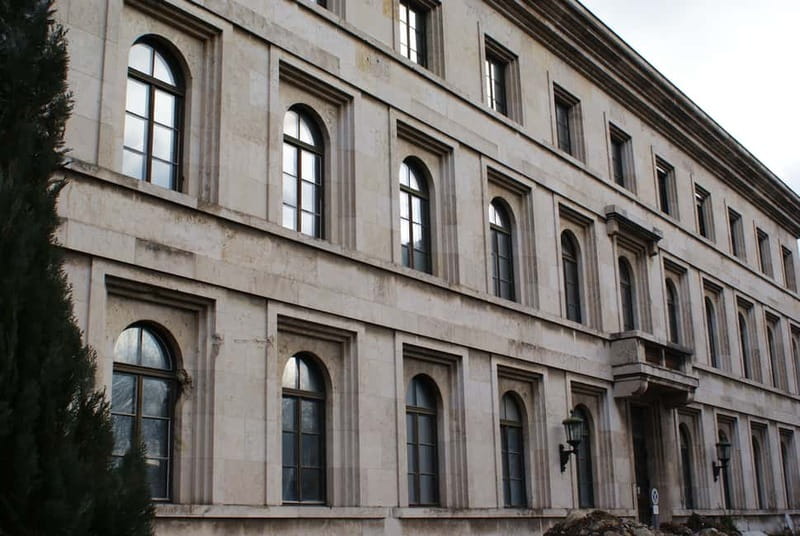
The walk continues to the Führerbau, a building associated with the Nazi leadership. The guided stop is scheduled for about 10 minutes. It is a short visit, but it helps connect the political story to the places where decisions and agreements were handled.
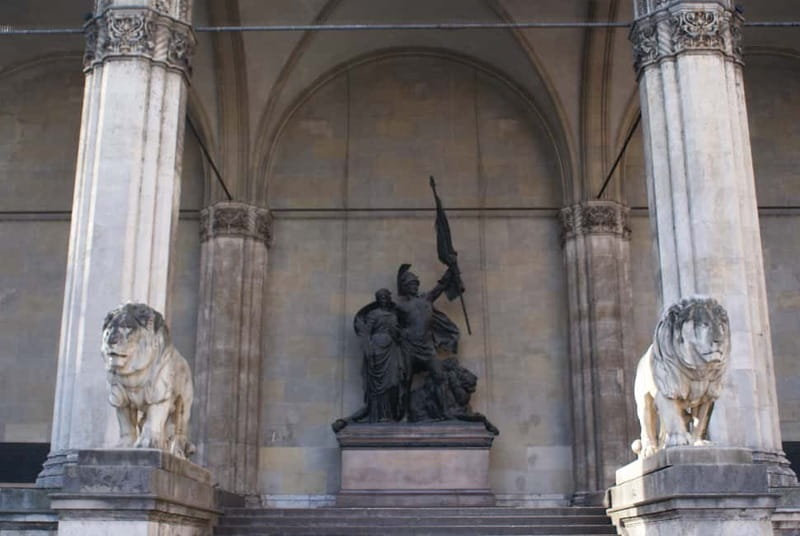
The final major stop is Königsplatz. During the Nazi period, the square was used for rallies. Today, it is also the location of the former Führerbau and the Documentation Center of National Socialism.
Königsplatz makes a fitting end because it brings together public ceremony, propaganda, architecture, and modern education. The Nazi regime used grand spaces to project power. The documentation center offers a way to examine that past rather than allowing the buildings and square to speak only through their appearance.
The city walk ends at Königsplatz. You can either return to Marienplatz by train with your guide or continue with your own plans. The guide can help with directions and restaurant suggestions, which is handy if you want to spend the evening exploring more of Munich.
What $141 includes, and what it does not
The price is $141 per person. That is not a bargain-basement outing, but the value becomes clearer when you look at what the fee covers. You receive a full eight-hour day, an experienced memorial-accredited guide, the Dachau visit, the Munich walking tour, and transportation costs during the tour.
The small group is an important part of the calculation. With a maximum of 15 people, the guide can keep the group together on public transport and respond to questions. Several past participants were in groups of around 11 to 13, which is a comfortable size for this kind of day.
Meals and drinks are not included. Hotel pickup is not included either, and transport costs outside the tour duration are your responsibility. You also need to arrange your own way home if you choose not to return to Marienplatz with the guide.
I would compare the $141 price with the cost of arranging Dachau alone, then hiring or joining a separate Munich history walk. The real saving is not only money. It is the time spent planning routes, finding the right historical locations, and working out how the memorial and city sites connect.
Who should book this experience
I would recommend this tour to adults and older teenagers who want a structured introduction to Munich’s Nazi past. Children under 14 are not permitted, and that restriction fits the serious content and long walking day.
It suits you especially well if you:
- Want Dachau explained by a memorial-accredited guide
- Prefer a small group to a large bus tour
- Like asking questions as you go
- Want both the concentration camp memorial and Nazi-era Munich in one day
- Are comfortable using public transport and walking for several hours
- Have limited time in Munich and want an efficient history-focused day
It may be less suitable if you want a relaxed sightseeing tour, dislike public transport, or prefer to spend a full day at Dachau alone. The museum time is useful but limited, and the afternoon city walk means you cannot give every part of the memorial unlimited attention.
The itinerary may change if current regulations at the memorial affect guiding. In that case, some historical explanations may take place offsite, with extra independent time on the grounds. Check the arrangements close to your visit.
My booking verdict
I would book this tour if I wanted one serious, well-organized day to understand how Dachau and Nazi Munich fit together. The combination is the main strength: Dachau gives you the memorial site and its evidence, while the city walk shows how political power developed in familiar Munich streets and buildings.
The strongest reason to choose it is the guide-led structure. Alun Evans is praised for clear explanations, careful handling of difficult material, smooth public transport navigation, and patient answers. The main caution is simple: this is a full and emotionally heavy day, not a light introduction to Munich.
Bring good shoes, a weatherproof layer, a small bag, and an open mind. If you can give the subject the attention it deserves, the $141 fee buys far more than transport between two places. It gives you a clear route through a difficult chapter of Munich’s past.
FAQ
Where does the tour begin?
It begins at Marienplatz in central Munich, in front of the Tourist Information Center. The guide carries a placard marked Dachau Memorial Tour.
What time does the tour start?
The tour starts at 9:00 AM. The Munich walking portion begins again at about 3:00 PM after the Dachau visit and lunch break.
How long is the tour?
The experience lasts approximately eight hours.
How large is the group?
The group is limited to a maximum of 15 participants.
What language is the tour conducted in?
The live tour is conducted in English.
Is transportation included?
Transportation costs during the tour are included. The route uses Munich’s public transport system, with about 45 minutes of travel each way between central Munich and Dachau.
Is lunch included?
No. Meals and drinks are not included. You have about one hour for lunch in Munich, and the guide can suggest places to eat.
How much time is spent at Dachau?
The guided portion at Dachau lasts about three hours. You also receive time to explore the museum exhibit independently.
Are children allowed on the tour?
Children under 14 are not permitted.
What should I bring or wear?
Wear comfortable walking shoes and dress for the weather. Large bags and luggage are not allowed.
Newest history tours we have reviewed in Germany
- Historic Dresden Private Walking Tour★ 5.0 · 32 reviews
- Walking Through Dresden’s Past with Dr. Fraser Macdonald★ 5.0 · 72 reviews
- Berlin Food & Cultural Tour: Must-Try German & Berliner Classics★ 5.0 · 51 reviews
- Private Tour: Jewish Heritage Walking Tour of Berlin★ 5.0 · 29 reviews
- Small-Group Historical Bike Tour in Berlin★ 4.5 · 103 reviews
- Historic center of Berlin – Tour in Italian★ 5.0 · 143 reviews
- East Berlin Food & History Tour with Eating Europe★ 5.0 · 204 reviews
- Private Berlin WWII and Cold War History Tour with Local Expert Guide★ 5.0 · 28 reviews
WWII & D-Day Tours, compared.
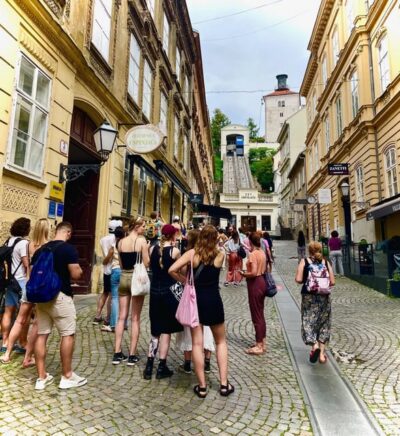
Zagreb: City & History Walking Tour & WW2 Tunnels
Read our review →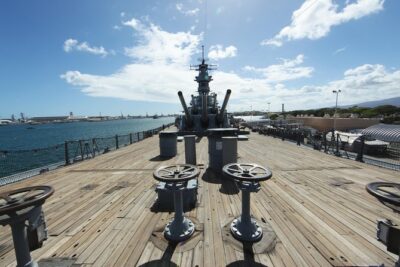
Pearl Harbor History Remembered Tour from Ko Olina
Read our review →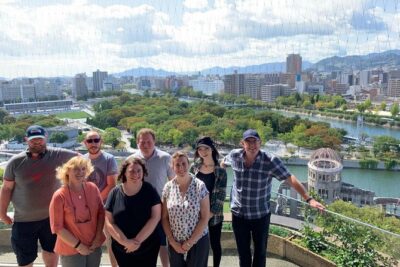
Hiroshima Peace (Heiwa) Walking Tour at World Heritage Sites
Read our review →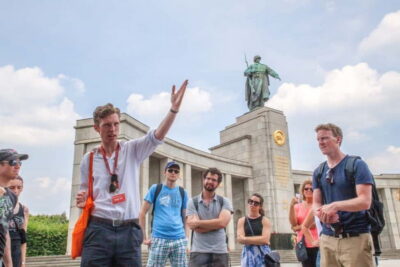
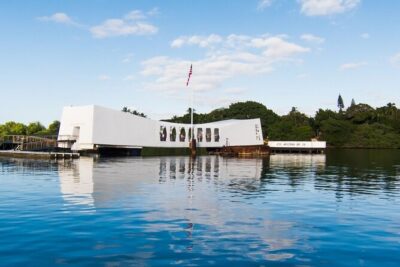
Pearl Harbor & USS Arizona Small-Group Tour [Early Access]
Read our review →
Anne Frank and the Jewish History of Amsterdam Private Tour
Read our review →
Browse the lists this tour appears in