
Review · ITALY HISTORY TOURS
Milan: Fresh Pasta and Tiramisù Class in A Historical Home
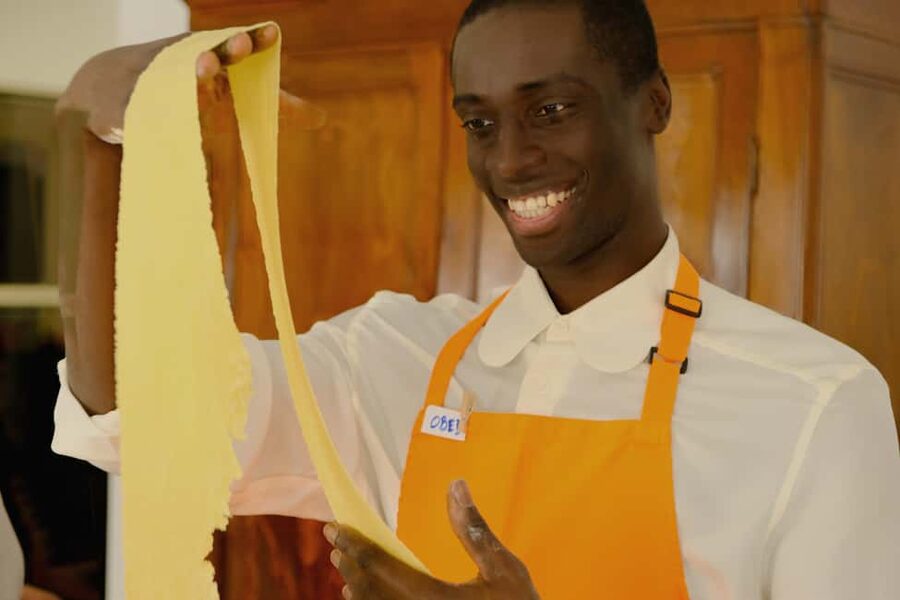
The unusual part comes before the first sheet of pasta: you enter an elegant Milanese home filled with 16th-century paintings and antique furnishings. Then the formal setting gives way to flour, eggs, rolling tools, and a shared meal of tagliatelle, ravioli, and tiramisù.
I like the family connection, with Bruna’s daughter and grandchildren sometimes teaching in her place, and I like the easy social mood created by instructors such as Caterina, Federico, Luca, and Francesca. The main consideration is group size. Classes can reach 17 or 18 people, so this is a lively workshop rather than a quiet private lesson.
Key points to know
- Cook three Italian classics: Make tagliatelle, ravioli, and traditional tiramisù from scratch.
- Work inside a historic Milan home: The rooms contain family furnishings and paintings from a Palladian palace.
- Expect a friendly, comic teaching style: Caterina, Federico, Luca, Francesca, and other instructors keep the class moving and help beginners.
- Eat a full meal afterward: Your pasta is served with tomato sauce and butter with sage, alongside wine or a soft drink.
- Enjoy homemade extras: The class includes water and limoncello made with lemons from the host’s terrace.
- Plan your route carefully: Meet at Via Dezza 47, near the Coni Zugna and Via Foppa subway stop.
Pasta making in a Milan home filled with art
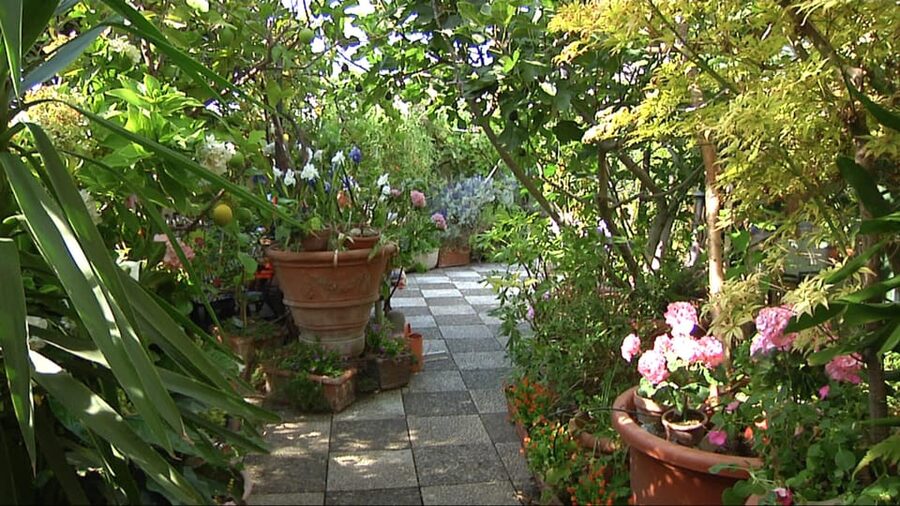
This class combines two things Milan does well: polished surroundings and good food without fuss. You meet at Via Dezza 47, in a downtown residential area described as part of the city’s designer and fashion district. The home is not a restaurant kitchen or a purpose-built school. It is a family residence in an elegant palace, with paintings and furniture tied to the family’s Palladian palace.
That setting changes the tone. You are not only learning how to mix flour and eggs. You are also seeing a private side of Milan that most visitors would miss while moving between the Duomo, La Scala, and the fashion streets. The artwork gives the class a sense of place, but the cooking remains the main event.
The family story is part of the appeal. Cooking has been passed down through several generations, with Grandma Bruna as the original teacher. When she is not teaching, her daughter, granddaughter, or grandson may take over. Caterina, identified as Bruna’s granddaughter, has led classes with a lively sense of humor, while Federico and Luca are also praised for keeping groups engaged and involved.
You should not expect the same instructor every time. That is useful to know if you are hoping specifically to meet Bruna or Caterina. The personalities may vary, but the format stays focused on hands-on pasta, a meal, and an informal Italian welcome.
More Pasta Experiences in Italy:
- Rome: Five Shapes of Pasta Cooking Class in Ancient Tavern
★ 5.0 · 102 reviews
What happens during the three-hour class
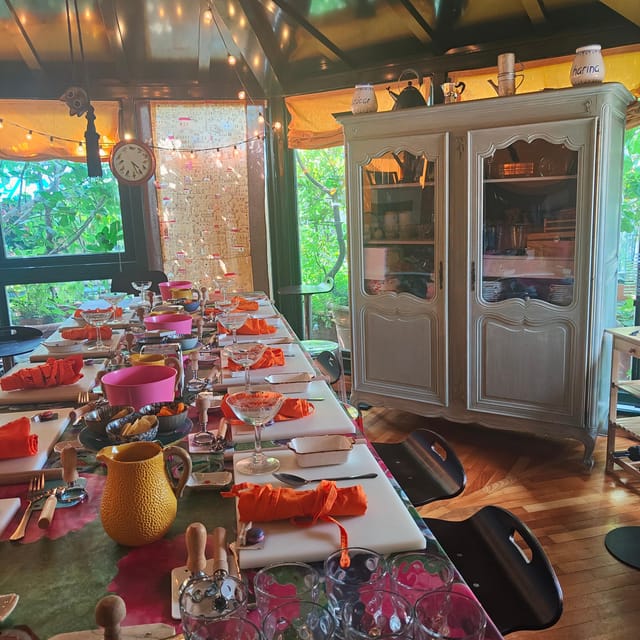
The class runs for about three hours. Exact starting times vary, so you will need to check availability when booking. The experience begins with the group getting settled at individual workstations, with tools, ingredients, and aprons supplied.
The sequence can vary slightly. In one well-organized class, tiramisù was prepared first and placed in a flash freezer while everyone worked on the pasta. That is a sensible arrangement: the dessert needs time to chill, and the pasta can be cooked closer to the meal.
You will make two pasta preparations:
- Tagliatelle with tomato sauce
- Ravioli with butter and sage
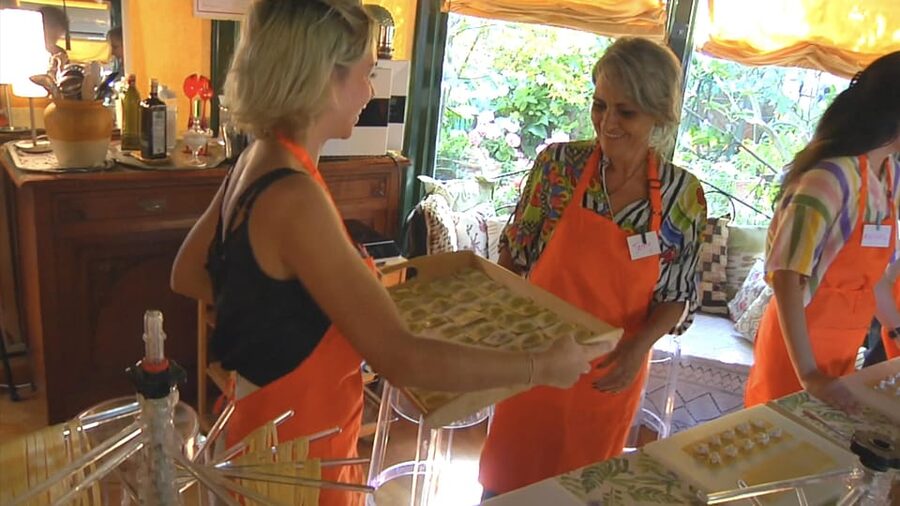
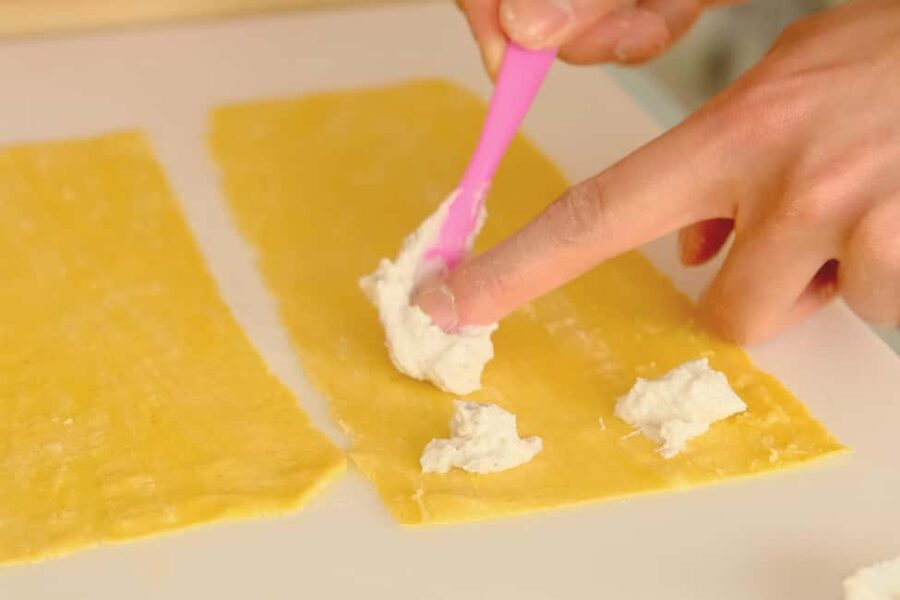
The appeal is the process, not just the final plate. You mix and shape the dough, cut the pasta, and fill the ravioli. The instructors explain how to combine ingredients, when to add them, and which toppings suit the finished pasta. The teaching is designed for all cooking levels, including people who have never made fresh pasta before.
The group format means you may not personally lead every step. In larger classes, the instructor must demonstrate clearly and keep several tables moving at once. That can make the session feel less like a private lesson, but it also creates a cheerful, shared atmosphere. Federico has been particularly effective at getting strangers to interact, while Luca has managed groups of up to 17 people with clear directions and humor.
After the work is finished, you sit down to eat the dishes prepared by the class. The meal includes tagliatelle with tomato sauce, ravioli with butter and sage, and the tiramisù you made. Wine, a soft drink, and water are included, with a quarter bottle of white wine per person. Homemade limoncello follows, made with lemons from the terrace.
Tagliatelle, ravioli, and the value of learning by hand
Fresh pasta is one of those Italian skills that looks simple until you try it. The ingredients are basic, but the dough depends on texture, pressure, and timing. Making it under instruction gives you a better chance of understanding what the dough should feel like than simply reading a recipe.
Tagliatelle is a good choice for a class because the result is familiar and satisfying. Ravioli adds another skill: you need to handle filling, seal the pasta, and avoid making pieces too thick or too fragile. The butter and sage sauce keeps the finished ravioli simple, allowing the pasta itself to take center stage.
The class also covers traditional tiramisù. The dessert is prepared early enough to chill before the meal, and you leave with the method as well as the taste. The recipe is described as soft, traditional, and easier to make than many people expect.
A recipe booklet is sent by email after the class. That detail matters. You are not forced to rely on memory after three hours of cooking, conversation, wine, and limoncello. If you want the recipes, remember to check your email and save them before returning home.
The food is also substantial enough to function as a proper meal. One class included enough pasta and dessert that participants did not leave hungry. If you are planning this near lunchtime or dinner, you can treat it as one of your main meals rather than a small tasting.
The art-filled rooms are part of the experience
The home is presented almost like a small private museum. You can admire 16th-century paintings, fine furnishings, and antiques connected to the family’s Palladian palace while you cook.
This is a strong point for anyone who wants more than a standard food workshop. Milan has plenty of cooking classes, but this one adds a domestic and historic setting without requiring a separate museum visit. You are in a lived-in family space, not a staged medieval kitchen.
There is also a tradeoff. A private home has a different feel from a large professional cooking school. The room may be arranged around the existing home, and a full class can make the atmosphere active and crowded. Bring a camera if you want to remember the artwork, but do not let photographing the rooms distract you from the pasta work.
Backpacks are not allowed, and smoking indoors is prohibited. Comfortable clothes and shoes make sense, since you will be standing and working with flour and dough for much of the session. The supplied apron helps, but you should still avoid wearing anything you would be upset to stain.
More Workshops and Classes in Italy:
- Syracuse: Traditional Cooking Class & Ancient Market Visit
★ 4.9 · 72 reviews - Rome: Ancient Mosaic Making Workshop
★ 5.0 · 29 reviews - Cooking Class in a Historic Home in the Heart of Brindisi
★ 4.7 · 28 reviews - Sicilian cooking class in the historic baglio Florio Adamo
★ 5.0 · 27 reviews
A social class with plenty of personality
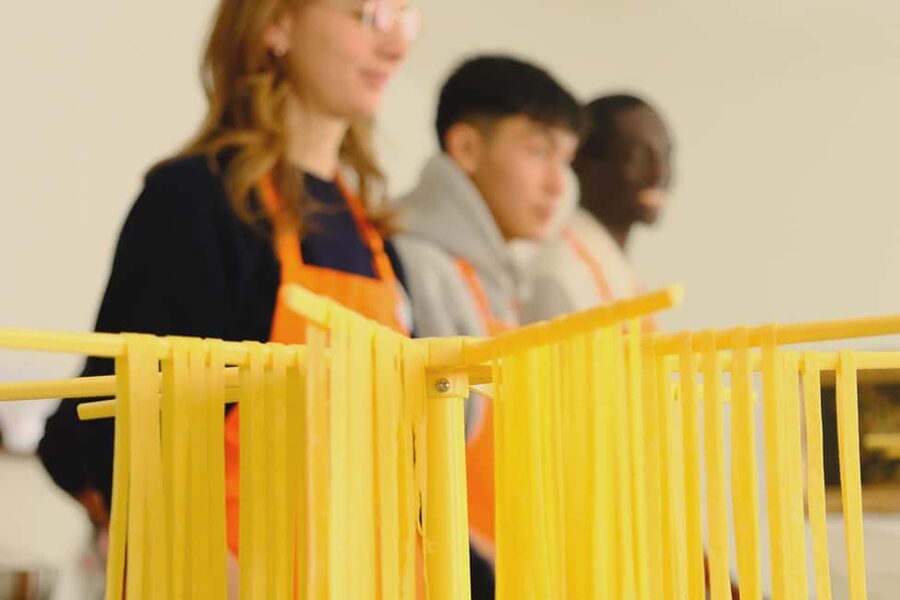
The instructors are a major part of the experience. The class is taught in English, with Italian, French, Spanish, Persian, and Hebrew also available upon request. The exact instructor can vary, and the teaching style appears to be warm, energetic, and interactive.
Caterina has been described as funny and welcoming, with a talent for keeping the energy up. Federico uses humor and group participation to break the ice. Francesca combines cooking skill with an easy way of explaining things, and Luca has guided large groups through all three dishes without losing the thread of the lesson.
That variety is worth considering. You may get a particularly theatrical instructor, or a calmer and more technical one. Either way, the class is designed to bring people together. You will likely share a table with people from different places, help one another with the pasta, and eat together afterward.
This is a good choice for solo visitors who want a social evening, couples looking for an activity beyond sightseeing, and groups marking a birthday or a hen weekend. It is also suitable for beginners. The instructors are expected to explain each stage and support people who need help.
The minimum age is eight, and unaccompanied minors are not allowed. Younger children may find the three-hour format too long even if they enjoy cooking, so this is better for older children and adults who can follow a full lesson.
Location and getting there in Milan
The meeting point is Via Dezza 47 in Milan. The easiest public transport option is the blue subway line to Coni Zugna and Via Foppa. The entrance is about 20 meters from the subway, with an escalator exit marked Coni Zugna and Via Foppa.
The green line’s Sant’Agostino stop is another option, about 500 meters from the home. The subway runs until approximately 1 a.m., which is helpful if you choose an evening class and are staying elsewhere in the city.
The directions describe the home as roughly 20 minutes on foot from Duomo Square, while another description places it five minutes from the square. Because those estimates do not match, I would use the exact Via Dezza address and map link rather than relying on the walking time. The subway is the safer planning choice if you have a timed reservation.
You receive the final meeting information the day before the class. Check it carefully, especially if you are moving around Milan between museums, shopping, and dinner. The activity ends back at the same meeting point.
What the $84.96 price includes
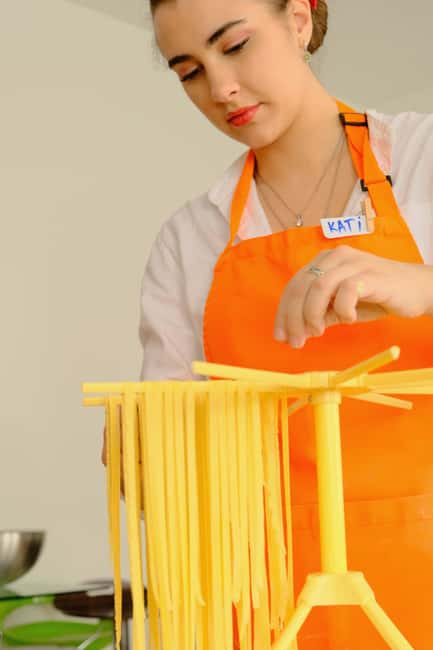
At $84.96 per person, the price is easier to justify if you view the class as a meal, a cooking lesson, and a cultural visit in one. You receive the ingredients, tools, apron, instruction, prepared dishes, wine or a soft drink, water, limoncello, and the recipe booklet by email.
A comparable restaurant meal might give you better service at the table, but it would not teach you how to make ravioli or let you work inside a historic family home. A cheaper pasta workshop might offer similar recipes but lack the art-filled setting and the family connection.
The value depends on what you want from your Milan schedule. If your priority is maximizing time inside the Duomo or seeing major galleries, three hours is a real commitment. If you want a slower activity that combines food and conversation, the duration feels reasonable.
The included quarter bottle of wine per person is modest rather than generous. You should not book this expecting a wine tasting or an open bar. The wine is there to accompany the meal, while the food and instruction provide the main value.
Free cancellation is available up to 24 hours in advance for a full refund, and you can reserve now and pay later. Those terms are useful if your Milan plans are still shifting.
Dietary needs, access, and practical limits
A gluten-free option is available in the form of risotto. If you need this, request it in advance so the class can prepare appropriately. The standard menu is pasta, ravioli, and tiramisù, so it is important to make your dietary needs clear before arrival.
The activity is listed as wheelchair accessible, but non-folding wheelchairs are not allowed. That distinction matters. If you use a wheelchair, confirm that your equipment fits the stated conditions before booking.
The class is not suitable for children under eight. Smoking is not allowed indoors, and backpacks are prohibited. Bring comfortable shoes, comfortable clothing, and a camera. Biodegradable insect repellent is also listed among the recommended items.
Who should book this Milan cooking class?
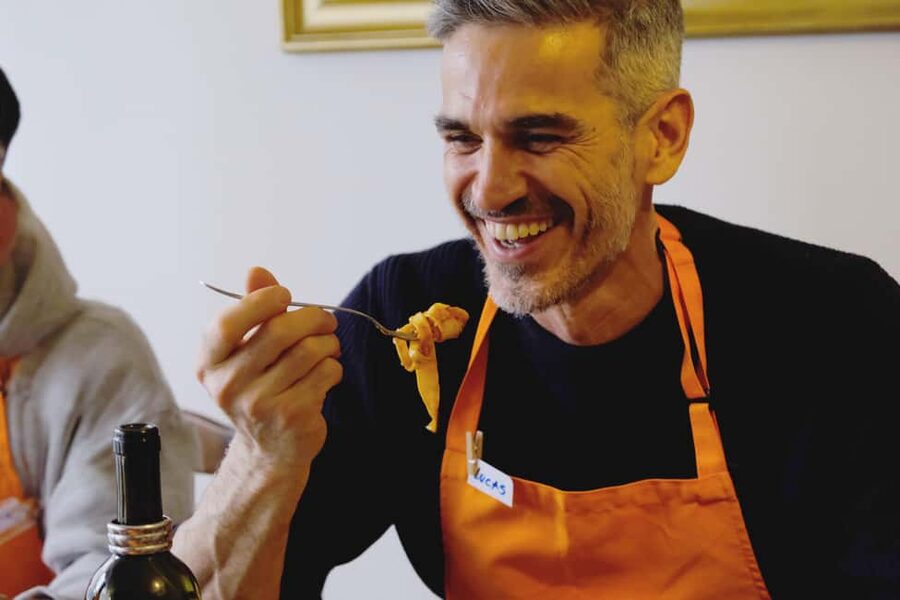
I would choose this class if you want to make your own food, not just watch a chef prepare it. The hands-on work gives you a useful skill to take home, and the emailed recipes make it possible to repeat the meal for friends or family.
It suits first-time pasta makers especially well. The instructors explain the process in clear steps, and humor keeps the lesson from feeling like a technical exam. You do not need advanced cooking experience.
It is also a good fit for anyone who enjoys atmosphere. The paintings and antiques make the setting unusual, while the limoncello made from terrace-grown lemons adds a personal touch. Those details give the class more character than a basic cooking studio.
I would hesitate if you want a quiet, intimate lesson with extensive one-to-one attention. A class of 17 or 18 can be lively, and some steps will be demonstrated to the whole room rather than taught privately. You should also leave enough time in your schedule for the full three hours, plus the journey to and from Via Dezza.
Should you book it?
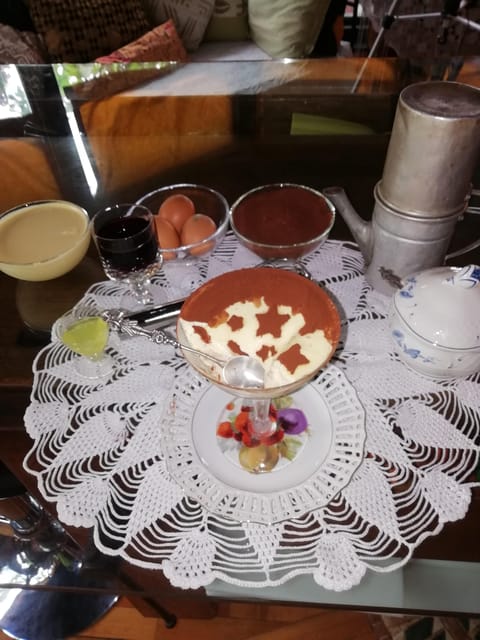
Book this experience if you want a social Milan activity that gives you a meal, practical recipes, and access to an elegant private home. The combination of tagliatelle, ravioli, tiramisù, wine, limoncello, and family stories makes the $84.96 price reasonable for many visitors.
Choose another option if you prefer a small private class, need a fully customized menu, or want to spend your entire day around the Duomo. For everyone else, this is a tasty way to trade a few hours of sightseeing for a skill you can use long after Milan.
FAQ
Where does the cooking class take place?
The class takes place at Via Dezza 47 in Milan. It is near the Coni Zugna and Via Foppa subway stop on the blue line.
How long does the class last?
The activity lasts three hours. Starting times vary, so check availability when booking.
What food will I prepare?
You will prepare tagliatelle with tomato sauce, ravioli with butter and sage, and traditional tiramisù. A gluten-free risotto option is available.
Is food and drink included?
Yes. The meal, water, white wine or a soft drink, and limoncello are included. The wine allowance is one quarter of a bottle per person.
Which languages are available?
The class is taught in English. Italian, French, Spanish, Persian, and Hebrew are also available upon request.
Is the activity suitable for children?
The class is not suitable for children under eight. Unaccompanied minors are not allowed.
Can I cancel the booking?
You can cancel up to 24 hours before the activity for a full refund. Reserve now and pay later is also available.
Newest history tours we have reviewed in Italy
- Guided Cultural Tour of the Godfather Film in Messina★ 5.0 · 31 reviews
- SU NURAXI BARUMINI Unesco World Heritage Site★ 5.0 · 129 reviews
- Picnic aperitif in the vineyard of an ancient trullo in Martina Franca★ 5.0 · 21 reviews
- Brescia the Unexpected: History, Local Stories & a drink★ 5.0 · 31 reviews
- Bologna historical art walking tour with hidden gems and tastings★ 5.0 · 108 reviews
- Bolognese Cooking Class with Margherita in the Historic Center★ 5.0 · 26 reviews
- Best of Bologna in one day : Food, architecture, art and history★ 5.0 · 27 reviews
- Private or semi-private tour of the historic center of Bologna★ 5.0 · 34 reviews
Workshops, compared.

Dubai Evening Heritage Safari by Vintage G Class Al Marmoom Oasis
Read our review →
Undiscovered Charleston: Half Day Food, Wine & History Tour with Cooking Class
Read our review →
Sip History in The Sun Cabana Covered Cocktail Class
Read our review →
3-Course Meal in Historic 1st Class Waiting Rooms
Read our review →
2 Hour Historic Market Food Tour and Hands-On Biscuit Class
Read our review →
Mojo Workshop Cooking Class in Ancient Canarian Village
Read our review →
Five Shapes of Pasta Cooking Class in Ancient Tavern
Read our review →Browse the lists this tour appears in