
Review · ITALY HISTORY TOURS
Medici Dynasty History Museum Ticket
The most unusual part of this museum is the setting: the Medici collection occupies Brunelleschi’s Rotonda, a Renaissance building modeled on the Pantheon and left unfinished for five centuries. Inside, you’ll trace the family story through relics, documents, art, holograms, and multimedia displays rather than through paintings alone. I like the chance to connect Medici power with the building itself, and I like that the museum includes the family’s interest in botany in its winter garden.
The $14 ticket is a fair buy if you want a focused Medici stop and appreciate smaller museums with a strong sense of place. The main caution is practical: a booking dated January 2, 2026 found the museum closed, with no clear way to request a refund through the app. Check the date and opening information carefully before paying.
Key points to know before you go

- Brunelleschi’s Rotonda gives this museum an architectural draw beyond the Medici displays.
- Lorenzo the Magnificent and the Electress Palatine are among the family figures included in the story.
- Holograms and multimedia installations add visual context to relics and original documents.
- The winter garden reflects the Medici interest in botany and natural study.
- The $14 ticket lasts two months, so the stated duration refers to ticket validity, not the time spent inside.
- English and Italian assistance is available, and the ticket includes skip-the-line entry and temporary exhibitions.
Why the Rotonda changes the museum visit
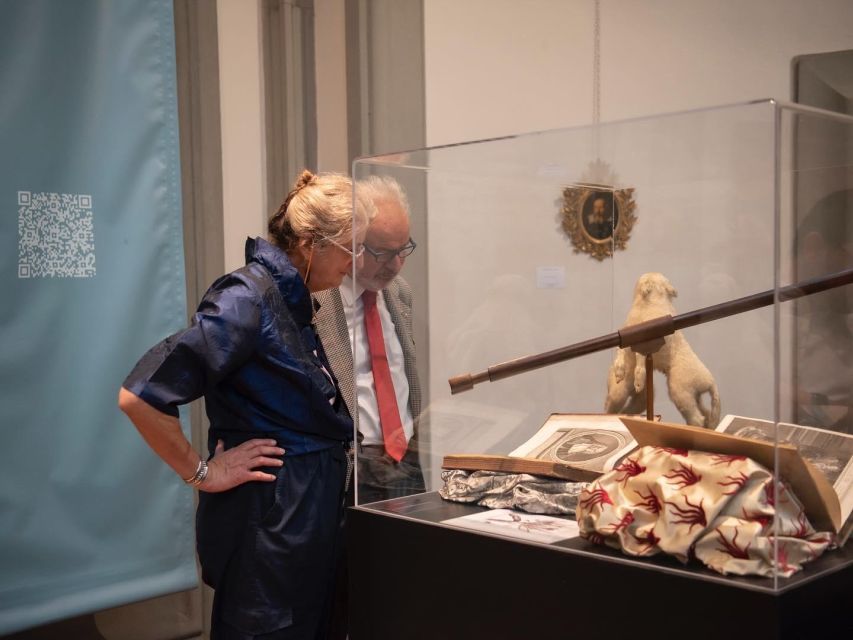
Florence has no shortage of Medici art. You can spend days moving between palaces, chapels, churches, and galleries connected with the family. This museum takes a different approach. It places the story in the Rotonda Brunelleschi, an extraordinary building whose own past deserves attention.
Filippo Brunelleschi designed and began the Rotonda in 1437. The project was modeled on the Roman Pantheon, but it remained incomplete for roughly five hundred years. That long pause gives the place an unusual character. You are not simply entering a modern gallery filled with old objects. You are entering an ambitious Renaissance project that changed purpose over time.
The Rotonda once formed part of an important humanist library. Cosimo the Elder, Lorenzo the Magnificent, and Leo X were connected with this intellectual setting. Later, Cosimo I, Grand Duke of Tuscany, made it the first home of the Academy of Arts and Drawing. In the nineteenth century, sculptor Enrico Pazzi worked there, and his statue of Dante can now be seen in Piazza Santa Croce.
That sequence helps you read the building as a record of Florence’s changing priorities. First came books and humanist study. Then came art training. Later came sculpture and public memory. Today, the site holds the Museo de’ Medici. The museum reopened to the public after twenty years of closure, so the chance to enter the Rotonda is a major part of the ticket’s value.
More Museum and Gallery History Tours in Italy:
- Venice’s Best: Basilica, Doge’s Palace, Gondola & History Gallery
★ 4.5 · 2,478 reviews - Venice: Bell Tower & St Mark’s Square History Gallery Ticket
★ 4.3 · 910 reviews - Basilica, Doge’s Palace, History Gallery & Bell Tower Option
★ 5.0 · 586 reviews
Following the Medici from power to memory
The exhibition centers on the Casa Medici, the family that shaped Florence and Tuscany for generations. You’ll encounter the dynasty through precious collections, historical relics, original documents, faithful reconstructions, and modern displays.
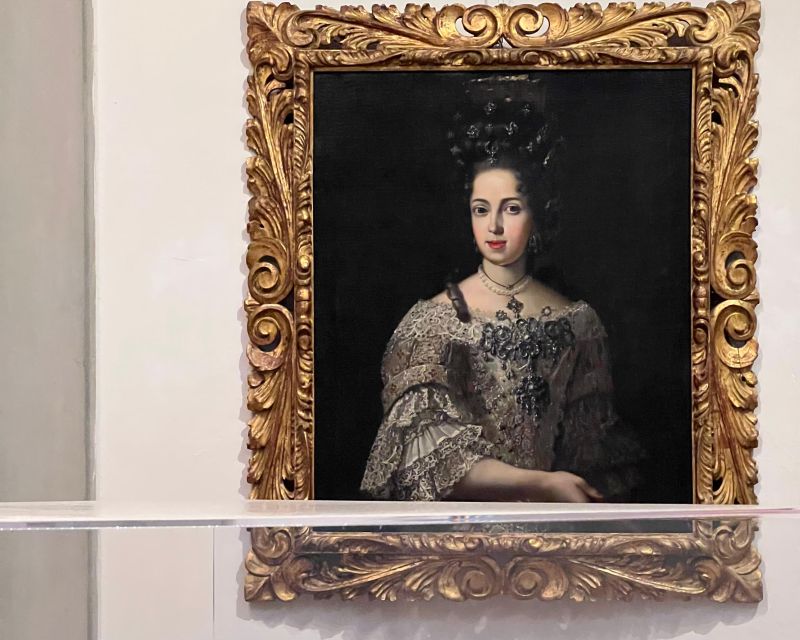
The story reaches from Lorenzo the Magnificent to the Electress Palatine. Those names help frame the family’s long arc. Lorenzo represents the period when Medici influence and cultural patronage were at their height in Florence. The Electress Palatine points to the family’s later role in protecting and passing on cultural treasures.
This is not presented as a simple list of grand dukes. The museum also aims to share anecdotes and small curiosities about the family. That matters because political history can become a blur of names and dates. Personal details give you a more human way into the dynasty, even when the supplied information does not specify every story included in the galleries.
You should expect a compact, focused account rather than a full survey of every Medici site in Florence. If you want the family explained in one place, this is useful. If your main interest is seeing famous Renaissance paintings, you may find the museum less essential than Florence’s larger art institutions.
Antiquities beside holograms and original papers
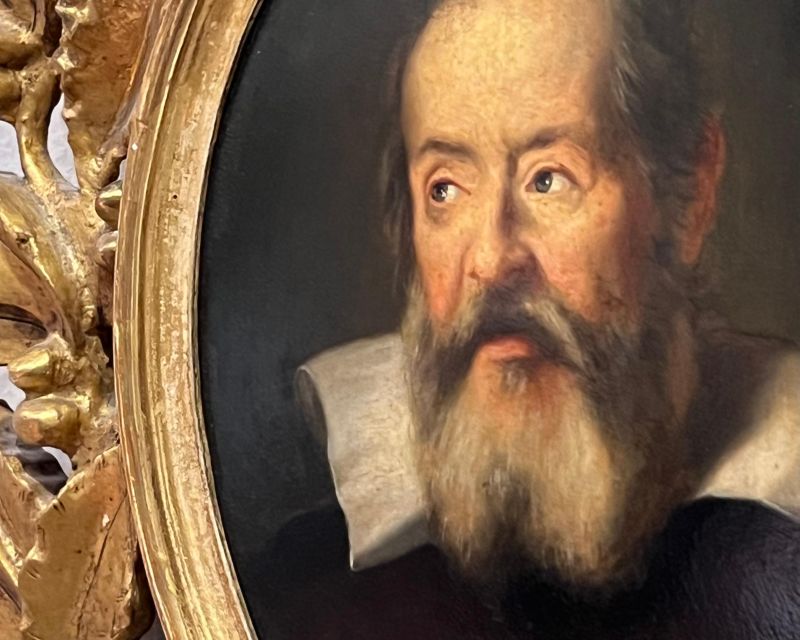
The museum mixes old material with newer presentation tools. Antiquities and historical objects share space with holograms, multimedia installations, and reconstructions. This combination is helpful if you want context but do not enjoy reading long panels of dates and titles.
The multimedia material can make the Medici story easier to follow. A document or relic may be important, but it does not always explain itself. A reconstruction can show how an object fit into court life, while a hologram or digital display can add atmosphere and a sense of narrative movement.
There is also a tradeoff. Traditional museum visitors may prefer original objects with minimal technology. Here, the digital elements are part of the experience, so you should expect a presentation that mixes historic evidence with modern interpretation. The approach is likely to work best for families, first-time Medici visitors, and anyone who wants a clear introduction rather than a specialist collection.
The museum also includes temporary art exhibitions in the ticket. Their exact subject can change, so do not build your entire visit around a particular temporary display unless you confirm what is showing on your date.
The winter garden and the Medici love of plants
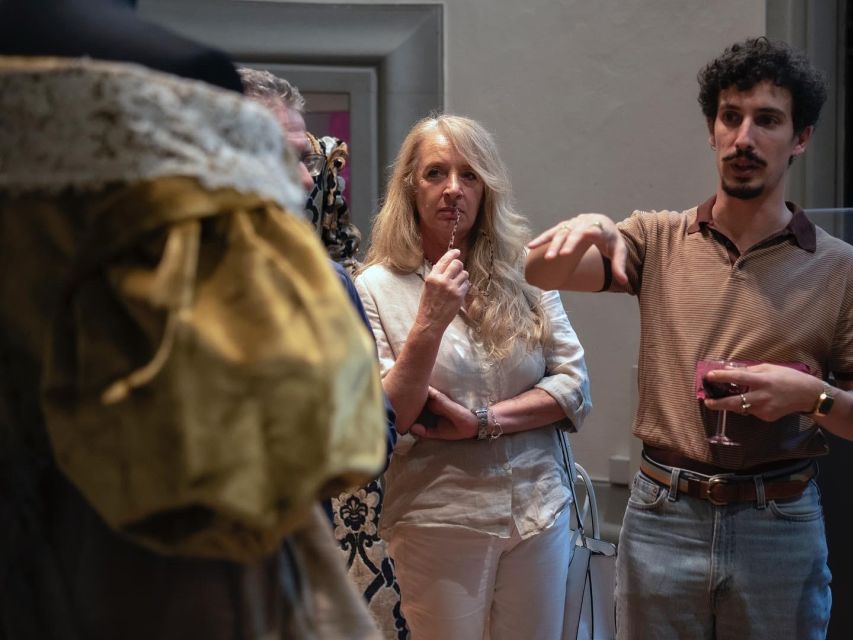
The winter garden adds a welcome change of pace. Much of the Medici story concerns court power, art, dynastic marriages, and collecting. The garden points to another side of the family: an interest in botany.
That detail is more important than it may first seem. Medici collecting was not limited to paintings and luxury objects. Plants, nature, scientific study, and the ordering of the natural world also belonged to the culture of the court. The winter garden gives you a physical place to consider that interest.
Do not expect a full botanical garden based on the information available. Think of it as one part of the museum’s presentation, and a useful counterpoint to the political story. If you are already planning a long day of indoor art museums, this element may make the visit feel less repetitive.
More Entry Tickets in Italy:
- Taormina: Ancient Theater Skip-the-Line Ticket & Audio Guide
★ 4.5 · 2,412 reviews - Historic Milan Tour with Skip-the-Line Last Supper Ticket
★ 4.5 · 1,976 reviews - Taormina: Ancient Theater Entry Ticket and Guided Tour
★ 4.2 · 370 reviews - Turin: Palazzo Madama Museum of Ancient Art Entrance Ticket
★ 4.6 · 149 reviews
What your visit should feel like
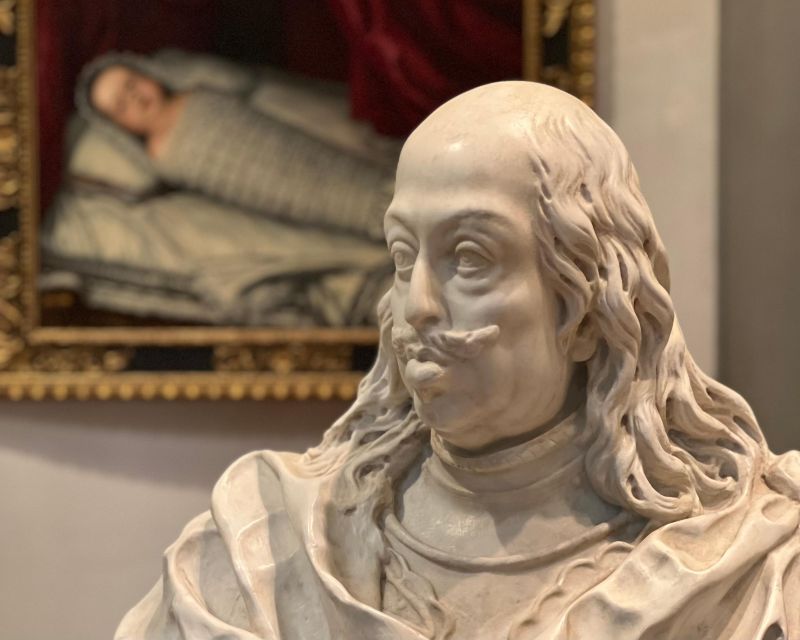
The available information does not give a fixed guided route, a visit duration, or a named guide. English and Italian hosts or greeters are available, but you should not assume a private guided tour or a detailed live lecture. The ticket is best understood as entry to a museum experience with multilingual assistance.
You’ll first be dealing with the setting itself. Take a moment to look at the Rotonda before rushing toward the displays. Its scale, circular plan, and Pantheon model make it different from the narrow rooms and palace halls found elsewhere in Florence.
From there, the exhibition moves through Medici objects, documents, reconstructions, and multimedia material. The family story is the thread holding these pieces together. You can expect an emphasis on anecdotes, curiosities, and the dynasty’s cultural role, not just military or political events.
The winter garden gives the visit another focus. Then, depending on the temporary exhibition in place, you may have additional art to see before leaving. Since no fixed timetable is provided, allow yourself enough flexibility to read and watch the displays without treating the museum like a quick photo stop.
Is $14 good value in Florence?
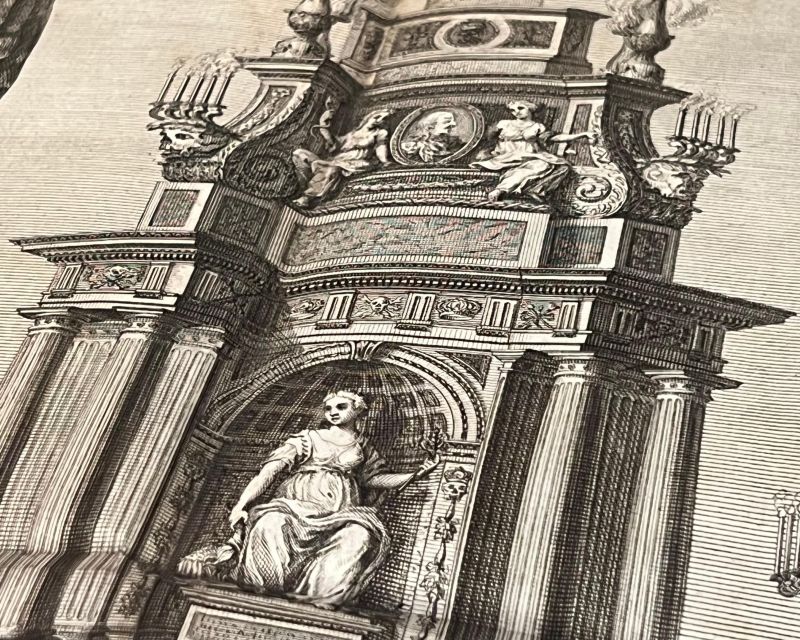
At $14 per person, this is not a major financial gamble by Florence standards, but value depends on your interests. A ticket that combines a museum, a significant Renaissance building, temporary exhibitions, and skip-the-line entry offers several reasons to visit.
The strongest value comes from the building. If you had to choose between a generic Medici display and a collection housed in Brunelleschi’s Rotonda, the Rotonda gives this experience a clear identity. You are paying for access to a place with connections to humanist study, the Medici library, the Academy of Arts and Drawing, and later sculpture.
The second value comes from the format. The mix of relics, original documents, reconstructions, and multimedia displays may help you understand the dynasty faster than a collection of isolated objects would. For a first introduction to the Medici, that practical clarity has worth.
I would be more cautious if you have a tight museum budget and already plan to visit several major Medici sites. Florence offers many ways to encounter the family, and this museum may repeat names and themes you will see elsewhere. It is most useful when you want a concentrated visit in a distinctive building.
Ticket flexibility, timing, and one serious warning
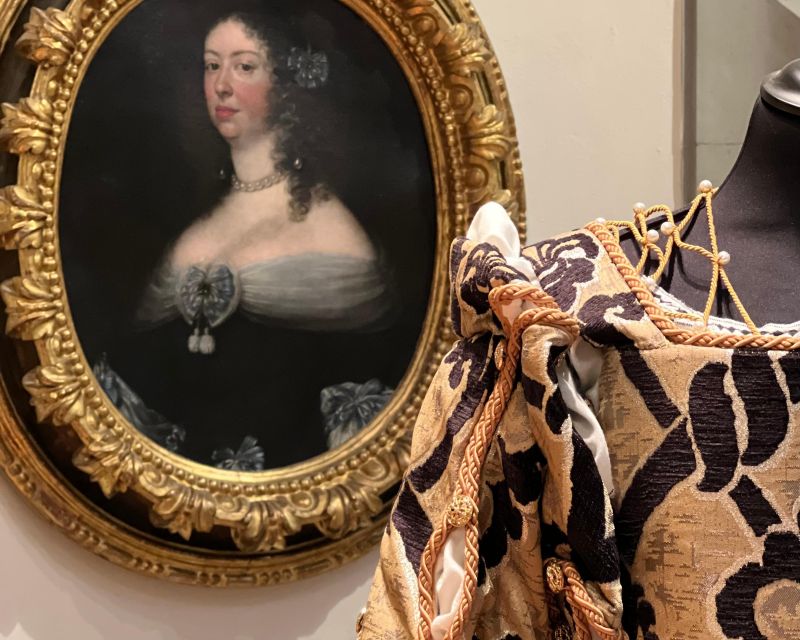
The ticket is valid for two months, which gives you useful flexibility during a longer stay. This does not mean the museum visit lasts two months. It means you can use the ticket within that validity period, subject to availability and the stated starting times.
You can reserve now and pay later, which may help if your Florence plans are still shifting. Free cancellation is available up to 24 hours in advance for a full refund. The ticket also includes skip-the-line entry, potentially saving time at a popular central attraction.
Still, do not treat flexibility as a substitute for checking the date. A verified booking for January 2, 2026 encountered a closed museum, and the customer reported no clear way to contact the provider for a refund. That is a specific warning, not proof that the museum is regularly closed. Check the museum’s availability carefully, and save confirmation details before you go.
The host or greeter languages are English and Italian. No information is provided about group size, a set tour length, or accessibility arrangements, so ask before booking if any of those points affect your plans.
Who should choose this Medici museum?
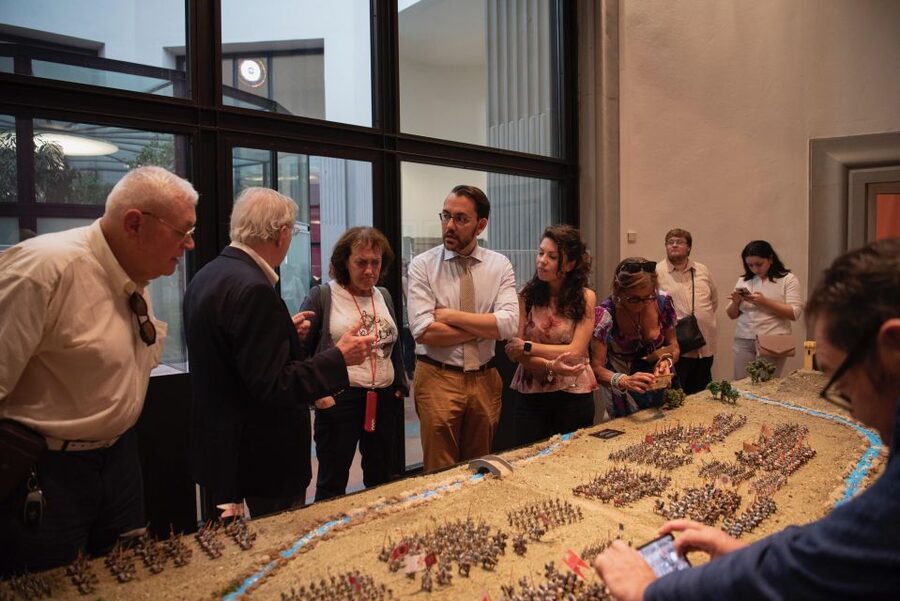
I would recommend it most strongly to you if you fit one of these profiles:
- You want a short, focused introduction to the Medici dynasty.
- You are interested in Renaissance architecture as much as historic objects.
- You like museums that combine original material with digital displays.
- You want to see a side of Medici life connected with botany and collecting.
- You have two months of flexibility around your Florence visit.
- You prefer an English or Italian museum experience without committing to a long guided tour.
Families may appreciate the holograms and multimedia elements, especially if a traditional document-heavy museum would lose younger visitors. First-time visitors to Florence may also find the story easier to follow here than when scattered among several churches and palaces.
You may want to skip it if your priority is famous paintings, a long expert-led tour, or a complete architectural tour of Florence. The available details do not promise any of those things. This is a focused museum with a strong location, not a replacement for the Uffizi, Palazzo Vecchio, or every Medici church and chapel in the city.
Should you book the Medici Dynasty History Museum?
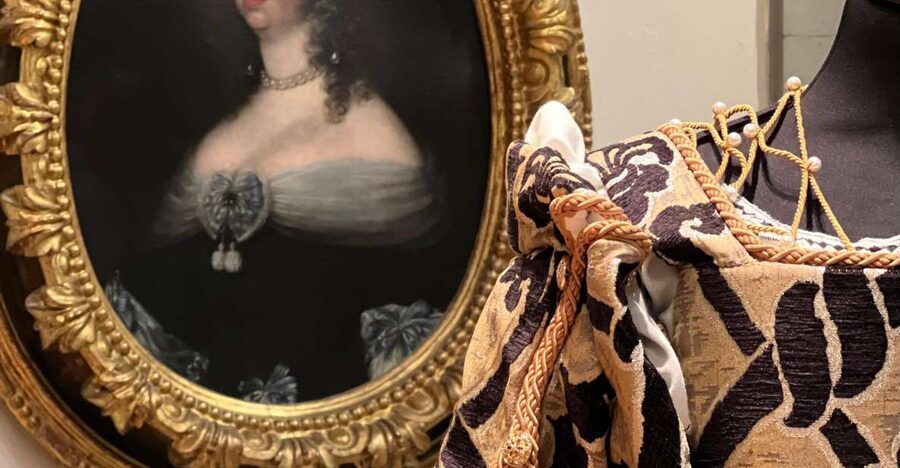
Book it if the Rotonda Brunelleschi interests you and you want the Medici story presented through objects, documents, reconstructions, and multimedia displays. At $14, the combination is reasonable, especially with temporary exhibitions, skip-the-line entry, and two months of ticket validity.
Before paying, check that the museum is operating on your chosen date. The reported closure on January 2, 2026 is the main practical concern. If the date works, this is a sensible addition to a Florence itinerary, particularly for visitors who want more than another room of paintings and would enjoy seeing how one Renaissance building carried the city’s intellectual, artistic, and dynastic story across centuries.
FAQ
Where is the Medici Dynasty History Museum?
The museum is in Tuscany, Italy, inside the Rotonda Brunelleschi. The supplied information identifies the experience with Florence and describes the Rotonda as one of the city’s extraordinary buildings.
How much does the museum ticket cost?
The ticket costs $14 per person.
How long is the ticket valid?
The ticket is valid for two months. This refers to the period in which you can use the ticket, not the length of the museum visit.
What does the ticket include?
It includes entry to the Museo de’ Medici, temporary art exhibitions, and skip-the-line entry.
Are temporary exhibitions included?
Yes. Temporary art exhibitions are included with the ticket.
What languages are available?
The host or greeter service is available in English and Italian.
Can I cancel the booking?
Yes. You can cancel up to 24 hours in advance for a full refund.
Can I reserve now and pay later?
Yes. The booking option allows you to reserve your place and pay later.
Is a guided tour included?
The information confirms an English or Italian host or greeter, but it does not specify a fixed guided tour or a named guide.
Should I check the museum’s opening status before booking?
Yes. Availability and starting times should be checked before booking. A booking dated January 2, 2026 was affected by a closure, so confirming your date is especially important.
Newest history tours we have reviewed in Italy
- Guided Cultural Tour of the Godfather Film in Messina★ 5.0 · 31 reviews
- SU NURAXI BARUMINI Unesco World Heritage Site★ 5.0 · 129 reviews
- Picnic aperitif in the vineyard of an ancient trullo in Martina Franca★ 5.0 · 21 reviews
- Brescia the Unexpected: History, Local Stories & a drink★ 5.0 · 31 reviews
- Bologna historical art walking tour with hidden gems and tastings★ 5.0 · 108 reviews
- Bolognese Cooking Class with Margherita in the Historic Center★ 5.0 · 26 reviews
- Best of Bologna in one day : Food, architecture, art and history★ 5.0 · 27 reviews
- Private or semi-private tour of the historic center of Bologna★ 5.0 · 34 reviews
Museum & Gallery History Tours, compared.
Louvre Museum Entry with History of Mona Lisa
Read our review →
Venice’s Best: Basilica, Doge’s Palace, Gondola & History Gallery
Read our review →
American Museum of Natural History Admission Ticket
Read our review →
Guided African American History Tour with Reserved Museum Entry
Read our review →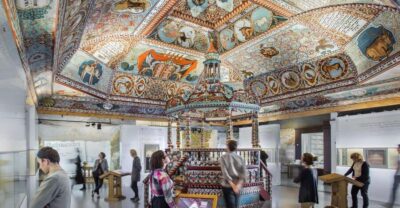
POLIN Museum of the History of Polish Jews Ticket
Read our review →
Bell Tower & St Mark’s Square History Gallery Ticket
Read our review →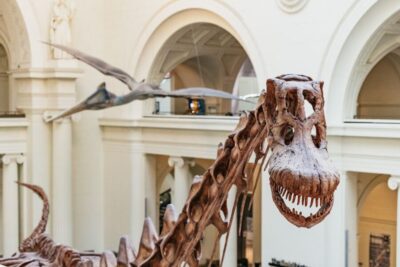
Field Museum of Natural History Ticket or VIP Tour
Read our review →Browse the lists this tour appears in