
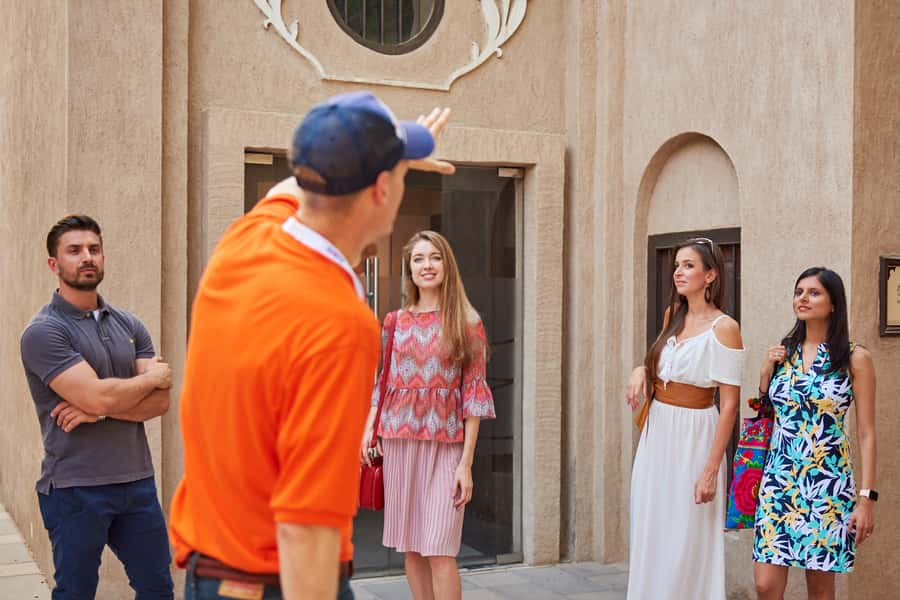
Review · DUBAI HISTORY TOURS
Historic Forts, Boats and Pearls of Old Dubai Walking Tour
Dubai’s glass towers tell only half the story. This two-hour Old Dubai walk takes you through Bastakiya’s wind towers, along the Creek, and into the souks where spices, fabrics, perfumes, and gold still shape the city’s daily rhythm. The wooden abra crossing is the small transport ride that gives the tour its character.
I like the way the tour connects places to people, food, trade, and local etiquette instead of treating the old quarter as a photo stop. I also like the modest tastings, especially coffee and dates, which make the cultural details easier to remember. The main drawback is pace: two hours is tight for three souks, museums, a fort, tastings, and a boat ride.
Key points at a glance
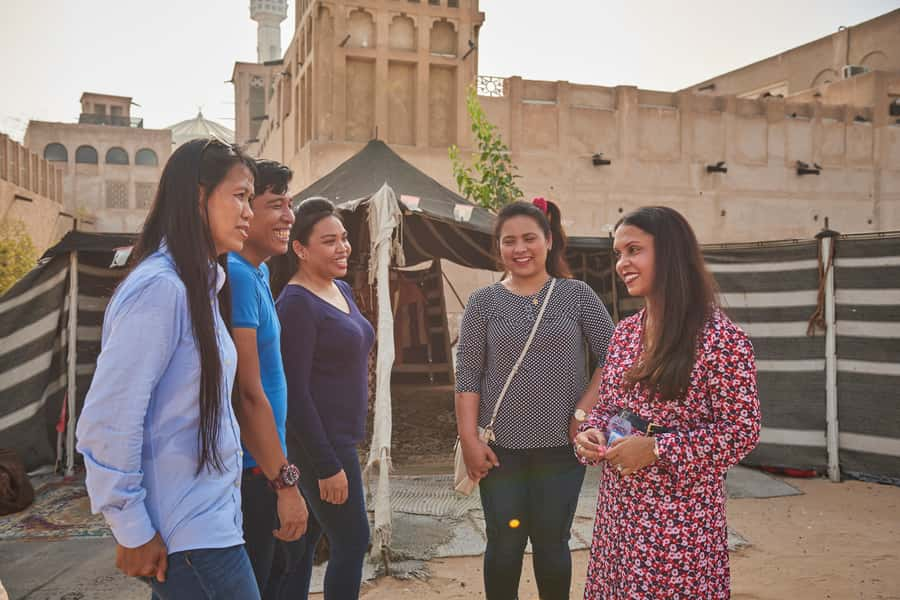
- Bastakiya and Al Fahidi: Walk through Dubai’s oldest residential quarter and see its heritage houses and wind towers.
- Abra across Dubai Creek: Ride a traditional wooden boat for a quick view of the waterway that powered Dubai’s early trade.
- Three major souks: Visit the textile, spice, and gold markets, with time to take in their different moods.
- Food and drink tastings: Try coffee and dates, plus chocolates and dried fruit in the Spice Souk.
- Human stories: Learn about pearl trading, desert-town life, customs, food, and the growth of the United Arab Emirates.
- Small-group feel: The guide-led format allows room for questions, though the exact group size is not specified.
Starting among Bastakiya’s wind towers
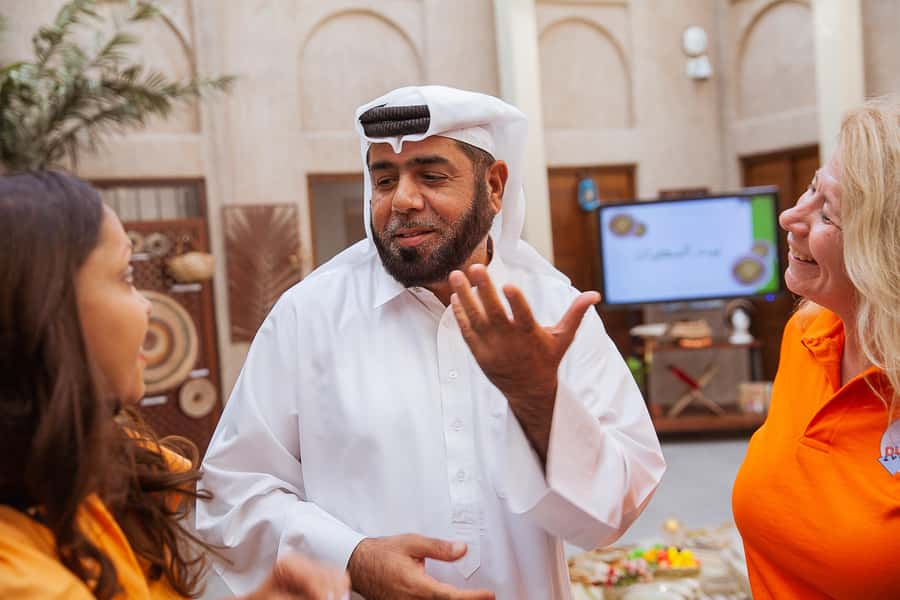
Meet your guide outside Arabian Tea House on Al Fahidi Street, opposite the Musalla Post Office in Bur Dubai. This is a useful starting point because you are already in the old quarter, rather than being dropped at the edge of a modern shopping district and asked to imagine what came before.
Bastakiya, also called the Al Fahidi Historical Neighborhood, is built around narrow lanes and restored heritage houses. The wind towers are the visual hook. Before air-conditioning, these structures helped move air through homes, a practical reminder that Dubai’s older architecture was shaped by heat, trade, and limited resources.
The tour uses these buildings to explain early residential life. You can expect more than dates and names. The guide discusses the city’s people, customs, food, and social etiquette, giving you a clearer idea of how a desert trading settlement developed before the skyscrapers arrived.
This is where the quality of the guide matters most. The advertised English-speaking guides are certified and have at least 1,200 hours of experience, with a record of five-star ratings. Guides named in past tour feedback include Pri, Dana, and Sameh. Dana was especially praised for keeping a late-starting group in a good mood, while Pri was noted for patience and a friendly manner.
Do not expect Bastakiya to be a large open-air museum with every room presented in detail. The appeal is the walk itself: shaded lanes, old homes, courtyards, and the chance to ask questions while moving through a living part of Dubai. Wear comfortable shoes and light, comfortable clothing. The route is on foot and includes uneven or crowded sections.
More History Walking Tours in Dubai:
- Historic Old Dubai & Souk Small Group Walking Tour
★ 5.0 · 156 reviews - Dubai: Walking, Architecture and History Tour of Dubai Opera
★ 4.9 · 40 reviews - Dubai’s Favourite Food & Historic walking Tour
★ 5.0 · 32 reviews
Al Fahidi Fort and Dubai before the towers
Al Fahidi Fort gives the tour a firm historical anchor. Museum admission is included, so you do not have to decide on the day whether to pay for a separate visit. The fort helps place Dubai’s early military and civic life within the larger story of the emirate.
The key benefit of seeing the fort with a guide is context. On its own, an old building can become one more stop on a busy sightseeing list. With explanation, it becomes part of a timeline that includes pearl trading, coastal commerce, regional connections, and the later growth of Dubai and the United Arab Emirates.
You may also visit other museums during the walk, including a coffee museum according to the described route. Since the full museum sequence can vary, ask your guide at the start which interiors are planned that day. Two hours leaves little room for a long, unhurried museum visit.
I would treat the fort and museums as places to get the broad story, not as a substitute for a full museum day. The tour is strongest when it keeps moving and connects the exhibits to the streets outside.
Coffee, dates, and the everyday side of culture
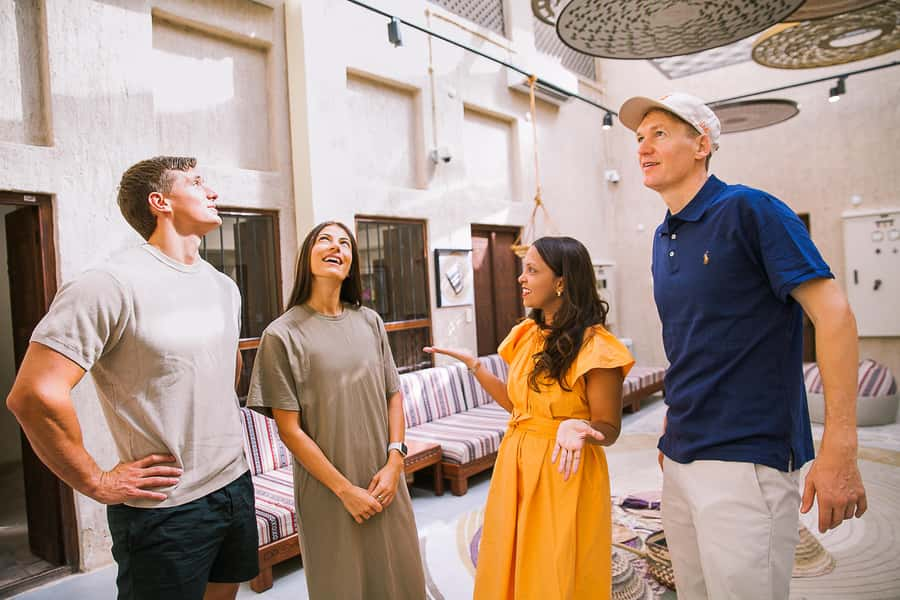
The included coffee and dates tasting is a small feature, but it serves a useful purpose. Food and hospitality often explain customs better than a string of facts. You get a taste of how welcoming visitors is tied to local tradition, and you can ask about serving practices, ingredients, and etiquette.
The tour also includes chocolates and dried fruits at the Spice Souk. These samples add a little pleasure, but they are not meant to be a meal. If you arrive hungry, eat beforehand or plan lunch after the walk. The supplied information does not promise a full food tour.
I like this part because it keeps the experience from becoming a procession of buildings. The route asks you to notice what people eat, sell, serve, and trade. That makes the old quarter feel practical and lived-in rather than frozen in the past.
Crossing the Creek by traditional abra
The abra ride is the tour’s most memorable change of pace. After walking through the old neighborhood and markets, you board a traditional wooden boat and cross Dubai Creek. The trip is brief, but the view changes your understanding of the city.
From the water, the Creek becomes a working route rather than just a scenic backdrop. The ride helps explain why this part of Dubai grew as a trading town. You see the relationship between the two shores, the markets, and the movement of goods and people.
The boat is simple, not a luxury cruise. That is exactly the point. You are using a traditional local form of transport, and the ride offers a direct connection to the city’s trading past. It is also a good moment for photographs.
The boat crossing depends on the route and operating conditions on the day, so keep your attention on the guide and the group. If you have limited mobility, note that the activity is not suitable for wheelchair users. The walk, boarding process, and market lanes require you to move independently.
More History Tours in Dubai:
- Dubai Evening Heritage Safari by Vintage G Class Al Marmoom Oasis
★ 5.0 · 1,500 reviews - Dubai: Abu Dhabi Grand Mosque, Palace, and Heritage Village
★ 4.8 · 1,265 reviews - Dubai Camel Desert Safari, Traditional Meal & Heritage Activities
★ 5.0 · 937 reviews - Dubai: Heritage Safari in Vintage Land Rover with Dinner
★ 4.8 · 861 reviews
Spice Souk: scent, samples, and salesmanship
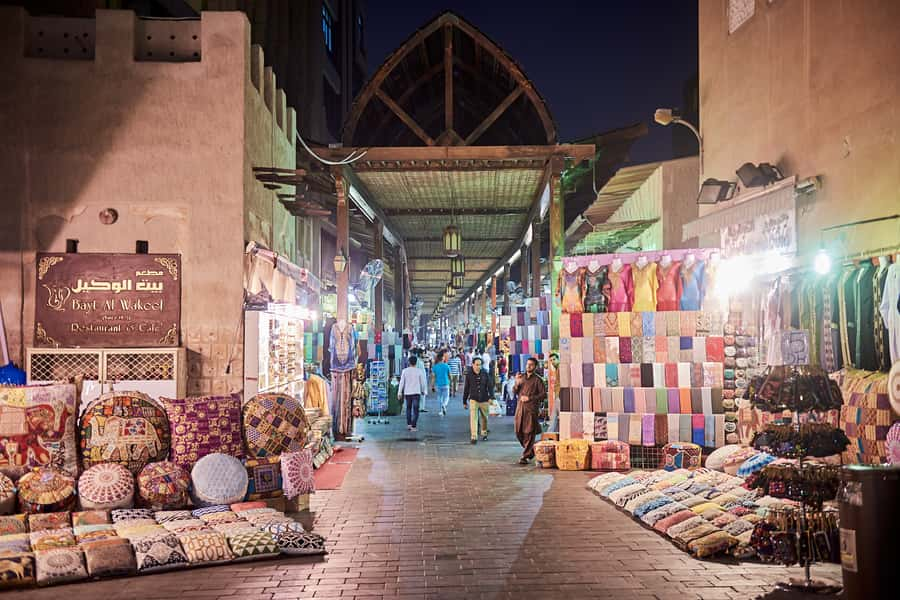
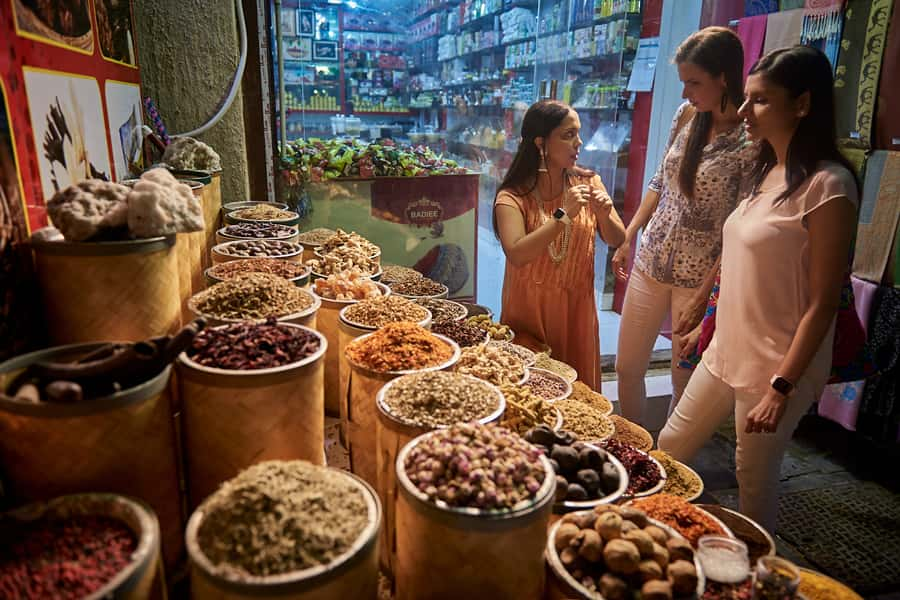
The Spice Souk is where the tour becomes most sensory. You can expect sacks, jars, dried goods, sweets, and strong aromas, along with shopkeepers ready to explain or sell their products. The guide helps you separate genuine cultural information from the sales pitch.
The included chocolate and dried-fruit tastings fit naturally here. You may also hear about the uses of spices in food and traditional practices, though the exact products and conversations will depend on the shops open during your visit.
Do not feel pressured to buy. A souk is a commercial place, and browsing is part of the experience. If you want to purchase something, listen carefully to prices and quantities, then compare before committing. The guide can offer useful context, but the final choice remains yours.
This stop is best for your senses and your questions. It is less useful if you want a quiet, carefully arranged museum display. The market is active and informal, which is why the guide’s ability to explain local manners matters.
Textile Souk: fabrics, color, and practical tips
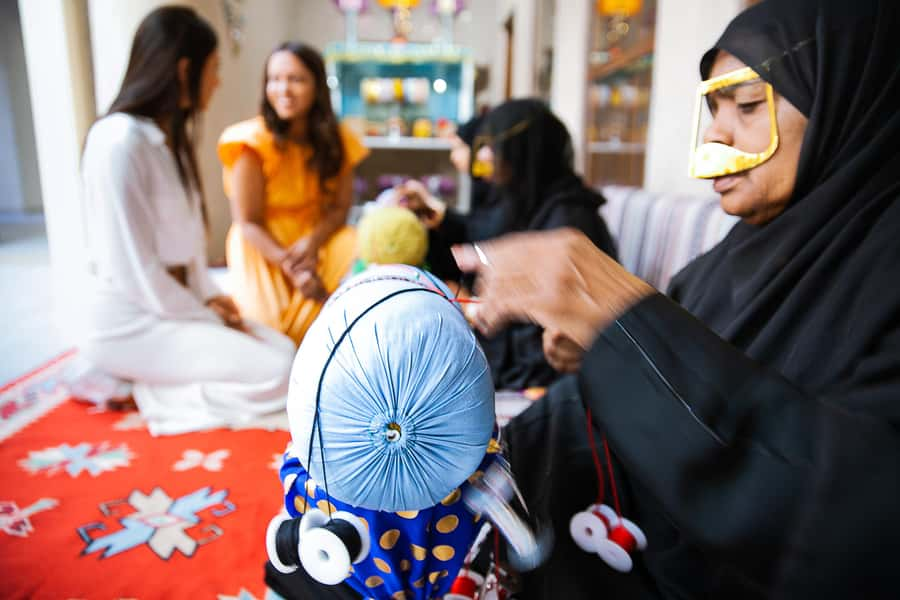
The Textile Souk provides a different picture of old Dubai. Instead of spices and food products, you will see fabrics, garments, and materials associated with the city’s trading culture. The contrast between the textile and spice markets helps you understand that the old quarter was not built around one product.
You will have time to browse, take photographs, and ask about fabrics or traditional clothing. Again, the tour is not primarily a shopping trip. Its value comes from learning how the market works and understanding the role of trade in Dubai’s growth.
The guide can also explain customs and clothing etiquette, which is useful if you are planning to visit mosques, government buildings, or other parts of the UAE after the tour. The experience is especially helpful early in your stay, when you are still working out how to behave, bargain, dress, and move through local markets.
Gold Souk: spectacle with a commercial edge
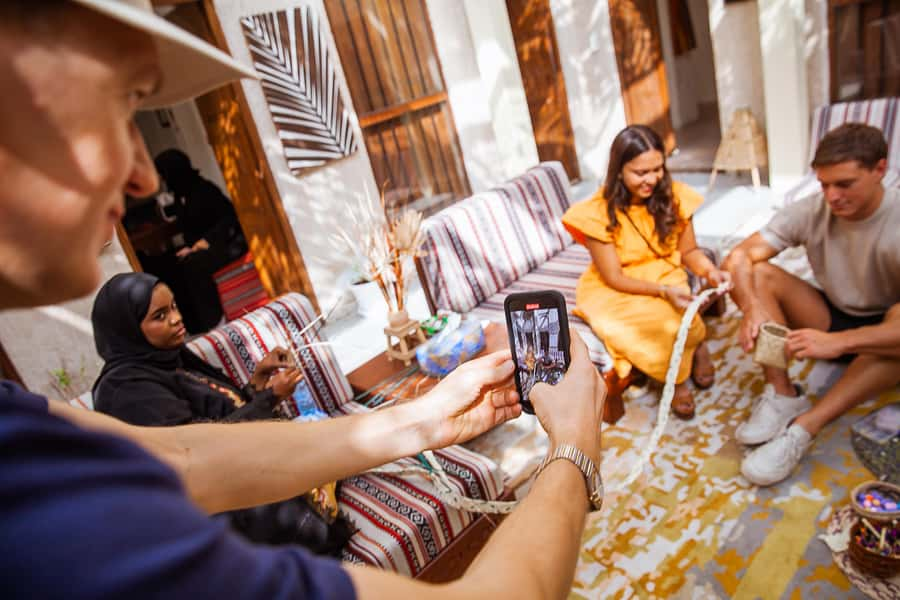
The Gold Souk is the most polished of the three market stops. Displays of gold jewelry create an immediate visual contrast with the older lanes and spice stalls. Even if you have no intention of buying, it shows how Dubai combines traditional commerce with modern wealth.
The stop is not simply about looking at jewelry. It helps connect pearl trading and older forms of commerce with the city’s later reputation as a major trading center. The guide can explain the market’s place in Dubai’s story and point out details you might miss while walking alone.
If you shop, remember that the tour is moving on a schedule. You may not have time for lengthy comparisons or custom orders. For most people, the Gold Souk is best treated as a short, informative visit rather than the main shopping event of the day.
What the two-hour schedule really means
Two hours is enough for a strong introduction, not a slow examination of every museum, lane, and stall. The route covers Bastakiya, Al Fahidi Fort, museums, the Creek, and the three major souks, so the pace will be purposeful.
That works well if you want orientation on your first day in Dubai. You can learn where Old Dubai is, how the Creek divides the historic districts, and which markets deserve a longer return visit. The tour also gives you a useful base for exploring independently later.
The tradeoff is depth. You may pause for questions, but you should not expect extended shopping time or a long meal. A guide once described the experience as covering the UAE’s history, politics, demographics, and culture in a short period. That breadth is useful, but some topics will naturally receive only a brief explanation.
The small-group setting helps. Past feedback points to engaged guides who encourage questions and use anecdotes rather than delivering a rigid speech. Still, the exact group size is not stated, so do not book on the assumption that it will be private.
Guide quality and the value of interpretation
A good guide can turn a pleasant walk into a useful lesson. This tour’s strongest feature is the effort to connect architecture, markets, food, and etiquette. You are not just told that Dubai changed quickly. You learn what early life looked like and why pearl trading and commerce mattered.
The named guides offer a sense of the guiding style. Pri was described as patient and pleasant. Dana was praised for warmth, organization, historical knowledge, and her friendly relationships with market sellers. Sameh was also singled out as an excellent guide. Your guide may be someone else, but these examples suggest that the provider places weight on conversation and personal explanation.
The guide also offers practical advice beyond the official route. Past tour experiences included tips about restaurants, public transportation, and other parts of Dubai. That can add real value, especially if this is your first visit and you want help planning the rest of your time.
Is $54 a fair price?
At $54 per person, the tour is not the cheapest way to walk through Old Dubai. You are paying for a guide, museum admission, the abra crossing, and several tastings, not simply transport between sights.
The value depends on how much explanation you want. If you are happy to wander the souks alone and read signs, you can visit much of the area independently for less. If you want the city’s history, customs, pearl trade, food traditions, and market etiquette explained in clear English, the price becomes easier to justify.
I see this as a good orientation purchase rather than a bargain shopping tour. Book it near the start of your Dubai stay, then return to the souks later if you want more time to buy spices, textiles, or gold. You get both a map in your head and a sense of which places deserve a second look.
Hotel pickup and drop-off are not included. You must reach the meeting point outside Arabian Tea House yourself. Free cancellation is available up to 24 hours before the tour, and you can reserve now and pay later, which gives you some flexibility if your schedule is still changing.
Who should book this Old Dubai walk?
I recommend it to first-time visitors who want Dubai explained beyond its modern towers. It suits anyone interested in architecture, trade, food, local customs, and market life, especially if you prefer a guide to a self-guided museum visit.
It is also a good fit for visitors with only a short window in the city. In two hours, you get a compact look at the old neighborhood, a boat crossing, the three principal souks, and several cultural themes.
You may want a different plan if you dislike walking, crowded market lanes, or commercial stops. The tour is not suitable for wheelchair users, and the quick schedule may frustrate you if you want to linger at every stall or museum. Bring comfortable shoes, keep your expectations realistic, and plan a meal separately.
FAQ
How long is the Historic Forts, Boats and Pearls of Old Dubai Walking Tour?
The tour lasts two hours.
What sights are included?
The route includes Al Bastakiya, the Al Fahidi Historical Neighborhood, Al Fahidi Fort, museums, the textile souk, the Spice Souk, and the Gold Souk.
Is an abra ride included?
Yes. The tour includes a traditional wooden abra ride across Dubai Creek.
Where does the tour meet?
Meet your guide outside Arabian Tea House on Al Fahidi Street in Bur Dubai, in Bastakiya, opposite the Musalla Post Office.
What tastings are included?
Coffee and dates are included, along with tastings of chocolates and dried fruits in the Spice Souk.
Is a guide included?
Yes. The tour includes a certified English-speaking premium guide. The advertised guides have at least 1,200 hours of experience and five-star ratings.
Are museum tickets included?
Yes. Museum tickets are included in the tour price.
Is hotel pickup included?
No. You must make your own way to the meeting point, and hotel pickup and drop-off are not included.
Is the tour suitable for wheelchair users?
No. The activity is listed as unsuitable for wheelchair users. Comfortable shoes and comfortable clothing are recommended.
Should you book it?
Book this tour if you want a clear introduction to Old Dubai, with a guide explaining the city’s customs, trade, food, and past as you walk. The abra ride, tastings, and three souks give the two-hour route plenty of variety.
Skip it if you want a slow shopping trip, a private tour, or a full museum experience. For most first-time visitors, though, $54 is a reasonable price for a guided starting point, especially if you use the rest of your stay to return to the markets that catch your interest.
Newest history tours we have reviewed in Dubai
- Dubai Half Day Tour: Discover Old Dubai’s Heritage & Culture★ 4.5 · 97 reviews
- Dubai: Dubai Frame Where Heritage Meets Modernity★ 4.0 · 25 reviews
- Hatta Mountain Tour, Hatta Dam, Heritage Village, Honeybee Garden★ 5.0 · 23 reviews
- 57 Heritage Safari with Dune Buggy★ 5.0 · 29 reviews
- Historic Old Dubai & Souk Small Group Walking Tour★ 5.0 · 156 reviews
- Private Historic Old Dubai and Souks Walking Tour featuring Hidden Gems★ 5.0 · 27 reviews
- Private Full Day Hatta Visit Dam Heritage Village Lake★ 5.0 · 28 reviews
- Private Full Day Old Heritage & Modern Dubai City Tour with Lunch★ 5.0 · 30 reviews
History Walking Tours, compared.

History and Hauntings of Salem Guided Walking Tour
Read our review →

Freedom Trail History Small Group Walking Tour
Read our review →
Historic Charleston Guided Sightseeing Walking Tour
Read our review →
Tapas Walking Tour with Food, Wine, and History
Read our review →
Savannah History and Haunts Candlelit Ghost Walking Tour
Read our review →
A History of Terror – Belfast City Centre Walking Tour
Read our review →Browse the lists this tour appears in