
Review · HAMBURG HISTORY TOURS
Hamburg: UNESCO-World Heritage Sites Tour
Hamburg’s story is written in red brick, counting rooms, canals, and cargo sheds. This two-hour walk links the Chilehaus, Kontorhäuser, and Speicherstadt, showing how a medieval trading city grew into a worldwide port. You finish near Magdeburg Harbour, with the International Maritime Museum and newer Überseequartier nearby.
I like the clear focus on architecture and trade, and I like the small touches that bring port work to life, especially the old rope winches, carpet storage, pictures, and spice samples. The guide Albert has earned special praise for his clear voice, strong knowledge of Hamburg’s past, and well-paced explanations. The main limitation is that the tour is in German, and the ferry ride happens only on Saturdays.
Key points to know
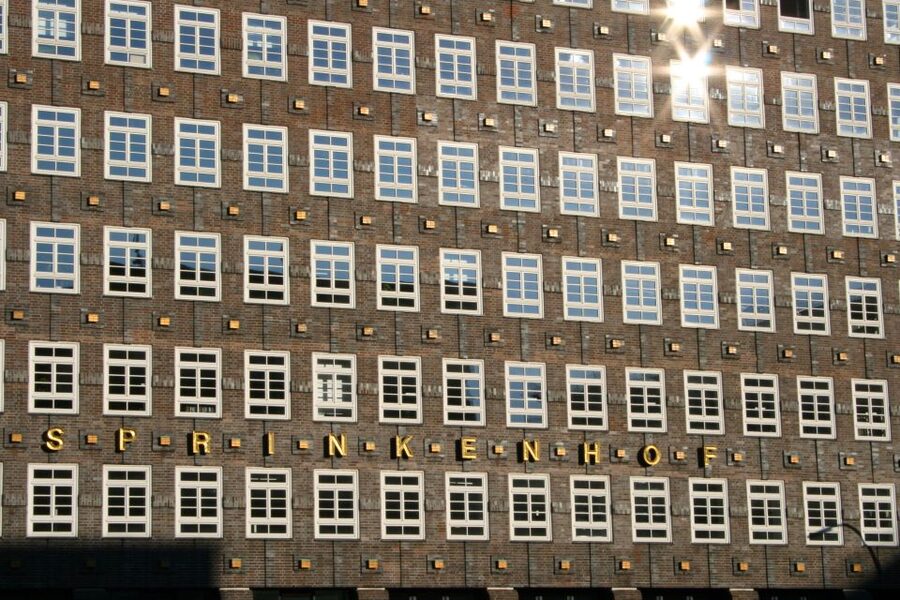
- Chilehaus and Sprinkenhof: See two major Kontorhäuser and learn how Hamburg’s office districts reflected its commercial power.
- Speicherstadt details: Look beyond the famous brick walls for canals, winches, carpet storage, and clues to warehouse work.
- Port stories with spice samples: Pictures and samples help explain how goods moved through Hamburg.
- Saturday ferry option: A short ferry ride may add a water-level view, but it is not part of every departure.
- Two-hour walking format: You cover a lot of ground at a steady pace, so comfortable shoes and weather-ready clothing matter.
- German-speaking guide: The tour is best suited to visitors who can follow German explanations.
From St. Jacobi to Hamburg’s trading past
Meet at Jacobikirche, at the corner of Bugenhagenstraße and Barkhof. This is a useful starting point because the walk begins in central Hamburg and quickly shifts from church and city streets to the office buildings that powered modern trade.
The tour is not just a parade of handsome facades. Your guide explains Hamburg as a Hanseatic city and shows how commerce shaped its streets, buildings, and working life. You hear about clerks, money-counting tables, business offices, and the international links that brought goods and wealth into the city.
That context makes the architecture easier to read. A brick building is no longer just a photo stop. It becomes part of a system: companies needed offices, merchants needed storage, and the port needed routes for goods and people.
The walk is guided in German, so you should be comfortable listening while moving through city streets. The pace has been described as manageable, with explanations delivered clearly enough to follow. If German is not one of your stronger languages, the buildings will still be worth seeing, but much of the tour’s value comes from the spoken background.
More UNESCO World Heritage Tours in Germany:
- Berlin: 3-Hour World Heritage Cruise to Potsdam
★ 4.5 · 1,569 reviews - World Heritage Shirakawa-go and Experience Tours from Kanazawa
★ 5.0 · 4,049 reviews - From Tirana: Berat UNESCO Heritage & Belshi Lake Tour
★ 4.9 · 3,863 reviews
Sprinkenhof and the office city
Sprinkenhof introduces you to Hamburg’s Kontorhäuser, or large office buildings built for commercial companies. These structures tell a different story from the warehouses of Speicherstadt. Here, the focus is on administration, trade deals, clerks, ledgers, and the business side of port life.
I like this part because it gives you a better idea of what Hamburg’s economic growth looked like from the inside. The port needed more than ships and storage rooms. It also needed offices where merchants organized cargo, counted money, arranged contracts, and managed international trade.
The tour places these buildings in the wider story of Hamburg’s development. You learn why prominent office blocks appeared and how they reflected the city’s influence beyond northern Germany. Details about workers and daily office routines help keep the subject grounded in ordinary human activity.
Do not expect a long indoor architectural tour. The experience is primarily a walking route, and the supplied details do not indicate interior access to the buildings. You should think of Sprinkenhof as a guided street-level introduction, with the guide helping you notice design and purpose that you might otherwise pass without much thought.
Chilehaus, Hamburg’s sharp architectural signature
Chilehaus is the best-known architectural stop on the route. Its pointed form gives the building a memorable profile, and the tour uses it to show how Hamburg’s commercial buildings could express confidence, modernity, and global connections.
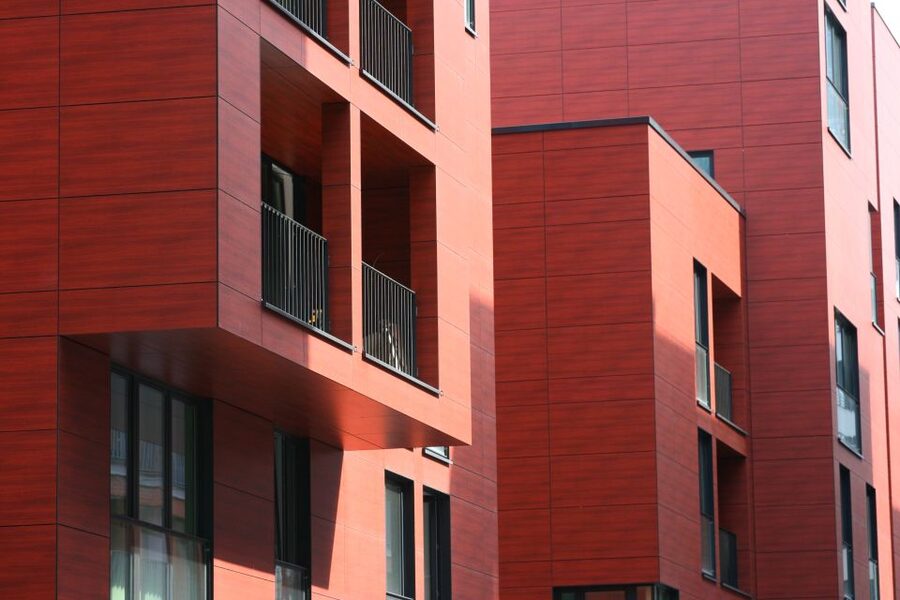
This is one of the places where the contrast between old and new Hamburg becomes clear. The brick facade belongs to the city’s commercial past, while nearby modern structures show how the area continues to change. The tour does not treat the older buildings as frozen museum pieces. Instead, you see them alongside contemporary streets, promenades, and new development.
Your guide connects Chilehaus to the Kontorhaus story, so the stop has more purpose than a quick architecture photograph. You learn how office buildings represented economic growth and Hamburg’s links with the wider world.
Bring your camera, but give yourself time to look at the details as well as the overall shape. The building’s design rewards a slower glance, especially when the guide points out elements that explain its character. Since the tour has several more stops ahead, the time here is limited. That tradeoff keeps the walk moving, but it also means you will not get an extended architectural study.
Meßberg and the working side of trade
At Meßberg, the tour continues the link between office life and the movement of goods. This is where the route helps you picture Hamburg not simply as a port city, but as a place where buildings, people, and cargo were tied together.
The supplied details highlight carpet storage, old rope winches, and port-related equipment. These objects matter because they show the physical work behind the elegant business addresses. Trade required lifting, storing, sorting, and moving goods. The old tools and storage spaces put muscle behind the financial story introduced at Sprinkenhof and Chilehaus.
You may find this part especially useful if you prefer working history to grand architecture. The tour moves from the question of who managed trade to the more practical question of how goods were handled.
Pictures and spice samples add another layer. Smelling or examining a sample can make the port’s cargo easier to imagine than a list of commodities would. The tour does not just tell you that Hamburg traded across the world. It gives you small, concrete reminders of what passed through the warehouses.
More History Tours in Germany:
- Leipzig: City History Canal Sightseeing Tour on a Motorboat
★ 4.7 · 7,671 reviews - Leipzig: 1.5-Hour Historical Walking Tour in German
★ 4.7 · 2,217 reviews - Heidelberg: Night Watchman Historic Adventure Tour
★ 4.7 · 1,186 reviews - The Local Tour of Hamburg Historic Centre
★ 5.0 · 1,058 reviews
Entering Speicherstadt by canal and brick
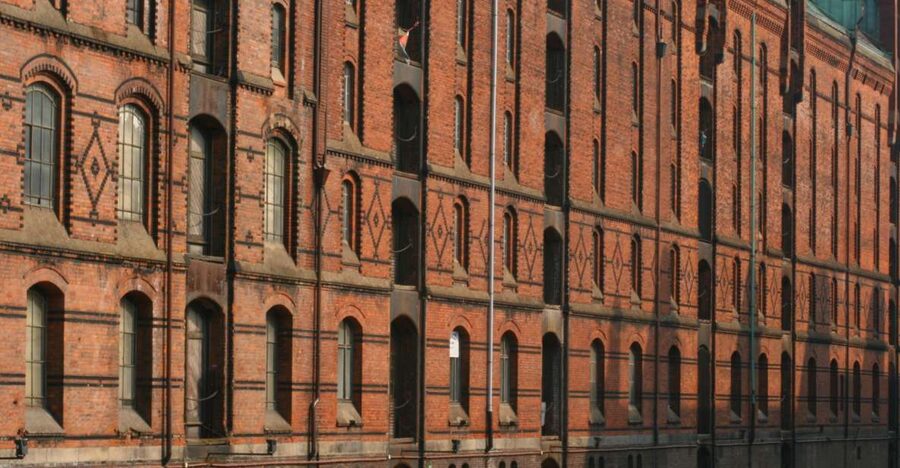
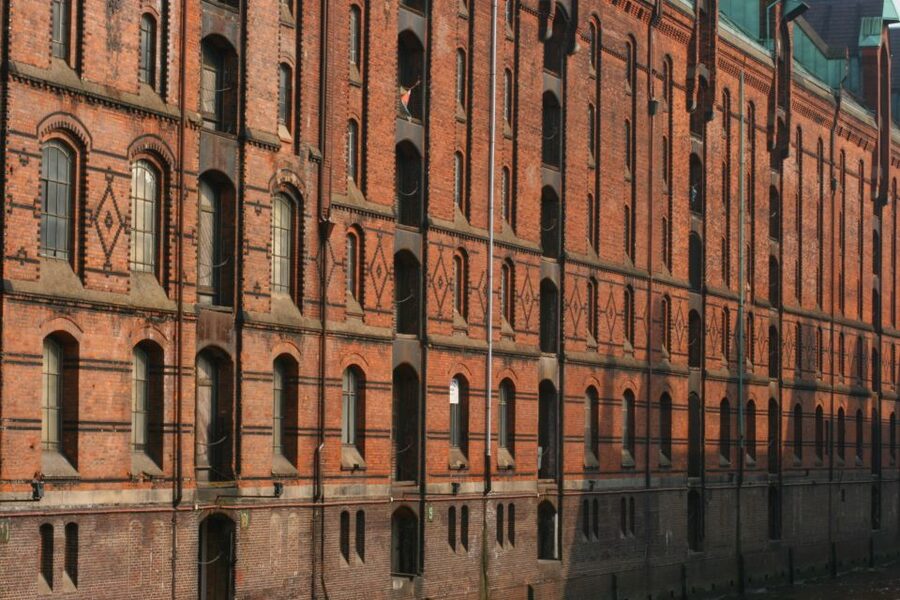
Speicherstadt is the visual centerpiece of the walk. Its long red-brick storehouses, canals, and bridges create the Hamburg scene many visitors have in mind before arriving. Yet the tour’s strength is that it looks past the postcard view.
You learn how the warehouse district worked and why its canals mattered. Old storage buildings line the water, while new dock promenades and modern architecture appear nearby. That mix gives you a clear sense of Hamburg’s changing waterfront.
I like the contrast here. One moment you are looking at weathered brick facades and old warehouse fittings. The next, modern buildings and newer public spaces change the view. The tour treats both as part of Hamburg’s story, rather than pretending the city stopped developing once the historic district was built.
The old rope winches and carpet storage are useful details to watch for. They help you picture the warehouses as workplaces, not decorative backdrops. Look up at the facades, then down toward the canals and working areas. The best experience comes from shifting your attention between grand scale and small evidence of daily labor.
The district is also where the weather matters most. The tour runs in all weather, and much of the time is spent outside. Wear shoes that can handle two hours of walking and bring clothing for rain, wind, or cold. Hamburg’s waterfront can feel very different from a sheltered city street.
Dar es Salaam Square and Hamburg’s global connections
Dar es Salaam Square adds an international note to the walk. Its inclusion reinforces the idea that Hamburg’s port story reaches far beyond northern Germany. The tour uses the surrounding area to connect the city’s buildings and trade networks with a wider world.
This stop helps balance the attention given to German architecture. You are not only looking at brick offices and warehouses. You are also considering the destinations, goods, and relationships tied to Hamburg’s port.
The guide’s use of pictures is useful here, especially when modern surroundings make the earlier history harder to picture. You get help linking present-day streets to the routes and activity that shaped them.
Because the tour lasts only two hours, this is a compact introduction rather than a full study of Hamburg’s overseas connections. If you want a longer treatment of maritime trade, you can continue afterward at the International Maritime Museum, located near the end of the route. The museum is seen as part of the surrounding area, but admission is not listed as part of this tour.
Finishing at Magdeburg Harbour
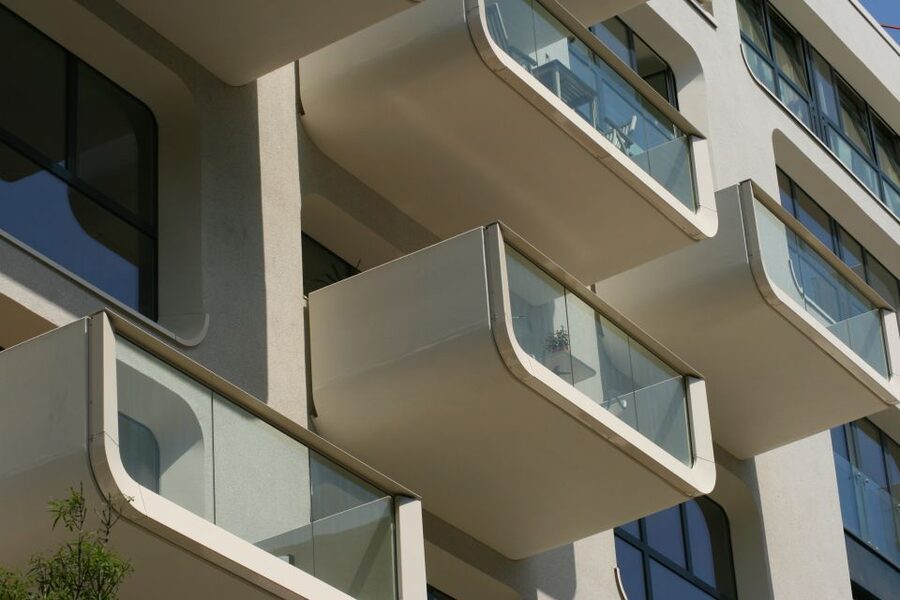
The walk ends at Magdeburg Harbour. This gives you a useful finish because you are near major port-related sights, including the International Maritime Museum and Überseequartier.
The ending also lets you see the city’s old and new waterfront together. Historic warehouses, canals, river views, modern architecture, and newer promenades all meet in this part of Hamburg. You finish with a broader picture of the city than you would get from visiting Speicherstadt alone.
The location is practical for continuing your day, though the tour does not include a separate museum visit. Plan to treat the finish as a good point for your next activity rather than expecting the guide to lead you through an attraction.
If you take the tour on Saturday, a short ferry trip may be included. This offers a different view of the waterfront and gives your legs a brief break from walking. The ferry is not an everyday feature, so do not book a weekday departure expecting the same water segment.
What the two-hour format gives you
Two hours is a good length for a first look at Hamburg’s central historic port districts. You cover the main architectural and warehouse areas without giving up an entire day. The route is varied, moving between office buildings, warehouses, canals, public squares, and harbor views.
The compact schedule also requires sensible expectations. You will not have long free time at each stop, and you will not explore every corner of Speicherstadt. The guide has to keep the group moving from Jacobikirche to Magdeburg Harbour.
That pace seems to work well for people who want structure. The tour gives you a clear sequence and enough background to make later independent exploring more rewarding. Once you understand the role of Kontorhäuser, you can look at Hamburg’s business district with more purpose. Once you understand Speicherstadt’s storage function, the red brick and canals mean more than a scenic walk.
The route is best for visitors who enjoy architecture, city history, and port culture. It also suits anyone with limited time in Hamburg who wants a focused introduction instead of a broad bus tour.
Is $18 good value?
At $18 per person, this is a strong value if you want a guided explanation of Hamburg’s central UNESCO-related districts. The price covers a live German-speaking guide and a two-hour sightseeing walk. It does not include a museum admission, and the ferry element is limited to Saturdays.
The real value comes from interpretation. You can walk through Speicherstadt for free, photograph Chilehaus from the street, and look at the harbor on your own. What you cannot easily reproduce is the connected story about clerks, money counting, warehouse storage, rope equipment, carpets, spices, and port operations.
I would choose this tour early in a Hamburg visit. It gives you a working map of the city’s old commercial core and helps you decide where to spend more time later. If you already know Hamburg well, it can still add fresh details. One participant who already considered themselves familiar with the city found that the historical information added new perspective.
The value drops if you cannot follow German. The buildings remain visible, but the explanations are central to the experience. Check the language carefully before booking.
Guide quality and the small details that matter
Guide quality is especially important on a walking tour built around history and architecture. Albert has been singled out for detailed information, clear delivery, strong engagement, and a voice that was easy to hear. The pace was also considered manageable, which matters when the route includes several districts.
You should expect a guide-led experience rather than a self-guided audio walk. The guide shapes how you see the buildings and connects separate sites into one story.
The spice samples and pictures are modest touches, but they improve the tour. A picture can show port activity that is no longer visible from the street. A spice sample gives a physical sense of the goods once passing through Hamburg. These details keep the walk from becoming a string of dates and building names.
The tour has a rating of 4.7 from 137 submitted ratings, with recent feedback praising its informative content and engaging delivery. One short rating offered no useful detail, so I would place more weight on the repeated comments about clarity, pacing, and historical depth.
Weather, meeting point, and practical planning
The meeting point is Jacobikirche, at the corner of Bugenhagenstraße and Barkhof. Arrive with enough time to identify the church and corner clearly, since the route begins on foot and does not wait for a long orientation period.
Dress for the forecast, but also prepare for changing waterfront conditions. The tour runs in all weather, so a rain layer and comfortable walking shoes are sensible choices. You will spend much of the two hours outside among streets, canals, and harbor areas.
The experience lasts two hours, and starting times depend on availability. The tour offers free cancellation up to 24 hours in advance and allows you to reserve while paying later, which is useful if your Hamburg schedule is still shifting.
Remember the language point: the live tour guide speaks German. That is not a minor detail. The route is easy to appreciate visually, but the historical connections, port explanations, and stories about office life carry much of the tour’s value.
Who should book this Hamburg walk?
Book it if you want a short, focused introduction to Hamburg’s old commercial center, especially the Kontorhäuser and Speicherstadt. It is a good fit for architecture fans, visitors interested in trade and ports, and anyone who wants more than a quick photograph of the Chilehaus.
It also works well for a first day in the city. You get orientation, context, and a finish near several waterfront sights. The Saturday ferry option adds variety if your schedule lines up.
Skip it if you need an English-language tour, want extended indoor access, or prefer to explore at your own pace. The route is guided, the timing is set, and the explanations are in German.
For most German-speaking visitors, I would book it. At $18, the combination of major buildings, working-port details, spice samples, and a steady two-hour route gives you a useful and fairly priced introduction to Hamburg’s UNESCO-related historic districts.
FAQ
Where does the tour start?
The tour starts at Jacobikirche, at the corner of Bugenhagenstraße and Barkhof, at Jakobikirchhof.
Where does the tour finish?
The tour finishes at Magdeburg Harbour.
How long does the tour last?
The tour lasts two hours.
What language is the tour in?
The live tour guide speaks German.
Is the ferry ride included on every tour?
No. The short ferry trip is available only on Saturdays.
Which major buildings are visited?
The route includes Sprinkenhof, Chilehaus, and the important buildings around Speicherstadt and Magdeburg Harbour.
Does the tour visit Speicherstadt?
Yes. Speicherstadt is a main part of the walking route, including its red-brick warehouses, canals, storage details, and old equipment.
Are museum tickets included?
The tour includes sightseeing with a guide, but no museum admission is listed as included.
Does the tour run in bad weather?
Yes. The tour takes place in all weather conditions, so you should dress appropriately.
Can you cancel for a full refund?
Yes. You can cancel up to 24 hours before the tour for a full refund.
Newest history tours we have reviewed in Germany
- Berlin: Nazi History Walking Tour★ 4.8 · 33 reviews
- Berlin: Historical Sights & Berlin Wall Tour with a Berliner★ 5.0 · 62 reviews
- Berlin: Urbex Abandoned Places & History Tour★ 4.8 · 18 reviews
- Berlin: History and Sightseeing with Kids (Free for Kids)★ 4.9 · 19 reviews
- Berlin (E)Bike Tour Historical Highlights in Small groups★ 4.5 · 24 reviews
- East Berlin Food & History Tour with Eating Europe★ 4.8 · 20 reviews
- Berlin: Historic Center Walking Tour with a Real Berliner★ 5.0 · 134 reviews
- Berlin: Guided Craft Beer & Cultural Tour With Snacks★ 5.0 · 68 reviews
UNESCO World Heritage Tours, compared.
World Heritage Shirakawa-go and Experience Tours from Kanazawa
Read our review →

Bali: Tanah Lot UNESCO World Heritage Sites Full-Day Tour
Read our review →
World Heritage Kyoto & Nara Uji Authentic Matcha Experience
Read our review →

UNESCO’s Ayutthaya Historical Park: Full-Day Tour from Bangkok
Read our review →
Rotterdam: Kinderdijk UNESCO World Heritage Entry Ticket
Read our review →
From Busan: Gyeongju UNESCO World Heritage Guided Day Tour
Read our review →Browse the lists this tour appears in