Review · HISTORY WALKING TOURS
Buenos Aires: La Boca Art and History Walking Tour
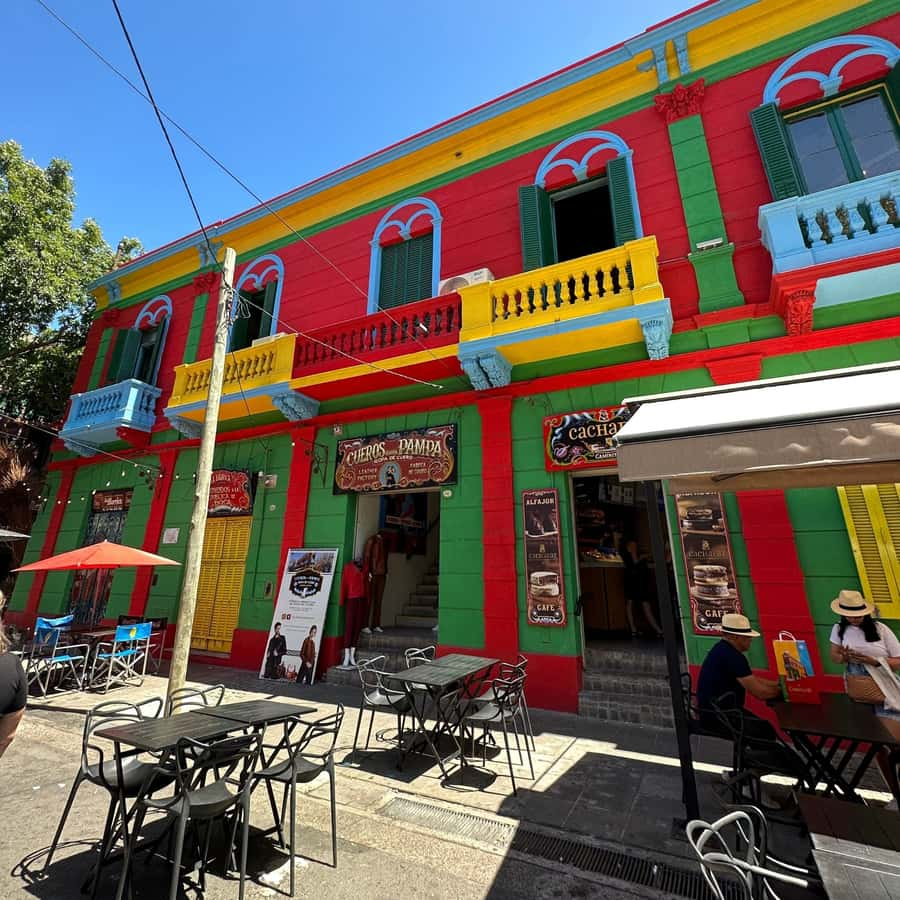
La Boca is more than colorful walls and tango poses. This 150-minute walk explains how immigrants, dockworkers, artists, football fans, and local philanthropist Benito Quinquela Martín shaped the neighborhood. I especially like the art-and-history focus and the way the tour connects La Boca’s streets with Boca Juniors football culture.
The guides also seem to make a real difference. Facundo, Laura, Rafa, Frani, Francisco, Loli, and others are praised for clear storytelling and friendly help, with strong English reported several times. The main consideration is timing: solo visitors must confirm availability, and the operator only accepts bookings made at least 24 hours ahead.
Key points to know before booking
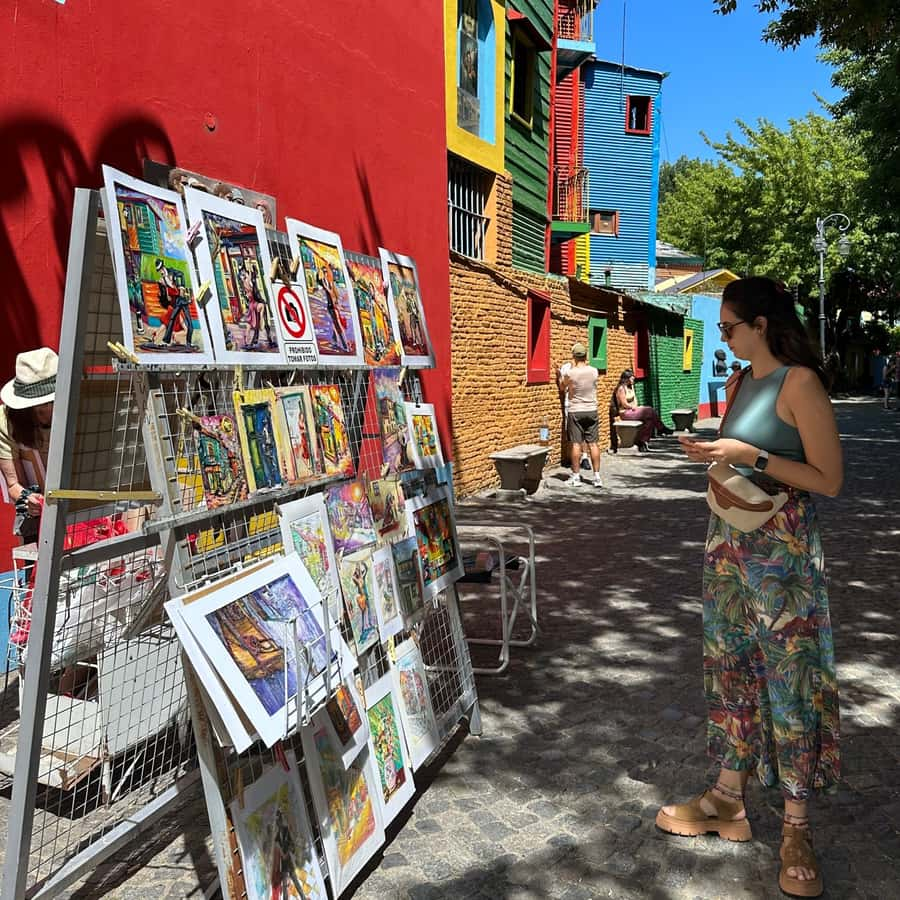
- Benito Quinquela Martín is central to the story: Learn how the local artist and philanthropist influenced La Boca and its Riachuelo Art movement.
- La Bombonera is a photo stop, not a stadium tour: You see the famous Boca Juniors ground from the outside as part of the neighborhood walk.
- You visit a conventillo and a museum: The route adds cultural context instead of stopping at the most photographed streets.
- Two extras are included: Your booking includes two of three choices: entry to the Benito Quinquela Martín Museum, a free wine tasting, or a dulce de leche tasting.
- The walk takes 150 minutes: That is enough time for several stops, but you should wear comfortable shoes.
- Languages and access are practical strengths: Tours are offered in Spanish, English, and Portuguese, and the activity is listed as wheelchair accessible.
La Boca beyond its painted facades
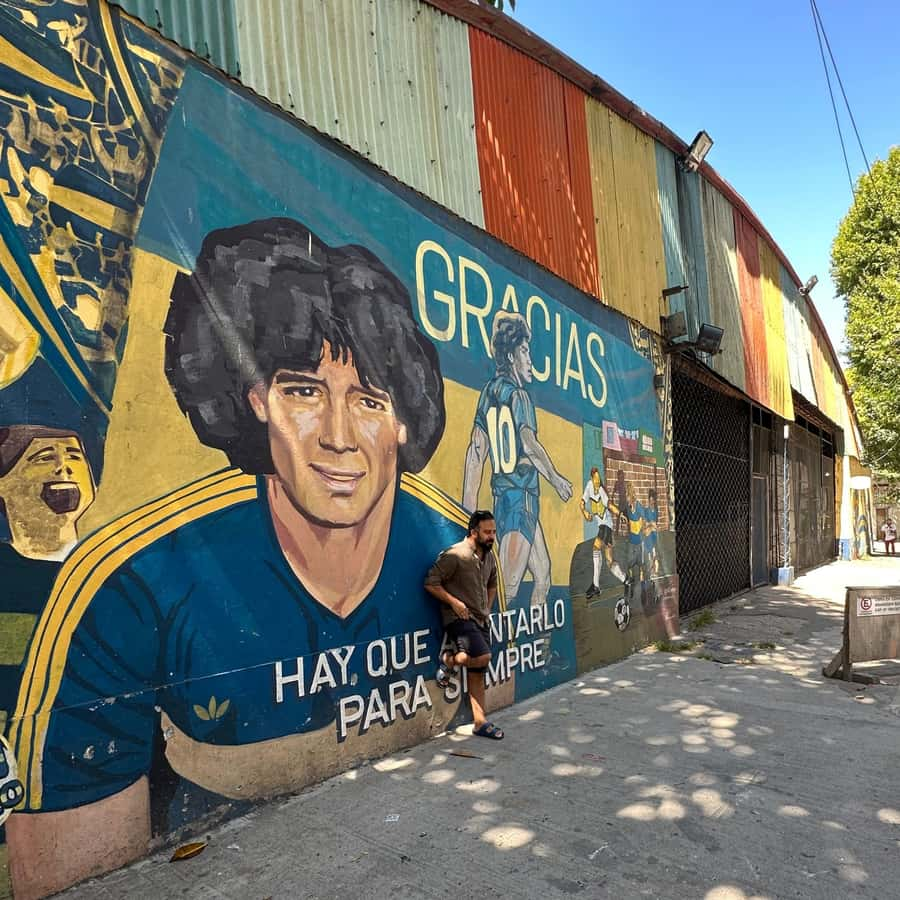
La Boca is one of Buenos Aires’ most recognizable neighborhoods, but a short visit can easily reduce it to bright buildings, tango dancers, and souvenir shops. This tour gives those familiar sights a wider setting. You walk through the area while hearing about immigration, working-class roots, local art, and football.
That matters because the color is not the whole story. The neighborhood’s identity grew from its connection to the Riachuelo, its port-related work, and the people who made their homes here. The tour uses streets, landmarks, and museums to connect those subjects instead of treating La Boca as a simple photo backdrop.
You meet at the Benito Quinquela statue at Av. Don Pedro de Mendoza 1921. The finish is nearby at Av. Don Pedro de Mendoza 1835, so you are not left far from the starting point. That compact ending makes the tour easy to combine with other sightseeing in southern Buenos Aires.
The route is a walking experience, not a coach excursion. You should expect regular movement between outdoor stops, short explanations, and guided visits. Comfortable footwear is sensible, and bring your passport or ID card as requested by the operator.
More History Walking Tours in the world:
- History and Hauntings of Salem Guided Walking Tour
★ 5.0 · 14,564 reviews - Lisbon: History, Stories and Lifestyle Walking Tour
★ 4.8 · 10,902 reviews - Boston: Freedom Trail History Small Group Walking Tour
★ 5.0 · 6,450 reviews
Benito Quinquela Martín and the Riachuelo Art movement
The strongest part of the tour is its attention to Benito Quinquela Martín. He was not treated simply as a name attached to a museum. His connection to La Boca helps explain why the neighborhood became so closely linked with working-class scenes, port life, strong color, and public art.
At the Benito Quinquela Martín Museum, you can look at his work in the place most closely tied to his life and local influence. Museum entry is one of the three possible extras included with the experience. Since only two of the three listed options are included, check which combination applies to your booking before you go.
The guide also introduces the Riachuelo Art movement. This gives you a useful frame for the area’s artistic identity. Instead of seeing the painted houses as isolated decoration, you can consider how artists represented the river, labor, neighborhood life, and the people who lived here.
I would give this section your full attention if you already know the Caminito area from photographs. The value is not simply seeing another gallery. It is learning why La Boca became such an important subject for artists and how Quinquela Martín helped shape the neighborhood’s public image.
The museum visit also provides a break from the street. La Boca can be visually busy, and a guided indoor stop gives the tour a calmer rhythm. If you are especially interested in art, this is likely the most important reason to choose this walk over a basic neighborhood orientation.
Walking La Boca’s working-class roots
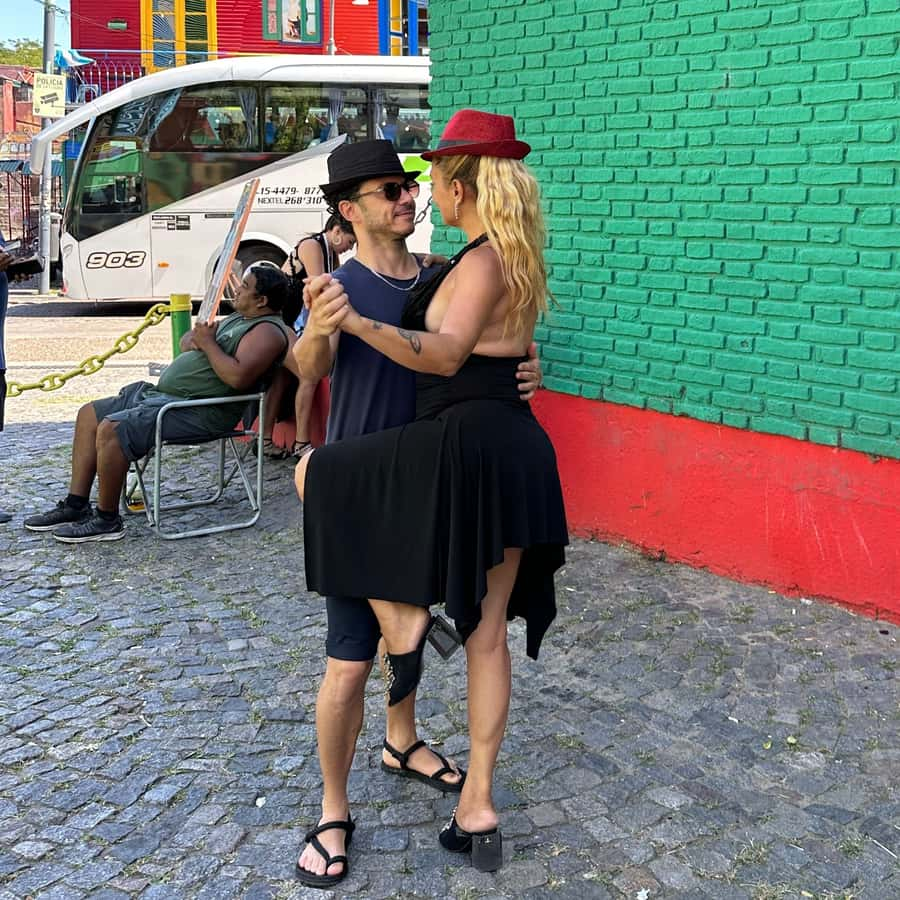
The route through La Boca looks at immigration and social life as well as architecture. Your guide explains how people from different backgrounds contributed to Buenos Aires and how the neighborhood developed its working-class character.
The provided route does not promise a long list of named buildings or a large number of museum rooms, so you should not book this expecting an academic walking seminar. Instead, expect a clear overview built around visible streets and a few selected points of interest.
That approach suits you if you want context without spending a full day in museums. Guides such as Laura, Frani, Francisco, and Loli are repeatedly praised for explaining La Boca and Buenos Aires in an approachable way. Several comments also single out good English, while the activity is available in Spanish and Portuguese too.
A useful strength is the human scale of the route. The tour is about people and local identity, not just dates. The stories connect immigration, work, art, and football, giving you several ways to understand the neighborhood.
The drawback is that the tour lasts two and a half hours, not an entire day. If you want long museum visits, extended free time for shopping, or a detailed study of Buenos Aires immigration records, this experience will feel like an introduction rather than a final word.
La Bombonera and the passion for football
La Bombonera, the famous Boca Juniors stadium, is included as a photo stop. This is an important distinction. The experience takes you to the stadium for sightseeing and pictures, but the details provided do not promise an interior stadium visit or a match-day experience.
Even from an exterior viewpoint, the stop adds something useful. Football is not a side note in La Boca. It is part of the neighborhood’s public identity, and the guide explains that passion as part of the area’s culture.
Rafa was praised for sharing stories about people, places, and soccer, while other guides are noted for combining football information with the wider history of La Boca. That balance is helpful. You get more than a quick stadium photo, but the tour does not pretend to be a dedicated Boca Juniors museum or stadium program.
If you follow Argentine football, this stop may be a major reason to book. If you do not, it still gives you a clear look at how sport fits into local life. I would keep your expectations precise: it is a guided photo stop within a broader neighborhood walk.
More History Tours in the world:
- New York City: American Museum of Natural History Ticket
★ 4.5 · 15,447 reviews - Colosseum: Underground and Ancient Rome Tour
★ 4.7 · 12,691 reviews - London Small Group Tour of Historical Pubs
★ 5.0 · 10,422 reviews - Prague: Oldtown, Medieval Underground & Dungeon History Tour
★ 4.3 · 10,277 reviews
Conventillo El Rincon de Lucia
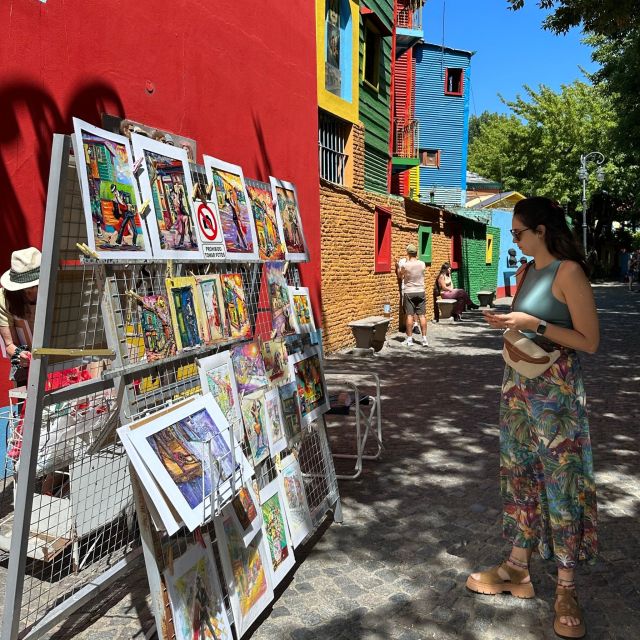
The visit to Museo Conventillo El Rincon de Lucia adds another layer to La Boca’s social story. A conventillo is closely associated with shared housing and immigrant life, so this stop supports the tour’s focus on how people lived, worked, and formed communities.
Here, the guide can connect the physical setting with the neighborhood’s past. The visit is guided, which is useful because a building or room alone cannot explain the social conditions behind it. Your guide provides the link between place and history.
This stop also helps break up the walk. You move from broad neighborhood views to a more focused visit, then continue to the larger art story at the Quinquela Martín Museum. That progression gives the 150 minutes a clear shape.
The supplied details do not specify the number of rooms, the exact exhibits, or how long you remain inside. I would therefore treat it as an informative stop rather than a major museum visit. Its value is in the connection to immigration and working-class life.
Tango, color, and the theatrical side of La Boca
Tango is one of the tour’s stated themes, and you should expect attention to the movement, mood, and cultural role of the dance. The experience is not advertised as a tango lesson or a full performance, so the focus is on seeing how tango fits into the character presented by La Boca.
You may encounter streets and scenes associated with tango, colorful facades, and local shops as you walk. The guide’s job is to put those sights into context. That helps you look past the obvious photo opportunity and notice how tourism, art, and neighborhood identity overlap.
There is a small warning here. La Boca is often presented in a highly theatrical way, and a short tour cannot explain every layer of that presentation. A good guide helps you separate the neighborhood’s living culture from its tourist image. The feedback on guides such as Facundo, Laura, and Danielle suggests that personal storytelling is one of the experience’s strengths.
The tour may include one of two tasting options alongside the museum or the other tasting. The choices listed are free wine tasting and dulce de leche tasting. These are modest additions, but they give you a taste of Argentine food culture without turning the walk into a food tour.
What the guide quality means for your experience
Guide quality is especially important on a history walk. You are not just looking at buildings, so clear explanations and good pacing matter more than a long checklist of sights.
The named guides receive praise for being warm, approachable, and easy to understand. Facundo is noted for excellent English and a welcoming manner. Rafa helped with meeting-point directions before the walk, which is useful in a neighborhood where getting to the right statue matters. Laura is praised for combining historical detail with a strong interest in local art.
Other guides named in the feedback include Juan, Dani, Danielle, Frani, Francisco, Loli, and Ludmila. The consistent pattern is friendly presentation, useful local stories, and a strong grasp of La Boca and Buenos Aires. English appears to work well, and the operator also lists Spanish and Portuguese.
The overall score is 4.8 from 55 ratings, with praise focused mainly on the guides, storytelling, history, and the combination of art, food, and football. I would still remember that the exact guide is not guaranteed when you book. The quality appears to depend partly on who leads your departure.
Is $46 a fair price?
At $46 per person, this is not the cheapest way to see La Boca. You can walk through some of the neighborhood on your own for little or no cost. The price becomes easier to justify if you want an English, Spanish, or Portuguese-speaking guide, a structured route, guided visits, and two included extras.
The value comes from the interpretation. Without a guide, you can see colorful houses, tango imagery, and La Bombonera. With this tour, you get a connected explanation of immigration, art, Quinquela Martín, the Riachuelo movement, and football.
Museum entry may be included as one of your two extras, along with either wine tasting or dulce de leche tasting depending on the arrangement. Confirm the exact combination before booking, since the offer is not all three.
I think the price works best for a first visit to Buenos Aires, especially if you want a focused introduction to La Boca in one morning or afternoon. Repeat visitors who already know the neighborhood and only want photographs may find better value walking independently.
Practical details that affect your day
The tour lasts 150 minutes. That is long enough for several guided stops without taking over your entire day. The start and finish are close together on Av. Don Pedro de Mendoza, which makes the experience easier to plan around other activities.
Hotel pickup and drop-off are not included. You need to make your own way to the Benito Quinquela statue at Av. Don Pedro de Mendoza 1921. Rafa’s help with meeting-point directions is a good reminder to check the exact statue and street number before setting out.
Bookings must be made at least 24 hours in advance. Solo visitors must confirm availability directly with Baires Experience before or after booking, and the operator asks you to contact them by email or WhatsApp to confirm that the tour runs on your chosen date.
The activity is listed as wheelchair accessible. If access needs are important for your group, contact the operator in advance so the route and selected museum stops are clear for your date.
Free cancellation is available up to 24 hours before the activity for a full refund. You can also reserve now and pay later, which helps if your Buenos Aires schedule is still shifting.
Who should book the La Boca walk?
I would choose this tour if you want La Boca explained rather than simply photographed. It is especially well suited to first-time visitors, art lovers, people interested in immigration, and football fans who want La Bombonera included in a wider cultural visit.
It also works for solo visitors once availability is confirmed. The friendly guide style can make a difference when you are exploring alone, but do not skip the direct confirmation step.
Families and mixed-interest groups may also find the format useful because it covers several subjects in one route: art, social history, tango, food, and football. The two-and-a-half-hour length keeps the commitment manageable.
I would look elsewhere if you want a long stadium tour, a dedicated tango performance, extensive free time, or a full-day museum program. This is a guided neighborhood introduction with selected visits, not an all-purpose La Boca pass.
Should you book it?
Book it if you want the neighborhood’s stories to matter as much as its colors. The combination of Quinquela Martín, the conventillo, La Bombonera, tango, and immigration gives you a fuller picture than a quick self-guided walk.
The best reason to go is the guide-led context. The names and feedback attached to the experience point to strong storytelling, clear English, and friendly help with the practical details. Just confirm your date at least 24 hours ahead, check which two extras are included, and remember that the stadium stop is for sightseeing and photographs.
FAQ
How long does the La Boca Art and History Walking Tour last?
The tour lasts 150 minutes, or two and a half hours.
Where does the tour start?
You meet your guide at the Benito Quinquela statue at Av. Don Pedro de Mendoza 1921.
Where does the tour finish?
The tour finishes at Av. Don Pedro de Mendoza 1835.
Which places are visited?
The route includes La Boca, La Bombonera, Museo Conventillo El Rincon de Lucia, and the Benito Quinquela Martín Museum.
Is entry to the Benito Quinquela Martín Museum included?
Museum entry is one of the three possible extras. Your booking includes two of the three listed options: museum entry, free wine tasting, or dulce de leche tasting. Confirm the exact combination with the operator.
Is La Bombonera visited from inside?
The activity information describes La Bombonera as a photo stop and sightseeing visit. It does not promise an interior stadium tour.
Which languages are available?
The live guide is available in Spanish, English, and Portuguese.
Is the walking tour wheelchair accessible?
The activity is listed as wheelchair accessible.
Do I need to bring identification?
Yes. The operator asks you to bring a passport or ID card.
Can solo visitors book this experience?
Solo visitors must confirm availability directly with Baires Experience before or after booking. The operator also asks you to contact them by email or WhatsApp to confirm that the tour operates on your selected date.
Newest history tours we have reviewed in the world
- Brewood Village Historical Tour★ 5.0 · 21 reviews
- The History Behind Outlander Tour★ 5.0 · 18 reviews
- El Calafate History Museum Tour★ 4.5 · 32 reviews
- Private Royal Mile walking tour – Discover the history of our most famous street★ 5.0 · 48 reviews
- Thirsty for Edinburgh: Scotlands Best Historical Pub Tour★ 5.0 · 24 reviews
- St Andrews, Fife Coast Walk & Historic Abbey Tour from Edinburgh★ 5.0 · 62 reviews
- Old Town Walking Tour★ 5.0 · 17 reviews
- Edinburgh: History Lovers Old Town Walking Tour★ 5.0 · 216 reviews
History Walking Tours, compared.
History and Hauntings of Salem Guided Walking Tour
Read our review →
Freedom Trail History Small Group Walking Tour
Read our review →
Historic Charleston Guided Sightseeing Walking Tour
Read our review →
Tapas Walking Tour with Food, Wine, and History
Read our review →
Savannah History and Haunts Candlelit Ghost Walking Tour
Read our review →