Review · HISTORY WALKING TOURS
Bridgetown: A Guided Walking Tour of The History of a City
Bridgetown’s story is packed into a surprisingly manageable walk. In two hours, you move from the city’s early name and colonial trade to slavery, rum, Jewish heritage, Parliament, commercial streets, and Barbados’ independence. The route gives you a useful sense of how the capital grew around its waterway and bridges.
I like the small practical touches, especially the audio headsets, bottled water, and snack bag. I also like the human scale of the tour. Guides such as Evan, Zachary, Deborah, and Christian leave room for questions instead of rushing from plaque to plaque.
The main drawback is the heat. You’ll be outdoors for the entire walk, and some stops offer limited shade. Comfortable shoes, water, and a morning start will make a real difference. The route is not strenuous, but it is still a city walk in Caribbean weather.
Key points to know before you book
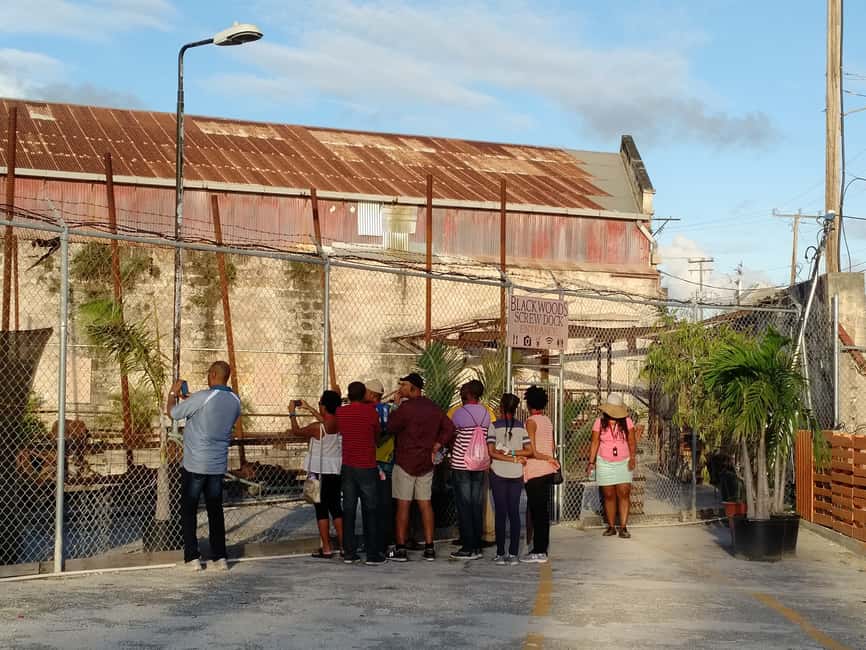
- The Blackwood Screw Dock: See the only remaining screw dock of its kind in the world.
- A useful city overview: Cover Bridgetown’s bridges, Parliament, churches, markets, wharf, and independence story in about two hours.
- Clear audio in city noise: Headsets help you follow the guide near busy streets and open public spaces.
- History with local voices: The route includes slavery, rum, Jewish heritage, wartime sacrifice, and the people who shaped Bridgetown.
- Good value at $25: Water, a light snack, guiding, and audio equipment are included.
- Best preparation: Wear comfortable shoes and plan for sun. Smoking is not allowed, and bad weather may lead to rescheduling.
Starting with Bridgetown’s first impressions
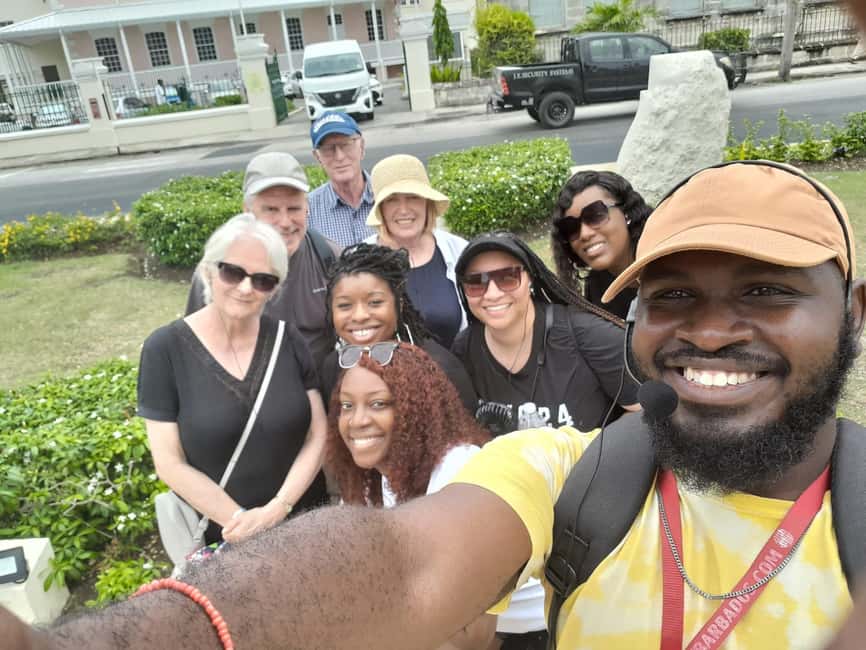
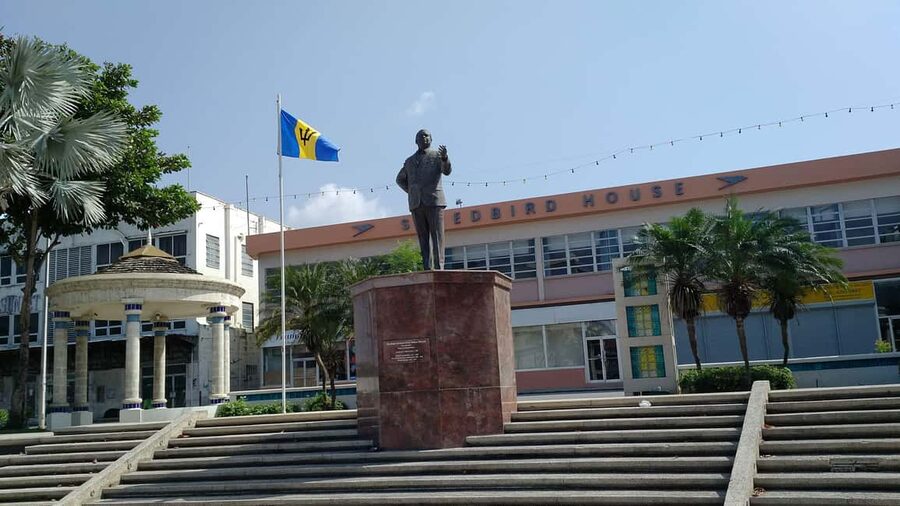
You meet at the Errol Barrow Statue in Independence Square, a central spot in Bridgetown. The tour begins by looking at the space itself, rather than simply using it as a place to gather. You get a picture of what this part of the city represented before its present form took shape.
That approach matters. Bridgetown can initially feel like a mix of traffic, shops, government buildings, and waterfront paths. A guide helps you connect those pieces. Instead of seeing isolated landmarks, you begin to understand how the city developed around commerce, government, religion, and the sea.
The walk then turns to the unceremonious burial ground associated with enslaved people arriving on the island. This is one of the most serious parts of the route. The subject is not treated as a decorative footnote to colonial architecture. It gives the rest of the tour a necessary human context.
I appreciate that the itinerary places this early in the walk. You are reminded from the beginning that Bridgetown’s prosperity came with a painful cost. That makes the later stories about trade, rum, buildings, and political life easier to place in their proper setting.
More History Walking Tours in the world:
- History and Hauntings of Salem Guided Walking Tour
★ 5.0 · 14,564 reviews - Lisbon: History, Stories and Lifestyle Walking Tour
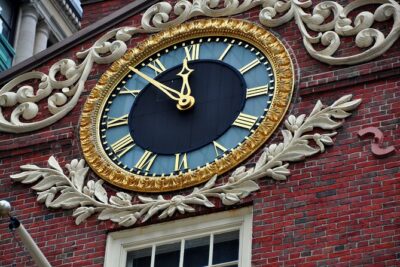
★ 4.8 · 10,902 reviews - Boston: Freedom Trail History Small Group Walking Tour
★ 5.0 · 6,450 reviews
The Blackwood Screw Dock and Bridgetown’s working waterfront
The Blackwood Screw Dock is one of the tour’s clearest highlights. You’ll see the only remaining screw dock of its kind in the world, a piece of maritime technology tied to the practical work of repairing and servicing ships.
This stop helps explain why Bridgetown mattered beyond its streets. The city was connected to shipping, trade, supplies, and the movement of people and goods. A dock is not just an old structure. It shows how the harbor supported the island’s economy and linked Barbados to the wider Atlantic world.
The screw dock also gives the tour a welcome change of pace. You are not only looking at grand civic buildings. You are seeing a working piece of infrastructure, the sort of place where the hard, physical side of commerce took place.
The route continues toward one of Bridgetown’s two bridges. The bridges are central to the city’s identity and help explain how Bridgetown got its name. As you walk, the guide connects the name to the crossing and the waterway, turning what could be a quick photo stop into a simple piece of geography and local history.
Parliament Buildings across the bridge
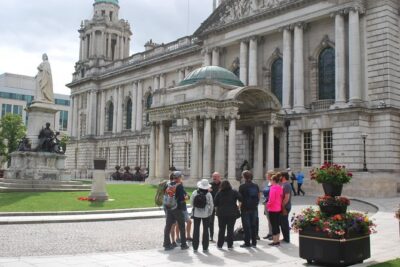
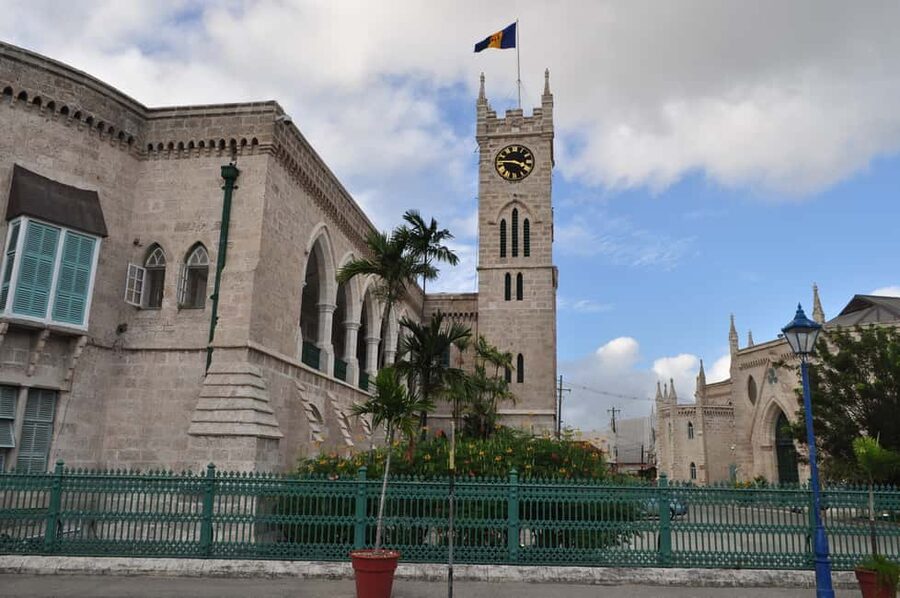
The Parliament Buildings are among the most impressive architectural stops. They sit across the bridge with a formal presence that reflects Barbados’ long parliamentary tradition. The tour explains the importance of one of the oldest Parliaments in the Commonwealth that remains in operation.
This is a good example of why a guide adds value. You can admire the Gothic-style details and grand position on your own, but the political story gives the building more weight. You learn how representative government fits into Barbados’ story and how the building became part of the city’s public life.
The Parliament stop also helps balance the earlier discussion of slavery and trade. Bridgetown’s past is not a single story. It includes exploitation, commerce, religion, public works, political institutions, and the gradual move toward self-government.
You may want to take photographs here, but keep listening as well. The building’s story is one of the stops where the information matters more than simply checking off a landmark.
Fountains, the Cenotaph, and everyday civic life
The tour pauses at a fountain associated with the achievement of bringing running water into the city. It is an easy detail to overlook, yet it says a lot about urban life. Public water systems changed daily routines and helped a growing town function more effectively.
I like stops such as this because they move beyond famous names and grand events. A city’s story is also made from water, sanitation, transport, work, and the small improvements that change ordinary life.
At the Cenotaph, the guide recognizes the sacrifices of Barbadian men who served in the two world wars. This stop adds another layer to the city’s relationship with the wider world. Barbados was not isolated from global conflicts, and the memorial gives that connection a physical place in Bridgetown.
The audio equipment is especially useful around these central sites. Several people who took the tour found the headsets helpful when the city became noisy. You can keep walking near the group while still hearing the guide clearly, rather than crowding close and missing parts of the explanation.
More Guided Tours in the world:
- Edinburgh: Edinburgh Castle Guided History Tour with Tickets
★ 4.8 · 9,933 reviews - Historic Charleston Guided Sightseeing Walking Tour
★ 5.0 · 6,216 reviews - Rome: Colosseum with Arena, Roman Forum and Palatine Guided Tour
★ 4.0 · 5,598 reviews - Venice: St. Mark’s Basilica Guided Tour & VR History Intro
★ 3.9 · 4,880 reviews
Rum’s birth and the island’s trade story
Rum receives its own part of the walk, and rightly so. Barbados is closely linked with the birth of rum, and the guide explains how that story developed. The subject ties together sugar, plantation production, shipping, commerce, and the island’s international connections.
This is not simply a tasting stop. The value lies in understanding rum as part of Barbados’ economic and social past. You learn why the drink became important and how it fits into the wider story of the island.
The rum section also gives the tour a lighter, more familiar topic after the solemnity of the burial ground and war memorial. That mix keeps the walk from becoming too heavy. Bridgetown’s past includes painful chapters, but it also includes invention, enterprise, and traditions that remain part of Barbados today.
The tour includes a light snack, with nut products, and bottled water. If you have a nut allergy, take that detail seriously and ask about the snack before eating it. The water is a useful extra in the heat, especially if you are walking before arranging lunch or another activity.
Jewish heritage and the people behind the city
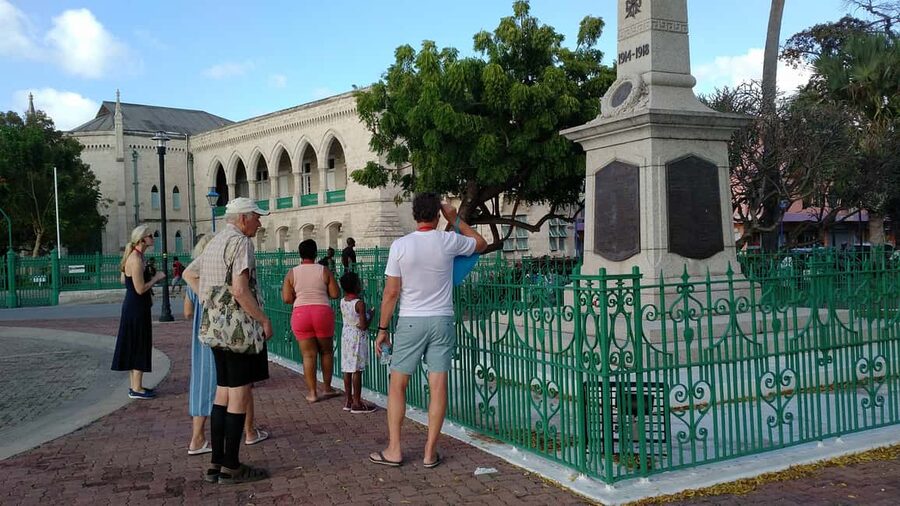
The route recognizes Bridgetown’s Jewish ancestors, an important part of the city’s cultural and commercial story. This stop broadens your understanding of who helped shape Bridgetown. The city’s past involved more than one community, and the tour makes room for those connections.
The guide also tells stories about the men and women who made Bridgetown lively and significant. That people-centered approach is one of the strongest parts of the experience. Dates and building names can give you a framework, but personal stories are often what you remember later.
Guide quality matters here. Evan is repeatedly described as clear, patient, friendly, and willing to answer questions. Zachary is known for a warm manner and for checking that people are keeping up. Deborah has been praised for making the information engaging and finding shade during a hot walk. Christian has also led tours noted for careful detail and a clear interest in the subject.
Assignments can change, so you cannot book a specific guide unless the operator confirms it. Still, the repeated pattern is encouraging: the experience depends heavily on guides who can explain, listen, and adjust the pace.
Swan Street, the old church, and the Town Hall
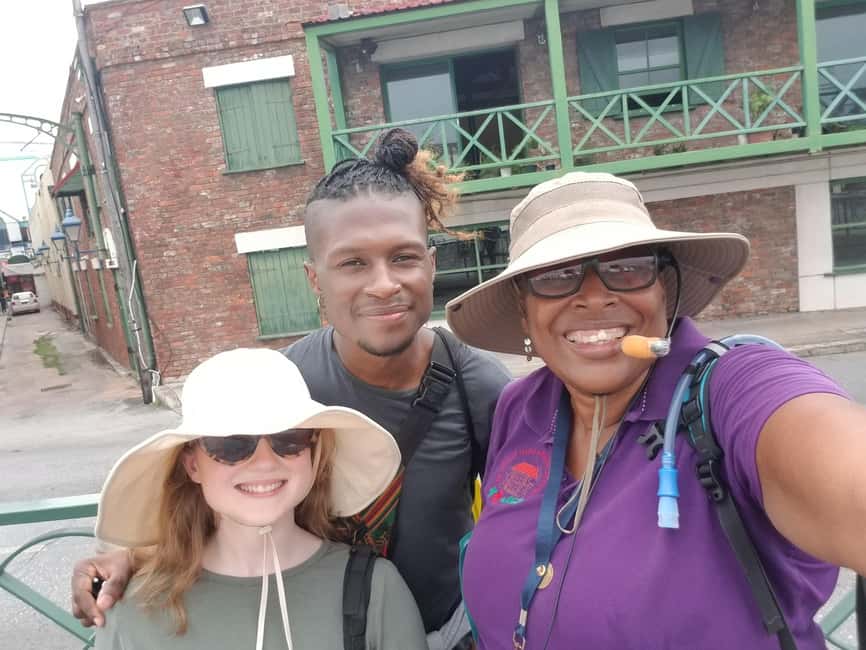
Swan Street brings you into Bridgetown’s commercial life. It is described as the oldest street in the city, and the tour uses it to explain how shopping and trade developed in the center.
This section helps you see Bridgetown as a lived-in city rather than an outdoor museum. Shops, sidewalks, and ordinary movement continue around the historic details. You may find it easier to picture the past here because the street still has a daily purpose.
The walk continues to the oldest church and then to the Town Hall. These stops show two different sides of civic life. The church reflects the city’s religious foundations, while the Town Hall points to local administration and public business.
Do not expect long indoor visits at every stop. The experience is primarily a guided walk through the city, with the guide telling the story from public spaces. If you want extensive interior access to individual buildings, you should treat this tour as an introduction rather than a full museum visit.
The Mutual Building and Bridgetown’s commercial architecture
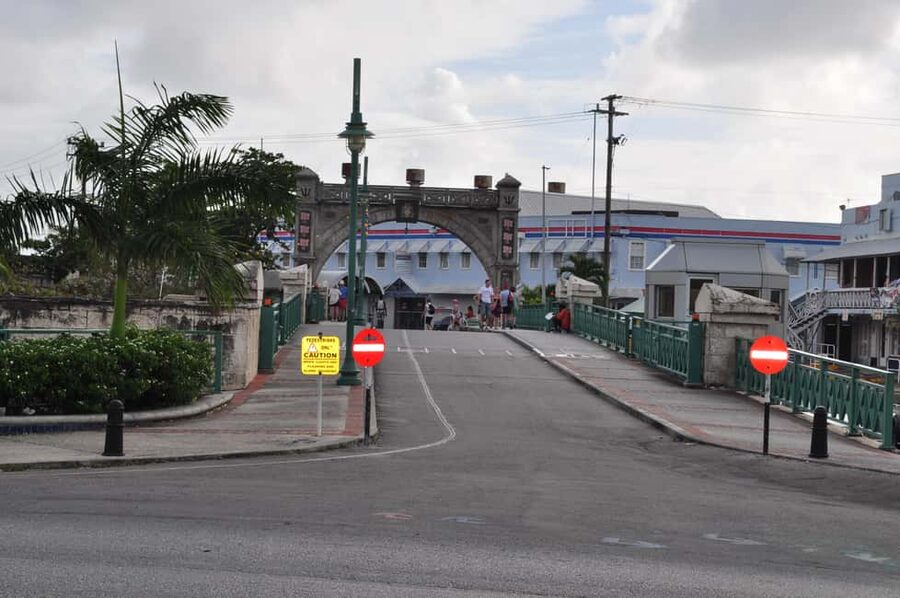
The Mutual Building is another major visual stop. The guide uses it to tell more stories about Bridgetown’s financial and commercial growth. Buildings like this can be easy to pass without noticing, but their scale and design reveal how important the city became as a center of business.
I like the way the itinerary moves from broad public institutions to commercial buildings and streets. Parliament tells you about government. The church and Town Hall point to community life. The Mutual Building shows money, insurance, business, and the practical systems that supported the city.
You then reach another street with commercial importance before turning back toward the wharf. This section can feel less dramatic than the screw dock or Parliament, but it fills in the city’s daily rhythm. The tour is strongest when it shows how major events and ordinary business shared the same streets.
The route is described as relaxed and manageable. One guide-led walk lasted closer to 90 minutes of active touring, with conversation and questions bringing the total closer to two hours. That suggests the timing can vary with group size, questions, and the guide’s pace. You should allow the full two hours rather than planning a tight connection immediately afterward.
The wharf, Spirit Bond, and the walk back
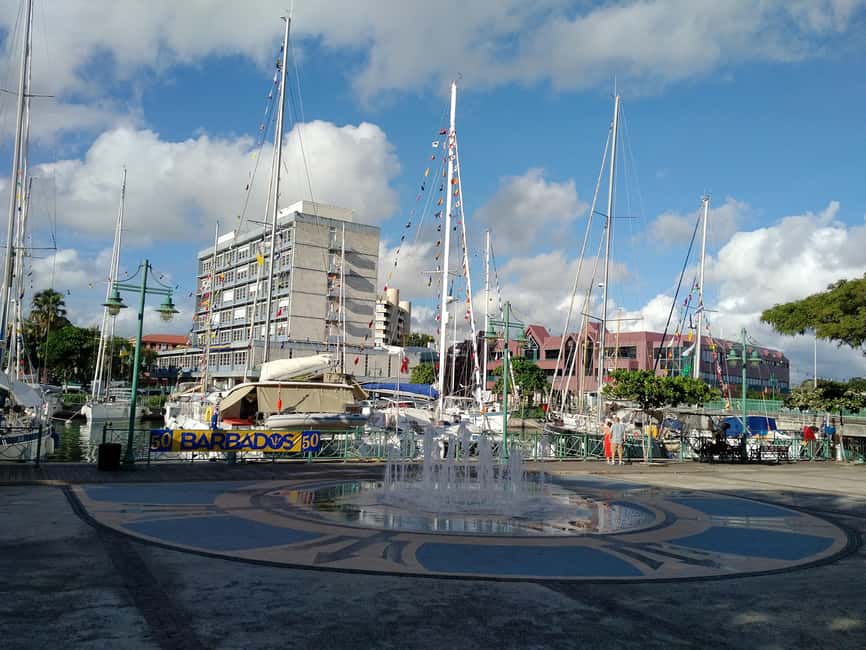
At the wharf, the tour explores the Spirit Bond and the role of bonded storage in Bridgetown’s trade. This brings the story back to the water, where goods arrived, were stored, taxed, and moved onward.
The wharf is a fitting place to connect the earlier topics. Rum, sugar, shipping, commercial streets, the screw dock, and the city’s bridges all relate to movement. Bridgetown grew because it handled people and goods, and the waterfront makes that practical story visible.
The final stretch follows the boardwalk back toward the starting point. The route ends with the story of independence, marking Barbados’ move to independence 50 years ago as described for this tour.
Ending with independence gives the walk a clear arc. You begin with the city’s earliest identity and difficult foundations, then move through trade, public institutions, community life, and finally self-government. You leave with a basic timeline rather than a pile of unrelated facts.
What $25 gets you
At $25 per person, this is a strong-value introduction to Bridgetown. The price includes a live English-speaking guide, English audio equipment, water, and a light snack with nut products. Transportation to the meeting point is not included.
The value is highest if you are new to Barbados and want context before exploring on your own. A good guide can point out places you might otherwise walk past and explain how they relate to one another. You also save yourself the work of piecing together the city from scattered signs and guidebook paragraphs.
The tour is less useful if you only want photographs or a quick landmark checklist. Much of the experience is listening, asking questions, and following the historical thread. The buildings and streets are the setting, but the spoken explanation is the main product.
It also works well early in a Bridgetown visit. You can use the walk to decide which areas deserve a longer return visit, where to eat, and how the waterfront connects with the center. Several guides have also offered local suggestions at the end, including food ideas and directions for the rest of the day.
Heat, pace, and practical planning
Wear comfortable shoes. The route covers city streets, bridges, public squares, commercial areas, and a boardwalk, so supportive footwear is more useful than dress shoes or sandals with little grip.
Plan for sun and humidity. The walk is not described as strenuous, and people in their 80s have completed it comfortably, but heat can still make the experience tiring. A morning departure is likely to feel easier than the hottest part of the day, though you should check the available start times when booking.
The guide may find shaded places for parts of the talk, but shade is not guaranteed at every stop. Bring sun protection and do not depend only on the small bottle of water provided.
The tour may be affected by bad weather. Rescheduling is handled where possible. Free cancellation is available up to 24 hours in advance, and you can reserve now and pay later, which is useful if your Barbados plans are still moving around.
Meet at the Errol Barrow Statue in Independence Square, Bridgetown, St Michael. You are responsible for reaching the meeting point, since transportation is not included. Smoking is not allowed during the activity.
Who should book this Bridgetown walk?
I would choose this tour if you want a clear first look at the capital, especially if you care about history, architecture, local politics, maritime trade, and the people behind the city’s development.
It suits couples, solo visitors, families with older children, and anyone staying in Barbados who wants more than a beach day. The relaxed pace also makes it a reasonable choice for older adults, provided they are comfortable walking outdoors in warm weather.
I would be more cautious if you dislike guided commentary, need air-conditioned spaces, or have a strict schedule immediately afterward. The tour has a lot to cover, and its success depends on your interest in listening and asking questions.
Should you book it?
Book it if you want Bridgetown to make sense before you explore it alone. For $25, you get a two-hour orientation with a guide, audio equipment, water, and a snack, plus access to stories that are easy to miss while walking independently.
The best reason to go is the range of subjects: the screw dock, Parliament, slavery, rum, Jewish heritage, Swan Street, the Mutual Building, the wharf, and independence all fit into one compact route. Wear good shoes, prepare for heat, and leave enough time afterward so you can enjoy the guide’s final recommendations without rushing.
FAQ
Where does the Bridgetown walking tour meet?
The meeting point is the Errol Barrow Statue in Independence Square, Bridgetown, St Michael. Transportation to the meeting point is not included.
How long does the walking tour last?
The advertised duration is two hours. The active walking portion may sometimes feel shorter, with questions and conversation affecting the total time.
What language is the tour offered in?
The live guide speaks English, and the included audio guide equipment is also in English.
What is included in the price?
The $25 price includes the guide, audio equipment, and a light snack. The snack includes nut products. Bottled water has also been provided on tours.
What should I bring?
Wear comfortable shoes. You should also prepare for outdoor heat and sun. Smoking is not allowed during the activity.
Can the tour be canceled or affected by weather?
You can cancel up to 24 hours in advance for a full refund. The tour may be affected by bad weather, with rescheduling offered where possible.
Newest history tours we have reviewed in the world
- Bruges: Historical Walking Tour with Food Tasting★ 3.6 · 22 reviews
- Brussels: BELvue Belgium History Museum Entry Ticket★ 4.6 · 27 reviews
- Unforgettable Bruges: Sightseeings, History and Tasting.★ 4.3 · 27 reviews
- Brno: Historic Downtown Walking Tour★ 3.8 · 302 reviews
- Bruges: History, Chocolate and Beer Walking Tour★ 4.9 · 65 reviews
- NYC: Brownstone Brooklyn History, Culture and Food Tour★ 4.8 · 151 reviews
- Bruges: Nightly Tales and Untold History Walking Tour★ 4.9 · 154 reviews
- Boston: Seafood Tasting & Historical Walking Tour★ 5.0 · 28 reviews
History Walking Tours, compared.
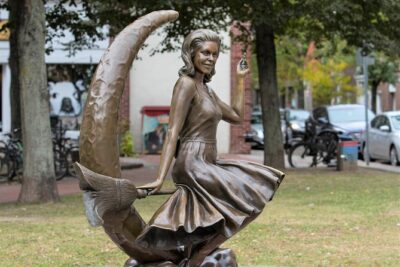
History and Hauntings of Salem Guided Walking Tour
Read our review →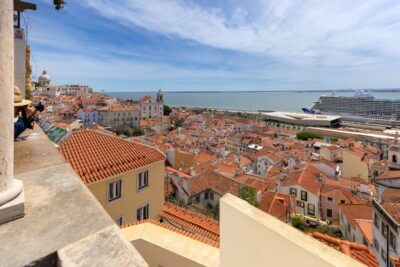
Freedom Trail History Small Group Walking Tour
Read our review →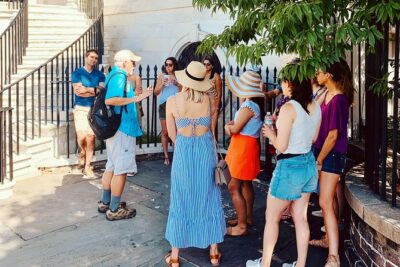
Historic Charleston Guided Sightseeing Walking Tour
Read our review →
Tapas Walking Tour with Food, Wine, and History
Read our review →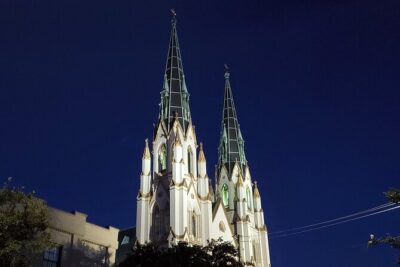
Savannah History and Haunts Candlelit Ghost Walking Tour
Read our review →