
Review · FRANCE HISTORY TOURS
Arles: Private Guide Tour – Explore History & Culture
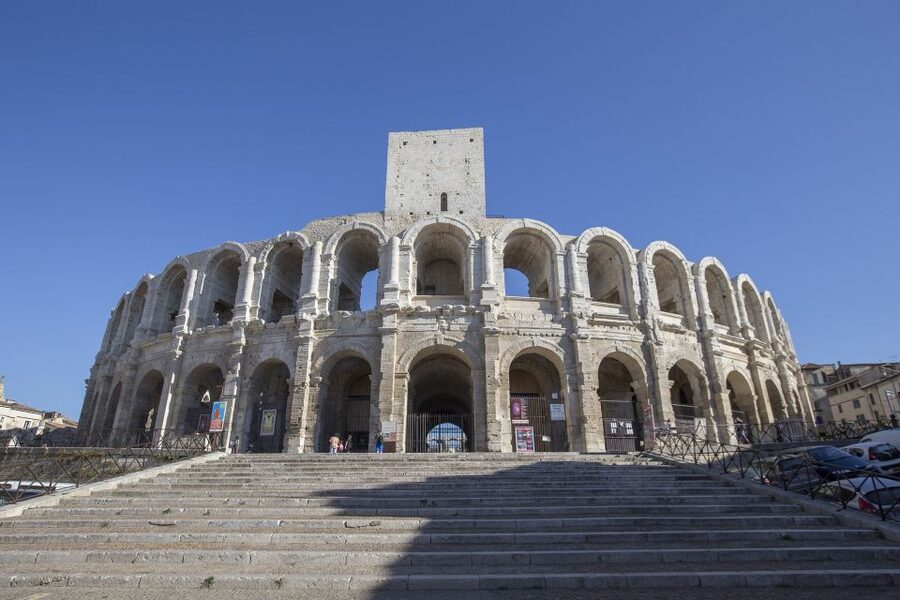
Arles keeps its Roman past right in the middle of town. On this private walk, you’ll pass the Roman amphitheater, the Antique Theatre, the fourth-century obelisk, and Hotel Dieu, the former hospital linked to Vincent Van Gogh. I like that the sights arrive one after another on foot, without a bus or long transfer.
I also like the private format, since you can ask questions and request a change of focus. The guide can work in English, French, German, Italian, or Spanish. The main drawback is the short two-hour window: entrance tickets are not included, and the tour is built mostly around seeing the major sites from outside.
Key points to know before you book
- The Roman amphitheater anchors the walk: See the two-tiered remains of a first-century arena from the outside.
- The route links Roman and Van Gogh Arles: The walk includes ancient monuments, Place de la République, and Hotel Dieu.
- Your guide can adjust the focus: Ask to spend more time on a particular sight or subject during the private tour.
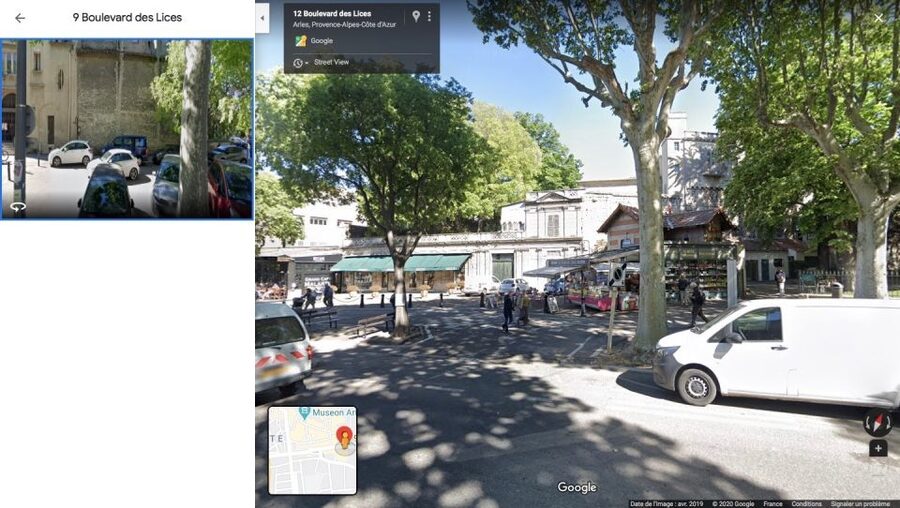
- The meeting point is central: Meet in front of the tourist office at 9 boulevard des Lices, by the Mémorial Charles de Gaulle.
- This is a short walking tour: Two hours gives you a useful introduction, not a full museum-and-monument visit.
- The price reflects privacy: At $235 per person, the value depends on how much you want personal attention and a flexible route.
Why Arles works so well on foot
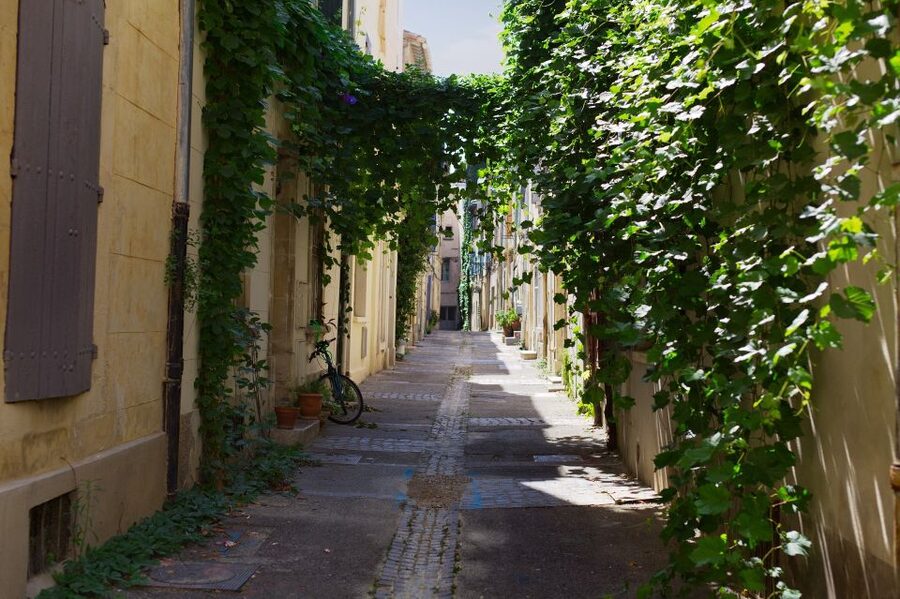
Arles is a compact city with an unusually high concentration of major sights. A short walk can take you from Roman ruins to a medieval or later civic building, then on to places connected with Van Gogh and the annual Rencontres d’Arles photography festival.
That makes this tour a good first look at the city. You are not spending half the morning getting from one district to another. Instead, the guide helps connect the pieces, giving you a sense of how Arles changed over time.
The two-hour length also has a practical benefit. It fits neatly into a day that includes a museum, lunch, or a trip beyond the center. You will not see every church, museum, or Roman remnant, but you can leave with a clear plan for what deserves a closer look.
Because the tour is private, you can ask for context as you go. If Roman architecture matters most to you, keep the conversation focused on the arena and Antique Theatre. If you are more interested in art, ask for more about Van Gogh and Hotel Dieu. The route is not locked into one script.
More Private History Tours in France
- Paris City of Fashion History Private Guided Walking Tour
★ 5.0 · 221 reviews - History of Paris City Center w/ Notre Dame Semi-Private 12ppl Max
★ 5.0 · 194 reviews - Strasbourg: Private Walking Tour of the Historical Center
★ 4.2 · 107 reviews
Starting at the tourist office on boulevard des Lices
The meeting point is in front of the tourist office at 9 boulevard des Lices, near the Mémorial Charles de Gaulle. This gives you an easy place to orient yourself before setting out.
Plan to arrive ready for a city walk. Transportation is not included, and the activity begins and ends at the same central location. Since the route stays within Arles, you should think of this as a guided stroll rather than a sightseeing ride.
The starting point is useful for another reason. After the tour, you can return to the tourist office area for more local information or continue exploring independently. You might also use the guide’s suggestions to choose a museum or building for the rest of your day.
The experience is offered as a private group tour. That matters most if you want to set the pace, ask frequent questions, or avoid being tied to the interests of a larger group.
Seeing the Roman amphitheater from the outside
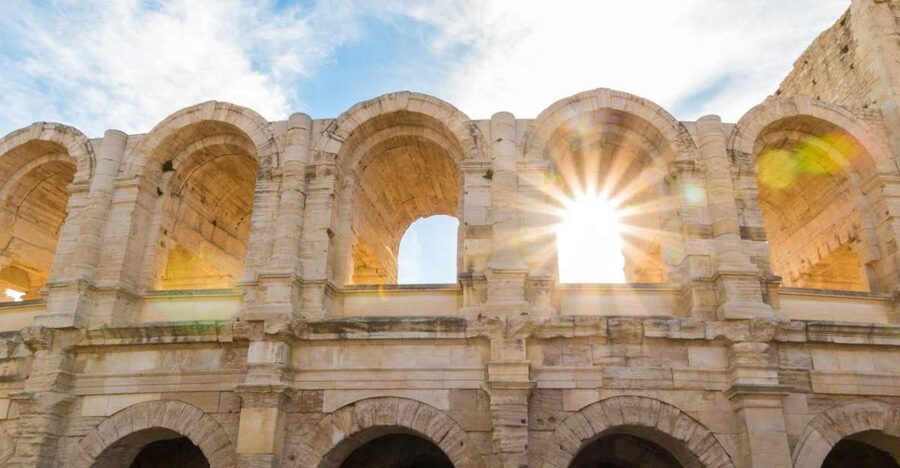
The first major stop is the Roman amphitheater, constructed in the first century. Its two levels of surviving arches make it one of the clearest reminders that Arles was once an important Roman city.
The tour focuses on viewing the arena from outside. That lets you appreciate its scale and position in the city, but it does not include an entrance ticket or an interior visit. If you want to walk inside, you will need to arrange that separately and pay the admission cost yourself.
This is an important distinction when comparing the tour with a general admission visit. A ticket gets you access to the monument, but not a private guide who can place it within the wider story of Arles. This experience gives you the guide and the setting, while leaving paid entries to you.
The arena is also a useful point of reference for the rest of the walk. Once you have seen its curved stone structure, later Roman remains make more sense. You can better understand how ancient monuments sit among the streets and buildings of the modern city.
The Antique Theatre and the Roman city beneath your feet
The next Roman stop is the Antique Theatre. The information provided does not specify an interior visit, so you should expect guided sightseeing rather than included admission.
The theater adds a different angle to the amphitheater. An arena was built for large public spectacles, while a theater was designed around performance and audience viewing. Seeing both on the same short route helps you grasp the range of public buildings that shaped Roman Arles.
This part of the walk is especially useful if you are trying to distinguish the city’s monuments rather than simply collect photographs. Your guide can explain what each structure was for and point out how the remains fit into the center of town.
Still, keep your expectations measured. Two hours is enough for an introduction, but not enough for a long archaeological discussion at every site. If you want extended time at the Roman monuments, tell the guide at the start and accept that another stop may receive less attention.
More Local Culture and Traditions Tours in France:
- Vieux Lyon Cultural & Historical Walking Guided Tour (English)
★ 5.0 · 942 reviews - Amsterdam Food and Cultural Tour with Tastings
★ 5.0 · 4,315 reviews - Sevilla Food Tour: Tapas, Wine, History & Traditions
★ 5.0 · 3,468 reviews - Tromsø: Reindeer Camp and Sami Cultural Tour with Lunch
★ 4.7 · 3,326 reviews
Place de la République and the Arles Obelisk
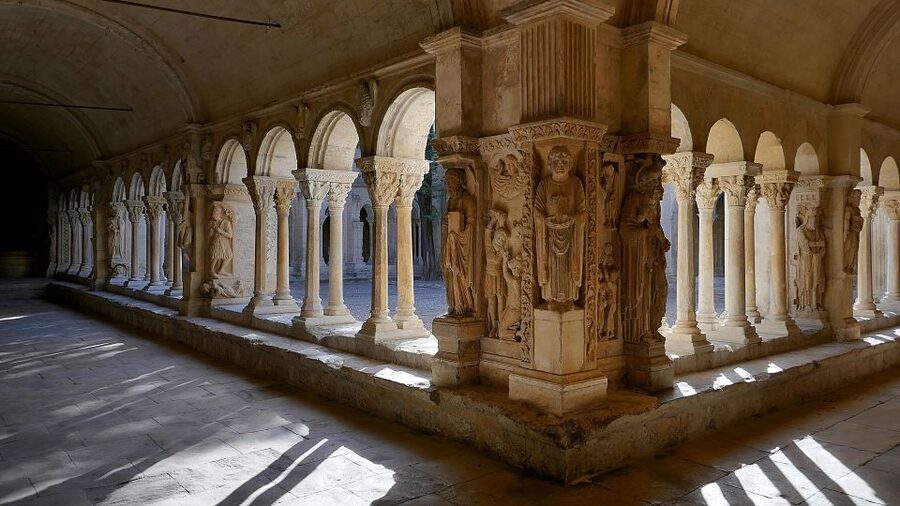
Place de la République brings the route into a formal public square with the Arles Obelisk at its center. The obelisk dates to the fourth century, giving the square a direct link to late Roman Arles.
This stop is valuable because it shows how an ancient object can remain part of everyday city life. You are not viewing Roman history in an isolated archaeological park. The monument is part of a functioning urban center, surrounded by the streets and public spaces of Arles.
The square also gives the guide a natural place to explain the city’s changing layers. Arles was not frozen after the Roman period. Its monuments were reused, moved, built around, and incorporated into later civic life. The obelisk helps make that process visible.
As with the other sights, admission is not included. The tour is designed around the exterior view and the guide’s interpretation. If you want to spend more time examining the monument, use the private format to ask questions rather than rushing to the next stop.
Hotel Dieu and the Van Gogh connection
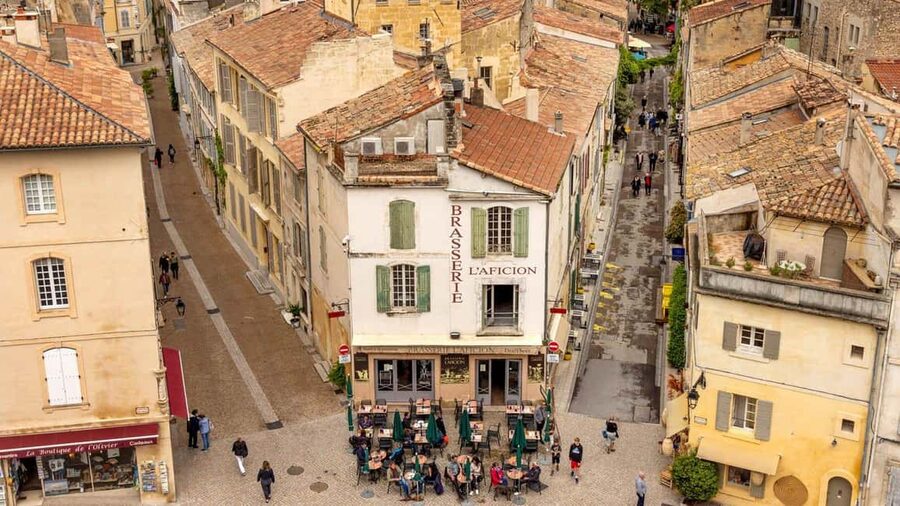
The walk also passes Hotel Dieu, where Vincent Van Gogh stayed while he was in Arles. This gives the route a more personal and artistic thread after its focus on Roman remains.
Hotel Dieu matters because it connects a real building with the artist’s time in the city. You are not simply hearing that Van Gogh visited Arles. You are seeing a place associated with his stay, which adds a human detail to the city’s art story.
The tour does not promise a museum visit or an interior tour of Hotel Dieu. You should expect to walk by the building and hear about its connection with Van Gogh. If this is the part of Arles that interests you most, ask the guide to give it more attention.
Arles is also known for the Rencontres d’Arles photography festival, held each summer. The experience mentions that cultural side of the city, but the two-hour route centers on the historical center rather than serving as a dedicated photography tour.
A private guide changes the pace
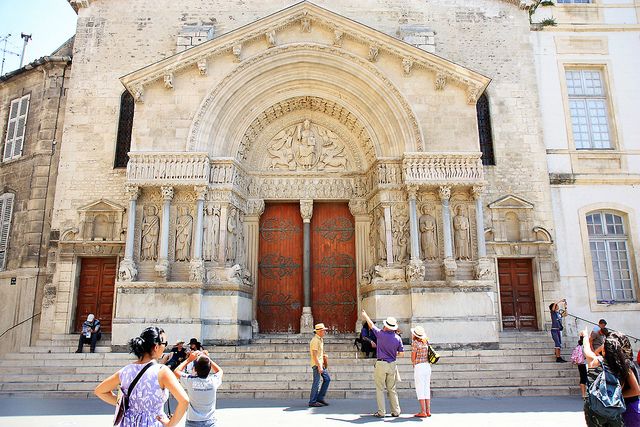
The strongest feature here is the private format. Instead of following a fixed group pace, you can signal what interests you. That is helpful in Arles because the city offers several possible themes: Roman architecture, public squares, Van Gogh, photography, churches, and museums.
The guide can also adjust the tour if you request another place. That flexibility is more useful than it may first appear. Perhaps you have already seen the amphitheater and want more time around the cathedral. Perhaps you want a general orientation before visiting museums on your own. A private guide gives you room to ask.
The available languages are English, French, German, Italian, and Spanish. If your preferred language matters, confirm it when booking. No individual guide name is provided, so the useful detail is the language choice rather than a named guide assignment.
The published rating is 4.3 out of 5 from 22 ratings. One German booking from September 2025 specifically praised the guide as friendly and highly competent. A Belgian booking from June 2024 described the experience as very interesting. Those comments support the value of a personable guide, though they do not tell you exactly which guide will lead your tour.
What $235 per person buys you
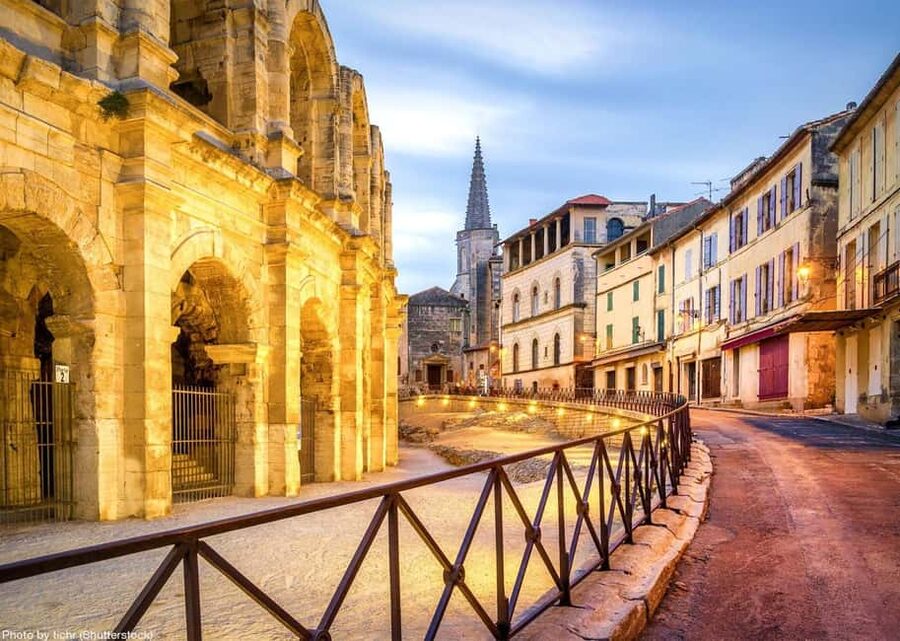
At $235 per person, this is not a low-cost way to see Arles. The price makes the most sense for people who value a private guide, a choice of language, and the ability to shape a short visit around personal interests.
You are paying for two hours of one-to-one or private-group attention, not for entrance to the amphitheater, Antique Theatre, museums, or other monuments. Transportation is also excluded. If your main goal is simply to look at the Roman arena and obelisk, you could explore the center independently for less.
The value improves if you are new to Arles and want a clear introduction without spending time sorting out the city on your own. It also improves for couples or small groups who can share the private guide cost, though the listed price is still presented per person.
Think of this as an orientation with interpretation. Afterward, you can decide which places deserve an admission fee and more time. That can prevent you from paying to enter every sight without knowing which ones match your interests.
What you can do after the two-hour walk
The tour points you toward several places to explore independently. The Musée de la Camargue and Musée Réattu are specifically identified as museums you can visit on your own.
The city also has buildings and cathedrals recognized as UNESCO World Heritage Sites. The tour does not include entry to them, but your guide may help you decide which ones fit your remaining time.
A good plan is to treat the walk as the first part of your Arles visit. Use the guide to learn the city’s layout and major themes, then choose one museum or monument for a slower visit. That approach works better than expecting a two-hour walk to cover every important interior.
If you are visiting during the summer photography festival, the city’s cultural program may add another reason to stay longer. The tour itself remains focused on the historical center, so ask your guide how to fit photography stops into the rest of your day.
Walking comfort and age restrictions
This is a walking activity, and non-folding wheelchairs and electric wheelchairs are not allowed. If you use a mobility aid, confirm that the tour’s conditions work for you before booking.
The age information needs attention. The booking details say the activity is not suitable for children under 10, and they also list restrictions for people over 75 and people over 70. Since those upper-age limits conflict, anyone in that age range should confirm eligibility directly before paying.
The route is only two hours, but the format still requires walking through the city. Wear comfortable shoes and consider the weather, especially during the summer photography season. No transportation is included to shorten the route.
Free cancellation is available up to 24 hours before the start for a full refund, and you can reserve now and pay later. Those terms are useful if your plans are still shifting, but check the exact booking conditions for your chosen date.
Who should book this Arles tour?
I would choose this tour if you have limited time in Arles, want a private guide, and care about understanding the city rather than simply checking off sights. It is a particularly good match for first-time visitors who want Roman monuments, the Van Gogh connection, and a central walking route in one compact session.
It also suits you if you want a guide in English, French, German, Italian, or Spanish, or if you prefer to ask for a custom emphasis. Couples and small private groups may find the cost easier to justify because the experience is tailored rather than shared with a large crowd.
I would skip it if your priority is entering every major monument. Tickets are not included, and two hours leaves little time for detailed interior visits. Independent exploration may be better if you enjoy reading signs, setting your own pace, and keeping costs low.
FAQ
Where does the tour begin?
Meet your guide in front of the tourist office at 9 boulevard des Lices, by the Mémorial Charles de Gaulle.
How long does the Arles walking tour last?
The guided tour lasts two hours and returns to the Mémorial Charles de Gaulle meeting area.
Is this a private tour?
Yes. It is offered for a private group with a live guide.
Which languages are available?
The tour is available in English, French, German, Italian, and Spanish.
Are entrance tickets included?
No. Entrance tickets are not included in the price.
Is transportation included?
No. Transportation is not included. The experience is a walking tour of Arles.
Should you book it?
Book this experience if you want a focused introduction to Arles with personal attention and a flexible route. Its best moments are the links between the Roman amphitheater, Antique Theatre, Arles Obelisk, and Hotel Dieu. Just remember that $235 per person buys the guide, not monument admission, and that the two-hour schedule favors orientation over lengthy visits.
Newest history tours we have reviewed in France
- Avignon: History and Legend Walking Tour★ 4.8 · 122 reviews
- Avignon: Private Walking Tour – Discover History & Heritage★ 4.3 · 45 reviews
- Avignon: Historic District Guided Food & Wine Walking Tour★ 4.8 · 84 reviews
- Arc de Triomphe Rooftop: Unveil History & Breathtaking Views★ 3.1 · 23 reviews
- Aix-en-Provence: Between History and City Charm★ 4.9 · 30 reviews
- The History of Paris: Historical Le Marais Private Tour★ 4.5 · 47 reviews
- Private Half Day Historic Tour★ 5.0 · 58 reviews
- Private Guided History tour of Lourdes★ 5.0 · 64 reviews
Local Culture & Traditions Tours, compared.

Amsterdam Food and Cultural Tour with Tastings
Read our review →
Sevilla Food Tour: Tapas, Wine, History & Traditions
Read our review →
Tromsø: Reindeer Camp and Sami Cultural Tour with Lunch
Read our review →
Half Day Dominican Republic Cultural Tour : Small Group
Read our review →
Ultimate Melbourne Walking Tour: History, Laneways & Culture
Read our review →
Tromsø: Sámi Reindeer Sledding and Sami Cultural Tour
Read our review →
Kyoto Gion: 2-Hour Geisha Culture & History Walking Tour
Read our review →
Marrakech Historical and Cultural Tour – Half Day City Tour
Read our review →Browse the lists this tour appears in