
Review · SEVILLE HISTORY TOURS
Sevilla Food Tour: Tapas, Wine, History & Traditions
Seville’s food culture makes the most sense at a crowded neighborhood bar, not in a formal dining room. This tour takes you from the fountain beside the Setas to Alfalfa, Santa Cruz, and several old-style taverns, pairing local tapas with four wines along the way. I like the small maximum of 12 people, and I like that the food comes with stories about customs, football, flamenco, and daily life.
The guides are a major part of the experience. Alejandro, Pilar, Sasha, Jeff, Stephanie, Ella, Dorota, Agata, and others have led this route, with strong praise for their warmth and city knowledge. I also like the useful follow-up some guides provide, including lists of the bars and dishes you tried.
The main caution is that food quality can vary from stop to stop. Most people find the tasting filling and enjoyable, but a few have found portions small or dishes too salty and ordinary for Seville. This is also a poor fit for vegans and not recommended for people with celiac disease because of gluten cross-contamination.
Key points to know before booking
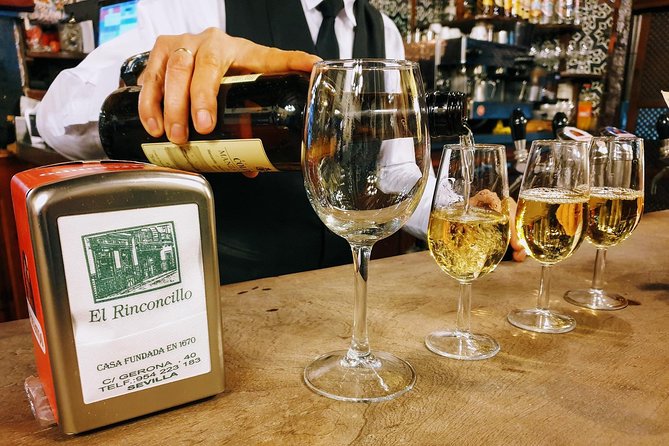
- Four wine tastings: You can usually choose beer or soft drinks instead, and the selections may include local styles such as sherry or orange wine.
- A walking meal through central Seville: The route connects Plaza de la Encarnación, Alfalfa, the historic center, and Santa Cruz.
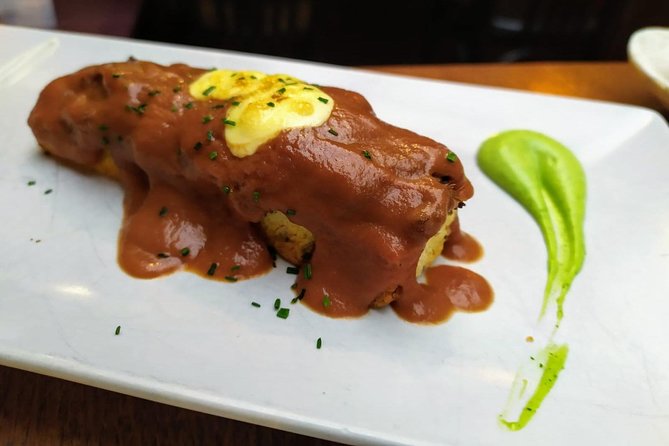
- Food enough for lunch or dinner: Expect several tapas, including chicharrones, montaditos, carrillada, spinach with chickpeas, meatballs, sweets, and other regional dishes.
- A small group of up to 12: This makes it easier to hear the guide and ask questions at busy bars.
- A strong guide-dependent experience: Alejandro, Pilar, Jeff, Sasha, Stephanie, Ella, and other guides have received especially warm praise for their stories and practical advice.
- Not a good choice for every diet: Tell the operator about restrictions, but vegans and people with celiac disease should choose another tour.
Why this Seville food tour works
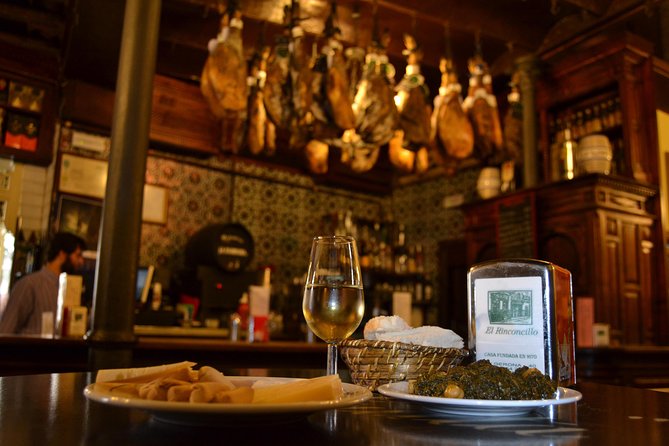
I like this tour because it treats food as part of the city, not as a string of unrelated samples. Between bites, you walk through old streets and hear why certain dishes, drinks, customs, and gathering places matter. You are not simply handed a plate and left to guess what it is.
The format also suits a first evening in Seville. You meet near the Setas, then move through central neighborhoods on foot. By the end, you have seen several areas you may want to revisit and have a list of places to try on your own.
The price is $83.44 per person. That is not cheap for a meal in Seville, but it includes about three and a half hours with a guide, food intended to replace lunch or dinner, four wines or alternative drinks, and a dining guide with further bar and restaurant suggestions. The value depends on what you want. If you only want the least expensive tapas, order them yourself. If you want local context, introductions to several bars, and a ready-made evening without planning, the price is easier to justify.
Keep your expectations sensible. This is a traditional tapas outing, not a carefully staged fine-dining menu. One stop may be excellent and another merely decent. The appeal is the combination of food, walking, conversation, and local explanation.
More Local Culture and Traditions Tours in Spain
- Taste of Malaga Tour : Tapas, History and Local Customs
★ 5.0 · 758 reviews - San Sebastian E-bike trour: Basque History and Cultural.
★ 5.0 · 367 reviews - Málaga: 2h Walking Historical Tour–Art, Culture and Legends
★ 4.9 · 341 reviews
Starting beside the Setas in Plaza de la Encarnación
The meeting point is the white 18th-century public fountain at Plaza de la Encarnación, beside Metropol Parasol, better known as the Setas de Sevilla. The Setas is one of Seville’s most recognizable modern landmarks, so the area should be easy to identify.
This is a practical starting place because it puts you in the old center right away. There is no private transportation, and the entire experience is built around walking. Wear shoes that handle cobblestones and bring enough water for the time before the first substantial tasting.
The opening meeting is brief, but it sets the tone. Your guide will gather the group and begin linking the city around you with the food ahead. Guides such as Alejandro, Pilar, Jeff, and Stephanie have been praised for making this introduction friendly and easy to follow, while also answering questions about Seville beyond the menu.
Los Soportales: chicharrones, montaditos, and a local drink
The first food stop is Los Soportales, where you taste dishes such as chicharrones and a montadito. These are useful introductions to Seville’s casual bar food. A montadito is a small sandwich, while chicharrones bring a meatier, more traditional flavor.
The food is served with Cruzcampo beer straight from the barrel, or you can choose wine instead. This is a good early lesson in how a Spanish bar meal works: small portions, a drink at hand, and a steady flow of conversation.
Some people will love the old-fashioned character of this stop. Others may find the flavors salty or heavy, especially if they prefer lighter food. It is worth pacing yourself. You have several more tastings ahead, and the tour is meant to add up to a full meal.
Plaza del Pan and the flamenco dress tradition
The route then pauses at Plaza del Pan, also called Plaza Jesús de la Pasión. The stop includes a look at a local flamenco dress shop and the traditional traje de flamenca worn during Feria and other local celebrations.
This is a short cultural break rather than another meal. That is a strength. A food tour can become tiring when every minute is spent eating, and this pause gives you a visual reminder that Seville’s identity is expressed through dress, dance, festivals, and food together.
Do not expect a full flamenco performance here. The point is to see an important local tradition and understand where the dress fits into Sevillian life. If your guide is someone with a special interest in flamenco, such as the guide who offered one group a recommendation for an off-the-beaten-path performance, you may also get useful ideas for later in your stay.
More Food and History Tours in Spain:
- Madrid Historic Centre Food Tour with Authentic Tapas & Wines
★ 5.0 · 814 reviews - Madrid Local’s Tapas Tour Dinner with a side of History
★ 5.0 · 530 reviews - Private: Madrid Historic Centre Food Tour with 10+ Authentic
★ 5.0 · 97 reviews - Barcelona Tapas Tour, Taverns, History & Local Culture
★ 5.0 · 25 reviews
Alfalfa: small tavern food in a lived-in neighborhood
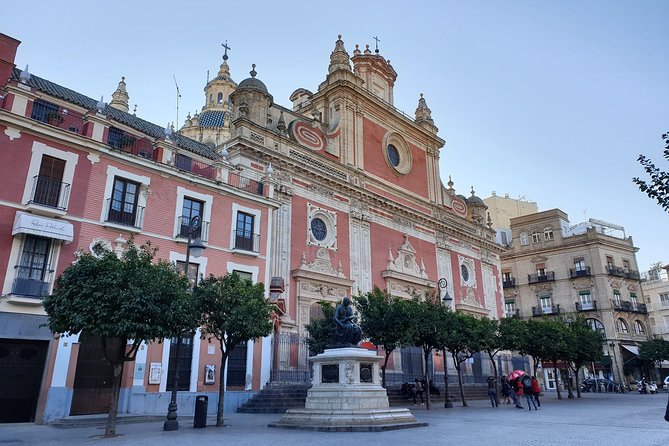
Alfalfa has medieval roots and remains one of the central areas where old streets, small plazas, and modern daily life meet. Here, the tour visits a modest local tavern with a short menu of tostas, montaditos, and regional wines.
I value stops like this more than a polished restaurant designed for tourists. A small menu often means the place knows what it wants to serve, and the informal setting lets you see how locals use neighborhood bars. The setting is part of the lesson.
The selection can change with the season and the partner bar’s availability. That flexibility is useful for the operator, but it means you should not treat every listed dish as guaranteed. The guide will explain what arrives that day, and the group may share several small plates.
This is also where the social side of the tour begins to matter. With no private vehicle and no formal dining room, you spend the evening moving, standing, talking, and sharing. If you prefer a quiet, seated meal with exact courses, this may feel less comfortable.
Walking the historic center between bites
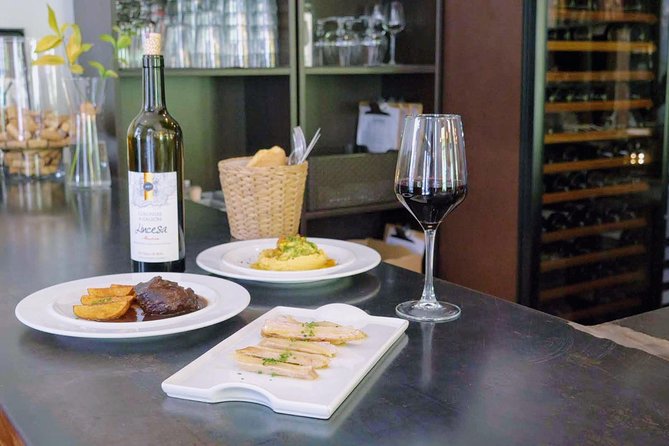
A short walk through Seville’s historic center connects the food stops. The walking itself is not filler. It helps you understand the compact shape of the old city and gives your guide room to explain the streets, buildings, customs, and neighborhoods around you.
I recommend taking notes on places that catch your eye. The tour ends in Santa Cruz rather than returning to the starting fountain, so you can easily continue your evening there. The route also gives you a better sense of where you are when you return to the center on another day.
You should be prepared for a relaxed pace rather than a sightseeing lecture. The historical information is woven around food and local life. Alejandro has been singled out for connecting Seville’s past with what appears on the plate, while other guides, including Katerina and Ella, have been praised for explaining traditions in a clear, approachable way.
Santa María la Blanca: home cooking and football talk
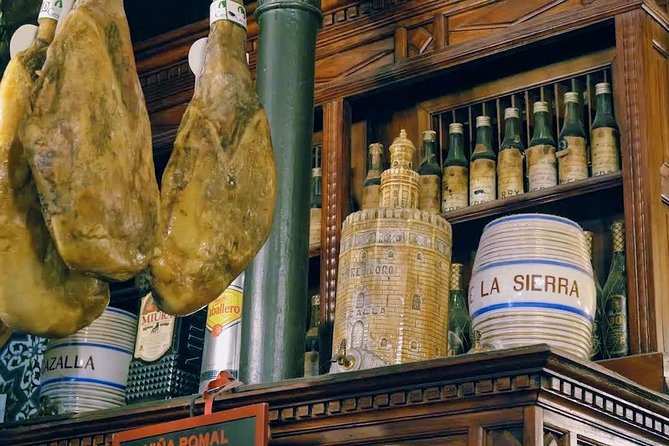
Near Iglesia de Santa María la Blanca, the group visits a classic neighborhood bar known for grandmother-style cooking. The tastings here include slow-cooked carrillada and espinacas with chickpeas.
Carrillada is tender, slow-cooked pork cheek, a dish with the soft texture and deep sauce many people associate with home cooking. Spinach with chickpeas offers a more vegetable-focused Andalusian staple, though it is not a vegan guarantee because recipes and shared preparation can vary.
The conversation may turn to Seville’s football culture and the city’s oldest Betis supporters’ club. Even if football is not your subject, this is a useful glimpse into how strongly clubs shape local identity. The guide can make the topic approachable rather than turning the stop into a sports lecture.
The listed dishes and even the stop itself may change with seasonality and partner availability. That is normal for a small local food route, but it reinforces the need to think of the experience as a tasting journey rather than a fixed restaurant menu.
Santa Cruz: meatballs, pestiños, and PX
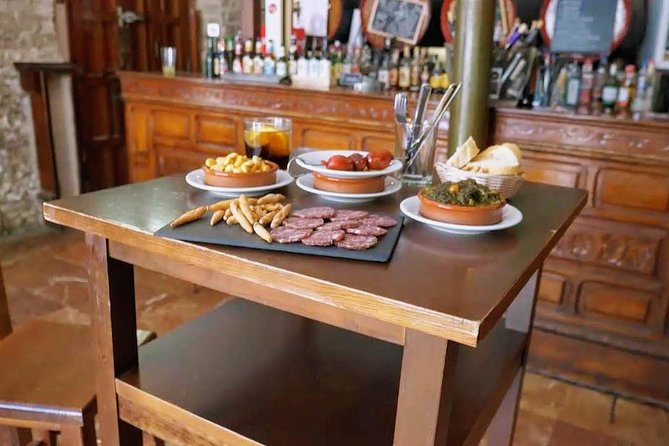
The final major stop takes place in the Santa Cruz district, the former Jewish quarter at the heart of Seville’s old center. The group visits a family-owned tavern in a traditional Sevillian house with an interior patio.
This is a fitting setting for the end of the tour. You get albóndigas, or meatballs, followed by pestiños, a local sweet, and a glass of PX. Pedro Ximénez, often shortened to PX, is a sweet fortified wine. It makes a natural closing drink with dessert, though it will be too sweet for some palates.
The patio and family-run setting provide a different mood from the earlier bars. You can slow down, compare the dishes you have tasted, and ask your guide for advice about the rest of your stay.
This stop is scheduled for about an hour, longer than the brief walks and shorter tastings earlier in the evening. The extra time helps the tour finish as a meal rather than a rushed final sample. Your endpoint is on Calle Santa María la Blanca, so you are already in a useful area for continuing into the night.
What the guides add to the evening
The guide is the biggest variable in this experience, and the strongest part of the tour when the match is good. Alejandro has been praised for vivid stories and a strong grasp of Seville’s past. Pilar is especially associated with explaining wine and turning one participant into a sherry fan. Jeff has been described as both a chef and a careful host who shares useful recommendations.
Stephanie has received praise for combining practical ordering tips with an easygoing manner. Sasha has led well-organized groups of 12, while Ella has been noted for answering questions about food, culture, and the city. Dorota, Agata, Antonietta, Katerina, and Ferran have also been praised for warmth, pacing, and local insight.
You cannot select a particular guide from the information provided, so book this for the structure and the operator rather than for one named person. Still, the pattern is clear: the guides are expected to do more than point out dishes. They explain customs, make introductions, keep the group together, and help you feel more comfortable ordering in Seville.
Some guides send a list of the bars, foods, and drinks afterward. That is genuinely useful. You can return to a favorite stop, recognize a dish on another menu, or use the recommendations for later meals.
Food, drinks, and dietary limits
The included food is described as enough for lunch or dinner. Across the route, you might encounter chicharrones, montaditos, tostas, carrillada, spinach with chickpeas, meatballs, regional cheese, cured meats, fish, or pestiños, depending on the day and partner availability.
The advertised drink package includes four wines. Beer and soft drinks are also options. Specific pours may vary, and one tasting may include a style such as orange wine or sherry. If you do not drink alcohol, tell the operator in advance so the alternatives are clear.
Vegetarians may be accommodated, but you must give notice. One vegetarian participant received suitable tapas, and the guides have adjusted selections for dietary needs. That does not mean the tour is ideal for every vegetarian, so explain your requirements before booking.
The operator does not recommend the tour for vegans. It is also not recommended for anyone with celiac disease because of the risk of gluten cross-contamination. Other dietary restrictions should be reported when you book, but you should not assume every ingredient can be changed.
Who should book this experience?
I would choose this tour for a first night or second day in Seville. It gives you a practical introduction to central neighborhoods, basic tapas customs, local drinks, and the rhythm of an evening out. The dining guide can also help you plan later meals.
It suits solo visitors and couples who want company, as well as small groups that prefer a social evening. A maximum of 12 people is small enough for questions without making the tour feel private.
It is less suitable if you want a precise menu, large portions at every stop, or a focused wine seminar. One person found the food mediocre and the drinks small, while other participants found the evening filling and well chosen. That difference is a useful warning: the guide and group atmosphere may be more consistent than every individual dish.
The tour is also not a good match for anyone who has difficulty walking through historic streets, since private transportation is not included and the route moves between central neighborhoods. Most people can participate, and the meeting area is near public transportation.
Price, timing, and cancellation
At $83.44, this is a mid-range food experience for Seville. You are paying for the food, four wines or alternative drinks, a local guide, several bar visits, and the planning behind a three-and-a-half-hour route. The tour is booked an average of 34 days in advance, so reserve early if your dates are fixed.
Confirmation arrives at booking. Free cancellation is available up to 24 hours before the start time for a full refund. Cancellations or changes within 24 hours are not refunded or accepted, and the operator may offer another date or a full refund if the minimum number of participants is not reached.
Should you book the Seville Food Tour?
Book it if you want a social walking meal that connects tapas with Seville’s neighborhoods and customs. It is especially useful early in your visit, when advice from guides such as Pilar, Jeff, Sasha, Stephanie, or Alejandro can shape the rest of your stay.
Skip it if you need strict gluten control, follow a vegan diet, or care more about a guaranteed high-end menu than local atmosphere. For everyone else, the best reason to go is the mix: four drinks, several traditional foods, old streets, flamenco dress, football talk, and bars you might not choose on your own. Just arrive hungry, wear good shoes, and judge the evening as a whole rather than by one tapa.
FAQ
How long does the Seville Food Tour last?
The experience lasts approximately three hours and 30 minutes.
Where does the tour begin?
It begins at the white 18th-century public fountain at Plaza de la Encarnación, beside Metropol Parasol, also called the Setas de Sevilla.
Where does the tour end?
The tour ends on Calle Santa María la Blanca in Seville’s historic center.
How many people can join the tour?
The maximum group size is 12 travelers.
Are drinks included?
Yes. Four wines are included, with beer or soft drinks available as alternatives.
Is enough food included for a full meal?
The included tastings are intended to provide enough food for lunch or dinner.
Is the tour suitable for people with dietary restrictions?
You should report dietary restrictions when booking. The tour is not recommended for vegans or people with celiac disease because of the risk of gluten cross-contamination.
Newest history tours we have reviewed in Spain
- Bilbao Historical Tour in small group★ 4.7 · 52 reviews
- Barcelona Tapas Tour, Taverns, History & Local Culture★ 5.0 · 25 reviews
- Barcelona Historical 3-Hour Bike Tour★ 4.7 · 222 reviews
- Barcelona: Market, Tasty Tapas/Food and Gothic History Tour★ 4.7 · 48 reviews
- Barcelona: Cemetery Tour – Gothic Graves & Local History★ 4.9 · 33 reviews
- Barcelona & Chocolate Amatller History and Culture + Activity and Tasting★ 4.9 · 173 reviews
- Barcelona: The Spanish Civil War Historical Walking Tour★ 4.9 · 239 reviews
- Barcelona: 3-Hour Esoteric, Spiritual & Historical Tour★ 5.0 · 34 reviews
Food & History Tours, compared.

Dublin Historical Centre Food Tour with 8 Food Tastings & Drinks
Read our review →

Boston Pizza Lovers Food and History Walking Food Tour
Read our review →
Rome Food Tour in the Historic Centre with 8+ Food Tastings
Read our review →
Madrid Historic Centre Food Tour with Authentic Tapas & Wines
Read our review →Browse the lists this tour appears in