
Review · USA HISTORY TOURS
Colonial Williamsburg: Colonial History Guided Walking Tour
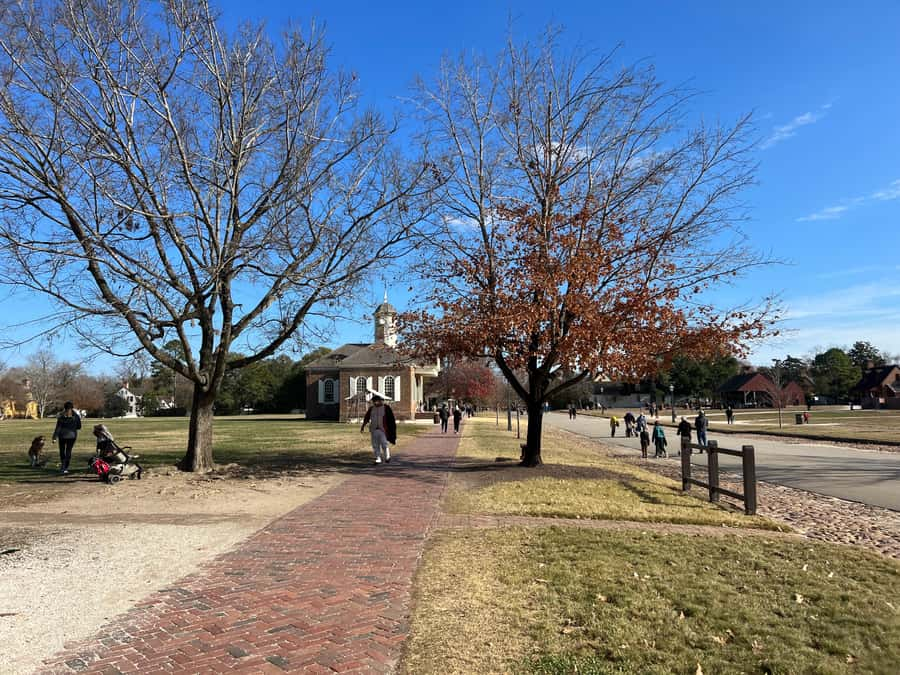
Colonial Williamsburg comes alive when a guide connects its redcoats, revolutionaries, taverns, and public buildings to the people who once used them. This 105-minute walking tour begins at the Capitol and brings the eighteenth century into focus through stories, period clothing, and stops around Raleigh Tavern and other key sites.
I like the way the tour looks beyond the usual Washington and Jefferson story. I also like the human touch: Elizabeth has drawn especially strong praise for her enthusiasm and audience participation, while guides such as Tom Williams and Lexi have also led engaging walks. The main drawback is simple: you spend the whole tour outdoors, and hot sun can make the pace feel harder than expected.
Key points at a glance
- Capitol-centered route: Meet in front of the Capitol Building, then walk through the heart of Colonial Williamsburg before returning to the same area.
- More than famous founders: Hear about lesser-known colonial figures, royal government, elected officials, and the people affected by independence.
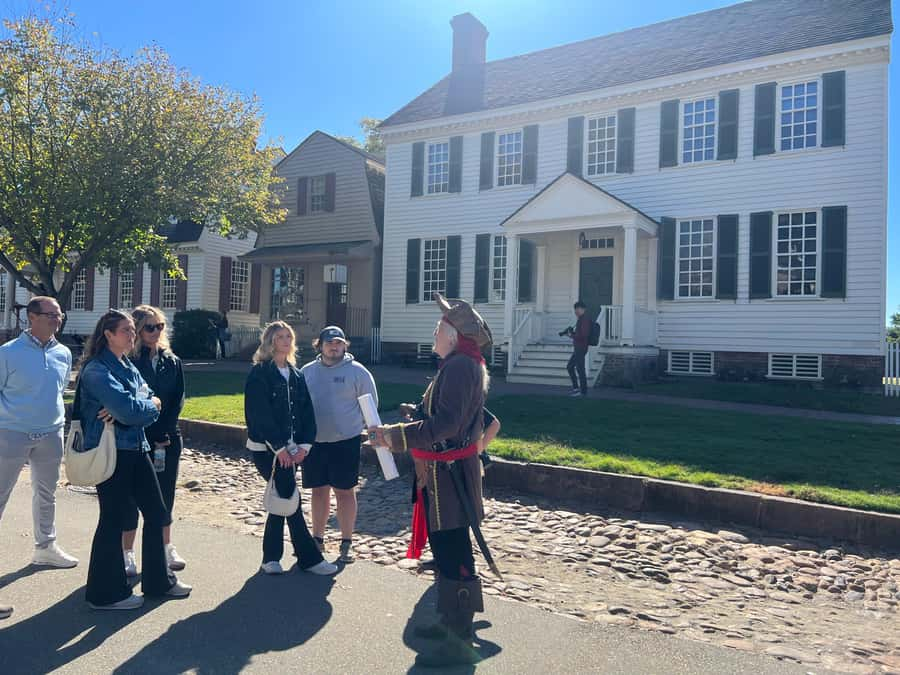
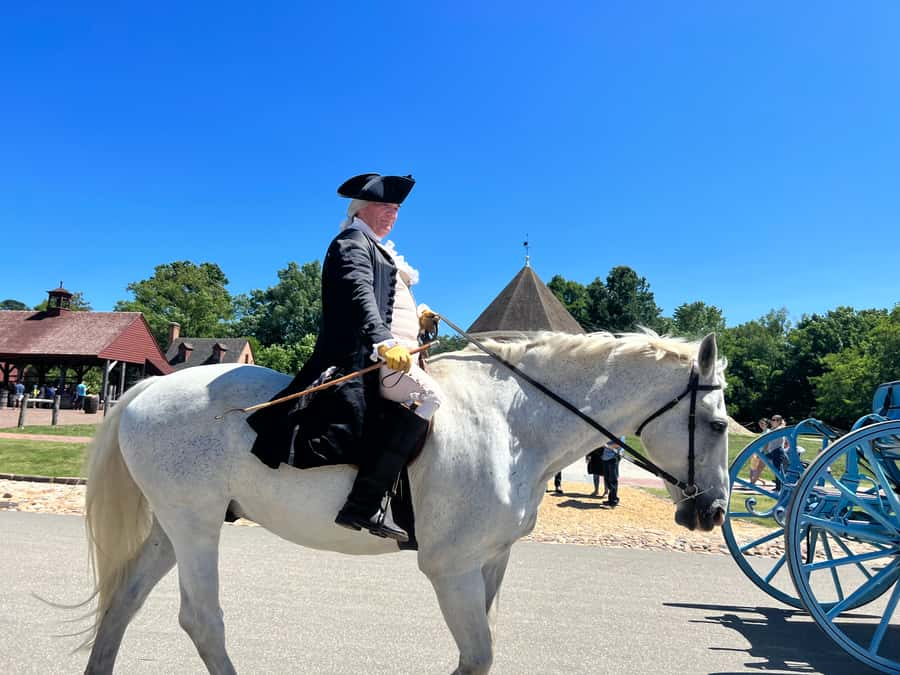
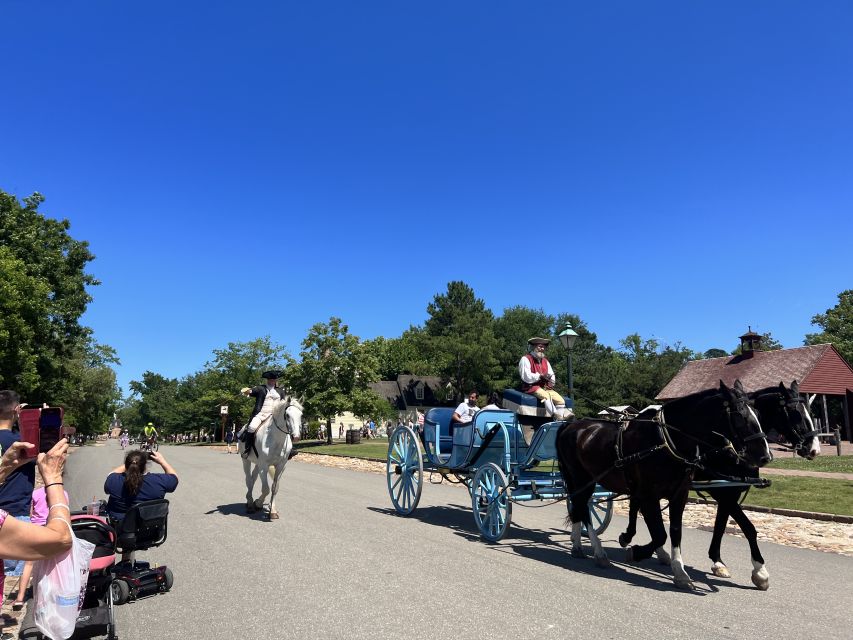
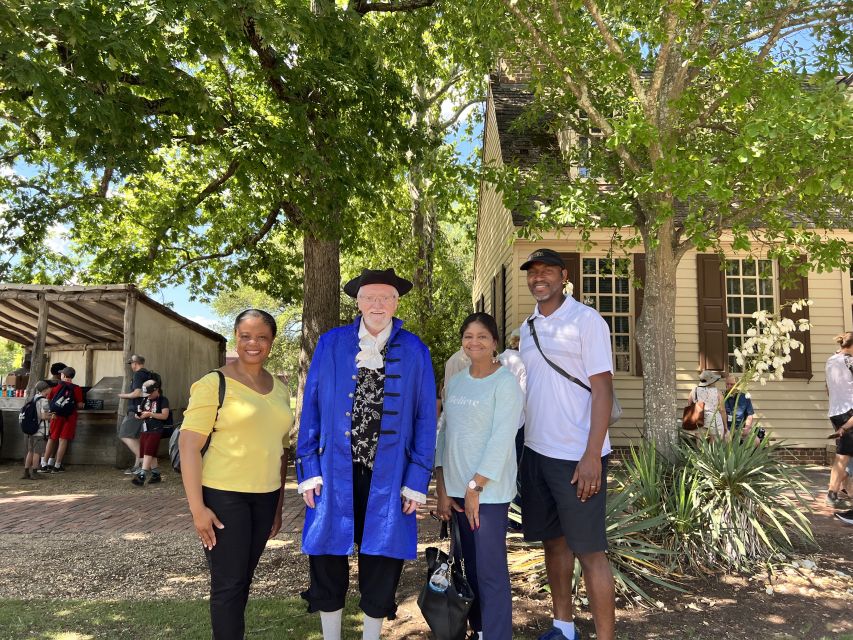
- Period atmosphere: British redcoats, American revolutionaries, and carefully made costumes help the streets feel connected to the 1700s.
- Strong guide-led experience: Elizabeth is especially good at keeping adults and children involved, with Tom Williams and Lexi also named as engaging guides.
- Good value for context: At $25 per person, the tour gives you a useful framework before or alongside paid building visits.
- Plan for the weather: Wear comfortable shoes, bring sunscreen, and expect limited shade during parts of the walk.
Why a guided walk helps at Colonial Williamsburg
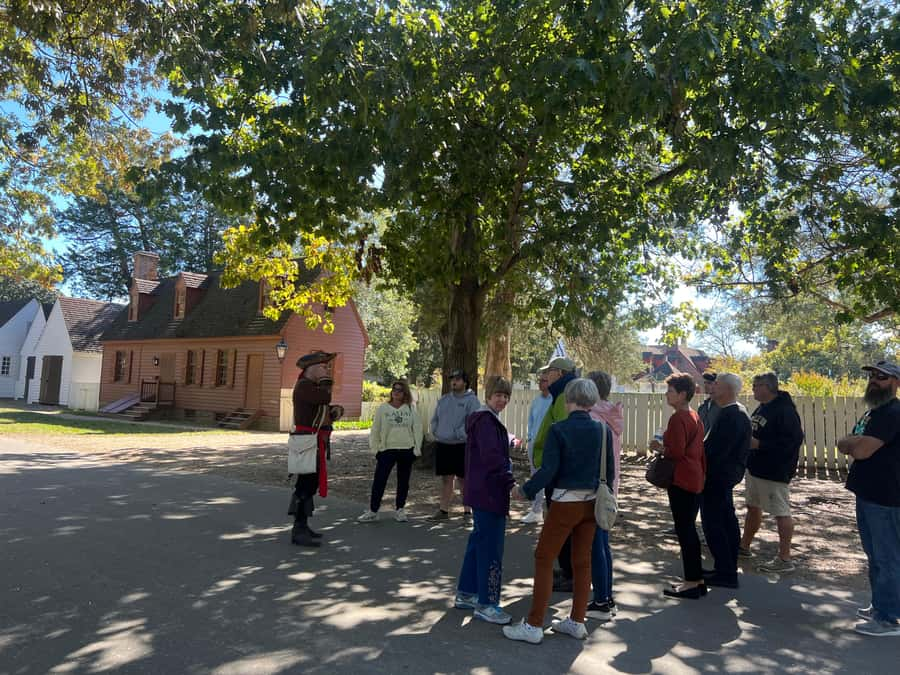
Colonial Williamsburg is easy to admire and surprisingly easy to misunderstand. You can walk past a handsome brick building, read a short sign, and still miss why it mattered. A guide gives each stop a job in the larger story.
This tour is less about rushing from one attraction to another and more about reading the town as a working capital. You hear how authority shifted from royal government to elected officials, why public buildings mattered, and how independence changed daily life. Those connections are useful because the restored streets can otherwise feel like a collection of attractive facades.
I also appreciate the tour’s focus on people who rarely get much space in school lessons. Washington and Jefferson appear in the story, but they are not the only characters. You hear about colonial figures, local life, political change, and the less polished parts of the road toward independence.
The period costumes help, too. A redcoat or revolutionary walking nearby is not a substitute for historical evidence, but it gives the streets a sense of place. The clothing, buildings, and live explanation work together better than any one of them would alone.
More History Walking Tours in the USA
- History and Hauntings of Salem Guided Walking Tour
★ 5.0 · 14,564 reviews - Boston: Freedom Trail History Small Group Walking Tour
★ 5.0 · 6,450 reviews - Historic Charleston Guided Sightseeing Walking Tour
★ 5.0 · 6,216 reviews
Meeting at the Capitol Building
The tour starts on East Duke of Gloucester Street, with the actual meeting point in front of the Capitol Building. The instructions are worth reading carefully because the location can be confusing.
Parking is available at 460 Francis Street East. If you arrive before 5:00 PM, parking costs $5. From the parking area, make your way toward the Capitol rather than relying blindly on a phone map. The directions warn that Google Maps may send you to the courthouse.
A useful landmark is the blacktop circle. Walk to the end of it and look for your guide standing on the road in front of the Capitol Building. The directions also refer to 430 East Duke of Gloucester Street and the Palmer House, but the key point is this: meet at the Capitol, not at the courthouse or the old Capitol building.
One past group had trouble finding the right place and was helped when Elizabeth called. I would still allow extra time, especially if you are unfamiliar with Colonial Williamsburg. The meeting instructions are more precise than the surrounding signs.
The Capitol and the changing shape of power
Beginning at the Capitol gives the tour a strong opening. This is where the guide can explain the public business of colonial Virginia and set up the larger conflict between royal authority and elected representation.
You are not just looking at a government building. You are considering who had the right to make decisions, who answered to the Crown, and how that system began to shift. The guide’s role matters here because the political story can become a list of dates without the people and arguments behind it.
Expect the guide to connect the building to the founding generation while also showing that political change did not happen in a vacuum. The tour explains the move from royal government toward elected officials, giving you a clearer way to understand the streets you are walking.
This opening is also practical. Since you return to the Capitol at the end, you do not need to navigate to a new neighborhood after the tour. The walk stays within Colonial Williamsburg’s central historic area.
Raleigh Tavern and the social side of politics
Raleigh Tavern is one of the most appealing stops because it brings politics down to a human scale. Taverns were places where people ate, talked, exchanged news, and argued. Public decisions did not live only inside official chambers.
The guide uses sites such as Raleigh Tavern to show how colonial life worked beyond formal government. You can picture officials, merchants, visitors, and local residents sharing the same social spaces, even if they did not share the same power.
This is also where the tour’s stories about everyday sayings and ordinary people can add value. One guide has been praised for explaining the origins of American expressions, a detail that makes language feel like part of the period rather than a modern overlay.
Do not expect a long indoor visit at every building. The experience is primarily a guided walk, and the route may focus on the exterior setting and the story connected to it. If entering multiple historic interiors is your main goal, you may want to pair this tour with Colonial Williamsburg admission options that include building access.
More Colonial History Tours in the USA:
- Colonial History Tour in Williamsburg Virginia
★ 5.0 · 97 reviews - Newport: Colonial History Walking Tour
★ 4.5 · 24 reviews - Vung Tau Essential: Beach, Christ Statue & Colonial Heritage
★ 5.0 · 284 reviews - Full-Day Ho Chi Minh City Tour with Colonial Heritage & Chinatown
★ 5.0 · 246 reviews
Stores, streets, and the texture of colonial life
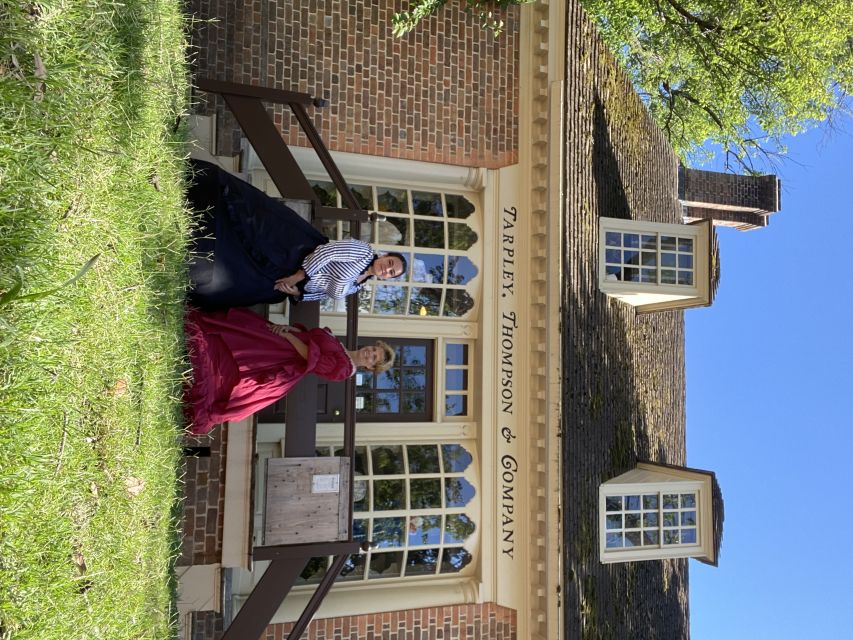
The Tarpley and Thompson store is another useful stop because it shifts attention from government and famous names to commerce. A store tells you something about what people needed, what they could buy, and how goods moved through colonial society.
These smaller details help prevent the tour from becoming only a founding-fathers lesson. You get a sense of the working town, its trade, and the daily choices behind the grand political events.
The guide also points out period-specific details in clothing and recreated colonial life. That attention to detail is one reason the tour works well for first-time visitors. You are not left to guess which parts of the setting are meant to represent the eighteenth century.
Families may find this section especially useful. Children often respond better to a store, a costume, or a vivid personal story than to an abstract explanation of constitutional change. The guide’s questions and participation keep the walk from feeling like a lecture.
The Governor’s Palace and the road to independence
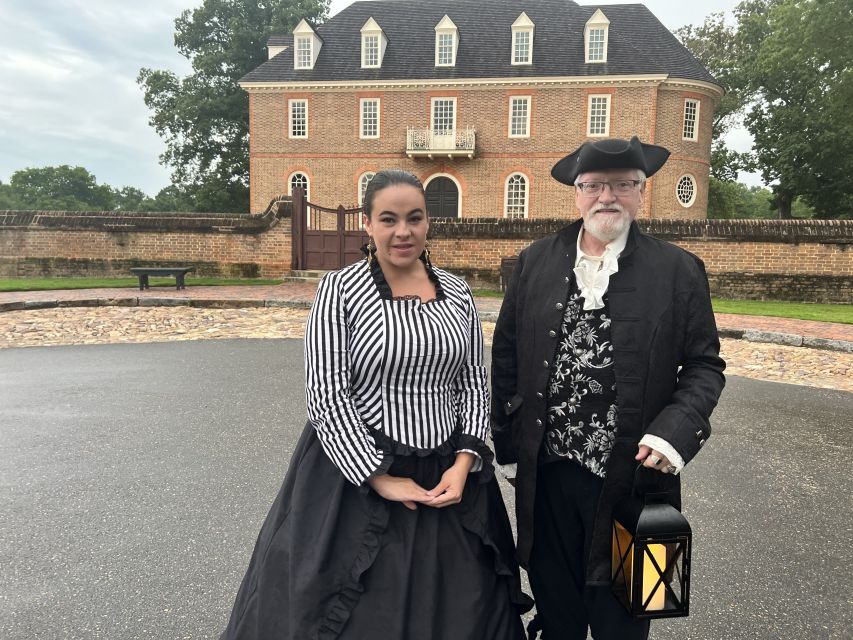
Around the Governor’s Palace, the focus turns back to royal government and the tension that eventually led to independence. The guide explains how authority functioned before elected officials gained a stronger role, then traces the growing conflict between colonial interests and the Crown.
This portion is valuable because it gives independence a sequence. The country did not simply wake up one day and declare itself free. Political power, local grievances, public debate, and decisions by people with competing interests all shaped what came next.
The story of America declaring independence is presented as a human and political turning point. Expect the guide to connect the formal event with the uncertainty surrounding it. The tour does not treat independence as a clean, simple finish line.
The Governor’s Palace area also adds visual contrast to the taverns, stores, and Capitol. You move between spaces linked to authority, business, and public life. That variety keeps the walk moving even when the route remains within a compact area.
What the guide adds to the experience
The guide is the main reason to choose this tour instead of walking Colonial Williamsburg alone. Buildings can tell you where something happened, but a good guide explains why the place mattered and introduces the people who used it.
Elizabeth receives the strongest praise in the supplied feedback. She is described as enthusiastic, funny, patient, and good at getting the group involved. She has also made time for questions and adjusted the pace when two people in one group had trouble walking, offering chances to sit.
Tom Williams has been praised for his detailed understanding of the grounds and for answering questions clearly. Lexi led one walk in rainy weather and kept it friendly and informative. Guide assignments can change, so you should not book on the assumption that a particular person will lead your date, but Elizabeth is a name you may encounter.
The best guides on this walk do more than recite facts. They explain the origin of sayings, bring in people who are often left out, and connect political events with daily life. That is why the experience can add value even if you are also paying to visit buildings separately.
Heat, walking, and accessibility
The route takes 105 minutes, which is long enough to cover a good amount of ground but short enough to fit into a day of sightseeing. You should still treat it as a real outdoor walk, not a quick orientation.
Comfortable shoes are essential. Bring sunscreen, particularly in summer, and consider scheduling the tour at a cooler time if starting options allow. One group found the heat difficult and wished for more stops in the shade. That is a fair concern because colonial streets offer only so much shelter.
The tour is wheelchair accessible, and the guide has accommodated people who needed to sit from time to time. Still, accessibility in a historic district can depend on the exact route, weather, and walking speed. If someone in your group has limited mobility, arrive early and tell the guide at the start so the pace can be handled sensibly.
Rain is also possible. A guide has led the walk in wet weather, but the experience remains outdoors. Dress for the forecast and remember that costumes and historic streets do not provide much protection from poor weather.
Is $25 a fair price?
At $25 per person, this is a reasonable price for a private guide-led introduction to Colonial Williamsburg, especially if you are new to the site. The value comes from interpretation rather than admission to a long list of interiors.
I would choose this tour if you want the town to make sense quickly. In 105 minutes, you get a route, a political framework, stories about overlooked people, and useful background for the buildings you may explore later.
The value is weaker if you already know Colonial Williamsburg well or mainly want to spend your time inside historic structures. This walk does not promise entry into most houses and shops. It works best as a foundation, not as a complete replacement for every other Colonial Williamsburg experience.
The flexible booking terms help if your schedule is uncertain. You can reserve now and pay later, and cancellation is allowed up to 24 hours before the tour for a full refund. Those terms are useful when weather or a changing day plan matters.
Who should book this walk?
I would recommend it to first-time visitors, families, history fans, and anyone who wants more than a self-guided stroll. It is also a good choice if you like political history but want it tied to real streets, buildings, and people.
Children can enjoy the costumes and participation, particularly when the guide turns stories into questions. Adults who have studied the Revolution may still learn something from the lesser-known figures and local details.
I would be more cautious if you dislike walking, struggle in heat, or want extensive access to interiors. The route is accessible, but it is still outdoors and may include sunny stretches. In that case, check the starting time and speak with the guide about your needs.
Final verdict: book it for context and character
Book the Colonial Williamsburg Colonial History Guided Walking Tour if you want the historic district explained by a lively person rather than left to signs and maps. The Capitol, Raleigh Tavern, Governor’s Palace area, stores, costumes, and revolution-era stories give you a solid introduction for $25.
I especially like the attention to people beyond Washington and Jefferson and the way guides such as Elizabeth make room for questions and participation. Just plan carefully for the meeting point, wear comfortable shoes, and bring sunscreen. If you want a fast, human introduction before exploring more buildings on your own, this tour is a smart addition.
FAQ
Where does the tour meet?
Meet your guide in front of the Capitol Building on East Duke of Gloucester Street.
Where can I park?
Parking is available at 460 Francis Street East. Parking costs $5 if you arrive before 5:00 PM.
How long does the tour last?
The walking tour lasts 105 minutes and returns to East Duke of Gloucester Street.
What language is the tour conducted in?
The live tour guide speaks English.
Is the tour wheelchair accessible?
Yes, the activity is listed as wheelchair accessible. The guide has also accommodated people who needed to sit during the walk.
What should I bring?
Bring comfortable shoes and sunscreen. The tour takes place outdoors, so dress for the weather.
Can I cancel for a refund?
Yes. You can cancel up to 24 hours in advance for a full refund.
Do I have to pay when I book?
No. The reserve now and pay later option lets you hold a place without paying immediately.
Newest history tours we have reviewed in the USA
- Self Guided Detroit’s Spirit and History Solo Walking Tour★ 4.5 · 41 reviews
- Best Downtown Detroit Historical Walking Tour★ 5.0 · 56 reviews
- Detroit’s Hidden History Guided Walking Tour★ 5.0 · 48 reviews
- Private Nightlife Tour in Denver: Culture, History, and Cocktails★ 5.0 · 48 reviews
- Historical Walking Tour Of Denver With A Haunting Twist★ 5.0 · 19 reviews
- Tip Based: Capitol Hill History & Ghost Tour★ 5.0 · 34 reviews
- Denver – Capitol Hill Guided Walking Ghost / History Tour★ 4.5 · 75 reviews
- JFK Historical Tour★ 5.0 · 22 reviews
Colonial History Tours, compared.

Vung Tau Essential: Beach, Christ Statue & Colonial Heritage
Read our review →
Full-Day Ho Chi Minh City Tour with Colonial Heritage & Chinatown
Read our review →
Colonial Zone: Historical Tour with a visit to the Columbus Lighthouse and Tres Ojos Park
Read our review →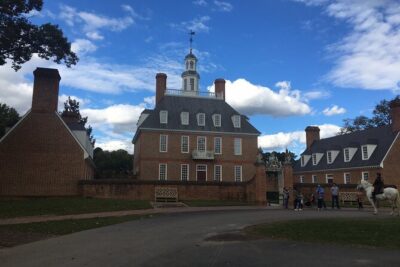
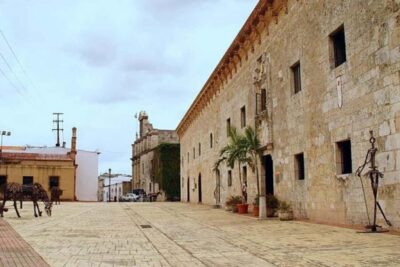
Discover Santo Domingo: Colonial History, Monuments & Lunch
Read our review →
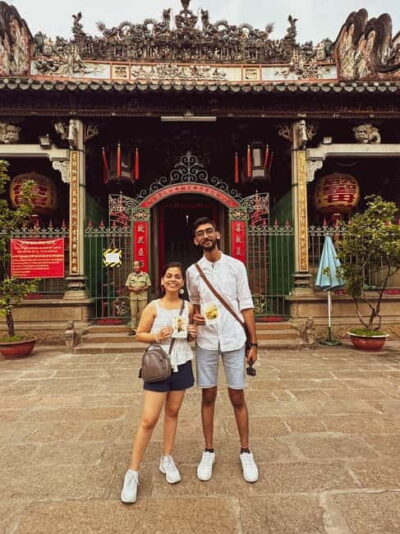
Ho Chi Minh City Tour with Colonial Heritage and Chinatown
Read our review →
Arequipa, Historic and Colonial City and Santa Catalina Monastery
Read our review →Browse the lists this tour appears in