
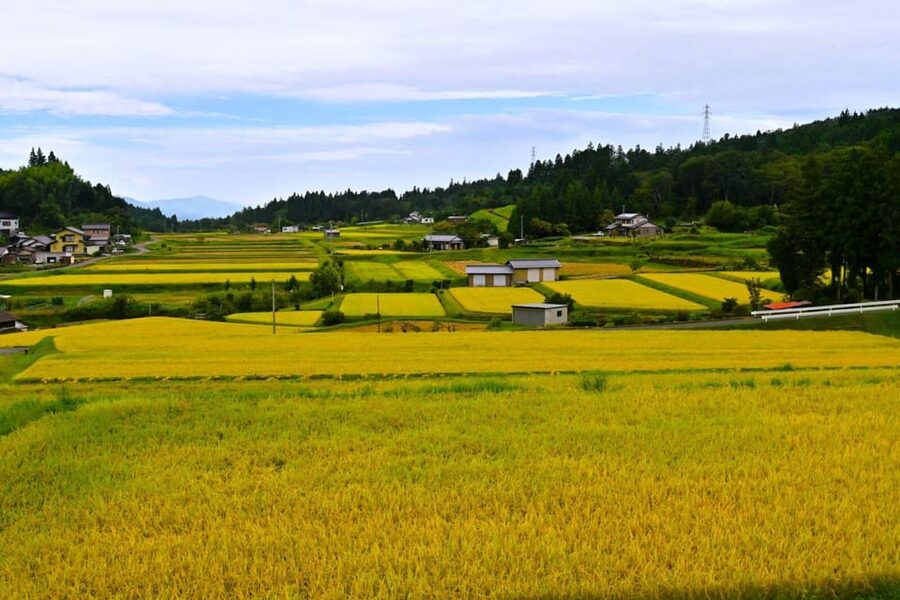
Review · JAPAN HISTORY TOURS
1-Day Tour from Nagoya: Hiking the Historic Nakasendo Trail
The best part of this day is the change of pace: you leave Nagoya’s station crowds behind and walk an old mountain road between two beautifully preserved post towns. Tsumago to Magome gives you forests, streams, waterfalls, and quiet rural scenery in one well-managed outing.
I like the small group limit of 14, which makes it easier to hear the guide and adjust the walking pace. I also like the mix of history and fresh air, especially the chance to enter old buildings in Tsumago before setting off. The main drawback is the long day, with about two hours by bus each way and more than 8 kilometers of walking.
Key points to know before booking
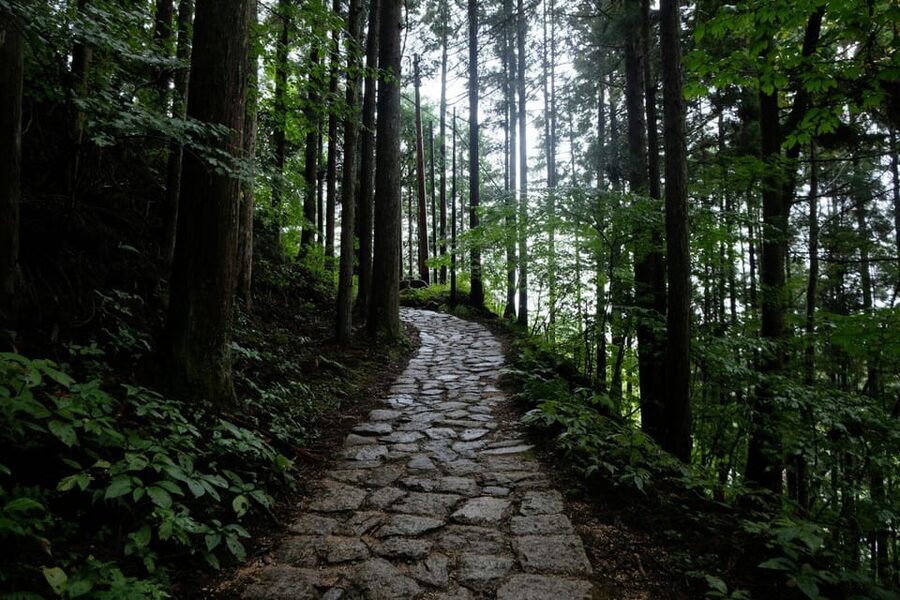
- An 8-kilometer historic trail: You walk from Tsumago-juku to Magome-juku, with uphill sections, mud, and slippery rocks possible.
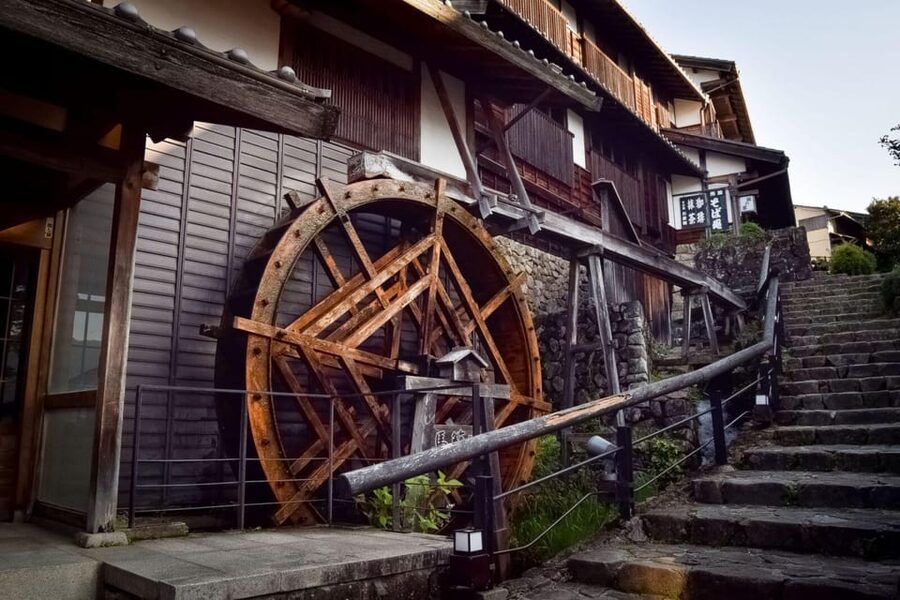
- Tsumago feels especially quiet: Its preserved wooden buildings and old road give you a strong sense of Edo-period Japan.
- The group stays small: A maximum of 14 people makes the guide’s explanations and pace adjustments more personal.
- Lunch is your responsibility: Buy a bento or other food before departure, since choices along the trail are limited.
- The bus saves planning time: Round-trip transport from Nagoya removes the need to work out rural train and bus connections.
- A non-hiking choice is available: You can visit both post towns without walking between them, if you select that option when booking.
Walking Japan’s old road from Tsumago to Magome
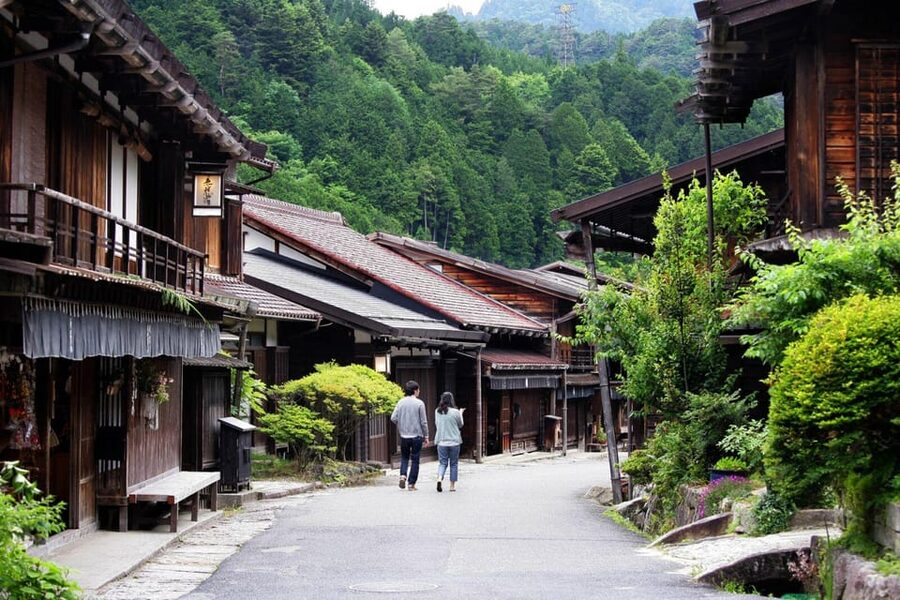
The Nakasendo was one of the major routes linking Tokyo and Kyoto during the Edo era. The section between Tsumago and Magome passes through the Kiso Valley, where old post towns once served people traveling the road.
Today, the route is not a museum path. It is a real walk through wooded hills and small rural settlements. You may hear running water, pass stone paths, and spot bells placed along the way to warn away black bears. The trail has a modest adventurous feel, but it is not presented as a wilderness expedition.
You should still take the physical demands seriously. The total walk is over 8 kilometers, with noticeable climbs and descents. Mud and slick rocks can appear, especially after wet weather, so sturdy walking shoes or boots are far better than casual sneakers.
The guide gives the route its meaning. Names such as Kim, Mir, Paula, and others have led groups along the trail, explaining how the post towns worked and what life was like on the old Samurai Roads. The exact guide depends on the date and language you select, but the tour offers English, Spanish, and French.
More Day Trips in Japan:
- Kyoto: Fushimi Inari, Kinkakuji, Bamboo Grove 1 Day Bus Tour
★ 4.8 · 4,316 reviews - Miyajima Half-day Trip Historical Walking Tour
★ 5.0 · 284 reviews - From Tokyo: Nikko World Heritage Site Private Full-Day Trip
★ 4.9 · 243 reviews
Starting at Nagoya Station at 9:30 A.M.
The meeting point is the silver clock at the base of the Silver Clock tower, inside Nagoya Station near the Shinkansen gates. If you arrive by Shinkansen, it should be directly ahead as you exit.
Coming from a JR line, follow signs for the Taiko-Dori Gate. If you enter from the Sakura-Dori side, the side with the gold clock, walk through the station toward Taiko-Dori. The silver clock sits just before that exit.
Nagoya Station is large and easy to underestimate. I would arrive early rather than try to locate the meeting point at the last minute. Look for the guide holding a Snow Monkey Resorts tour sign.
The bus ride to the trail takes about two hours. There is a bathroom stop along the way, but you should expect a long stretch of sitting before the day’s walking begins. This is one reason the tour works best as a planned day trip rather than a rushed addition to a busy Nagoya schedule.
Tsumago-juku, the day’s strongest historical stop
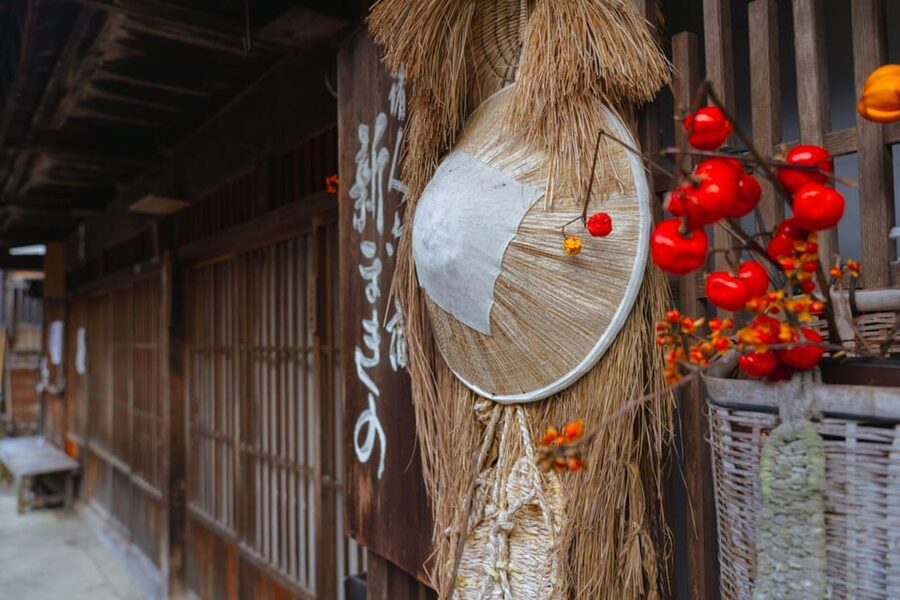
The first main stop is Tsumago, a post town with a carefully preserved wooden townscape. The guide spends about 45 minutes showing you the area and explaining how travelers once used the Nakasendo.
The old buildings are the main attraction. You can enter historical structures and get a clearer sense of how the town functioned, rather than simply photographing a row of facades from the street. Tsumago has a calm, carefully protected character that suits the slower pace of this tour.
This is also where the guide’s storytelling matters most. Without context, a post town can look like a pretty collection of old buildings. With an explanation of travel during the Edo period, the road, inns, shops, and houses begin to make sense as parts of a working route.
Allow yourself to look closely. The appeal is not a long checklist of sights. It is the way the town gives you a physical setting for understanding old Japan before you begin walking through the countryside.
The forest walk, streams, bells, and uphill sections
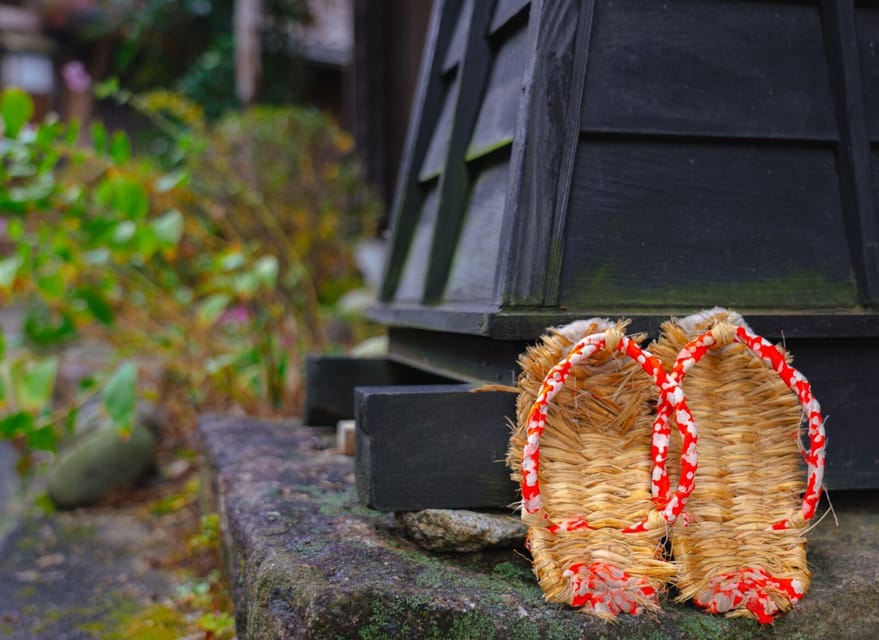
After the introduction to Tsumago, the hiking portion begins. You follow the trail for roughly 8 kilometers toward Magome, usually over about three hours of guided walking.
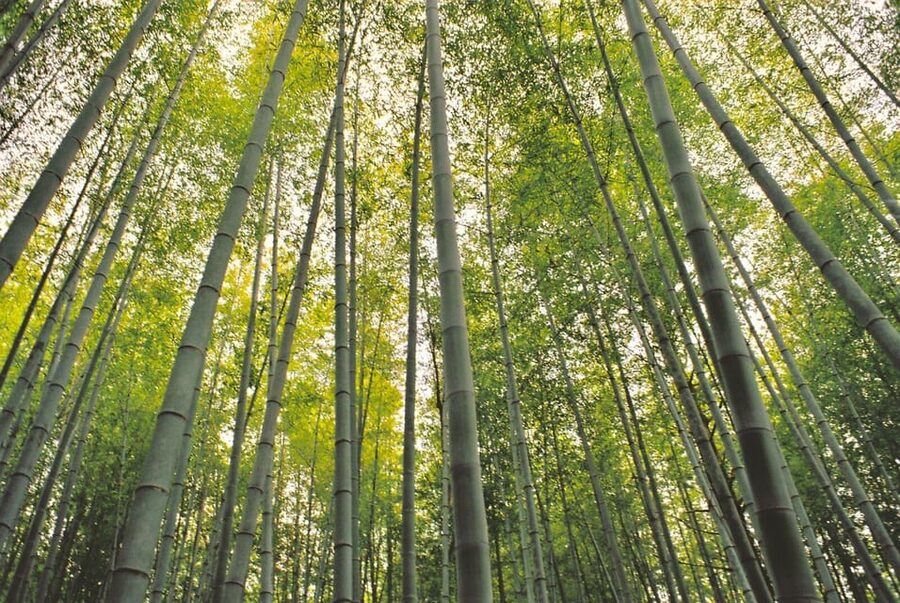
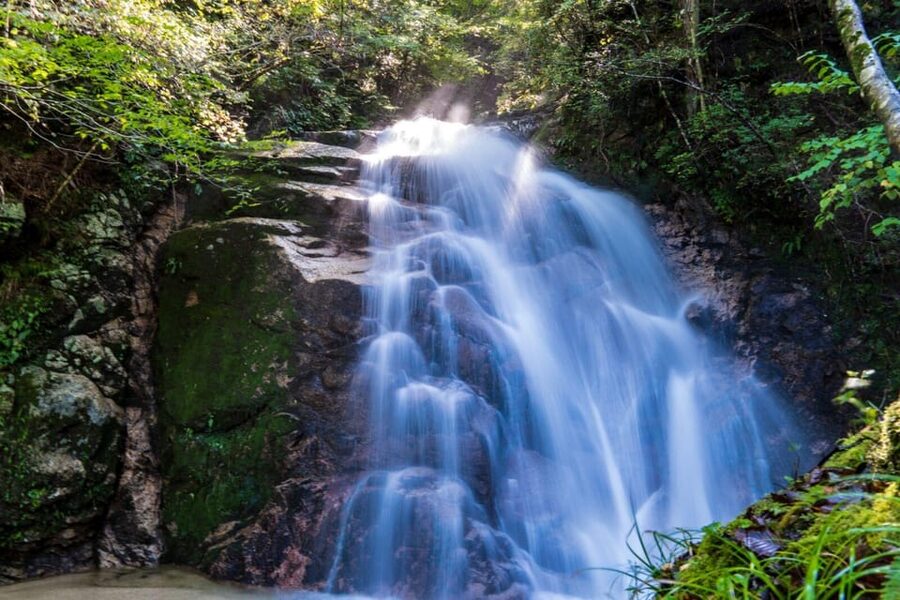
The route passes through forest, alongside clear streams, and past waterfalls. The scenery changes gradually, which is part of its charm. You are not moving from one major attraction to another. Instead, the road itself becomes the experience.
Some parts are easygoing, while other areas require more effort. Expect elevation changes, muddy ground, and rocks that can be slippery. A reasonable level of fitness is needed, but the path is described as manageable rather than extreme.
The tour allows time to eat on the trail, which is why you need to carry lunch. Buy a bento box or other food before leaving Nagoya. Do not count on finding a full meal once the hike starts.
The warning bells along the path add a memorable touch. They are connected with black-bear precautions, though no bear sighting is promised or expected. The sound gives the forest a little edge without turning the walk into a dangerous activity.
A guide can also make the difference between simply walking and understanding the route. A clear explanation of the old road, local customs, and village life gives the quiet sections more purpose. Small groups help here, since you can ask questions without shouting across a crowded bus.
More History Tours in Japan:
- World Heritage Shirakawa-go and Experience Tours from Kanazawa
★ 5.0 · 4,049 reviews - Tokyo: Imperial Palace and Shogun Historical Walking Tour
★ 5.0 · 2,251 reviews - World Heritage Kyoto & Nara Uji Authentic Matcha Experience
★ 5.0 · 1,573 reviews - Kyoto Gion: 2-Hour Geisha Culture & History Walking Tour
★ 5.0 · 1,186 reviews
Arriving in Magome-juku
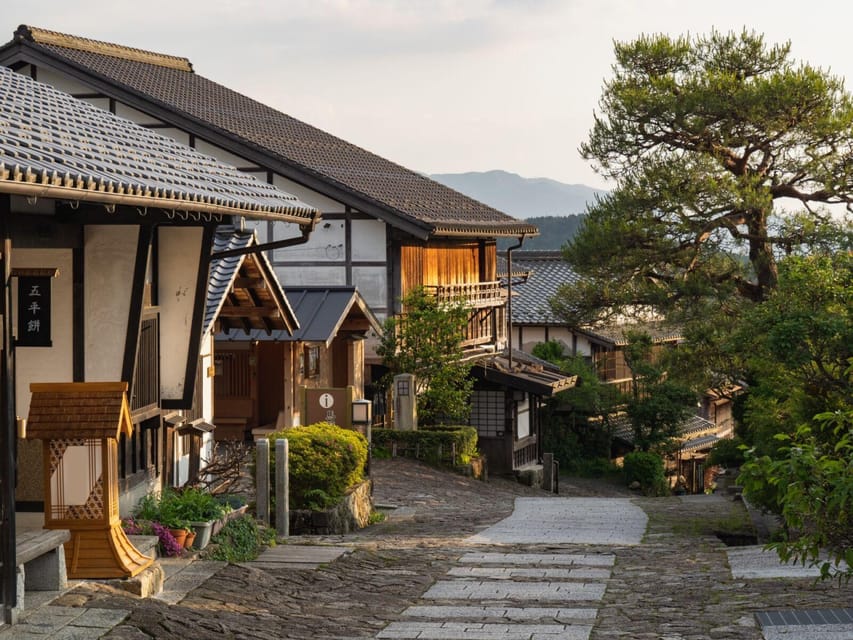
The trail ends at Magome, another post town with restored wooden buildings and a sloping main street. You receive a guided introduction and around 45 minutes of free time to explore.
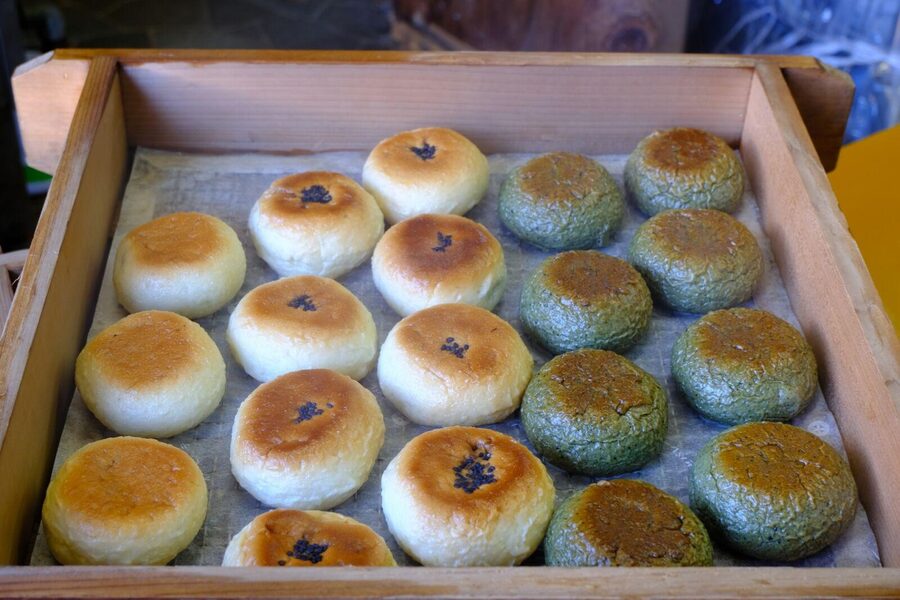
Magome feels more commercial than Tsumago, with shops selling handmade crafts, local snacks, and regional goods. That is not necessarily a flaw. After several hours on the trail, browsing a shop or finding a snack can be a pleasant finish.
You might prefer Tsumago’s quieter atmosphere, while Magome offers more opportunities to spend money or sample local food. The contrast is useful: one town feels especially preserved and hushed, while the other is more set up for visitors.
Keep an eye on the meeting time. The group reunites at 4:30 P.M. for the return journey. Free time here is enough for a look around, but not for a long meal, extensive shopping, and a relaxed tour of every side street.
What the small group and bus add
The tour limits numbers to 14 participants. That matters on a narrow trail, where a very large group would be slow and noisy. It also lets the guide adjust the pace when needed.
A particularly useful feature is the willingness to accommodate different walking speeds. People in their 60s have completed the walk at a manageable pace with guide support, and the group can slow down when conditions call for it. That does not remove the need for fitness, but it makes the outing less rigid than an independent timetable.
The bus is comfortable and practical. Rural connections between Tsumago and Magome require more planning than a simple city train ride, and coordinating transport with an 8-kilometer walk can be awkward. Here, you leave and return to Nagoya Station without changing buses in remote areas.
The tradeoff is time spent on the road. The outbound trip takes about two hours, and the return takes around an hour and a half. If you dislike bus journeys, that may feel like a large part of an eight-hour day. For most people, the convenience is worth it because the route is far beyond the usual Nagoya city sights.
The non-hiking option for a gentler day
You can select a non-hiking version if you cannot manage the trail or simply want to visit both post towns at a slower pace. The day still begins at Nagoya Station at 9:30 A.M.
The guide tours Tsumago and explains life along the old road. You then have about an hour to explore Tsumago independently while the hikers continue toward Magome.
The bus takes you onward to Magome, where you have time for lunch at a local restaurant, regional specialties, and handcrafted souvenirs. You meet the guide and hiking group again at 4:30 P.M. for the return to Nagoya.
This option is recommended for people with mobility concerns and families with small children. The main hiking version is not considered suitable for small children because of the long distance, although one family completed the trail with a 2-year-old using a baby backpack carrier. That is a personal choice, not a promise that the walk will suit every young child.
If an ankle injury or another problem appears before the walk, the non-hiking format gives you a sensible alternative. You should choose it at checkout rather than assume you can switch on the day.
Price, lunch, weather, and what to wear
At $189 per person, this is not a cheap local bus ride. You are paying for round-trip transport from Nagoya, a live multilingual guide, a small group, and access to a carefully planned route that is inconvenient to organize independently.
I think the price makes the most sense if you have only one day for the Kiso Valley. The bus handles the long rural transfer, the guide provides historical context, and the group finishes in the other post town without leaving you to solve the return connection.
Lunch is not included. Pack a bento before departure, and carry water and any snacks you want for the trail. The tour specifically warns that food choices are limited during the hiking section.
Summer needs extra care. Temperatures can reach 35 degrees Celsius or higher, with heavy humidity. Wear light, breathable clothing, protect yourself from the sun, and pay attention to heatstroke. Spring and autumn are likely to feel easier for walking, though the trail can still be wet.
Your footwear matters more than your outfit. Choose shoes with a firm grip and enough support for uneven ground. A small day bag is useful for lunch, water, a light layer, and personal items, but the tour does not provide accommodation or transport from your hotel.
Who will enjoy this day most
I would choose this tour if you want history, rural scenery, and a proper walk, rather than a quick photo stop at two famous villages. It suits visitors based in Nagoya who want an easy way to reach the Kiso Valley without building a complicated transport plan.
It is also a good fit for people who enjoy guides that explain the setting instead of simply leading from point to point. The best moments come from combining the old buildings with the walk between them.
You should think twice if you dislike long bus rides, hot weather, or uneven paths. The word hike is important here. This is not just a village sightseeing trip with a short stroll.
The walking pace can be adjusted, but the distance remains. If you have mobility limits, select the non-hiking option. If you want a relaxed family outing with a stroller, this is not the right format.
Should you book the Nakasendo day trip?
Book it if you want one well-organized day that combines Tsumago’s old buildings, an 8-kilometer forest walk, and Magome’s shops and local food. The small group, comfortable bus, and guides such as Kim, Mir, and Paula add real value, especially when the trail conditions or history raise questions.
Skip the hiking version if you are not prepared for hills, slippery rocks, heat, or several hours on foot. In that case, the non-hiking option still lets you see both post towns.
For a fit visitor with limited time in Nagoya, this is a strong way to reach rural Japan and experience the Nakasendo as more than a backdrop. Bring lunch, wear proper shoes, arrive early at the silver clock, and treat the day as an active excursion rather than a casual sightseeing loop.
FAQ
Where does the Nakasendo tour meet in Nagoya?
The meeting point is at the base of the Silver Clock tower inside Nagoya Station, outside the Shinkansen gates. Guides hold a Snow Monkey Resorts tour sign.
What time does the tour start?
The guide meets the group at 9:30 A.M. at Nagoya Station.
How long is the hike?
The walking section from Tsumago-juku to Magome-juku is about 8 kilometers and takes roughly three hours as part of the guided itinerary.
Is lunch included?
No. Lunch is not included. You should buy a bento box or other food before the tour because lunch choices are limited along the trail.
Is the trail difficult?
The trail is not described as especially difficult, but it includes more than 8 kilometers of walking, elevation changes, mud, and possible slippery rocks. Appropriate shoes or boots are important.
Is transportation included?
Yes. Transportation during the tour is included, with round-trip bus travel from Nagoya Station. The drive to the trail takes about two hours, and the return drive takes about 1.5 hours.
Can I join without hiking?
Yes. A non-hiking Nakasendo option is available. You visit Tsumago and Magome by bus, with free time in each town, instead of walking between them.
Is the tour suitable for small children?
The hiking version is not considered suitable for small children because of the long walking distance. The non-hiking option is recommended for families with small children.
What languages are available?
The tour offers live guides in English, Spanish, and French.
Newest history tours we have reviewed in Japan
- Authentic Sapporo: Nijo Market Seafood Lunch & History Tour★ 4.8 · 20 reviews
- Asakusa: 3.5-hour Big-picture History Walk★ 4.7 · 39 reviews
- Asakusa: A Big-picture History Walk to Know Japan★ 4.6 · 77 reviews
- 2.5-Hour Nagoya Tour: Castle History, Local Food & City View★ 4.5 · 36 reviews
- Tokyo: Nikko World Heritage Private Day Trip Hotel Pick-up★ 4.8 · 145 reviews
- 2.5 Hour Private History and Culture Tour in Himeji Castle★ 5.0 · 185 reviews
- From Tokyo: Nikko World Heritage Sight Full Day Private Tour★ 4.9 · 127 reviews
- From Tokyo: Nikko World Heritage Site Private Full-Day Trip★ 4.9 · 243 reviews
1-Day Tours, compared.
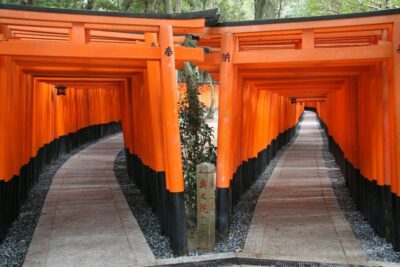
Fushimi Inari, Kinkakuji, Bamboo Grove 1 Day Bus Tour
Read our review →
Discover the Ancient Ruins of Pompeii: Day Trip from Rome
Read our review →
Historical Delphi One Day Tour with Arachova Stop & Expert Guide
Read our review →
Ancient Corinth Day Trip with Canal & VR Guide
Read our review →
From Strasbourg: Best Of Alsace Historical Day Trip
Read our review →
Ancient Ostia Antica Semi-Private Day Trip from Rome by Train with Guide
Read our review →
Browse the lists this tour appears in