
Review · BOSTON HISTORY TOURS
Walk the Historic Freedom Trail with Costumed Guide
Boston’s Freedom Trail is easiest to understand when someone connects the red-brick path to the arguments, protests, killings, and political decisions that shaped the United States. This 90-minute guided walk moves from Park Street Church to Faneuil Hall, with a costumed narrator putting a human face on familiar names such as Samuel Adams and Paul Revere.
I like the short route and the guide’s theatrical approach. You see major downtown sites without spending three hours on your feet, and guides such as James Otis, Thomas, Steven, Jeff, Adri, and Samuel Gray are known for mixing solid facts with humor. The main drawback is the city itself: traffic noise, construction, and a group that may reach 45 people can make it hard to hear at times.
Key points
- A 90-minute introduction: You cover the central Freedom Trail sights without walking the entire route.
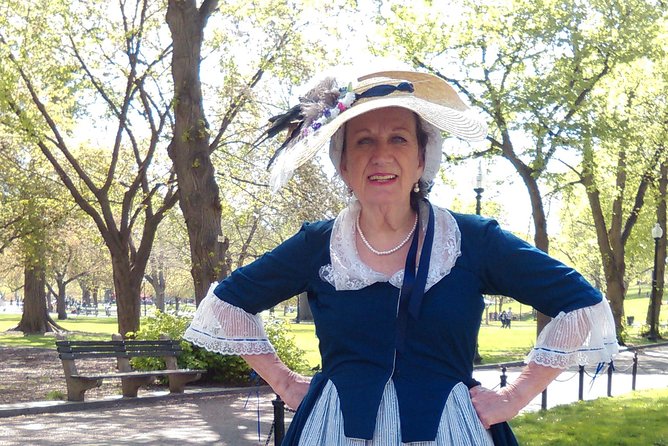
- A costumed storyteller: The period dress helps turn churchyards, meeting halls, and street corners into scenes from the 1700s.
- Ten listed stops: The route includes Boston Common, the State House, Granary Burying Ground, Old South Meeting House, the Old State House, and Faneuil Hall.
- A mostly easy walk: The route covers less than a mile and has no notable hills, but includes standing on city sidewalks and in a burial ground.
- Strong guide emphasis: Humor, clear storytelling, and practical Boston tips are central to the experience.
- Simple planning: Morning and afternoon departures leave room for lunch, museums, the North End, or a harbor visit.
Why this short Freedom Trail walk works
Boston’s Freedom Trail is not a single attraction. It is a chain of places spread through the city, and the important details are easy to miss when you follow the red line on your own. A guide gives you the useful thread: why a church mattered, how a town meeting shaped protest, and why a small street corner became a national symbol.
This experience is designed as a shorter introduction. The walk takes about 90 minutes and covers less than a mile, while the provider describes it as reaching 11 of the 16 main trail sights. The supplied route lists 10 principal stops, so you should think of it as a concentrated downtown overview rather than the complete Freedom Trail.
That trade-off makes sense for many people. You get the famous core sites, a live explanation, and enough time left for the USS Constitution, the North End, the New England Aquarium, or a second walk through the city. If you want every site and a slower look inside each location, you will need more time than this tour provides.
More History Walking Tours in Boston
- Boston: Freedom Trail History Small Group Walking Tour
★ 5.0 · 6,450 reviews - Boston: Freedom Trail History Small Group Walking Tour
★ 4.9 · 1,590 reviews - Boston Pizza Lovers Food and History Walking Food Tour
★ 4.5 · 1,082 reviews
Starting at Park Street Church and Boston Common
The meeting point is at 139 Tremont Street, beside Park Street Church. This is a sensible starting place because it puts you at the southern edge of the historic route, close to Boston Common and public transportation.
Park Street Church offers a useful opening idea. The stop connects early Puritan religious life with later Protestant abolitionism, showing that Boston’s religious buildings were tied to public debate, reform, and politics. The scheduled visit is brief, about five minutes, so expect an explanation outside or around the site rather than a long church visit.
From there, the group moves into Boston Common for about 10 minutes. This is where the guide begins laying out Boston’s early story and helping you picture the town before the Revolution. The Common is open, central, and easy to reach, but it can also be noisy and crowded. Stay close to the guide from the start.
I like this opening because it gives you physical room after meeting the group. You are not immediately pushed into a narrow street or dark churchyard. It also provides useful context before the route reaches the more famous conflict sites.
The State House and Granary Burying Ground
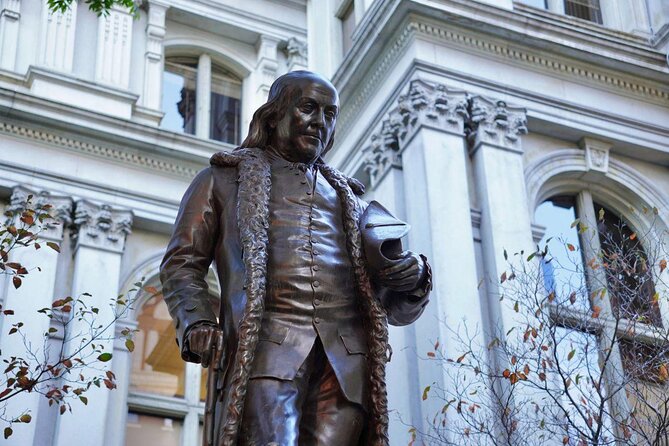
The Massachusetts State House is a short stop, listed at about five minutes. Built in 1795, it represents a later phase of the political story and the principle that government needs the consent of the people.
That idea helps prevent the walk from becoming a simple parade of Revolutionary War facts. Boston’s story is also about authority, representation, and who gets to make decisions. You may not spend long at the building, but the guide can connect its role to the arguments that began before independence and continued afterward.
The Granary Burying Ground receives about 15 minutes, the longest stop on the route. This is one of the walk’s most important pauses. The cemetery is more than 350 years old and includes the graves of major figures from the American Revolution. It is also associated with more signers of the United States Constitution than any other cemetery in the country, according to the tour information.
This is the point where the tour becomes personal. Instead of hearing only about battles and declarations, you are looking at the names and resting places of people who shaped the new nation. The longer stop is justified, though some people may find 15 minutes in a burial ground a little slow, especially if they came mainly for the political sites.
The ground can also be uneven, and you will be standing while the guide speaks. Wear shoes that are comfortable for walking and standing. If you have hearing concerns, remain near the guide and ask to be close to the speaker.
King’s Chapel and the oldest public school
King’s Chapel is another brief stop, about 10 minutes. Originally an Anglican church, it was first built around 1688. That detail matters because it shows Boston’s religious divisions before and during the Revolution. The city was not politically or spiritually uniform, and church allegiance could carry real public weight.
This stop works best when you listen for the shift from English control to American independence. You are not simply looking at an old building. You are seeing how religion, government, and colonial identity overlapped.
The route then passes the site of Boston Latin School, founded in 1635. It is recognized as the oldest public school in the United States. The stop lasts about five minutes, but it adds another piece to the city’s story: Boston was building civic and educational institutions long before the country existed.
I appreciate this variety. The walk is not only about the Boston Tea Party and the Boston Massacre. You also see how religious life, schooling, public government, and burial customs helped create the society that later rebelled against British rule.
More History Walking Tours in the USA
- Boston History Tour: Scenic Walk Through Time & Landmarks
★ 5.0 · 627 reviews - Boston’s North End Food and History Walking Tour
★ 5.0 · 459 reviews - Boston Seafood Lovers Food and History Walking Tour
★ 5.0 · 208 reviews - Downtown Freedom Trail Walking Tour – History & Architecture
★ 4.5 · 194 reviews
Old South Meeting House and the road to revolt
Old South Meeting House is scheduled for about 10 minutes. This is one of the clearest places to understand how protest worked in colonial Boston. Large meetings were held here, including the gathering just before the Boston Tea Party in 1773.
The important point is that the Tea Party did not begin as a random act of destruction. It followed public arguments, organized opposition, and a meeting where many people debated what to do next. A good guide can turn that familiar schoolbook event into a chain of decisions made by real people in a crowded city.
The costumed format is especially useful here. A guide in period dress can make the meeting feel less abstract, even if the tour remains on a public route. Guides such as Thomas and James Otis have been singled out for comic timing and a lively style, while other guides, including Jeff and Steven, have been praised for clear explanations and strong command of the subject. Your assigned guide will vary, so treat those names as examples rather than a guarantee.
The meeting house is also a place where the tour’s group size can matter. A group of 30 or more can be hard to position on a busy sidewalk, and a larger crowd makes it harder to hear every detail. The provider information gives a maximum of 45 people, while provider replies elsewhere refer to caps of 30 or 35. Plan for the possibility of a sizable group and stand near the front.
Old State House and the Boston Massacre site
The Old State House is one of the route’s most visually important buildings. Built in 1713, it first served as a center of British colonial authority and was later taken over by the Americans in 1775.
The building lets the guide show you the physical setting of power. The Revolution did not happen in a distant wilderness. It developed around government offices, meeting places, churches, shops, and ordinary streets. You are walking through the same compact downtown where political arguments could quickly become public confrontations.
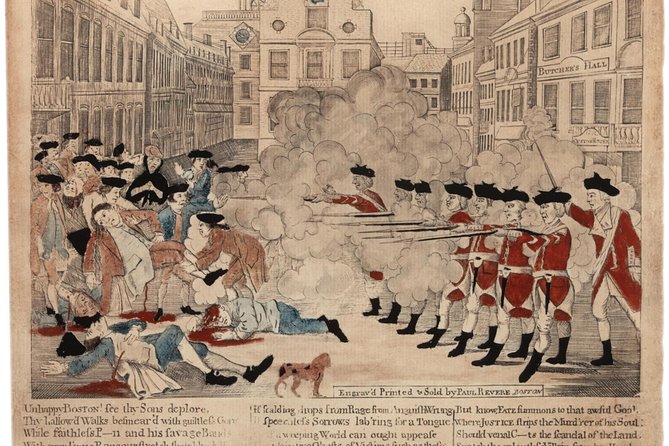
The Boston Massacre site is nearby and receives about 10 minutes. In 1770, British soldiers killed five Americans here. Paul Revere later created a famous engraving of the event, helping shape how the incident was understood and remembered.
This is a good place to listen carefully for the difference between an event and the way an event is presented. The shooting itself was tragic, but the engraving and the political response gave it even greater power. The guide’s job is to place the incident in context rather than leave you with a single dramatic image.
The stop is also where city noise may become most noticeable. One person found traffic and construction made the guide difficult to hear, and another noted that a speaker helped. The guides are miked, but you should still stay close, especially if you have hearing difficulty. The noise is not a flaw unique to this tour. It is part of walking through central Boston, where modern traffic runs beside colonial streets.
Ending at Faneuil Hall Marketplace
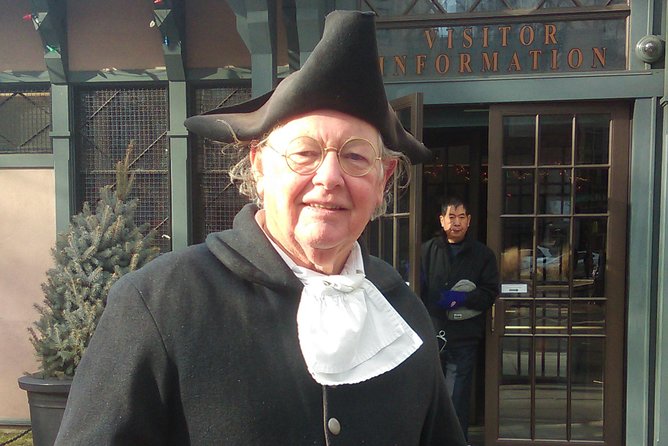
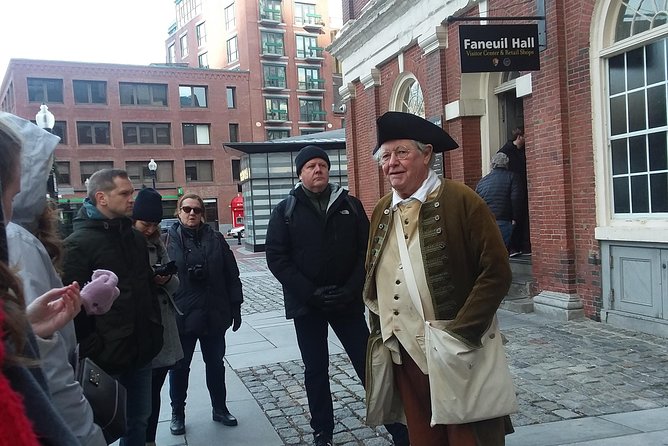
The walk finishes at Faneuil Hall Marketplace, with the final stop listed at about five minutes. Faneuil Hall is one of Boston’s best-known public meeting places, and the nearby statue of Samuel Adams gives the route a fitting ending.
Ending here is practical. You are near restaurants, shops, public transportation, and the North End. If you want lunch after the walk, this is an easy place to continue your day. One guide has also been praised for suggesting lobster rolls and North End food stops, though specific recommendations depend on who leads your group.
The ending also gives you a chance to decide what deserves a second look. You may want to return to the Old South Meeting House, spend more time at Granary Burying Ground, or walk farther along the trail toward Paul Revere’s house and the Old North Church. This tour gives you a map in your head, which is often more useful than trying to see every site at speed.
Guides, humor, and the period costume
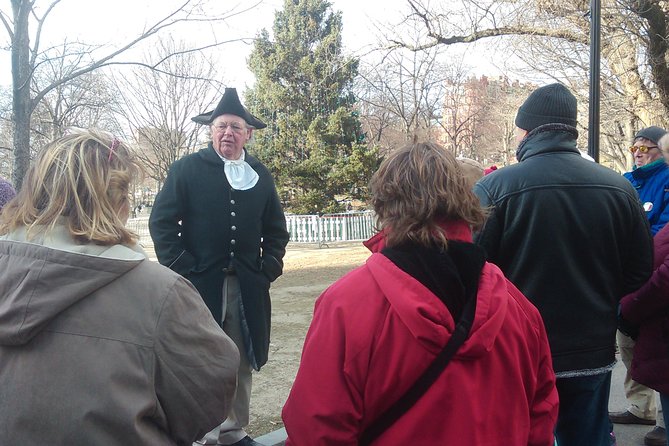
The strongest feature of this experience is the guide. The format depends on a person who can explain complicated events clearly, keep a group together, and speak loudly enough for a city sidewalk. The best-known guide names connected with this experience include James Otis, Thomas, Steven, Jeff, Adri, and Samuel Gray.
The period clothing is not just decoration. It signals that the guide is presenting the past as a story with characters and competing points of view. The humor also helps. The route covers a lot of political and religious material in a short time, and a few well-placed jokes keep the talk from becoming a string of dates.
The style is aimed mainly at adults, but teenagers should have enough to follow. It can also work well for a family with a child who prefers a clear schedule and a moderate pace. The tour is not strenuous, yet you will be walking and standing almost the entire time.
The quality can vary with the individual guide, as it does on any storytelling walk. The available guide comments are very positive overall, with a 4.7 rating from 329 ratings and 93 percent recommending the experience. Those numbers suggest a strong record, but they do not remove the practical issues of street noise or group size.
Price, timing, and what you get for $30
At $30 per person, this is a fair price for a short, guided orientation to central Boston. You are paying for a live storyteller, not admission to a major museum or a long private tour. The value is strongest if you want the city’s main Revolutionary-era sites explained in order.
The tour is also useful on a tight schedule. Morning and afternoon departures leave room for other plans, and one morning departure can fit before a flight or train if your timing is comfortable. Do not treat the 90-minute length as the full time needed for the area. Add time afterward if you want to explore Faneuil Hall, the North End, or nearby historic buildings.
The route is less than a mile and has no hills, but that does not mean you avoid physical effort. You will stop at ten listed locations, listen while standing, and walk on city streets. Dress for the weather and wear proper walking shoes. Rain or poor weather can affect the departure, and the provider may offer another date or a full refund if the tour is canceled.
You can cancel for a full refund up to 24 hours before the start time. Cancellations or changes within 24 hours are not refunded or accepted. The tour also requires a minimum number of participants, so a departure can be canceled if that number is not reached.
Who should book this Boston walk
I would choose this tour for a first visit, a short stay, or a morning when you want an organized introduction before exploring on your own. It is particularly good for people who enjoy political history, old churches, cemeteries, public meetings, and stories about how ordinary places became national symbols.
It is also a good fit if you want a shorter walk. You see the central route without committing to a three-hour private tour. Families and older walkers may appreciate the easy pace, though anyone who needs frequent seating should remember that much of the experience involves standing.
I would be more cautious if you want quiet, intimate guiding or detailed interior visits. A group of up to 45 can feel crowded, and busy streets can affect the sound. If you have a strong preference for a small group, check the available departure details carefully or ask about a private option.
Should you book the Freedom Trail walk?
Book it if you want the essential downtown Freedom Trail story in 90 minutes, with a costumed guide who uses humor and character to make the past easier to follow. The route is short, the stops are well chosen, and the finish at Faneuil Hall makes it easy to continue sightseeing.
Skip it if you already know Boston well, dislike group walks, or want to cover all 16 trail sites at a relaxed pace. For most first-time visitors, though, $30 buys a useful orientation and leaves the rest of your day free. Stay near the guide, wear comfortable shoes, and treat the walk as your starting point for a deeper look at Boston.
FAQ
How long does the Freedom Trail tour last?
The walk lasts approximately 1 hour and 30 minutes.
Where does the tour begin?
It begins at 139 Tremont Street in Boston, near Park Street Church.
Where does the tour end?
The tour ends at Faneuil Hall Marketplace in Boston.
Which historic sites are included?
The listed stops include Park Street Church, Boston Common, the Massachusetts State House, Granary Burying Ground, King’s Chapel, Boston Latin School, Old South Meeting House, the Old State House, the Boston Massacre site, and Faneuil Hall Marketplace.
Is the walk difficult?
It is described as a gentle stroll of less than one mile with no hills, but you will do a lot of walking and standing. Comfortable shoes are recommended.
Is the tour offered in English?
Yes. The experience is offered in English.
What is the cancellation policy?
You can cancel at least 24 hours before the start time for a full refund. Cancellations or changes made less than 24 hours before the start time are not accepted or refunded.
Newest history tours we have reviewed in Boston
- Freedom Trail Guided Walking Tour (SMALL GROUP)★ 4.5 · 98 reviews
- Boston’s Architecture, History + Photo Walking Tour (SMALL Group)★ 5.0 · 91 reviews
- Boston’s North End History + Photo Walking Tour (SMALL Group)★ 5.0 · 27 reviews
- North End Food Tour: Taste Boston’s Italian Heritage★ 5.0 · 20 reviews
- Boston: Underground Railroad History Tour of Beacon Hill★ 5.0 · 141 reviews
- Boston Freedom Trail History and Food Tour★ 4.5 · 22 reviews
- Haunted Boston’s Historic Streets Walking Guided Tour★ 4.5 · 184 reviews
- Beacon Hill + Back Bay History + Photo Walking Tour(SMALL Group)★ 5.0 · 60 reviews
History Walking Tours, compared.
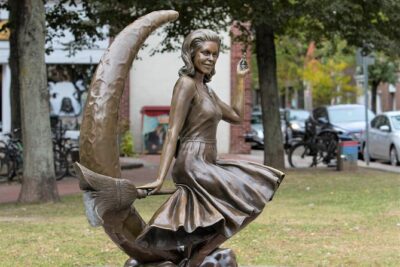
History and Hauntings of Salem Guided Walking Tour
Read our review →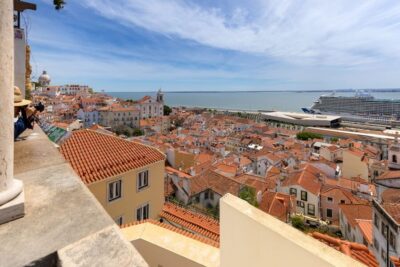
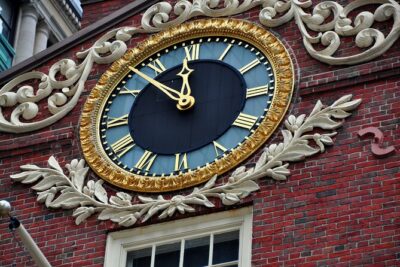
Freedom Trail History Small Group Walking Tour
Read our review →
Historic Charleston Guided Sightseeing Walking Tour
Read our review →
Tapas Walking Tour with Food, Wine, and History
Read our review →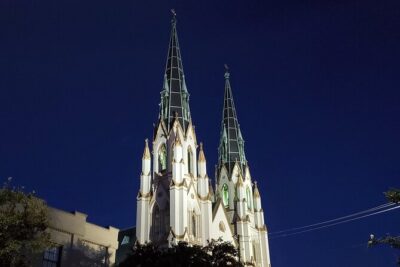
Savannah History and Haunts Candlelit Ghost Walking Tour
Read our review →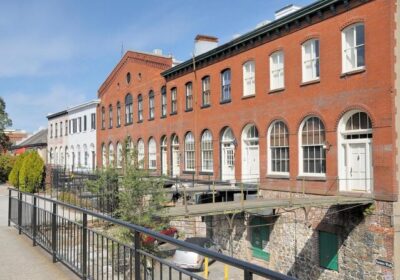
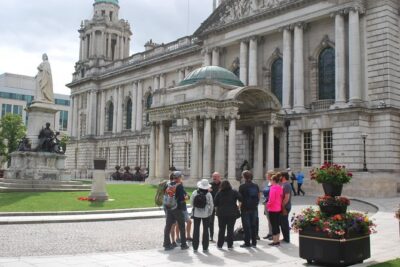
A History of Terror – Belfast City Centre Walking Tour
Read our review →Browse the lists this tour appears in