Review · HISTORY WALKING TOURS
Bariloche: German Immigration and History Walking Tour
Bariloche’s German story is far more complicated than its chocolate shops, alpine buildings, and tidy Bavarian image suggest. This 90-minute walk traces three waves of German immigration, ending with the postwar arrival of Nazi fugitives and the local story of Erich Priebke, who lived here until an American journalist exposed him.
I like the way the tour connects history to real places, including the German School, the Andean Club, Belgrano Square, and Priebke’s former house. I also like the guide’s story-led style. Diego is often praised for clear English, good pacing, and clever cliffhangers that keep you moving from one stop to the next. The main drawback is that parts of the 1-kilometer route are uphill, and a bilingual group can leave less time for questions.
Key points to know before booking
- Three immigration waves: Learn how German settlers, later arrivals, and postwar Nazi fugitives shaped Bariloche in different ways.
- A real location tied to Priebke: See the school where Erich Priebke was intercepted by journalist Sam Donaldson and the house where he lived.
- A short urban route: The walk covers about 1 kilometer, but some streets rise uphill.
- Strong storytelling: Diego is frequently praised for making complex material clear, suspenseful, and easy to follow.
- English and Spanish tours: The guide can lead the experience in both languages, though bilingual groups may move more slowly.
- Useful town orientation: The route helps explain Bariloche’s architecture, institutions, and cultural links to Germany.
Why Bariloche’s German story needs a closer look
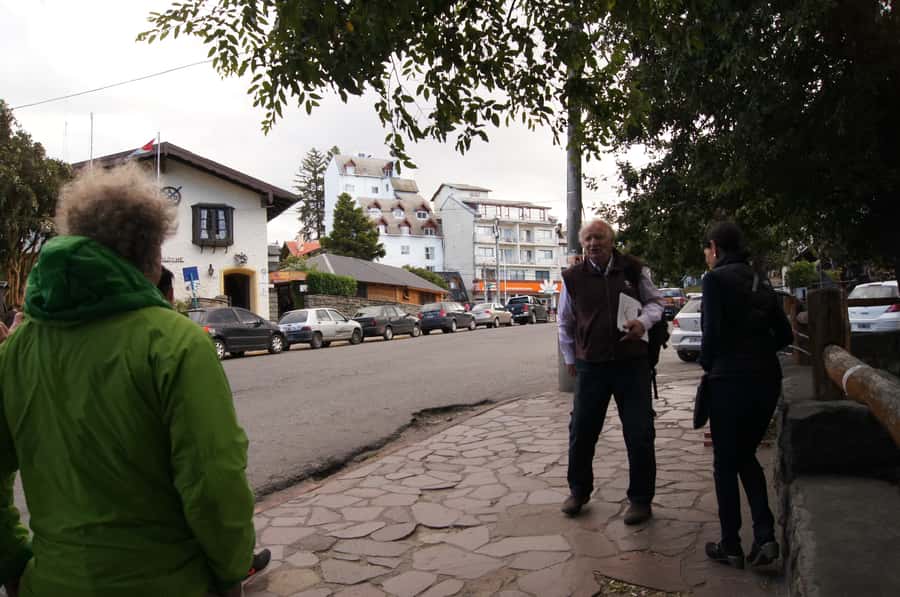
Bariloche often presents a polished Alpine face. Its architecture, food, clubs, and mountain-town identity can suggest a simple story of European settlement. This walking tour pushes past that easy version.
The experience explains that German immigration did not happen in one neat burst. Instead, the town received people in three main waves, each with a different setting and different reasons for arriving. That framework is the most useful part of the tour because it separates early settlement from the darker postwar chapter.
You do not simply hear a list of dates while standing in a plaza. You move through the center and the German neighborhood, stopping at places that help explain how the town developed. The result is a local history lesson tied to streets, buildings, and institutions rather than an abstract lecture.
The final section deals with theories about German activity in Patagonia. This matters because Bariloche has attracted plenty of dramatic stories about secret Nazi networks, hidden communities, and postwar escape routes. The tour aims to sort out what is documented from what has grown into myth.
More History Walking Tours in the world:
- History and Hauntings of Salem Guided Walking Tour
★ 5.0 · 14,564 reviews - Lisbon: History, Stories and Lifestyle Walking Tour
★ 4.8 · 10,902 reviews - Boston: Freedom Trail History Small Group Walking Tour
★ 5.0 · 6,450 reviews
Starting at the Civic Center
The meeting point is easy to identify: the Bariloche Civic Center square, beside the door of the tourist information office. This is a practical place to begin because the Civic Center is itself part of the town’s carefully shaped European image.
Your guide uses the opening stop to set the scene. You learn about Bariloche’s founding and the role of German influence in the town’s public identity before walking toward the next locations.
I like beginning here because the Civic Center gives you something visible to examine. You are not asked to picture a vanished settlement or rely only on dates. The buildings and public space provide a starting point for discussing how Bariloche came to look and feel the way it does.
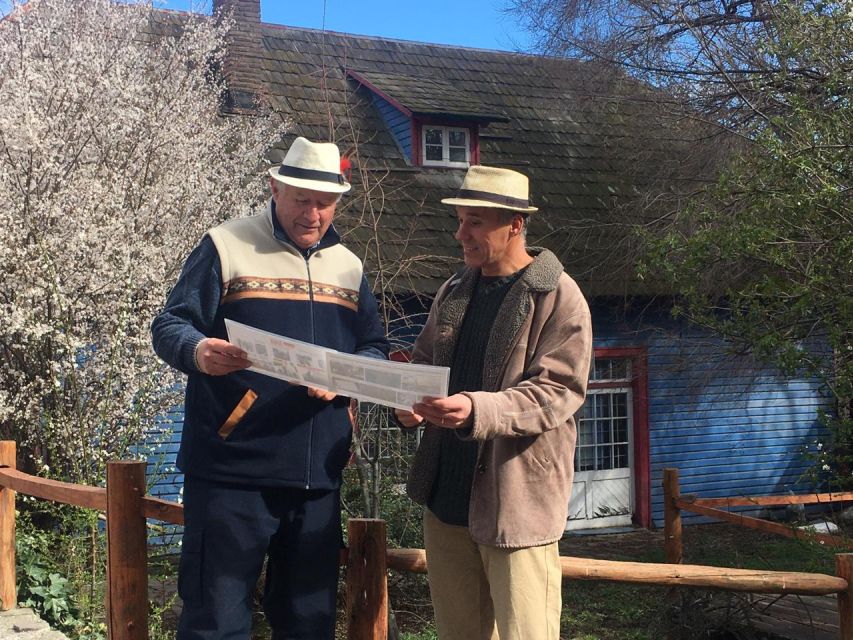
The tour also uses old photographs and other visual material. That helps bridge the gap between the town you see today and earlier versions of Bariloche. Several guides could recite the same facts, but the visual comparisons make the changes easier to grasp.
The Andean Club and the national park connection
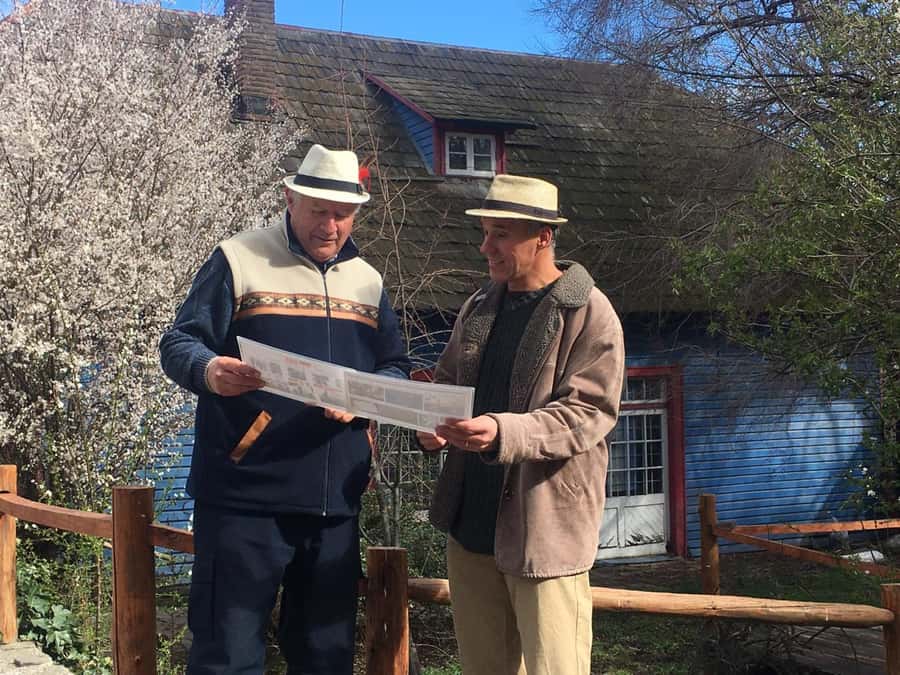
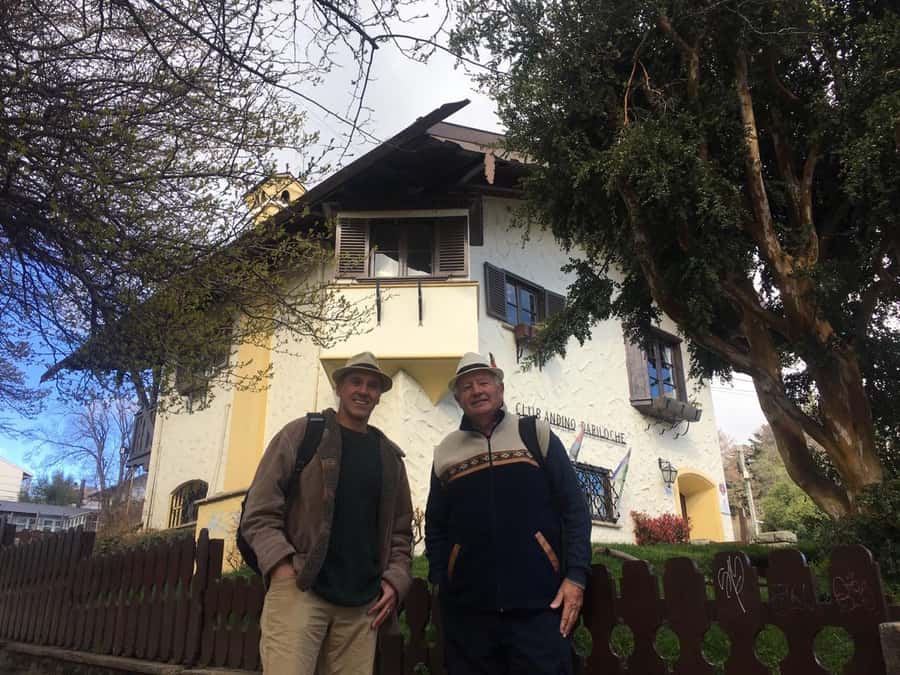
From the Civic Center, the route continues toward the Bariloche Andean Club and the administration of Nahuel Huapi National Park. These stops broaden the story beyond individual immigrants and private homes.
The Andean Club is useful because it connects European traditions with the development of mountain culture in the region. The national park administration adds another layer, showing how Bariloche’s growth became tied to organized tourism, outdoor activity, and the surrounding protected area.
This is where the tour starts to explain why German influence became so visible. It was not just a matter of families arriving and building houses. Institutions, clubs, schools, and public ideas about the town all helped shape its identity.
You should expect the guide to pause, explain a point, and then continue walking rather than deliver the whole story in one place. That rhythm works well for a 90-minute experience. The frequent changes of location keep the presentation moving and help you link each idea to a physical site.
The German School and the Priebke story
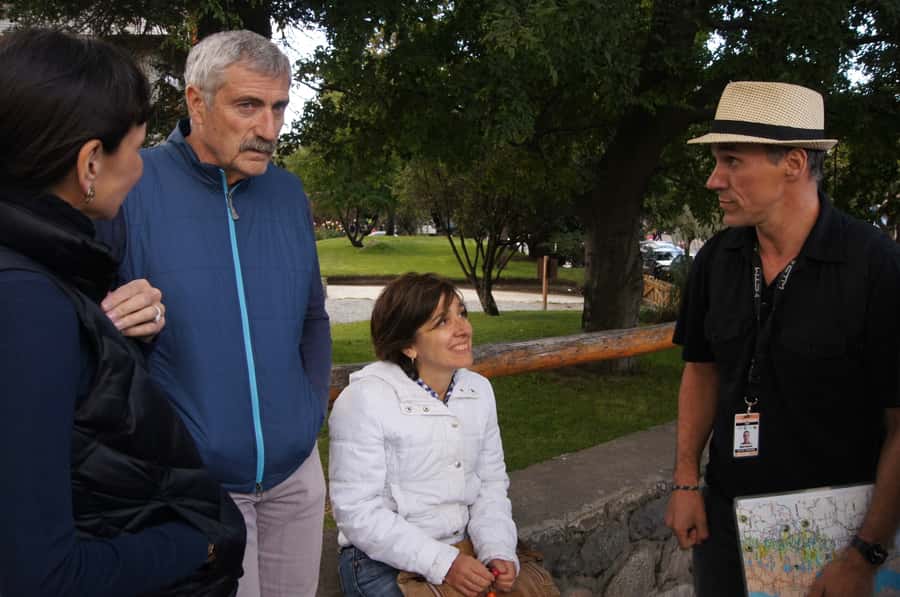
The most sensitive section centers on the German School and Erich Priebke. The tour visits the school where Priebke was intercepted by American journalist Sam Donaldson and also points out the house where Priebke lived before his extradition in 1994.
This is not a vague story about a distant wartime figure. You are shown the places connected to his life in Bariloche, which gives the subject a sharper local focus. The school and the house make clear that the postwar Nazi presence was part of the town’s lived reality, not just a rumor repeated in books or online videos.
Priebke’s story is handled as part of the third immigration wave, the one linked to Nazi fugitives who arrived after the Second World War. The tour places that chapter after the earlier waves, which helps prevent a common mistake: assuming that every German connection in Bariloche had the same political background.
The journalist’s role adds a strong narrative thread. Priebke had lived in Bariloche for years before his presence was exposed, and the 1994 discovery led to his extradition. The guide uses this event to explain both the facts and the public fascination surrounding the case.
This is also the point where the subject can become uncomfortable. That is a good thing if you want a serious history tour. The experience does not treat Bariloche’s Nazi links as a novelty photo opportunity. It asks you to consider how a town can carry an attractive European identity while also having a darker and more complicated past.
More History Tours in the world:
- New York City: American Museum of Natural History Ticket
★ 4.5 · 15,447 reviews - Colosseum: Underground and Ancient Rome Tour
★ 4.7 · 12,691 reviews - London Small Group Tour of Historical Pubs
★ 5.0 · 10,422 reviews - Prague: Oldtown, Medieval Underground & Dungeon History Tour
★ 4.3 · 10,277 reviews
Belgrano Square and the German neighborhood
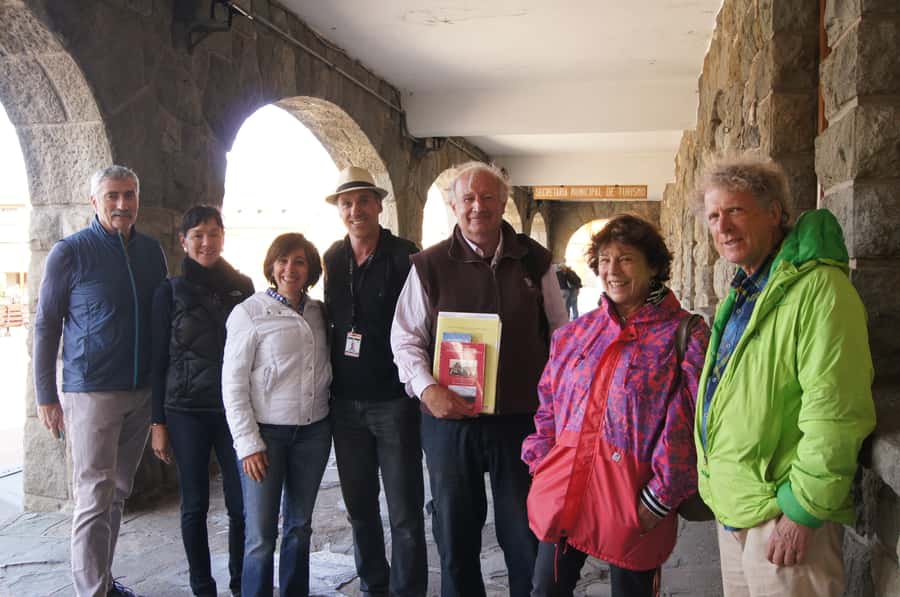
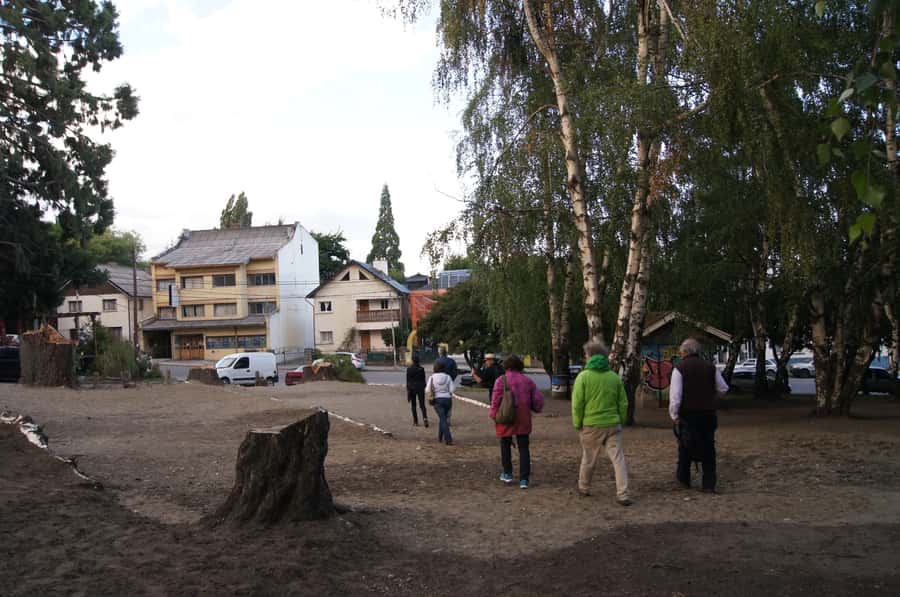
The route continues through Belgrano Square and nearby streets, where you see different house styles linked to German influence. Architecture is not treated as proof of a single origin, but as one clue in a larger story.
That distinction matters. A German-looking building does not automatically tell you who lived there, why it was built, or what political ideas its owners held. The guide places these visual details inside the wider story of migration, institutions, and local culture.
This part of the walk is also useful if you are new to Bariloche. You gain a better sense of the central area while learning why the city’s architectural character looks different from much of Argentina. The tour gives you a way to read the streets instead of simply passing through them on the way to an excursion.
The route is short at about 1 kilometer, but do not confuse short with completely effortless. One section is mostly uphill, so sensible shoes are a good idea. The physical demand is modest for most people, yet the slope is worth keeping in mind if you want a totally flat stroll.
How the three waves make the tour work
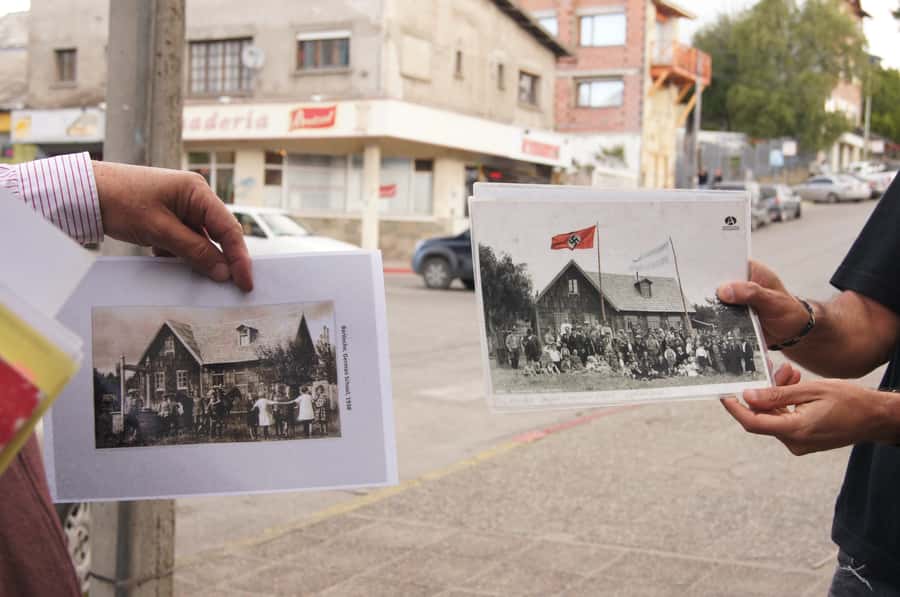
The three-wave structure is the backbone of the experience. It gives you a clear way to separate several periods that are often mixed together in popular accounts.
The first wave covers earlier German immigration and the people who helped establish the area’s European connections. The second adds another layer of German arrivals and influence. The third brings the postwar Nazi presence into the picture.
The value lies in the contrast. You can understand German contributions to Bariloche’s institutions and culture without excusing or confusing them with the actions of Nazi fugitives. That is a more useful approach than treating the entire German presence as either harmless folklore or one enormous conspiracy.
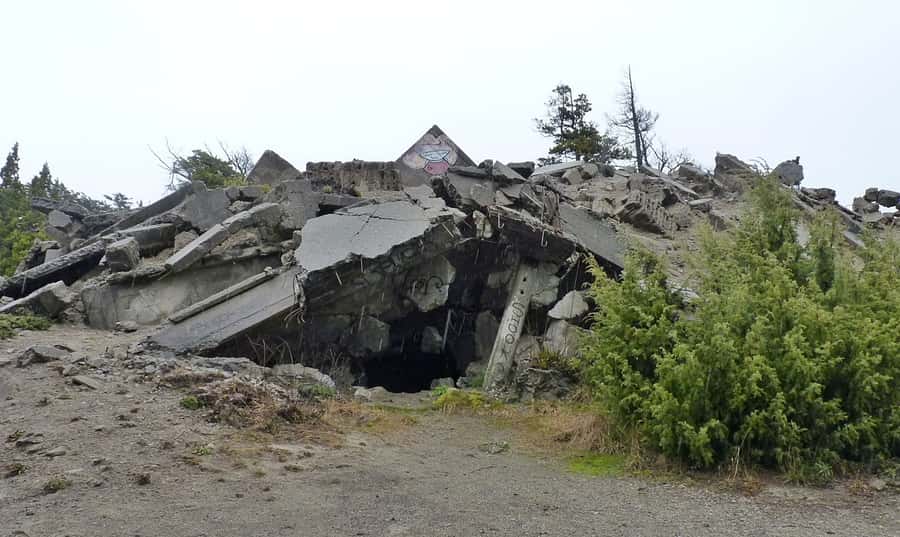
The guide also discusses myths and theories about Germans in Patagonia. This is likely to appeal to anyone who has heard stories about secret Nazi settlements or hidden escape networks. The important point is that the tour closes with a discussion, not a promise that every dramatic claim is true.
I especially like that the ending gives you room to think about evidence. The subject has enough mystery to attract attention, but the best part of the experience is the attempt to separate documented events from speculation.
Diego’s guiding style and the language question
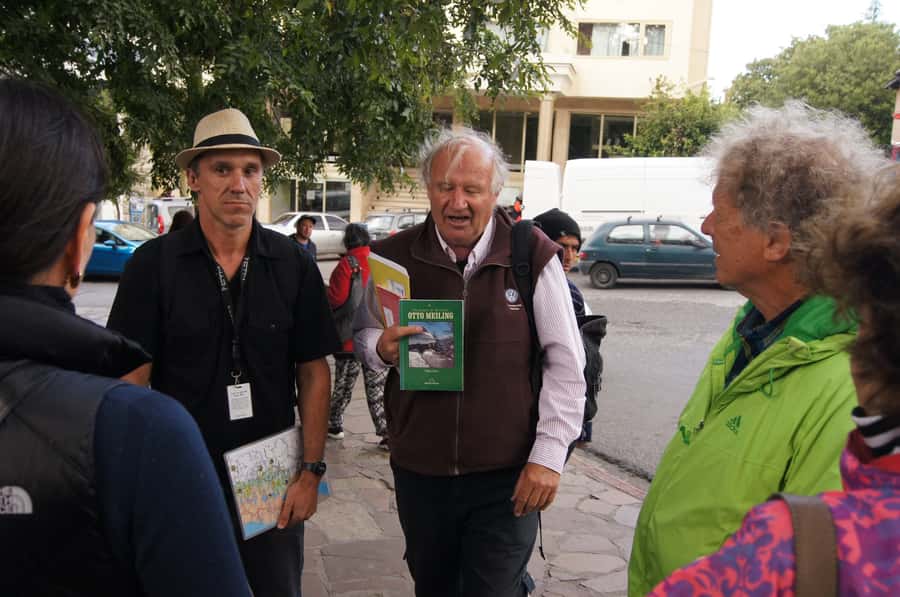
Diego receives the strongest praise for his work on this tour. He is often described as a skilled storyteller who speaks excellent English, answers questions clearly, and keeps the group involved. His method includes leaving a small unanswered detail before the next stop, creating a natural reason to keep walking.
That approach suits this subject. The tour covers immigration, local institutions, Nazi fugitives, journalism, and long-running myths in only 90 minutes. A dry lecture could feel crowded. A story-led walk gives each section a purpose.
You should also know that the tour may be bilingual. It is offered in English and Spanish, and the guide can speak both languages well. That makes the experience accessible to mixed groups, but a bilingual presentation can take longer. One English-speaking participant felt that the question period was shorter because the tour had to be delivered in both languages.
If your main goal is to ask a long list of detailed questions, check the group arrangement at the start and save your most important questions for the final discussion. If you simply want a clear introduction, the bilingual format should not be a problem.
One review names Pedro as the guide, while Diego is the guide most often identified in the feedback provided. The exact guide may vary by departure, so book this for the subject and format rather than on the assumption that one specific person is guaranteed.
Is $41 a fair price?
At $41 per person, this is not the cheapest way to spend 90 minutes in Bariloche. You are paying for a guide-led history walk, not transport, food, museum admission, or a full-day excursion.
The value depends on your interests. If you already plan to walk around the Civic Center and central streets, you could see some of the area on your own. What you would miss is the organized link between the sites, the three-wave explanation, the Priebke story, and the discussion of myths surrounding German activity in Patagonia.
I consider the price reasonable for visitors who want local context and a focused guide. The experience turns an ordinary central-city walk into a structured lesson about Bariloche’s identity. It is especially useful between outdoor activities, when you want something thoughtful without committing to another long excursion.
The price may feel high if you are mainly looking for architecture photos or a casual stroll. The tour’s value comes from interpretation, not the distance covered. At only 1 kilometer, you are buying the guide’s research, explanations, and ability to connect the stops.
Who should book this walk?
You should consider this tour if you enjoy local history, immigration stories, wartime history, or the way public myths develop. It also suits anyone who wants to understand Bariloche before heading out to the lakes and mountains.
The walk is a good fit for first-time visitors because it introduces several central sites at once. It also works for returning visitors who have seen the Civic Center before but never understood the German connections behind the town’s public image.
I would not choose it if you want a relaxed sightseeing loop with little discussion of difficult subjects. The Nazi chapter is central, not a brief footnote. You also need to be comfortable walking uphill for part of the route and listening in a group setting.
Families with older children may find the history useful, but the subject matter is serious. The tour is best for people who want context and are ready to think about uncomfortable parts of the past.
Practical details that shape the experience
The tour lasts 90 minutes and begins at the Civic Center square beside the tourist information office door. It includes the guide and the walking tour itself.
You can book in English or Spanish. The guide may speak both languages during one departure, so expect the pace and question time to depend partly on the group.
The route is about 1 kilometer. Most of the challenge comes from the uphill sections rather than the distance. Wear comfortable shoes and allow yourself enough time to reach the Civic Center before the start.
The activity allows free cancellation up to 24 hours in advance for a full refund. You can also reserve now and pay later, which helps if your plans in Bariloche depend on weather or outdoor activities.
Should you book the German Immigration and History Walking Tour?
Book it if you want to understand why Bariloche has such a strong German character and how that story changed across three immigration waves. The visits to the German School and Erich Priebke’s former house give the subject a direct local focus, while the final discussion helps sort facts from Patagonia’s more dramatic legends.
I would make this one of my first activities in town if history interests me. It gives you a useful framework for reading the Civic Center, clubs, schools, and houses you see afterward. Just allow for some uphill walking, and remember that a bilingual group may leave less time for questions.
At $41, it is best viewed as a specialist history walk rather than a basic city tour. For the right audience, the guide’s storytelling and the unusual subject make it a worthwhile way to spend an afternoon.
FAQ
Where does the tour start?
It starts in Bariloche Civic Center square, beside the door of the tourist information office.
How long does the walking tour last?
The tour lasts 90 minutes.
How far do you walk?
The route covers about 1 kilometer.
Is the route flat?
No. Part of the route is uphill, so comfortable walking shoes are sensible.
Which languages are available?
The tour is available in English and Spanish.
Does the tour visit the German School?
Yes. The route visits the school where Erich Priebke was intercepted by American journalist Sam Donaldson.
Can you see Erich Priebke’s former house?
Yes. The tour goes to the house where Priebke lived before he was extradited in 1994.
What are the three waves of German immigration?
The tour explains three main periods of German immigration to Argentina and Bariloche, including the postwar arrival of Nazi fugitives.
Does the tour discuss Nazi theories about Patagonia?
Yes. It ends with a discussion of theories, myths, and the reality of German presence in Patagonia.
What is included in the price?
The price includes the guide and the walking tour.
How much does the tour cost?
The listed price is $41 per person.
Can you cancel the booking?
You can cancel up to 24 hours in advance for a full refund.
Can you pay later?
Yes. You can reserve your place and pay later.
Newest history tours we have reviewed in the world
- Bilbao Historical Tour in small group★ 4.7 · 52 reviews
- Bologna: Street Food Tour in the Historic Center★ 4.8 · 125 reviews
- Bishkek : City Tour (History, Architects, Statues & Culture)★ 4.9 · 54 reviews
- Blenheim: Omaka Aviation Heritage Centre Admission Ticket★ 4.9 · 31 reviews
- CEBU: Cebu City Heritage and Uphill Guided Tour★ 4.2 · 31 reviews
- Berlin: Nazi History Walking Tour★ 4.8 · 33 reviews
- Best of Baku: 4-Hour City Tour Historic and Modern Landmarks★ 4.7 · 63 reviews
- Belfast: Best of Belfast History, Culture & Art Walking Tour★ 4.9 · 158 reviews
History Walking Tours, compared.
History and Hauntings of Salem Guided Walking Tour
Read our review →
Freedom Trail History Small Group Walking Tour
Read our review →
Historic Charleston Guided Sightseeing Walking Tour
Read our review →
Tapas Walking Tour with Food, Wine, and History
Read our review →
Savannah History and Haunts Candlelit Ghost Walking Tour
Read our review →