
Review · SINGAPORE HISTORY TOURS
Street Food, Cultural & Historical Tour of 3 Ethnic Quarters
Singapore’s best food stories often begin far from a restaurant table. On this six-hour tour, Gerry, a Singapore-born Chinese Peranakan guide, connects hawker dishes, wet markets, temples, mosques, shophouses, and old photographs to the lives of the people who built the city. You move through Chinatown, Little India, and Kampong Glam by foot and public transport, eating along the way.
I like the small group of no more than eight, which gives Gerry room to answer questions and adjust the pace. I also like the all-inclusive food and drink, including beer, since you can focus on the neighborhoods instead of keeping count of every snack and train fare.
The main consideration is the physical side. You’ll walk about 6,000 steps, stand in markets, use public transport, and eat food that may not suit vegans or people with gluten intolerance. The tour is not suitable for wheelchair users, people with mobility limits, or visitors with low fitness.
Key points to know before you book
- Gerry brings family roots to the story: His great grandparents arrived from Fujian, China, in 1910, and he uses old photographs and personal perspective to explain Singapore’s past.
- Three ethnic quarters in one day: Chinatown, Little India, and Kampong Glam each show a different part of Singapore’s cultural development.
- Food is included throughout: Expect hawker dishes, drinks, local snacks, Indian and Malay food, beer, and dessert.
- Markets are part of the lesson: You’ll see seafood, meat, produce, spices, clothing, textiles, and family-run shops rather than only polished attractions.
- Public transport keeps the day local: Short rides connect the neighborhoods and show you how Singapore’s clean, efficient transit system works.
- The schedule is full but social: Six hours, around 6,000 steps, and a group capped at eight make this best for curious eaters who enjoy conversation.
Why this tour works as an introduction to Singapore
Singapore can look highly modern at first glance. Glass towers, spotless streets, and efficient trains tell only part of the story. This tour helps you see the older city beneath the polished surface, where immigrant communities formed neighborhoods, opened food stalls, traded goods, and passed recipes from one generation to the next.
The three quarters were laid out by the British colonial government in 1822. That planning decision still shapes the way you experience central Singapore today. Chinatown, Little India, and Kampong Glam are close enough to connect in one day, yet each has its own religious buildings, food traditions, shops, and street life.
Gerry’s role matters. He was born in Singapore six years after independence in 1965, and his great grandparents came from Fujian in 1910. That gives the tour a useful bridge between earlier immigrant life and present-day Singapore. He also brings old images to the stops, showing how streets and buildings changed over time.
I especially like that the stories are tied to places you can see. Instead of hearing a long lecture and then moving on, you might look at a market stall while learning why certain foods and trades took root in the area. That makes the past easier to understand and remember.
More Food and History Tours in the world:
- Sevilla Food Tour: Tapas, Wine, History & Traditions
★ 5.0 · 3,468 reviews - Victoria Guided Food and History Tour
★ 5.0 · 2,015 reviews - Gastown Historic Walking Food Tour
★ 5.0 · 1,863 reviews
Chinatown: food, faith, and the old immigrant quarter
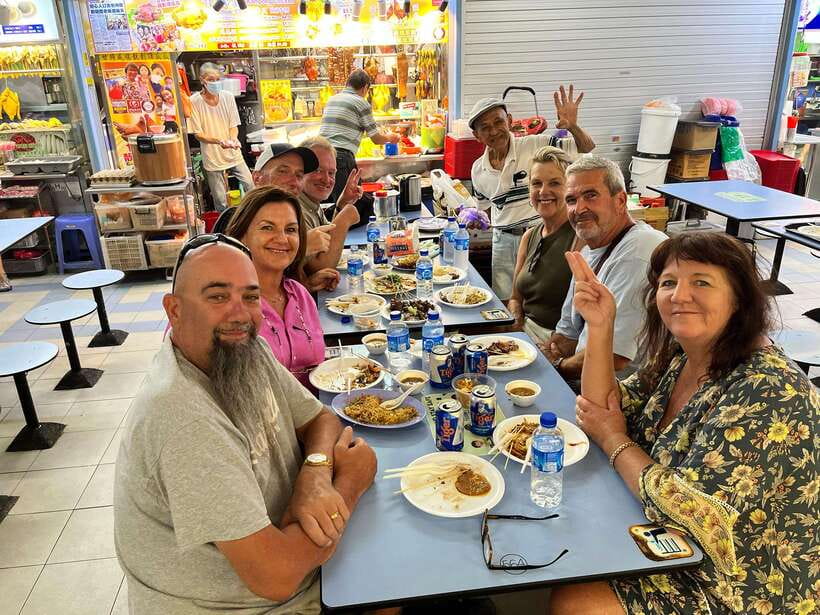
The Chinatown portion begins with local food and drink at a hawker centre. Singapore’s hawker centres are more than inexpensive places to eat. They are everyday meeting points, workplaces for small family businesses, and a key part of the city’s food culture. Several have UNESCO recognition, and this tour uses them as a setting for tasting local dishes rather than simply photographing the stalls.
The food is served as part of a wider introduction to Chinese Singaporean life. You’ll also visit a Buddhist temple and walk through street market stalls. These stops give the neighborhood some variety, moving from food to religion to commerce.
Gerry also explains the darker side of Chinatown’s past. Topics include the Street of the Dead, red lanterns and private chambers, and opium dens. These details point to the hardship faced by early immigrants, many of whom arrived with little money and few protections. The tour does not present Chinatown as a decorative old quarter only. It shows how work, poverty, vice, religion, and family life existed side by side.
The market walk is useful for visitors who want to understand ingredients before tasting them. You may see how food is displayed and sold in a local setting, then recognize some of those ingredients later on the plate.
Allow about an hour for Chinatown. That is enough time for a focused introduction, though not enough for a detailed visit to every attraction. The tradeoff is sensible: this is a three-quarter tour, not a full-day Chinatown tour.
Little India: markets, spices, and a generous lunch stop
A short public transport ride takes you to Little India. The trains and connections are part of the experience, not just a way to fill the gap between sights. Singapore’s transit network is clean, comfortable, and widely used, and the tour lets you handle a small piece of it with local guidance.
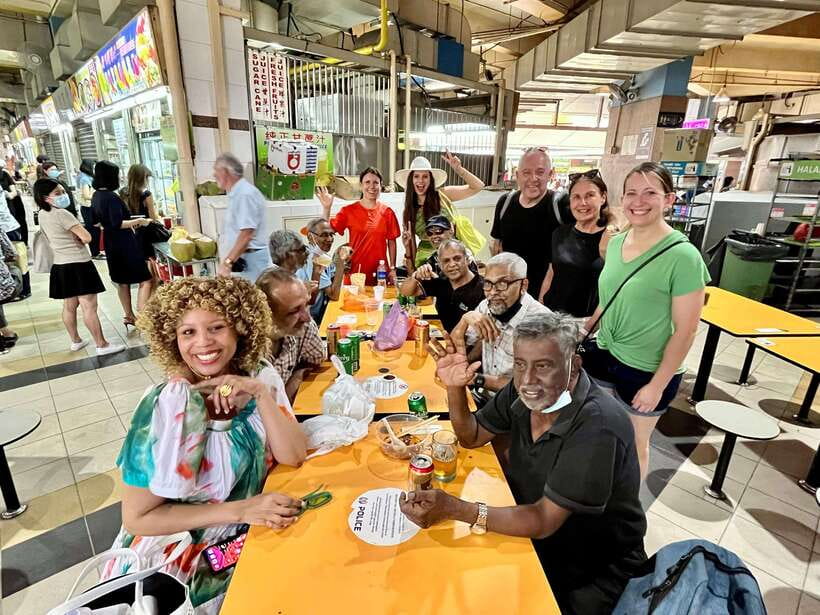
Little India opens with a wet and dry produce market. You’ll pass seafood stalls, meat stalls, fruit and vegetable sellers, and spice stalls. This is one of the strongest sections for anyone interested in food beyond the finished dish. The smells, colors, displays, and working rhythm of the market explain why this neighborhood remains such a useful place for cooks and families.
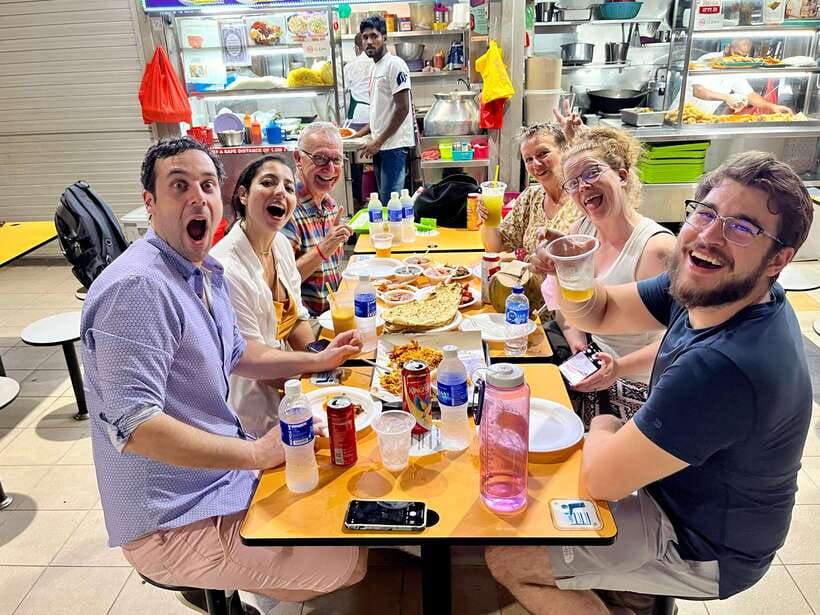
You’ll also see Indian clothing shops and street stalls, then stop at a family-run eatery for Indian and Malay food and drink. The combination matters. Little India is not presented as a single cuisine in isolation. Singapore’s food culture has always been shaped by contact between communities, trade, migration, and adaptation.
Beer, coffee, tea, local snacks, and lunch are included across the day. The exact dishes can vary, so you should arrive ready to try a broad selection rather than expecting a fixed restaurant menu. Some of the food and drink may be listed by the Michelin Guide, but the point is not fine dining. It is finding well-regarded everyday food in places built around regular local trade.
This is also where the generous portions become important. Several people who took the tour found there was so much food that breakfast was unnecessary. I would treat that as practical advice: eat lightly before meeting the group, but do not arrive hungry enough to feel rushed. You need room for several stops.
Kampong Glam: textiles, Haji Lane, and a sweet finish
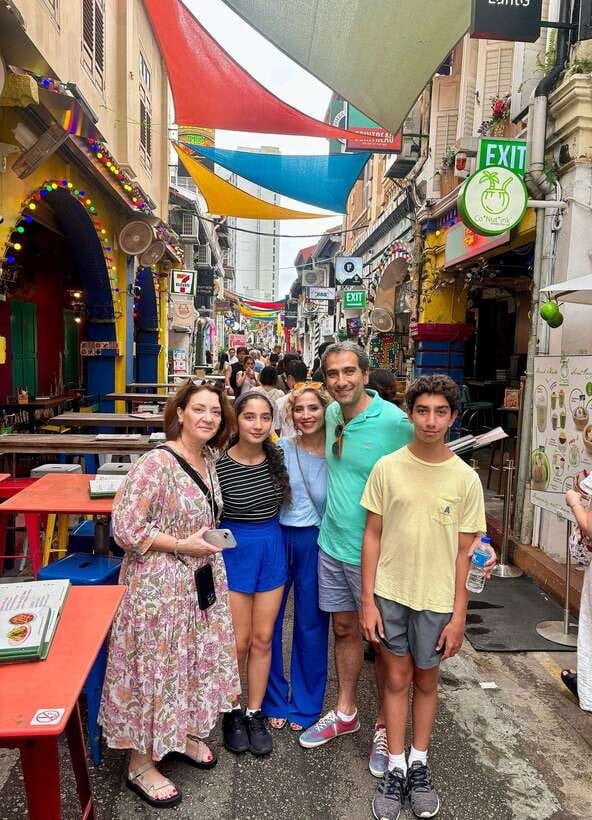
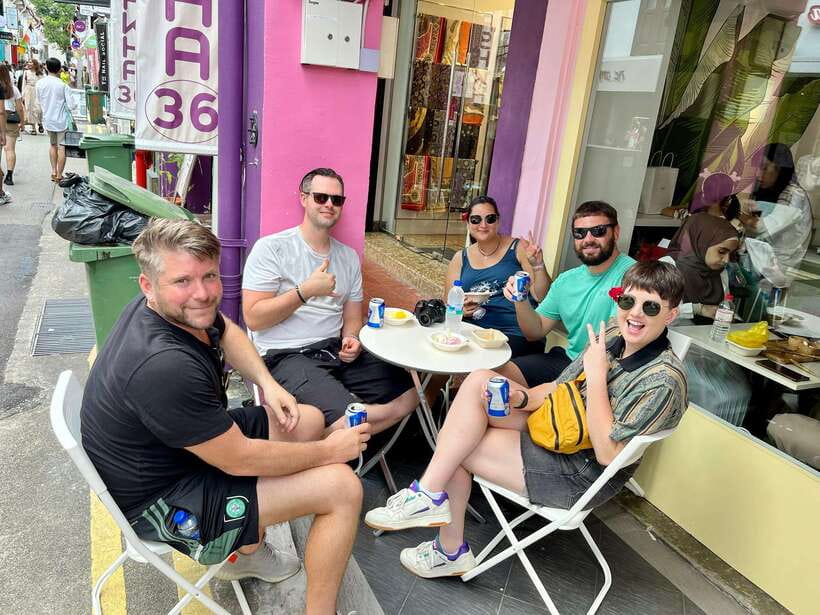
The second short transit ride brings you to Kampong Glam, the Malay quarter. The tone changes again. You’ll walk along Haji Lane, see neighborhood graffiti walls, browse textile shops on Arab Street, and learn about Singapore’s first Sultan Mosque.
The area gives you a chance to connect commerce and religion. The textile shops reflect the quarter’s trading past, while the mosque provides a clear reminder of its Malay and Muslim roots. Gerry’s old photographs help show how the area changed from a community built around Muslim pilgrims, traders, and local families into the popular district you see today.
Dessert is served in an old shophouse accommodation once used by Muslim pilgrims in the nineteenth century. That setting adds meaning to what might otherwise be a simple sweet stop. It also gives the tour a quieter final note after the food markets and streets earlier in the day.
One fair limitation is that the final neighborhood appears to focus more on dessert and sightseeing than on another substantial savory meal. If your main goal is nonstop hawker sampling, Chinatown and Little India carry more of that load. If you enjoy architecture, textiles, street art, and cultural context, Kampong Glam rounds out the day well.
More Local Culture and Traditions Tours in the world:
- Amsterdam Food and Cultural Tour with Tastings
★ 5.0 · 4,315 reviews - Tromsø: Reindeer Camp and Sami Cultural Tour with Lunch
★ 4.7 · 3,326 reviews - Half Day Dominican Republic Cultural Tour : Small Group
★ 4.5 · 1,862 reviews - Ultimate Melbourne Walking Tour: History, Laneways & Culture
★ 5.0 · 1,451 reviews
What you eat, and how the food is handled
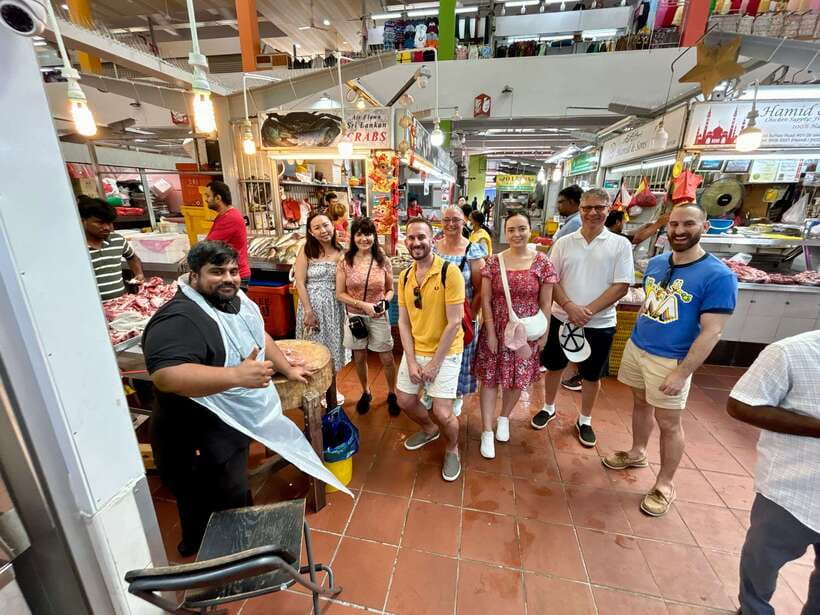
The food program is broad. You can expect local Chinese food and drink in Chinatown, Indian and Malay food in Little India, snacks, coffee, tea, beer, and dessert in Kampong Glam. Some stops feature food recognized by the Michelin Guide, but you are still eating in hawker centres and family-run establishments rather than formal restaurants.
That difference is central to the value. A restaurant meal can introduce you to one dish. This tour shows you how food fits into a market, a neighborhood, and a working business. You get to see the sellers, the ingredients, and the places where people actually eat.
The guide also places attention on small businesses and food waste. That is worthwhile in Singapore, where independent hawkers and family-run stalls face the challenge of maintaining old traditions in a modern, high-cost city. You are not just buying lunch. You are helping support the sort of local businesses that make these quarters distinct.
You should still be honest with yourself about dietary needs. The experience is not suitable for vegans or people with gluten intolerance. The supplied information does not promise substitutions, so ask before booking if you have other restrictions or allergies.
Gerry’s guiding style and the small-group advantage
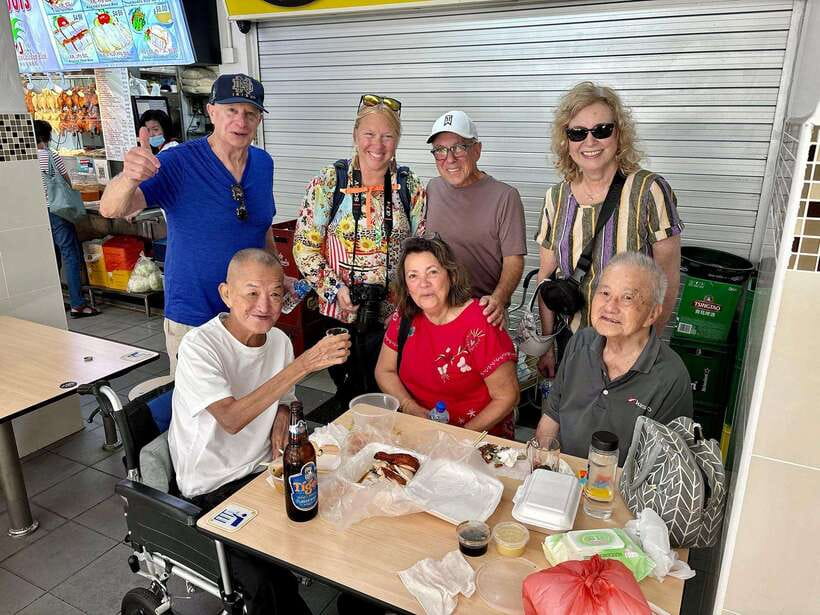
The strongest part of the tour is the guide. Gerry is described as friendly, funny, and generous with information. He uses personal stories, historical images, and answers to questions to make the neighborhoods feel connected rather than separate.
A group limit of eight is a real advantage in markets. You can hear the guide without standing in a large crowd, ask about an unfamiliar dish, and keep together on trains and busy streets. The tone is intended to feel social, and the day can feel more like walking around with an informed local companion than following a flag through a checklist of sights.
That style suits visitors who enjoy asking questions. If you prefer to explore alone, eat only familiar food, or move quickly through attractions, the conversational format may feel slower than you want. Gerry’s humor and stories are a major part of the experience, so the quality of the day depends more on personal interaction than on grand monuments.
Price, transport, and the practical details
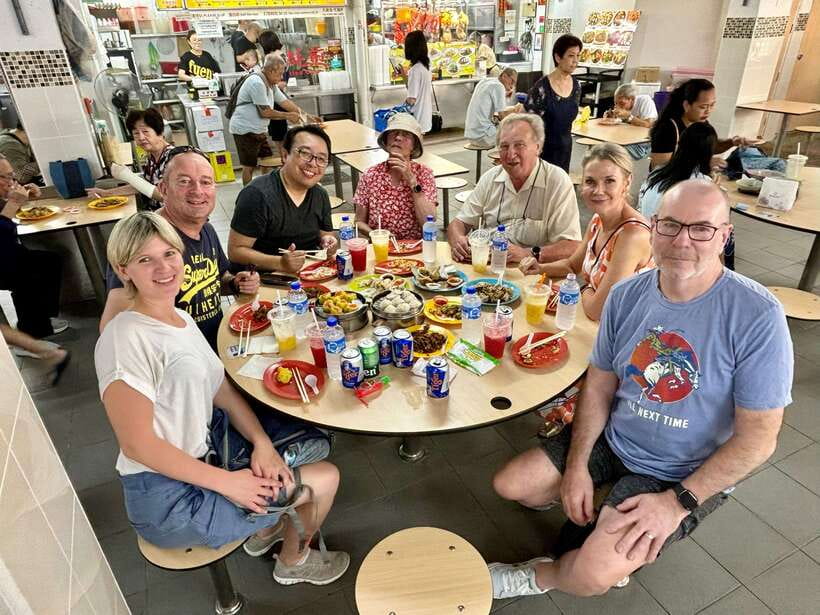
The price is $148 per person. That is not a bargain basement food walk, but the package includes a lot: six hours, food and drinks, beer, public transport tickets, and, where location permits, hotel pickup and drop-off. You also get three neighborhoods and a guide who provides cultural and historical context throughout.
I find the price easier to justify if you plan to use this as one of your main Singapore orientation days. You are paying for more than a sequence of tastings. The guide handles the route, explains what you are seeing, selects small businesses, and connects the food to the city’s past and present.
Hotel pickup and drop-off are limited to city areas and depend on location. You may instead meet at the first stop in Chinatown or Little India, or at a nearby MRT station. Confirm the meeting details through your booking.
Wear comfortable shoes and light, comfortable clothing. The day includes walking, markets, public transport, and roughly 6,000 steps. Large bags, oversize luggage, strollers, mobility scooters, non-folding wheelchairs, walking frames, and baby carriages are not allowed.
The tour begins from City Hall MRT or Raffles City, with drop-off at Raffles City or City Hall MRT. It runs for six hours, and the exact starting time depends on availability. Cancellation is free up to 24 hours before the start, and you can reserve now and pay later.
Who should book this Singapore food tour?
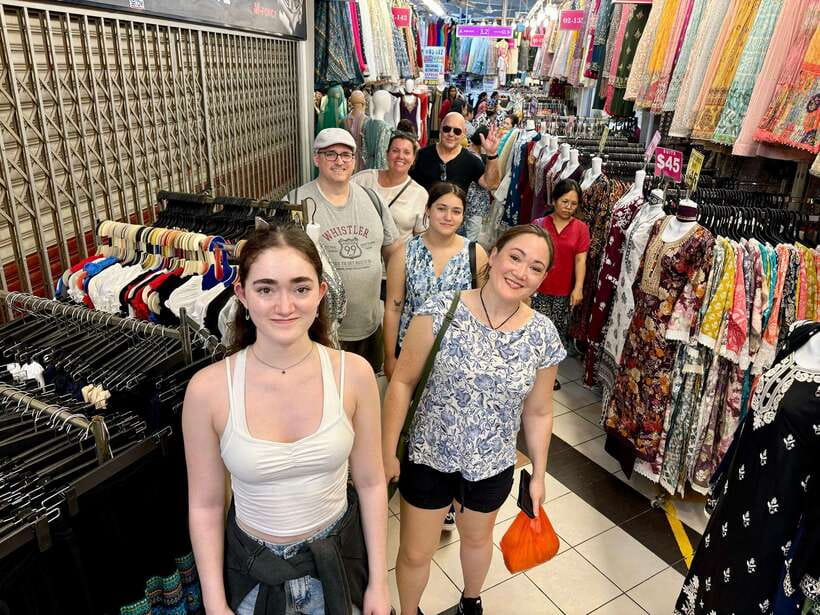
I would recommend it to first-time visitors who want a useful introduction to Singapore’s communities and food culture in one day. It also suits returning visitors who have seen the main sights but want more contact with markets, hawkers, traders, and small shops.
Food lovers will get the most from the range of tastings. So will anyone interested in migration, colonial planning, religion, family businesses, and the way Singapore changed after independence. Teenagers can enjoy it too, especially if they are open to trying unfamiliar food. One family found it worked well with a fifteen-year-old.
I would think twice if you have serious mobility limits, back problems, vertigo, respiratory issues, or very low fitness. Pregnant people, babies under one year, and wheelchair users are specifically not suited to this outing. It is also a poor fit for strict vegans and anyone who must avoid gluten.
Should you book it?
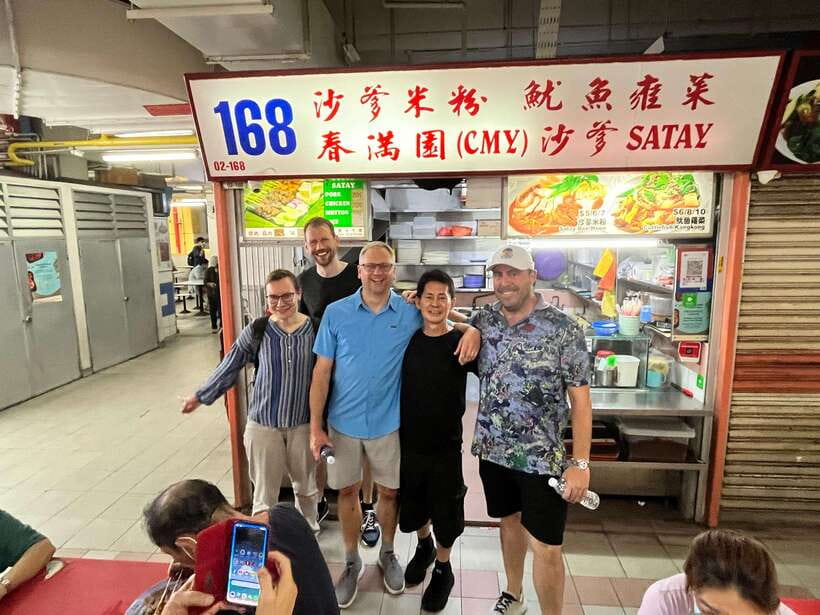
Book this tour if you want Singapore explained through food, markets, and neighborhoods rather than only through major landmarks. Gerry’s personal connection, old photographs, humor, and care for small businesses give the day a clear sense of purpose.
Skip it if you want a quiet, short tasting walk or a tour built around one cuisine. This is a full six-hour outing with frequent food stops, public transport, and plenty of walking. For an active visitor who wants context with lunch, snacks, drinks, and dessert, the $148 price is reasonable and the small group makes it easier to ask questions and keep the day personal.
FAQ
How long does the tour last?
The tour lasts six hours.
Which neighborhoods does the tour visit?
It visits Chinatown, Little India, and Kampong Glam.
Who leads the tour?
Gerry leads the tour. He is a Singapore-born Chinese Peranakan guide whose great grandparents arrived from Fujian, China, in 1910.
How large is the group?
The tour is limited to eight participants.
What languages are available?
The tour is conducted in English.
Is food included?
Yes. Food and drinks are included, with Chinese food and drink in Chinatown, Indian and Malay food and drink in Little India, local snacks, beer, and dessert.
Is beer included?
Yes. Beer is included in the food and drink portion of the tour.
Does the tour use public transport?
Yes. Public transport connects the three quarters, and transportation tickets are included.
How much walking is involved?
The experience includes approximately 6,000 steps. Comfortable shoes are recommended.
Is hotel pickup available?
Hotel pickup and drop-off are available for some city-area locations. You can also meet at the first stop in Chinatown or Little India, or at a nearby MRT station.
Newest history tours we have reviewed in the world
- Enjoy Ancient Mostar★ 4.0 · 45 reviews
- Private Dublin Historical and Heritage Tour by Bike★ 5.0 · 30 reviews
- Dubrovnik by Night, History, Wine & Bites★ 5.0 · 41 reviews
- Historical Walking Tour of Dublin★ 5.0 · 50 reviews
- DayTripper Dublin: A Guided City Walking Tour★ 5.0 · 90 reviews
- Ancient Old City– Finest tour of Dubrovnik★ 5.0 · 64 reviews
- Dublin LGBTQ Pride Historical and Cultural Walking Tour★ 5.0 · 91 reviews
- Interactive Living History in Dalkey Castle near Dublin City★ 5.0 · 133 reviews
Food & History Tours, compared.
Sevilla Food Tour: Tapas, Wine, History & Traditions
Read our review →
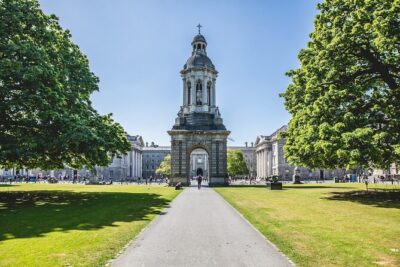
Dublin Historical Centre Food Tour with 8 Food Tastings & Drinks
Read our review →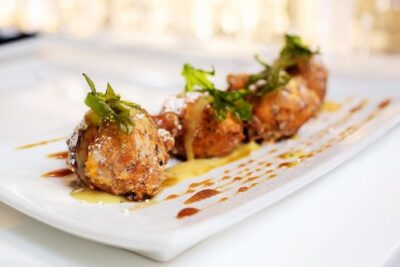

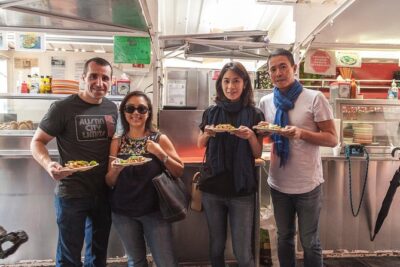

Boston Pizza Lovers Food and History Walking Food Tour
Read our review →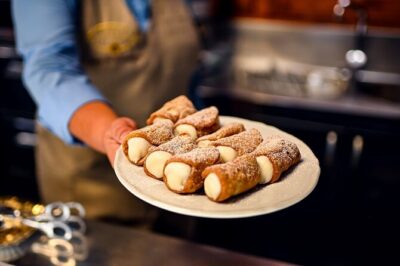
Rome Food Tour in the Historic Centre with 8+ Food Tastings
Read our review →Browse the lists this tour appears in