
Review · NEW YORK CITY HISTORY TOURS
Soul of Harlem: Strivers Row, Apollo Theatre, Gospel History
Harlem packs four centuries of change into a few walkable blocks. On this two-hour tour, you follow the neighborhood’s music, church, political, and social stories, from Ella Fitzgerald and Duke Ellington to the surprising tale of Fidel Castro and the chickens that got him thrown out of a Midtown hotel.
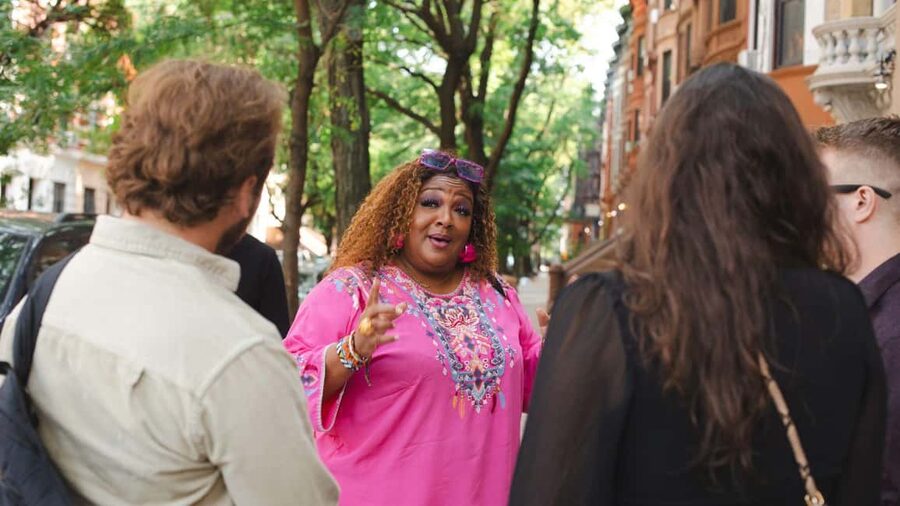
I like the focused route and the local feel. You get more than a list of famous buildings, especially with guides such as Altovise and Ron, who connect Harlem’s past to its present-day community. The Sunday gospel experience adds a strong live element, but the Apollo Theater is seen from outside, so do not book this expecting an interior tour.
Key points to know before you book
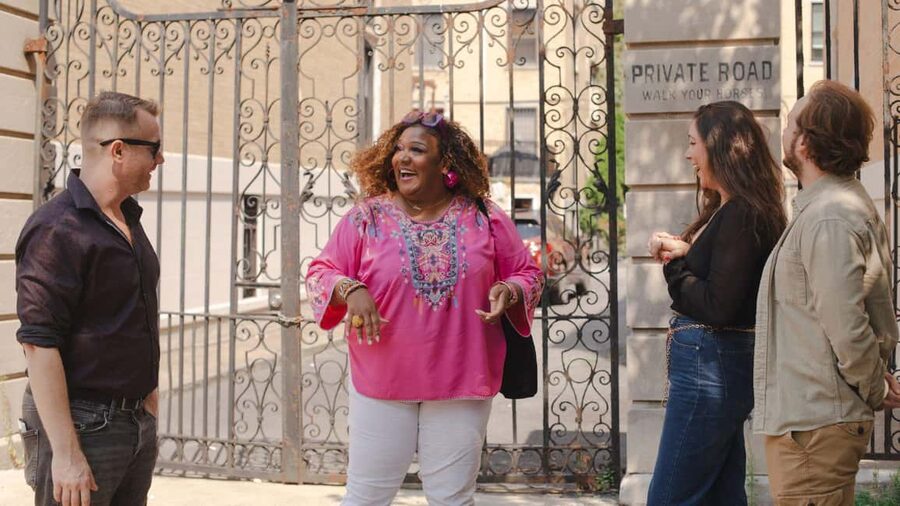
- Harlem Renaissance landmarks: Visit the Apollo Theater, Strivers’ Row, Bill’s Place, and the Schomburg Center for Research in Black Culture.
- Local guide storytelling: Guides including Altovise and Ron bring personal connections, anecdotes, and answers to questions.
- Sunday gospel option: Sunday bookings include skip-the-line access to a gospel experience at a local church.
- A compact two-hour route: The tour concentrates on a manageable section of Harlem rather than trying to cover the whole neighborhood.
- A thoughtful look at change: Expect stories about music, faith, politics, migration, race, housing, and Harlem’s changing identity.
- Outdoor sightseeing: Most landmark stops are photo stops, and Apollo Theater entry is not included.
Why this short Harlem walk works

Harlem is not a single story. Over roughly 400 years, the area has seen major ethnic, cultural, and economic changes. That long arc gives the tour its shape. You are not simply walking past attractive brownstones or famous theaters. You are hearing how a neighborhood became one of the most important centers of Black American music, religion, literature, and political life.
The route is also a sensible length. Two hours is enough time to get a clear sense of the area without turning the outing into an exhausting full-day history lesson. I like this format for a first visit, especially if you have other New York plans later in the day.
The experience is led in English by a live guide. The strongest personal praise in the supplied feedback goes to Altovise, who was described as funny, energetic, connected to the community, and eager to answer questions. Ron was also singled out for his lively anecdotes and extensive supporting material. Guide assignments can vary, but the company’s best guides appear to make the neighborhood feel personal rather than distant.
That local connection matters. One guest specifically appreciated that the guide seemed to know people along the street. Another valued the practical advice about places to eat after the walk. This is the kind of detail that can turn a sightseeing tour into a useful introduction to an area you may want to explore on your own.
More History Tours in New York City:
- New York City: American Museum of Natural History Ticket
★ 4.5 · 15,447 reviews - American Museum of Natural History Admission Ticket
★ 4.0 · 1,931 reviews - NYC: Speakeasy Drinks and Prohibition History Tour
★ 4.7 · 474 reviews
Starting near the Apollo Theater or Malcolm X Boulevard
You have two possible starting locations, depending on the option you book. One is listed at 515 Malcolm X Boulevard, while the Apollo Theater is also used as a starting point. Check your confirmation carefully, since the meeting place may vary.
This is not a tour where you should arrive casually and hope to spot the group. Harlem has several busy avenues and major landmarks, and the Apollo area can be active. Give yourself enough time to identify the exact meeting point.
The tour is wheelchair accessible, and the route lasts about two hours. The provided information does not specify the group size, so you should not assume a private or small-group outing. The walking focus makes comfortable shoes a sensible choice.
The Harlem story behind the streets
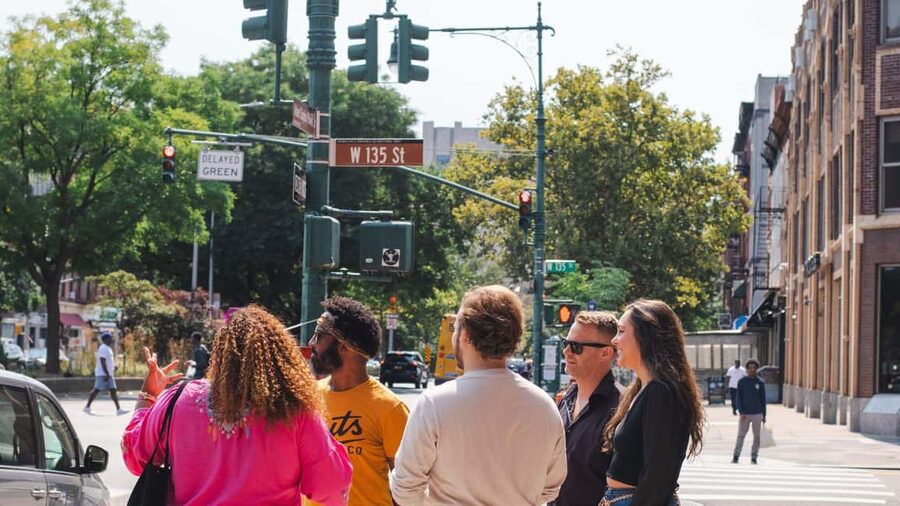
The guide’s job here is to connect ordinary blocks with major American stories. Harlem’s importance did not come from one building or one decade. It grew through changes in population, housing, religion, entertainment, and business.
You can expect the guide to place the Harlem Renaissance within that larger story. This was the period when writers, musicians, performers, and artists helped make Harlem a central force in American culture. Ella Fitzgerald and Duke Ellington are among the names tied to this musical story, and the tour points you toward the streets and venues linked with that era.
The best part is the contrast between the grand themes and the small human details. The Fidel Castro story is a good example. After being removed from a Midtown hotel for having chickens in his room, Castro slept in Harlem. It is an odd, memorable episode, and it shows how Harlem’s hotels, churches, restaurants, and residents could become part of international news.
That kind of anecdote helps break up the heavier history. You will hear about cultural achievement, but also about the economic and social pressures that shaped the neighborhood. The guides are praised for clearing up mistaken assumptions about Harlem, which is useful if your image of the area comes mostly from movies, headlines, or old guidebooks.
Abyssinian Baptist Church and Harlem’s religious life
Abyssinian Baptist Church is one of the route’s key stops. You should expect a visit or photo stop rather than a guaranteed full service or extended interior tour. Its importance comes from the central role churches have played in Harlem’s community life and public history.
The church stop helps explain why Harlem cannot be understood through music alone. Religious institutions have served as places of worship, meeting, leadership, activism, and mutual support. A good guide can show how these roles overlap.
If you book on Sunday, your experience includes skip-the-line access to a gospel experience at a local church. This is one of the strongest reasons to choose the Sunday version. You are not only looking at religious buildings from the sidewalk. You have a chance to hear live gospel in a church setting.
The exact church experience is not described in detail, so keep your expectations sensible. It is presented as a gospel experience, not as a full religious tour or a guaranteed private performance. Dress and behavior should be respectful, since you are entering an active faith setting rather than a staged attraction.
Sunday timing may also shape the day. Check the available start time before booking, and allow flexibility around the church portion. The gospel addition makes Sunday the more distinctive option, while a weekday tour may suit you better if you want a simple, tightly scheduled walking route.
Same streets, a different century:
- Hamilton and Washington Revolutionary Walking Tour
★ 5.0 · 182 reviews - #1 Rated NYC Chinatown Food and History Walking Tour with FNYT
★ 5.0 · 171 reviews - Tribeca Architecture And History Walking Tour
★ 5.0 · 141 reviews - NYC: Night Out Prohibition History Bar and Speakeasy Tour
★ 4.6 · 128 reviews
Schomburg Center for Research in Black Culture
The Schomburg Center for Research in Black Culture adds a serious intellectual stop to the walk. It gives the guide a natural place to discuss the preservation of Black history, literature, art, and scholarship.
The itinerary lists a visit and photo stop, but it does not promise a long guided museum visit or special exhibition access. Think of it as a landmark that anchors the story rather than a separate museum tour.
I like this inclusion because it widens the focus beyond famous entertainers. Harlem’s cultural influence includes researchers, writers, archivists, educators, and community institutions. If your interests go beyond music and celebrity history, this stop gives the tour more substance.
It is also a useful reminder that history is not only found in monuments. It is saved in books, documents, photographs, recordings, and research collections. The guide may point you toward resources for learning more, and one highly praised guide was noted for connecting participants with further information about featured places.
Bill’s Place and the memory of Harlem nightlife
Bill’s Place is another photo stop with a strong connection to Harlem’s entertainment story. The route uses it to show how nightlife and music shaped the neighborhood’s public identity.
Do not confuse a photo stop with a scheduled performance. The information provided does not promise admission, a drink, or live music at Bill’s Place. Its value is in the story attached to the location and the way your guide places it within Harlem’s entertainment past.
This is where guide quality matters most. A building can look ordinary if you do not know what happened there. With a lively guide, the stop becomes a prompt to discuss musicians, venues, audiences, and the working life behind the glamour of the Harlem Renaissance.
The tour’s strongest comments focus on guides who use anecdotes and bring everyone into the discussion. That suggests you should expect an interactive style rather than a long speech delivered without pauses. If you have a question about Harlem music, nightlife, or a particular performer, ask it while you are here.
Strivers’ Row and Harlem’s elegant residential side
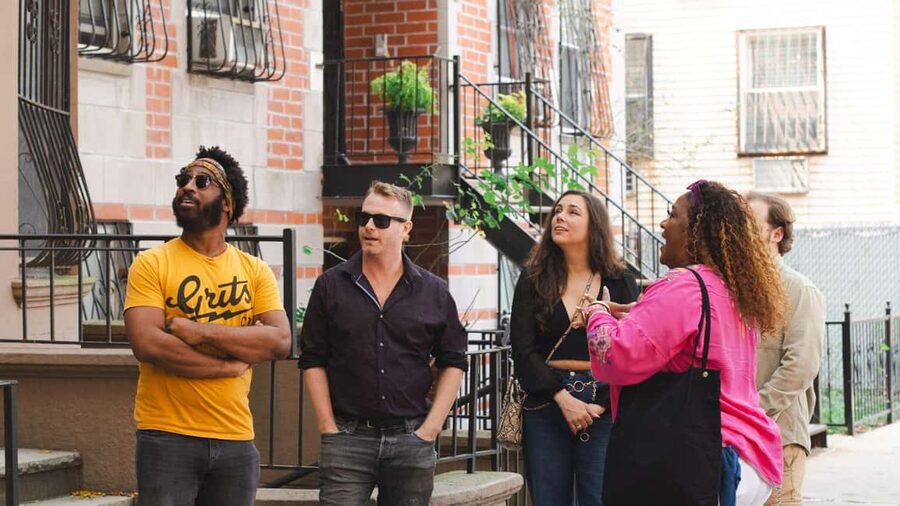
Strivers’ Row gives the walk a change of pace. After theaters, churches, and cultural institutions, you see a residential part of Harlem known for its attractive historic homes.
The name refers to Black professionals and businesspeople who worked hard to build successful lives in the city. That makes the stop useful for discussing class, home ownership, respectability, and the different ways Harlem residents shaped the neighborhood.
Again, the planned activity is primarily a photo stop. You are not promised access to private homes, and the focus is on the streetscape and the guide’s explanation. Bring your camera, but pay attention to the context. The point is not just the architecture. It is what these homes say about aspiration and community life.
Strivers’ Row also helps prevent the tour from becoming too narrowly focused on poverty or struggle. Harlem’s story includes hardship, but it also includes professional success, cultural leadership, entrepreneurship, and pride. A balanced walk should leave room for all of that.
The Apollo Theater, a landmark from the sidewalk
The Apollo Theater is the route’s most famous address. It is tied to the careers of performers who helped place Harlem at the center of American entertainment. Seeing the theater in person gives you a clear connection to that musical history.
The important limitation is simple: this tour offers a photo stop, not a confirmed backstage or interior visit. One participant specifically wished for a chance to peek inside, even with renovations underway. If entering the Apollo is essential to you, check whether a separate theater visit is available and treat this walking tour as an exterior history stop.
That limitation does not make the stop pointless. The guide can explain why the Apollo matters, how its stage fits into Harlem’s story, and how performers such as Ella Fitzgerald and Duke Ellington became part of the wider cultural movement. Still, expectations matter. You are paying for interpretation and neighborhood context, not theater admission.
Depending on the option selected, the Apollo can be either your meeting point or one of the final stops. The listed drop-off points include the Apollo Theater and Memorial Baptist Church. Confirm your exact route so you know where the walk ends.
What the guides add to the experience
The clearest strength of this tour is the human voice leading it. Altovise receives especially strong praise for her humor, energy, community ties, and willingness to answer questions. One guest said she made the tour what it was. Another guide, Ron, was praised for his documentation, historical detail, and lively anecdotes.
Those comments point to a tour that works best when you engage with it. Ask questions. Tell the guide what interests you. If you care most about music, request more detail on the Harlem Renaissance. If you want social history, ask about housing, churches, and neighborhood change.
The guide may also offer practical suggestions for eating after the tour. That is a useful bonus, especially since you finish in an area where you may want to stay for lunch or continue exploring.
Guide quality can vary on any scheduled walking tour, and the exact guide is not guaranteed. Still, the repeated praise for both Altovise and Ron suggests that the company has people who know how to make the route lively. Their community connections also give the experience a warmer feel than a purely scripted sightseeing walk.
Is $49 a fair price?
At $49 per person, this is not the cheapest way to walk through Harlem. You could visit the Apollo area and see several streets on your own for little money. The price makes more sense if you want the stories organized by a local guide, with several significant stops connected into one clear route.
The Sunday gospel experience improves the value. Live gospel in a local church gives the tour an element you cannot get from simply photographing the Apollo Theater or reading a plaque. If you are deciding between a weekday and Sunday booking, Sunday offers the more distinctive package.
On a non-Sunday visit, the value depends on how much you want interpretation. The tour is strongest for first-time visitors, people unfamiliar with Harlem’s history, and anyone who prefers a guided introduction before exploring alone. Repeat visitors who already know the neighborhood may find the route less necessary unless they want fresh stories or a local perspective.
The free cancellation window is up to 24 hours before the tour, and you can reserve now and pay later. Those terms make it easier to fit the walk into a changing New York schedule. Availability and starting times vary, so check them before you commit.
Who should book this Harlem tour?
I would choose this experience if you want:
- A compact introduction to Harlem’s music, church, political, and residential history
- A guide who can answer questions and connect past events to current community life
- A walk that includes major landmarks without trying to cover all of uptown Manhattan
- A Sunday gospel experience at a local church
- Historical anecdotes that go beyond the standard celebrity list
- Practical suggestions for continuing your day in Harlem
You may want another option if you need interior access to the Apollo Theater, a museum-heavy outing, or a longer exploration of the neighborhood. The listed stops are mainly outdoor landmarks and photo stops, with the gospel experience as the major live component on Sundays.
Should you book it?
Book this tour if you want Harlem explained by a strong local guide rather than simply viewed from a sightseeing bus. The route is short, the subject is broad, and the best guides, especially Altovise and Ron, appear to bring humor, personal connection, and plenty of useful detail.
For the best value, choose Sunday if the gospel experience fits your plans. If you book another day, go in expecting an informative exterior walking tour, not admission to the Apollo or a full museum visit. At $49, it is a fair choice for a first look at Harlem, especially if you want history that feels connected to real streets and present-day community life.
FAQ
How long is the Harlem walking tour?
The guided tour lasts two hours.
What language is the tour conducted in?
The live tour guide speaks English.
Where does the tour meet?
There are two possible starting locations, 515 Malcolm X Boulevard or the Apollo Theater. The meeting point depends on the option booked.
Is the Apollo Theater included as an interior visit?
No interior admission is specified. The Apollo Theater is listed as a photo stop, so you should expect to see it from outside.
What happens on the Sunday version?
Sunday bookings include skip-the-line access to a gospel experience at a local church.
Which landmarks are included?
The route includes Harlem, Abyssinian Baptist Church, the Schomburg Center for Research in Black Culture, Bill’s Place, Strivers’ Row, and the Apollo Theater.
Is the tour wheelchair accessible?
Yes, the activity is listed as wheelchair accessible.
Can I cancel the booking?
You can cancel up to 24 hours in advance for a full refund. You can also reserve now and pay later.
Newest history tours we have reviewed in New York City
- NYC: Lower East Side Devour Food & History Walking Tour★ 4.8 · 19 reviews
- New York: Rock and Roll History and Culture Walking Tour★ 5.0 · 22 reviews
- NYC: History of Slavery & Underground Railroad Walking Tour★ 4.7 · 87 reviews
- New York: Mafia and Gangster History Tour in Little Italy★ 4.6 · 79 reviews
- NYC: Night Out Prohibition History Bar and Speakeasy Tour★ 4.6 · 128 reviews
- New York City: Flatiron Food, History, and Architecture Tour★ 4.8 · 43 reviews
- NYC: New York City History of Stand-Up Comedy Tour★ 4.8 · 21 reviews
- NYC: Central Park Pedicab Tour and Natural History Access★ 4.7 · 52 reviews
New York City History Tours, compared.


American Museum of Natural History Admission Ticket
Read our review →
NYC: Speakeasy Drinks and Prohibition History Tour
Read our review →
Hamilton and Washington Revolutionary Walking Tour
Read our review →
#1 Rated NYC Chinatown Food and History Walking Tour with FNYT
Read our review →
NYC: Night Out Prohibition History Bar and Speakeasy Tour
Read our review →
Lower Manhattan Secrets And History Walking Tour
Read our review →Browse the lists this tour appears in