
Review · ROME HISTORY TOURS
Rome: Ancient Mosaic Making Workshop
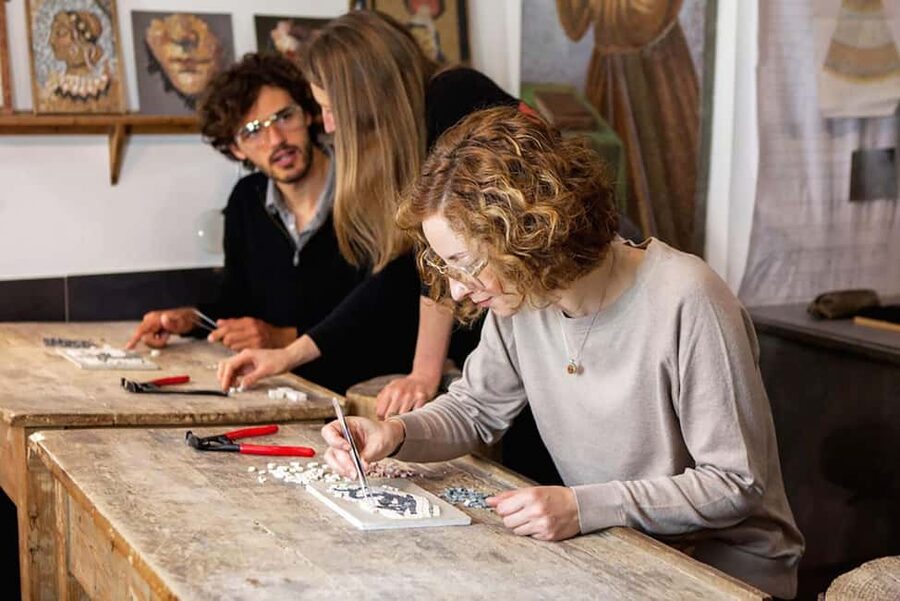
Roman mosaics are usually something you admire behind a rope at the Vatican or under your feet in an ancient ruin. Here, you get to cut the marble yourself and build a small artwork in a working family studio near the Colosseum. The lesson covers old Roman methods, not just a quick craft project.
I especially like the small groups of no more than nine, which leave room for help at the worktable. I also like the finished souvenir: it is personal, made from local marble, framed, and packed for travel. The main consideration is time. Two and a half hours can pass quickly, and the work calls for patience and careful hand use. Children under 12 cannot take part.
Key points to know before booking
- Make a real Roman mosaic: Cut natural local marble and arrange it using traditional principles of texture and composition.
- Work near the Colosseum: The studio is a two-minute walk from Cavour Metro station on Line B.
- Learn from working artists: Alex, Julia, Hope, and Ellie are among the artists who may guide the session, depending on the day.
- Take home a practical souvenir: Your finished piece measures about 7 by 5 inches, weighs roughly 14 ounces, and travels in a sturdy protective box.
- Expect a relaxed small-group lesson: The group is limited to nine, with English and Italian instruction.
- Plan for hands-on work: This is a real studio session with specific tools, marble pieces, and safety limits for anyone under 12.
Why this small workshop fits Rome so well
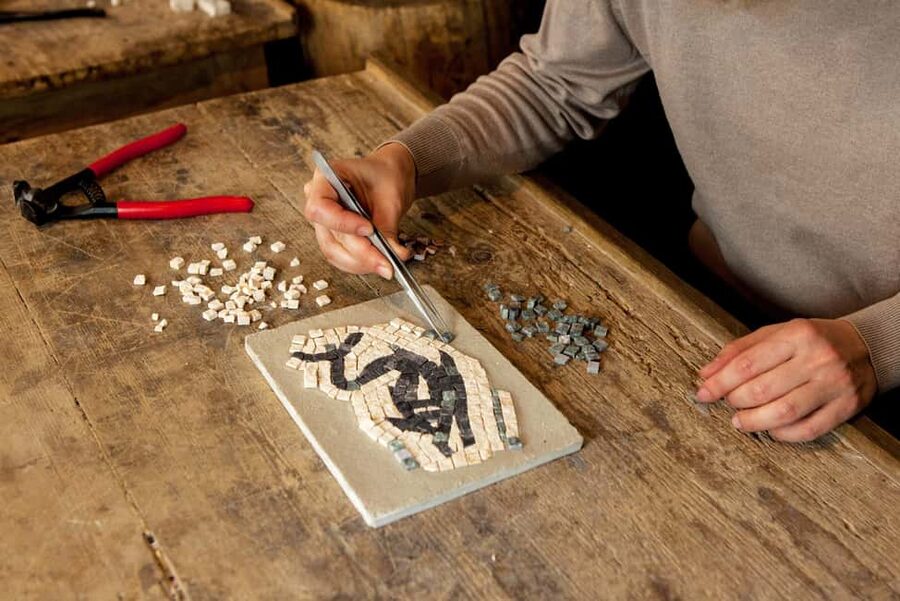
Rome can fill a day with grand sights: the Colosseum, the Forum, churches, fountains, and museums. Those places show you the finished products of Roman skill. This workshop lets you slow down and understand how one small part of that craft comes together.
That change of pace matters. You are not only looking at a mosaic from behind glass or across a museum floor. You are learning how small stone pieces create a picture, how texture changes the surface, and how the choice of cut affects the final design.
The setting adds to the appeal. Studio Cassio is a historical family-owned workshop in the Monti neighborhood, close to the Colosseum and Cavour Metro stop. It is not a hotel conference room or a tourist attraction built only for classes. You work inside an authentic mosaic studio, with artists making and handling real pieces nearby.
The experience costs $106 per person. That is not a bargain activity for a quick hour of entertainment, but the fee covers a 2.5-hour lesson, instruction from a master mosaicist, local marble, tools, a frame, and protective packaging. You also leave with something you made rather than a generic souvenir. For me, that makes the price easier to justify, especially if you value craft and hands-on activities.
More Ancient History Tours in Italy
- Colosseum: Underground and Ancient Rome Tour
★ 4.7 · 12,691 reviews - Colosseum & Ancient Rome with Arena Floor Option I Max 6 People
★ 5.0 · 3,306 reviews - Rome: Colosseum, Ancient Rome Tour or AudioGuided Tour
★ 4.4 · 2,879 reviews
Arriving in Monti from the Colosseum
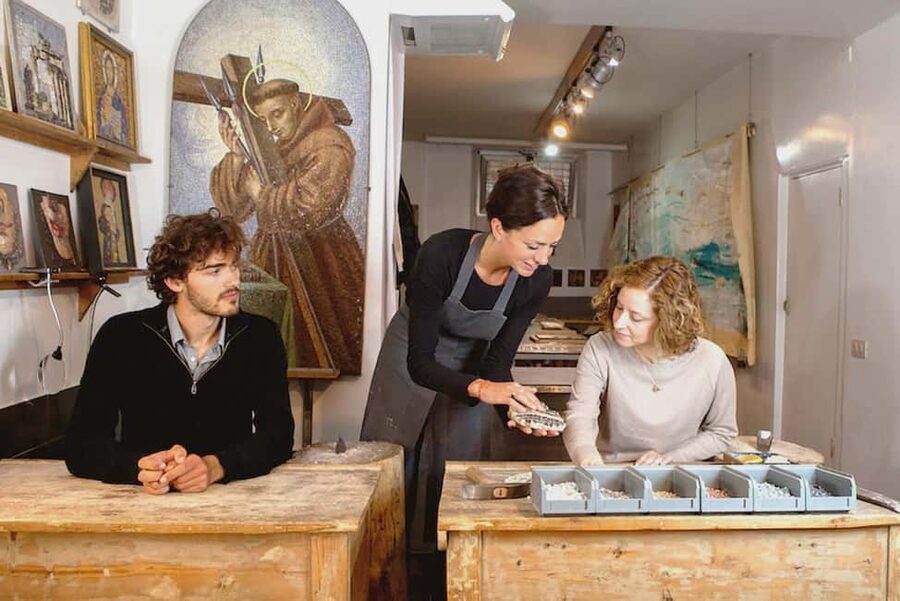
The meeting point is near the Colosseum, just a two-minute walk from Cavour station on Metro Line B. That location makes the workshop easy to pair with a morning at the Colosseum or a walk through Monti.
I would avoid squeezing the class between several timed sights. You need to arrive ready to work, and the session lasts long enough to deserve its own block of the day. It can also serve as a welcome break after major sightseeing, particularly in hot weather. One participant described it as a good escape from the heat, while another used the afternoon to finish a mosaic after seeing most of Rome’s main sights.
Monti is a useful area for this kind of stop. You get a historic neighborhood and a working studio rather than another large public monument. Still, the workshop does not include transportation, so you must make your own way there and back.
The opening lesson: Roman technique before the tools
The session begins with an introduction to Roman mosaic methods and their place in Rome’s artistic story. This part gives you a reason for the practical work that follows. You learn that a mosaic is not simply a picture made from random bits of stone.
The instructors explain texture and composition, then introduce the marble and the tools. The aim is to follow authentic Roman mosaic requirements, so the final piece is made according to a traditional approach rather than a loose modern imitation.
That context is one of the strongest parts of the class. After seeing mosaics at the Vatican or elsewhere in Rome, you can look at them with a sharper eye. You begin to notice how stone direction, surface texture, and small changes in color help form an image.
Alex has guided several sessions and is especially good at combining technical instruction with humor and an easy manner. Julia, Hope, and Ellie have also been praised for their warm help and for sharing what it is like to work as mosaic artists. The exact instructor team may vary, but the class is taught in English and Italian.
You should expect instruction rather than a formal lecture. The history is brief enough to keep the class moving, with the emphasis soon shifting to your own work.
Choosing a design and learning composition
Once you understand the basic method, you begin shaping your own design. The supplied information does not promise a fixed pattern, so your exact subject and choices can vary. One young participant was able to design her own sketch, which suggests that the workshop allows room for personal ideas rather than forcing everyone to make identical pieces.
This is where composition becomes practical. You consider how the image will fit within a frame about 7 by 5 inches. A design that looks fine on paper may need adjustment once you begin placing stone. The small format is helpful for a first project, but it also means you cannot crowd the surface with too many details.
You do not need to arrive with an art background. The instructors help you along, and the class is intended as a hands-on lesson. Still, you should be ready to make decisions and accept small imperfections. The charm of the finished piece comes partly from the fact that you made it by hand.
For an adult and teenager traveling together, this stage gives each person a chance to make something different. A parent and daughter described the experience as a good fit for families with teenagers, while another parent found the activity helpful and encouraging with her son.
More Ancient History Tours in Rome
- Colosseum Underground & Ancient Rome Guided Tour
★ 4.5 · 2,590 reviews - Pantheon Elite Guided Tour – Rome’s Iconic Ancient Temple
★ 5.0 · 1,447 reviews - Ancient Rome: Colosseum Underground Group Tour
★ 4.5 · 1,059 reviews - Colosseum Express Guided Tour and Ancient Rome Admission Included
★ 4.0 · 1,008 reviews
Cutting local marble with traditional tools
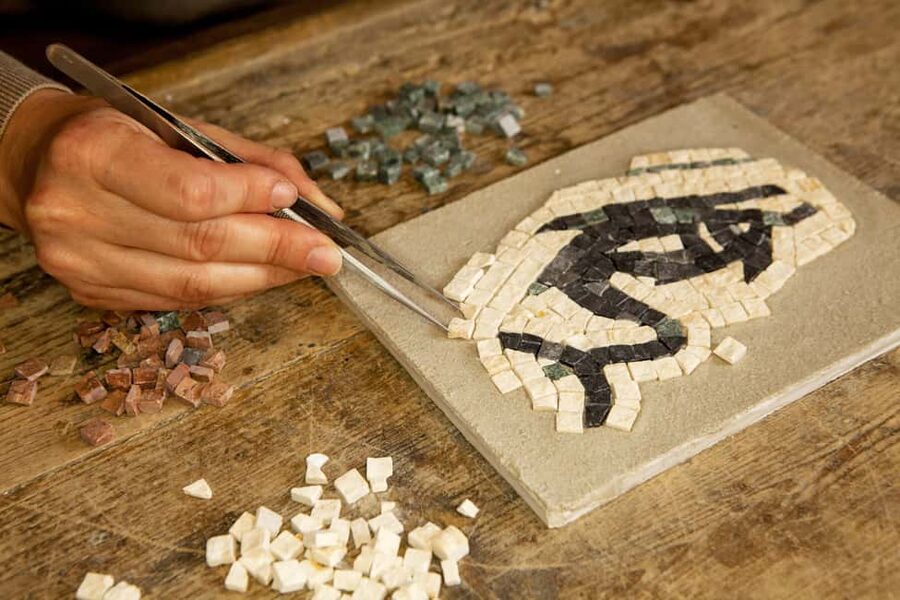
The most distinctive part of the workshop is handling the tools and cutting the marble. You work with high-quality, natural local marble supplied by the studio. The instructors show you how to handle the material and guide you as you create the small pieces needed for your design.
This is not a demonstration where you watch an artist do all the difficult work. You take part. That means you should pay attention to the safety instructions and work carefully rather than rush to finish.
The cutting stage can be satisfying because it gives you a direct feel for the material. Marble is not just a color on a palette. It has grain, weight, texture, and its own response to the tool. Those qualities help explain why ancient mosaic work demanded skill and patience.
You may find that the hardest part is not the concept but the precision. Small pieces need to sit in the right place, and your hands may tire before the lesson ends. The class is recommended for ages 12 and up for safety reasons, and children under 12 are not suitable for the activity.
The limited group size helps here. With no more than nine participants, the instructor can check your technique and help when a piece is too large, too small, or not sitting as planned. This kind of guidance is more useful than a large group demonstration where you are left to guess.
Building the mosaic one piece at a time
After cutting, you arrange the marble pieces within the frame. This is the point where texture and composition come together. You see how gaps, direction, and surface changes affect the appearance of the whole design.
The process is relaxing, but it is not passive. You need to stay focused and make repeated small choices. One participant took the afternoon to complete the piece, which is a useful reminder that the class should not be treated as a quick stop between other appointments.
At the same time, the studio atmosphere appears to be friendly and calm. The artists offer help and encouragement without taking over your project. Coffee, tea, and bottled water are included, which is a modest detail but welcome during a long seated activity.
You may also see artists working on a real piece in the studio. That gives the class added value because you can compare your beginner work with professional craftsmanship in the same room. It also makes the studio feel like a place of work, not just a classroom prepared for visitors.
Do not expect a museum-quality artwork from your first attempt. The goal is to learn the method and create a personal piece that reflects your own hand. If you prefer a polished souvenir with no effort, buy a finished object instead. If you like knowing how an object was made, this workshop offers much more.
Framing, packing, and taking your work home
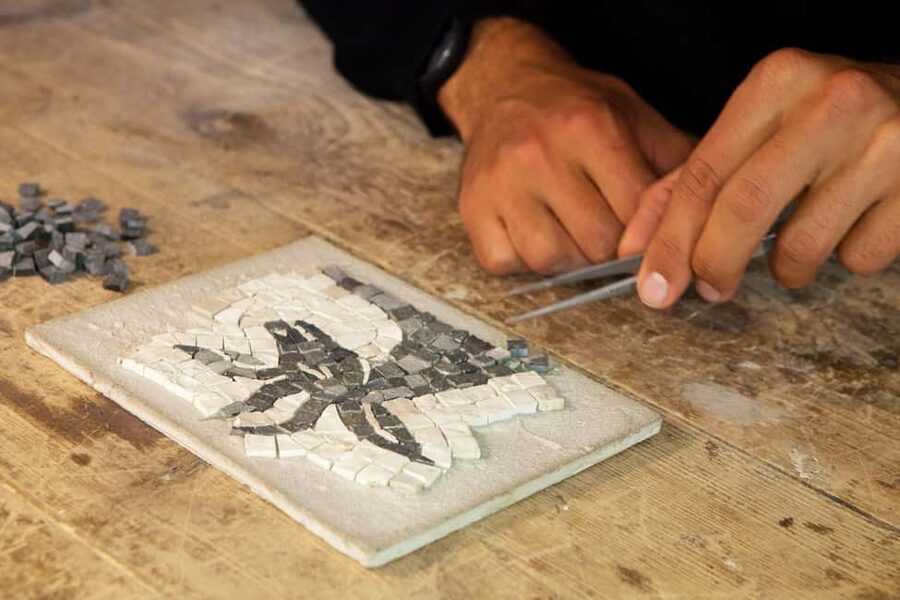
Your finished mosaic is approximately 7 by 5 inches and weighs around 14 ounces. The studio provides a frame for creating the artwork, then packs the finished piece in a sturdy box.
That packaging is important. A framed stone artwork is not difficult to carry by airline standards, but it could be damaged if placed loose in a suitcase. The box gives you a safer way to transport it home, though you should still treat it as a fragile handmade item.
The final object also has the right scale for a Rome souvenir. It is large enough to display but small enough to fit on a shelf or wall without taking over a room. More important, it connects directly to the city’s ancient artistic tradition and to the hours you spent making it.
The finished mosaic will not be identical to anyone else’s. Even if two people begin with similar ideas, their cuts, spacing, and arrangement will differ. That personal quality is the best reason to choose this experience over a standard souvenir shop.
Who should book this experience
I would recommend the workshop to you if you want a break from museums and ruins but still want an activity tied closely to Rome. It works particularly well for couples, parents with teenagers, and friends who enjoy making things together.
It is also a good choice if you have already seen many of the major sights. The workshop gives you a different way to spend an afternoon, with a finished object to show for your time.
Art experience is not required. You will receive an introduction, materials, tools, and help from the instructors. You should bring patience, though. The class involves cutting, arranging, and careful work, not simply painting a souvenir in a few minutes.
The age limit matters. The activity is recommended for ages 12 and up and is not suitable for younger children. If your family includes small children, this will not work as a group activity for everyone.
Timing, group size, and practical value
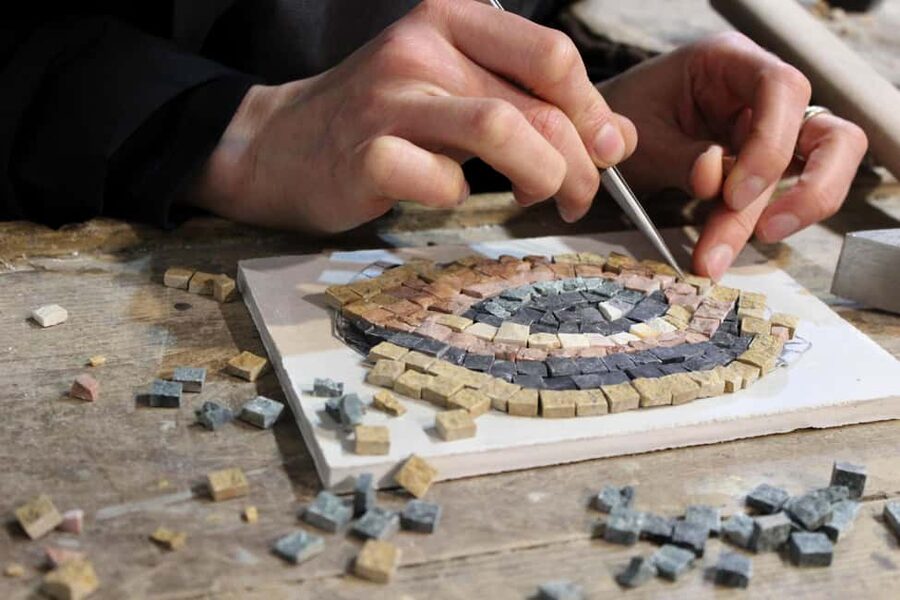
The class lasts 2.5 hours, a length that gives you enough time to learn, make, and pack your piece. Check the available starting times before booking, since the schedule is not fixed in the information provided.
A group of up to nine is small enough for personal help while still giving the class a social feel. Some sessions may be smaller. One couple had the workshop nearly to themselves, which would give you even more direct contact with the instructors.
The price of $106 is best judged against what is included. You receive a guided craft lesson, local marble, access to specialized tools, a frame, refreshments, and protective packaging. You also spend time in a family-owned studio with working artists near the Colosseum.
The drawback is that you pay a substantial amount for a small object. If your main goal is sightseeing efficiency or the cheapest possible souvenir, this is not the right pick. If you value the process, the instruction, and the story attached to the final piece, the cost is more reasonable.
You can cancel up to 24 hours before the activity for a full refund, and you can reserve now while paying later. Those policies make it easier to fit the workshop into a Rome schedule that may change.
Should you book Studio Cassio’s mosaic workshop?
Book it if you want a calm, creative afternoon that connects directly to Roman art. The strongest reasons are the authentic studio setting, the chance to cut local marble yourself, the small group, and the useful final package for taking your work home.
I would be cautious if you dislike detailed handwork, have a tight schedule, or need an activity for children under 12. You also should not expect to produce a flawless professional mosaic in one class.
For most visitors who want more than another photo of the Colosseum, this is a thoughtful choice. You leave with a small Roman artwork, but the better souvenir is the understanding of how much care sits inside the ancient mosaics you see across the city.
FAQ
Where does the mosaic workshop take place?
It takes place at Studio Cassio in Rome’s historic Monti neighborhood, near the Colosseum. The studio is about a two-minute walk from Cavour station on Metro Line B.
How long does the activity last?
The workshop lasts 2.5 hours. Starting times vary, so you should check availability when choosing a session.
What language is the workshop taught in?
Instruction is available in English and Italian.
How many people can join the class?
The group is limited to nine participants.
What will I make during the workshop?
You will create your own Roman mosaic using natural local marble. The finished piece is approximately 7 by 5 inches and weighs about 14 ounces.
Are materials and tools included?
Yes. The workshop includes local marble, all necessary tools, a frame for the artwork, and a sturdy box to protect it for the trip home.
Is the workshop suitable for children?
The activity is recommended for ages 12 and up and is not suitable for children under 12.
More Workshops and Classes in Rome
- Rome: Five Shapes of Pasta Cooking Class in Ancient Tavern
★ 5.0 · 102 reviews - Dubai Evening Heritage Safari by Vintage G Class Al Marmoom Oasis
★ 5.0 · 1,500 reviews - Undiscovered Charleston: Half Day Food, Wine & History Tour with Cooking Class
★ 5.0 · 948 reviews - Sip History in The Sun Cabana Covered Cocktail Class
★ 5.0 · 332 reviews
Newest history tours we have reviewed in Rome
- Rome: Colosseum and Ancient Rome Guided Walking Tour★ 4.5 · 95 reviews
- Secrets of Rome: Historical True Crime Small Group Tour★ 4.9 · 85 reviews
- Rome: Private Colosseum Experience and Ancient Ruins Tour★ 4.6 · 25 reviews
- Rome Secrets: Dark History & Tasty Bites Tour★ 5.0 · 37 reviews
- Rome: Guided Tour of Colosseum and Ancient Rome★ 4.9 · 74 reviews
- Rome: Rome at Night Evening Historical Walking Tour★ 4.9 · 24 reviews
- Rome: Introduction to the Colosseum and Ancient City Tour★ 4.8 · 75 reviews
- Rome: Guided Group Colosseum & Ancient City Tour★ 4.8 · 62 reviews
Ancient History Tours, compared.
Colosseum: Underground and Ancient Rome Tour
Read our review →
Colosseum & Ancient Rome with Arena Floor Option I Max 6 People
Read our review →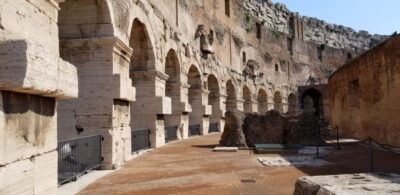
Colosseum, Ancient Rome Tour or AudioGuided Tour
Read our review →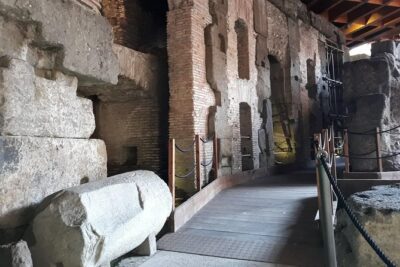
Colosseum Underground & Ancient Rome Guided Tour
Read our review →
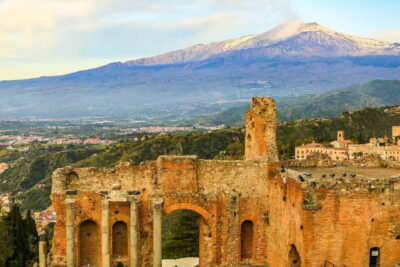
Taormina: Ancient Theater Skip-the-Line Ticket & Audio Guide
Read our review →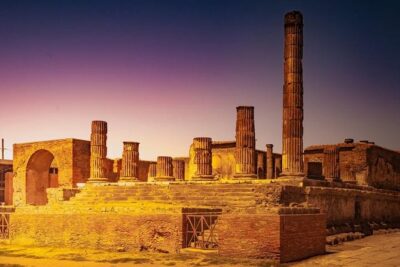
Discover the Ancient Ruins of Pompeii: Day Trip from Rome
Read our review →
Discover Matera, the ancient city – English tour
Read our review →Browse the lists this tour appears in