
Review · PHILADELPHIA HISTORY TOURS
Philadelphia: Revolutionary Walk Through Historic Old City
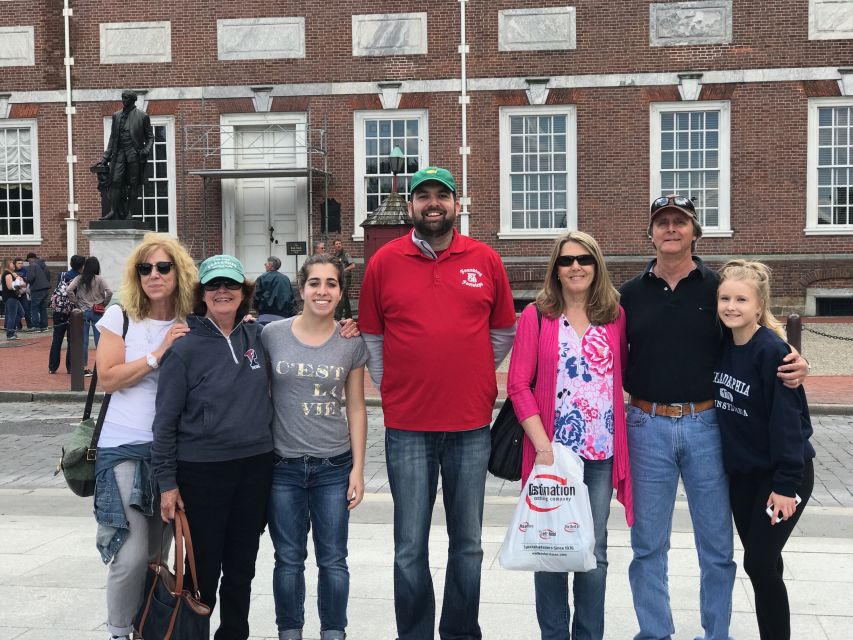
Philadelphia’s revolutionary story comes alive best on foot, where a single block can connect Benjamin Franklin, the Declaration of Independence, a centuries-old alley, and the first symbols of the new United States. This 90-minute walk moves briskly through Old City, beginning at the Betsy Ross House and finishing with a useful sense of how the city’s key sites fit together.
I like the strong storytelling, especially from guides such as Seamus, Jay, and Greg, who blend facts with humor rather than delivering a dry lecture. I also like the amount you see in a short time, including Independence Hall, the Liberty Bell, Elfreth’s Alley, Christ Church, Franklin’s post office, and Carpenter’s Hall. The main catch is simple: you view the major sites from outside, and paid entry to Independence Hall or other attractions is not included.
Key points at a glance
- A fast Old City orientation: Cover several major Philadelphia landmarks in 90 minutes, a good first activity for a short stay.
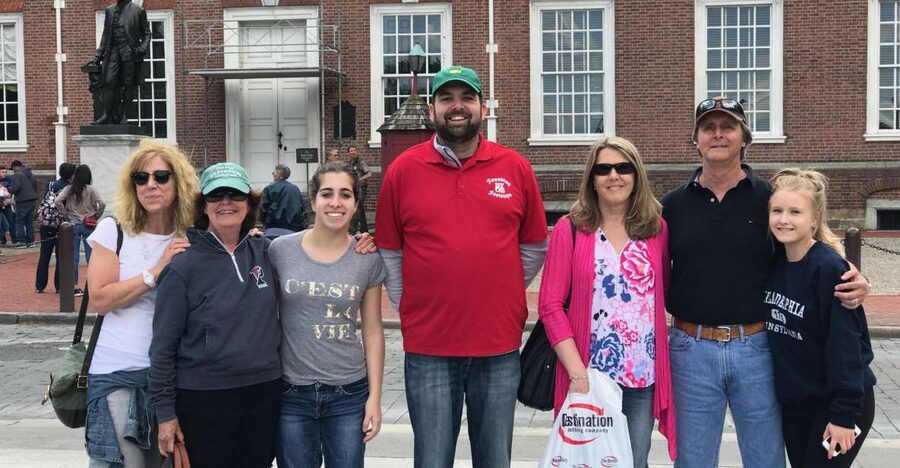
- A guide-led history lesson: Guides with teaching and comedy backgrounds make the founding era easier for children, teenagers, and adults to follow.
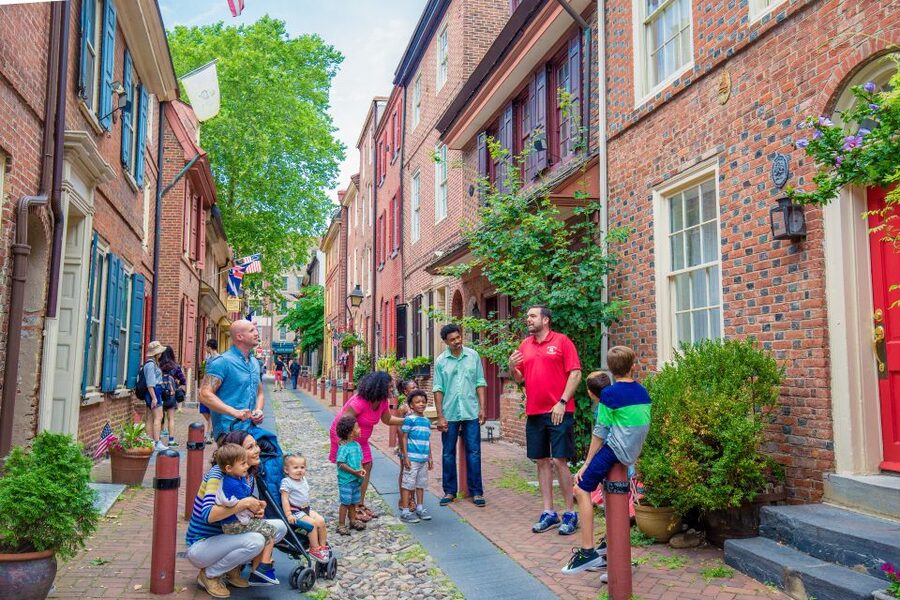
- Elfreth’s Alley adds variety: The route is not only about famous political buildings. You also see one of the city’s most distinctive old residential streets.
- Exterior sightseeing only: The walk points out important buildings but does not include admission inside them.
- Good value at $35: You pay for a focused local explanation, not attraction tickets, so the value is strongest if you want context and orientation.
- Comfortable shoes matter: This is a 90-minute walk through city streets, with no food, drinks, or transportation included.
Why this 90-minute walk works so well in Old City
Old City is compact, but its story is not. A first-time visit can easily become a string of names and buildings with no clear sense of how they connect. A guide gives you the missing thread.
The tour focuses on Philadelphia’s role in the American Revolution and the early republic. You hear about Benjamin Franklin and other founders while moving between the places where political arguments, religious life, business, printing, and daily city life overlapped.
I especially like the short format. Ninety minutes is long enough to give the central story shape, but short enough to fit before lunch, after arriving in town, or between museum visits. Several families used it as the first activity of their Philadelphia stay, and that makes sense. You get your bearings quickly, then decide which sites deserve a longer return visit.
The pace can feel brisk. The route covers a lot, and the guide has plenty to explain. If you want to linger at every building, take long photo stops, or enter each attraction, this is not that kind of experience. Think of it as a guided introduction to Old City, not a substitute for the museums and historic interiors.
More History Walking Tours in the USA
- History and Hauntings of Salem Guided Walking Tour
★ 5.0 · 14,564 reviews - Boston: Freedom Trail History Small Group Walking Tour
★ 5.0 · 6,450 reviews - Historic Charleston Guided Sightseeing Walking Tour
★ 5.0 · 6,216 reviews
Beginning at the Betsy Ross House
The walk starts at the Betsy Ross House, one of Philadelphia’s most familiar Revolutionary-era addresses. The house is linked to the story that Betsy Ross made the first American flag, a tale that has long been part of the city’s national mythology.
The important point is that the tour uses the house as a doorway into a larger conversation. You are not simply stopping for a photograph. You begin thinking about how stories of the Revolution were created, remembered, and passed on.
You should not expect the tour fee to include entry into the house. Admission to additional attractions is separate, and the walk itself centers on seeing the sites from the street. If you want to explore the interior, plan a return visit and check its opening hours independently.
This first stop also sets the tone for the tour. The guide explains the place, adds human details, and keeps the group moving. That mix helps the walk feel less like a list of dates and more like a story about real people making choices in a tense city.
Independence Hall and the arguments behind the nation
Independence Hall is the core stop. Inside its rooms, the Declaration of Independence and the Constitution were debated and adopted. Even from outside, the building carries the weight of those decisions.
Your guide puts the building into context by explaining what happened there and why Philadelphia mattered during the revolutionary period. This is where the tour’s broad route becomes useful. After hearing about the people and conflicts tied to the building, you can better understand why the Liberty Bell and nearby meeting halls matter too.
A key practical point: Independence Hall tickets are not included. The walking tour does not function as an admission reservation, and you should not assume that seeing the building on this route means you will enter it. If the interior is a priority, arrange that separately and leave enough time in your day.
That limitation may disappoint you if you expected a full historic-site tour. Still, the outdoor explanation has value. You get a clear introduction without committing several hours to one building, and you can decide afterward if an interior visit belongs on your schedule.
The Liberty Bell and a symbol with many meanings
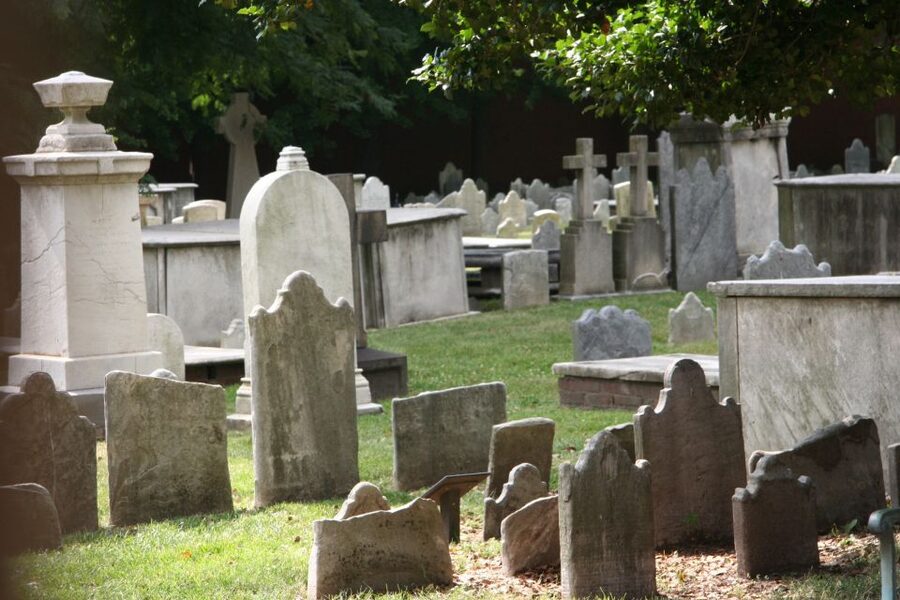
The Liberty Bell is one of the easiest Philadelphia sights to recognize, but its story is more layered than a quick photograph suggests. It has become a national symbol of independence and freedom, and the familiar crack is part of the object’s identity.
On this walk, you learn about the bell as part of the larger story of American independence. The guide helps connect a famous object to the surrounding political events rather than treating it as an isolated photo stop.
The walk does not include paid entry to attractions. You should therefore understand the Liberty Bell portion as an exterior visit and explanation, not a guaranteed interior viewing experience. Conditions and access can vary, so a separate visit is sensible if seeing the bell up close is important to you.
For many people, this is one of the most satisfying moments of the route because the bell is instantly recognizable. For others, it may feel too brief. The tour gives you the meaning and setting, while a separate attraction visit gives you more time with the object itself.
More Old Town and Historic Centre Walks in the USA
- Philadelphia Old City Historic Walking Tour with 10+ Top Sites
★ 5.0 · 2,020 reviews - Asheville Historic Downtown Guided Electric Bike Tour with Scenic Views
★ 5.0 · 1,234 reviews - Walking History Tour of St. Augustine’s Historic District
★ 5.0 · 1,152 reviews - Creepy Crawl Night-Time Haunted Pub Walking Tour of Savannah’s Historic District
★ 4.5 · 802 reviews
Elfreth’s Alley brings daily life into the story
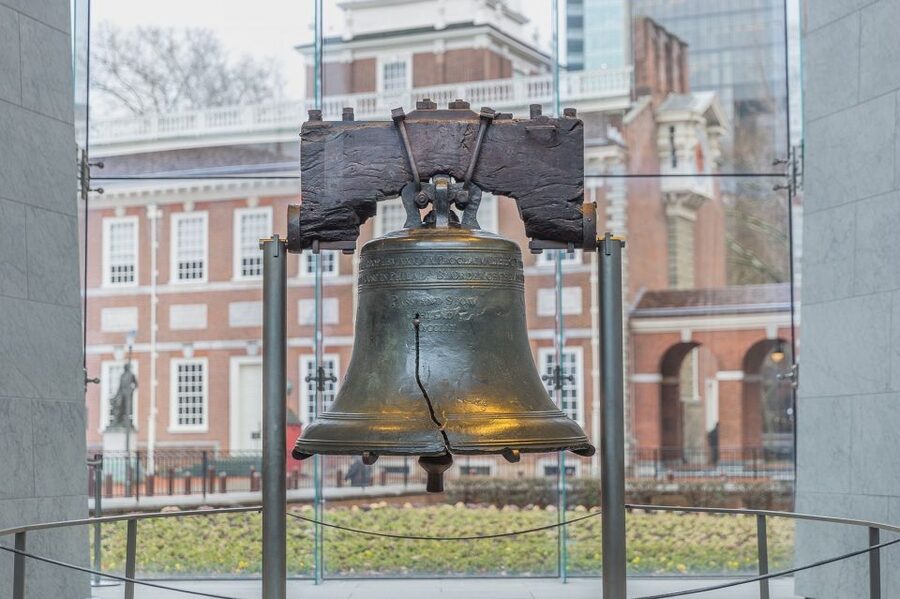
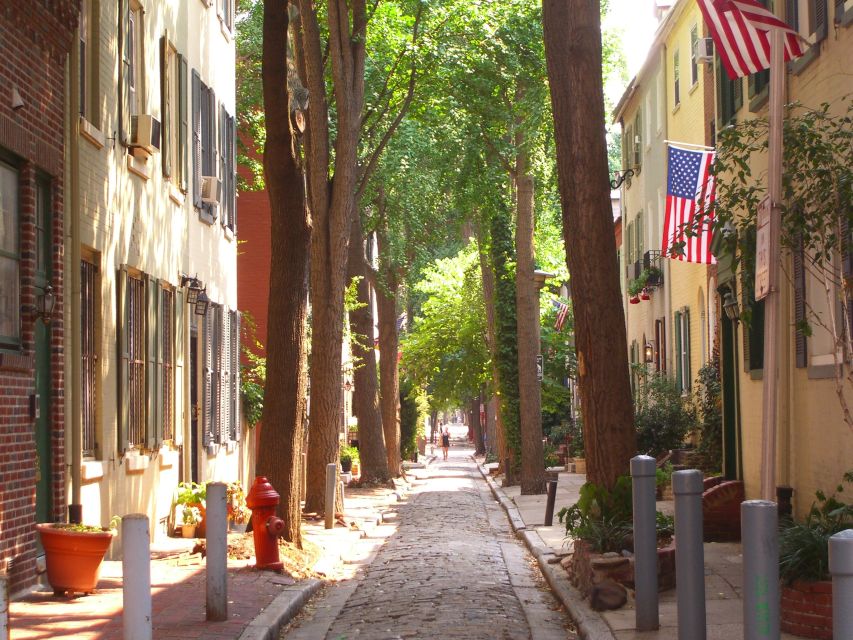
Elfreth’s Alley is a welcome change of mood. The tour is not limited to grand government buildings and famous political figures. This old residential lane offers a look at the city as a place where ordinary people lived and worked.
I like this stop because it adds scale. Independence Hall can make the founding era feel like a story shaped only by leaders. Elfreth’s Alley reminds you that cities are built from homes, trades, neighbors, and narrow streets as much as from speeches and official decisions.
The alley is also one of the route’s most memorable photographic spots. You can expect the guide to point out why it matters, not just lead the group down the street. One family specifically found this part especially enjoyable, and it is easy to see why. It gives the walk a strong visual break from the larger public buildings.
You will not have unlimited time to explore the lane on the guided walk. If you want to study the houses or visit a paid interior, return later. The tour’s job here is to place the alley within Philadelphia’s story, not provide a full house-by-house visit.
Christ Church and the city’s religious life
Christ Church adds another side of early Philadelphia. The city’s founding story was not only about war and government. Religion, community life, and competing ideas about how society should work were also part of the setting.
The guide uses the church and its surroundings to add context to the political story. This helps prevent the tour from becoming a narrow parade of famous men and official buildings. You see how different parts of civic life occupied the same small area.
As with the other major stops, the walk focuses on the exterior. Entry is not included, so you should plan a separate visit if you want to see the inside. The tour is most useful here as an orientation: you learn why the church matters, where it sits in relation to other sites, and how it fits the city’s early development.
Franklin’s post office and the practical side of the Revolution
The B. Free Franklin Post Office is a particularly nice stop for anyone interested in Benjamin Franklin. It points to the practical, working side of his life rather than only the familiar image of a statesman and inventor.
Franklin was deeply tied to printing, communication, public life, and the exchange of ideas. A post office is a fitting place to discuss how information moved through the city and how public debate depended on communication.
This stop also helps you see why Franklin remains such a strong presence in Philadelphia. The tour does not treat him as a statue or a name in a textbook. Instead, it connects him to the city’s streets and institutions.
If Franklin is the main reason you want this tour, you will appreciate the attention given to his life and influence. One earlier version of the walk was praised for its detailed focus on Franklin, and the current route still gives him an important place in the story. Just keep in mind that the walk covers many subjects in 90 minutes, so it cannot provide a full Franklin biography.
Carpenter’s Hall and the wider revolutionary setting
Carpenter’s Hall rounds out the political side of the route. It is another place tied to the early national story, and seeing it alongside Independence Hall helps you understand that important decisions were made across a network of meeting places.
The value here comes from connection. A building that might seem secondary when seen alone becomes more meaningful after you have heard how Philadelphia’s political world functioned. The guide can show you that the Revolution was not confined to one famous room.
Again, the stop is primarily an exterior viewing point. Additional admission is not included. If you want to go inside, treat the guided walk as your introduction and return when you have confirmed the site’s hours.
The guides make the difference
The tour is led in English by a live guide, and the guide’s personality matters a great deal. Names that have appeared on different departures include Seamus, Jay, Greg, Tim, Casey, Ryan, and Tessa. Your guide will depend on the date and departure, so you should not book expecting one specific person unless the operator confirms it.
The most praised quality is the blend of teaching and comedy. Seamus is described as warm, clear, and funny. Jay is known for adding color and context to basic facts. Greg has a gift for packing major points and amusing stories into a short route.
That style works especially well for families. Children and teenagers can lose interest during a formal lecture, but humor gives them a reason to keep listening. A nine-year-old stayed engaged through one tour, and a teenager called the walk the favorite part of a Philadelphia visit. Adults get useful historical detail without being buried under dates.
The comedy does not replace the history. The best guides use a joke to open your attention, then explain why the place matters. You can expect stories, questions, architectural observations, and room for the group to ask things along the way.
There is one practical sound issue to consider. One participant found that a microphone would have helped on busy city streets. If you have trouble hearing, stay close to the guide and mention it early. A smaller group can make listening easier, but group size is not specified and may vary.
What the $35 price really buys you
At $35 per person, this is not the cheapest way to walk around Old City. You can see many buildings from the street for free. The question is what you want from the extra cost.
You are paying for a structured route, a live explanation, and a local guide who can connect the places. That is useful if you have limited time or if the names of Philadelphia’s historic sites currently blur together. It is also a good choice if you want an entertaining introduction before visiting museums on your own.
The value is weaker if you already know the city well or plan to spend the day inside the attractions. Since food, drinks, and paid admissions are excluded, your total cost will rise if you add the Betsy Ross House, Independence Hall, or other sites afterward.
Still, $35 is reasonable for a 90-minute introduction, particularly for a first visit. You see a long list of major places without paying for several separate tours, and you leave with a better plan for the rest of your day.
Who should book this walk
I would choose this tour for:
- First-time Philadelphia visitors who want a clear Old City orientation.
- Families with school-age children or teenagers who respond better to stories and humor than to a formal lecture.
- Short-stay visitors who need to cover the main revolutionary sites quickly.
- History fans who want context before spending time inside museums and historic buildings.
- People who prefer walking and want to explore the district with a guide rather than follow a map alone.
I would think twice if your main goal is entering every landmark. The route does not include admission, and several stops are viewed from outside. I would also avoid squeezing it into a very hot or stormy period without preparing properly. The walk has continued in poor weather, but comfortable shoes and suitable clothing still matter.
Practical tips for making the most of it
Wear comfortable shoes. The tour covers city streets for 90 minutes, and the best way to enjoy it is to focus on the guide instead of your feet.
Arrive ready to listen closely. There are many stops and plenty of names, so a small notebook or phone note can help you remember which sites you want to revisit.
Keep your expectations clear about admission. The tour shows you the historic buildings and explains their importance, but Independence Hall tickets and other paid entries cost extra. Check opening hours separately before planning a return visit.
If you are visiting Philadelphia for only one day, book the walk early in your schedule. It can help you choose where to spend the rest of your time, and the route passes enough major sites to make later sightseeing more efficient.
Allow extra time after the tour if you want food or an attraction visit. A guide may offer local suggestions, including advice on Philadelphia cheesesteaks, but food and drinks are not part of the experience.
Should you book the Revolutionary Walk?
Book it if you want a lively, efficient introduction to Philadelphia’s Old City and you are happy to see the major sites from outside. The guide is the main reason to choose it. Seamus, Jay, Greg, and the other guides bring humor and human detail to a route that could otherwise feel like a string of formal buildings.
Skip it if you want a slow, interior-focused tour with guaranteed access to Independence Hall and other attractions. In that case, arrange site admissions separately and use this walk only if you still want a citywide introduction.
For most first-time visitors, $35 is a fair price for the orientation, stories, and coverage. I would place it near the start of a Philadelphia visit, wear good shoes, and keep the rest of the afternoon open for the one or two interiors that catch your interest.
FAQ
How long does the Philadelphia Revolutionary Walk last?
The tour lasts 90 minutes.
What language is the tour conducted in?
The live tour is conducted in English.
Where does the walk begin?
The tour starts at the Betsy Ross House in Philadelphia’s Old City district.
Does the tour include entry to Independence Hall?
No. Independence Hall tickets are not included, and the tour does not include paid admission to additional attractions.
What landmarks are covered?
The route includes the Betsy Ross House, Independence Hall, the Liberty Bell, Elfreth’s Alley, Christ Church, the B. Free Franklin Post Office, and Carpenter’s Hall.
What should I bring?
Bring comfortable shoes. Food and drinks are not included.
Newest history tours we have reviewed in the USA
- Self Guided Detroit’s Spirit and History Solo Walking Tour★ 4.5 · 41 reviews
- Best Downtown Detroit Historical Walking Tour★ 5.0 · 56 reviews
- Detroit’s Hidden History Guided Walking Tour★ 5.0 · 48 reviews
- Private Nightlife Tour in Denver: Culture, History, and Cocktails★ 5.0 · 48 reviews
- Historical Walking Tour Of Denver With A Haunting Twist★ 5.0 · 19 reviews
- Tip Based: Capitol Hill History & Ghost Tour★ 5.0 · 34 reviews
- Denver – Capitol Hill Guided Walking Ghost / History Tour★ 4.5 · 75 reviews
- JFK Historical Tour★ 5.0 · 22 reviews
Old Town & Historic Centre Walks, compared.
Madrid Essential: Historic Center, Plaza Mayor & Royal Palace
Read our review →
Live Fado Show with Port Wine in Historic Center
Read our review →
Valencia Old Town Tour with Wine & Tapas in 11th Century Historic Monument
Read our review →
Prague Old Town, Medieval Underground and Dungeon Historical Tour
Read our review →
Cartagena: Historic Center and Getsemaní Shared Walking Tour
Read our review →
Old Town Walking Tour History and Tales in Edinburgh
Read our review →
Philadelphia Old City Historic Walking Tour with 10+ Top Sites
Read our review →Browse the lists this tour appears in