
Review · CAIRO HISTORY TOURS
Old Cairo Guided Walk Tour: History, Culture & Street Bites
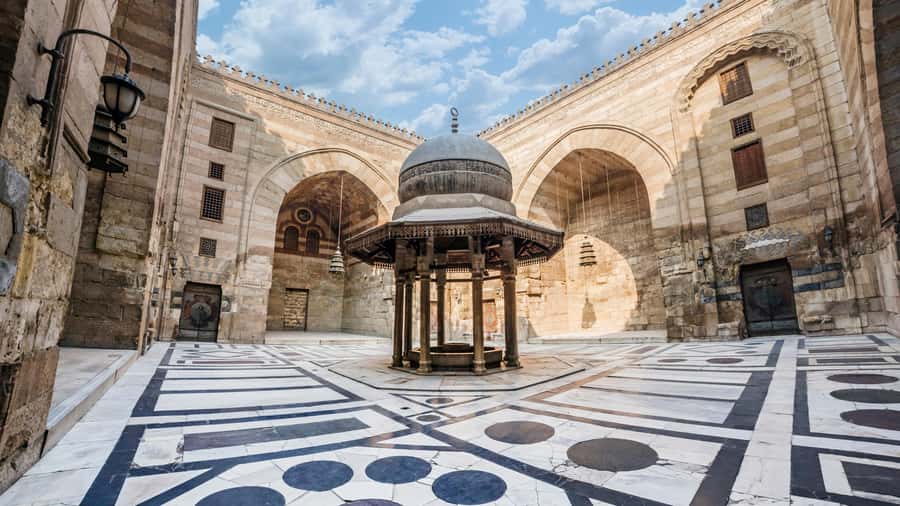
Old Cairo is best understood on foot, one carved doorway, quiet courtyard, and crowded market lane at a time. This tour begins at Bab al-Futuh and follows a compact route through mosques, Ottoman homes, Mamluk monuments, El Moez Street, and Khan el Khalili, with an Egyptologist explaining what you are seeing.
I like the way the tour combines major monuments with everyday Cairo, and I like that the $31 price includes entrance fees, bottled water, snacks, and a proper local meal. Guides such as Randa, Nahed, Ruby, and Ehab have earned especially strong praise for clear explanations, humor, patience, and helping visitors handle the market.
The main catch is the walking. Streets can be rough, there are stairs, traffic may slow hotel pickups, and the schedule can feel full if you want long, quiet visits at every site. This is not a wheelchair-friendly outing, and it is a poor match for large bags or strollers.
The Old Cairo route in one look
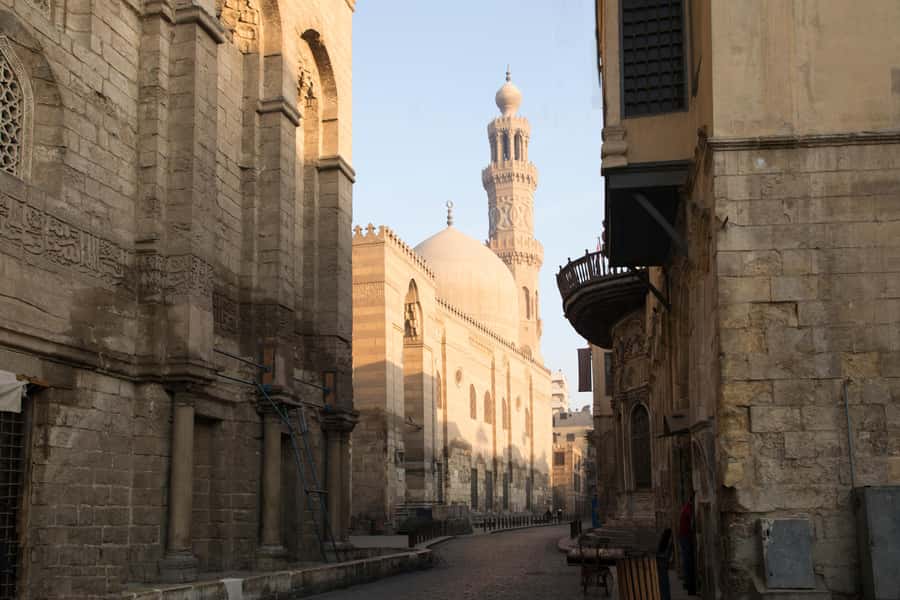
- Bab al-Futuh begins the story: Enter through one of Cairo’s great medieval gates and get your bearings before the walking starts.
- Al-Hakim Mosque offers space and calm: Its courtyard, stone walls, and huge minarets give you an early look at Fatimid Cairo.
- Bayt al-Suhaymi changes the mood: This 17th-century Ottoman house shows how an upper-class Cairo residence worked.
- El Moez Street links the monuments: You walk past old Islamic buildings, cafes, sellers, and daily street life.
- Mamluk Cairo gets its grand moment: Sultan Barquq and the Qalawun Complex pack impressive architecture into a short stretch.
- The tour ends with food and shopping: Khan el Khalili brings spices, jewelry, textiles, bargaining, koshary, Egyptian pie, zalabya, or halabessa.
Starting at Bab al-Futuh
Your meeting point is in front of Bab al-Futuh, unless you book the optional hotel pickup from Cairo or Giza. Arrive on time if you meet there. This is a walking tour, and the guide needs to gather the group before entering the old quarter.
Bab al-Futuh was one of the main gates in Cairo’s old city walls. Its broad stonework and defensive design make a useful opening lesson: Old Cairo was not simply a collection of attractive mosques. It was a planned city, shaped by rulers, trade, faith, defense, and changing neighborhoods.
The guide will usually give you the basic map of the route here. That matters because the streets ahead can feel confusing, especially once you reach the market. Guides such as Nahed and Randa have been praised for keeping groups together and helping people feel at ease around sellers.
If you arrange a pickup, build in extra time for Cairo traffic. One visitor needed help getting back to a hotel for an airport departure, while another reported a late arrival caused by a driver who did not know the roads well. The walking portion is the reliable core of the experience, but vehicle timing deserves some caution.
More Local Culture and Traditions Tours in the world:
- Amsterdam Food and Cultural Tour with Tastings
★ 5.0 · 4,315 reviews - Sevilla Food Tour: Tapas, Wine, History & Traditions
★ 5.0 · 3,468 reviews - Tromsø: Reindeer Camp and Sami Cultural Tour with Lunch
★ 4.7 · 3,326 reviews
Al-Hakim Mosque and Fatimid Cairo
The first substantial stop is Al-Hakim Mosque, one of Cairo’s oldest and largest Fatimid mosques. Allow about 25 minutes here, including the guided explanation and walking.
The mosque is known for its massive minarets, old stone walls, and open courtyard. The courtyard gives you a welcome pause after the busy streets around the gate. It also lets you see the mosque as an architectural whole instead of focusing only on decoration.
Your guide can help separate Fatimid features from the later additions and changes that are common in Cairo’s old religious buildings. That context is useful. Without it, you may notice size and shape but miss how the building fits into the city’s long religious and political story.
This is an active religious site, so dress with care. Wear loose clothing covering your shoulders, arms, legs, and knees. Women should carry a scarf for mosque visits. Shoes should be comfortable and easy to manage during stops.
Bayt al-Suhaymi, a house rather than a mosque
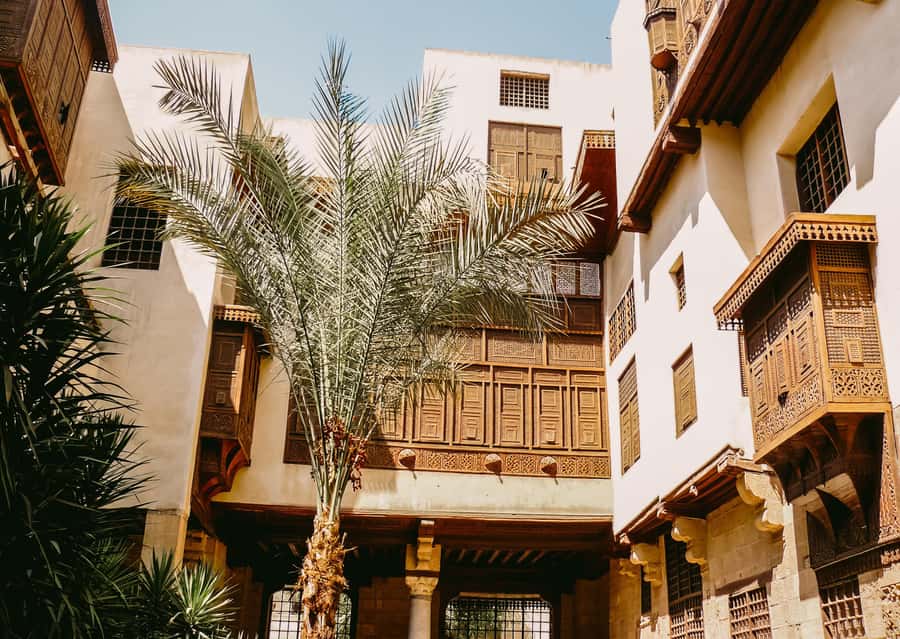
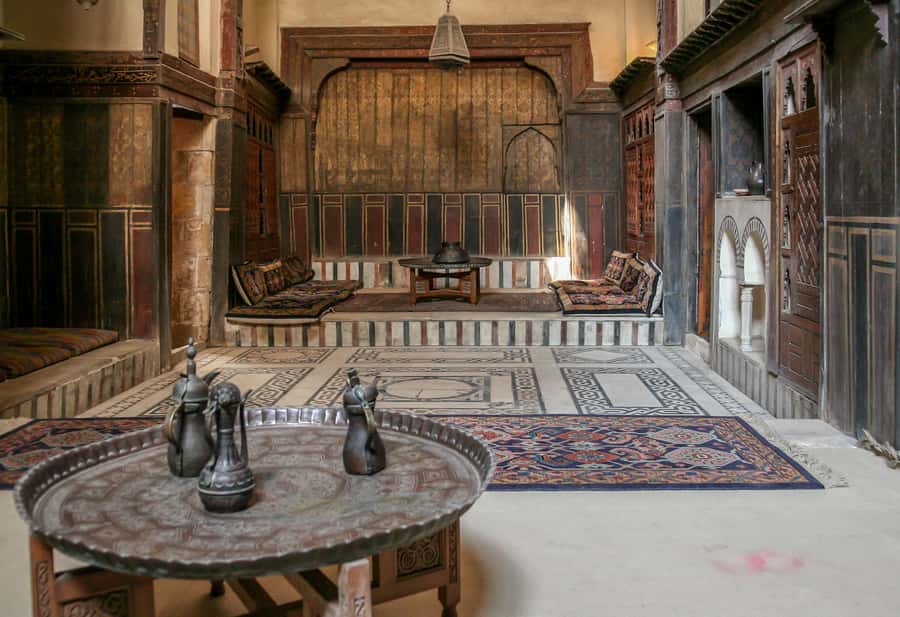
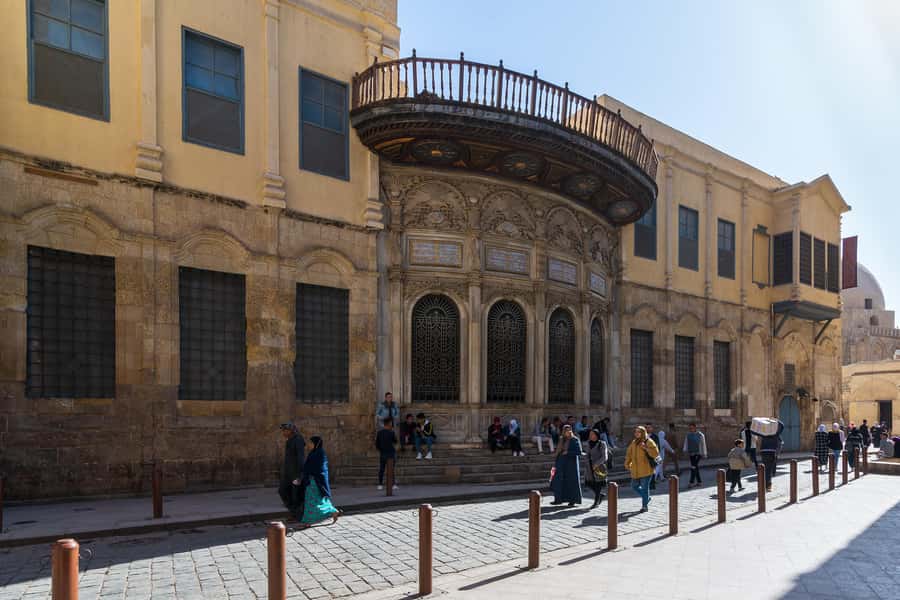
Bayt al-Suhaymi provides one of the tour’s best changes of pace. After the monumental mosque, you enter a 17th-century Ottoman residence and look at Cairo through domestic spaces.
The house includes rooms, a courtyard, and traditional Islamic design details. The guide’s job here is less about listing dates and more about showing how people lived: where a household gathered, how privacy shaped the layout, and why courtyards mattered in a dense city.
I especially like this stop because it keeps the tour from becoming a parade of mosques. Religious buildings show public life and power. Bayt al-Suhaymi gives you a more personal view of Cairo’s past.
The visit is scheduled for roughly 25 minutes. That is enough for a useful introduction, but not enough for a slow architectural study. If you enjoy woodwork, screens, courtyards, and historic homes, you may wish the tour allowed more time here.
Walking El Moez Street
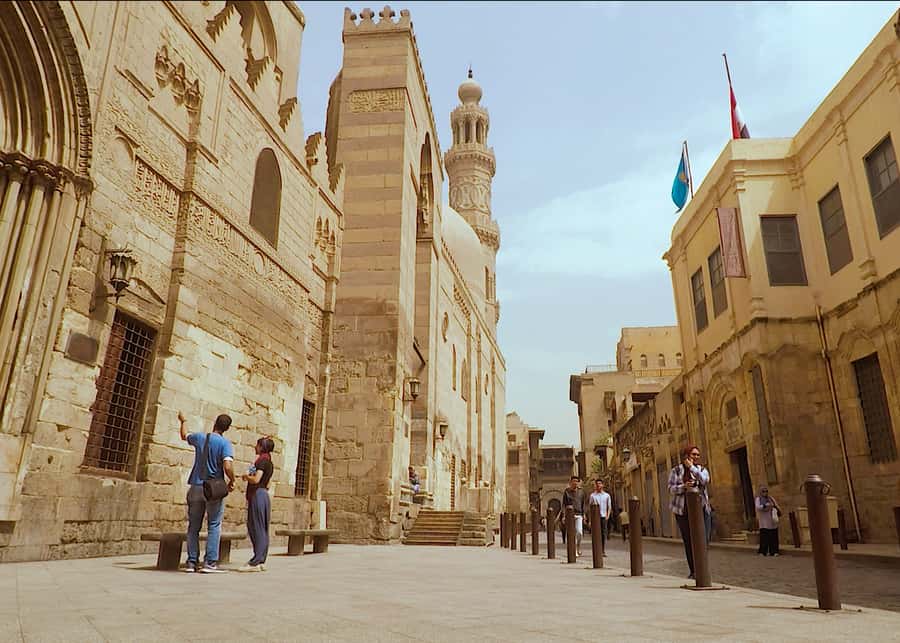
El Moez Street is the connecting thread of the experience. You walk for about 15 minutes, but the street itself is part of the attraction rather than just a path between stops.
The route is lined with centuries-old Islamic architecture, local cafes, vendors, and historic buildings. You will see the old quarter as a living district, not a sealed museum. That is one of the tour’s strongest features: the monuments sit beside ordinary work, shopping, food, and conversation.
This is also where comfortable shoes become essential. The ground can be uneven, and the pace may be affected by people, sellers, and narrow passages. Stay close to your guide, especially if you are photographing buildings or stopping to look at shop displays.
The guides are useful here in practical ways. Randa has been praised for offering advice on market behavior and explaining local customs. Nahed has been praised for helping groups avoid unwanted selling pressure. You should still keep your belongings secure and carry cash only for purchases and personal expenses.
More History Walking Tours in the world:
- History and Hauntings of Salem Guided Walking Tour
★ 5.0 · 14,564 reviews - Lisbon: History, Stories and Lifestyle Walking Tour
★ 4.8 · 10,902 reviews - Boston: Freedom Trail History Small Group Walking Tour
★ 5.0 · 6,450 reviews - Historic Charleston Guided Sightseeing Walking Tour
★ 5.0 · 6,216 reviews
Khan el Khalili, with time to browse
Khan el Khalili is the shopping finale. The official stop is about 15 minutes, which is enough for an introduction and a short look around, but not a full shopping afternoon.
Expect stalls selling spices, jewelry, textiles, souvenirs, and other goods. Bargaining is part of the experience, but you do not need to buy anything. If you do shop, ask the guide where to look and how to judge a fair price. Some guides, including Ruby, have taken visitors to shops considered more reliable and fairly priced.
The market can be tiring if you are not used to close quarters and persistent sales talk. That is not a flaw in the bazaar, but it is part of the setting. If you want uninterrupted browsing, the group schedule may feel restrictive. If you want someone to lead you through the maze and keep the pressure manageable, the guide adds real value.
The market also gives you a direct connection to Cairo’s commercial life. Spices, jewelry, and textiles are not just souvenirs. They show how buying, selling, craft, and tourism overlap in this part of the city.
Sultan Barquq and the Mamluk monuments
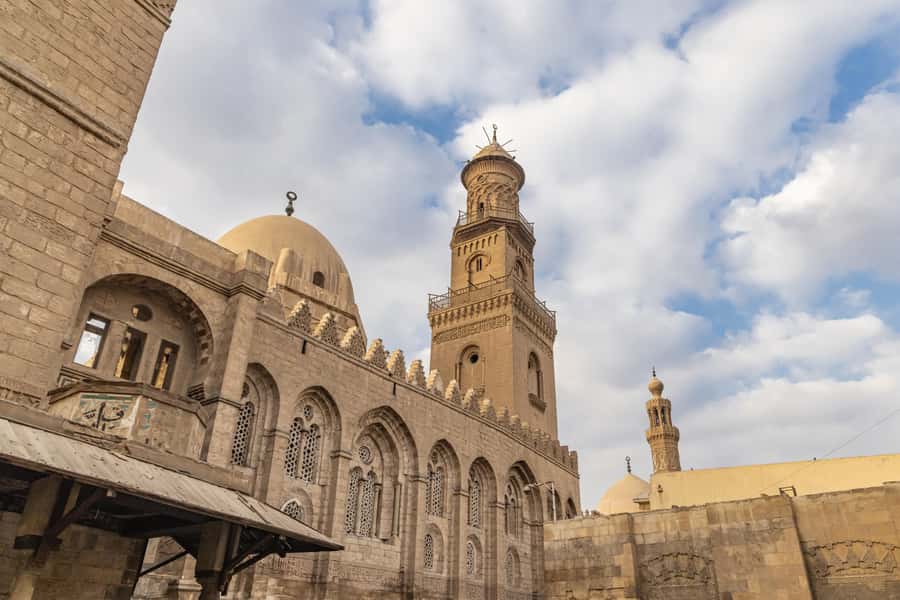
The itinerary next reaches the Mosque and Khanqah of Al-Nasir Faraj Ibn Barquq, followed by the Qalawun Complex. The Barquq stop takes around 20 minutes, and the Qalawun visit around 25 minutes.
Sultan Barquq Mosque is noted for its elaborate Mamluk design. It served as a mosque, madrasa, and Sufi lodge, so the building had several roles beyond daily prayer. Your guide can explain how education, worship, and Sufi practice were tied together in medieval Cairo.
The Qalawun Complex includes a mosque, madrasa, and mausoleum. Its importance is not only visual. It shows how rulers used architecture to support religious institutions, education, memory, and public standing.
These two stops reward careful listening. A quick look at arches, stone, and decoration is easy enough on your own. The guide adds the political and religious background that explains why these complexes were built in this form.
The tradeoff is time. The tour covers a lot of ground in three to four hours, so you should expect focused visits rather than long periods for independent exploration. If you want to study every detail or sit quietly in each courtyard, plan a separate return visit.
Al-Hussein Mosque and the final food stop
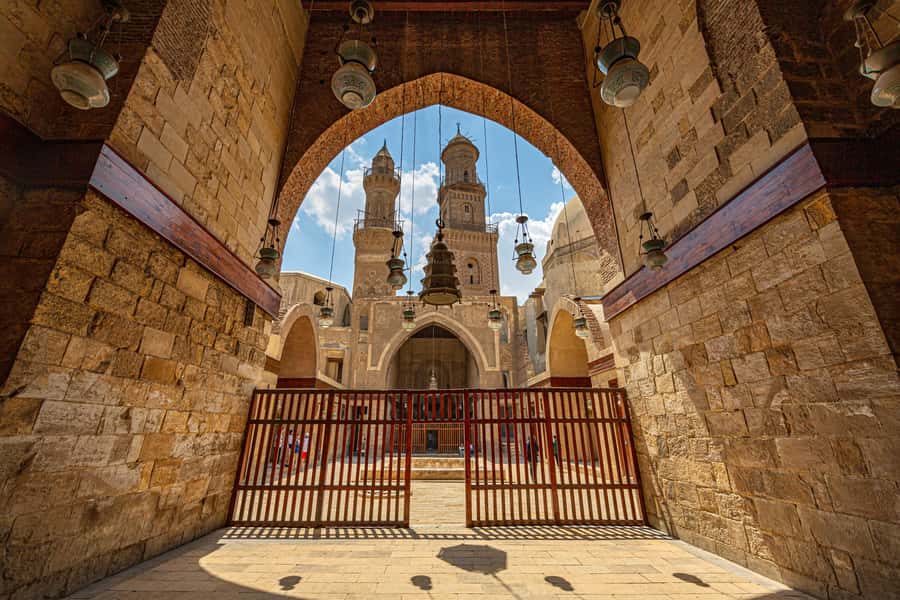
The spiritual part of the walk ends at Al-Hussein Mosque, near the heart of Islamic Cairo. The visit lasts about 20 minutes and offers a quieter moment after the market and street walking.
As with the other religious sites, modest clothing is important. Carry a scarf if needed, and follow the guide’s instructions about entering and moving through the mosque.
Food is included, and this is more than a token snack. Depending on the arrangements, you may receive authentic koshary or Egyptian pie, along with zalabya, halabessa, a traditional drink, or a similar local snack. Several guides have also included a vegetarian option when requested.
Koshary is a filling Egyptian dish, while Egyptian pie offers a different taste and texture. Zalabya is a sweet fried treat, and halabessa is a warm chickpea snack. The exact combination can vary, so do not treat the food choice as a fixed restaurant menu.
Food makes a good ending because it turns the tour from a lesson about Cairo into a small taste of daily life. It also gives you time to sit, ask questions, and compare what you have seen. One practical note: a few people found the break shorter than ideal, so do not expect a long lunch if the route is running on schedule.
What the $31 price really includes
At $31 per person, the tour offers solid value if you want several paid sights and a guide in one package. Entrance fees to the listed attractions are included, along with bottled water, local snacks, street food, service tax, and hotel pickup and drop-off if you choose that option.
The guide is the main reason to book rather than walk the same streets alone. The monuments are easy to find in broad terms, but a good explanation helps you understand the difference between Fatimid, Ottoman, and Mamluk architecture. It also helps with mosque etiquette, market behavior, and navigation.
The guide assigned to you can vary. Names praised for strong English explanations, warmth, humor, and patience include Randa, Nahed, Ruby, Ehab, Dina, Ahmed, Samaa, Bassant, Haisam, and David. That does not guarantee a specific person, but the range of languages is useful: English, French, Spanish, Arabic, and German are offered.
Tipping is not mandatory and is not included. Other personal expenses and purchases are also extra. Carry some cash if you want to shop, buy drinks, or handle small personal costs.
The walking conditions you should expect

This is a genuine walking tour, not a sightseeing ride with short photo stops. The route includes narrow streets, uneven ground, stairs, and time on your feet. One account describes the terrain as demanding, so take that warning seriously if you have knee, balance, or mobility concerns.
Wear walking shoes, not stylish but thin sandals. Bring sunscreen, a hat, and water even though bottled water is provided. Baby strollers, luggage, and large bags are not allowed, and the experience is not suitable for wheelchair users.
The pace can be comfortable for active adults, but the schedule is full. Hotel pickup can add traffic delays before the walk, and the tour sequence may change if a site closes. If you have a flight soon after, avoid booking the tightest possible connection.
Who will get the most from this tour
I would choose this for a first visit to Cairo, especially if you want a clear introduction to Islamic Cairo without working out the route yourself. Solo visitors can benefit from the guide’s navigation and market support, while couples and small groups get a mix of architecture, food, shopping, and local street life.
It also suits people who prefer context over a quick photo stop. The strongest guides make the history easier to follow with stories, humor, and explanations of everyday Egyptian life.
You may want a different plan if you dislike crowds, stairs, bargaining, or fixed group timing. Independent repeat visitors who already know El Moez Street and Khan el Khalili may prefer a slower, self-guided day focused on one or two buildings.
The tour has free cancellation up to 24 hours before the start, and you can reserve now and pay later. That makes it easier to fit into a changing Cairo schedule, though you still need to confirm the starting time and pickup details.
Should you book the Old Cairo Guided Walk?
Book it if you want a compact, well-supported introduction to Islamic Cairo, with entrance fees and local food already covered. The mix of Bab al-Futuh, Al-Hakim Mosque, Bayt al-Suhaymi, El Moez Street, Mamluk monuments, Al-Hussein Mosque, and Khan el Khalili gives you a broad look at the area in three to four hours.
The best reason to go is the guide. Randa, Nahed, Ruby, and several others have been praised for making complicated history clear, handling the market with care, and adjusting when timing gets difficult. The main reason to hesitate is the physical side: rough streets, stairs, a full schedule, and limited time at each stop.
For $31, the tour is a strong value for first-time visitors who want history, architecture, food, and practical help in one half-day. Wear sensible shoes, dress modestly, carry a scarf and some cash, and arrive ready to walk.
FAQ
Where does the Old Cairo tour begin?
The standard meeting point is in front of Bab al-Futuh. Pickup and drop-off can be added from a hotel or selected location within Cairo or Giza city limits.
How long does the tour last?
The tour lasts about three to four hours. Starting times depend on availability.
What food is included?
The experience includes bottled water, local snacks such as zalabya or halabessa, and street food such as authentic koshary or Egyptian pie. Similar local snacks may be offered, and a vegetarian option may be available.
Are entrance fees included?
Yes. Entrance fees to the attractions included in the route are covered in the tour price.
What should I wear?
Wear loose clothing that covers your shoulders, arms, legs, and knees. Women should carry a scarf for religious sites. Comfortable walking shoes are strongly recommended.
Is the tour suitable for wheelchair users or people with strollers?
No. The tour is not suitable for wheelchair users, and baby strollers, luggage, and large bags are not allowed.
Newest history tours we have reviewed in the world
- Bilbao Historical Tour in small group★ 4.7 · 52 reviews
- Bologna: Street Food Tour in the Historic Center★ 4.8 · 125 reviews
- CEBU: Cebu City Heritage and Uphill Guided Tour★ 4.2 · 31 reviews
- Bishkek : City Tour (History, Architects, Statues & Culture)★ 4.9 · 54 reviews
- Blenheim: Omaka Aviation Heritage Centre Admission Ticket★ 4.9 · 31 reviews
- Berlin: Nazi History Walking Tour★ 4.8 · 33 reviews
- Best of Baku: 4-Hour City Tour Historic and Modern Landmarks★ 4.7 · 63 reviews
- Belfast: Best of Belfast History, Culture & Art Walking Tour★ 4.9 · 158 reviews
Local Culture & Traditions Tours, compared.

Amsterdam Food and Cultural Tour with Tastings
Read our review →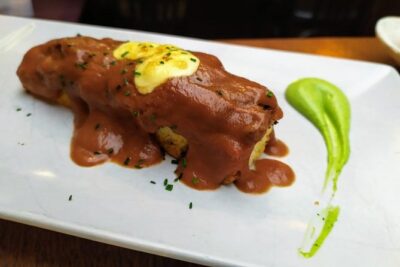
Sevilla Food Tour: Tapas, Wine, History & Traditions
Read our review →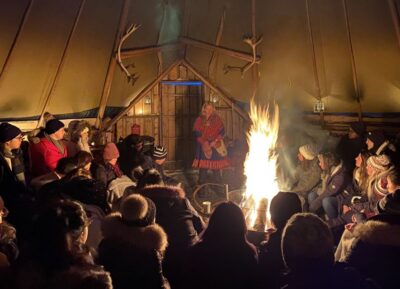
Tromsø: Reindeer Camp and Sami Cultural Tour with Lunch
Read our review →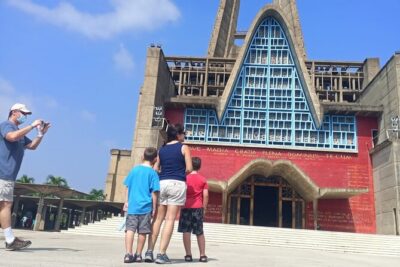
Half Day Dominican Republic Cultural Tour : Small Group
Read our review →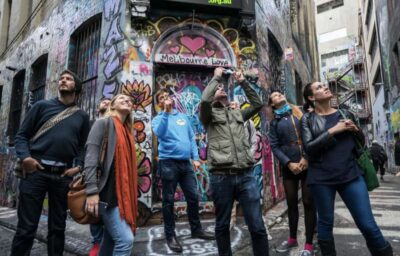
Ultimate Melbourne Walking Tour: History, Laneways & Culture
Read our review →
Tromsø: Sámi Reindeer Sledding and Sami Cultural Tour
Read our review →
Kyoto Gion: 2-Hour Geisha Culture & History Walking Tour
Read our review →
Marrakech Historical and Cultural Tour – Half Day City Tour
Read our review →Browse the lists this tour appears in