
Review · LOCAL CULTURE & TRADITIONS TOURS
Nairobi Walking tour:Explore History Culture and Traditions
Nairobi’s city center makes far more sense when someone connects its monuments, markets, mosques, parks, and government buildings as you walk. This three-hour tour begins at the Carrefour beside the Supreme Court and builds a useful picture of Kenya’s capital, from colonial-era buildings to present-day street life.
I like the friendly, flexible guiding, especially from Edwin, John, Pierre, and Sam, who bring in local culture, politics, food, sports, and daily life. I also like the coffee pause and Uhuru Park break, two small touches that keep a long city walk comfortable.
The main consideration is pace. You cover a lot of ground, and the tour can run close to four hours when the group wants extra conversation. Evening departures may also find some buildings or markets closed, and the KICC helipad costs extra.
Key points to know before you book

- Carrefour beside the Supreme Court: This is the central meeting point after included pickup, with a short safety briefing before you set off.
- A broad CBD route: You see Jamia Mosque, City Market, Jevanjee Garden, the University of Nairobi, Uhuru Park, Holy Family Basilica, KICC, and the Railway Museum.
- Local context, not just photographs: The guides discuss Kenyan culture, traditions, politics, architecture, and how Nairobi has changed.
- Coffee and grass breaks: A café stop gives you a chance to try Kenyan coffee, while Uhuru Park offers a useful pause from the sun.
- Flexible guiding: The pace can adapt to your interests, photography, and need for rest.
- Strong value at $22: The price includes the guide, pickup to the starting point, and entry to McMillan Memorial Library and Uhuru Park, but not food, coffee, personal purchases, or the KICC helipad.
Why this is a good first look at Nairobi
I would put this tour near the start of a Nairobi stay. It gives you a map in your head, introduces the central business district, and helps you see how old institutions and new city life sit side by side.
You are not simply driven past landmarks. You walk between them, which lets you notice street corners, signs, public gardens, religious buildings, and the rhythm of the center. The guides also answer questions about Kenyan life, so the tour can move beyond dates and architectural labels.
Edwin receives especially strong praise for his storytelling and easy humor. John is also named as a careful and engaging guide, while Pierre offers French and can add Swahili language help. Spanish, English, and French are available, which makes this a useful choice if you do not want an English-only tour.
The route is ambitious for three hours. You might spend more time at the places that interest you and less at others, but you should expect a walking tour rather than a series of long indoor visits. Comfortable shoes, water, a hat, and sunscreen matter.
More Local Culture and Traditions Tours in the world:
- Amsterdam Food and Cultural Tour with Tastings
★ 5.0 · 4,315 reviews - Sevilla Food Tour: Tapas, Wine, History & Traditions
★ 5.0 · 3,468 reviews - Tromsø: Reindeer Camp and Sami Cultural Tour with Lunch
★ 4.7 · 3,326 reviews
Starting at the Supreme Court and War Monuments
Pickup is available from the entrance of a hotel, apartment, or hostel within 10 kilometers of Nairobi Municipality. The listed pickup points include central hotels, Westlands, Kilimani, Hurlingham, the airport area, and Jomo Kenyatta International Airport. If your accommodation is not listed, you can send your location by WhatsApp.
The actual city tour begins at the Carrefour entrance beside the Supreme Court. This is a practical meeting point, and the safety briefing takes about 15 minutes. You receive orientation before entering the city streets, an important feature for anyone who does not yet know Nairobi.
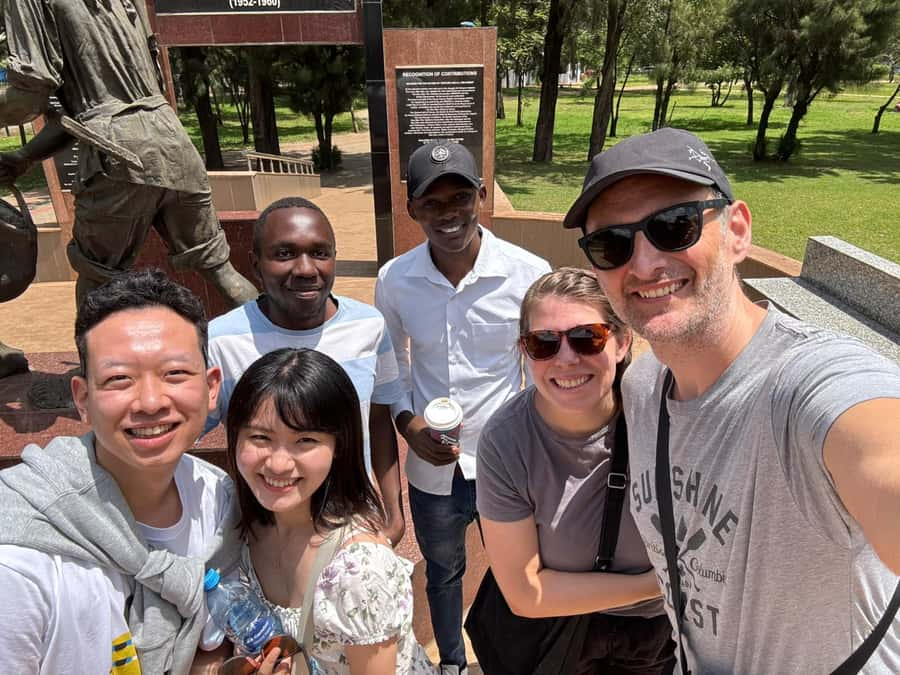
The first monuments introduce Kenya’s public memory. The guide can explain what the war memorials represent and how national events have shaped the capital. I like beginning here because it gives the walk some purpose before you move into shopping streets and parks.
The tour also includes a monastery stop and the McMillan Memorial Library. The library is one of the more distinctive historic buildings on the route, and entry is included. Since indoor access can depend on opening hours and the day’s pace, I would treat this as a valuable stop rather than assume you will spend a long time inside.
Jamia Mosque, City Market, and Jevanjee Garden
Jamia Mosque brings a religious and architectural layer to the walk. The tour includes a visit, but you should dress respectfully and follow the guide’s instructions. The stop works well alongside City Market because both places show how central Nairobi serves different communities and daily needs.
At City Market, you may have time to browse or simply pass through as the group continues. The market gives you a more ordinary view of the city than a formal monument does. It is also one of the places where you should keep personal belongings secure and listen carefully to your guide.
Jevanjee Garden adds a patch of open space to the route. The walk is not only about large buildings. Small public gardens help you understand where people pause, meet, and take a break in the middle of the CBD.
The guide can explain the changes around these sites and answer questions about Kenyan traditions, urban life, and adaptation. That conversation is one of the tour’s best features. You can ask about subjects ranging from food and sports to politics, rather than receiving only a fixed speech.
Kenyan coffee and a welcome pause

A local café stop is planned as a washroom and rest break. Kenyan coffee is optional and is not included in the $22 price, so you can decide how much to spend.
This is a simple but useful part of the outing. A three-hour city walk can feel longer in direct sun, and the café pause breaks up the sightseeing. If coffee is not your thing, the stop still gives you time to use the facilities, drink water, and reset before the parks and major civic buildings.
I would bring your own water even if you plan to buy a drink. Meals and drinks are not included, and the tour does not promise a full meal stop.
More History Walking Tours in the world:
- History and Hauntings of Salem Guided Walking Tour
★ 5.0 · 14,564 reviews - Lisbon: History, Stories and Lifestyle Walking Tour
★ 4.8 · 10,902 reviews - Boston: Freedom Trail History Small Group Walking Tour
★ 5.0 · 6,450 reviews - Historic Charleston Guided Sightseeing Walking Tour
★ 5.0 · 6,216 reviews
University of Nairobi and the Norfolk Hotel
The route continues toward the University of Nairobi, giving you a look at one of the city’s major educational institutions. You also catch a glimpse of the Norfolk Hotel, an established Nairobi landmark associated with the city’s older hotel tradition.
This stretch is useful because it connects education, tourism, and the central city rather than treating each building as an isolated sight. The guide can explain what you are seeing and how these institutions fit into Nairobi today.
Do not expect a formal university tour or a hotel visit. The attraction here is the outside view and the chance to ask questions while walking. If you like architecture and city planning, this section may be more rewarding than a quick photograph suggests.
Uhuru Park and Holy Family Basilica
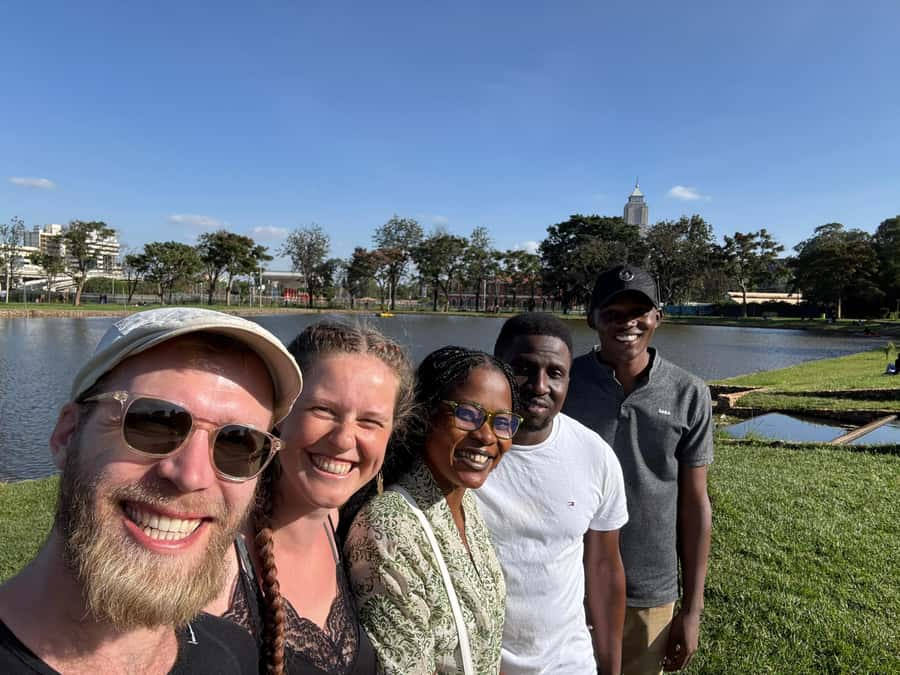
Uhuru Park is one of the most pleasant parts of the route. The tour allows time to walk through the park and relax, and entry is included. Its lawns and greenery offer a clear change from the hard surfaces and traffic of central Nairobi.
I especially like the break here because it makes the whole experience less tiring. One guide may suggest sitting on the grass while you talk, take photographs, or simply get out of the sun. The pace can be adjusted, so tell your guide if you need a longer rest.
The nearby Cathedral Basilica of the Holy Family adds another major landmark. The tour includes a visit, giving you a chance to look at the building and hear about its place in Nairobi’s religious life. As with the mosque and other places of worship, respectful clothing and behavior are sensible.
The route does not present Nairobi as only a business center. Uhuru Park and the basilica show the city through public space, faith, and everyday leisure.
KICC and the city from above
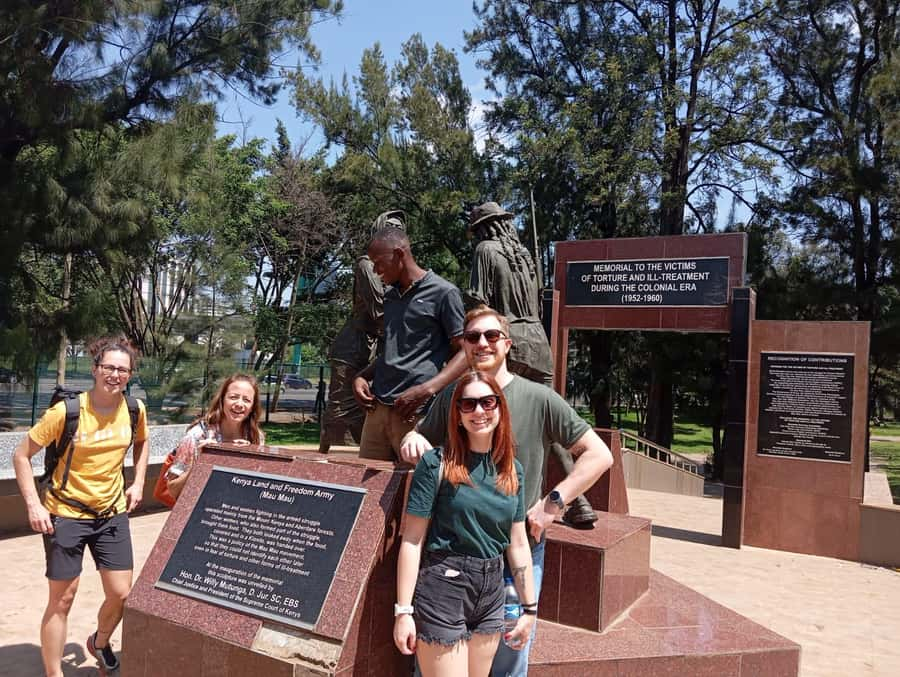
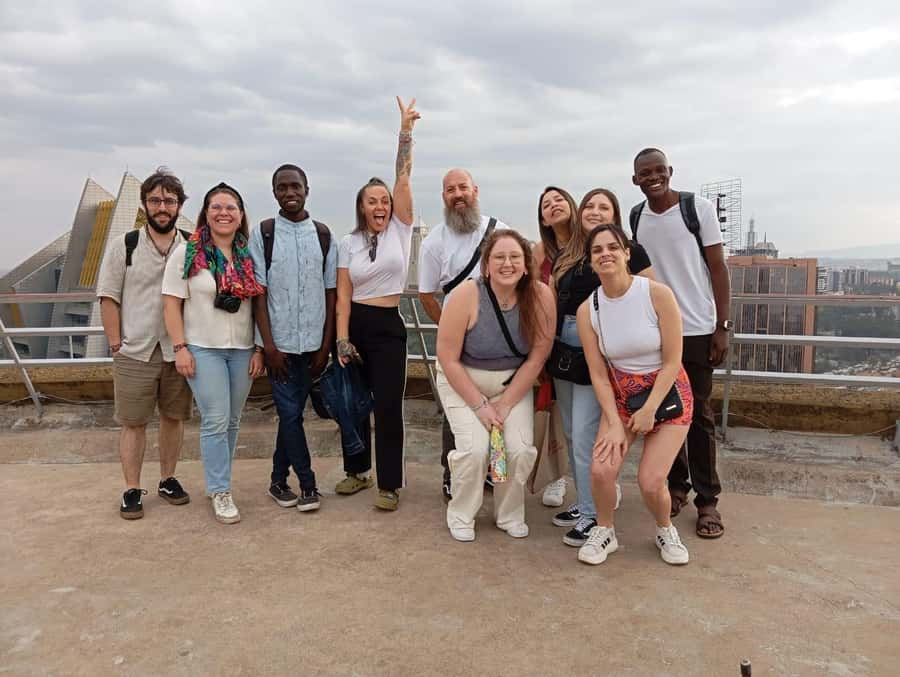
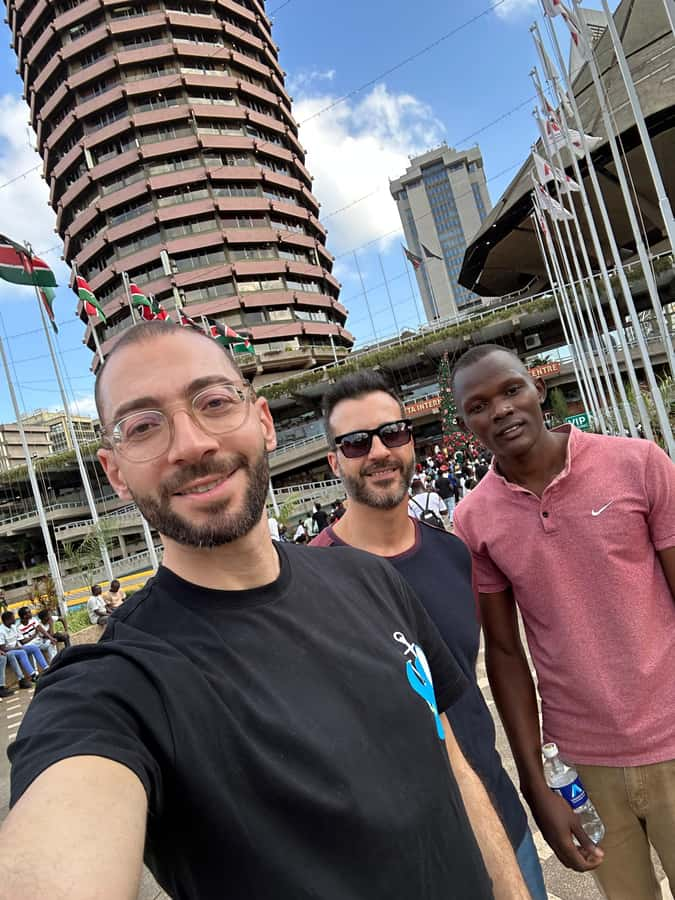
The Kenya International Convention Centre is the tour’s big skyline moment. You visit the KICC and see the surrounding government buildings, with time for photographs and city views.
The optional helipad viewpoint is a major draw, but the fee is not included. Check the current cost when booking or with the guide. If you want the broadest view of central Nairobi, this is the extra most worth considering, provided it is open during your visit.
The KICC stop also helps you understand the scale of Nairobi’s central district. From street level, the city can feel like a sequence of busy blocks. From above, the parks, towers, roads, and government zone make more sense.
Evening tours can work well for photographs and cooler temperatures, but some indoor sights or market activity may be limited later in the day. If seeing every interior matters to you, choose an earlier start and confirm the schedule.
Masai Market and local crafts
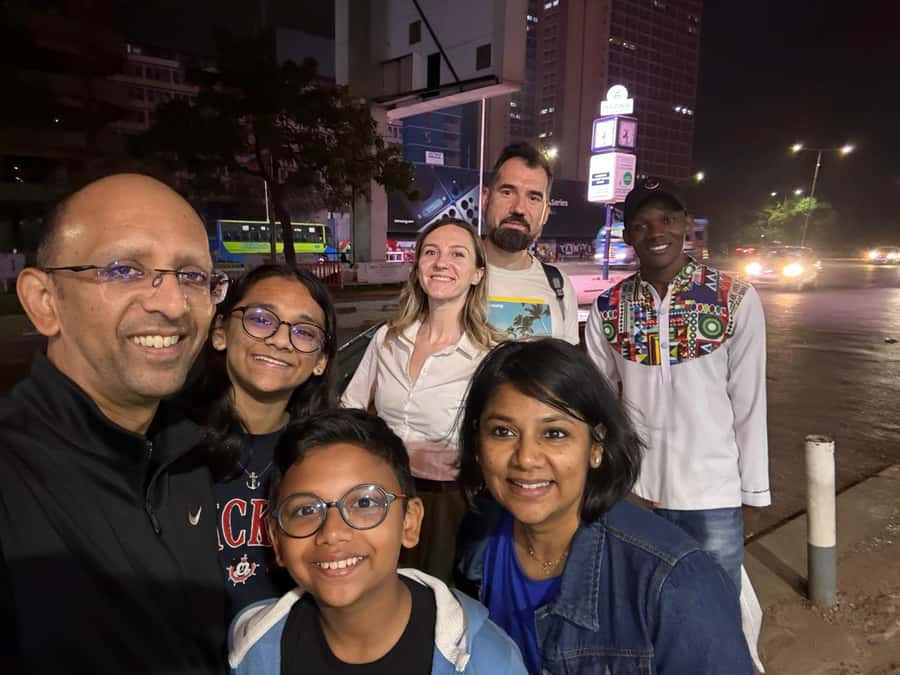
The Masai Market is included as a place to see local crafts and culture. Depending on the day and timing, you may have a chance to shop for souvenirs.
This is where a guide adds practical value. If you want to buy something, ask about fair prices and take your time before committing. A guide can help with negotiation and explain what you are looking at, but personal purchases are your responsibility and are not part of the tour price.
The market can also make the experience feel less polished and more connected to daily commerce. You are seeing products made for sale, meeting sellers, and deciding what has real value to you. Keep your belongings close, especially in crowded areas.
Railway Museum and Bomb Blast Memorial Park

The Kenya Railway Museum gives the tour another historical angle. It connects Nairobi with railway development and the wider growth of Kenya. The stop may be a visit or a pass-by depending on timing, so ask at the start how long the group expects to spend there.
The final memorial stop is Bomb Blast Memorial Park. This is a quiet, serious place, and the tour approaches it as an opportunity to pay respects. It balances the lighter moments of coffee, shopping, and city views with a reminder of painful events.
I appreciate this range. A good city tour should not show only attractive buildings. It should help you understand the events and people that have shaped the place, while still leaving room for curiosity and conversation.
The walking pace, safety, and guide style
The route is designed for people who want to walk through central Nairobi with local direction. Several guides are named for this experience, including Edwin, John, Dennis, Pierre, and Sam, also known as Kayler. Their styles vary, but the most useful qualities are clear explanations, humor, patience, and the ability to answer questions.
Edwin is a particularly strong choice if you want stories about history, politics, local culture, and everyday life. Pierre is useful for French-speaking visitors, while the advertised languages are English, Spanish, and French.
The group may feel like a private or small-group walk at some times. The pace can change with the number of people, the weather, and how many questions you ask. Some outings finish in a little over two hours, while others run close to four hours when the group wants extra stops and conversation.
You should remain alert in the city, as you would anywhere busy. The guide handles directions and helps you feel more comfortable moving between sights, but you still need to look after your phone, wallet, and camera.
The tour is wheelchair accessible, though a walking route through central streets can still involve uneven surfaces and crowded areas. If mobility is a concern, contact the operator before booking so the pace and route can be discussed.
What the $22 price really covers
At $22 per person, this is good value if you want a guided introduction rather than a private car tour. You receive a local guide, pickup to the start within the stated area, access to McMillan Memorial Library and Uhuru Park, and a route that includes many of Nairobi’s main central sights.
The price does not cover meals, drinks, optional coffee, personal shopping, or the KICC helipad. Those exclusions are reasonable, but they mean your final cost depends on how much you buy and whether you choose the elevated viewpoint.
The real value is the context. Seeing the Supreme Court, mosque, market, park, basilica, KICC, and railway museum independently would cost little or nothing in some cases, but you would lose the explanations and the confidence of moving between them. If you have only half a day in Nairobi, that guidance can save time.
Free cancellation up to 24 hours before the tour and the reserve-now-pay-later option also make planning easier. Confirm your pickup location and starting time before the day, especially if you are staying outside the listed central hotels.
Who should book this Nairobi walk
I would recommend it to first-time visitors, solo travelers who want company in the city center, couples, and anyone with a short Nairobi stop. It suits curious people who like asking questions and seeing ordinary city life between major sights.
It is also a good fit if you want to learn about Kenya beyond wildlife parks. The conversation can cover culture, traditions, politics, food, sports, architecture, and local life, depending on your guide and interests.
You may want something else if you dislike walking, want long visits inside museums, or prefer a tightly timed private itinerary. The route covers many places, so no single stop receives the depth of a specialist museum tour. Evening departures can also mean some sites are closed.
Wear walking shoes and light, comfortable clothing. Carry water, a hat, sunscreen, and a small bag that closes securely. Photography is allowed, but always ask before photographing people or entering a religious space.
Should you book it?
Book this tour if you want a practical first introduction to Nairobi, especially at the beginning of your trip. The mix of public landmarks, religious buildings, parks, markets, coffee, and local conversation gives you a much fuller picture than a quick drive through the CBD.
The best reason to book is the guiding. Edwin, John, Pierre, Sam, and the other guides bring the route to life with stories and answers, and the pace can often be shaped around your interests. The main tradeoff is that three hours is a lot of walking and not enough time for extended visits at every stop.
At $22, it is a sensible buy for a half-day overview. Choose an earlier departure if interiors matter most, ask about the KICC helipad fee, and tell the guide when you need a pause. If you want to get your bearings safely while learning how Nairobi works, this is a strong place to start.
FAQ
How long does the Nairobi walking tour last?
The scheduled duration is three hours. Depending on the group size, pace, questions, and stops, the outing may finish a little earlier or continue longer.
What is the meeting point?
The city tour starts at the Carrefour entrance beside the Supreme Court building in Nairobi.
Is hotel pickup included?
Yes. Pickup is available from the entrance of a hotel, apartment, or hostel within 10 kilometers of Nairobi Municipality. If your location is not listed, send it to the operator through WhatsApp.
Which languages are available?
The tour is offered in English, Spanish, and French.
What landmarks are included?
The route includes the War Monuments, McMillan Memorial Library, Jamia Mosque, City Market, Jevanjee Garden, the University of Nairobi, the Norfolk Hotel exterior, Uhuru Park, Holy Family Basilica, KICC, the Masai Market, the Kenya Railway Museum, and Bomb Blast Memorial Park.
Is coffee included in the price?
No. Coffee at the local café is optional and must be paid for separately. The café stop also provides time for a washroom break.
Is the KICC helipad included?
No. The KICC helipad fee is not included in the tour price.
Are meals and drinks included?
No. Meals, drinks, coffee, and personal purchases are not included.
What should I bring?
Wear comfortable walking shoes and bring water, a hat, and sunscreen. You should also be ready for changing weather conditions.
Can I cancel the booking?
You can cancel up to 24 hours in advance for a full refund. The reserve-now-pay-later option is also available.
Newest history tours we have reviewed in the world
- Brewood Village Historical Tour★ 5.0 · 21 reviews
- The History Behind Outlander Tour★ 5.0 · 18 reviews
- El Calafate History Museum Tour★ 4.5 · 32 reviews
- Private Royal Mile walking tour – Discover the history of our most famous street★ 5.0 · 48 reviews
- Thirsty for Edinburgh: Scotlands Best Historical Pub Tour★ 5.0 · 24 reviews
- St Andrews, Fife Coast Walk & Historic Abbey Tour from Edinburgh★ 5.0 · 62 reviews
- Old Town Walking Tour★ 5.0 · 17 reviews
- Edinburgh: History Lovers Old Town Walking Tour★ 5.0 · 216 reviews
Local Culture & Traditions Tours, compared.

Amsterdam Food and Cultural Tour with Tastings
Read our review →
Sevilla Food Tour: Tapas, Wine, History & Traditions
Read our review →
Tromsø: Reindeer Camp and Sami Cultural Tour with Lunch
Read our review →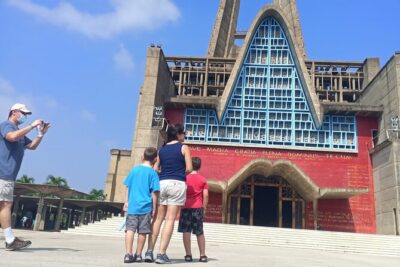
Half Day Dominican Republic Cultural Tour : Small Group
Read our review →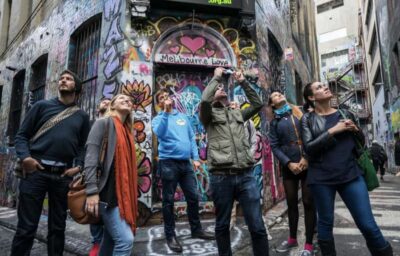
Ultimate Melbourne Walking Tour: History, Laneways & Culture
Read our review →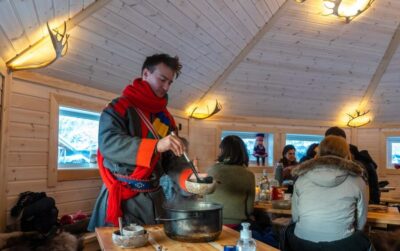
Tromsø: Sámi Reindeer Sledding and Sami Cultural Tour
Read our review →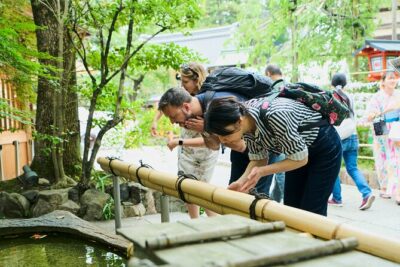
Kyoto Gion: 2-Hour Geisha Culture & History Walking Tour
Read our review →
Marrakech Historical and Cultural Tour – Half Day City Tour
Read our review →Browse the lists this tour appears in