
Review · MEXICO CITY HISTORY TOURS
Mexico City: Queer Mexican History
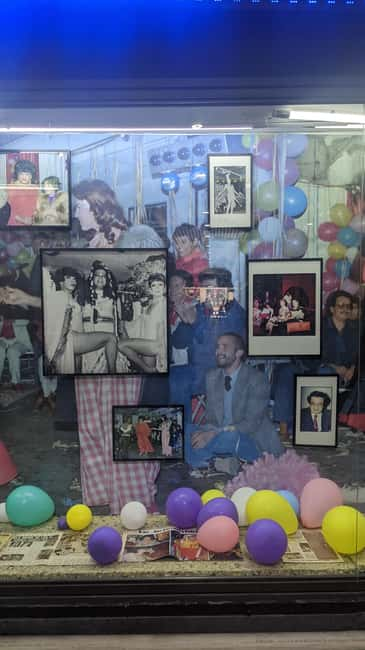
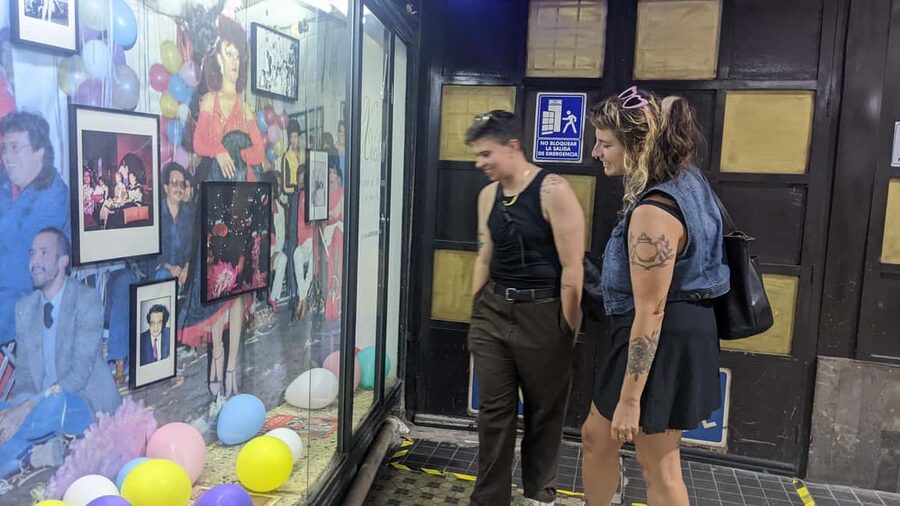
Mexico City’s queer story is not tucked away in a specialist museum. It is spread across the grand plazas, monuments, churches, and streets of the Historic Center. This 150-minute walking tour brings those stories into view, linking important queer figures from Mexico’s past with artists and activists working today.
I like the small group limit of 10, which should make it easier to hear sensitive stories and ask questions. I also like the route itself: Alameda Central, Madero Avenue, Zócalo, and Templo Mayor give you a useful first look at central Mexico City while the guide adds a subject most standard city tours skip.
The main caution is simple: this is a serious walk, not a quick sightseeing loop. You need comfortable shoes, water, sunscreen, and enough time for a full 2 1/2 hours. The advertised duration is 150 minutes, although one booking reported a much shorter tour, so I would confirm the timing before setting your afternoon around it.
Key points at a glance
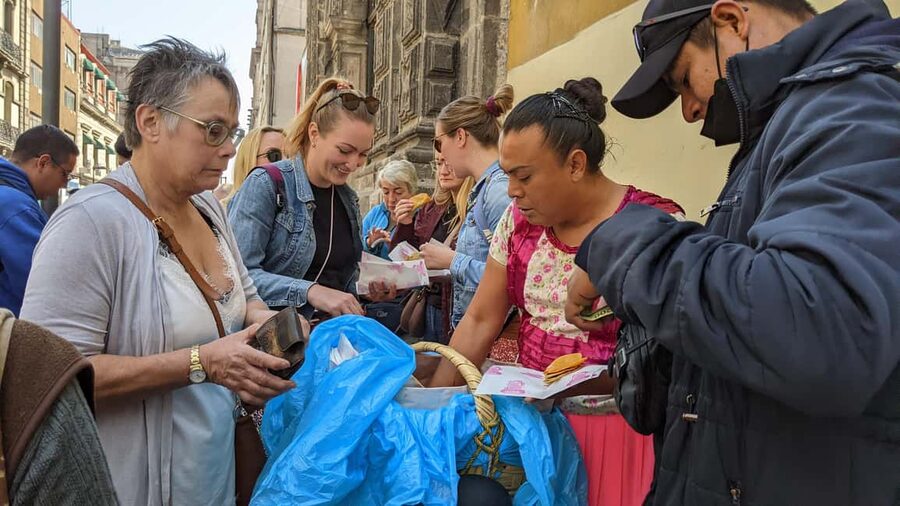
- Queer stories in central Mexico City: Learn how LGBTQ+ people and communities form part of the city’s past, rather than treating queer history as a separate subject.
- A route through major landmarks: Walk from Alameda Central and Hemiciclo a Juárez toward the Palace of Fine Arts, Madero Avenue, Zócalo, and Templo Mayor.
- Past and present together: The discussion includes contemporary queer artists and activists as well as historical figures.
- Guides with a warm approach: Mannu leads the tour, and Ada Narcissa has also guided it. Both English and French are offered.
- Small-group format: The group is limited to 10 people, a helpful size for discussion and personal questions.
- A modest price for a focused subject: At $30 per person, the tour offers two and a half hours of guiding in one of Mexico City’s most important areas.
Starting at Alameda Central with a different city story
Meet your guide near the corner of Hidalgo Avenue and Dr. Mora Street at Alameda Central. The guide is described as carrying a colorful umbrella, a useful marker in a busy part of the city. One listed starting address is Av. Hidalgo 437, and the exact meeting point can vary with the option you book, so check your confirmation carefully.
Alameda Central is a fitting place to begin. It is one of the central city’s best-known public parks, but this tour uses it for more than a quick orientation. You walk through the park for about 35 minutes, using the surrounding monuments and streets as a starting point for a broader discussion of queer Mexican history.
That approach matters. You are not simply ticking off famous buildings while hearing a few disconnected names. The aim is to show that LGBTQ+ people have been part of Mexico’s public, artistic, and political life across different periods. The guide’s job is to connect those lives to places you can actually see.
The tour is offered in English or French. Names that come up in the booking information include Mannu and Ada Narcissa. Mannu is especially associated with the warm, human side of the walk. One recent review described the guide as both friendly and well educated, while another praised Mannu for balancing serious material with humor. That combination is useful here, since the subject can be painful, political, and personal.
More History Tours in Mexico:
- Historic Downtown Walking Tour
★ 5.0 · 1,289 reviews - Historic Center Food Tour in Mexico City
★ 5.0 · 1,263 reviews - Mexico City: Historic Downtown Walking Tour
★ 4.8 · 1,039 reviews
Hemiciclo a Juárez and the first historical threads
The first main stop is the Hemiciclo a Juárez, the white marble monument to Benito Juárez at the southern edge of Alameda Central. Here the tour moves from introduction to its central subject: queer people in Mexican history and the ways their lives have been remembered, hidden, or understood over time.
The supplied details do not provide a full list of historical figures, so you should not book this expecting a fixed roll call of names. The content is designed around remembering important queer people and placing them within Mexico’s wider story. That leaves room for the guide’s presentation and for questions from the group.
I like this kind of beginning because it gives the tour a clear purpose before the walking becomes a parade of landmarks. You are looking at a public monument, then asking who gets represented in Mexican history and who has been left out. That is a more useful question than simply learning the date of a building.
This is also where the subject may feel more serious than a conventional city walk. The tour is described as welcoming and kind, but queer history can include exclusion and struggle. Come ready to listen rather than expecting a light entertainment product.
The Palace of Fine Arts and Mexico City’s creative world
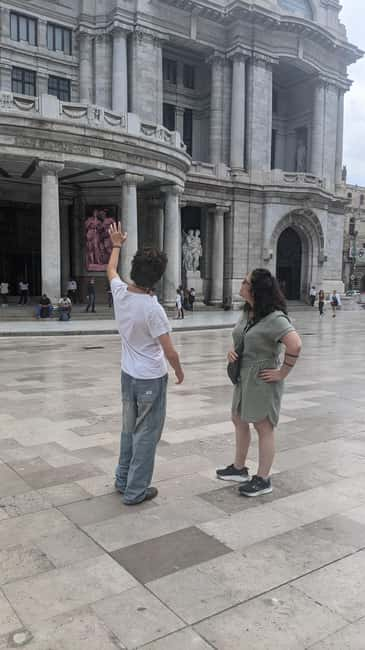
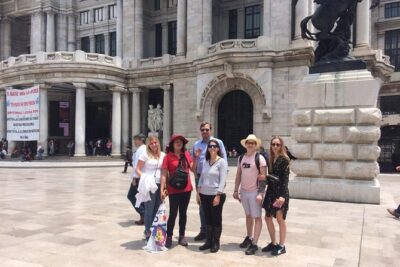
The route continues toward the Palace of Fine Arts, one of the Historic Center’s most recognizable buildings. The stop is listed as about 10 minutes of sightseeing. The focus is not only the building itself, but also the connection between queer identity, culture, and artistic expression in Mexico City.
The tour specifically includes contemporary queer artists and activists. That keeps the discussion from ending in the past. You get a chance to consider how queer people shape the city now, not only how earlier figures lived or were recorded.
For me, this is one of the strongest reasons to choose the walk over a standard monument tour. Mexico City’s art scene is a major part of its public identity, and a queer-focused guide can point out a different set of connections than a general guide might. Still, the details of which artists and activists you discuss are not specified in advance, so ask the guide questions if you have a particular interest.
The Palace of Fine Arts stop is brief. You should think of it as one piece of the conversation rather than a museum visit. There is no indication that admission to the building or a separate interior tour is included. The activity is a walking tour with an English- or French-speaking guide.
Madero Avenue, where the city keeps moving
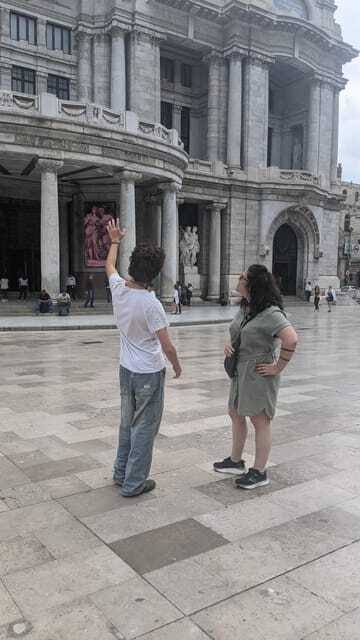
From the area around Alameda and the Palace of Fine Arts, the walk follows Avenida Francisco I. Madero toward the Zócalo. This is the most straightforward sightseeing section of the route, but it is also practical. You get to experience one of the central city’s main pedestrian corridors while the guide keeps the queer history thread going.
The walk takes you through a part of Mexico City where monumental architecture, shopping, public life, and religious buildings sit close together. The tour does not treat queer history as something found only in a dedicated LGBTQ+ venue. Instead, it places that history along an everyday public route.
Expect to be on your feet and moving at a city pace. The listed duration is 150 minutes, and the route includes several walks between stops. Comfortable shoes are essential. Bring water, use sunscreen, and carry an umbrella, especially if the weather is hot or changeable.
A small lunch is recommended before the tour. That is good advice because the activity lasts through a substantial part of the day, but food is not included. You also pay for anything you choose to buy along the way, including souvenirs or snacks.
Same streets, a different century:
- Walking Tour of the Historic Center of Mexico City
★ 5.0 · 870 reviews - Mexico City Historical Centre Food Tour with 7 Authentic Tastings
★ 5.0 · 723 reviews - Historical and Cultural Walking Tour of San Miguel de Allende
★ 5.0 · 641 reviews - Historical and Cultural Walking Tour of San José del Cabo
★ 5.0 · 576 reviews
Zócalo and the wider meaning of public space
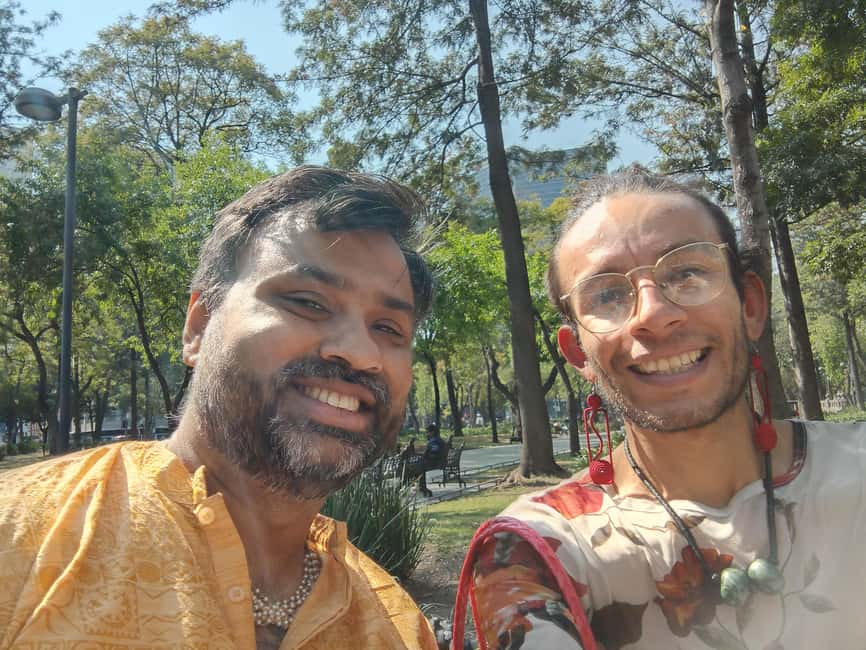
The walk reaches the Zócalo, or Plaza de la Constitución, Mexico City’s vast central square. This is the point where the route’s historical and contemporary themes have plenty of room to meet. The Zócalo is a place of ceremony, protest, public gathering, and national symbolism, so it naturally raises questions about who gets to claim space in the city.
The sightseeing stop here is not described as a formal museum visit or a long architectural lecture. Instead, it forms part of the guided conversation. The value lies in seeing one of Mexico City’s most important public spaces through a queer lens.
You may find this section especially useful if you have already visited the Zócalo on your own. A general visit gives you the cathedral, government buildings, and the scale of the plaza. This tour adds a social and cultural reading that is less likely to appear in a standard introductory walk.
Do keep expectations realistic. The activity is not presented as a political march, nightlife tour, or visit to a series of LGBTQ+ bars. It is a history and culture walk in the Historic Center. Its strength is context, not access to private venues.
Templo Mayor and the final stretch
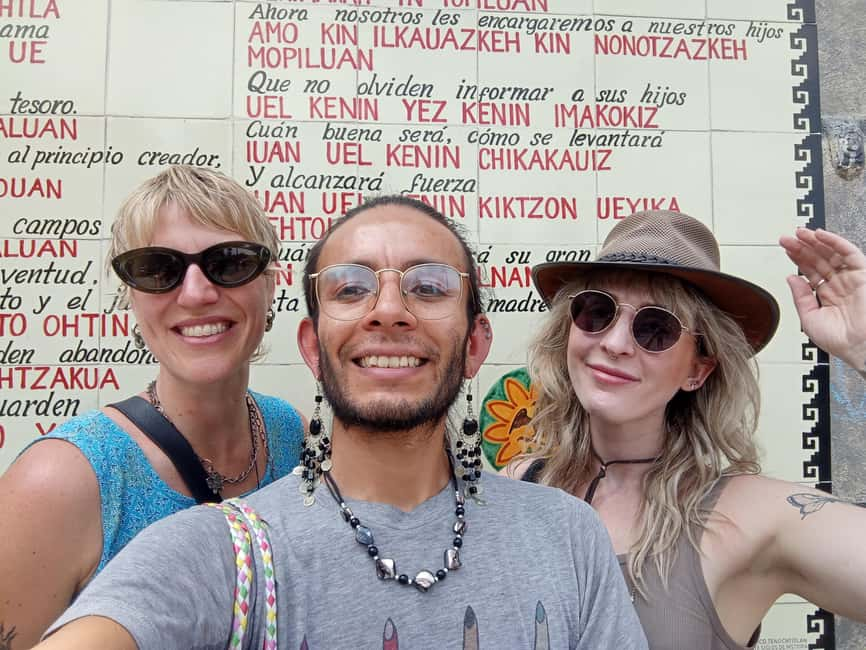
The tour finishes behind the Metropolitan Cathedral, near Templo Mayor. The itinerary also lists Templo Mayor Museum as a sightseeing stop and La Casa de las Sirenas as the finish point. These details suggest that the last part of the walk brings you into the archaeological and colonial heart of the city.
That ending gives the route a strong sense of place. Templo Mayor is a reminder that Mexico City contains several layers of history, and the final discussion can leave you thinking about how queer lives fit within the larger stories told about the capital.
No museum admission is listed as included. Treat the Templo Mayor section as a guided exterior stop unless your booking details say otherwise. If you want to visit the museum itself afterward, allow extra time and check opening information separately.
The finish near La Casa de las Sirenas is useful for continuing into the Historic Center, but the activity details do not provide a transport plan after the walk. You will need to make your own way onward. That is easy enough for an independent visitor who already plans to explore central Mexico City, but less convenient if you have a tight connection or an evening reservation far away.
What the guide adds to the experience
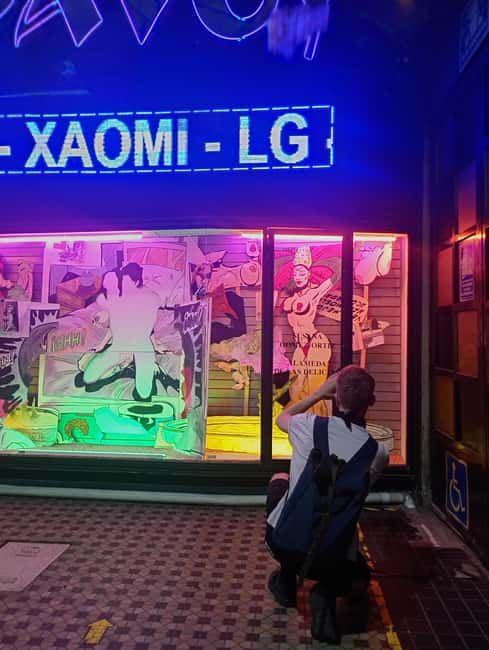
A subject like this depends heavily on presentation. Dates and names matter, but so do tone, care, and the ability to explain complicated issues without turning the walk into a lecture.
The strongest feedback centers on the guides’ warmth. Mannu is praised for being welcoming, kind, and able to handle both the serious and funny sides of the material. Ada Narcissa is also described as friendly and polite, with a style that helped make the city’s queer history clear and personal.
That does not mean the tour will feel identical every time. It is a live walking experience, and the guide can shape the emphasis. French speakers can request a French-language guide, while English is also available. The small group size should help you take part rather than simply follow behind a guide with a flag.
The most enthusiastic reactions describe the tour as life-changing, human, and unusually clear. Those are strong words, but they point to a real benefit: you are likely to leave with a new way of reading familiar places. Just remember that the tour’s value comes from the guide’s storytelling and interpretation, not from entering a long list of attractions.
Is $30 a fair price?
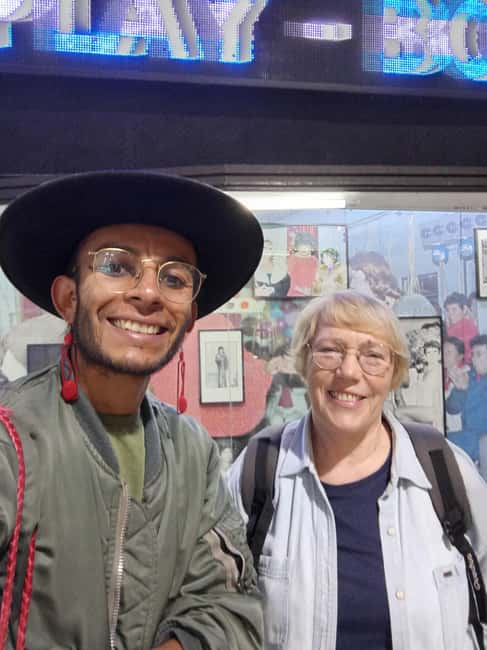
At $30 per person, the price is reasonable for a 150-minute guided walk in central Mexico City, especially with a group capped at 10 people. You are paying for a focused subject, a live guide, and a route that covers several major areas rather than for admissions, food, or transport.
The value is best if queer Mexican history is a central reason you want to take the tour. If you only want a quick overview of the Historic Center, a free self-guided walk may cover the major buildings more cheaply. This activity earns its price through its angle and discussion.
The booking terms also allow cancellation up to 24 hours before the start for a full refund, and you can reserve now and pay later. Those options help if your Mexico City schedule is still shifting. They do not change the need to confirm the meeting point and advertised duration.
One note deserves attention. The activity is listed as 150 minutes, and several detailed comments describe spending roughly two and a half hours with the guide. One customer reported that the tour lasted only 30 minutes. That is a clear mismatch. I would confirm the start time, route, and expected length with the provider before booking, particularly if you are planning another tour afterward.
Who should take this walk?
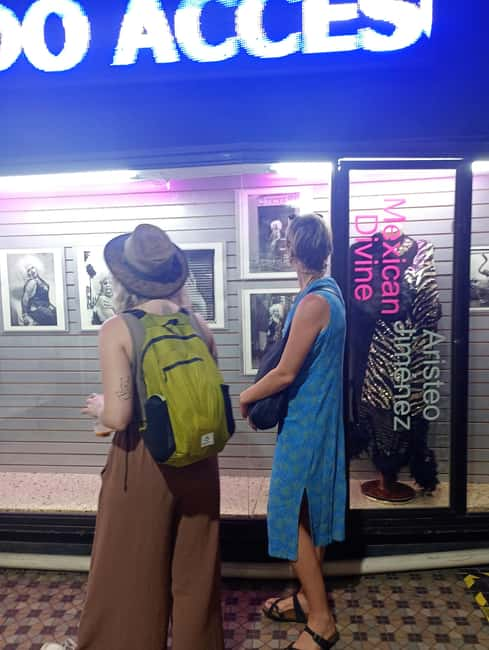
I would recommend it to queer visitors looking for a focused introduction to Mexico City’s LGBTQ+ past and present. It also suits allies, history fans, art lovers, and anyone who wants to understand the Historic Center beyond its most famous buildings.
The tour may be a good fit if you like conversation and interpretation more than a rapid list of facts. The group size supports questions, and the subject gives you plenty to discuss with the guide.
It is not suitable for children under 11. It is also a poor match if you dislike walking, need frequent seated stops, or want a food-based or nightlife-focused queer tour. There is no meal included, and no special transport is provided between sights.
Plan your clothing with the basics in mind: shoes you can walk in, water, sunscreen, and an umbrella. Keep the day flexible enough for two and a half hours. Littering is not allowed, and normal care for the public spaces along the route is expected.
Should you book it?
Book this tour if you want Mexico City’s famous center explained through queer lives, art, activism, and public memory. The combination of Alameda Central, the Zócalo, and Templo Mayor gives you a solid city walk, while the guides bring a subject that standard sightseeing often leaves out.
I would be more cautious if your main goal is interior access to museums or monuments, since admission is not included and the walk is primarily outdoors. I would also confirm the duration because of the one short-tour report.
For $30, a small group, and a guide such as Mannu or Ada Narcissa, this is a worthwhile choice for visitors who want a more personal and less conventional reading of Mexico City’s Historic Center.
FAQ
Where does the Queer Mexican History tour start?
The tour starts at Alameda Central, near the corner of Hidalgo Avenue and Dr. Mora Street. One listed address is Av. Hidalgo 437, and the meeting point may vary by booking option, so check your confirmation.
How long does the tour last?
The advertised duration is 150 minutes, or two and a half hours. One booking reported a much shorter 30-minute tour, so confirm the expected duration with the provider before you go.
What language is the tour offered in?
The tour is offered in English and French. It includes a live guide.
How large is the group?
The tour is a small-group activity limited to 10 participants.
What places does the walking route visit?
The route includes Alameda Central, Hemiciclo a Juárez, the Palace of Fine Arts, Avenida Francisco I. Madero, Zócalo, and the area around Templo Mayor. It finishes near La Casa de las Sirenas.
Is food included?
No. Food and souvenirs are not included. A small lunch is recommended before the walk, and you should bring water.
Is the tour suitable for children?
The tour is not suitable for children under 11 years old.
Newest history tours we have reviewed in Mexico
- Private Half Day Cultural Tour to Mayan Ruins and Cenote★ 4.5 · 31 reviews
- Otoch Mayan Experience Tour: Cultural & Historical Adventure★ 3.5 · 18 reviews
- Experience Cozumel Historical Center Mayan and Beach Experience★ 5.0 · 20 reviews
- Colima Volcano Cultural Tour: Coffee Plantation, Hacienda and Comala Magic Town★ 5.0 · 30 reviews
- Private Tour in Chichen Itza Official History Guide★ 5.0 · 36 reviews
- 5 Days Mayan Heritage History Tour★ 4.5 · 31 reviews
- Calakmul Ancient Maya City Tour – From Campeche★ 4.5 · 24 reviews
- Calakmul Ancient Maya City Tour From Xpujil★ 4.5 · 38 reviews
Mexico City History Tours, compared.

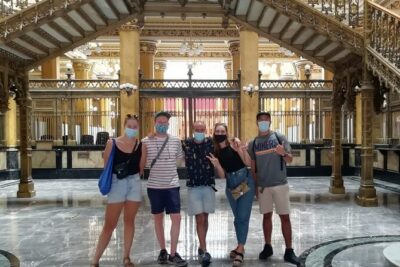

Mexico City Historical Centre Food Tour with 7 Authentic Tastings
Read our review →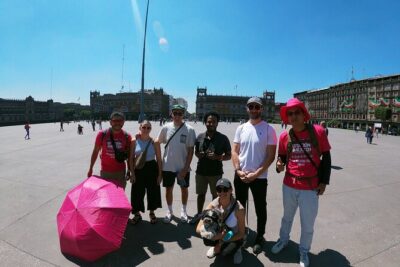
Walking Tour in Mexico City for Exploring their Cultural Heritage
Read our review →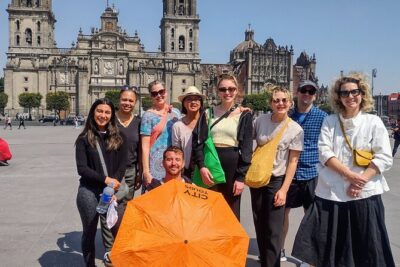
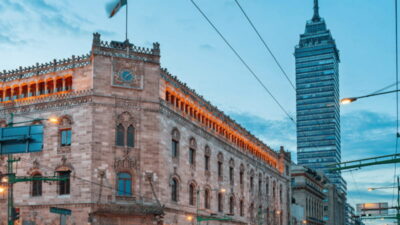
Guided walking tour through the most historic parts of the city.
Read our review →Browse the lists this tour appears in