
Review · USA HISTORY TOURS
Los Angeles: Downtown History & Architecture Walking Tour
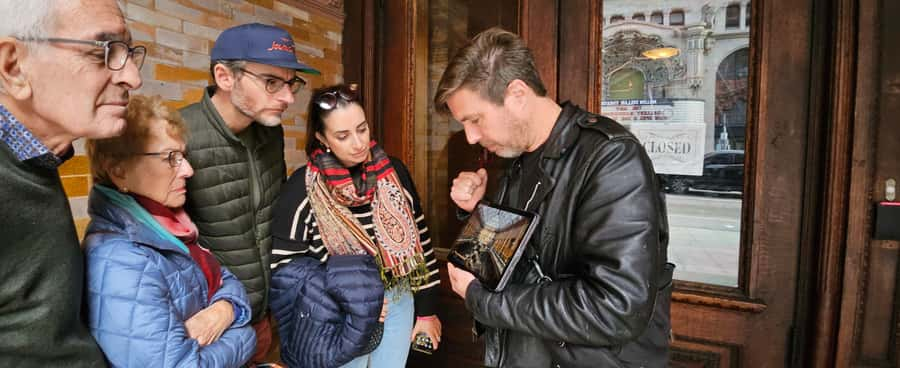
Downtown Los Angeles reveals its best stories at walking speed. This 150-minute tour links movie palaces, Bunker Hill, Broadway, and striking architecture with the people and politics that shaped the city. I like the guide’s Belgian and international viewpoint, and I like the conversational format, which lets you ask about buildings, public space, or the future of DTLA as you go.
The main drawback is physical: this is a serious city walk, with limited suitability for anyone with mobility problems. The route also covers a lot of ground, so wear proper shoes and expect the tour to run longer than the advertised time on some days.
Key points to know before you book
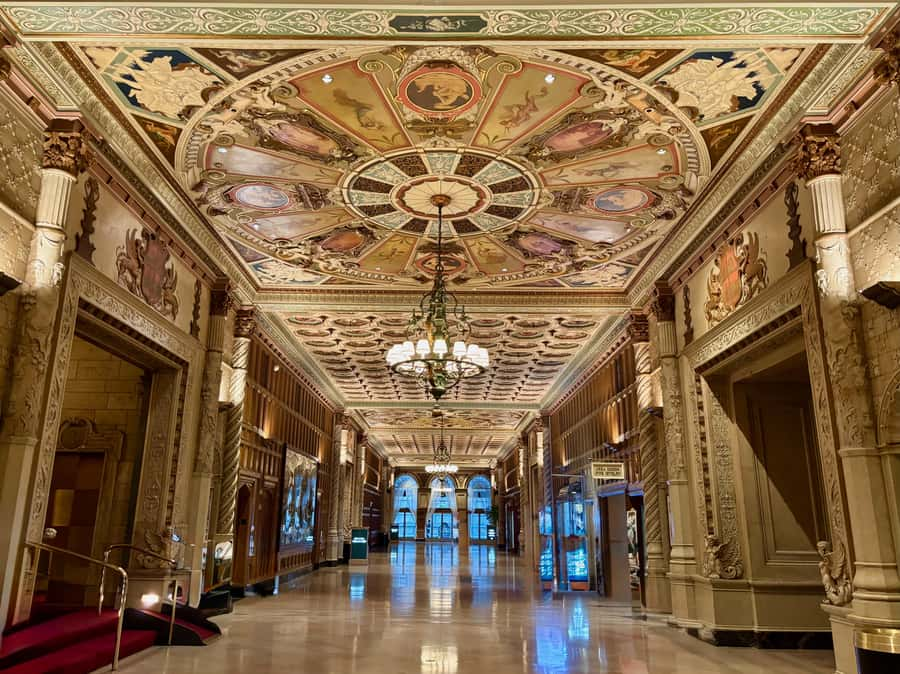
- Architecture with a story: See Art Deco, Beaux-Arts, and Modernist design rather than simply passing old buildings.
- A guide with a cross-cultural viewpoint: Mark, a Belgian-born DTLA resident, connects Los Angeles with cities and ideas around the world.
- Movie history is part of the route: Broadway’s theater district recalls the era of Chaplin, Hollywood glamour, and grand movie palaces.
- Two strong photo stops: The Bradbury Building and the Last Bookstore give you some of the tour’s most memorable interiors and street scenes.
- A discussion, not a speech: Your questions can shape the conversation around politics, urban design, culture, and daily city life.
- Easy public transit access: The starting area is near the 7th Street Metro station, with meeting options near the Central Library or Grand Central Market.
Why this DTLA walk is different
Many Los Angeles sightseeing tours focus on movie stars, studio lots, or polished neighborhoods. This one takes you into the city center, where the story is less tidy and far more revealing. You see grand commercial buildings, old theaters, modern redevelopment, public transit, bookstores, markets, and streets that have changed purpose several times.
I like that the tour treats architecture as evidence. A facade can show you who had money, what a city valued, and how Los Angeles wanted to present itself in an earlier age. The guide also connects those buildings to wider questions: Who gets access to public space? Why do some districts decline and later return? How do politics and transport shape city design?
Mark brings a European point of view to these questions. That matters in Los Angeles, a city often described through freeways, suburbs, and film. His perspective helps you compare the city with places where older buildings, compact centers, and public transit play a larger role in everyday life.
The tone is social and open-ended. You are not expected to stand silently while someone recites dates. If you want to ask about a theater, a building style, a famous filming location, or the future of downtown, there is room for that conversation.
More History Walking Tours in the USA
- History and Hauntings of Salem Guided Walking Tour
★ 5.0 · 14,564 reviews - Boston: Freedom Trail History Small Group Walking Tour
★ 5.0 · 6,450 reviews - Historic Charleston Guided Sightseeing Walking Tour
★ 5.0 · 6,216 reviews
Starting near the Central Library and Grand Central Market
You can begin near the Los Angeles Central Library or at the Grand Central Market parking garage, depending on the option you choose. The Central Library is beside the 7th Street Metro station, which makes this one of the easier downtown tours to reach without a car.
The exact meeting point matters in DTLA. This is a spread-out center, and a few blocks can make a difference when you are arriving by train, on foot, or from a nearby hotel. Check the location attached to your booking before setting out. Hotel Per La, Autograph Collection, and the Central Library are listed as possible end points.
Allow a little extra time to arrive. The walk begins in a part of town where several sights compete for your attention, and you do not want to start by rushing through a parking garage or crossing unfamiliar streets.
Bunker Hill and the shape of modern Los Angeles
Bunker Hill gives the tour an important opening theme: Los Angeles is a city built in layers. The area was once associated with affluent residences, then changed as downtown grew and modern redevelopment took hold.
You will look at how older parts of the city were altered, replaced, or folded into new plans. This is useful context because DTLA can feel like a collection of unrelated buildings at first glance. The guide helps you read the connections between them.
The conversation may move from architecture to public policy and city life. That is one of the tour’s strengths. You are not just hearing that a neighborhood changed. You are considering why it changed and what those decisions mean for people who live and work there now.
Do not expect a museum-style presentation of Bunker Hill. The value is in seeing the district as an active urban area, where past planning choices still affect the streets around you.
Angels Flight and the city’s vertical history
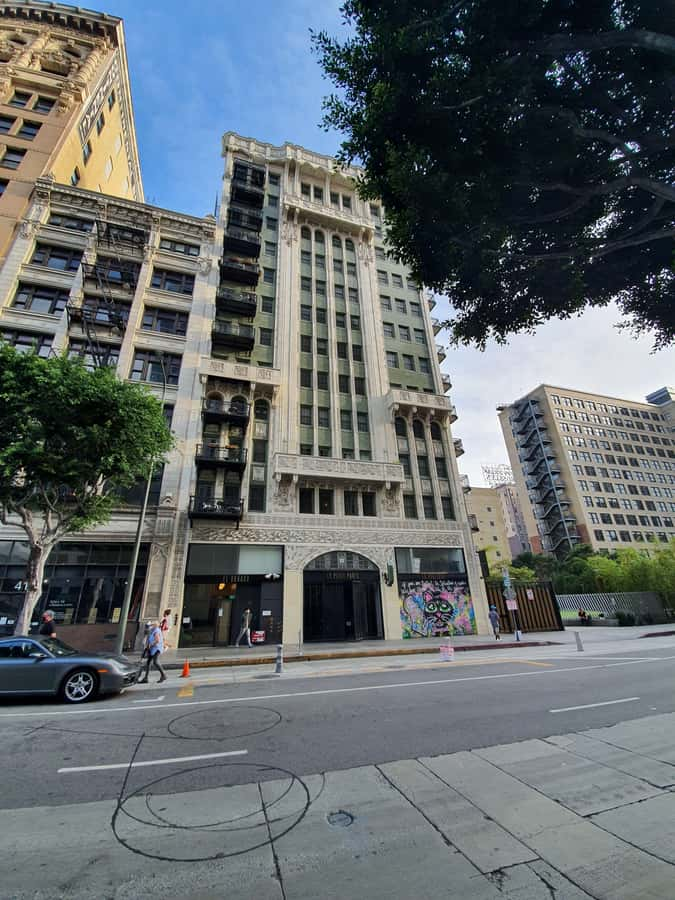
Angels Flight Railway adds a compact but memorable stop. This short funicular is closely tied to Bunker Hill and gives the tour a physical way to discuss the city’s slopes, neighborhoods, and changing transport needs.
Even if you are mainly interested in buildings, Angels Flight helps explain why this part of downtown developed as it did. Los Angeles is often imagined as flat and car-dependent, but this small railway points to an older city with different movement patterns.
The stop is also useful for photographs. It offers a distinctly local subject, rather than another generic downtown street view. Your guide discusses the site as part of the area’s history, not simply as a quick photo opportunity.
More Architecture and Landmark Tours in the USA:
- Chicago in a Day: Food, History & Architecture Walking Tour
★ 5.0 · 1,153 reviews - Historic Charleston Walking Tour: Rainbow Row, Churches, and More
★ 5.0 · 691 reviews - Charleston’s Best Highlights: History, Culture & Architecture
★ 5.0 · 422 reviews - Charleston: History and Architecture Guided Walking Tour
★ 4.8 · 349 reviews
Grand Central Market and downtown at street level
Grand Central Market brings the tour down from the level of facades and skyline views to daily city life. You spend about 10 minutes here, walking through a place where food, commerce, and public activity meet.
I appreciate this part of the route because architecture makes more sense when you see how people use a building. A market is not only a historic structure or a popular stop. It is a working public place, and it helps you think about who downtown is designed for.
The market can also be a practical orientation point. If you are building your own DTLA day, you may want to return here for food after the tour. The walk itself is not presented as a meal experience, so bring water and plan separately if you want to eat.
Broadway and the old movie palace district
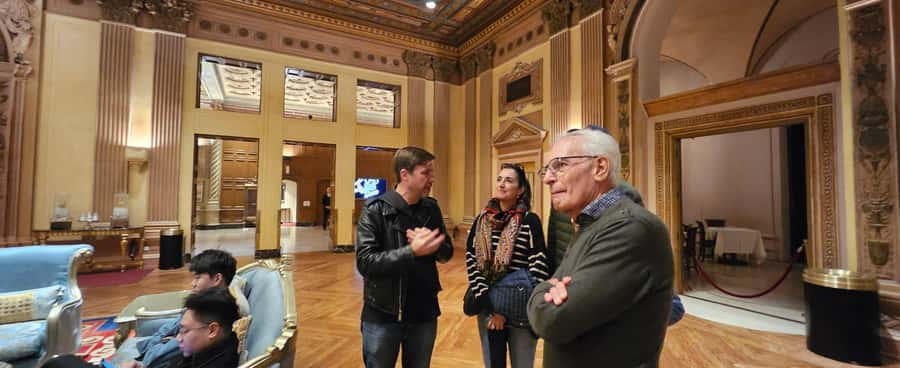
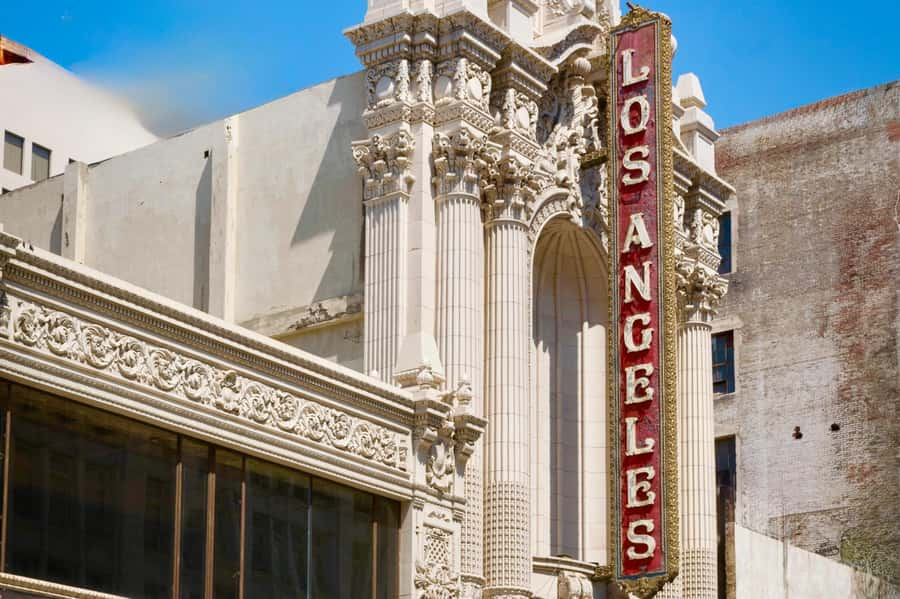
Broadway is where Los Angeles’s commercial and film histories meet. The district has one of the world’s highest concentrations of movie palaces, and the tour uses those theaters to explain the glamour and ambition of the city’s past.
You will see grand facades and hear how the district functioned as a major business and entertainment center. The buildings recall the era when going to the movies was a formal outing, not a quick visit to a multiplex. That setting also connects to the stories of actors and public figures associated with Los Angeles, including Chaplin and other figures from the city’s cinematic past.
The guide’s film knowledge adds a useful layer. Stops can connect the streets and buildings with the way Los Angeles has presented itself on screen. The tour also points toward the modern use of downtown locations, including links to figures such as JFK, Michael Jackson, Taylor Swift, and Jisoo.
That does not turn the walk into a celebrity hunt. The film references work best as entry points into the city’s identity. You learn why certain streets look familiar and how entertainment helped shape the public image of Los Angeles.
The district is also a reminder that downtown has not followed one straight path. Its buildings carry traces of prosperity, decline, preservation, and renewed interest. You see beauty, but you also see the marks of changing business patterns.
The Bradbury Building and close-up architectural detail
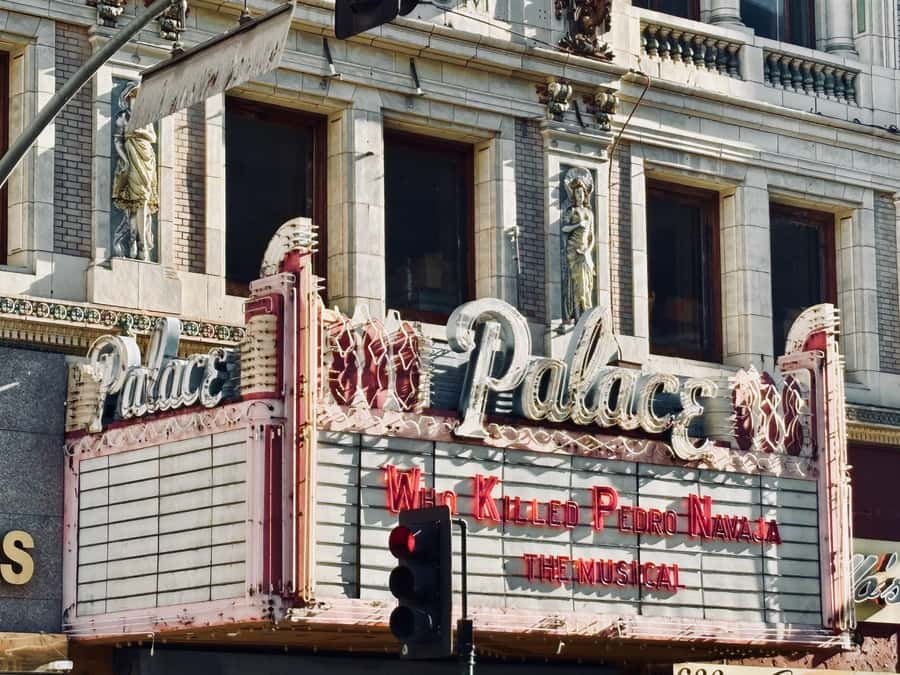
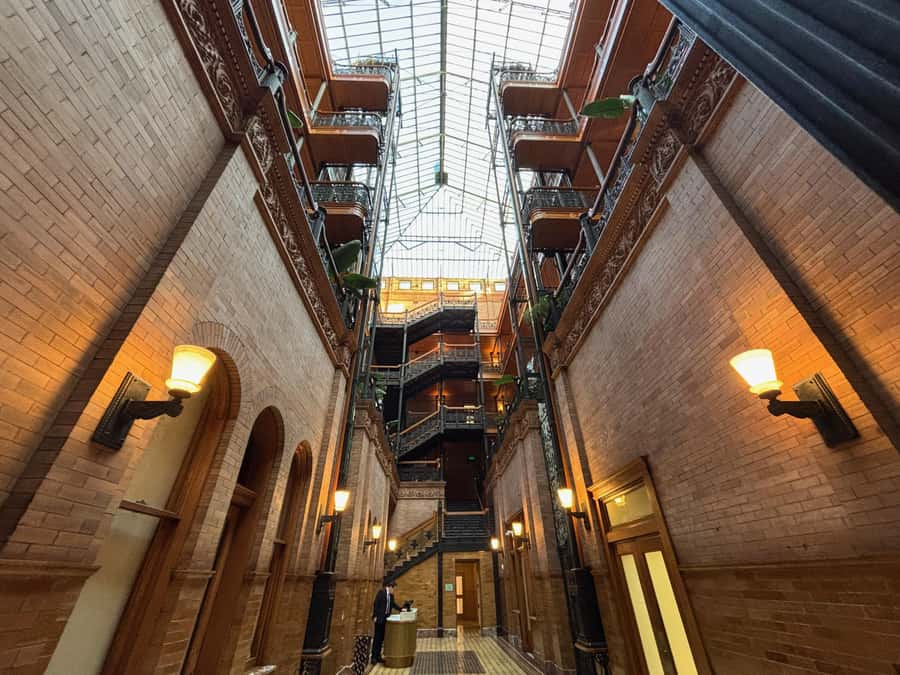
The Bradbury Building is likely to be one of the tour’s visual high points. You spend about 20 minutes here, enough time to look rather than simply step inside and leave.
Its detailed interior gives you a clear contrast with the broad streets and large theater facades. The tour explains the building’s architectural character and its place in Los Angeles’s movie history. Bring your camera, since this is one of the strongest places on the route for photographs.
I particularly like stops such as this because they reward close attention. Look at the stairways, ironwork, light, and repeating patterns. Even if you are not an architecture specialist, you can see how materials and structure create a mood.
The building’s film connections also help explain why it feels familiar. It has appeared in screen culture, including the world associated with Blade Runner. The tour does not rely only on that connection, though. The design itself is the reason to stop.
Access to interior areas can sometimes depend on building rules or conditions at the time of your visit, so keep expectations practical. The supplied tour details promise a visit and guided discussion, but they do not promise access to every part of the building.
The Last Bookstore and DTLA’s creative present
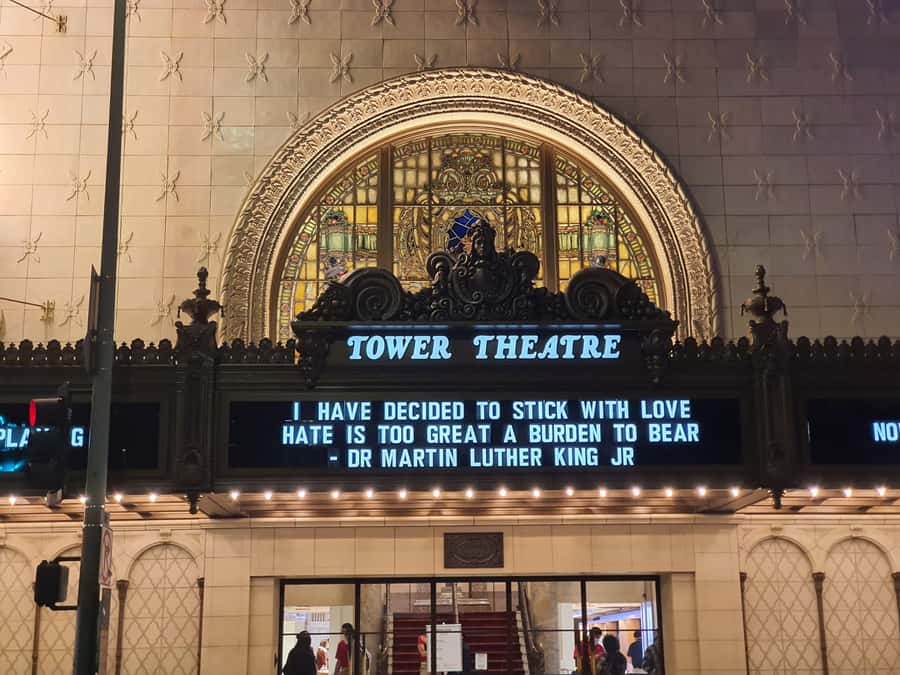
The Last Bookstore provides a sharp change of mood. You spend around 20 minutes here, exploring one of downtown’s best-known creative spaces and considering how the Historic Core has gained new life.
The bookstore is more than a retail stop. Its unusual design and literary atmosphere show how older commercial space can support new uses. It also gives the tour a contemporary counterpoint to the old theaters and historic facades.
I like the balance here. If the walk focused only on preservation, DTLA might seem frozen in the past. The Last Bookstore shows a present-day downtown shaped by books, art, visitors, and independent culture.
You will want your camera at this stop too. The interior is especially suited to photographs, though you should remain aware that it is a working bookstore. Keep your visit respectful and follow any posted rules.
The Revitalized Historic Core
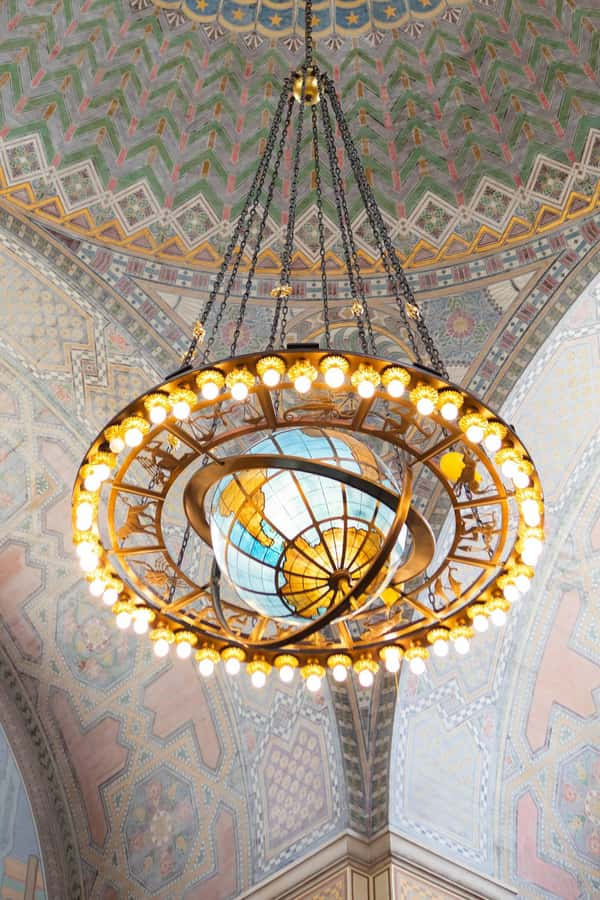
After the major stops, the walk continues through parts of the Historic Core and surrounding downtown streets. Some stops last about 10 minutes, and others are viewed from outside as you move along.
This stretch is where the tour’s themes come together. You see older storefronts alongside newer uses, and you consider how downtown is changing without losing every trace of its earlier identity. The guide discusses the forces behind redevelopment and the role of culture in bringing people back to central neighborhoods.
The route does not pretend that revitalization solves every urban problem. That is another reason the conversational format works. You can ask about housing, public space, transit, street life, and the political choices behind redevelopment.
You should also expect the city as it is, not as a polished theme park. Downtown can feel intense and uneven from block to block. If you want an edited version of Los Angeles, this is not the right outing. If you want a better sense of how the city actually works, that texture is useful.
How much does the $30 price buy you?
At $30 per person, this tour offers good value if you want interpretation rather than a simple orientation walk. The price covers a guided downtown experience lasting roughly two and a half hours, with several major stops and time for questions.
The value rises if you are interested in architecture, city planning, film history, or Los Angeles beyond the usual Hollywood circuit. An architect or design student may find the discussion especially rewarding, but you do not need specialist knowledge to enjoy it. The guide explains social factors behind buildings in accessible terms.
The cost is less compelling if you plan to rush from one photo stop to another. You are paying for context, conversation, and connections between places. The tour is not designed as a hop-on, hop-off checklist.
The guide may spend longer than 150 minutes when the group is engaged. That can be a benefit, but do not schedule a tight appointment immediately afterward. Margaret’s experience suggests the walk can run over the stated duration, so leave a buffer.
Who will get the most from this walk?
I would choose this tour if you:
- Want to understand downtown rather than only photograph it
- Enjoy architecture, movie history, and urban design
- Prefer a small, interactive conversation to a fixed speech
- Are visiting Los Angeles for the first time and want a city-center introduction
- Already live in Southern California but have overlooked DTLA
- Appreciate comparisons between American and European city life
It is also a good fit for repeat visitors who have seen Hollywood and Santa Monica but want a different side of Los Angeles. One local couple found that even growing up in California did not prepare them for how much they could learn from the walk.
I would think twice if you have limited walking ability, use a wheelchair, or are bringing a child under six. The experience is specifically not suitable for people with mobility impairments, wheelchair users, or children under six.
Practical advice for a comfortable afternoon
Wear comfortable shoes. The route includes regular walking between stops, and downtown pavement is not the place for flimsy footwear.
Bring water, sunscreen, a hat, and a camera. Los Angeles sunshine can make a long city walk feel warmer than expected, and the tour information advises checking the forecast before you leave.
The tour is offered in English and French. A private group option is available, which may suit you if you want a more personal discussion or have a particular interest in architecture, film, or planning.
You can cancel up to 24 hours in advance for a full refund, and you can reserve now while paying later. Starting times depend on availability, so check the schedule before building the rest of your day.
Should you book the DTLA architecture tour?
Book it if you want Los Angeles explained through its buildings, streets, movie connections, and public life. The strongest parts are the Bradbury Building, Broadway’s theater district, the Last Bookstore, and Mark’s ability to connect local details with a wider view of cities.
Skip it if you want a short, effortless sightseeing loop or if walking is difficult. For everyone else, $30 is a fair price for a thoughtful introduction to downtown, especially when you leave room for the guide’s questions and extra stories. The best way to approach it is with curiosity and comfortable shoes.
FAQ
How long does the Downtown Los Angeles walking tour last?
The scheduled duration is 150 minutes, or two and a half hours. The walk may last longer when the group spends extra time discussing the sights.
How much does the tour cost?
The price is $30 per person.
Where does the tour begin?
The available starting points are the Grand Central Market parking garage and the Los Angeles Central Library. The exact meeting point depends on the option you book.
Where does the tour finish?
The listed drop-off points are the Central Library and Hotel Per La, Autograph Collection.
Which sights are included?
The route includes Downtown Los Angeles, Angels Flight Railway, Grand Central Market, the Bradbury Building, the Last Bookstore, Broadway and the Theater District, Bunker Hill, and the Historic Core.
Is the Bradbury Building part of the guided visit?
Yes. The Bradbury Building is a guided stop lasting about 20 minutes.
How much time is spent at the Last Bookstore?
The visit to the Last Bookstore lasts about 20 minutes.
What languages are available?
The live guide is available in English and French.
Is the tour suitable for wheelchair users?
No. The experience is not suitable for wheelchair users or people with mobility impairments.
Can I cancel for a refund?
Yes. You can cancel up to 24 hours in advance for a full refund. A reserve-now, pay-later option is also available.
Newest history tours we have reviewed in the USA
- Self Guided Detroit’s Spirit and History Solo Walking Tour★ 4.5 · 41 reviews
- Best Downtown Detroit Historical Walking Tour★ 5.0 · 56 reviews
- Detroit’s Hidden History Guided Walking Tour★ 5.0 · 48 reviews
- Private Nightlife Tour in Denver: Culture, History, and Cocktails★ 5.0 · 48 reviews
- Historical Walking Tour Of Denver With A Haunting Twist★ 5.0 · 19 reviews
- Tip Based: Capitol Hill History & Ghost Tour★ 5.0 · 34 reviews
- Denver – Capitol Hill Guided Walking Ghost / History Tour★ 4.5 · 75 reviews
- JFK Historical Tour★ 5.0 · 22 reviews
Architecture & Landmark Tours, compared.
St. Mark’s Basilica Guided Tour & VR History Intro
Read our review →
Venice’s Best: Basilica, Doge’s Palace, Gondola & History Gallery
Read our review →
Córdoba: Skip-the-Line Great Mosque-Cathedral History Tour
Read our review →
Pantheon Elite Guided Tour – Rome’s Iconic Ancient Temple
Read our review →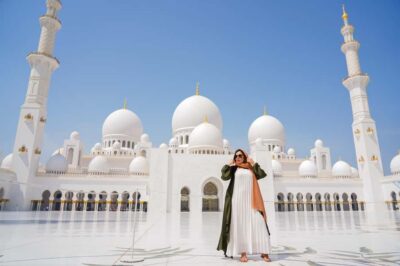
Abu Dhabi Grand Mosque, Palace, and Heritage Village
Read our review →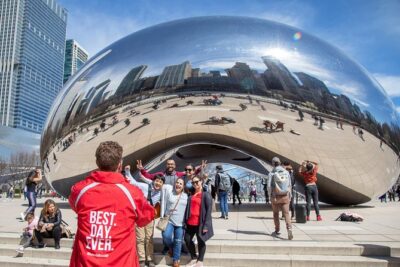
Chicago in a Day: Food, History & Architecture Walking Tour
Read our review →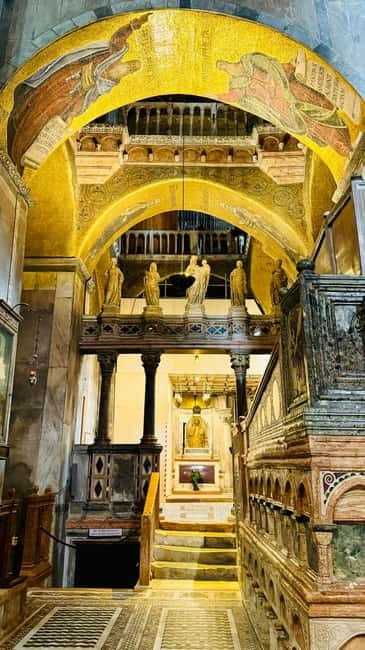
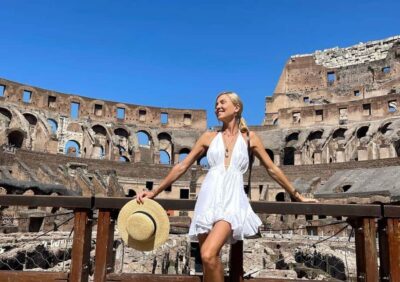
Colosseum Special Access Tour, with Ancient Temples & Tombs
Read our review →Browse the lists this tour appears in