Review · LISBON HISTORY TOURS
Lisbon: Jewish History Private Tour
Lisbon’s Jewish story is not laid out in one tidy museum. It is scattered through steep lanes, old walls, squares, archaeological remains, and clues that are easy to miss. This private tour brings those fragments together, from Alfama’s former Jewish quarters to the 1506 massacre memorial and the Carmo archaeological collection. The best part is the historical context, which links Jewish life in Lisbon to Renaissance scholarship, the Inquisition, secret religious practice, and World War II refuge.
I like the private format, especially for a subject that can raise detailed questions and personal connections. I also like the use of a vehicle between neighborhoods, since Lisbon’s hills can make a four-hour walking tour tiring. The main consideration is that little physical evidence remains in some areas, so this is more a story-led tour than a parade of intact Jewish buildings.
Key points at a glance
- See Lisbon from Senhora do Monte: Begin high above the city, with a clear view of the old quarters and major monuments.
- Trace Jewish Lisbon through Alfama: Walk streets linked to former Jewish neighborhoods, including the area once called Small Jerusalem.
- Connect history to surviving evidence: Visit the Money Museum, Carmo archaeological collection, and the 1506 Jewish Massacre Memorial.
- Hear the difficult chapters: The tour covers forced conversion, Crypto Judaism, the Portuguese Inquisition, and the destruction caused by the 1755 earthquake.
- Travel privately with a specialist guide: Daniel, Diogo, and Vasco are among the guides praised for clear explanations, patience, and flexibility.
- Plan around museum closures: The Money Museum is closed Monday and Tuesday, while the Carmo Archaeological Museum cannot be visited Sunday.
Why Lisbon’s Jewish story needs a guided tour
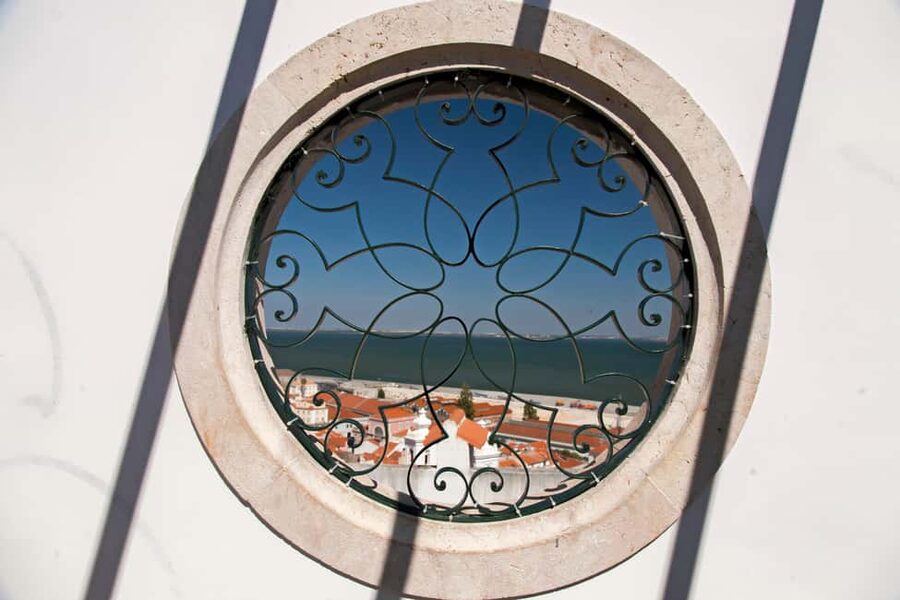
The Jewish presence in Lisbon reaches back many centuries, but the city does not offer a single obvious Jewish quarter to explore today. Earthquakes, redevelopment, religious persecution, forced conversion, and the passage of time have altered the old neighborhoods.
That is why a guide matters here. You are not simply looking for a synagogue or a row of marked buildings. You are learning how to read the city itself: its street pattern, old walls, place names, archaeological remains, and memorials.
The tour presents Lisbon’s Sephardic community as part of a sophisticated society that included intellectuals, mathematicians, and cabalists during the Renaissance. It also explains how Jewish families contributed to Portugal while facing growing pressure from the crown and church.
I would choose this experience if you want the Jewish story placed inside Lisbon’s wider political and cultural past. It is not limited to religious history. You hear about language, family influence, commerce, scholarship, forced conversion, war, and the modern effort to remember what happened.
More Jewish Heritage Tours in Portugal
- Lisbon Jewish Heritage and History – Private Tour Van
★ 5.0 · 294 reviews - Lisbon: Jewish History Tour of Lisbon
★ 4.8 · 84 reviews - Lisbon: Jewish History in Portugal Guided Walking Tour
★ 4.6 · 52 reviews
Starting above the city at Senhora do Monte
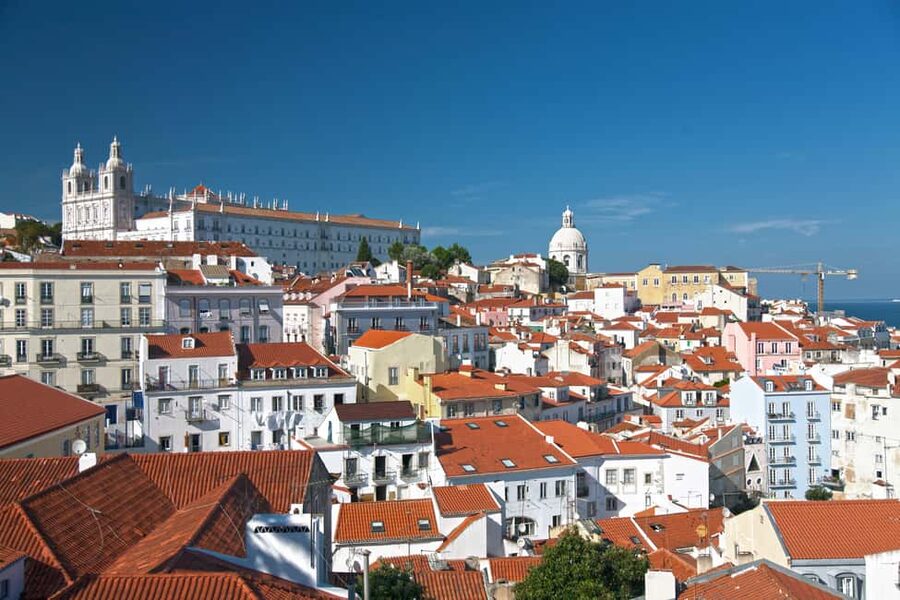
The tour begins at Miradouro da Senhora do Monte, one of Lisbon’s high viewpoints. You spend about 20 minutes here with the guide, looking across the old neighborhoods and monuments below.
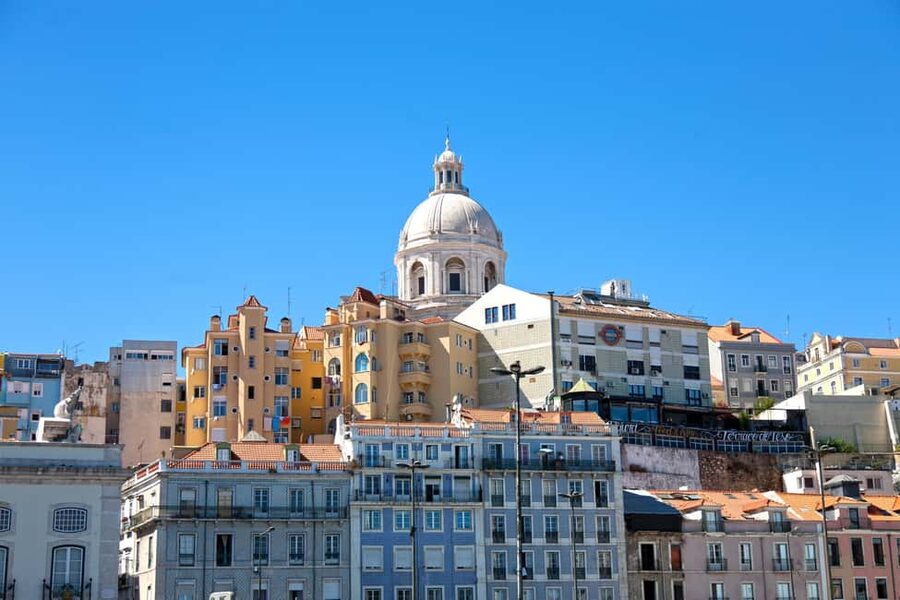
This is a smart opening. Lisbon can feel like a maze when you first arrive, with hills rising sharply from the river and districts changing character within a few streets. From this viewpoint, you get the basic shape of the city before following its Jewish story through Alfama, Baixa, Rossio, Chiado, and Carmo.
The stop is not only for photographs. Your guide uses the view to explain how Lisbon developed and where its historic Jewish quarters once sat. I especially like beginning with this broad view because it gives the later street walks a sense of place.
Bring a light layer and comfortable shoes. The tour includes walking on old streets and time outside, and Lisbon’s slopes can be demanding even when the vehicle handles much of the distance.
Alfama and the remains of Small Jerusalem
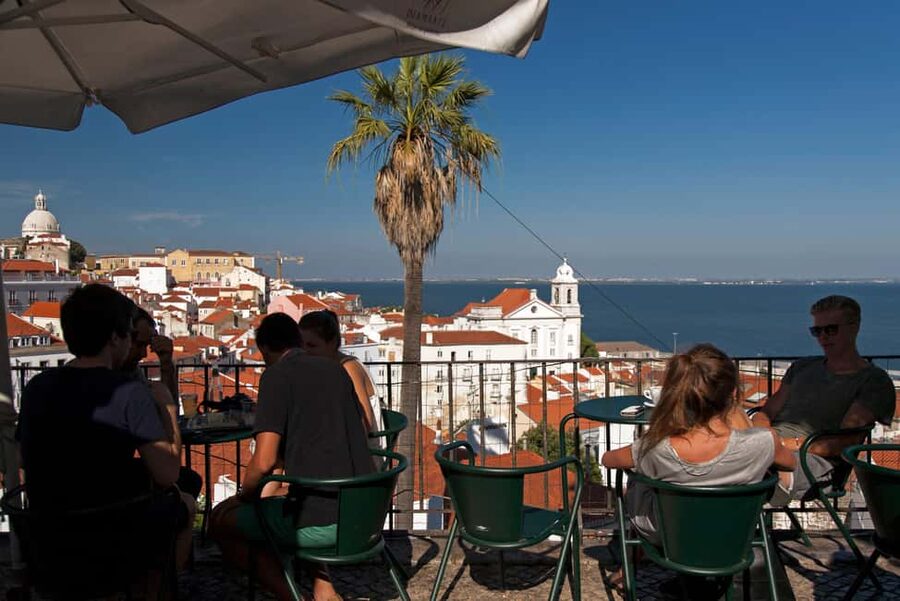
The next major stop is Alfama, where you spend about 45 minutes with the guide. Alfama is described as Lisbon’s second-oldest district in Europe, and its narrow lanes preserve the kind of close-built urban setting where small signs can carry more meaning than grand monuments.
This is where the tour’s approach becomes clear. You are not promised a perfectly preserved Jewish quarter. Instead, the guide points out physical traces, symbols, street details, and the places where Jewish life once formed part of the daily rhythm.
The tour also introduces the former area known as Small Jerusalem, described as the largest Jewish quarter in Europe before the 1755 earthquake destroyed much of it. That earthquake is important to understanding modern Lisbon. It did not merely damage buildings. It erased sections of the old city and made the surviving evidence harder to read.
I would give Alfama your full attention. Some of what you see may look ordinary until the guide explains its connection to the past. This is one of the places where a solo walk could leave you aware of the age of the district but unaware of the Jewish story beneath it.
Baixa, Commerce Square, and a city rebuilt
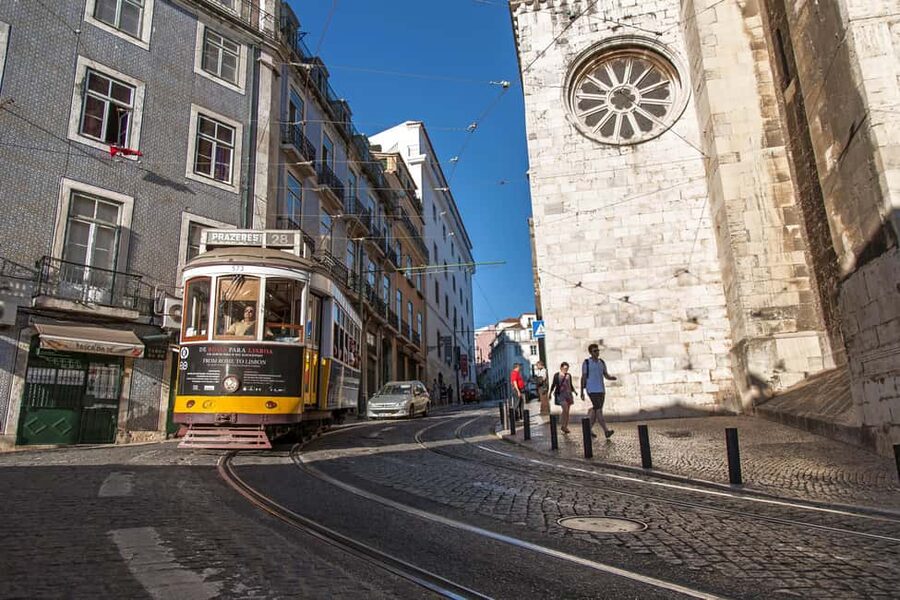
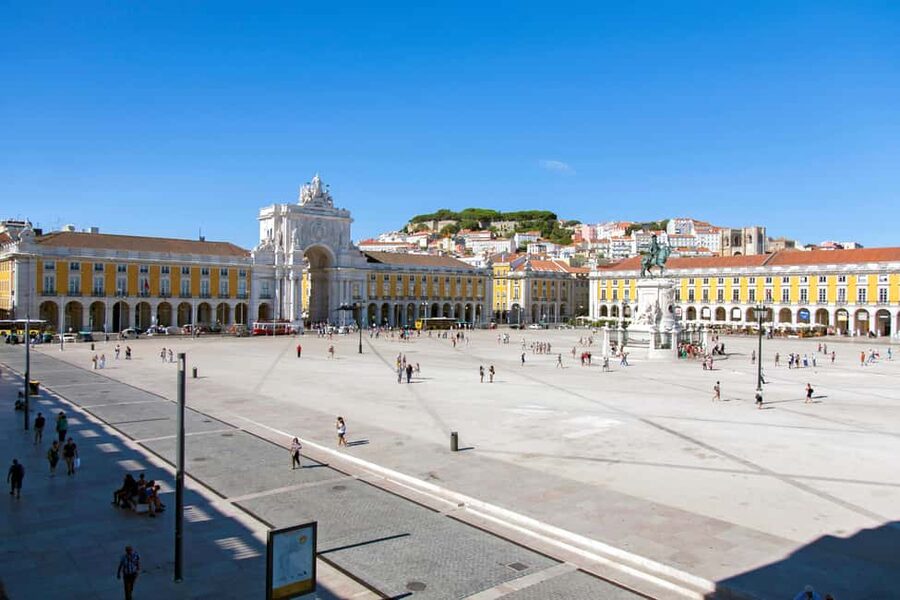
The tour continues through Baixa de Lisboa for about 45 minutes, followed by roughly 10 minutes at Commerce Square. These areas help explain the contrast between old Lisbon and the city rebuilt after the 1755 earthquake.
Baixa’s broad streets and more ordered design feel very different from Alfama’s tight lanes. That change in the physical city gives the earthquake a practical meaning. You can see how the capital was reshaped after destruction, and why older Jewish neighborhoods are now difficult to identify.
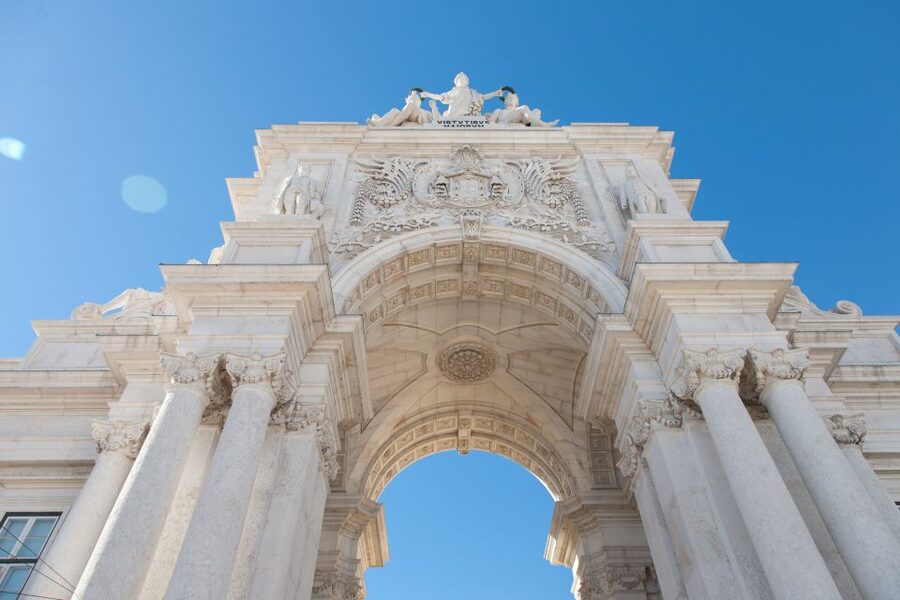
Commerce Square adds the riverfront and civic side of the story. It is a short stop, but it helps connect Lisbon’s commercial power with the communities that lived and worked here.
This part may feel less specifically Jewish than Alfama or the memorial at Rossio. That is not necessarily a weakness. It gives you the setting for understanding how Lisbon’s rebuilding altered the evidence left by earlier communities.
More Private History Tours in Lisbon
- Private Tuk Tuk Tour Through Lisbon’s Historical Streets
★ 5.0 · 734 reviews - Lisbon Highlights – Private Tour with Van and Local Guide
★ 5.0 · 716 reviews - Private Lisbon-Arrábida Wine Tour: 3 Wineries, Coast & Heritage
★ 5.0 · 450 reviews - Lisbon: Private Dark History Walking Tour with Drinks
★ 4.8 · 387 reviews
The Money Museum and its medieval wall
At the Money Museum, you spend around 20 minutes looking at a medieval wall said to hold a thousand years of secrets. The museum stop offers one of the clearest physical connections to Lisbon’s past because you are seeing an actual surviving structure rather than only hearing about a former neighborhood.
The visit is brief, so do not expect a full museum outing. Its value comes from the wall and from the guide’s explanation of how the site fits into the city’s Jewish story.
Check the day before booking this tour. The Money Museum is closed on Mondays and Tuesdays, so the exact program may depend on your chosen date. The tour information also notes that the Carmo Archaeological Museum cannot be visited on Sundays.
Rossio Square and the 1506 massacre
Rossio Square receives about 20 minutes of guided attention, followed by another 20 minutes at the 1506 Jewish Massacre Memorial. This is one of the most serious sections of the tour.
At Rossio, you learn how the Portuguese Inquisition operated and how religious persecution shaped the lives of Jewish converts and their descendants. The memorial marks the massacre of 1506, one of the darkest episodes in Portuguese Jewish history.
The guide also explains the events that led to the memorial’s creation. That matters because remembering this history in a public square changes the way you see the space. Rossio is not only a central meeting point. It also carries the memory of violence directed at people accused of religious difference.
Expect the tone to change here. The tour is not a light sightseeing circuit with occasional Jewish references. It addresses forced conversion, fear, persecution, and the loss of community. A strong guide needs to explain these events clearly without turning them into a list of dates. Daniel, Diogo, and Vasco have been praised for doing that with patience and care.
Chiado and the families behind the kingdom
In Chiado, you spend about 15 minutes learning about influential Jewish families connected with the Portuguese kingdom. This stop is shorter, but it broadens the story beyond neighborhoods and tragedy.
You hear about people who helped shape Portugal’s intellectual, economic, and political life. The point is not simply that Jewish residents lived in Lisbon. It is that they took part in the development of the kingdom and helped form the society around them.
Chiado also makes a useful setting because the district combines older buildings with modern city life. You can see how historical Lisbon is not locked away from the present. Its streets continue to function as part of everyday urban life while holding stories that are rarely obvious at first glance.
Largo do Carmo and the Carmo Convent
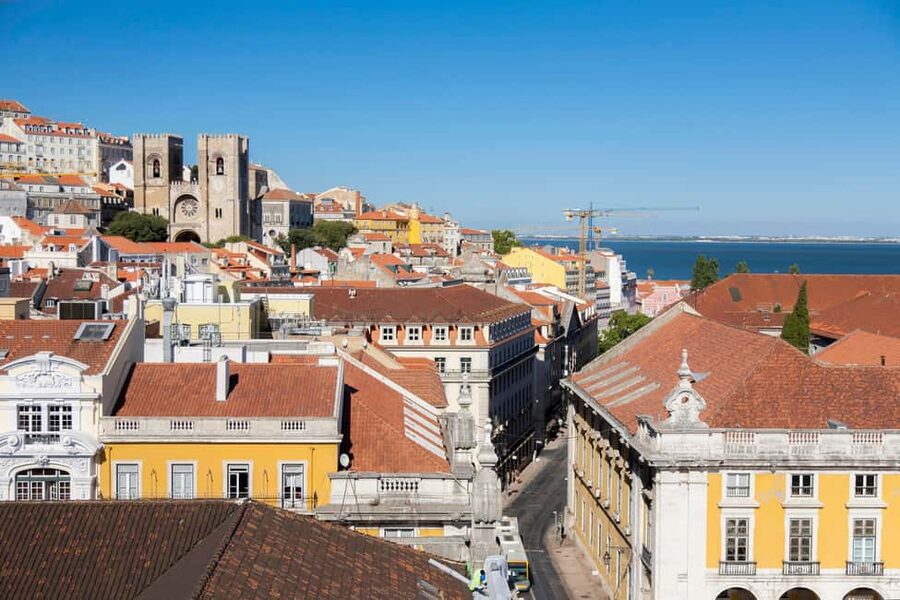
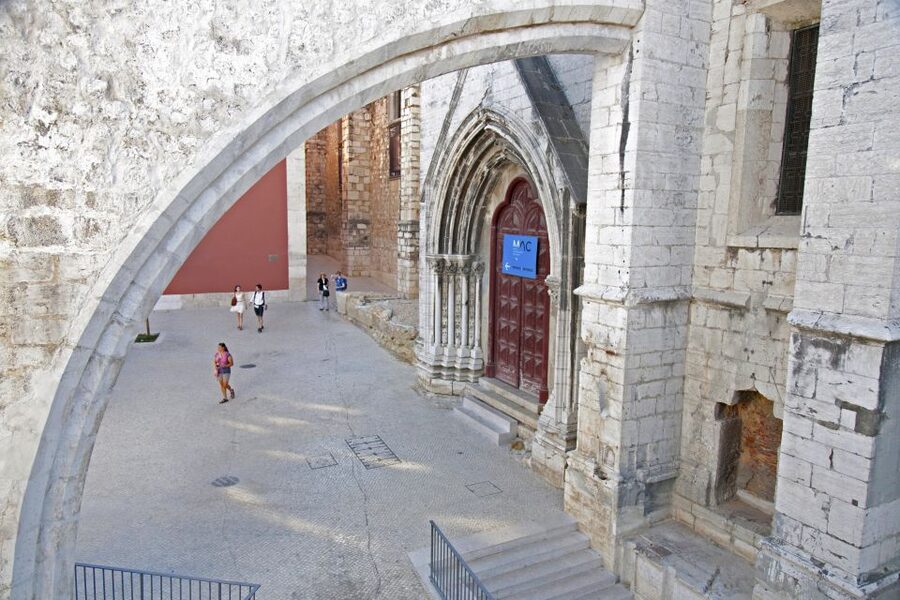
The Largo do Carmo area receives about 30 minutes of guided attention, followed by around 45 minutes at the Carmo Convent and its archaeological museum. This is the longest museum stop, and it provides a tangible connection to the Jewish past.
The Carmo Archaeological Museum contains old Jewish archaeological finds. The exhibits help show everyday life and spiritual practice, rather than presenting Jewish history only through persecution and disappearance.
The convent itself dates from the 14th and 15th centuries. Its old stonework and archaeological displays create a strong setting for thinking about how different layers of Lisbon overlap. You are not only hearing about a community that vanished from public view. You are seeing objects and remains that connect that community to the city.
Sunday planning is important. The Carmo Archaeological Museum cannot be visited on Sundays, so ask how the route will be adjusted if that is your only available day. The site may still be meaningful from the outside, but the museum collection is a major reason to include the stop.
Crypto Judaism and the long period of secrecy
One of the most important themes is Crypto Judaism, the practice of maintaining Jewish beliefs and customs in secret after forced conversion. The tour explains how this became part of Portuguese identity over the centuries.
This subject adds complexity to the story. A person could appear Christian in public while preserving parts of Jewish practice at home. That meant family traditions, memory, and faith could continue even when open Jewish life was dangerous.
I like that this theme links public history to private life. It helps you understand why the lack of visible Jewish buildings does not mean the absence of Jewish influence. It also explains why family history, oral tradition, names, customs, and archaeological evidence can matter so much.
Your guide may adjust the discussion to your interests. One guest had the tour shaped around architecture and language, while another received additional research references afterward. That flexibility is a real advantage of booking privately.
Lisbon as a refuge during World War II
The final historical period covered is Lisbon’s role during World War II. The city became a refuge for European Jews escaping the Holocaust, and the tour places that modern chapter alongside the much older Sephardic story.
This gives the experience a wider reach. You are not stopping in the Renaissance or the Inquisition. You are also looking at how Lisbon functioned during a twentieth-century crisis and why the city became important to people trying to escape Nazi persecution.
The subject fits naturally with the tour’s broader theme: Lisbon’s Jewish story is shaped both by people who built lives in Portugal and by people who arrived seeking safety. It also reminds you that Jewish history here is not only archaeological or medieval. It remains part of the city’s modern identity.
What the private vehicle adds
Hotel pickup and drop-off are included for central Lisbon hotels, with transportation in an air-conditioned vehicle. The group can have up to eight people, although the experience remains private rather than a large coach tour.
That arrangement is useful in Lisbon. The route covers several districts, and the city’s hills can make long walks tiring. You get out for the places where walking matters, then ride between sections instead of spending the whole four hours climbing streets.
The vehicle also makes this a practical option for families or older couples who want historical depth without a full-day walking strain. Infant seats are available on request. Children must be accompanied by an adult, and unaccompanied minors are not permitted.
There are limits. The tour is not suitable for wheelchair users, and baggage is limited to one standard suitcase and one small carry-on per person. Smoking and food are not allowed in the vehicle.
The guides and the value of personal attention
The listed languages are English and Portuguese. The guides most often associated with this experience are Daniel, Diogo, and Vasco, with Diego also named in one account.
Daniel is repeatedly described as warm, patient, and exceptionally well prepared. His strengths appear to be storytelling, precise historical explanation, and the ability to answer questions without rushing. Diogo is described as passionate, personable, and flexible, with a strong ability to connect Jewish history to Lisbon’s wider development. Vasco is noted for being friendly and clear while driving guests between the former Jewish neighborhoods.
A private guide can also make the difference when the subject is sensitive. You can ask about family origins, language, architecture, religious practice, or the Inquisition without worrying about holding up a group.
The published rating is 4.8 from 59 reviews, with especially strong praise for the guides’ historical command, English, patience, and care. I would treat that as a sign of consistent guide quality, while remembering that your experience will depend on the specific person assigned and the questions you bring.
Is $137 per person a fair price?
At $137 per person, this is not the cheapest way to see Lisbon. It can be good value if two or more people in your party want Jewish history and would otherwise need to arrange several museum visits, taxis, and independent research.
The price includes a private tour, driver-guide, central Lisbon hotel pickup and drop-off, air-conditioned transportation, water, and entrance fees. Food and drinks are not included, so plan to eat before or after the four-hour outing.
The value rests mainly in the guide. Lisbon has limited visible Jewish architecture, and a self-guided route could leave you spending time in historic areas without understanding what you are seeing. Here, the guide connects scattered evidence into one story and can adjust the emphasis for your group.
I would not book it solely for grand Jewish monuments. That is not what this route offers. I would book it for interpretation, personal attention, and the chance to understand how Jewish life shaped Lisbon even when the physical record was damaged or erased.
Timing, comfort, and practical planning
The experience lasts four hours, with starting times available according to the booking calendar. In Portugal, daylight fades from about 6 p.m. between October and March, so an early start is sensible in winter.
Wear comfortable shoes and clothing. You will ride between several stops, but Alfama, Baixa, Rossio, Chiado, and Carmo still involve walking on old streets and uneven surfaces.
I would also check museum opening days before confirming the date. Avoid Monday and Tuesday if the Money Museum is essential, and avoid Sunday if you want to enter the Carmo Archaeological Museum.
Free cancellation is available up to 24 hours before the tour, and you can reserve now while paying later. Those terms are useful if your Lisbon schedule is still shifting.
Who should book this tour?
This tour suits you best if you have a serious interest in Sephardic history, family heritage, religious history, or the lesser-known parts of Lisbon. It also works for anyone who wants a stronger historical framework than a standard city sightseeing tour provides.
You do not need to be Jewish to appreciate it. The story includes Portugal’s political development, architecture, language, social life, persecution, migration, and wartime history.
I would choose another activity if you want a relaxed food tour, a long walking route, or a visit to a large living Jewish institution. I would also reconsider if you need step-free access, since the tour is not suitable for wheelchair users.
Should you book the Lisbon Jewish History Private Tour?
Book it if you value a strong guide more than a long list of preserved buildings. Daniel, Diogo, and Vasco are praised for turning faint traces, museum objects, and difficult events into a clear story.
The tour is especially worthwhile for first-time visitors who want to understand how Lisbon’s Jewish past fits into the city as a whole. Go with comfortable shoes, keep your schedule flexible around museum closures, and expect a thoughtful history lesson rather than a conventional sightseeing loop.
At $137 per person, it makes the most sense for couples, families, or small groups who want private attention and hotel transportation. If that is your priority, this is a serious and well-focused way to see Lisbon from a different angle.
FAQ
How long is the Jewish History Private Tour in Lisbon?
The tour lasts four hours, including visits and guided stops across several Lisbon districts.
Is hotel pickup included?
Yes. Pickup and drop-off are available from hotels in central Lisbon.
What languages are available?
The live guide is available in English or Portuguese.
Can children join the tour?
Yes. Children may join, but they must be accompanied by an adult. Unaccompanied minors are not allowed, and infant seats are available on request.
Can I visit the Money Museum on any day?
No. The Money Museum is closed on Mondays and Tuesdays.
Can I visit the Carmo Archaeological Museum on Sunday?
No. The Carmo Archaeological Museum cannot be visited on Sundays.
Is the tour suitable for wheelchair users?
No. The experience is not suitable for wheelchair users.
More Jewish Heritage Tours in Lisbon
- Budapest Jewish Heritage Memorial Walking Tour & Synagogue Entry
★ 5.0 · 568 reviews - Budapest: Jewish Heritage Guided Tour with Synagogue Ticket
★ 4.8 · 533 reviews - 3-Hour Porto Jewish Heritage Walking Tour with Local Guide
★ 4.5 · 396 reviews - Private Jewish Heritage Journey by Barcelona Dreaming
★ 4.8 · 383 reviews
More Private History Tours in Portugal
- Lisbon: Private Historic Tour by Eco Tuk Tuk
★ 5.0 · 78 reviews - Lisbon: Private Guided Tour of Historical Center by Tuk Tuk
★ 4.7 · 67 reviews - Lisbon: Tuk-Tuk Tour Historical Alfama old town private tour
★ 4.7 · 30 reviews - Porto: Private Tour of the Historic City in a Ford T Car
★ 4.8 · 932 reviews
Newest history tours we have reviewed in Lisbon
- Lisbon: Historical Walking Tour with Jeronimos Monastery★ 4.5 · 71 reviews
- Lisbon Sunset Sailing – Small Group (max 10) Wine & History★ 4.8 · 41 reviews
- Queer Lisbon History Tour: scene/history★ 4.9 · 20 reviews
- Lisbon: Private Historic Tour by Eco Tuk Tuk★ 5.0 · 78 reviews
- Lisbon: Sunset Sailing with Portuguese Wine and History★ 5.0 · 270 reviews
- Lisbon with Tukxi: Historical Secrets by Tuk-Tuk★ 4.8 · 96 reviews
- Lisbon: Tuk-Tuk Tour Historical Alfama old town private tour★ 4.7 · 30 reviews
- Lisbon: Historic City Tour by Tuk-Tuk★ 5.0 · 116 reviews
Jewish Heritage Tours, compared.
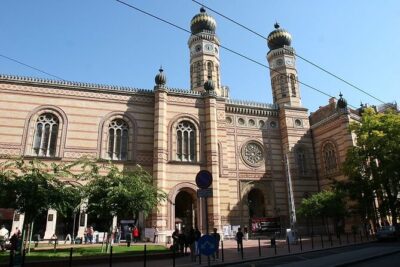
Budapest Jewish Heritage Memorial Walking Tour & Synagogue Entry
Read our review →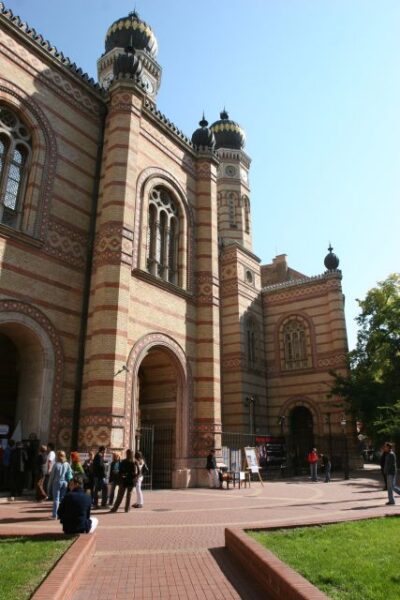
Jewish Heritage Guided Tour with Synagogue Ticket
Read our review →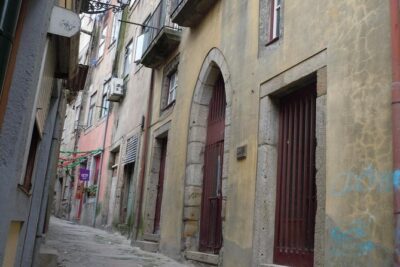
3-Hour Porto Jewish Heritage Walking Tour with Local Guide
Read our review →
Private Jewish Heritage Journey by Barcelona Dreaming
Read our review →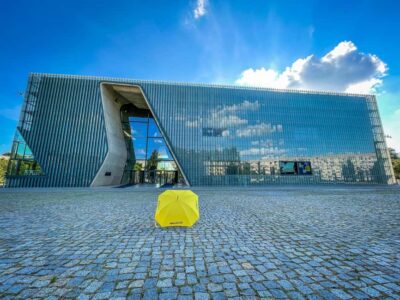

Anne Frank and the Jewish History of Amsterdam Private Tour
Read our review →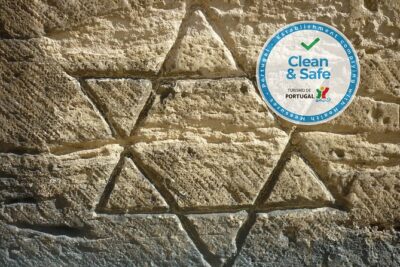
Lisbon Jewish Heritage and History – Private Tour Van
Read our review →