
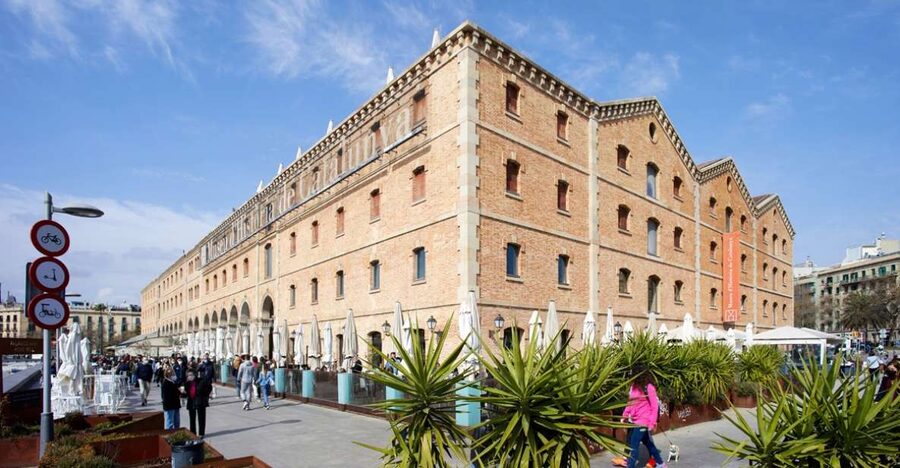
Review · SPAIN HISTORY TOURS
Barcelona: Skip-the-Line to History Museum of Catalonia
Catalonia’s past is not presented here as a dry list of dates. At the History Museum of Catalonia, you move through interactive displays, films, drawings, and objects that explain how this corner of Spain took shape. The museum also gives you a useful setting for understanding Catalan identity, from early periods through the political struggles of the 20th century.
I like two things right away: the permanent exhibition, The Memory of a Country, gives you a clear route through major periods and personalities, and the rooftop terrace adds a fine reward at the end, with views toward Port Vell, Montjuïc, and Barcelona. The main consideration is that this is a self-guided visit, so you will not have a guide or audio commentary to explain the displays.
Key points to know before you go
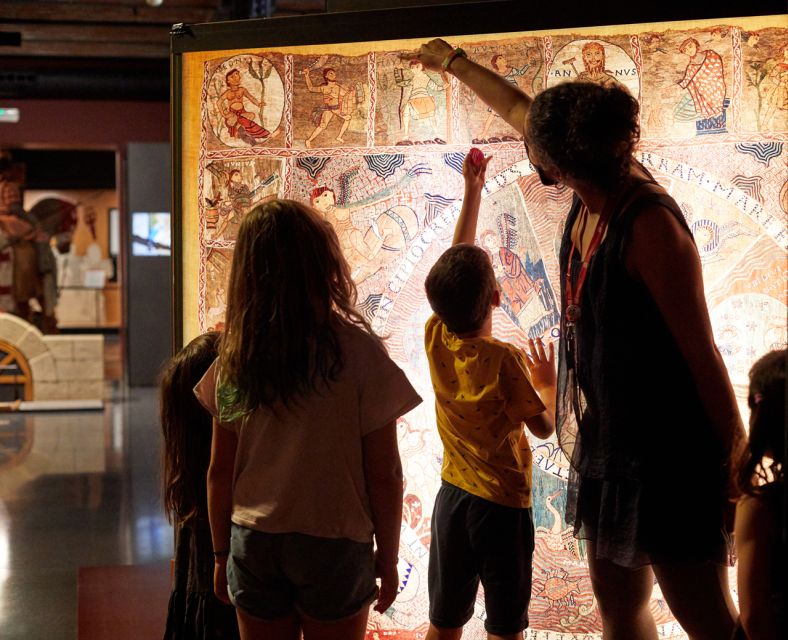
- The Memory of a Country uses interactive material to trace the periods and figures that shaped Catalonia.
- Temporary exhibitions add a current angle, including the scheduled display about the homosexual movement during Spain’s transition to democracy, shown through October 26, 2025.
- The fourth-floor terrace is part of the appeal, with views over the port, Montjuïc Mountain, and the city.
- Your $9 ticket covers the museum and terrace, making this a low-cost indoor stop in Barcelona.
- Skip-the-line entry saves time, though you still need to visit during the museum’s stated opening hours.
- No guide, audio guide, food, or drinks are included, so plan to explore independently and budget separately for the rooftop restaurant or bar.
Why this museum helps explain Catalonia

Barcelona gives you plenty of chances to admire Catalan architecture, eat local food, and hear the Catalan language. The museum gives those visible parts of the culture a historical frame.
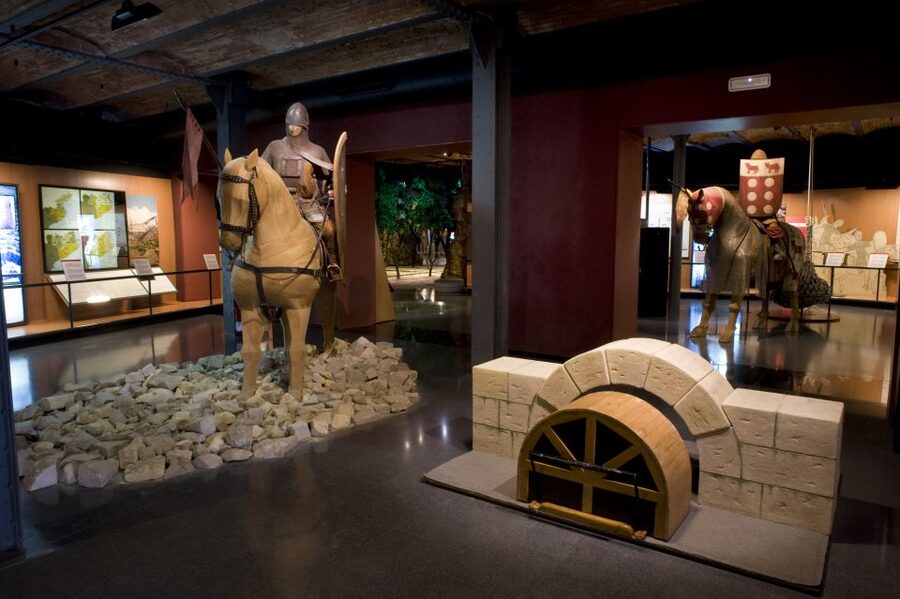
The displays are designed to take you through Catalan territory over time. You are not simply looking at isolated objects. You are asked to connect artifacts and stories with the political, social, and cultural changes that shaped the region.
That matters because Catalan identity can be difficult to understand from a quick city visit. The museum presents the subject in one place, using several kinds of material rather than relying only on written panels. Films, drawings, interactive backgrounds, and objects help break up the reading and give younger visitors more to do.
The experience is especially useful before visiting other parts of Catalonia. After spending time here, sights connected with the region’s politics and culture should make more sense. You will have a better idea of why local identity remains such a strong subject.
The museum does not offer a private guide with this ticket, and no staff-led commentary is included. I see that as both a benefit and a limitation. You can move quickly through familiar material or slow down at subjects that interest you, but you need to read the information and make your own connections.
More Museum and Gallery History Tours in Spain:
- Madrid in a Day Tour:Royal Palace, Historic Center & Prado Museum
★ 5.0 · 628 reviews - Barcelona Erotic Museum – Explore Art, History & Fun
★ 4.4 · 450 reviews - Girona: Jewish Heritage Guided City Tour and Museum Visit
★ 4.8 · 124 reviews
Walking through The Memory of a Country
The permanent exhibition, The Memory of a Country, is the main reason to visit. It presents an interactive record of the periods and people that shaped Catalonia, giving you a broad route through the region’s past.
The word interactive is important here. The exhibition includes films, drawings, and visual settings that help turn historical events into something easier to follow. This format can be more approachable than a museum made up entirely of glass cases and long text panels.
You should allow enough time to read and watch rather than rushing from room to room. The ticket is valid for one day, so you have flexibility within the museum’s opening hours. There is no need to treat this like a timed guided tour.
The permanent display is also a good choice if your knowledge of Catalonia is limited. You do not need to arrive with a detailed background. The exhibition is intended to show the development of the region and introduce the characters and events that shaped it.
A possible weakness is that the museum may feel less direct if you prefer a guide to explain difficult political subjects. Catalonia’s past includes events that benefit from context, and a self-guided format places that work on you. Still, the variety of presentation helps keep the visit moving.
The political story after 1714
One of the most important themes concerns the period after 1714. The museum addresses attempts by the government in Madrid to suppress Catalan identity, language, and political expression.
This subject is central to understanding why Catalan history is often discussed with such strong feeling. The museum does not treat the region’s past as a simple sequence of royal changes and military events. It also looks at the pressure placed on Catalan culture and institutions.
You will also encounter the Spanish Civil War period from 1936 to 1939, another major chapter in the modern story. The displays connect political conflict with the wider experience of Catalonia and its people.
I recommend taking your time in the later sections. Early historical material can give you a broad foundation, but the modern rooms explain much of the political atmosphere you notice in Barcelona today. If you only have time for a short visit, do not skip the material covering the period after 1714 and the 20th century.
The museum’s treatment of these subjects is one reason it can feel more meaningful than a general city museum. You are given a way to understand Catalonia on its own terms, rather than seeing it only as a regional footnote in Spanish history.
The temporary exhibition and why timing matters
The temporary exhibition listed for this visit is We AreThe Homosexual Movement during Spain’s Transition to Democracy (1976-1979). It is scheduled to run through October 26, 2025.
This display focuses on the homosexual movement during Spain’s transition to democracy. Its subject adds a social and political layer to the museum’s main story, showing how groups organized and sought recognition during a period of major change.
Temporary displays are one reason to check the current program before booking. The permanent exhibition gives you the museum’s main structure, while a temporary show can change the emphasis of your visit. If you are visiting before the stated closing date, this exhibition may be an important part of your time inside.
I would not assume every temporary exhibit will be available indefinitely. The permanent material remains the reliable reason to go, but the temporary display can make a repeat visit worthwhile for anyone interested in Spain’s social history and democratic transition.
The supplied information does not give a separate duration for this exhibition. Plan to judge your time based on how much reading and viewing you prefer. With no guide or audio guide included, the pace is yours.
More Skip-the-Line Tickets in Spain:
- Córdoba: Skip-the-Line Great Mosque-Cathedral History Tour
★ 4.7 · 1,690 reviews - Taormina: Ancient Theater Skip-the-Line Ticket & Audio Guide
★ 4.5 · 2,412 reviews - Historic Milan Tour with Skip-the-Line Last Supper Ticket
★ 4.5 · 1,976 reviews - Skip-the-Line Schonbrunn Palace Guided Tour and Vienna Historical City Tour
★ 3.5 · 940 reviews
Finishing at the fourth-floor rooftop
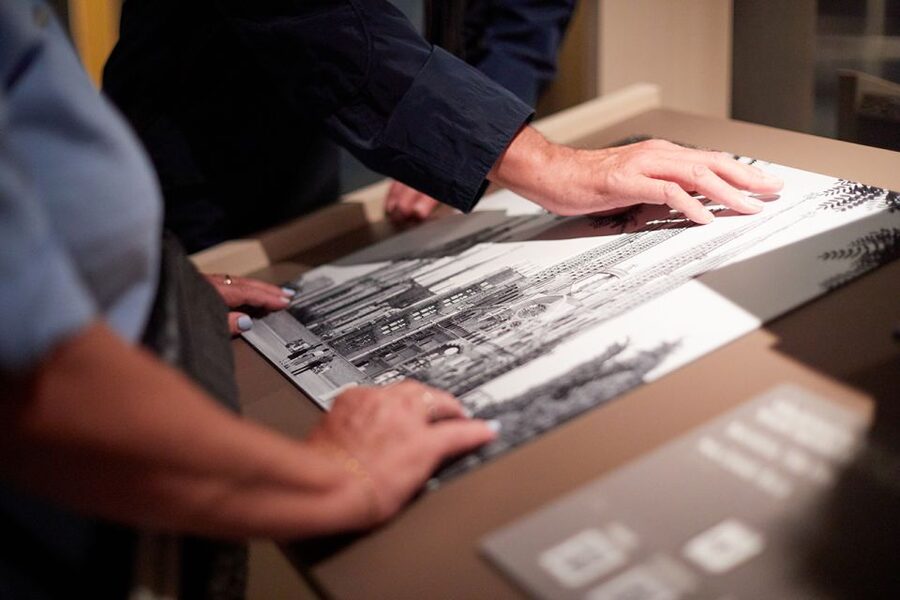
The terrace is more than a small extra. After working through historical displays, you can go to the fourth floor for wide views of Port Vell, Montjuïc Mountain, and Barcelona.
This is a practical place to pause. Museums can leave you with a head full of dates and political changes, and the terrace gives you a chance to look at the modern city that grew from that past. You can have a drink or eat Mediterranean food at the restaurant and rooftop bar, though food and drinks are not part of the admission price.
I like the way the terrace broadens the visit. You are not ending in an enclosed gallery with no sense of place. You can look across the port and the city while thinking about the regional story you have just explored.
Keep the restaurant separate from the museum ticket when planning your budget. The $9 admission includes access to the exhibitions and terrace, but you pay separately for anything you order.
The information provided does not state whether a table reservation is needed or how long the restaurant service runs. Treat the terrace as a museum feature first, and confirm dining details if you are planning a meal rather than a short stop for the view.
What $9 buys you in Barcelona
At $9 per person, this is an inexpensive cultural ticket by Barcelona standards. You receive entry to the permanent exhibition, access to the temporary display available during your visit, the terrace, brochures, and skip-the-line admission.
The value is strongest if you want a self-guided museum visit. You are paying for access rather than a full tour service, so the low price makes sense for visitors who prefer to read, watch, and move at their own pace.
The ticket is less complete if you expect personal explanation. A guide and audio guide are not included. If you need detailed commentary in your language, you should account for that limitation before booking.
Skip-the-line entry can also help. The exact waiting time is not given, so I would not book this solely to avoid a guaranteed long queue. Still, entering directly is useful when you are fitting the museum between other plans around Port Vell.
The ticket is valid for one day, not a multi-day pass. That is enough for a normal museum visit, but it does not let you return over several days under the same admission.
Hours, location, and a sensible visit plan
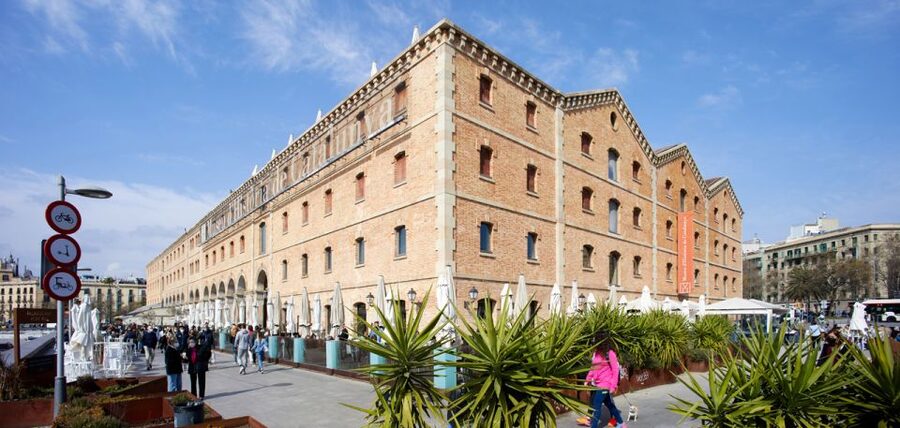
The museum is at Plaça Pau Vila, 3, 08039 Barcelona. The location places you in the Port Vell area, making it easy to combine the museum with time near the harbor.
Opening hours are:
- Tuesday to Saturday: 10:00 AM to 7:00 PM
- Wednesday: 10:00 AM to 8:00 PM
- Sunday and holidays: 10:00 AM to 2:30 PM
- Monday: closed
Wednesday gives you the latest closing time, while Sunday and holidays offer a shorter window. I would avoid leaving the museum until the final hour, especially if you want to read the permanent exhibition and see the temporary display.
A practical visit plan is simple. Start with The Memory of a Country, then give extra time to the later historical sections covering the period after 1714 and the Spanish Civil War. Finish on the fourth-floor terrace, and decide there if you want to buy food or a drink.
The museum is wheelchair accessible. Oversize luggage is not allowed, so arrive without large bags. You must bring a passport or ID card, and children must be accompanied by an adult. Unaccompanied minors are not permitted.
Who will enjoy this visit most
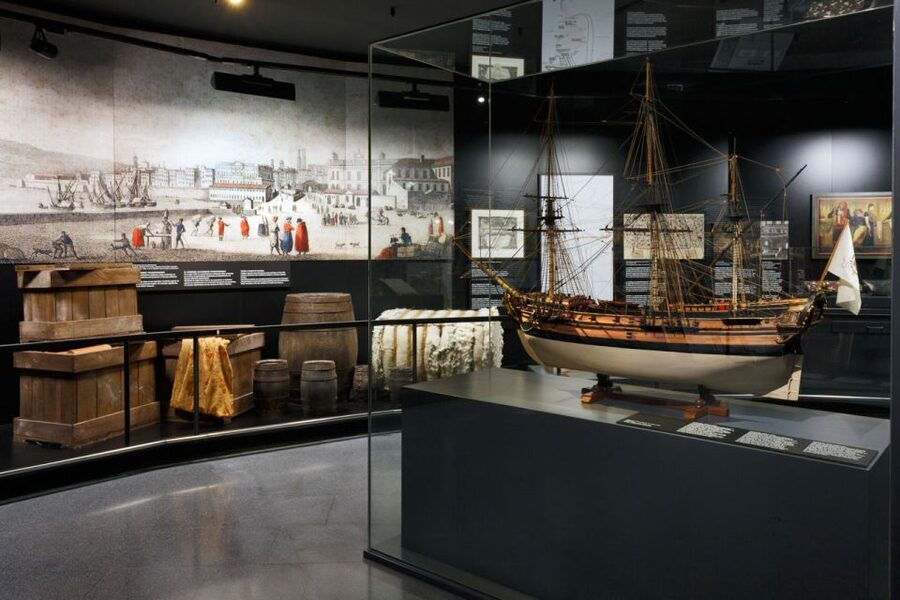
I would recommend this museum to you if you want more than Barcelona’s famous buildings and food. It gives you a direct way to understand Catalonia as a place with its own political, cultural, and social story.
It suits history-minded adults, families who prefer exhibits with films and interactive material, and anyone curious about the relationship between Catalonia and the Spanish state. The variety of formats should help visitors who do not enjoy wall-to-wall text.
It is also a sensible rainy-day plan. The museum provides several hours of indoor content, and the rooftop gives you a view without requiring another major sightseeing stop.
You may want to choose another activity if you are looking for a guided tour, a short attraction that takes only 30 minutes, or a museum focused mainly on art. This visit depends on your willingness to read and follow the displays without an audio guide.
Should you book the History Museum of Catalonia?
Book it if you want an affordable, self-guided introduction to Catalonia’s past, especially if you value modern political context and a good city view. The $9 price is easy to justify because it includes the exhibitions, brochures, terrace access, and skip-the-line entry.
The strongest plan is to visit during a longer opening day, spend time with the later historical sections, and leave room for the terrace. Check the temporary exhibition date before you go, since the display about the homosexual movement is scheduled only through October 26, 2025.
Skip it if you need a guide to interpret every room or if your Barcelona schedule is already packed with outdoor sights. For most visitors with an interest in Catalan culture, though, this is a practical and worthwhile stop that adds meaning to the rest of the city.
FAQ
Where is the History Museum of Catalonia?
The museum is at Plaça Pau Vila, 3, 08039 Barcelona, in Catalonia, Spain.
How much does admission cost?
The listed price is $9 per person.
What does the ticket include?
Admission includes the permanent and temporary exhibitions, access to the terrace, skip-the-line entry, and brochures.
Is a guide included?
No. A guide is not included with the ticket.
Is an audio guide included?
No. The audio guide is not included.
Are food and drinks included?
No. Food and drinks are not included. The museum has a restaurant and rooftop bar where you can buy Mediterranean food and beverages separately.
What are the museum’s opening hours?
The museum is open Tuesday to Saturday from 10:00 AM to 7:00 PM. Wednesday hours run until 8:00 PM. On Sundays and holidays, it is open from 10:00 AM to 2:30 PM. The museum is closed on Mondays.
Is the museum wheelchair accessible?
Yes. The museum is wheelchair accessible.
What should I bring?
Bring your passport or ID card.
Can children visit alone?
No. Children must be accompanied by an adult, and unaccompanied minors are not allowed. Oversize luggage is also not permitted.
Newest history tours we have reviewed in Spain
- Visita Guiada Por El Casco Histórico De Cuenca Y Su Catedral★ 5.0 · 45 reviews
- Mosque of Cordoba History Tour in English Tickets included★ 5.0 · 257 reviews
- Jerez de la Frontera History and Art Walking Tour★ 4.5 · 49 reviews
- 2 Hours Tour around Cádiz: History, anecdotes and curiosities★ 5.0 · 89 reviews
- The Authentic Bilbao Pintxos, Food & Wine Tour with a Local★ 5.0 · 360 reviews
- Bilbao Historical Small Group Tour★ 4.5 · 159 reviews
- Barcelona Jewish & Gothic Tour★ 5.0 · 18 reviews
- Andorra Original History and Sightseeing Tour (Private, Pickup)★ 5.0 · 350 reviews
Museum & Gallery History Tours, compared.
Louvre Museum Entry with History of Mona Lisa
Read our review →
Venice’s Best: Basilica, Doge’s Palace, Gondola & History Gallery
Read our review →
American Museum of Natural History Admission Ticket
Read our review →
Guided African American History Tour with Reserved Museum Entry
Read our review →
POLIN Museum of the History of Polish Jews Ticket
Read our review →
Bell Tower & St Mark’s Square History Gallery Ticket
Read our review →
Field Museum of Natural History Ticket or VIP Tour
Read our review →Browse the lists this tour appears in