
Review · WASHINGTON DC HISTORY TOURS
Smithsonian Natural History + Air & Space Museum Tour 8ppl
Washington’s two most popular Smithsonian museums can swallow a full day before you even find the exhibits you came to see. This tour gives you a clear path through both, from the Hope Diamond and Fossil Hall to the 1903 Wright Flyer and Apollo 11 command module. I like the small group limit of eight and the way guides such as Amanda, Tim, Brenda, Leigh, and Richard bring stories to the objects. The main drawback is simple: five and a half hours is a long museum session, and you will only sample two enormous collections.
I especially like the chronological flow in the Air and Space Museum and the chance to cross the National Mall between museums rather than spend the day figuring out where to go next. The price is $174 per person, so this makes the most sense if you value expert guidance, efficient routing, and a more personal visit than wandering alone.
Key points at a glance
- Henry the elephant welcomes you: Start at the Natural History Museum with the world’s largest taxidermied elephant, then move to famous stones, bones, and bugs.
- The Fossil Hall is a major stop: See Mastodon, T-Rex, and Diplodocus in the renovated fossil galleries.
- The original Wright Flyer is here: The 1903 aircraft anchors the Air and Space visit and explains how the Wright brothers changed travel.
- Apollo 11 brings space history close: Actual space artifacts show what people risked in an unforgiving environment.
- Groups stay small: Choose a private tour or a group of no more than eight people, with an English-speaking local guide.
- Plan for a full half-day: Each museum receives about 2.5 hours, with a break between them to recharge.
Two Smithsonian museums, one carefully guided day
This is a museum tour for people who want the big sights without spending the first hour studying a floor plan. You meet your guide on the large stairs at the Madison Drive NW entrance of the Natural History Museum, facing the National Mall lawn.
The experience lasts 330 minutes, or five and a half hours. The plan allows about 2.5 hours in Natural History and another 2.5 hours in Air and Space, with time between the museums to pause and reset. You walk across the National Mall, so comfortable shoes and clothing suited to the day matter.
The group size is one of the strongest features. A maximum of eight people keeps the guide close enough for questions and makes it easier to move through busy rooms. A private option gives your party more personal attention. A semi-private tour requires at least two participants, so solo bookers should check that the minimum is met.
More Museum and Gallery History Tours in the USA
- New York City: American Museum of Natural History Ticket
★ 4.5 · 15,447 reviews - American Museum of Natural History Admission Ticket
★ 4.0 · 1,931 reviews - Guided African American History Tour with Reserved Museum Entry
★ 4.5 · 1,180 reviews
Starting with Henry and the Natural History Museum
The first museum opens with a large, friendly surprise: Henry, the museum’s enormous taxidermied elephant. He is not just a quick photo stop. He sets the tone for a building packed with specimens that explain the natural world in a way that works for both adults and children.
From there, your guide leads you through selected highlights rather than trying to cover every gallery. That is the right approach. The collection is too large for a single visit, and a guide can help you give your attention to the objects with the strongest stories.
You can expect a mix of stones, bones, insects, and animal displays. The strength of this part of the tour is variety. One moment you are looking at a famous gem, and the next you are thinking about prehistoric animals or the sheer scale of a fossil skeleton.
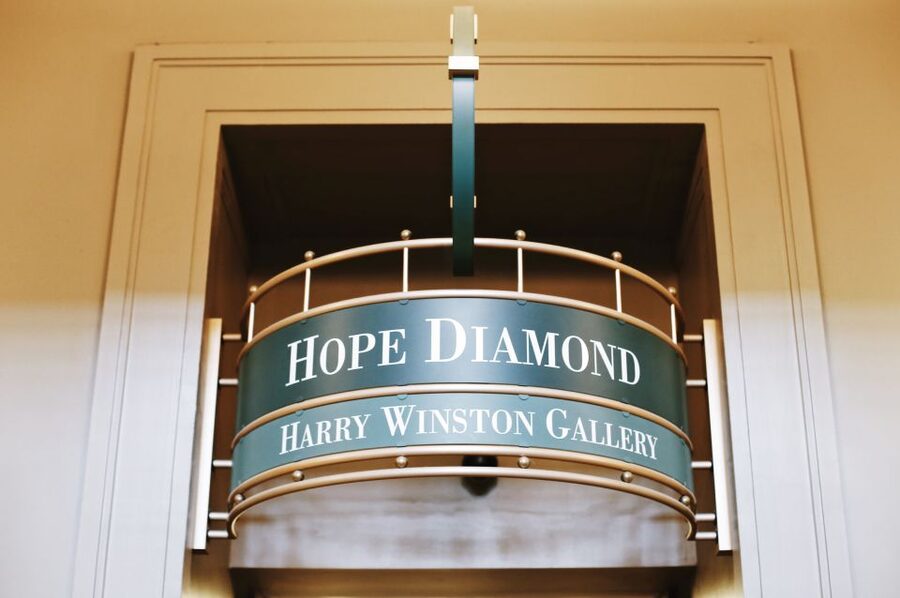
The Hope Diamond is the museum’s most famous single artifact. Its supposed curse adds a bit of drama, but the real reason to stop is the stone itself and the way it has become part of American museum culture. Your guide can give the display context instead of leaving you with only a quick glance at a blue jewel behind glass.
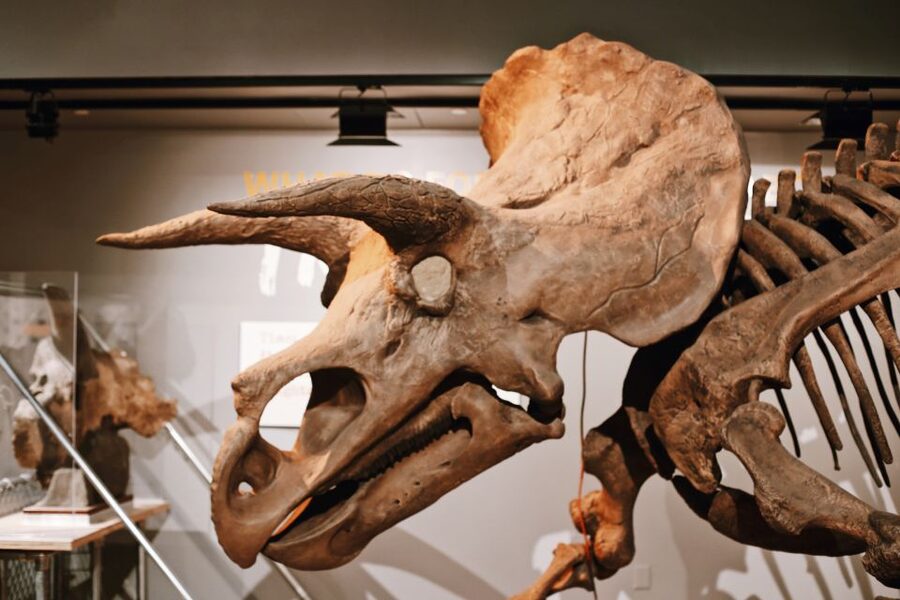
The Fossil Hall is another major reason to book this tour. Mastodon, T-Rex, and Diplodocus loom over the route, giving you a sense of changing life across enormous stretches of time. The specimens are impressive on their own, but the guide’s job is to connect them, explain what you are seeing, and keep the visit moving before one gallery consumes the whole morning.
That pacing matters. Leigh, one of the guides associated with this experience, has been praised for giving roughly two hours to each museum while offering real insight into the collections. Rhonda specifically appreciated the careful selection of highlights and the orderly, chronological flow. Those details tell you what to expect: not a hurried checklist, but not an open-ended wandering session either.
Crossing the Mall before the second museum
The tour includes a break before Air and Space. Food and drinks are not included, so use that pause to buy something or simply sit down. The supplied information does not specify the break’s length or a particular food stop, so you should not plan on a formal meal as part of the booking.
You also cross the National Mall between buildings. This is a useful transition, but it is still outdoor walking. Washington weather can change quickly, and the tour does not include hotel pickup or transportation. Meet at the first museum and make your own way there.
If you are carrying luggage, rethink your plan. Large bags are not allowed, and only handbags or small, thin backpacks are permitted through security. A light day bag will make both the museum entrances and the walk easier.
From the Wright brothers to Apollo 11
The Air and Space Museum begins with a family problem from Ohio and a machine that helped solve it. The Wright brothers did not simply produce an early aircraft. They helped turn controlled human flight from a stubborn idea into a working technology.
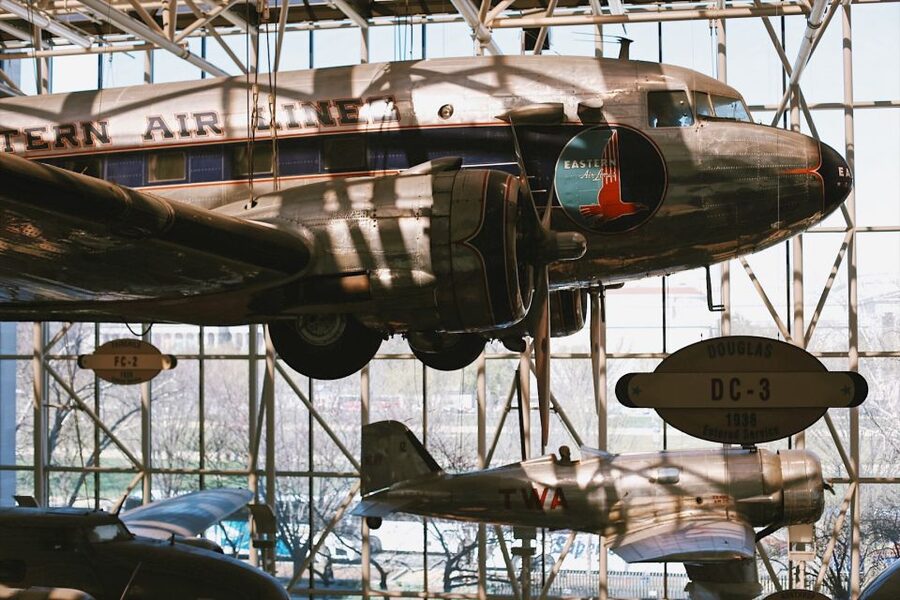
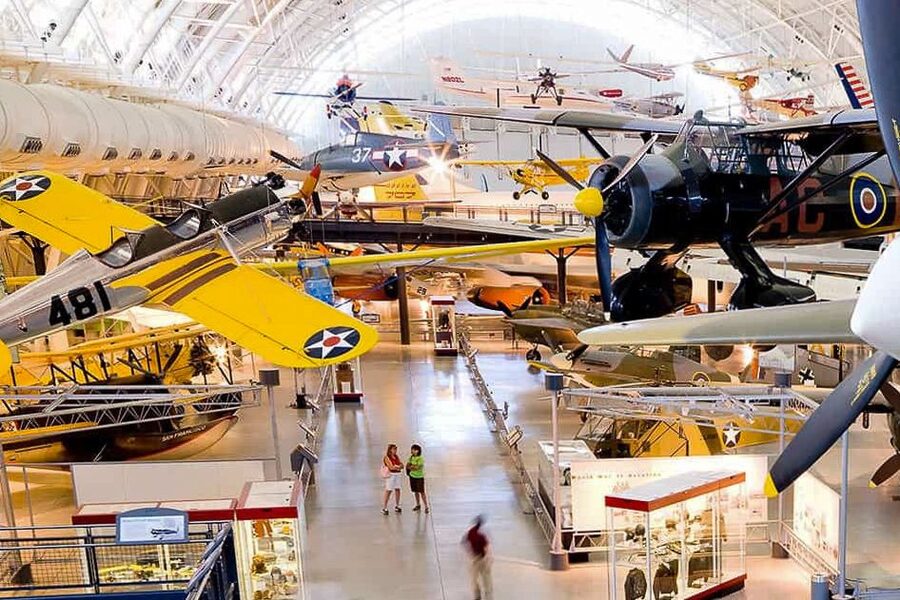
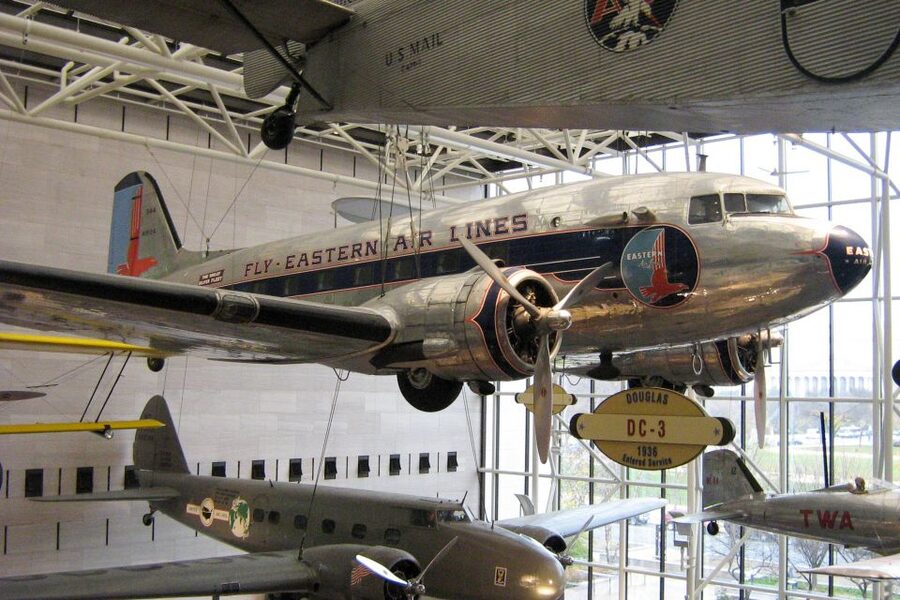
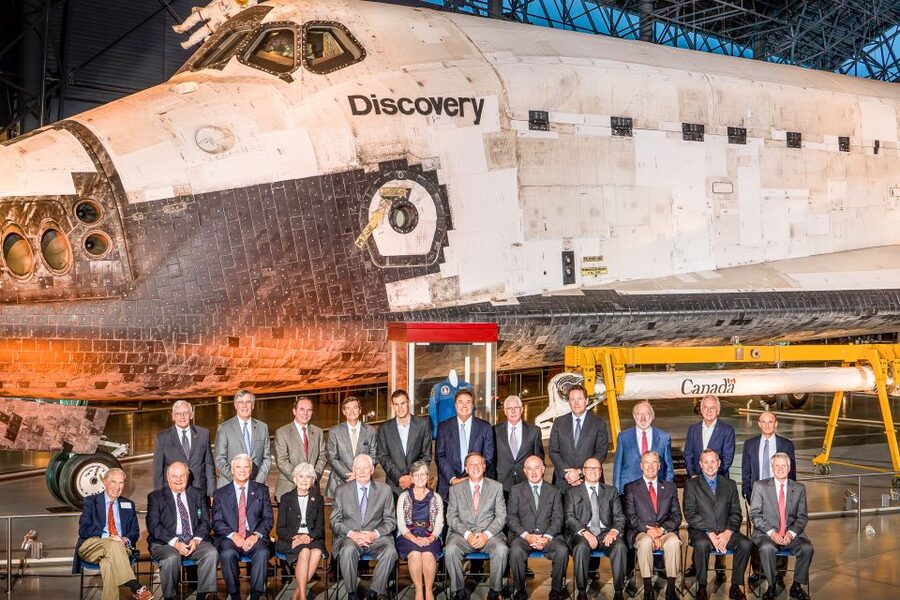
The original 1903 Wright Flyer receives its own exhibition gallery. This is the central object of the aviation portion, and it gives the tour a clear starting point. From there, the story moves through the first military flyer from 1909, also created by the Wright brothers, then into the era of record-setting flights and commercial aviation.
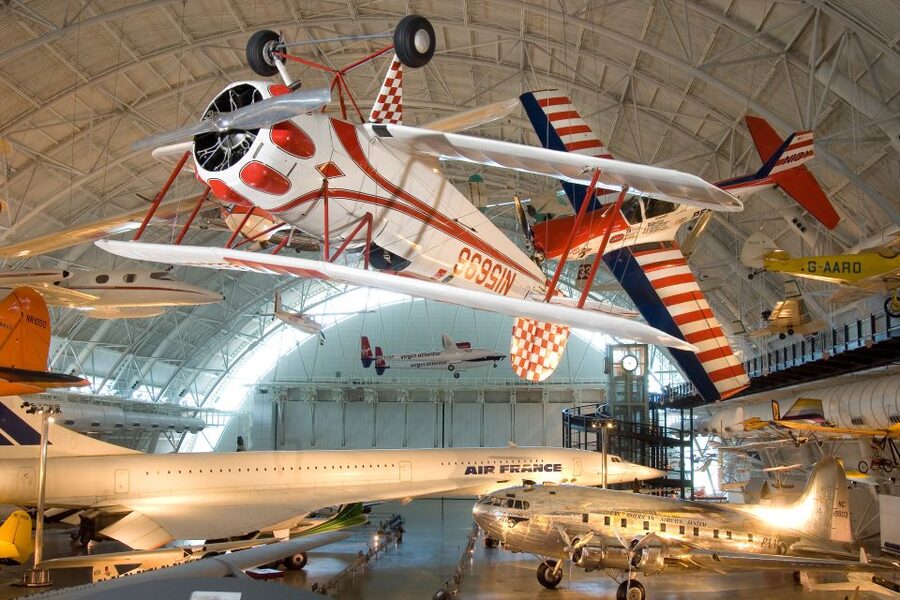
That sequence helps you understand progress rather than just view a row of famous machines. The guide can explain how quickly aviation moved from fragile experiments to aircraft capable of carrying people across great distances. You also get the human side of the story: trusting your life to a technology that was still new and uncertain took nerve.
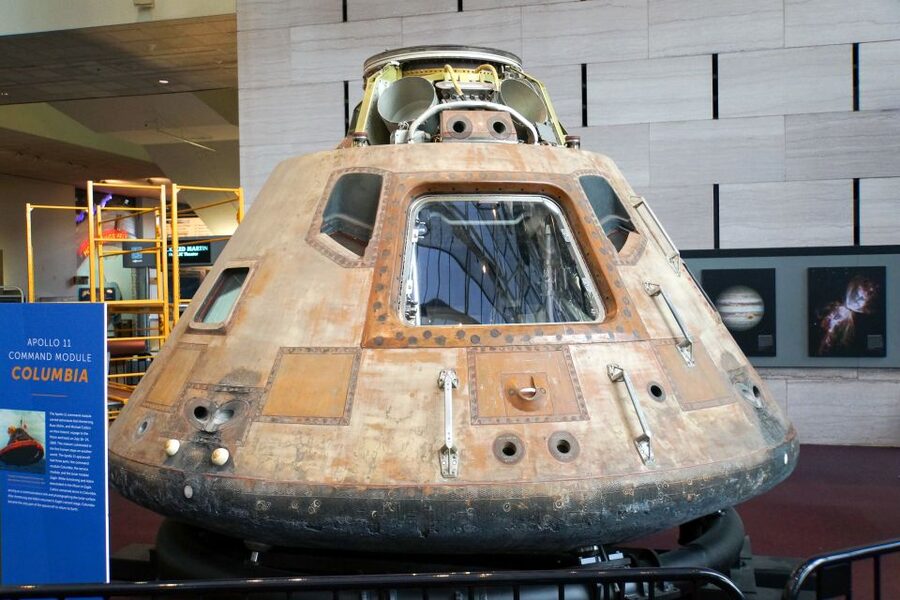
The space exhibits shift the mood. Instead of asking how people could fly through the atmosphere, they ask how people could survive beyond it. You see actual artifacts connected with the effort to explore space, including the Apollo 11 command module.
The Apollo object is powerful because it brings the scale of the mission down to something you can see. Space exploration can feel abstract when presented as a launch date or a famous photograph. A real command module makes the cramped, dangerous nature of the journey easier to grasp.
Your guide also brings in science fiction, including the Starship Enterprise and the Star Wars X-Wing. These displays show how imagination can push real science forward. The point is not that fictional craft are historical aircraft. It is that ideas often begin in stories before engineers attempt to build something that can work.
The museum is undergoing renovation, so the exact selection of open galleries may change. There is still plenty to see, but some rooms or displays can be affected by construction or temporary changes. This is worth keeping in mind if you are booking mainly for one specific gallery.
Same streets, a different century:
- History and Hauntings of Salem Guided Walking Tour
★ 5.0 · 14,564 reviews - Charleston’s Old South Carriage Historic Horse & Carriage Tour
★ 5.0 · 10,023 reviews - Beneath The Streets Underground History Tour
★ 4.5 · 8,006 reviews - Big Island in a Day: Volcanoes Waterfalls Sightseeing and History
★ 5.0 · 6,569 reviews
Why the guide matters here
A self-guided visit lets you set your own pace, but it also leaves you to decide what matters among thousands of objects. The guide provides a framework and answers questions as they come up.
Amanda has been singled out for telling strong stories, keeping the group moving without making people feel rushed, and answering a wide range of questions. That balance is important in a museum tour. You want enough structure to see the key objects, with enough freedom to stop when something catches your eye.
Tim has led this experience as well, with a calm approach through both museums. Brenda has provided detailed explanations of exhibits, historical context, and stories, while Richard has been praised for his storytelling and command of the material. These names are useful if you are choosing a private guide or checking your booking details.
The best guide for you will not simply recite labels. The guide should explain why the Hope Diamond matters, why the Wright Flyer changed the world, and why the Apollo command module represents such a difficult human achievement. The strong reports about this tour point most often to that combination of facts, stories, and smooth pacing.
There are limits. Some rooms have rules requiring quiet or restricting speech. In those spaces, your guide will explain the contents before you enter. You should also expect the guide to choose highlights rather than provide an exhaustive visit to every gallery.
Is $174 per person a fair price?
At $174 per person, this is not a budget museum outing. The Smithsonian museums themselves are major public institutions, so the value here comes from the five and a half hours of guided attention, the small group size, and the time saved choosing a route.
I would consider it good value for a first visit, a short Washington stay, or a family that wants help keeping children focused. It also suits anyone who prefers context and conversation to reading every label alone.
The price is harder to justify if you already know both museums well, prefer a slow independent pace, or plan to visit only one building. You are paying for two guided museum sessions in one day, not for food, drinks, hotel transport, or temporary exhibits.
Private tours can be worth the added personal feel for a family or group of friends. Small-group tours are the better value if you want guidance without paying for a fully private experience. Either way, the eight-person cap is a meaningful advantage over a large coach-style museum tour.
Who will enjoy this tour most?
I would recommend it to first-time Washington visitors who want the major Smithsonian highlights without losing a day to navigation. Families can also benefit from the changing subjects, from elephants and dinosaurs to airplanes and space capsules.
It suits adults who enjoy science, engineering, natural history, and the stories behind famous objects. The chronological presentation in Air and Space is especially useful if you want a clear sense of how flight developed.
You should think twice if you dislike fixed timing or need long stretches of quiet exploration. Five and a half hours is substantial, and the tour keeps you moving. You also need to be comfortable walking between the buildings and standing or walking through large museum spaces.
Wheelchair tours are available by request. Because the museums can close occasionally without warning, a delayed opening may lead to an alternative arrangement, but the provider does not promise refunds or discounts in that situation.
Practical details before you book
Bring valid photo identification, such as a passport or ID card. Appropriate dress is required for entry to some sites on the tour, and security rules limit bags to handbags or small, thin backpacks.
The tour is conducted in English. You can cancel up to 24 hours before the start for a full refund, and reserve now while paying later, which helps if your Washington schedule is still shifting.
For urgent matters, the guide’s contact information is sent by email by the morning of the tour. Search for Babylon Tours, including your spam folder if needed. The meeting point is the large staircase at the Madison Drive NW entrance of the Natural History Museum, facing the National Mall.
Museum closures are possible without advance notice. If a museum opening is delayed by more than an hour, an appropriate alternative is offered. Since the tour depends on museum access, keep your plans for the rest of the day flexible.
Should you book it?
Book this tour if you want the famous objects, a clear route, and a guide who can turn a huge museum collection into a manageable half-day. The strongest reasons are the small group size, the two-hour focus in each museum, and the guides’ story-based approach, especially the careful pacing associated with Amanda, Tim, Brenda, Leigh, and Richard.
Skip it if you prefer total independence, want to spend a full day in one museum, or are watching every dollar. For everyone else, $174 buys more than entry assistance. It buys structure, background, and a better chance of leaving with the Wright Flyer, Hope Diamond, fossils, and Apollo 11 command module fixed in your memory rather than blurred together in a long day of galleries.
FAQ
How long does the tour last?
The tour lasts 330 minutes, or five and a half hours. It includes about 2.5 hours at each museum, with a break between them.
Which museums does the tour visit?
It visits the Smithsonian National Museum of Natural History and the Smithsonian National Air and Space Museum in Washington, DC.
What can I see at the Natural History Museum?
The tour includes highlights such as Henry the taxidermied elephant, the Hope Diamond, and the renovated Fossil Hall, with Mastodon, T-Rex, and Diplodocus.
What can I see at the Air and Space Museum?
Highlights include the original 1903 Wright Brothers Flyer, the first military flyer from 1909, aviation exhibits, space artifacts, and the Apollo 11 command module.
How large is each group?
Each tour has a maximum of eight people. Private and small-group options are available.
Is the tour offered in English?
Yes. The live tour guide speaks English.
Where do I meet the guide?
Meet on the large stairs at the Madison Drive NW entrance of the Museum of Natural History, facing the National Mall lawn.
Is hotel pickup included?
No. Hotel pickup and drop-off are not included.
Can I bring luggage?
No. Luggage and large bags are not allowed. Only handbags or small, thin backpacks are permitted through security.
What identification should I bring?
Bring valid photo identification, such as a passport or ID card.
Newest history tours we have reviewed in the USA
- Self Guided Detroit’s Spirit and History Solo Walking Tour★ 4.5 · 41 reviews
- Best Downtown Detroit Historical Walking Tour★ 5.0 · 56 reviews
- Detroit’s Hidden History Guided Walking Tour★ 5.0 · 48 reviews
- Private Nightlife Tour in Denver: Culture, History, and Cocktails★ 5.0 · 48 reviews
- Historical Walking Tour Of Denver With A Haunting Twist★ 5.0 · 19 reviews
- Tip Based: Capitol Hill History & Ghost Tour★ 5.0 · 34 reviews
- Denver – Capitol Hill Guided Walking Ghost / History Tour★ 4.5 · 75 reviews
- Downtown Dallas Sightseeing & History 2 Hour E-Scooter tour★ 5.0 · 155 reviews
Museum & Gallery History Tours, compared.
Louvre Museum Entry with History of Mona Lisa
Read our review →
Venice’s Best: Basilica, Doge’s Palace, Gondola & History Gallery
Read our review →
American Museum of Natural History Admission Ticket
Read our review →
Guided African American History Tour with Reserved Museum Entry
Read our review →
POLIN Museum of the History of Polish Jews Ticket
Read our review →
Bell Tower & St Mark’s Square History Gallery Ticket
Read our review →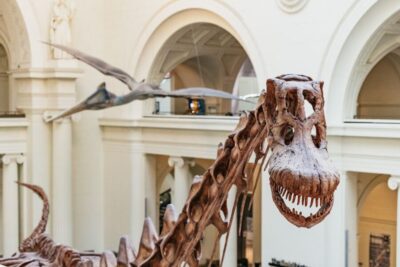
Field Museum of Natural History Ticket or VIP Tour
Read our review →Browse the lists this tour appears in