
Review · GREECE HISTORY TOURS
Small-Group Food and Cultural Tour in Corfu
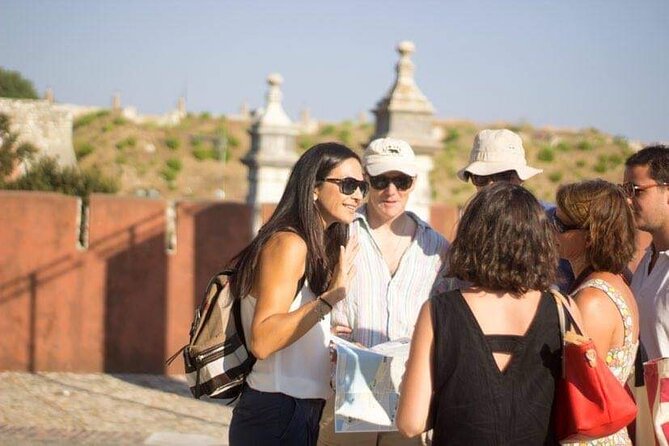
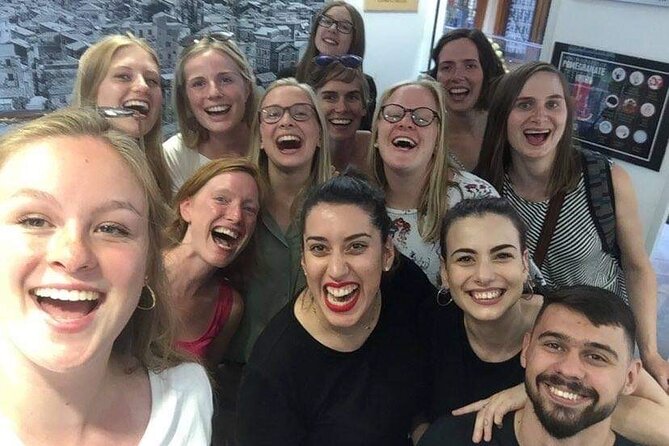
Corfu’s best introduction may be one you can eat. This three-hour walk pairs the UNESCO-listed Old Town with pastries, olive oil, local drinks, and a full meal of Corfiot dishes. I like the way the tour connects food to the island’s Greek, Venetian, French, and British past. I also like the small-group feel and the chance to meet local shopkeepers instead of simply passing monuments.
The main drawback is the food order. Some departures serve sweets and drinks before the main meal, which can feel backwards if you prefer dinner first. You’ll also do a fair amount of walking on old-town streets, and the formal details list group sizes up to 20, despite the experience being promoted around groups of eight. Confirm the expected size when booking.
Key points at a glance
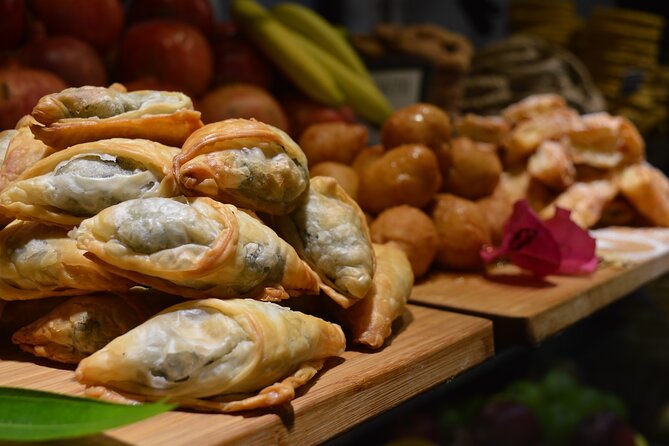
- Corfiot food beyond standard Greek fare: Try pastitsada, sofrito, spinach pies, cheese pies, kumquat drinks, olive oil, local spices, yogurt, and sweets.
- A useful Old Town orientation: The route covers the Old Fortress area, Spianada, Liston, Saint Spyridon, the Town Hall, and the former Jewish quarter.
- Several guides receive warm praise: Alice, Nausica, Valia, Electra, Alkistis, and Vilia are named as friendly, energetic, and well prepared.
- A real meal is included: The morning option ends with a seated lunch featuring pastitsada, Greek salad, ouzo, and other local tastes.
- Good for cruise schedules: The tour lasts about three hours and offers morning or early evening departures.
- Plan for a full stomach: Portions are described as generous, so arrive hungry and avoid scheduling another large meal right afterward.
Starting beside the Old Fortress
The meeting point is in front of Corfu’s Old Fortress, at the statue of Schulemburg on Agoniston Politechniou. Your guide begins with an introduction to the fortress from outside, then leads you toward the historic center.
This is a sensible place to start. The fortress gives you an immediate sense of Corfu’s strategic importance, while the walk into town shows how quickly the city shifts from military defenses to Venetian lanes, grand squares, churches, and shops.
The guide is an important part of the experience. Named guides include Alice, Nausica, Valia, Electra, Alkistis, Vilia, and others. The strongest feedback centers on their energy, clear English, personal warmth, and ability to link food with the story of the island. That makes a difference on a walking tour. A list of dates and architectural facts is easy to forget. A guide who explains why a spice, drink, or dish appears in Corfu can make the city easier to understand.
The first talk is outside the fortress, so you should not expect a full fortress visit based on the information provided. If entering the fortress is important to you, plan a separate visit.
More Local Culture and Traditions Tours in Greece
- Naxos Half Day History and Culture Guided Tour
★ 5.0 · 491 reviews - Naxos: Half-Day Guided History and Culture Sightseeing Tour
★ 4.7 · 435 reviews - Corfu: History and Culture Walking Tour
★ 4.9 · 55 reviews
Spianada and the cafés of Liston
From the fortress, you reach Spianada, Corfu’s central square. Its name comes from the Venetian word for an open, flat area. It is often described as the largest square in the Balkans, and its size is easy to appreciate once you are standing in it.
Spianada was not always a public gathering place. Before the nineteenth century, it was a large empty area used for defense. The French later shaped it into a public square. Today, it is one of the city’s main social spaces, with cafés and restaurants lining the Liston arcade.
One quirky detail gives the square extra character: cricket matches are played here. Corfu is the only place in Greece where the sport is played, a reminder of the island’s time under British rule. This is the sort of detail that helps you see the city as more than a collection of Greek monuments.
The tour does not simply rush through Spianada on the way to the next tasting. Your guide uses the square to explain how different powers left their mark on Corfu. Venetian defenses, French planning, British administration, and Greek life all meet here.
The Palace of Saint Michael and Saint George
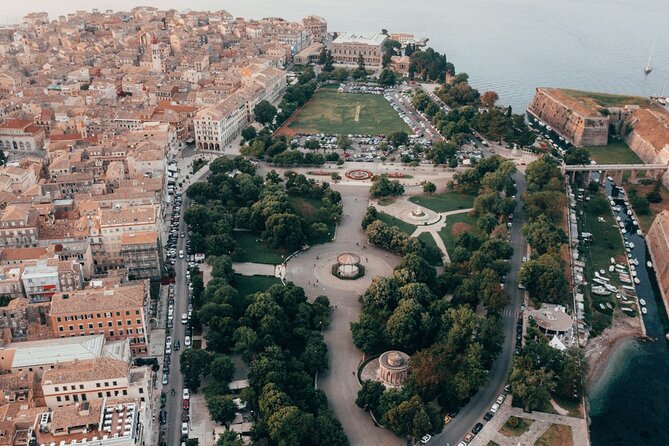
At the northern side of the historic center, the Palace of Saint Michael and Saint George recalls the British period, which began in 1814 and ended in 1864 when the Ionian Islands reunited with Greece.
The palace was built at the request of British High Commissioner Sir Thomas Maitland. It served as his residence and housed the administrative offices of the British government. The building is among the largest reminders of that period in Corfu.
Today, it houses the Corfu Museum of Asian Arts. The museum was founded in 1928 and holds about 15,000 works from the Far East and India. The tour focuses on the exterior and the surrounding square, so you should not assume museum admission is part of the walk. Still, the palace is a useful stop because it shows how varied Corfu’s past has been.
I appreciate this kind of context on a food tour. Pastitsada and kumquat liqueur can seem like isolated local specialties until you hear about the island’s many outside influences. The food becomes a record of contact, trade, occupation, and adaptation.
Saint Spyridon and the heart of Corfiot devotion
The Holy Church of Saint Spyridon is one of the central stops. Saint Spyridon is the patron saint of Corfu and is regarded locally as a miracle worker.
The church is free to enter during the tour, with about 15 minutes allocated for the visit. Dress and behave respectfully, as you would in any active place of worship. The stop gives the walk a different tone after the open square and civic buildings. Here, the focus shifts from government and defense to faith and daily island life.
A guide can add useful meaning here, especially if you are unfamiliar with the role of local patron saints in Greek communities. The tour is not only about tasting food. It shows you how religion, family customs, public spaces, and cuisine fit together in Corfu.
Because this is a working church, access and timing can depend on services or local conditions. The provided details promise a visit, but they do not promise a private viewing or an extended church tour.
Same streets, a different century:
- Athens: Ancient Greek Theater Performance
★ 4.7 · 2,481 reviews - Historical Delphi One Day Tour with Arachova Stop & Expert Guide
★ 4.5 · 1,247 reviews - From Athens: Ancient Corinth Day Trip with Canal & VR Guide
★ 4.6 · 1,073 reviews - Historic Athens: Small Group Electric Bike Tour
★ 4.9 · 966 reviews
Town Hall Square and the old San Giacomo Theatre
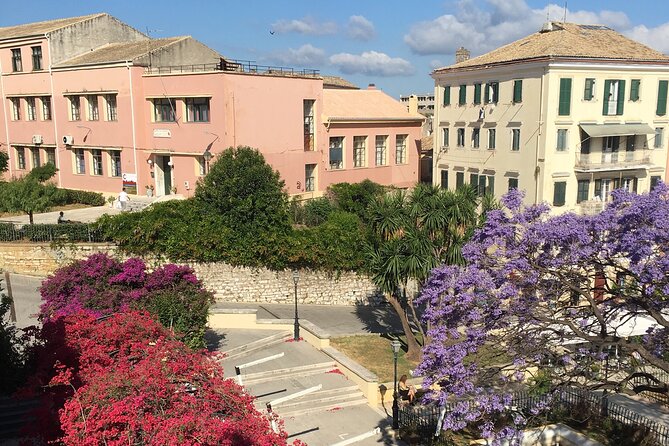
Walking through the narrow streets, you reach the Town Hall Square. This area was once an exclusive Venetian neighborhood, with villas and an opera house for the upper classes.
The Town Hall itself has had several lives. It began as a club for noblemen. In 1720, it became the Noble Theatre of Saint Giacomo of Corfu. In 1903, it was converted into the Town Hall.
That change tells you something about Corfu’s old center. Buildings here were often reused as political power shifted and the city’s needs changed. The route gives you about 30 minutes around this area, making it one of the longer sightseeing stops.
The narrow lanes are attractive but not always easy underfoot. Reviews of the experience repeatedly point out that there is a lot of walking. Wear comfortable shoes, and do not treat this as a sit-down tasting with a few sightseeing pauses. It is a walking tour with substantial food along the way.
The old Jewish quarter, known as Evraiki
The walk continues through Evraiki, the former Jewish quarter in the southeast section of the city near the Venetian fortifications.
In Greek, the area is still called Evraiki. It was once the old Venetian ghetto, crossed by alleyways and lined with tall, faded houses that recalled Venice. Bombing during the Second World War damaged the area and broke up much of its former unity.
This part of the route adds an important layer to the tour. It is easy to reduce Corfu to fortresses, elegant squares, and holiday restaurants. The Jewish quarter points to the communities and hardships that shaped the town too.
The information provided does not promise a museum visit or a formal Holocaust history program. Instead, you see the district while your guide explains its place in Corfu’s past. If this subject matters especially to you, ask your guide for more detail during the walk.
Eating your way through Corfu
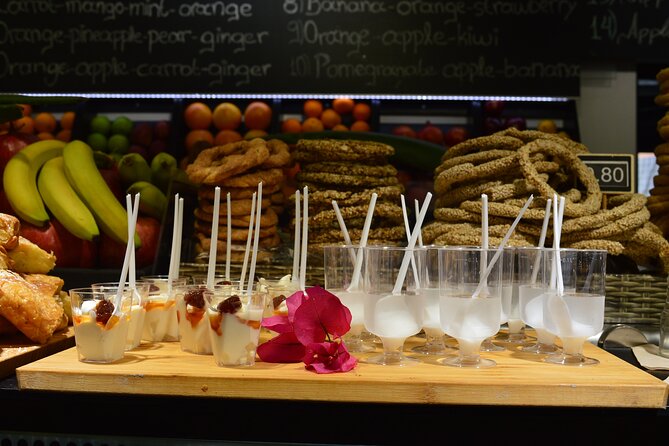
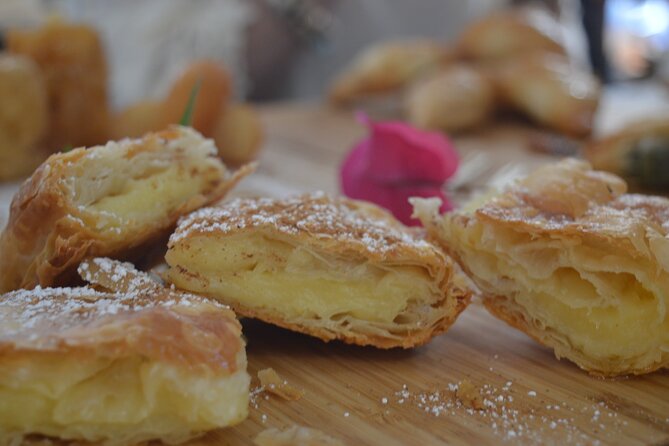
The food changes by stop and may vary slightly by departure, but the structure is generous. A morning tour begins with a Greek-style brunch that can include spinach pies, cheese pies, Greek yogurt, and ginger beer.
You may also stop at a bakery or bread shop for items served with honey and butter. These are simple foods, but they give you a better feel for everyday flavors than a single restaurant plate can provide.
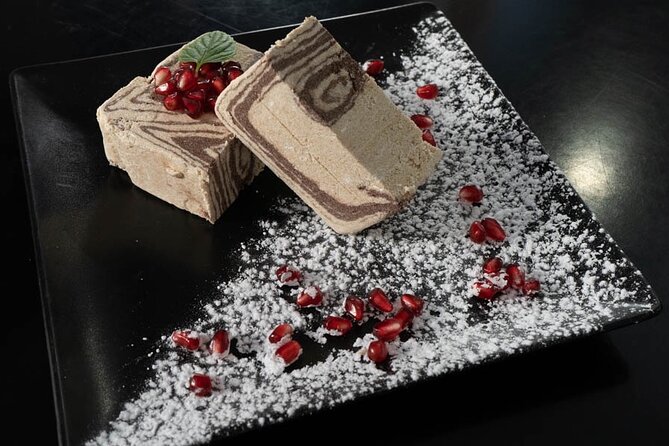
Another stop focuses on local drinks and sweets. Tastings described for the tour include kumquat liqueur, limoncello, candied kumquat, and other local treats. Corfu is closely associated with kumquat products, and tasting them in several forms helps you compare the fruit, the preserved sweet, and the liqueur.
The olive oil stop is especially useful. A local vendor explains the island’s olives, spices, and oil, followed by a tasting. You might also find yourself buying oil or spices to take home, but shopping is not required. The value is in learning what you are tasting and how these products fit into local cooking.
Some food stops take place in small local shops. That can mean limited seating, a short pause, or a more informal setup. In exchange, you get direct contact with the people selling the products, rather than a standard restaurant meal built only for tour groups.
Pastitsada, sofrito, and the final meal
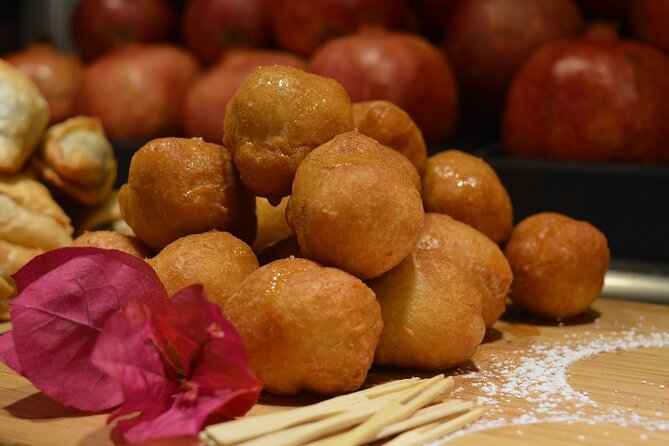
The morning tour ends with a seated lunch. The featured dish is pastitsada, a beef stew cooked with tomatoes and spices such as cinnamon, cloves, black pepper, sweet paprika, and hot paprika, served with pasta.
Pastitsada is one of the dishes that makes Corfiot food distinct. The spices give the tomato-based stew a darker, warmer flavor than a basic pasta sauce. Greek salad and ouzo are also included, and some food descriptions mention sofrito and wine as part of the final meal.
The meal is a strong value point. You are not paying for a few token samples and then left to find lunch on your own. The tour combines several small tastings with a proper restaurant meal. Portions are described as plentiful, so I would schedule this as your main food event for the day.
The sequence may feel odd. Several people found it strange to eat sweets before the main meal, while others enjoyed ending with a relaxed dinner after the tastings. If you prefer a traditional meal progression, this is worth knowing in advance.
The early evening departure may finish with dinner rather than lunch, but the precise order and menu can depend on the departure time and local arrangements. The supplied menu specifically identifies lunch for the morning tour.
What the $108.89 price buys you
At $108.89 per person, this is not the cheapest way to see Corfu Town. The price makes more sense if you value a guide, several food stops, a full meal, and a compact introduction to the Old Town.
You are paying for more than food. The tour covers major sights that would otherwise require your own route planning, and the guide explains how Venetian, French, British, Jewish, religious, and Greek influences meet in the city.
The strongest value comes if you are in Corfu for a short time. A three-hour walk can give you a basic map of the center, several dishes to look for later, and practical suggestions for the rest of your stay. It is also useful on a cruise stop, although the meeting point is not near the port.
Cruise passengers have found that public bus 16 connects the port area with the Old Town, with a reported fare of about two euros per person using a credit card. That detail comes from the experience itself, not a private transfer. Transportation is not included, so allow time and money to reach the Old Fortress meeting point.
If you are staying in Corfu Town, the start is simpler. The tour ends back at the meeting point, which makes it easier to continue exploring the center afterward.
Group size, pace, and practical comfort
The experience is promoted as a small-group tour with a maximum of eight. However, the additional tour information lists a maximum of 20 participants. That is a meaningful difference, since eight people can gather around a shop counter more easily than 20. I would confirm the expected group size before paying if a quiet, intimate tour is important to you.
The pace includes walking between tastings and sightseeing stops. Most people can take part, and service animals are allowed. The tour is near public transportation, but private transportation is not included.
The activity requires good weather. If rain or other poor conditions lead to cancellation, you are offered another date or a full refund. Light rain does not necessarily end the experience, and guides may adjust the route, but you should bring suitable clothing and shoes.
Free cancellation is available up to 24 hours before the start time. Cancellations or changes inside that window are not refunded or accepted, and all cutoffs use local Corfu time.
Who will enjoy this Corfu food tour?
I would choose this for a first visit to Corfu Town, especially if you want food and sightseeing in one booking. It suits people who like to ask questions, walk through old neighborhoods, and try unfamiliar dishes without spending time choosing every restaurant themselves.
It also works well for families and mixed-age groups. The guides are described as making the tastings fun for both younger and older members, and the food is served in enough variety to keep the experience moving.
Food lovers should arrive very hungry. The mix of pastries, yogurt, sweets, drinks, olive oil, spices, and a full meal is substantial.
I would think twice if you dislike walking, need a tightly controlled meal sequence, or want a deep museum visit. The tour provides outside context at several monuments, but its focus remains the combination of food, streets, and local stories.
Should you book it?
Book this tour if you want an easy, flavorful introduction to Corfu Town and prefer local dishes to a standard sightseeing circuit. The best parts are the guide-led connections between food and place, the range of tastings, and the final meal of Corfiot specialties.
Before booking, confirm the group size, departure time, meeting point, and likely food order. Then arrive hungry, wear good walking shoes, and leave room in your schedule for a long lunch or dinner. For a short stay, a cruise visit, or your first day in town, this is a practical way to get oriented and fed at the same time.
FAQ
How long does the Corfu food and cultural tour last?
The tour lasts approximately three hours.
Where does the tour begin?
It begins in front of the Old Fortress at the statue of Schulemburg, on Agoniston Politechniou in Corfu Town.
Where does the tour end?
The activity ends back at the meeting point.
What food is included?
The tour includes Greek brunch items such as spinach pies, cheese pies, Greek yogurt, and ginger beer, along with snacks, olive oil tasting, local spices, sweets, drinks, Greek salad, ouzo, and a seated meal. The featured main dish is pastitsada.
What is pastitsada?
Pastitsada is a Corfiot beef stew made with tomatoes and spices including cinnamon, cloves, black pepper, sweet paprika, and hot paprika. It is served with pasta.
Are morning and evening departures available?
Yes. You can choose a morning or early evening departure.
Is transportation included?
No. Private transportation is not included. The meeting point is near public transportation.
What is the cancellation policy?
You can cancel up to 24 hours before the experience for a full refund. Changes or cancellations made less than 24 hours before the start time are not accepted or refunded. If poor weather causes the operator to cancel, you are offered another date or a full refund.
More Small-Group History Tours in Greece
- Athens: Small Group E-Bike Tour of Historic Highlights
★ 4.9 · 154 reviews - Athens Highlights by E-Bike: Small-Group Historic Tour
★ 5.0 · 131 reviews - London Small Group Tour of Historical Pubs
★ 5.0 · 10,422 reviews - Boston: Freedom Trail History Small Group Walking Tour
★ 5.0 · 6,450 reviews
Newest history tours we have reviewed in Greece
- Athens: Women in Ancient Greece★ 5.0 · 98 reviews
- Athens: The History of Greek Mythology Private Tour★ 4.7 · 53 reviews
- Athens: Kotsanas Museum of Ancient Greek Technology Ticket★ 4.9 · 26 reviews
- Athens: Ancient Corinth & Nafplion Guided Premium Tour★ 4.7 · 237 reviews
- Athens: Be an Ancient Sculptor: Craft Your Greek Masterpiece★ 5.0 · 26 reviews
- Athens: Roman Agora & Ancient Agora E-ticket & 2 Audio Tours★ 4.1 · 107 reviews
- Athens: Ancient Greek Theatre Murder Mystery Experience★ 4.8 · 298 reviews
- Athens: Corinth Canal and Ancient Olympia Private Trip★ 4.6 · 21 reviews
Local Culture & Traditions Tours, compared.

Amsterdam Food and Cultural Tour with Tastings
Read our review →
Sevilla Food Tour: Tapas, Wine, History & Traditions
Read our review →
Tromsø: Reindeer Camp and Sami Cultural Tour with Lunch
Read our review →
Half Day Dominican Republic Cultural Tour : Small Group
Read our review →
Ultimate Melbourne Walking Tour: History, Laneways & Culture
Read our review →
Tromsø: Sámi Reindeer Sledding and Sami Cultural Tour
Read our review →
Kyoto Gion: 2-Hour Geisha Culture & History Walking Tour
Read our review →
Marrakech Historical and Cultural Tour – Half Day City Tour
Read our review →Browse the lists this tour appears in