
Review · SEOUL HISTORY TOURS
Seoul: Evening Dark History, Folklore & Ghost Story Walking Tour
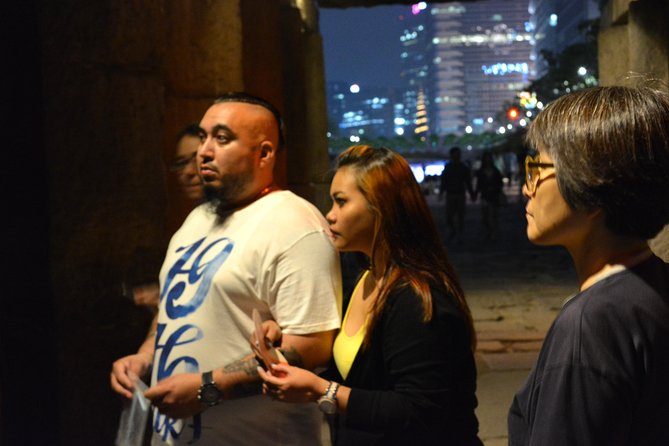
Seoul’s past takes on a different shape after dark. This walking tour leads you through Gyeonghuigung Palace, Pimatgol Alley, Tapgol Park, and narrow older streets while guides such as Shawn and Joe tell stories of ghosts, torture, palace tragedy, monsters, and everyday Korean folklore.
I like two things right away. First, the tour uses real places instead of treating Seoul as a stage set for spooky tales. Second, it gives you a map link after the walk, including locations discussed along the route and secret torture chambers. The main thing to consider is the price: at $42.90, this is not a cheap stroll, and the experience works best if you want cultural context as much as scares.
Key things to know before you book
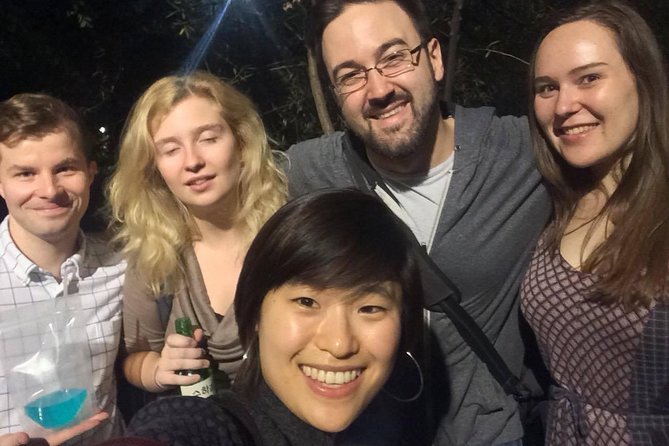
- Gyeonghuigung Palace after dark: The palace is treated as the tour’s most unsettling stop, with stories tied to royal violence and a heavy atmosphere.
- Extended edition recommended: The longer route gives you more folklore, more history, and additional eerie locations.
- Guides shape the experience: Shawn and Joe are known for humor, personal stories, and clear explanations, though one account found the delivery too matter-of-fact.
- A real city walk: Expect back alleys, old neighborhoods, palace grounds, and a moderate amount of walking over two to three hours.
- More folklore than jump scares: The tour focuses on why Korean ghost stories exist and what they reveal about culture and social fears.
- Plan your arrival carefully: It begins at 8 p.m., the start point changes by day, and the subway is more dependable than a taxi.
Seoul’s darker side begins in ordinary streets
The best part of this experience is the setting. You are not shut inside a theater hearing a ghost story with a few props. You walk through Seoul at night, passing busy streets, quiet alleys, historic sites, and palace grounds while the guide connects each place to an unsettling tale.
That mix gives the evening some substance. You may hear about spirits, monsters, and gruesome legends, but you also get stories about Korean customs, social fears, royal conflict, independence, and modern urban folklore. The supernatural material is used as a way to explain how people understand danger, death, guilt, and the unknown.
The tour begins at 8 p.m. and lasts about two to three hours. The exact route depends on the edition and day. Tuesdays, Wednesdays, and Fridays offer regular and extended versions. Thursdays, Saturdays, and Sundays offer the extended edition only. If you have the choice, I would pick extended. Several parts of the route seem to build on one another, and the shorter option can leave you with less of the material that makes this experience distinctive.
More Dark History and Haunted Tours in the world:
- Savannah History and Haunts Candlelit Ghost Walking Tour
★ 5.0 · 3,235 reviews - Stockholm: Ghost Walk and Historical Tour
★ 4.7 · 2,685 reviews - New Orleans Small-Group Haunted History Carriage Tour
★ 4.5 · 2,289 reviews
Why the guides matter more than the ghosts
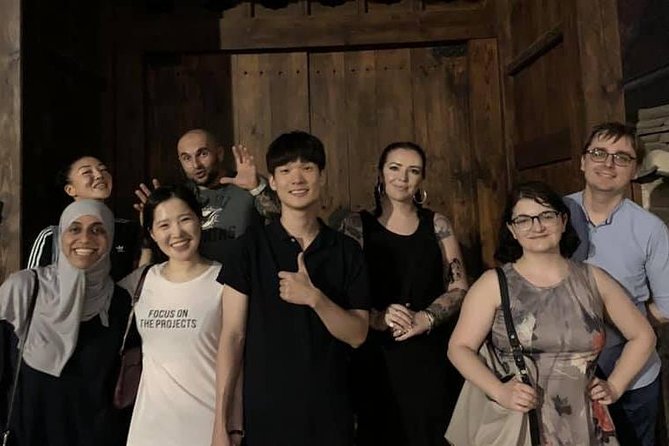
A ghost walk lives or dies by its guide. The stories need timing, clear explanations, and enough humor to keep the evening from becoming a string of grim facts.
Shawn receives particular praise for his command of Korean folklore and his ability to make complicated cultural ideas easy to follow. He has also written books and comics about the subject, and that background shows in the way he connects older beliefs with new stories created by modern society. Joe is described as lively and approachable, with personal details about Seoul and a talent for keeping a group involved.
You should expect more than a spooky voice and a flashlight. The guides explain why a legend may have developed, how it changed over time, and what it says about Korean ideas of family, misfortune, death, or social order. A story about a spirit in a household wall, for example, becomes more memorable when you learn how folklore can grow from ordinary worries.
The tone can vary by guide. Most accounts describe the storytelling as funny, engaging, and well paced. One less favorable experience found the delivery too factual and not very eerie. That is a fair warning. This is not a haunted-house attraction, and no guide can promise a ghost sighting. The evening depends on atmosphere and storytelling, not theatrical effects.
Gyeonghuigung Palace and the weight of royal tragedy
Gyeonghuigung Palace is the main atmospheric stop. It is presented as one of the most haunted places in South Korea, and the nighttime setting gives the stories more force than they would have in daylight.
The palace matters because the tales are tied to real events and royal violence rather than to generic horror. You hear about ghosts connected with the old court, tragic deaths, and a massacre site. The details are intended to be disturbing, and some of the material includes gore and torture.
I like this part of the walk because the palace is not treated only as a pretty historic building. You are asked to think about the people who suffered there and how later generations turned painful events into stories about restless spirits. That approach gives the stop a cultural purpose.
Still, do not expect the palace to be abandoned or isolated. Seoul remains a modern capital, and the surrounding city does not disappear just because the sun has gone down. The atmosphere may be strongest on a cold or foggy evening, but weather is never guaranteed. Some accounts describe the palace as carrying a heavy feeling, while others simply found the stories interesting rather than frightening.
Pimatgol Alley and Seoul’s older street life
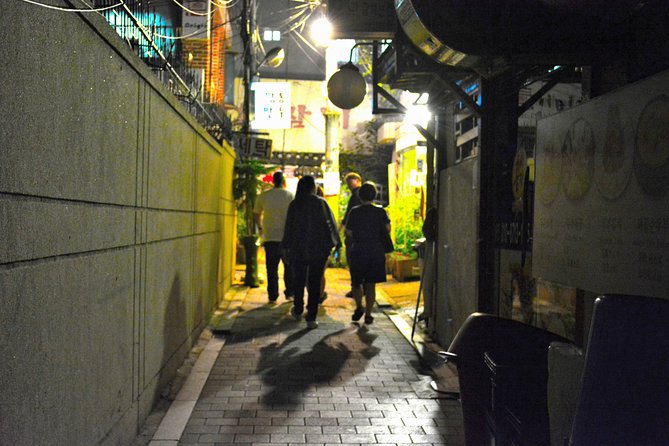
Pimatgol Alley brings the tour back into the city. Rather than focusing only on royal sites, the route uses older lanes to show how stories grow in everyday places.
Pimatgol is associated with the older fabric of Seoul, where narrow passages and back routes can reveal a side of the city you might miss on a standard sightseeing walk. The guide uses these streets to discuss secrets, dark incidents, and folklore tied to ordinary urban life.
This is one of the tour’s strongest practical features. You are not just collecting facts about one palace. You are seeing how old and new Seoul overlap. A lively alley may sit near a quiet historic quarter, and a modern street can lead to a place with a long memory.
The drawback is simple: narrow lanes are not always comfortable for a large group. The maximum group size is 25 people, so you may occasionally need to pause while everyone gathers. The route is also a walk rather than a series of short transfers. Wear proper shoes and expect to be on your feet for much of the evening.
More Local Culture and Traditions Tours in the world:
- Amsterdam Food and Cultural Tour with Tastings
★ 5.0 · 4,315 reviews - Sevilla Food Tour: Tapas, Wine, History & Traditions
★ 5.0 · 3,468 reviews - Tromsø: Reindeer Camp and Sami Cultural Tour with Lunch
★ 4.7 · 3,326 reviews - Half Day Dominican Republic Cultural Tour : Small Group
★ 4.5 · 1,862 reviews
Tapgol Park and the story of Korean independence
Tapgol Park adds a different historical note. It is linked with the birthplace of Korean independence, so this section moves beyond ghosts and royal tragedy into national memory.
That change of subject is useful. A weaker ghost walk might force every location into the same spooky mold. Here, the guide can show how a site connected with political history also carries stories, symbols, and memories that shape the city.
You may find this section especially valuable if you know little about Korean history. The experience does not require you to arrive with a detailed background. The guide builds a path from the location itself to the wider story of Korea, then adds the folklore and macabre details that make the walk unusual.
The tour also includes unexpected city sights. One route has included a piece of the Berlin Wall, an odd but memorable reminder that Seoul’s public spaces can hold layers of international and local history. Details like this make the walk feel less scripted than a simple list of famous landmarks.
Torture chambers, secret places, and the map you keep
The tour includes a link to a map showing the places discussed, including secret torture chambers. This is more useful than a souvenir handout because it lets you revisit the route later and remember where each story took place.
The map also gives the experience some value after the evening ends. You can use it to retrace parts of the walk, mark locations you want to see in daylight, or explain the route to someone else. It will not replace a full guidebook, but it helps preserve the connection between the stories and the city streets.
The torture material deserves a clear warning. This is not a soft, family-style folklore walk. The program includes horrific events, gore, and unpleasant historical details. Some guides can adjust how they tell a story, and one account describes a guide keeping both adults and younger participants engaged, but the subject matter remains mature.
The stated minimum age is 18 without a guardian. If you are booking for anyone younger, check the conditions carefully and do not assume the evening is suitable simply because a guide can make the tone lighter.
How scary is the Seoul ghost walk?
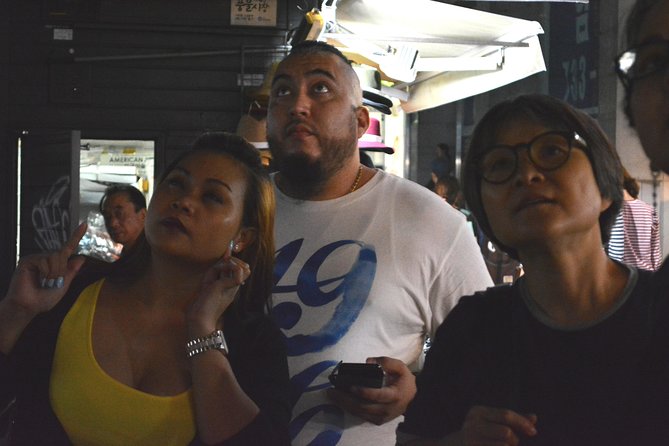
The honest answer is: sometimes eerie, rarely terrifying.
You may feel the mood sharpen inside Gyeonghuigung Palace or in a quiet alley after hearing about an old death. Fog or cold weather can help, and one particularly atmospheric evening included both. But there are no promised apparitions, actors, or special effects.
The strongest material is cultural. You learn about Korean ghosts, urban legends, household spirits, folklore about illness, and stories of demons or protective rituals. One playful part of the experience involves a small protection package against ghosts. It adds humor and gives the group something physical to remember from the night.
There is also plenty of dad humor. That can be a plus if you like a relaxed guide who keeps grim material from becoming oppressive. If you want a serious, silent, highly theatrical horror experience, this may feel too light. If you like history with jokes, strange beliefs, and a few gruesome turns, the tone should suit you.
Price, group size, and practical value
At $42.90 per person, the tour sits above the price of a basic city stroll. You are paying for a professional guide, a small-group format capped at 25 people, a two to three hour route, and access to stories and locations you might not find on your own.
I would judge the price by what you want from the evening. For a pure ghost hunt, it may seem high, especially since no supernatural encounter is promised. For a guided history and folklore walk that also shows you unfamiliar corners of Seoul, the value is stronger.
The extended edition is the better choice if the price difference is reasonable. It gives you more time with the guide and more of the darker material. Several people found the added time worthwhile, while one person felt the overall price was high for the level of suspense. That split makes sense. Your satisfaction will depend on whether you value expert storytelling and cultural background more than dramatic scares.
Group discounts are available. Food and drinks are not included, so eat before the 8 p.m. start or plan something afterward. The tour ends somewhere different from the meeting point, so check the end location before you set your evening plans.
Getting there and dressing for the night
Use the subway if you can. Traffic can slow taxis, and the meeting point changes depending on the day of the week. Confirm the start location after booking rather than relying on a saved address from another date.
Wear comfortable walking shoes. The route covers a moderate amount of ground, and the experience is less enjoyable if you are thinking about sore feet instead of the story.
The tour runs in all weather. Bring a warm layer in cool months, rain protection when needed, and clothing suited to an evening outside. Cold weather may add to the mood, but it can also make a long walk tiring.
Mobile tickets make the arrival simple, and confirmation is provided at booking. Service animals are allowed, and the tour is near public transportation. Most people can take part, but anyone who finds extended walking difficult should consider the route before booking.
Who should book this Seoul night walk?
I would recommend it to you if you like:
- Korean folklore and urban legends
- Historic places with an unsettling edge
- Walking through back streets rather than only seeing famous landmarks
- Guides who mix serious history with jokes
- Stories about why supernatural beliefs develop
- A night activity that is different from food tours or palace visits
It is also a good first activity if you want a broad introduction to Seoul’s history. You get royal stories, independence history, modern city details, and cultural customs in one evening.
You may want to skip it if you need a strongly theatrical scare, dislike gruesome subjects, or prefer a short and easy walk. The route is not a quick stop between dinner and nightlife. It asks you to walk, listen, and stay with the group for several hours.
Should you book the extended edition?
Yes, if you have the option and the extra walking suits you. The extended route gives the guide more room to explain the folklore, visit more locations, and build the mood toward Gyeonghuigung Palace. It is the version I would choose for a first visit.
Book the shorter option only if you want a lighter introduction or have limited energy. Either way, treat this as a cultural walking tour with supernatural material, not as a guaranteed fright night. At $42.90, it earns its price when the guide is engaging and you care about Seoul’s stories as much as its sights.
FAQ
What time does the tour begin?
The tour starts at 8 p.m.
How long does the experience last?
It lasts approximately two to three hours.
Is the extended edition available every day?
The regular and extended editions run on Tuesdays, Wednesdays, and Fridays. Thursdays, Saturdays, and Sundays offer the extended edition only.
Where does the tour visit?
The route includes Gyeonghuigung Palace, Pimatgol Alley, Tapgol Park, and other streets and landmarks connected with dark history and folklore. The exact stop order is not specified.
Is Gyeonghuigung Palace really part of the tour?
Yes. Gyeonghuigung Palace is a key stop and is presented as one of South Korea’s most haunted places.
Are food and drinks included?
No. Food and drinks are not included unless specifically stated.
How much walking is involved?
A moderate amount of walking is involved. Comfortable walking shoes are recommended.
Is the tour suitable for children?
The minimum age is 18 without a guardian. If someone younger is attending, check the age conditions and guardian requirements before booking.
Can I cancel for a full refund?
Yes, if you cancel at least 24 hours before the local start time. Cancellations or changes made less than 24 hours before the experience are not accepted for a refund.
More History Walking Tours in the world
- History and Hauntings of Salem Guided Walking Tour
★ 5.0 · 14,564 reviews - Lisbon: History, Stories and Lifestyle Walking Tour
★ 4.8 · 10,902 reviews - Boston: Freedom Trail History Small Group Walking Tour
★ 5.0 · 6,450 reviews - Historic Charleston Guided Sightseeing Walking Tour
★ 5.0 · 6,216 reviews
Newest history tours we have reviewed in the world
- Bilbao Historical Tour in small group★ 4.7 · 52 reviews
- Bologna: Street Food Tour in the Historic Center★ 4.8 · 125 reviews
- CEBU: Cebu City Heritage and Uphill Guided Tour★ 4.2 · 31 reviews
- Bishkek : City Tour (History, Architects, Statues & Culture)★ 4.9 · 54 reviews
- Blenheim: Omaka Aviation Heritage Centre Admission Ticket★ 4.9 · 31 reviews
- Berlin: Nazi History Walking Tour★ 4.8 · 33 reviews
- Best of Baku: 4-Hour City Tour Historic and Modern Landmarks★ 4.7 · 63 reviews
- Belfast: Best of Belfast History, Culture & Art Walking Tour★ 4.9 · 158 reviews
Dark History & Haunted Tours, compared.

Savannah History and Haunts Candlelit Ghost Walking Tour
Read our review →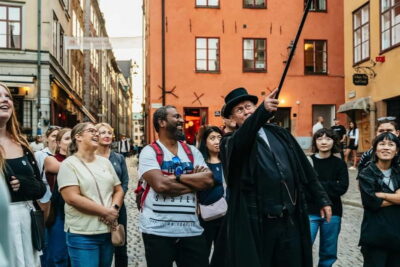
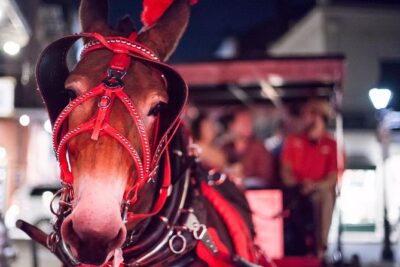
New Orleans Small-Group Haunted History Carriage Tour
Read our review →

Genteel and Bard’s Savannah Dark History and Ghost Encounter Walking Tour
Read our review →
Shadows of York: Ghost Walk and Horrible History.
Read our review →Browse the lists this tour appears in