
Review · USA HISTORY TOURS
National Museum of American History: Guided Tour
The actual Star-Spangled Banner is the star of this 2.5-hour visit to the National Museum of American History. You’ll also encounter George Washington’s sword, Dorothy’s ruby slippers, First Ladies’ gowns, and the Greensboro lunch counter, with a guide linking these objects to the nation’s political, cultural, and social story.
I like the small groups of eight or fewer, which make it easier to ask questions and keep the tour moving. I also like the range of material: this is not only a presidents-and-wars museum, but a place where Hollywood, women’s public lives, technology, segregation, and everyday American life all share the same route. The main drawback is time. With more than three million objects in the collection, 2.5 hours gives you a guided introduction, not a full museum visit.
Key points to know before booking
- The Star-Spangled Banner is the emotional centerpiece, showing the actual flag that inspired the national anthem.
- Dorothy’s ruby slippers add a strong popular-culture stop, connecting Hollywood to American identity.
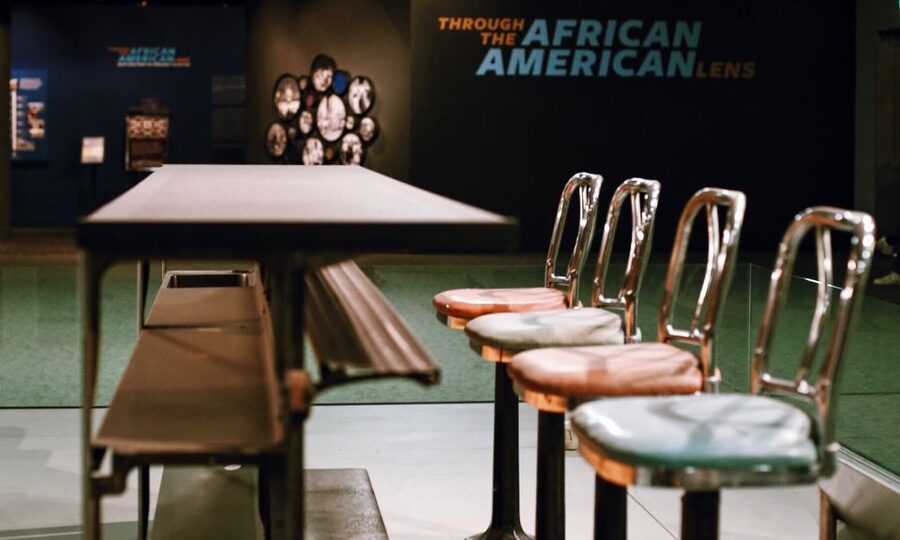
- The Greensboro lunch counter gives civil rights history a physical point of focus, rather than leaving it as an abstract lesson.
- The tour includes Washington’s sword, Jefferson’s desk, and First Ladies’ gowns, giving you political and social context in one visit.
- Private tours and small groups of no more than eight are available, a useful choice for families and visitors who prefer questions over crowds.
- English-speaking guides such as Maureen and Leigh bring different stories and energy, so the human side of the tour matters as much as the objects.
Why a guide helps in a museum of three million objects
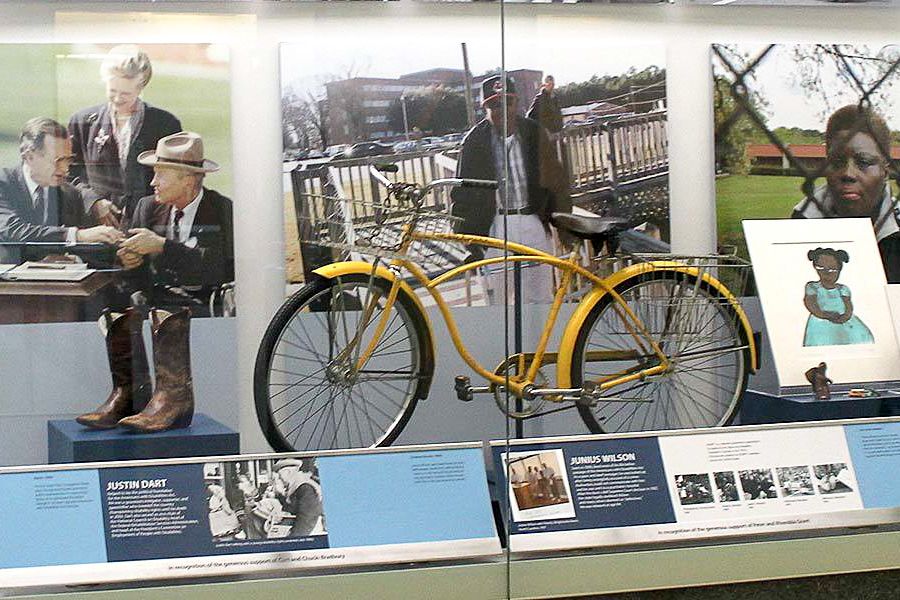
The National Museum of American History can easily overwhelm you. Its collection contains more than three million historical items, so even a visitor with a full day could leave without finding the pieces that matter most.
A guide gives the visit a clear line. Instead of wandering from one display to the next, you move through selected objects that show how the United States changed from a group of colonies into a major world power. The guide adds political, scientific, cultural, social, technological, and historical background as you go.
I find that useful because famous objects can lose their meaning when viewed alone. A sword is only a sword until you understand whose hand carried it and why it matters. A lunch counter is ordinary furniture until you learn how it became linked to the fight against segregation.
The guides also add personal anecdotes and small details. Maureen is described as energetic and engaging, while Leigh brings an enthusiastic approach and a clear pleasure in teaching. Your assigned guide may differ, but the experience depends on having someone who can decide what deserves your attention and what can wait for another visit.
More Museum and Gallery History Tours in the USA
- New York City: American Museum of Natural History Ticket
★ 4.5 · 15,447 reviews - American Museum of Natural History Admission Ticket
★ 4.0 · 1,931 reviews - Guided African American History Tour with Reserved Museum Entry
★ 4.5 · 1,180 reviews
Starting with America’s founding story
The tour introduces the American experience from colonial times forward. The material covers a long and often turbulent path, so you should expect selected stops rather than a room-by-room account of every period.
George Washington’s sword provides one early anchor. It gives the guide a natural way to discuss the first president and the nation’s founding years. You are not simply looking at a ceremonial object. You are using it as a starting point for questions about leadership, revolution, power, and the way national figures are remembered.
Thomas Jefferson’s desk adds another personal object to the route. A desk can seem less dramatic than a sword or flag, but it helps bring political history down to a human scale. It suggests the work of writing, planning, and governing behind the public image of the founding generation.
These early stops are especially useful if you want context before reaching the museum’s better-known displays. The tour does not treat the United States as a finished success story. It presents a country shaped by conflict, ambition, invention, exclusion, and change.
The Star-Spangled Banner in person
The original Star-Spangled Banner is the object many people most want to see. This is the actual flag connected to the national anthem, not a reproduction or later ceremonial version.
Its importance comes from several directions. It is a national symbol, a surviving historical object, and a reminder that public identity is built around physical things as much as written ideals. Seeing it in person makes the anthem feel less distant. You are looking at the object that helped give the song its enduring national meaning.
Your guide can provide the background that a label alone cannot. The surrounding display may seem quiet and restrained, but that is part of the point. The flag does not need a theatrical presentation to carry weight.
Plan to give this stop your full attention. You will have other famous objects ahead, yet the Star-Spangled Banner is the clearest example of how an artifact can connect a national story with a very tangible piece of cloth.
Dorothy’s ruby slippers and the American screen

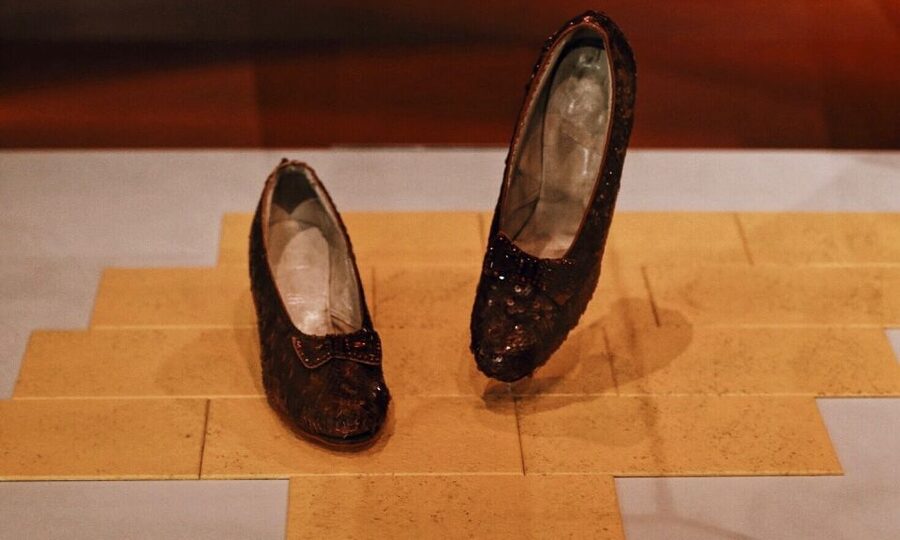
The ruby slippers from The Wizard of Oz shift the mood. After the political and military material, you reach an object tied to film, fantasy, celebrity, and mass entertainment.
These slippers help explain how Hollywood shaped American culture. The museum is not only asking what happened in government buildings or on battlefields. It is also asking how movies created shared images, catchphrases, heroes, and dreams.
I like this stop because it broadens the idea of history. The shoes are instantly recognizable, but their value goes beyond nostalgia. They show how a film can become part of national memory and how entertainment can influence the way people understand courage, home, and belonging.
The display also gives the tour a welcome change of pace. If you are visiting with children, the slippers may be the object that holds their attention first. Adults often find an unexpected amount to discuss here, too, especially when the guide connects popular culture with the country’s wider social story.
Same streets, a different century:
- History and Hauntings of Salem Guided Walking Tour
★ 5.0 · 14,564 reviews - Charleston’s Old South Carriage Historic Horse & Carriage Tour
★ 5.0 · 10,023 reviews - Beneath The Streets Underground History Tour
★ 4.5 · 8,006 reviews - Big Island in a Day: Volcanoes Waterfalls Sightseeing and History
★ 5.0 · 6,569 reviews
First Ladies’ gowns and women’s public roles
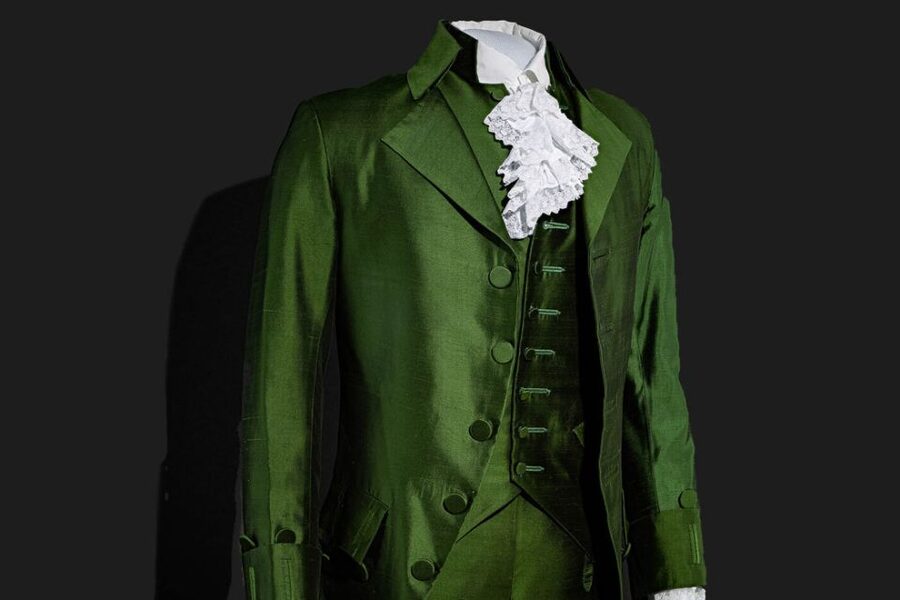
The First Ladies’ gowns provide another shift in focus. Presidential history often centers on the men who held office, but clothing can reveal how women participated in public life and how expectations changed over time.
The gowns are not simply fashion pieces. They can open a conversation about public image, ceremony, influence, gender roles, and the careful way women connected private life with national politics. A dress worn at a public event can say something about the person who wore it, the era she represented, and the role society expected her to play.
This part of the tour is valuable because it widens the story beyond presidents and official documents. You see American history through public presentation and social change, not only through laws and elections.
Do not expect this to be a complete history of women in the United States. It is one focused display among many. Still, the gowns give your guide a useful way to explain how women’s visibility and responsibilities changed over the years.
The Greensboro lunch counter and civil rights
The Greensboro lunch counter is one of the most direct stops on the tour. It connects an ordinary piece of furniture with the civil rights movement and the history of segregation.
That physical connection matters. Reading about segregation can feel remote, but a counter used in a place of exclusion gives the subject a human scale. You can picture the ordinary setting in which an unjust system was enforced, and you can discuss the courage required to challenge it.
The stop also fits the museum’s wider method. American history is not presented only through grand symbols. It appears in everyday objects that took on national importance because of the people and events connected to them.
Your guide will discuss the counter and its place in the struggle against segregation. Some rooms have rules requiring quiet or limiting speech, so information may be given before you enter rather than while you are inside. That can make the pacing feel slightly unusual, but it allows the museum to protect the character of sensitive displays.
What the 2.5-hour route feels like
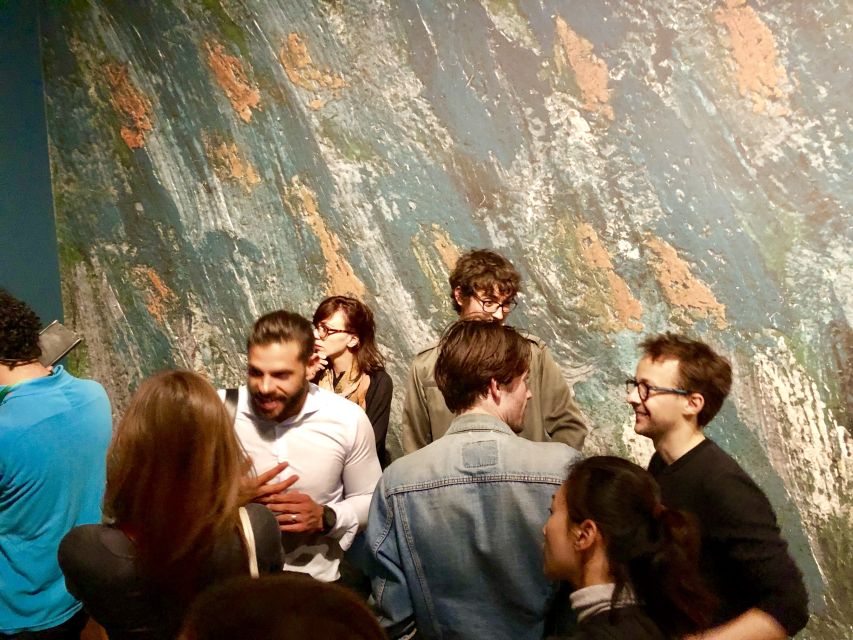
The walking tour lasts 2.5 hours, which is long enough for a substantial introduction but short enough to fit into a busy Washington schedule. You should expect to spend the time on your feet, moving between displays and listening to explanations.
The route brings together political, cultural, social, scientific, and technological subjects. The exact collection on view can change, and some rooms or displays may occasionally be unavailable. Your guide will adjust the visit if needed, but do not treat the tour as a guarantee that every museum section will be included.
Because the collection is so large, the pace matters. A strong guide will keep you from getting stuck at one object for too long while still allowing room for questions. Maureen and Leigh are both described as bringing energy and enthusiasm, qualities that help during a long museum walk.
The end of the activity is back at the meeting point. The starting location can vary depending on the option you book, so check your confirmation carefully before setting out.
Small group or private tour?
The small-group option allows no more than eight people. That is a good middle ground: you get the structure of a guided visit without the feel of a large crowd.
A small group works well if you want to ask questions, hear the guide clearly, and stay close to the selected objects. It also gives the guide a better chance to notice what interests you. If your group is made up of family members or friends, a private tour offers more control over the rhythm and discussion.
The private option costs more in principle, though the listed price is $86 per person and the final amount can depend on the option selected. I would judge the value by your priorities. If you are comfortable reading labels and choosing your own route, independent entry may suit you better. If you want a clear story and help finding the museum’s most important objects, the guided format earns its price more easily.
The tour includes the professional guide and the 2.5-hour walking visit. Food, drinks, hotel pickup, hotel drop-off, and temporary exhibits are not included.
Practical details that affect your visit
The museum requires security screening, and large bags or suitcases are not allowed inside. Bring only a handbag or small, thin backpack. This is worth planning around because arriving with luggage can create a problem before the tour even begins.
Bring a passport or other identity card. Appropriate dress is required for entry into some sites on the tour, so simple, respectful clothing is the safest choice.
The activity is conducted in English. You can cancel up to 24 hours before the start for a full refund, and the reserve-now, pay-later option lets you hold a place without paying immediately.
The supplied information says the tour is not suitable for wheelchair users, while also asking visitors who need an accessible tour to mention that requirement when booking. Treat accessibility as something to confirm directly before you pay, rather than assuming the standard route will work for you.
The museum can close without advance warning. If its opening is delayed by more than one hour, an alternative will be provided, but the supplier does not promise a refund or discount in that situation. That policy is worth knowing if you are building a tight schedule around the visit.
Who will get the most from this tour?
I would choose this tour if you have limited time in Washington and want the museum’s main ideas explained in a logical order. It suits first-time visitors, families, and anyone who prefers objects with a story rather than a silent walk through display cases.
It is also a good fit if you want more than presidential history. The route includes national symbols, Hollywood, women’s public roles, civil rights, and the material culture of the founding era.
You may prefer to visit independently if you want to read every label, linger over less famous collections, or spend much longer than 2.5 hours inside. The guided route makes choices for you. That is its strength, but also its limit.
Should you book the National Museum of American History tour?
Book it if you want a focused first visit built around the museum’s most memorable objects. The Star-Spangled Banner, Washington’s sword, Jefferson’s desk, Dorothy’s slippers, First Ladies’ gowns, and the Greensboro lunch counter give you a strong overview of the American story without forcing you to navigate millions of objects alone.
At $86 per person, the tour is best value for someone who places a premium on explanation, structure, and a small group. The passionate approach associated with guides such as Maureen and Leigh can turn a famous object into a meaningful lesson.
Skip it if you prefer a slow, self-directed museum day or want to concentrate on temporary exhibits, which are not included. For most first-time visitors with only a few hours, though, this is a practical way to see the museum’s key displays and understand why they matter.
FAQ
How long does the National Museum of American History guided tour last?
The guided walking tour lasts 2.5 hours. Starting times depend on availability when you book.
What language is the tour conducted in?
The tour is conducted in English with a live English-speaking guide.
How many people can join the small group?
A maximum of eight people is permitted on each tour. A private tour option is also available.
Is the Star-Spangled Banner included?
Yes. The tour includes the original Star-Spangled Banner connected to the national anthem.
What other objects are included on the tour?
The route includes George Washington’s sword, Dorothy’s ruby slippers from The Wizard of Oz, First Ladies’ gowns, the Greensboro lunch counter, and Thomas Jefferson’s desk.
Are food, drinks, and hotel transfers included?
No. Food, drinks, hotel pickup, and hotel drop-off are not included.
Can I bring luggage into the museum?
No large bags or suitcases are allowed. Only handbags or small, thin backpacks may pass through security.
Can I cancel the tour?
Yes. You can cancel up to 24 hours in advance for a full refund.
Newest history tours we have reviewed in the USA
- Self Guided Detroit’s Spirit and History Solo Walking Tour★ 4.5 · 41 reviews
- Best Downtown Detroit Historical Walking Tour★ 5.0 · 56 reviews
- Detroit’s Hidden History Guided Walking Tour★ 5.0 · 48 reviews
- Private Nightlife Tour in Denver: Culture, History, and Cocktails★ 5.0 · 48 reviews
- Historical Walking Tour Of Denver With A Haunting Twist★ 5.0 · 19 reviews
- Tip Based: Capitol Hill History & Ghost Tour★ 5.0 · 34 reviews
- Denver – Capitol Hill Guided Walking Ghost / History Tour★ 4.5 · 75 reviews
- Downtown Dallas Sightseeing & History 2 Hour E-Scooter tour★ 5.0 · 155 reviews
Museum & Gallery History Tours, compared.

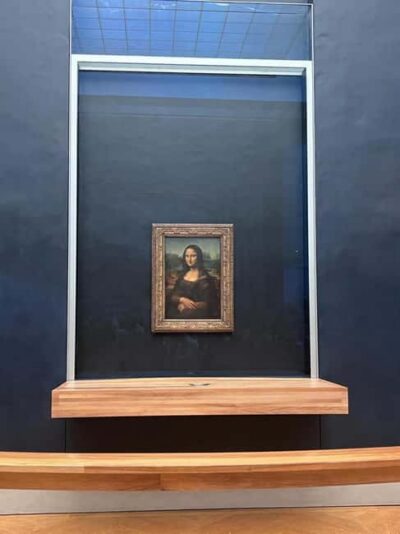
Louvre Museum Entry with History of Mona Lisa
Read our review →
Venice’s Best: Basilica, Doge’s Palace, Gondola & History Gallery
Read our review →
American Museum of Natural History Admission Ticket
Read our review →
Guided African American History Tour with Reserved Museum Entry
Read our review →
POLIN Museum of the History of Polish Jews Ticket
Read our review →
Bell Tower & St Mark’s Square History Gallery Ticket
Read our review →
Field Museum of Natural History Ticket or VIP Tour
Read our review →Browse the lists this tour appears in