
Review · USA HISTORY TOURS
National Medal of Honor Heritage Museum Admission Ticket in Chattanooga
The most powerful part of the National Medal of Honor Heritage Center is its focus on the moment of decision. You follow real people who faced impossible danger and chose to serve others, with 6,000 objects helping connect those individual acts to American military history.
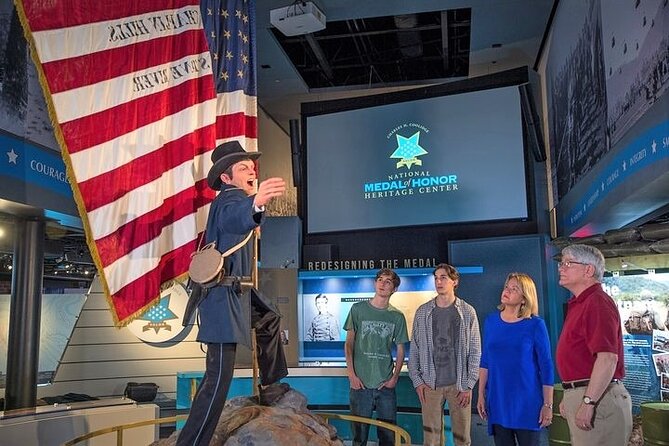
I like the center’s mix of theater, wax figures, and detailed displays, which gives younger visitors more than rows of printed panels. I also like the human welcome. Clint, Stephen, and Bob are among the staff members praised for explaining the exhibits and putting the stories into local context.
The main drawback is practical rather than historical: downtown parking in Chattanooga can be costly and frustrating. Also, a private event once left ticket holders unable to enter, so it is sensible to confirm the center is open before setting out.
Key points to know before you go
- Stories reach from the Civil War to the present: The center places Medal of Honor recipients across a long stretch of American military history.
- A theater and staged scenes break up the reading: Wax figures and recreated settings help explain what happened during acts of courage.
- Personal staff guidance can shape the visit: Clint, Stephen, and Bob have each helped guests get more from the exhibits.
- The visit usually takes one to three hours: You can make it a short stop or give the displays the time they deserve.
- The center sits in downtown Chattanooga: Public transportation makes access easier, but parking deserves advance thought.
- The strongest moments may be personal: Medal of Honor recipient Ryan Tipps has taken part in student question-and-answer sessions at the center.
Why this Chattanooga museum feels different
Many military museums ask you to admire equipment. This one asks you to think about character.
The Medal of Honor is the central subject, but the center does not treat the medal as a simple object in a glass case. Its purpose is to explain the choices behind the award: courage under extreme pressure, concern for others, and service placed ahead of personal safety. That approach gives the visit a moral center without requiring you to have a military background.
You will encounter stories connected to recipients from the Civil War forward. The center also cares for objects linked to Medal of Honor recipients and fellow veterans. Those objects are useful because they give physical weight to stories that might otherwise feel distant or abstract.
I would allow at least an hour if you want a proper look. Two hours is a better target for anyone who likes to read the panels, watch the theater presentation, and pause at the individual stories. The advertised visit length is roughly one to three hours, so you can fit it into a larger Chattanooga day without giving up the whole afternoon.
More Museum and Gallery History Tours in the USA
- New York City: American Museum of Natural History Ticket
★ 4.5 · 15,447 reviews - American Museum of Natural History Admission Ticket
★ 4.0 · 1,931 reviews - Guided African American History Tour with Reserved Museum Entry
★ 4.5 · 1,180 reviews
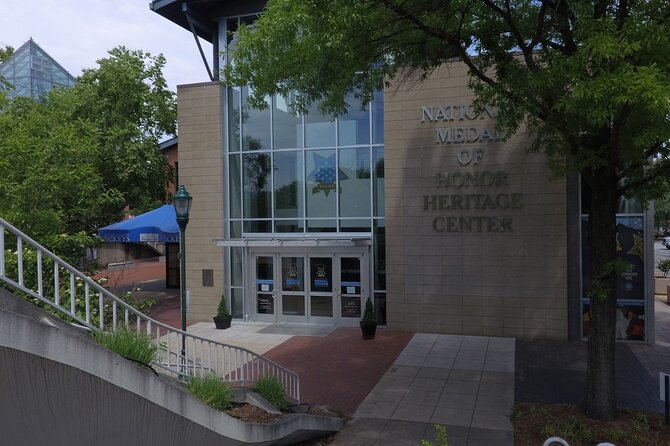
Entering the National Medal of Honor Heritage Center

The center is in the heart of downtown Chattanooga, which makes it easy to pair with other city sights. It is near public transportation, a real help in a city where parking can be a sore subject.
On arrival, you may receive a personal introduction before exploring on your own. Clint has welcomed guests with a useful orientation, and Stephen has spent time discussing the displays in greater detail. Bob has also been praised for connecting the museum to Chattanooga’s wider past and military events.
That first conversation matters. The center covers a large span of time, and a quick explanation can help you understand how the galleries fit together. If a staff member offers context at the start, take advantage of it rather than rushing straight to the first display.
The setting is respectful without being silent or forbidding. Families can move through at their own pace, and most people can take part. Service animals are allowed.
The theater and staged displays
The theater gives the center a change of pace. Instead of reading continuously, you can sit with the story and let the presentation establish the meaning of the medal and the people who received it.
The exhibits also use wax figures and scenes to show events in a more immediate way. This is especially helpful for children and for anyone who finds a long series of text panels tiring. The staged settings do not replace the historical details, but they give you a visual frame for them.
I like this balance. A museum about military bravery can become dry if every display is a date, rank, and battle name. Here, the scenes and theater help explain what a person saw, faced, and risked.
The presentation may also make the visit more emotional. These are not tidy stories. Acts of heroism often involve injury, loss, and difficult choices. Families with young children should use their own judgment about how much time to spend on the more serious accounts.
Following the stories from the Civil War forward
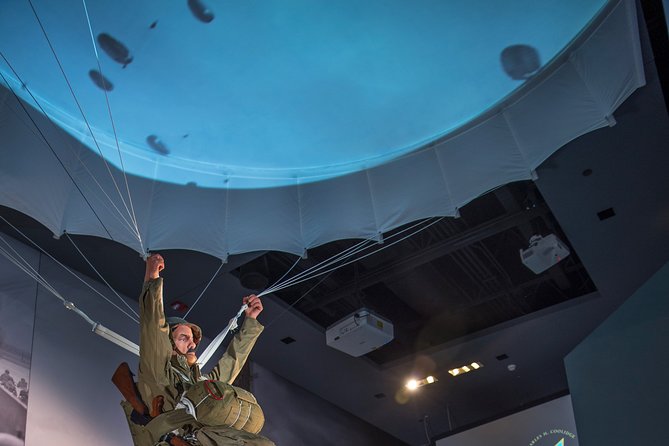
The center’s historical span is one of its best features. You are not looking at a single war or a single generation. The displays connect Medal of Honor recipients from the Civil War era onward, showing how the award and its meaning have continued through changing conflicts and military conditions.
That long view helps prevent the medal from becoming a distant symbol. You see it as part of a continuing American story, shaped by people from different periods and circumstances.
The museum also links military service to values that apply outside combat. Courage, integrity, sacrifice, and responsibility are presented as qualities that can matter in a classroom, workplace, or ordinary daily life. You may find that idea inspiring, or you may prefer a museum that sticks more narrowly to military facts. The center clearly wants you to consider both the historic act and the personal character behind it.
The collection includes more than 6,000 objects connected to recipients and fellow veterans. You will not study every item in a single visit, of course. The number gives you a sense of the center’s scope and explains why a quick half-hour stop would feel incomplete.
Same streets, a different century:
- History and Hauntings of Salem Guided Walking Tour
★ 5.0 · 14,564 reviews - Charleston’s Old South Carriage Historic Horse & Carriage Tour
★ 5.0 · 10,023 reviews - Beneath The Streets Underground History Tour
★ 4.5 · 8,006 reviews - Big Island in a Day: Volcanoes Waterfalls Sightseeing and History
★ 5.0 · 6,569 reviews
The personal side of the Medal of Honor

One unusual feature is the possibility of meeting people with direct military experience. Ryan Tipps, a Medal of Honor recipient, has taken part in a question-and-answer session with school groups at the center. During one such encounter, he gave students personal Medal of Honor coins and demonstrated the quiet formality that surrounds the award.
You should not book on the assumption that a recipient will be present. The center does not promise that as part of standard admission. Still, the fact that recipients do visit gives the place a living connection to its subject.
The displays also include a section connected with Desmond Doss. A staff member working in that area was willing to discuss Doss in depth, adding another layer beyond the written material. If you have seen the film or already know Doss’s story, allow extra time there. If you do not, the exhibit can provide a strong introduction.
These encounters also show why a short conversation at the desk can be worthwhile. You may learn where to slow down or which section best fits your interests.
How long should you spend inside?
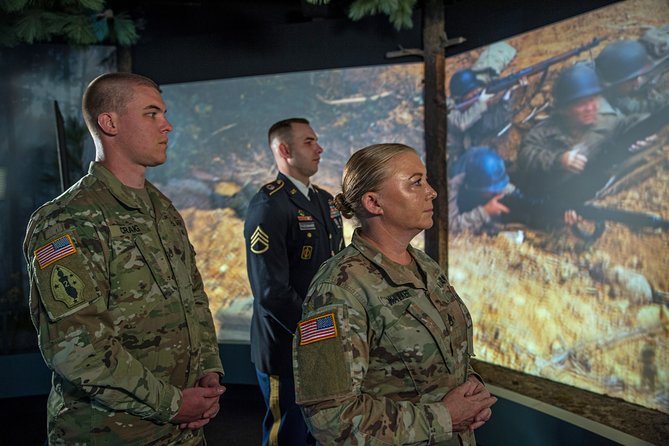
The official estimate is one to three hours. I would plan as follows:
- One hour: Enough for the main story, theater, and a brisk look at the displays.
- Two hours: The best choice for most people who want to read carefully and speak with staff.
- Three hours: Suitable for military-history enthusiasts, families moving at a relaxed pace, or anyone who wants to examine many of the objects and recipient stories.
The center is not a ride-based attraction that ends after one timed presentation. Your pace matters. If you move quickly, the visit can be compact. If a particular recipient’s story catches you, you can stay with it.
I would not schedule the museum at the very end of a tightly packed day. The material asks for attention, and rushing through the final galleries would reduce much of its value.
Who will get the most from this admission?

This is a strong choice for anyone interested in military history, American history, veterans, leadership, or personal courage. Retired service members may find particular meaning in the medal’s origins and traditions, but you do not need military experience to follow the displays.
Families can use the exhibits as a starting point for conversations about courage and service. The theater and staged scenes help younger visitors stay engaged, while the object collection gives adults plenty to consider.
It also pairs well with other Chattanooga history sites. A visit to Chickamauga Battlefield, the Veterans Bridge, or Trail of Tears sites can give the broader regional story more shape. I would not claim that the Heritage Center explains all of Chattanooga’s past. It offers a focused subject, and that subject fits naturally into a larger history day.
This is less suitable if you want a light, purely entertaining attraction. The subject includes sacrifice and death, and the tone is serious. It can be moving, but it is not casual sightseeing.
Getting there and managing the practical details
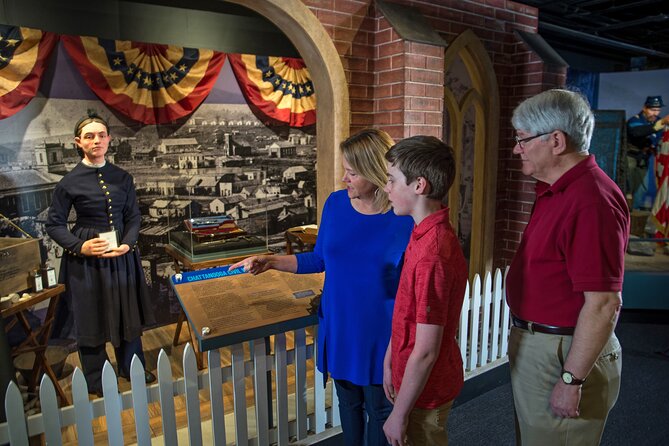
The downtown location and nearby public transportation make the center fairly easy to reach without a car. Parking is the part that requires patience. Chattanooga parking costs and rules can be frustrating, so check your plan before arriving rather than assuming a convenient free space will be waiting.
The center is open Monday through Saturday from 9:00 AM to 5:00 PM for the stated operating period. It is not listed as open on Sunday, so do not build a Sunday visit around it without confirming current arrangements.
Admission is provided as a mobile ticket and the experience is offered in English. The value depends less on the length of the visit than on how much attention you give the material. For a one-hour stop, the ticket may feel like a modest add-on to a downtown day. For two or three hours of exhibits, theater, and conversation, it becomes a more substantial museum visit.
One practical warning deserves attention: confirm the schedule if your plans are fixed. A private event has previously caused the museum to close to the public even though admission had been sold. That does not mean every booking will face a problem, but it is a good reason to check before leaving your hotel.
Free cancellation is available up to 24 hours before the experience start time for a full refund. Changes or cancellations made within 24 hours are not accepted for a refund, and the cut-off follows local time.
How the experience compares with a typical museum stop
The center works best when you treat it as a story-led museum, not as a hall of military hardware. Its strongest material is the account of what each recipient did and why the action mattered.
The staff presence adds value. Bob’s explanations of Chattanooga’s past, Clint’s welcome, and Stephen’s willingness to discuss specific exhibits can turn a self-guided visit into something more personal. Staff availability will naturally vary, but the center has a human feel that many small museums lack.
The trade-off is that the experience may feel emotionally weighty. You are being asked to remember sacrifice, not simply admire objects. Some people will find that deeply worthwhile. Others may prefer a wider museum with more battles, maps, and equipment.
I also appreciate that the museum connects military virtues to ordinary life. That message may be central to the center’s purpose, but it gives the displays a reason to matter after you leave. You are not only learning who received the medal. You are being asked what courage and service might look like in your own setting.
Should you book the National Medal of Honor Heritage Center?
I would book it if you want a thoughtful downtown museum with strong personal stories, a clear historical subject, and enough visual material to keep a family engaged. Give it two hours if your schedule allows, and use public transportation if parking looks difficult.
This is especially worthwhile for military families, veterans, history enthusiasts, and anyone already visiting Chickamauga or other Chattanooga history sites. The center’s staff can add useful context, and the chance of a recipient appearance gives the place an uncommon personal connection, though it is not guaranteed.
Skip it only if your day is so packed that you can spare less than an hour, or if you are looking for a light attraction with little emotional weight. For most people willing to slow down and listen, this admission offers a serious and meaningful use of a morning or afternoon.
FAQ
How long does the National Medal of Honor Heritage Center visit take?
The visit takes approximately one to three hours, depending on how closely you read the displays and how much time you spend with the theater and staff.
Where is the National Medal of Honor Heritage Center?
It is located in downtown Chattanooga, USA.
What are the center’s opening hours?
It is listed as open Monday through Saturday from 9:00 AM to 5:00 PM for the stated operating period.
Is admission offered as a mobile ticket?
Yes. The admission ticket is provided as a mobile ticket.
Is the experience offered in English?
Yes. The experience is offered in English.
Does admission include the theater and special exhibits?
Admission includes access to the center’s theater and its exhibit areas, including displays about Medal of Honor recipients and related veterans’ objects.
Is the center near public transportation?
Yes. The center is near public transportation, which can help you avoid downtown parking problems.
Are service animals allowed?
Yes. Service animals are allowed.
What is the cancellation policy?
You can cancel at least 24 hours before the experience start time for a full refund. Cancellations or changes made less than 24 hours before the start time are not accepted for a refund.
Newest history tours we have reviewed in the USA
- Self Guided Detroit’s Spirit and History Solo Walking Tour★ 4.5 · 41 reviews
- Best Downtown Detroit Historical Walking Tour★ 5.0 · 56 reviews
- Detroit’s Hidden History Guided Walking Tour★ 5.0 · 48 reviews
- Private Nightlife Tour in Denver: Culture, History, and Cocktails★ 5.0 · 48 reviews
- Historical Walking Tour Of Denver With A Haunting Twist★ 5.0 · 19 reviews
- Tip Based: Capitol Hill History & Ghost Tour★ 5.0 · 34 reviews
- Denver – Capitol Hill Guided Walking Ghost / History Tour★ 4.5 · 75 reviews
- JFK Historical Tour★ 5.0 · 22 reviews
Museum & Gallery History Tours, compared.


Louvre Museum Entry with History of Mona Lisa
Read our review →
Venice’s Best: Basilica, Doge’s Palace, Gondola & History Gallery
Read our review →
American Museum of Natural History Admission Ticket
Read our review →
Guided African American History Tour with Reserved Museum Entry
Read our review →
POLIN Museum of the History of Polish Jews Ticket
Read our review →
Bell Tower & St Mark’s Square History Gallery Ticket
Read our review →
Field Museum of Natural History Ticket or VIP Tour
Read our review →Browse the lists this tour appears in