
Review · LOCAL CULTURE & TRADITIONS TOURS
Maputo: City Tour with Historical and Cultural Highlights
Maputo’s story comes together quickly on this four-hour circuit. You’ll move from the grand Cathedral of Our Lady of the Immaculate Conception and the Samora Machel Statue to the Iron House, old fortress, markets, gardens, and the handsome railway station. It is a useful first look at Mozambique’s capital, with enough moving around to keep the morning lively.
I like the mix of major landmarks and ordinary city life, especially the time at Central Market, where produce, spices, crafts, and daily business matter more than polished displays. I also like the chance to see several architectural styles in one outing, from the Cathedral and Beaux-Arts railway station to Gustave Eiffel’s metal house.
The main consideration is pace. Four hours covers a lot, so some stops are short photo visits rather than long museum sessions. You’ll also walk outdoors in warm weather, and the tour is not suitable for wheelchair users.
Key points at a glance
- Central Market gives you the city’s everyday rhythm, with fresh produce, spices, crafts, and plenty to look at.
- The Iron House is an unusual Eiffel connection, a prefabricated metal residence originally intended for a governor.
- Maputo Railway Station is a highlight for architecture fans, with an ornate Beaux-Arts design linked to an associate of Gustave Eiffel.
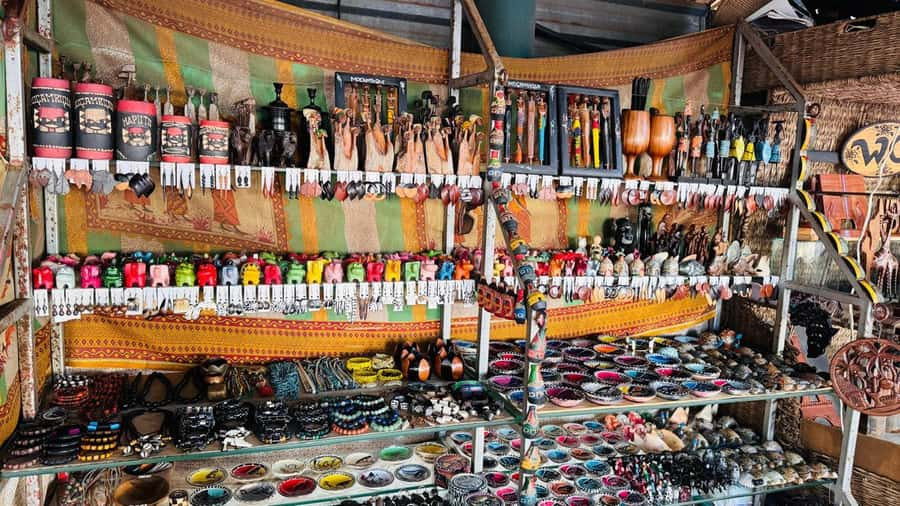
- The tour balances monuments with open-air stops, including Tunduru Gardens, FEIMA Arts & Crafts Market, and the coastal road.
- Samuel has earned especially strong praise as a guide, with clear explanations, a relaxed manner, flexibility, and willingness to spend extra time when possible.
- At $45 per person, the value is strongest for first-time visitors, cruise passengers, and anyone who wants transport between widely spaced sights.
Why this four-hour Maputo route works
Maputo is easier to understand when you see its central landmarks in a sensible sequence. The tour begins at the Cathedral of Our Lady of the Immaculate Conception, then moves through civic buildings, public gardens, markets, and the waterfront.
That variety is the real selling point. You are not spending four hours looking at one type of monument. Instead, you get a quick reading of the city: Portuguese colonial planning, post-independence symbols, local shopping, public art, and views across Maputo Bay.
The route is also practical if you have limited time. One booking returned to port on schedule, and another participant was able to adjust the route to include a stop at the post office. That suggests a useful degree of flexibility, though you should discuss special requests before setting off rather than assume every change can be made.
The tour is guided in Portuguese, English, Spanish, or French. Ask in advance which language is confirmed for your departure. If Samuel is leading, you can expect a guide who has been praised for knowing the city well, explaining places clearly, and keeping the mood relaxed and good-natured.
More Local Culture and Traditions Tours in the world:
- Amsterdam Food and Cultural Tour with Tastings
★ 5.0 · 4,315 reviews - Sevilla Food Tour: Tapas, Wine, History & Traditions
★ 5.0 · 3,468 reviews - Tromsø: Reindeer Camp and Sami Cultural Tour with Lunch
★ 4.7 · 3,326 reviews
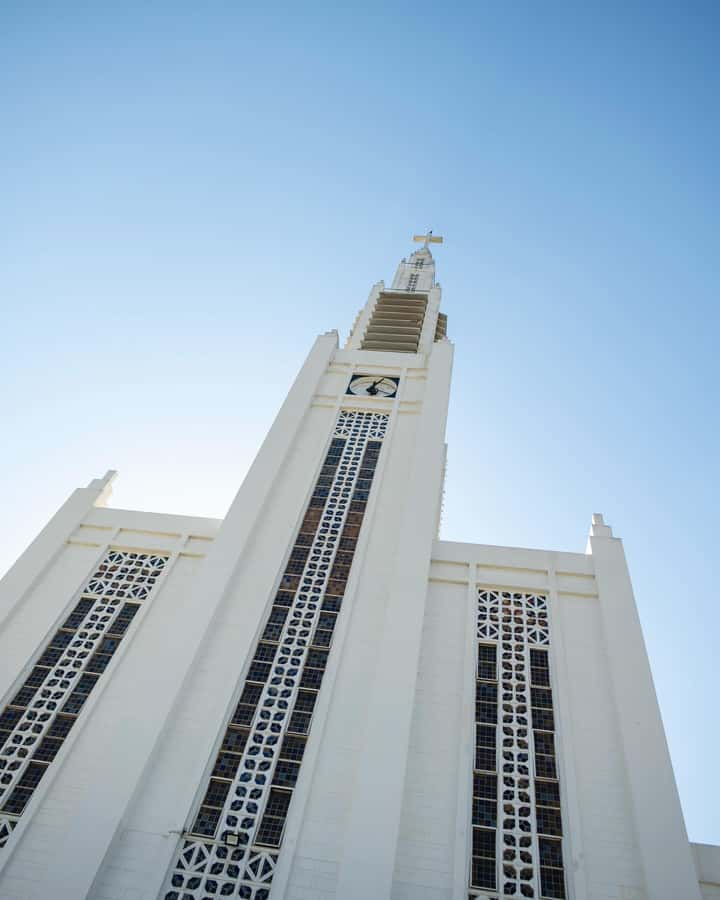
Starting at Maputo Cathedral and Independence Square
The meeting point is Catedral de Maputo, at Independence Square. This gives you an immediate orientation to the city center and puts two of Maputo’s most important public symbols in front of you.
The Cathedral of Our Lady of the Immaculate Conception has a formal, imposing presence. It is a natural first stop because it introduces the architectural character of central Maputo before you move on to the more unusual sights.
Nearby, the Samora Machel Statue adds a different layer. Machel was Mozambique’s first president, and the statue brings the country’s post-independence story into the same public space as the older colonial-era buildings. The guide’s explanation matters here. Without context, you see a cathedral and a statue. With context, you begin to understand how Maputo’s identity has changed and how older and newer symbols share the center.
Expect around 20 to 30 minutes for the opening visits and photographs. This is enough for orientation, exterior views, and a guided explanation, but not a long architectural study. Wear shoes you can walk in comfortably, since the tour combines several stops on foot with drives between areas.
Maputo Fortress and the city’s colonial past
The Maputo Fortress is a 19th-century fort and one of the clearest reminders of the city’s colonial past. Its walls and military purpose contrast with the open civic space around the cathedral and the commercial energy of the markets.
I like this stop because it gives the tour a physical sense of time. You are not only looking at grand facades. The fortress points to the strategic importance of the port and to the period when European powers controlled Mozambique.
The visit is scheduled for about 20 minutes. That makes it a concise stop rather than a full historical museum visit. Your guide is the key to getting value from it, so ask about the fort’s role and how it fits into Maputo’s development if the explanation does not cover those points.
Because the fortress is a compact stop within a packed route, do not expect a long, unhurried exploration. If you prefer one site in great detail, a dedicated fortress visit would suit you better. If you want several pieces of the city’s story in one morning, this short visit works well.
The Iron House and its surprising designer
Casa de Ferro, or the Iron House, is one of the tour’s most memorable oddities. Designed by Gustave Eiffel, it is made of metal and was originally intended to serve as a governor’s residence.
The building is worth seeing precisely because it does not look like a conventional tropical home. Its connection to Eiffel gives it an immediate talking point, but the guide can also help explain why a metal residence would have been proposed in Mozambique. You get a better sense of the structure when you consider its intended use rather than treating it as just a curious photo backdrop.
The visit lasts roughly 20 minutes. That is enough to see the exterior and hear the main story. Since the tour description identifies this as a photo stop and guided visit, plan on a focused look instead of a long interior program.
For me, this is one of the strongest stops for people who enjoy design, engineering, and unusual buildings. It also breaks up the sequence of formal civic sights. After the Cathedral and Fortress, the Iron House gives you something genuinely unexpected.
More History Tours in the world:
- New York City: American Museum of Natural History Ticket
★ 4.5 · 15,447 reviews - History and Hauntings of Salem Guided Walking Tour
★ 5.0 · 14,564 reviews - Colosseum: Underground and Ancient Rome Tour
★ 4.7 · 12,691 reviews - Lisbon: History, Stories and Lifestyle Walking Tour
★ 4.8 · 10,902 reviews
A quiet pause in Tunduru Gardens

Tunduru Gardens provides a welcome change of pace. These botanical gardens were designed by a British landscape architect, and the stop allows you to step away from traffic and stone facades for a short walk among planted grounds.
The tour allocates about 20 minutes here. That is not long enough for a leisurely garden visit, but it is enough to slow down, take photographs, and let your eyes rest after the denser city stops.
Bring water, a hat, and sunscreen. The gardens may offer shade, but the overall outing takes place outdoors in warm weather, and you should not depend on a cool indoor break. Comfortable shoes are still important because this is a walking stop, not simply a drive-by view.
I particularly like having the gardens in the middle of the route. They make the schedule feel less like a string of buildings. The drawback is that anyone hoping for a long botanical tour may find the timing brief. Think of Tunduru as a refreshing pause and a taste of the gardens, not the main event.
FEIMA for local crafts and small purchases
FEIMA Arts & Crafts Market is where the tour turns from monuments to handmade goods. You can browse local crafts, paintings, and souvenirs, and the stop includes time for local snacks according to the route description.
There is an important practical detail here: food is not included in the tour. Treat any snack opportunity as something you may need to purchase yourself, and carry some local currency for market buying. Do not plan on this tour as a meal outing.
The market is useful for more than shopping. It gives you a chance to see how Maputo presents local artistic work to people passing through the city. You can look at the materials, styles, and prices before deciding if anything belongs in your luggage.
Allow yourself to browse without feeling pressured to buy. If you do want souvenirs, this is a sensible place to compare items. Keep your expectations practical: the stop is about seeing crafts and making purchases, not taking part in a formal workshop or meeting named artists.
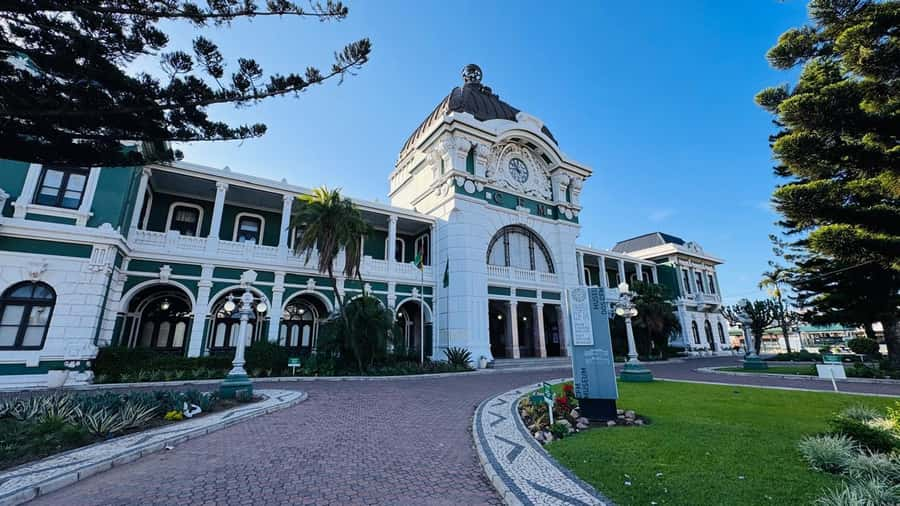
Maputo Railway Station’s grand Beaux-Arts facade

Maputo Railway Station is likely the architectural high point of the tour. The station is a Beaux-Arts masterpiece designed by an associate of Gustave Eiffel, giving you another link to the engineering and design world associated with the Iron House.
Its scale and decoration make it different from the metal residence. Here, the effect is formal and grand. The building shows how much visual ambition went into important public structures in colonial-era Maputo.
The tour allows about 30 minutes for the station, including a guided visit and photographs. That is a useful amount of time for looking closely at the facade and hearing the building’s story, though architecture enthusiasts may still want longer.
I would keep your camera ready here. The station is the kind of place where small details become more interesting after the first broad view. Look at the symmetry, ornamental features, and how the building functions as both a transport hub and a city symbol.
As with several other stops, the exact balance between exterior viewing and access may depend on the day. The supplied details promise an exploration of the station, but they do not specify a private or extended interior tour. Plan for a guided architectural visit, not unrestricted time throughout the building.
Central Market brings Maputo down to street level
Maputo Central Market is the most useful stop if you want to see daily commerce rather than formal attractions. The market is filled with fresh produce, spices, and crafts, and its atmosphere is likely to be livelier than the gardens or fortress.
This is where a good guide earns their fee. A market can be visually busy, but explanations help you understand what you are seeing and how the stalls fit into ordinary life. Samuel, in particular, has been praised for giving plenty of information and making the city easy to understand.
Keep local currency with you if you want to buy something. The tour specifically advises carrying it for market purchases. Since food is not included, you should also bring your own water and avoid assuming that a market stop replaces lunch.
Allow about 30 minutes. That is enough for a first look and some browsing, but it will feel short if you want to shop carefully. I would use this stop to observe first, then make one or two purchases rather than trying to cover every aisle.
Markets require a little awareness. Stay attentive to your belongings, listen to the guide’s instructions, and remember that you are moving through a working market rather than a staged attraction. Its value comes from that ordinary, active setting.
The coastal road and views across Maputo Bay
The coastal drive adds breathing room to the itinerary. Instead of staying among central buildings, you follow the scenic road and stop at viewpoints for views across Maputo Bay.
This portion is especially helpful after the market. You get a broader sense of the city and its relationship with the water, rather than seeing Maputo only as a collection of downtown sites.
The supplied timing does not give a separate length for every viewpoint, so treat this as part of the four-hour circuit rather than a long waterfront excursion. Weather and traffic can affect how much time you spend at each stop.
Bring sunscreen and a hat even if you expect to spend much of the tour in a vehicle. Viewpoints are exposed, and the sun can be strong. The bay stops are best for photographs and a short pause, not for swimming or a beach activity, neither of which is part of this tour.
What $45 gets you
At $45 per person, this tour offers solid value if you want a guide, a fixed four-hour route, and transport between several parts of Maputo. Paying separately for a series of short taxi rides would not give you the same explanation or structure, and you would need to organize the sequence yourself.
The value is strongest when you care about context. The Cathedral, Fortress, Iron House, gardens, markets, railway station, and bay views are easy enough to locate, but it is harder to connect them into a coherent picture without help.
The price is less compelling if you want slow photography, extended shopping, or long visits inside individual buildings. This is a survey tour. You see a lot, but the schedule keeps moving.
You also need to budget for anything you buy at FEIMA or Central Market. No food is served as part of the tour, so carry water and plan separately for meals or snacks. That small detail matters because four hours can span a meal period.
Guide quality and flexibility
The strongest praise centers on Samuel. He has been described as informative, relaxed, funny, enthusiastic, and willing to explain the city in detail. One booking ran longer than planned, and another included a request to visit the post office without difficulty.
Those details suggest a guide who responds to the group instead of reciting a rigid script. That can make a big difference in a city tour, particularly when you want to ask about a building, pause for a photograph, or adjust one stop.
Still, Samuel may not lead every departure. Confirm your guide and language when booking. The tour can be conducted in Portuguese, English, Spanish, or French, but availability for each language should be checked before you pay.
One booking also included a photographer who took free photographs during the outing. This should not be treated as a guaranteed feature unless the provider confirms it for your date, but it is worth asking about if photographs matter to you.
Practical advice before you go
Wear comfortable walking shoes. You will combine short walks, outdoor visits, market browsing, and stops where standing may be more common than sitting.
Use sunscreen, bring a hat, and carry water. Maputo can be warm, and several parts of the route are exposed. Smoking is not allowed during the activity.
Bring local currency for purchases. FEIMA and Central Market are both better when you have the option to buy a small craft or snack, even though you should not feel obliged to spend.
The tour is not suitable for wheelchair users. The route includes walking through markets, gardens, and historic sites, and no accessibility arrangement is specified.
Free cancellation is available up to 24 hours before departure for a full refund. You can also reserve now and pay later, which helps if your port or city schedule is still shifting. Check the available starting times because the tour lasts four hours and exact departures are not fixed in the information provided.
Who should book this Maputo tour?
I would recommend it most strongly to first-time visitors with only half a day, cruise passengers who need to return to port on time, and anyone who wants a broad introduction before exploring Maputo independently.
It also suits you if you enjoy a mixture of architecture, public history, shopping, and city views. You will see enough different places to decide what deserves a longer return visit.
You may want another kind of outing if your priority is a slow market visit, a long museum session, or detailed architectural photography. The schedule is active, and several stops last about 20 minutes.
Should you book it?
Book this tour if you want a well-organized first look at Maputo for $45, with a guide connecting colonial buildings, independence-era symbols, markets, gardens, and the waterfront. The high rating and especially warm feedback about Samuel point to strong guiding as the main strength.
Before booking, confirm the guide, language, start time, and whether a photographer will be present. Pack water, sunscreen, comfortable shoes, and local currency, and remember that food is not included.
I would choose it for a short stay or port visit. If you already know central Maputo and prefer spending an hour at one site, the four-hour circuit may feel too quick. For most first visits, though, the range of stops makes this a sensible and good-value introduction.
FAQ
How long does the Maputo city tour last?
The tour lasts four hours.
What is the price of the tour?
The price is $45 per person.
Where does the tour start and finish?
It starts at Catedral de Maputo and returns to Catedral de Maputo.
Which languages are available?
The live guide is available in Portuguese, English, Spanish, and French.
What sights are included?
The tour includes Independence Square, Maputo Fortress, Casa de Ferro or Iron House, Tunduru Gardens, FEIMA Arts & Crafts Market, Maputo Railway Station, Maputo Central Market, and coastal viewpoints.
Is food included?
No food is served as part of the tour. The route mentions local snacks at one stop, so carry money if you want to buy something.
What should I bring?
Bring comfortable shoes, a hat, sunscreen, water, and some local currency for market purchases.
Is the tour suitable for wheelchair users?
No. The activity is not suitable for wheelchair users.
Can I cancel the booking?
You can cancel up to 24 hours in advance for a full refund. Reserve now and pay later is also available.
Newest history tours we have reviewed in the world
- Brewood Village Historical Tour★ 5.0 · 21 reviews
- The History Behind Outlander Tour★ 5.0 · 18 reviews
- El Calafate History Museum Tour★ 4.5 · 32 reviews
- Private Royal Mile walking tour – Discover the history of our most famous street★ 5.0 · 48 reviews
- Thirsty for Edinburgh: Scotlands Best Historical Pub Tour★ 5.0 · 24 reviews
- St Andrews, Fife Coast Walk & Historic Abbey Tour from Edinburgh★ 5.0 · 62 reviews
- Old Town Walking Tour★ 5.0 · 17 reviews
- Edinburgh: History Lovers Old Town Walking Tour★ 5.0 · 216 reviews
Local Culture & Traditions Tours, compared.

Amsterdam Food and Cultural Tour with Tastings
Read our review →
Sevilla Food Tour: Tapas, Wine, History & Traditions
Read our review →
Tromsø: Reindeer Camp and Sami Cultural Tour with Lunch
Read our review →
Half Day Dominican Republic Cultural Tour : Small Group
Read our review →
Ultimate Melbourne Walking Tour: History, Laneways & Culture
Read our review →
Tromsø: Sámi Reindeer Sledding and Sami Cultural Tour
Read our review →
Kyoto Gion: 2-Hour Geisha Culture & History Walking Tour
Read our review →
Marrakech Historical and Cultural Tour – Half Day City Tour
Read our review →Browse the lists this tour appears in