
Review · USA HISTORY TOURS
History Museum, Pioneer House Museum & Schoolhouse Museum
Fort Lauderdale’s story is easier to understand when you step away from the beaches and canals. This guided visit links three small museums beside the New River, from early settlement and railroad growth to the homes, businesses, and schools that shaped the young city. I especially like the Pioneer House’s period rooms and the 1899 schoolhouse, which make local history feel close and human.
I also like the calm setting near the river and the fact that admission covers all three buildings. The main caution is the guide’s pace. Some guides keep the talk lively and focused, while others can spend too long on background stories, leaving less time for the Pioneer House or schoolhouse.
Key Points
- Three historic stops in one visit: See the main History Museum, Pioneer House, and replica 1899 Schoolhouse.
- Stories beyond the beach: Learn about Seminole roots, railroads, agriculture, early Black-owned businesses, and Fort Lauderdale’s founders.
- Period details you can see: Look for old telephones, a hand-operated Victrola, early furniture, a vintage kitchen, and wooden school desks.
- A quiet downtown setting: The site sits beside the New River, with restaurants nearby for an easy follow-up meal.
- English is the main tour language: Translation options may be available by QR code on your own device, but headphones are not supplied.
- Good value for history-minded visitors: The reported adult price of $15 makes three buildings and a guided visit a reasonable downtown outing.
Fort Lauderdale Before the High-Rise Skyline
The most useful thing about this experience is its sense of place. You are not looking at a distant battlefield or a grand European mansion. You are seeing the modest buildings and objects connected to the people who turned a small South Florida settlement into a city.
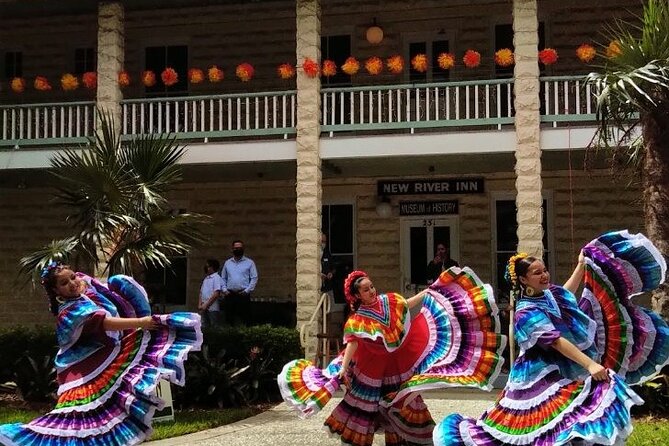
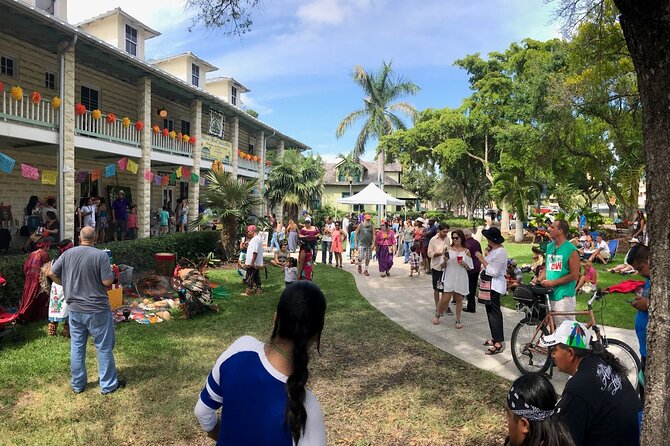
History Fort Lauderdale sits on the banks of the New River, near the center of town. The grounds are green and quiet, a pleasant change from the traffic and modern buildings outside. The railroad still runs beside the museum, adding a real reminder of the transportation link that helped Fort Lauderdale grow.
The visit begins at 231 SW 2nd Avenue. There is no transportation to the site, so you need to arrange your own taxi, rideshare, or public transport. The museum is near public transportation, but plan your return ride before you arrive. One practical snag reported during a visit was the lack of nearby Wi-Fi for booking an Uber afterward.
The whole experience takes about 90 minutes to two hours, depending on the pace of the guided talk. That timing works well as a morning or afternoon stop. You can also walk along the river afterward and find restaurants nearby.
More Museum and Gallery History Tours in the USA
- New York City: American Museum of Natural History Ticket
★ 4.5 · 15,447 reviews - American Museum of Natural History Admission Ticket
★ 4.0 · 1,931 reviews - Guided African American History Tour with Reserved Museum Entry
★ 4.5 · 1,180 reviews
Inside the Main History Museum
The main building provides the broad outline. You begin with Fort Lauderdale’s earliest story, including Seminole connections, settlement, agriculture, and railroad expansion. A short introductory film, reported to run about seven minutes, helps put the displays in order before the walking portion begins.
The museum occupies a former 1920s hotel that became a museum in the 1950s. That detail gives the building a useful second life. Rooms that once served hotel visitors now hold objects, displays, and rotating exhibitions.
You might see material covering early civic life, local businesses, transportation, and household routines. The collection is strongest when it moves away from dates and names and shows how people actually lived. Old furniture, tools, signs, photographs, and household objects help explain what a new town required day by day.
The third floor includes changing art exhibitions. These displays connect Fort Lauderdale’s past with its present rather than treating local history as something sealed off in a glass case. The exhibitions have included textile work and politically focused art, along with paintings of local electrical utility boxes by Stephanie MacMillan.
That art space is a pleasant surprise, especially if you have already seen several traditional history museums. It also gives you a reason to linger after the guided portion. Small souvenirs, including magnets and postcards, may be available for purchase, though souvenirs are not included in the admission.
Pioneer House and the People Behind the City
The Pioneer House is the most personal stop. Its rooms are arranged in a 1920s style, with period furniture and household details that show how early residents worked, cooked, communicated, and ran their affairs.
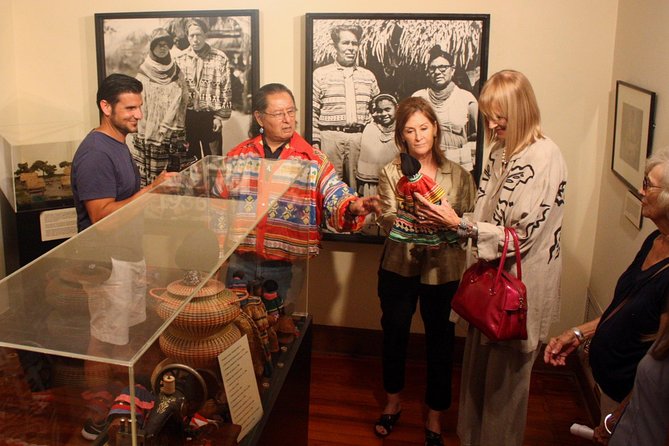
Look for the vintage kitchen, original tables, Miami oak wood, old telephone lines, and a Victrola. The Victrola is an early record player with a built-in speaker and storage, operated by hand. Details such as these do more than decorate a room. They show the limits of technology and the amount of work involved in ordinary routines.
The house also brings attention to people who are easy to leave out of a basic city timeline. The story includes early Black-owned businesses, such as nursing services and taxi companies, as well as the first Black schoolteacher in the area. These details make the city’s growth more than a story of railroads, land, and wealthy developers.
One guide, David, has been described as giving tours in 1920s clothing and connecting the founders’ lives with the expansion of Fort Lauderdale. Other guides, including Daniel and Caroline, have also been praised for their local stories and friendly manner. Your exact guide can vary, so treat those names as examples rather than a promise.
The best guides make the house feel inhabited. They explain who used each room and why the objects matter. You may hear about couples who worked together, built businesses, and helped shape the community. That human scale is the reason I would not rush this stop.
The drawback is that the guided talk can sometimes take over. A few visitors found that a long lecture about wider Florida or railroad history left too little time for the actual house. If your guide spends too long on background material, politely ask when you will move on to the rooms and schoolhouse. That can help keep the visit aligned with what you came to see.
Sitting in the Replica 1899 Schoolhouse
The schoolhouse is a replica, not an untouched original, but it offers one of the clearest experiences on the grounds. Wooden desks and the simple classroom arrangement give you a physical sense of early schooling that a written panel cannot match.
This is a useful stop for families. Children can see where students sat, while adults can think about the limits of education in a new settlement. The schoolhouse also helps explain why early teachers and schools mattered so much to a growing community.
Heat is worth considering. One past visit included an extended talk in an unventilated historic room, which became uncomfortable in Florida weather. Conditions can vary, but you should dress for heat and wear comfortable shoes. The tour is a walking experience, even though the buildings are close together.
The schoolhouse is also the stop most at risk if the introduction runs long. The package is designed to include all three museums, but an overly long lecture can reduce the time available for the final building. If seeing the schoolhouse is important to you, confirm the order and timing at the start.
Same streets, a different century:
- History and Hauntings of Salem Guided Walking Tour
★ 5.0 · 14,564 reviews - Charleston’s Old South Carriage Historic Horse & Carriage Tour
★ 5.0 · 10,023 reviews - Beneath The Streets Underground History Tour
★ 4.5 · 8,006 reviews - Big Island in a Day: Volcanoes Waterfalls Sightseeing and History
★ 5.0 · 6,569 reviews
What the Guides Add, and Where They Can Miss
The guide makes a large difference here. The objects are worth seeing on their own, but the local story becomes much clearer when someone explains the connection between the buildings.
A strong guide can link the Seminole past, agricultural work, railroad expansion, early businesses, and civic life without turning the visit into a list of dates. Daniel has been praised for explaining Fort Lauderdale from its early days through the modern city. David has been described as a long-serving guide with a gift for bringing the founders and their families into the story.
Several guides have been praised for warmth and personal attention. The front desk staff has also been described as welcoming, with one staff member greeting visitors in the parking area and another offering local tips. You might hear about free jazz events held on the first Sunday of the month, though you should confirm event details before making plans around them.
Still, the quality of the talk is not perfectly consistent. Some guides are so eager to share local information that they wander from the main subject. Others may give a lecture that feels longer than the buildings require. One person found the self-guided museum portion stronger than the guided sections.
I would book this experience for the buildings and the chance to ask questions, but I would not assume that every guide uses the same script. If you prefer a tightly timed tour, ask for the expected duration of each stop when you arrive.
How Much History Fits Into 90 Minutes
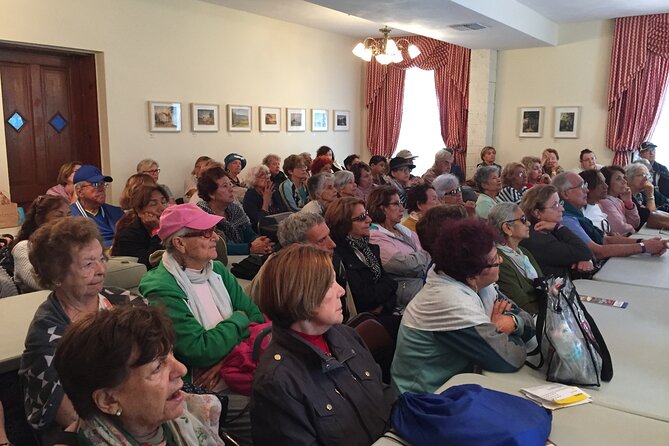
The stated visit lasts about one and a half hours, though the full stop can stretch toward two hours. That is enough time for an introduction, the main museum, the Pioneer House, and the schoolhouse, but not enough for a slow examination of every display.
The value depends on how you use the time. If you want a quick introduction to Fort Lauderdale, the package is efficient. You see three buildings and receive context for each. If you are a local history enthusiast, you may want to return for a slower look at the rotating art and museum displays.
A reported adult price of $15 makes the visit a solid value if that rate is still in effect when you book. You are paying for access to three historic buildings, a guided explanation, and a central location. Children ages zero through six enter free, which helps families keep the cost down.
The price is less compelling if you only have time for a brief look at the main museum and cannot stay for the other two stops. It is also less useful if you dislike guided talks or prefer to read at your own pace. In that case, ask how much of the visit is guided and how much is self-guided before committing.
Planning Your Visit Around Downtown
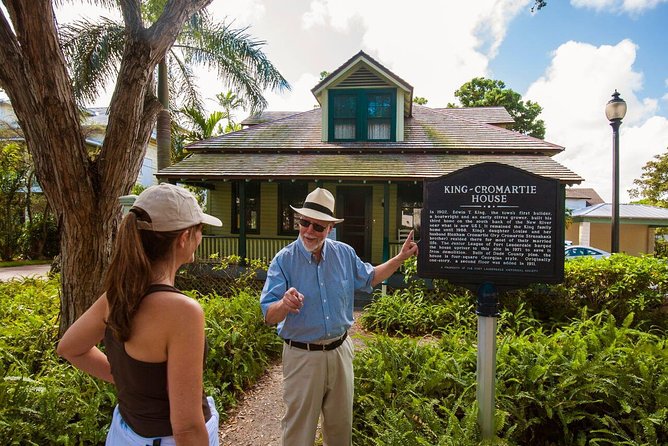
You begin at the museum entrance at 231 SW 2nd Avenue. Transportation to and from the attraction is not included. The location is central, near public transportation and restaurants, but you should not assume the museum can arrange your ride home.
A mobile ticket is provided, and confirmation arrives at booking. The maximum group size is 35 people. That is large enough for the feel of a public tour, though the actual group may be smaller. Some scheduled visits have effectively become private tours when few people booked.
English is the stated tour language. Translation information may be available by scanning QR codes around the exhibits on your own smart device, with Spanish, French, and Portuguese options noted by the museum. This is not the same as a live multilingual tour or supplied headphones, so bring a charged phone and do not assume the guide will speak another language.
Service animals are allowed, and most people can take part. Wear shoes suited to walking and prepare for warm conditions in historic buildings. Drinks are not included, so carry water if you need it.
Free cancellation is available when you cancel at least 24 hours before the start time. Cancellations or changes made within 24 hours are not refunded or accepted.
Who Will Enjoy This Fort Lauderdale Stop
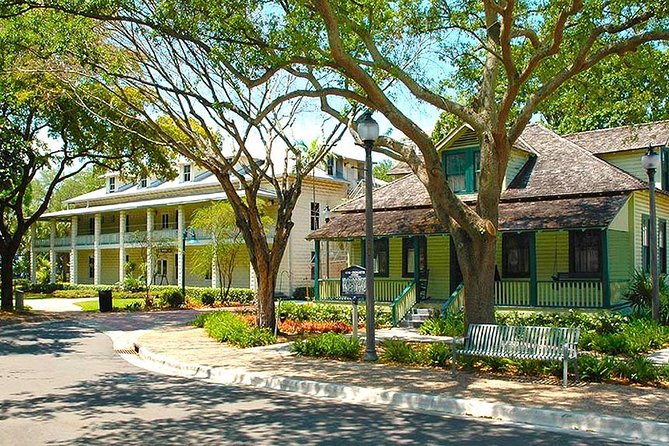
I would recommend this visit to anyone spending several days in Fort Lauderdale who wants more than beaches, shopping, and boat rides. It gives you the city’s backstory without requiring a full day.
Families can use the schoolhouse and household displays to make local history concrete. Couples and solo visitors who enjoy old buildings, furniture, and community stories will likely find enough detail to justify the time. Florida residents may also appreciate seeing the area through a local rather than a statewide lens.
First-time visitors benefit most. The tour explains why the city developed where it did and introduces people and institutions that shaped it. Afterward, you can walk through downtown with a better sense of what came before the modern hotels and towers.
I would be cautious if you need a tightly controlled schedule, dislike long explanations, or have limited mobility in heat. The visit is accessible to most people, but exact building conditions and the guide’s pacing can affect comfort.
Should You Book History Fort Lauderdale?
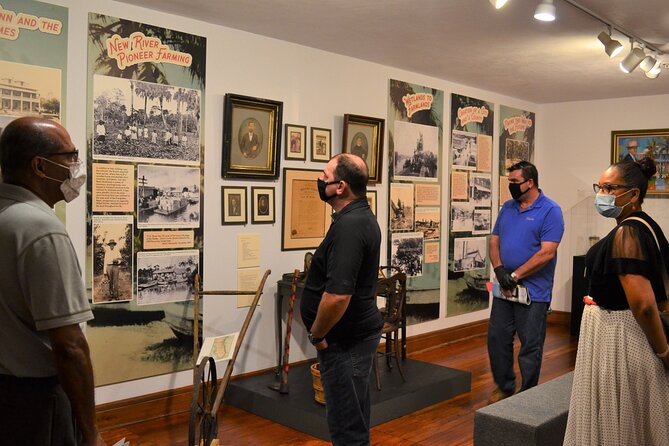
Book it if you want a calm, affordable introduction to Fort Lauderdale’s past and like seeing history through real rooms and objects. The Pioneer House and schoolhouse are the main reasons to go, while the river setting and nearby restaurants make the stop easy to fit into a downtown day.
Skip it if you are looking for a major attraction with dramatic architecture or a fast, polished presentation. The buildings are modest, and the experience depends heavily on the guide. Before starting, confirm that the planned timing includes all three museums. With that one check, this is a worthwhile way to understand the city behind the resorts.
FAQ
Where does the tour start?
The experience starts at 231 SW 2nd Ave, Fort Lauderdale, Florida 33301.
How long does the experience take?
The visit lasts about one to two hours, with the guided museum portion listed at approximately 90 minutes.
What museums are included?
The experience includes History Fort Lauderdale, the Pioneer House Museum, and the Schoolhouse Museum.
Is admission included?
Yes. Entrance fees are included in the tour package.
Is the tour offered in languages other than English?
The tour is offered in English. Translation options in Spanish, French, and Portuguese may be available by scanning QR codes on your personal smart device. Headphones are not supplied.
Are young children charged admission?
Children ages zero through six enter free.
Can I cancel for a full refund?
Yes, if you cancel at least 24 hours before the experience start time. Cancellations made within 24 hours are not refunded.
Newest history tours we have reviewed in the USA
- Nashville: Belle Meade Historic Mansion Tour★ 4.8 · 63 reviews
- Beaufort: Local History and Film Sites Tour by golf cart★ 4.9 · 102 reviews
- Boston: Guided Seafood Tasting and History Tour★ 4.9 · 90 reviews
- Beaufort: Gullah Heritage Tour★ 4.8 · 26 reviews
- Beaufort: Historic City Tour by Bus★ 4.9 · 228 reviews
- Austin: Morning History Walking Tour of Downtown Austin★ 4.9 · 71 reviews
- Austin: Downtown Austin Haunted History Tour★ 4.4 · 31 reviews
- Atlanta: Beltline Food, Street Art, and History Walking Tour★ 5.0 · 47 reviews
Museum & Gallery History Tours, compared.
Louvre Museum Entry with History of Mona Lisa
Read our review →
Venice’s Best: Basilica, Doge’s Palace, Gondola & History Gallery
Read our review →
American Museum of Natural History Admission Ticket
Read our review →
Guided African American History Tour with Reserved Museum Entry
Read our review →
POLIN Museum of the History of Polish Jews Ticket
Read our review →
Bell Tower & St Mark’s Square History Gallery Ticket
Read our review →
Field Museum of Natural History Ticket or VIP Tour
Read our review →Browse the lists this tour appears in