
Review · LOCAL CULTURE & TRADITIONS TOURS
Historical Salalah City Tour with Culture, Food & Shopping
Salalah’s best short city tour pairs its religious heart with its everyday pleasures: a grand mosque, a frankincense market, a tropical farm, a sweet shop, and a modern mall. That mix gives you a quick look at how Dhofar’s old traditions and present-day life sit side by side.
I like the local food stops, especially the chance to taste Omani halwa rather than simply photograph a market stall. I also like the farm visit, since coconut and banana plantations make Salalah feel unlike most Arabian cities. The main drawback is time: four hours moves quickly, and the mall’s one-hour stop may feel less useful if you would rather spend longer at the souq.
Key points to know before booking
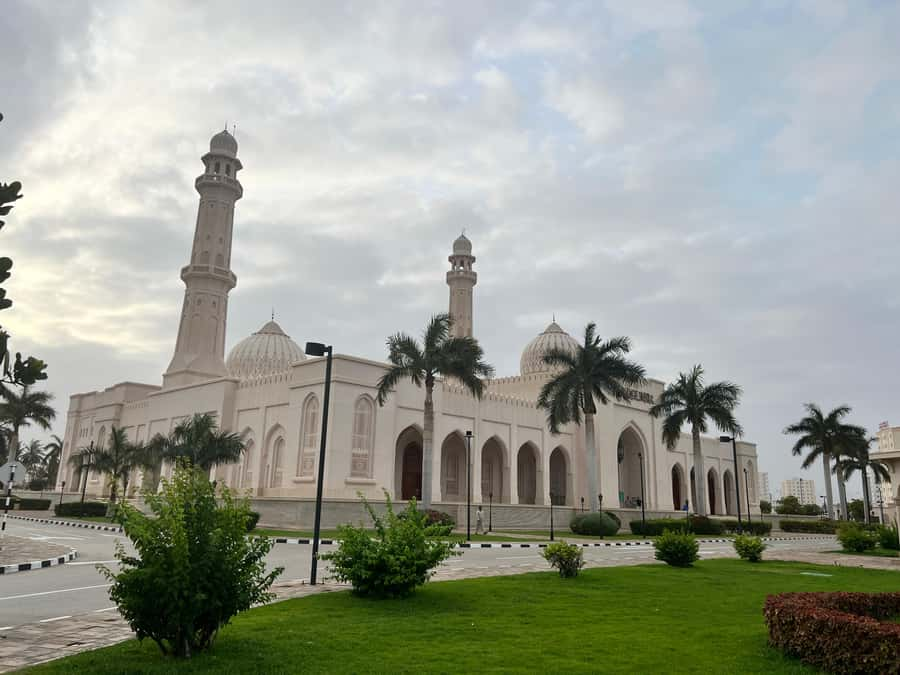
- Sultan Qaboos Mosque opens the tour with a 30-minute visit or photo stop, but during Ramadan the visit is limited to photos.
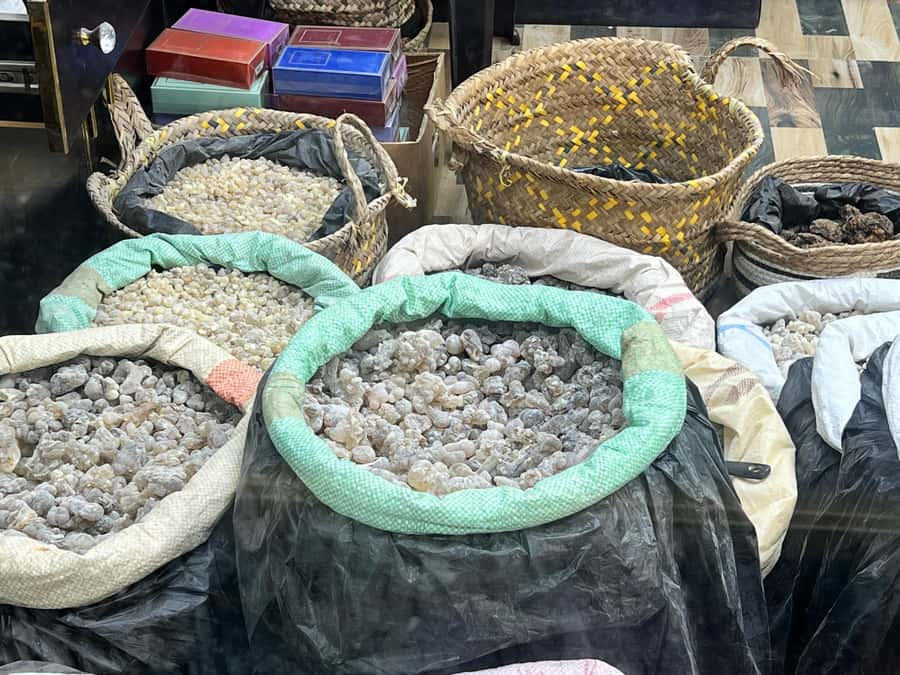
- Haffa Souq, also listed as Souq Al Hisn, is the best stop for frankincense, bakhur, perfumes, and small souvenirs.
- The fruit farm adds a distinctly Dhofari touch, with coconut palms, bananas, papayas, and other tropical plants.
- Omani halwa gives you a simple but memorable taste of local food culture, and it makes a practical edible souvenir.
- Salalah Grand Mall provides air conditioning and free time for shopping, coffee, currency exchange, or a break from the heat.
- Guides such as Mohamed Ali, Salim, and Majid have been especially praised for friendly explanations and flexibility.
Why this four-hour route works in Salalah
Salalah is not a city you understand from one grand sight alone. Its character comes from the contrast between Islamic architecture, frankincense trading, irrigated farms, and modern shopping centers. This tour makes that contrast the main subject.
At $42 per person, the price is sensible if you want transport, hotel pickup and drop-off, a guide, bottled water, and several stops without arranging taxis yourself. You are not paying for a long excursion or an expensive meal. You are paying for a compact introduction to Salalah, with the convenience of having someone connect the stops and explain what you are seeing.
The tour lasts four hours, with pickup available in Salalah and Taqah. Exact pickup time depends on your hotel and the size of the group, so you should keep your phone available for WhatsApp messages. Small groups are available, although the vehicle may be a van or bus depending on the day’s bookings.
This is a good fit for a first day in Salalah, a short stay, or a port visit when you want more than a shopping transfer. It also suits you if you prefer a relaxed route over a packed list of distant sights. You will not cover every corner of Dhofar, but you will get a useful sense of the city.
More Local Culture and Traditions Tours in the world:
- Amsterdam Food and Cultural Tour with Tastings
★ 5.0 · 4,315 reviews - Sevilla Food Tour: Tapas, Wine, History & Traditions
★ 5.0 · 3,468 reviews - Tromsø: Reindeer Camp and Sami Cultural Tour with Lunch
★ 4.7 · 3,326 reviews
Starting at Sultan Qaboos Mosque
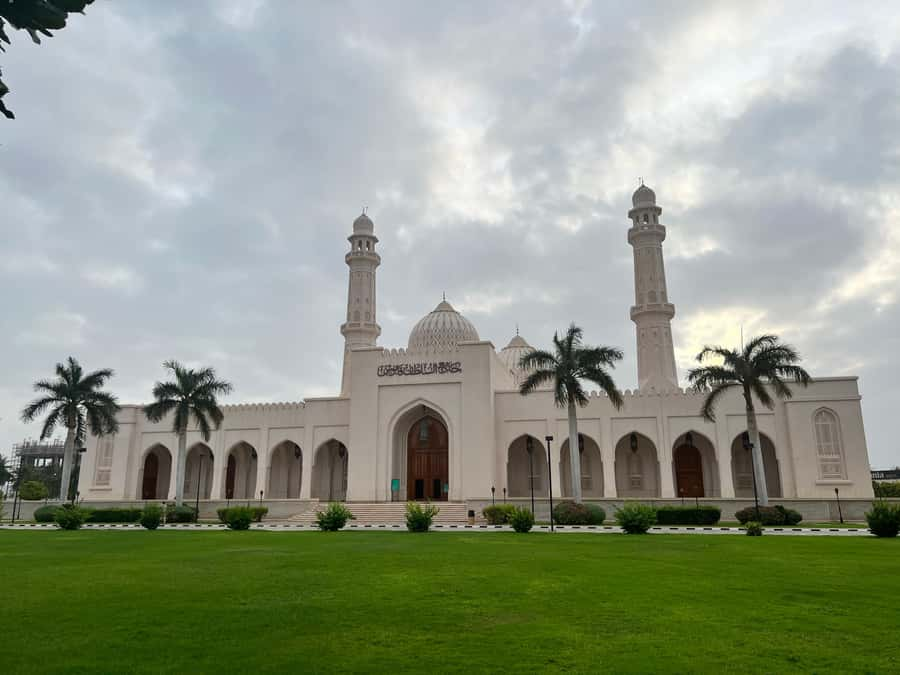
The tour begins at Sultan Qaboos Mosque, described as the largest mosque in the Dhofar region. The stop lasts about 30 minutes, enough for a brief visit, photos, and a look at the building’s Islamic design and calm interior spaces when access is available.
This is not a rushed roadside photograph. The mosque gives the tour a proper starting point because it introduces the religious life of the city before you move on to markets and shopping. You can take in the scale of the building, its elegant decoration, and the quiet atmosphere around it.
Dress matters here. Bring a long-sleeved shirt, long pants, and a headscarf. Sleeveless shirts and shorts are not allowed, so do not treat this as a casual beach outing. Comfortable shoes are useful for the walking stops, too.
There is one important seasonal limit. During Ramadan, the mosque visit is restricted to a photo stop. If entering the mosque is a priority for you, check the operating conditions before booking and plan your expectations accordingly.
Finding frankincense at Haffa Souq
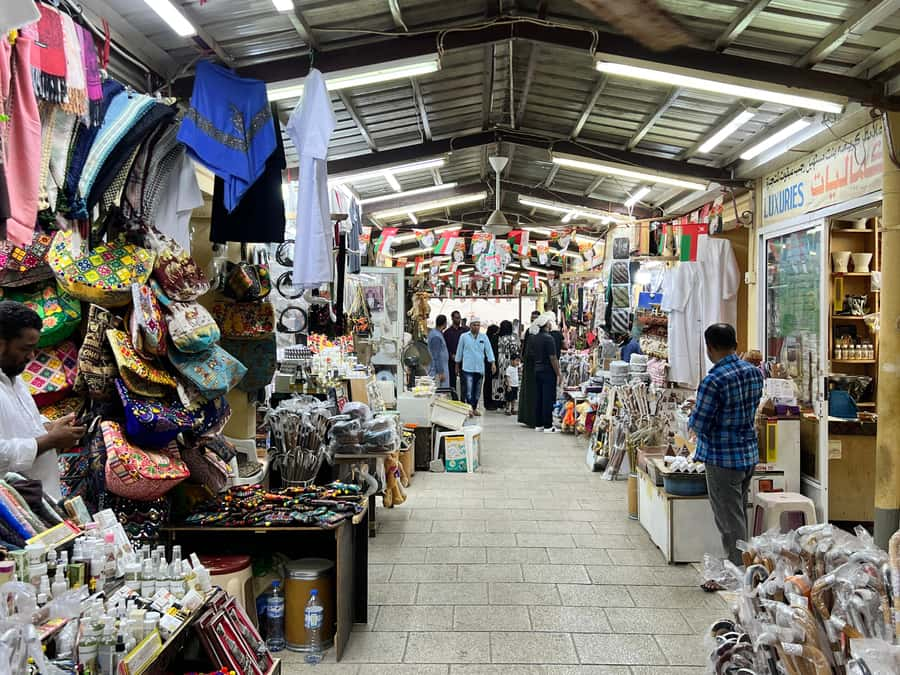
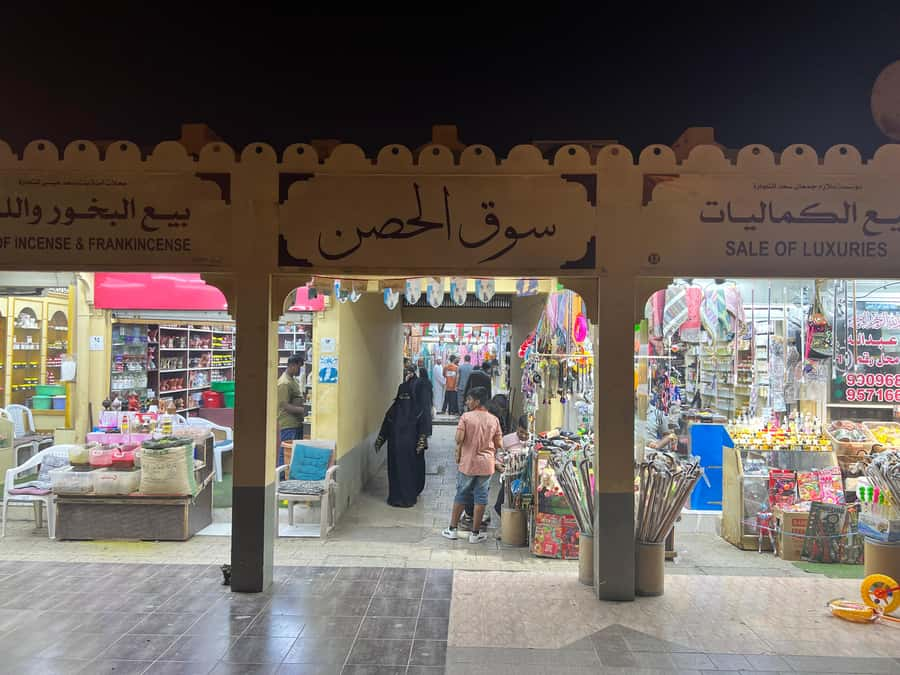
Next comes Haffa Souq, also referred to as Souq Al Hisn in the schedule. It is near Haffa Beach and the Sultan’s Palace, and it offers the traditional market atmosphere many people hope to find in Salalah.
Frankincense is the star purchase here. You can browse different types, ask about their scent and use, and look for burners or other items connected with bakhur, the fragrant smoke used in homes and religious settings. The stalls also carry Omani perfumes, handmade textiles, and souvenirs.
I would save some of your shopping budget for this stop. A market is more enjoyable when you can look slowly, compare prices, and ask questions instead of making a hurried purchase at the end of a sightseeing day. Your guide can help explain products and local customs, though the exact amount of shopping help will depend on the guide and group.
The souq is also the point where the tour feels most connected to Salalah’s older commercial life. Frankincense has long been central to Dhofar’s identity, and buying a small packet or burner gives you something more meaningful than a generic souvenir.
Still, keep your expectations practical. The schedule allows about 30 minutes here. That is enough to browse and buy a few items, but not enough for an unhurried market expedition. If you love shopping, you may wish you had more time. The short visit works better if you arrive with a few clear interests, such as frankincense, perfume, or a small gift.
Walking through a tropical Dhofari farm
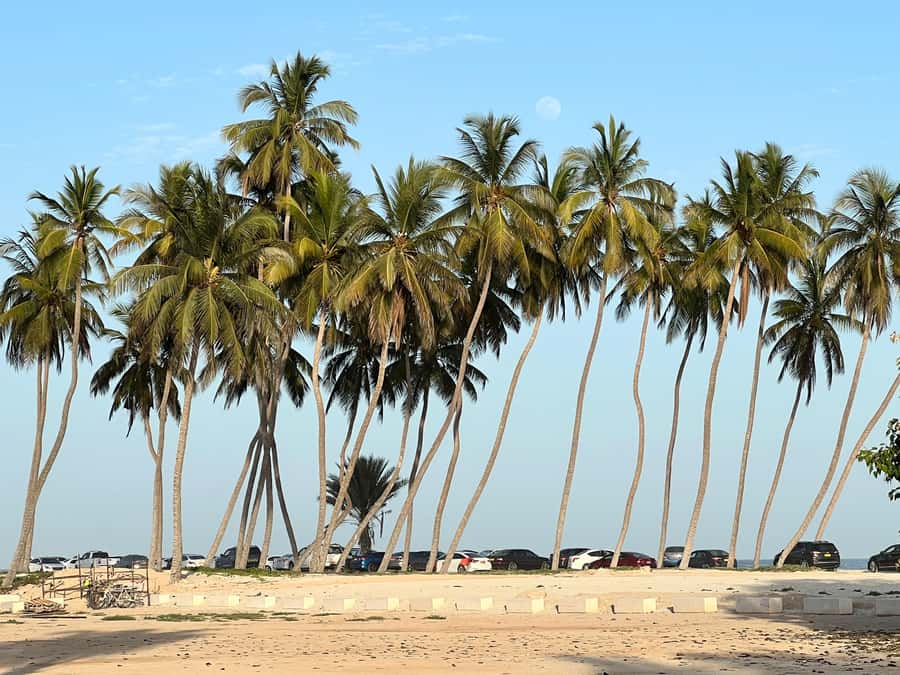
The fruit farm is one of the tour’s most distinctive stops. Salalah’s climate and agriculture can surprise you, particularly if you picture Oman only as dry desert and rocky mountains. Among the palms and fruit trees, the city shows its greener side.
You will walk among coconut palms, banana trees, papayas, and other tropical plants. The stop is less about a formal agricultural lesson and more about seeing the setting at close range. It gives you a break from buildings and shops while showing why Salalah feels different from many other cities in the Arabian Peninsula.
Bring comfortable shoes, since this is a walking stop rather than a view from the vehicle. Bottled water is included, but you should still dress for warm conditions and use the pace of the group as your guide.
This part may be especially appealing if you want photographs that do not look like standard Oman sightseeing photos. The farm adds texture to the day and helps explain the local produce you may see elsewhere in Salalah. Do not expect a long farm visit or a full meal there. The point is the stroll and the setting.
More History Tours in the world:
- New York City: American Museum of Natural History Ticket
★ 4.5 · 15,447 reviews - History and Hauntings of Salem Guided Walking Tour
★ 5.0 · 14,564 reviews - Colosseum: Underground and Ancient Rome Tour
★ 4.7 · 12,691 reviews - Lisbon: History, Stories and Lifestyle Walking Tour
★ 4.8 · 10,902 reviews
Tasting Omani halwa the local way
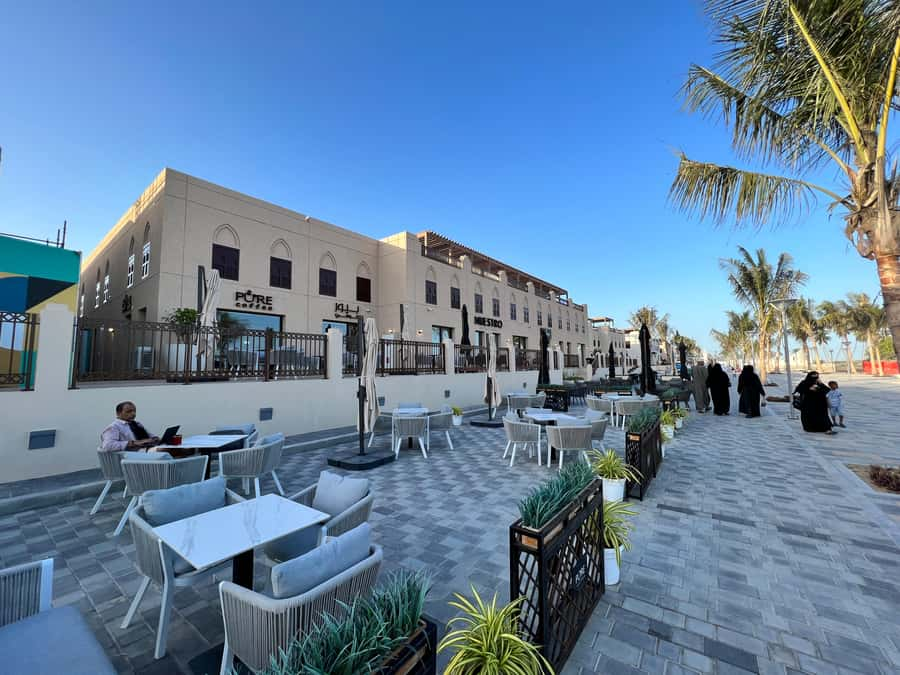
The halwa stop is small, but it adds a welcome food detail to a tour otherwise centered on sights and shopping. At a local sweet shop, you taste Omani halwa made with ingredients such as saffron, honey, and dates.
Omani halwa is more than a sugary snack. It is tied to hospitality and celebrations, and the tasting gives you a quick introduction to a familiar part of local food culture. You may also find it easier to choose a box as an edible souvenir after trying it first.
This is not a full breakfast, lunch, or dinner. Meals are not included, although they may be arranged at an additional cost. If you need substantial food during the four-hour outing, plan for that separately rather than treating the halwa sample as a meal.
I like this stop because it keeps the tour from becoming a procession of monuments. A small taste can tell you something about daily customs more directly than another photo stop. It also gives you a chance to ask your guide about the ingredients and how the sweet is served.
One hour at Salalah Grand Mall
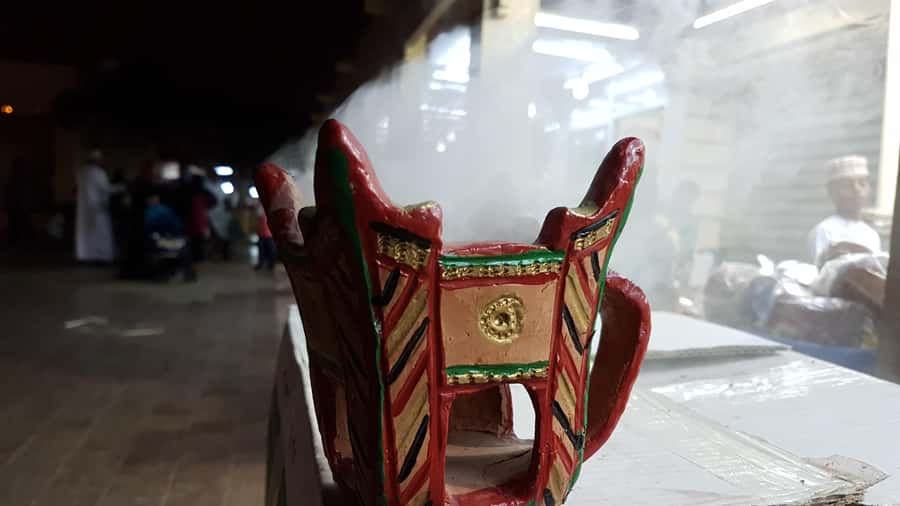
The final major stop is Salalah Grand Mall, where you get about one hour of free time. This is a very different experience from Haffa Souq, and that contrast is useful. After the traditional market and the farm, you see the modern side of the city in an air-conditioned setting.
You can shop, exchange currency, have coffee, or simply sit and cool down. That flexibility matters if you have spent the morning in warm weather or need a pause before returning to your hotel.
The mall may be the least culturally distinctive stop, and some people will prefer more time at the souq or farm. Yet it serves a practical purpose. You can buy familiar supplies, take a break, or finish souvenir shopping in a comfortable setting. If you are visiting Salalah with different interests in the same group, the mall also gives each person an easy choice.
The one-hour limit keeps the tour moving, but it also means you should not plan a serious shopping expedition here. Think of it as useful free time, not the main event.
Guides, languages, and the personal touch
The guide can make a major difference on a compact tour. Names connected with especially strong experiences include Mohamed Ali, Salim, and Majid. Mohamed Ali was praised for explaining life from an Omani point of view and for responding to individual requests. Salim was noted for patience, advice, and extra effort in teaching about Oman. Majid was described as friendly and willing to show beautiful places.
Those details matter because the route itself is fairly straightforward. A guide who explains religion, history, local life, and shopping customs turns a series of stops into a connected story. On a four-hour tour, clear timing and flexibility are just as useful as a long speech at each site.
English and Arabic are specifically included in the transport and guide information. The activity also lists Polish, German, Italian, French, Hindi, Urdu, Ukrainian, and Russian among available languages. Confirm the language you need when booking, since the guide assigned to your date may vary.
You can expect communication about pickup through WhatsApp, and you can contact the operator for pickup details. The time depends on your hotel and the number of people in the group, so avoid arranging another activity too close to the scheduled return.
What to wear and what to bring
The mosque sets the dress code for the day. Wear long pants and a long-sleeved shirt, and bring a headscarf. Shorts and sleeveless tops are not permitted.
Comfortable shoes are worth packing because you will walk through the souq and fruit farm. Bottled water is provided, but the tour does not include meals. If you need breakfast, lunch, or dinner, ask about adding one at extra cost or make your own plan around the four-hour schedule.
Wheelchair access is available, and small-group arrangements can be requested. Because the route includes walking and a farm visit, you should still discuss your mobility needs when arranging the booking. The exact vehicle may be a van or bus.
The value of $42
At $42, the tour offers good value for someone who wants a guided city introduction with transport included. A private taxi route could give you more control over how long you spend at each stop, but you would need to arrange the visits, manage the dress requirements, and find your own explanations.
The value is strongest when you use the guide actively. Ask about frankincense, Omani halwa, the mosque, farming, and daily life. The strongest guide experiences connected with this tour came from personal explanations and willingness to respond to individual interests, not just from driving between locations.
The value is weaker if you mainly want a long shopping session. Thirty minutes at the souq and one hour at the mall leave limited time for serious browsing. It is better understood as a cultural sampler with shopping built in.
Free cancellation up to 24 hours before the start and reserve-now, pay-later booking add flexibility. Those terms are helpful if your Salalah plans may change, but you should still check the exact starting time before committing to another activity.
Who should book this Salalah tour?
I would recommend it for a first visit, a short stay, or anyone who wants several sides of Salalah in one easy half-day. It is particularly useful if you want cultural context but do not want a demanding full-day trip outside the city.
Families and mixed-interest groups may appreciate the range. One person can focus on frankincense, another on food, another on photographs, and everyone gets a comfortable mall stop. The wheelchair-accessible option and hotel pickup also make it easier for people who prefer not to manage local transport alone.
You may want a different plan if your main goal is mountain scenery, waterfalls, beaches, or a long market visit. Those are not the focus here. This tour stays centered on city culture, shopping, food, and a short taste of Salalah’s tropical setting.
Should you book it?
Book this tour if you want an affordable, well-rounded introduction to Salalah and value a guide who can explain local life while handling transport. The mosque, frankincense market, farm, halwa tasting, and mall form a varied four-hour route, and the best guides, including Mohamed Ali, Salim, and Majid, add personal insight.
Skip it if you dislike fixed schedules or want to spend most of the day in one market. For everyone else, it is a practical first look at Dhofar, with enough local flavor to help you decide what deserves a longer visit later.
FAQ
How long does the Salalah city tour last?
The tour lasts four hours.
How much does the tour cost?
The listed price is $42 per person.
Where can pickup and drop-off take place?
Pickup and drop-off are available from selected hotels in Salalah and Taqah.
Is hotel pickup included?
Yes. Hotel pickup and drop-off are included, with the exact pickup time depending on your hotel and the size of the group.
What language does the guide speak?
English and Arabic are included. The activity also lists Polish, German, Italian, French, Hindi, Urdu, Ukrainian, and Russian as available languages. Confirm your preferred language when booking.
Can I visit Sultan Qaboos Mosque during Ramadan?
During Ramadan, the mosque visit is limited to a photo stop.
What should I wear for the tour?
Wear a long-sleeved shirt, long pants, and a headscarf. Sleeveless shirts and shorts are not allowed. Comfortable shoes are recommended.
Are meals included?
No. Breakfast, lunch, and dinner are not included, but they may be provided at an additional cost.
Can I cancel or pay later?
You can cancel up to 24 hours in advance for a full refund. Reserve-now, pay-later booking is also available.
Newest history tours we have reviewed in the world
- Brewood Village Historical Tour★ 5.0 · 21 reviews
- The History Behind Outlander Tour★ 5.0 · 18 reviews
- El Calafate History Museum Tour★ 4.5 · 32 reviews
- Private Royal Mile walking tour – Discover the history of our most famous street★ 5.0 · 48 reviews
- Thirsty for Edinburgh: Scotlands Best Historical Pub Tour★ 5.0 · 24 reviews
- St Andrews, Fife Coast Walk & Historic Abbey Tour from Edinburgh★ 5.0 · 62 reviews
- Old Town Walking Tour★ 5.0 · 17 reviews
- Edinburgh: History Lovers Old Town Walking Tour★ 5.0 · 216 reviews
Local Culture & Traditions Tours, compared.

Amsterdam Food and Cultural Tour with Tastings
Read our review →
Sevilla Food Tour: Tapas, Wine, History & Traditions
Read our review →
Tromsø: Reindeer Camp and Sami Cultural Tour with Lunch
Read our review →
Half Day Dominican Republic Cultural Tour : Small Group
Read our review →
Ultimate Melbourne Walking Tour: History, Laneways & Culture
Read our review →
Tromsø: Sámi Reindeer Sledding and Sami Cultural Tour
Read our review →
Kyoto Gion: 2-Hour Geisha Culture & History Walking Tour
Read our review →
Marrakech Historical and Cultural Tour – Half Day City Tour
Read our review →Browse the lists this tour appears in