
Review · LOCAL CULTURE & TRADITIONS TOURS
Bishkek : City Tour (History, Architects, Statues & Culture)
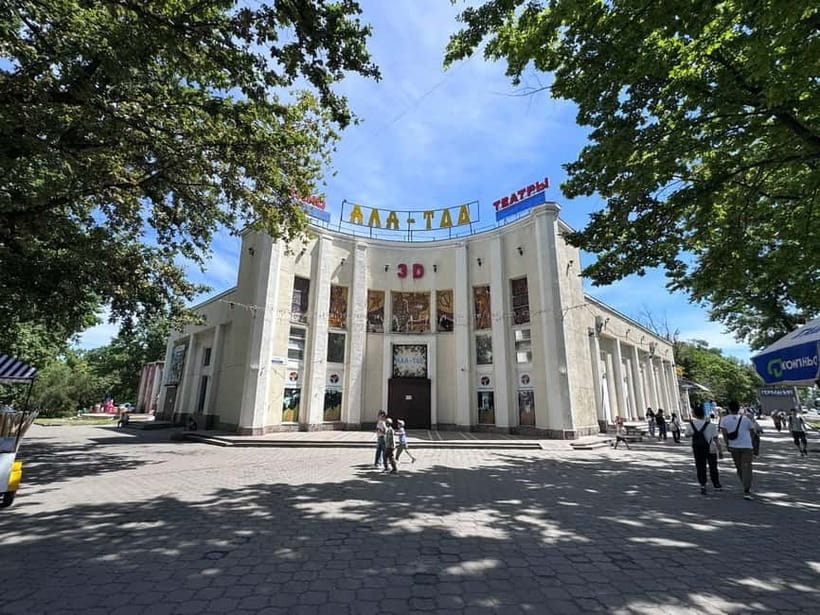
Bishkek’s story is written across its wide central squares, Soviet buildings, statues, and mosaics. This 2.5-hour walk gives you a useful first look at Kyrgyzstan’s capital, from the national flag and Manas statue to Lenin, Parliament, Victory Square, and the Opera and Ballet Theater.
I like the way the tour connects nomadic traditions with the Kyrgyz Soviet Republic, rather than treating the city as a collection of photo stops. I also like the practical help built in: guides such as Alex, Anna, Sofia, and Talgat have offered advice on local food, hotels, public transport, and places to visit beyond Bishkek. The main caution is value. At $29 per person, it is reasonable for a private or small group walk, but one booking costing $58 for two people felt high by local standards, especially in hot or rainy weather.
Key points before you book
- Ala-Too Square is both the starting point and the finish, so you can continue exploring central Bishkek afterward.
- The route mixes national history and Soviet memory, with the Manas and Kurmanzhan Datka statues alongside Lenin, Marx, Engels, and Soviet-era monuments.
- Soviet mosaics add a visual bonus, especially for anyone interested in public art and city architecture.
- English and Russian guides are available, with Alex, Anna, Sofia, Talgat, and Tareen among the guides praised for clear explanations and friendly service.
- The tour is mainly a walking orientation, not an indoor museum visit. Entrance fees are not included.
- Weather matters. Bring comfortable closed-toe shoes, and remember that large bags and oversize luggage are not allowed.
Why Bishkek’s center makes a good first walk
Bishkek can feel spread out at first. Its central area is easier to understand once you see how the main squares, government buildings, monuments, and theaters fit together. This tour gives you that basic map while explaining the political changes behind the city’s public spaces.
I find the focus useful because Bishkek is not a city where every major attraction announces itself with a large sign. A statue may represent a national hero, a Soviet ideal, or a turning point in Kyrgyz history. Without context, you can walk past several important sites and see only stone, concrete, and broad pavement.
The route begins and ends at Ala-Too Square, the city center. That makes the tour practical on your first day. You can use it to get your bearings, then return to a favorite area for photographs, a meal, or another nearby visit.
The walking pace appears comfortable, with short guided stops rather than one long lecture. Still, this is a city walk, so you should expect regular time on your feet. The tour information recommends comfortable or closed-toe shoes, and that advice is worth taking seriously.
More Local Culture and Traditions Tours in the world:
- Amsterdam Food and Cultural Tour with Tastings
★ 5.0 · 4,315 reviews - Sevilla Food Tour: Tapas, Wine, History & Traditions
★ 5.0 · 3,468 reviews - Tromsø: Reindeer Camp and Sami Cultural Tour with Lunch
★ 4.7 · 3,326 reviews
Ala-Too Square and the Kyrgyz flag
Ala-Too Square is the natural place to begin. Here, the national flag gives your guide a chance to explain the symbols of Kyrgyzstan and the connection between modern national identity and older nomadic life.
This opening matters. Kyrgyzstan is not simply a former Soviet country with Soviet buildings left behind. Its national story includes pastoral traditions, epic heroes, clan and regional identities, and the effort to define an independent state after the Soviet period. The flag is a compact way to start that conversation.
You also receive a safety briefing and an introduction to the route here. The square is a useful place for photographs, but the value is in the explanation of what you are seeing. Allow about 20 minutes for this first stop.
Kurmanzhan Datka and the State History Museum
The Kurmanzhan Datka statue adds a strong Kyrgyz figure to the tour. Her presence helps shift the focus away from Soviet power and toward local history and leadership. Your guide uses the monument to explain national figures and the way Kyrgyzstan remembers its past.
The State History Museum is listed as a brief stop of about 10 minutes. Based on the format, you should treat this as an exterior orientation rather than a full museum visit. Entrance fees are not included, so anyone wanting to tour the museum inside should confirm the arrangements and cost before booking.
That distinction is important. This experience is designed to explain Bishkek as you walk through it. It is not a long indoor museum program, and you should not expect detailed gallery time at every stop.
Victory Square and the Opera and Ballet Theater
Victory Square brings the Soviet period into sharper focus. The stop gives your guide room to discuss the country’s experience during the Soviet era and the way wartime memory appears in Bishkek’s public monuments.
For visitors who know little about the Kyrgyz Soviet Socialist Republic, this is one of the useful parts of the tour. You begin to see how Soviet history shaped government, public art, architecture, and civic ceremonies. The explanation also helps separate Soviet identity from Kyrgyz national identity, which can otherwise seem blurred when you first arrive.
The Opera and Ballet Theater offers a different mood. Its architecture and cultural role show that Bishkek was not built only around ministries and political monuments. The theater represents the city’s formal arts tradition and gives the walk a welcome change from squares and government offices.
The scheduled stop is about 10 minutes. That is enough for an exterior explanation and photographs, but not for a performance or extended interior visit. If attending a ballet or opera is on your list, you will need to arrange that separately.
More History Tours in the world:
- New York City: American Museum of Natural History Ticket
★ 4.5 · 15,447 reviews - History and Hauntings of Salem Guided Walking Tour
★ 5.0 · 14,564 reviews - Colosseum: Underground and Ancient Rome Tour
★ 4.7 · 12,691 reviews - Lisbon: History, Stories and Lifestyle Walking Tour
★ 4.8 · 10,902 reviews
Lenin, Marx, Engels, and Soviet public art
The Vladimir Lenin statue is one of the clearest reminders that Bishkek’s public spaces changed slowly after independence. Seeing Lenin alongside Kyrgyz national figures gives you a more honest picture than a tour that presents the city as either purely Soviet or purely national.
The route also includes the Karl Marx and Friedrich Engels monument. These stops are especially useful if you want to understand how ideology was presented in everyday public life. Statues were not random decoration. They helped define the values that authorities wanted citizens to see and remember.
The tour’s focus on Soviet mosaics adds another layer. The mosaics, including works connected with major anniversary celebrations, are easy to miss if you do not know where to look. They can show workers, education, industry, friendship, or collective achievement in bold public images.
I would particularly recommend this tour to anyone interested in architecture, public art, or twentieth-century history. You do not need specialist knowledge. A good guide can explain why a building or image matters without turning the walk into a string of dates.
The White House, Parliament, and the Stele of Friendship
Government buildings help explain how Bishkek functions as the capital. The White House and Jogorku Kenesh, the Parliament, are included as important political landmarks. You should expect an exterior look and a discussion of their role, not an official government tour.
The Stele of Friendship of Peoples continues the Soviet theme. Its message reflects the old emphasis on cooperation among the peoples of the Soviet Union. For a modern visitor, the monument can prompt useful questions about how Soviet ideas of unity operated and how independent Kyrgyzstan now presents its own identity.
These are short stops, with about 10 minutes at the White House and 15 minutes at the stele. The route works best when you listen for the connections between sites. Taken separately, a government building or monument may seem ordinary. Together, they show how the city center was planned to project authority, unity, and national purpose.
Manas and the return to Ala-Too Square
The Manas statue is one of the tour’s most important final stops. Manas is central to Kyrgyz cultural identity, and the statue gives your guide a chance to discuss the epic tradition, national heroes, and the place of nomadic culture in modern Kyrgyzstan.
Ending with Manas works well. The route begins with the national flag and finishes with a major symbol of Kyrgyz identity, returning you to Ala-Too Square after about 20 minutes at the statue. By this point, you have seen the city’s Soviet layer, its national symbols, and its public institutions in one continuous walk.
You also finish in a useful location. Since Ala-Too Square is central, you can ask the guide for suggestions on local hotels, public transport, food, or trips to natural areas and other Kyrgyz cities. Several guides have been praised for offering this kind of practical advice, which can be more useful than another ten minutes of formal sightseeing.
What the guides add to the walk
The guide is the most important variable in this experience. Alex is frequently praised for his clear explanations, friendly manner, and ability to discuss history, politics, culture, and daily life. Anna is described as especially engaging, with a story-based way of bringing Kyrgyzstan’s past to life.
Sofia, also written as Sophia in some accounts, has been appreciated for her humor, patience, and explanations of local monuments. Talgat has been praised for his historical knowledge and helpful recommendations, while Tareen is noted for creating a calm atmosphere and answering questions carefully.
You cannot assume which guide you will receive, but the repeated pattern is clear: the best part of the tour is the human explanation. A guide who can connect a statue to a national story makes the walk far more useful than a route that only names buildings.
It is worth asking questions. You might ask how Kyrgyz nomadic life is represented today, why Soviet monuments remain in public spaces, or which natural areas are practical to visit from Bishkek. The tour includes recommendations for nearby nature, hotels, public transport, and other cities, so use that time well.
Price, timing, and comfort
The price is $29 per person for 2.5 hours. I see that as a fair price if you receive a private or small-group experience with a strong English-speaking guide and use the advice to plan the rest of your stay.
The value is less convincing if you judge it only by walking distance. Bishkek’s center can be explored independently, and there are no entrance fees included. One booking cost $58 for two people and felt expensive by local standards. That is a reasonable concern, especially if you are comfortable researching the monuments yourself.
The tour becomes better value for a first visit, a short stay, or anyone who wants history explained in plain language. It also helps if you plan to travel onward in Kyrgyzstan, since the guide can suggest other cities and natural places.
Weather can change the experience. One walk continued smoothly in heavy rain, and another guide adjusted the starting time during a downpour. Even so, hot weather can make 2.5 hours feel long. Wear comfortable shoes, carry weather protection, and leave large luggage at your accommodation.
The tour is available in English or Russian. Private groups are available, which can make it easier to ask questions and set a comfortable pace. The activity is not considered suitable for people with altitude sickness or people over 95 years old.
Free cancellation is available up to 24 hours before the start, and you can reserve now and pay later. Confirmation is handled through WhatsApp, so keep an eye on your messages before the tour.
Who should book this Bishkek walk
I would choose this tour if you have just arrived in Bishkek and want a quick introduction before planning the rest of Kyrgyzstan. It is also a good fit if Soviet architecture, statues, political history, and public mosaics interest you.
You will get the most from it if you enjoy asking questions and looking beyond the photo. The route is not built around dramatic scenery or long indoor visits. Its reward is context: understanding why these monuments are here and how Kyrgyz identity appears beside Soviet symbols.
It may not suit you if you want a food tour, a full museum visit, or a private vehicle. It is mainly a central walking route, and entrance fees and personal purchases are extra.
Should you book it?
Book it if you want a friendly guide to connect Bishkek’s flag, statues, theaters, mosaics, government buildings, and Soviet past into one clear story. The strongest guides, including Alex, Anna, Sofia, Talgat, and Tareen, appear to add real value through their stories and practical local advice.
Skip it if you are seeking a bargain above all else and feel comfortable exploring the compact central sights independently. At $29, the tour is not the cheapest way to walk around Bishkek, but it can be a worthwhile first-day orientation, especially when a good guide turns a row of monuments into a readable history of the country.
FAQ
Where does the Bishkek city tour start and finish?
It starts at Ala-Too Square and returns to Ala-Too Square, which is known as Bishkek city center.
How long does the tour last?
The tour lasts 2.5 hours and is primarily a walking experience.
Which languages are available?
The tour is available with a live guide in English or Russian.
Is the tour private?
Private groups are available. The exact group arrangement should be confirmed when you book.
Are entrance fees included?
No. Entrance fees are not included, and personal purchases are also extra.
What should I bring?
Bring comfortable closed-toe shoes. Oversize luggage and large bags are not allowed.
Newest history tours we have reviewed in the world
- Bilbao Historical Tour in small group★ 4.7 · 52 reviews
- Bologna: Street Food Tour in the Historic Center★ 4.8 · 125 reviews
- CEBU: Cebu City Heritage and Uphill Guided Tour★ 4.2 · 31 reviews
- Blenheim: Omaka Aviation Heritage Centre Admission Ticket★ 4.9 · 31 reviews
- Berlin: Nazi History Walking Tour★ 4.8 · 33 reviews
- Best of Baku: 4-Hour City Tour Historic and Modern Landmarks★ 4.7 · 63 reviews
- Belfast: Best of Belfast History, Culture & Art Walking Tour★ 4.9 · 158 reviews
- Berlin: History and Sightseeing with Kids (Free for Kids)★ 4.9 · 19 reviews
Local Culture & Traditions Tours, compared.
Amsterdam Food and Cultural Tour with Tastings
Read our review →
Sevilla Food Tour: Tapas, Wine, History & Traditions
Read our review →
Tromsø: Reindeer Camp and Sami Cultural Tour with Lunch
Read our review →
Half Day Dominican Republic Cultural Tour : Small Group
Read our review →
Ultimate Melbourne Walking Tour: History, Laneways & Culture
Read our review →
Tromsø: Sámi Reindeer Sledding and Sami Cultural Tour
Read our review →
Kyoto Gion: 2-Hour Geisha Culture & History Walking Tour
Read our review →
Marrakech Historical and Cultural Tour – Half Day City Tour
Read our review →Browse the lists this tour appears in